










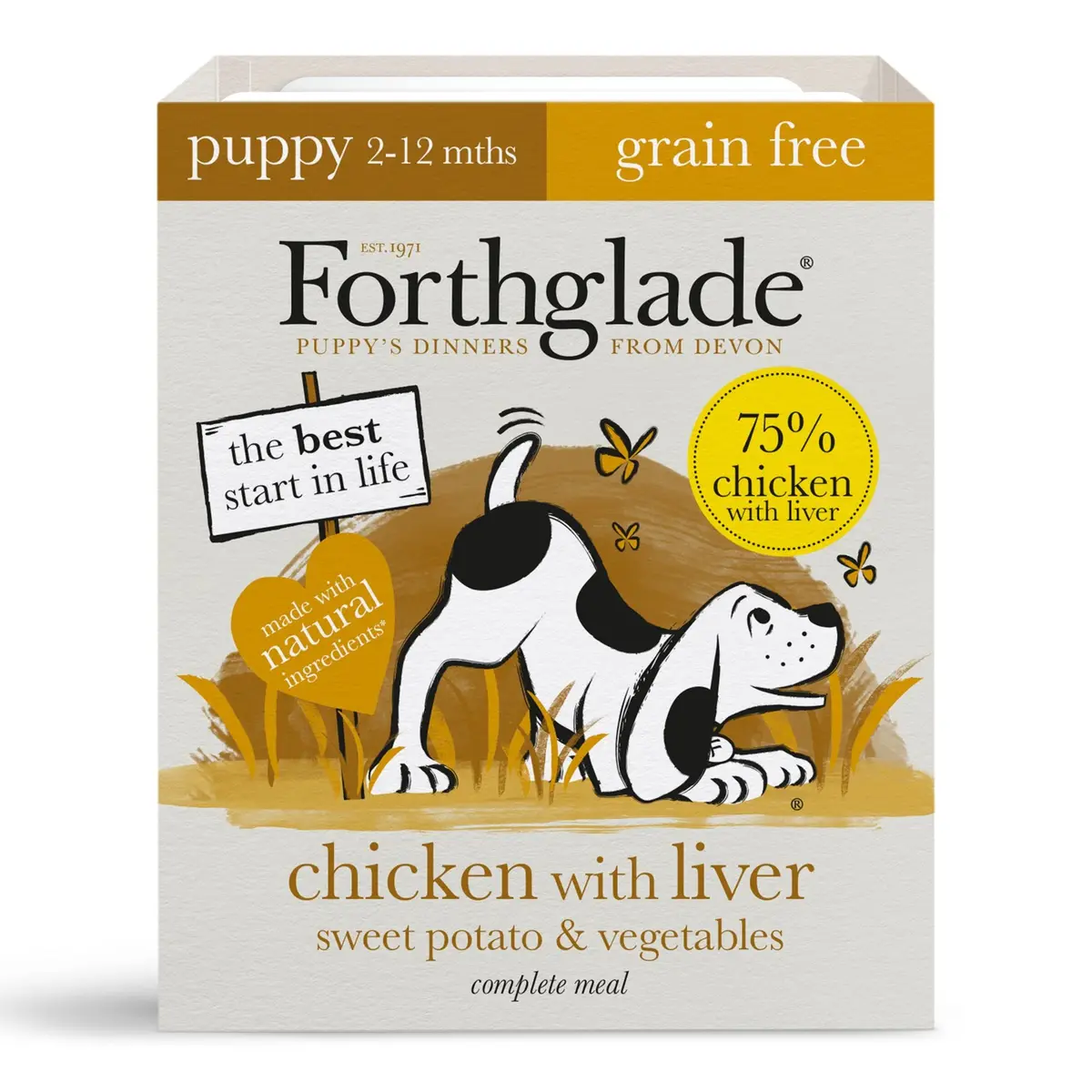
Forthglade Complete Puppy Chicken with Liver Grain Free — 18 x 395g Trays
- Pack
- 5 – 10kg
- Life stage
- Puppy
£35.89
Free UK delivery over £39 · Tracked & fast · Happy pets, happy homes
Find a vet near youGood food. Happy tails.
Our food and treats selection covers everyday meals, training rewards and tasty extras for dogs and cats at different life stages. As a buying tip, choose food suited to your pet's age, size and any dietary needs, and introduce any new food gradually over several days to avoid tummy upsets.
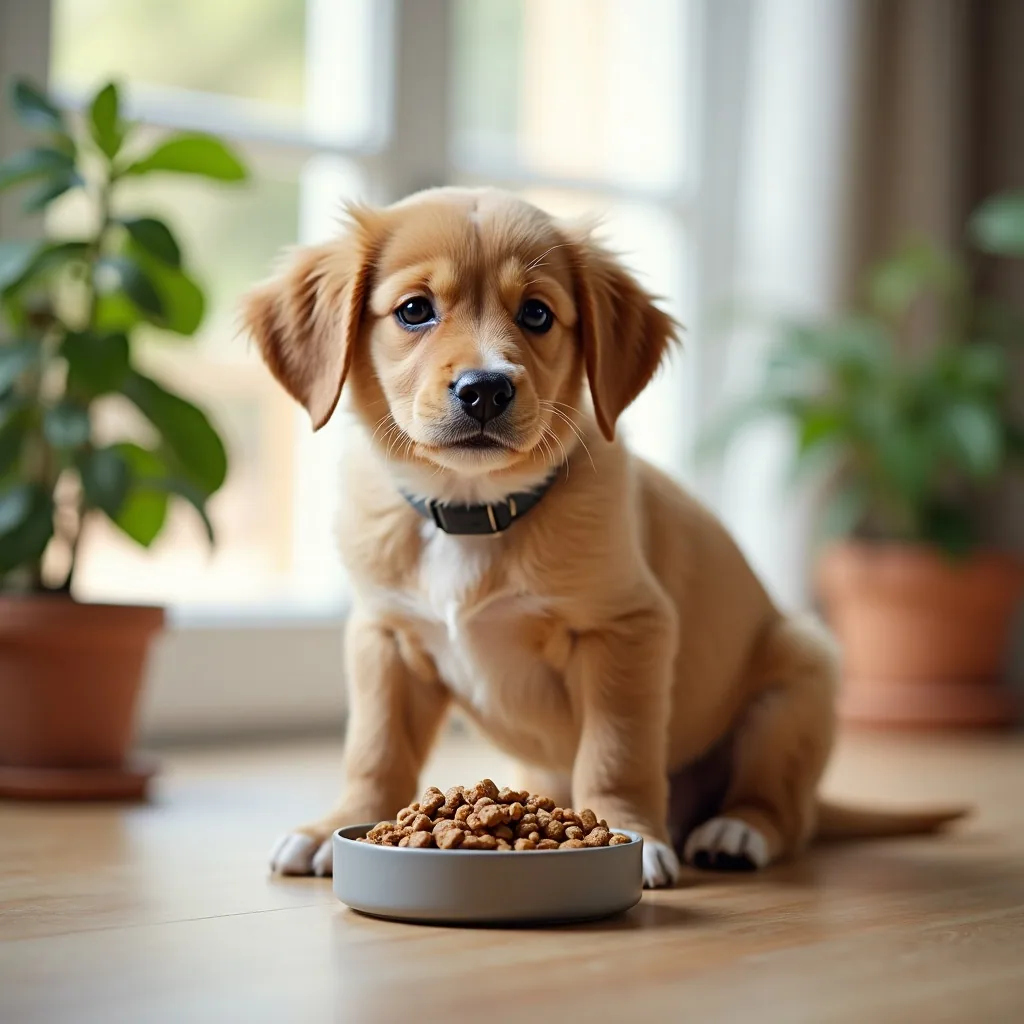 Breakfast, dinner and the bits between.
Find their favourites
Choose a section to narrow the range.
£35.89
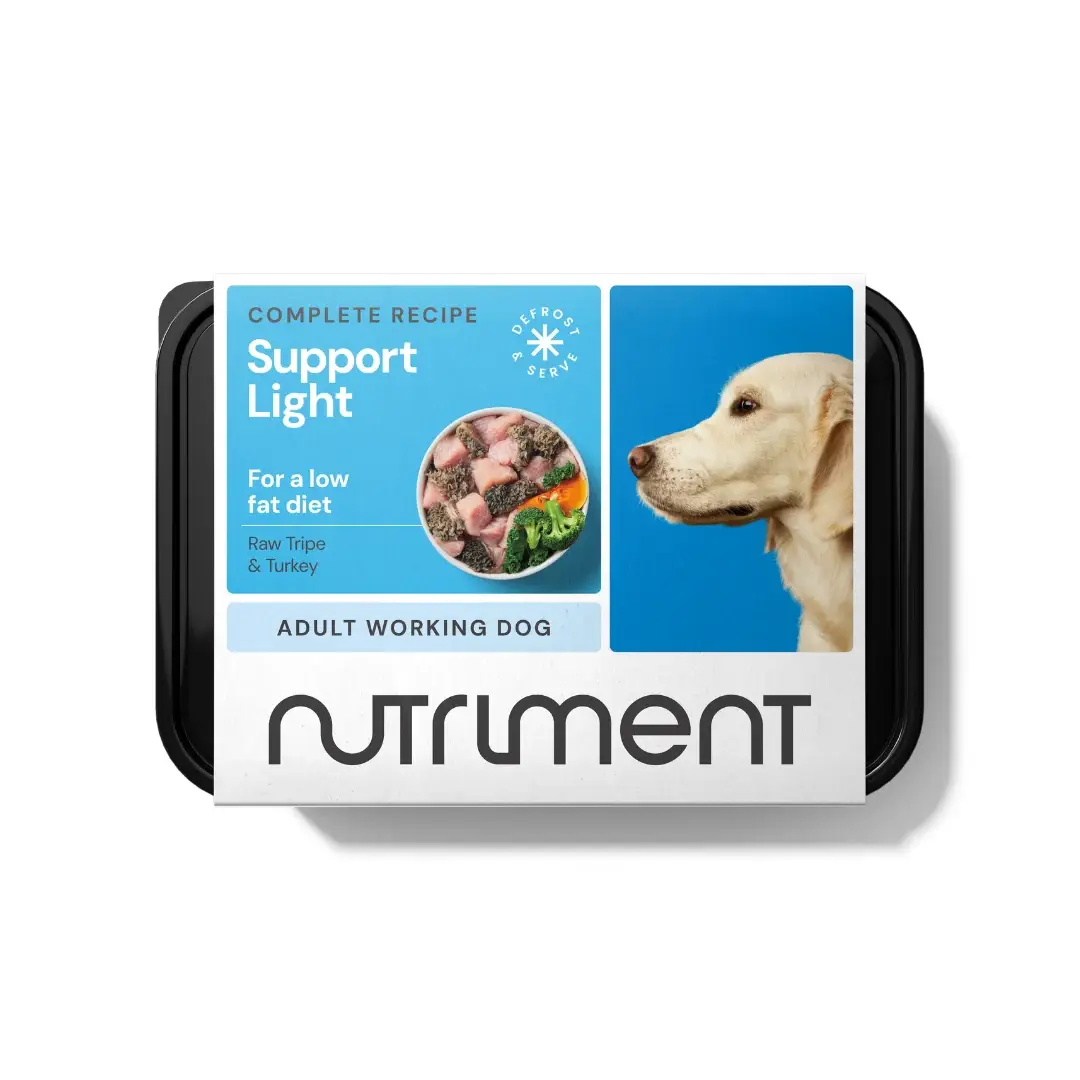
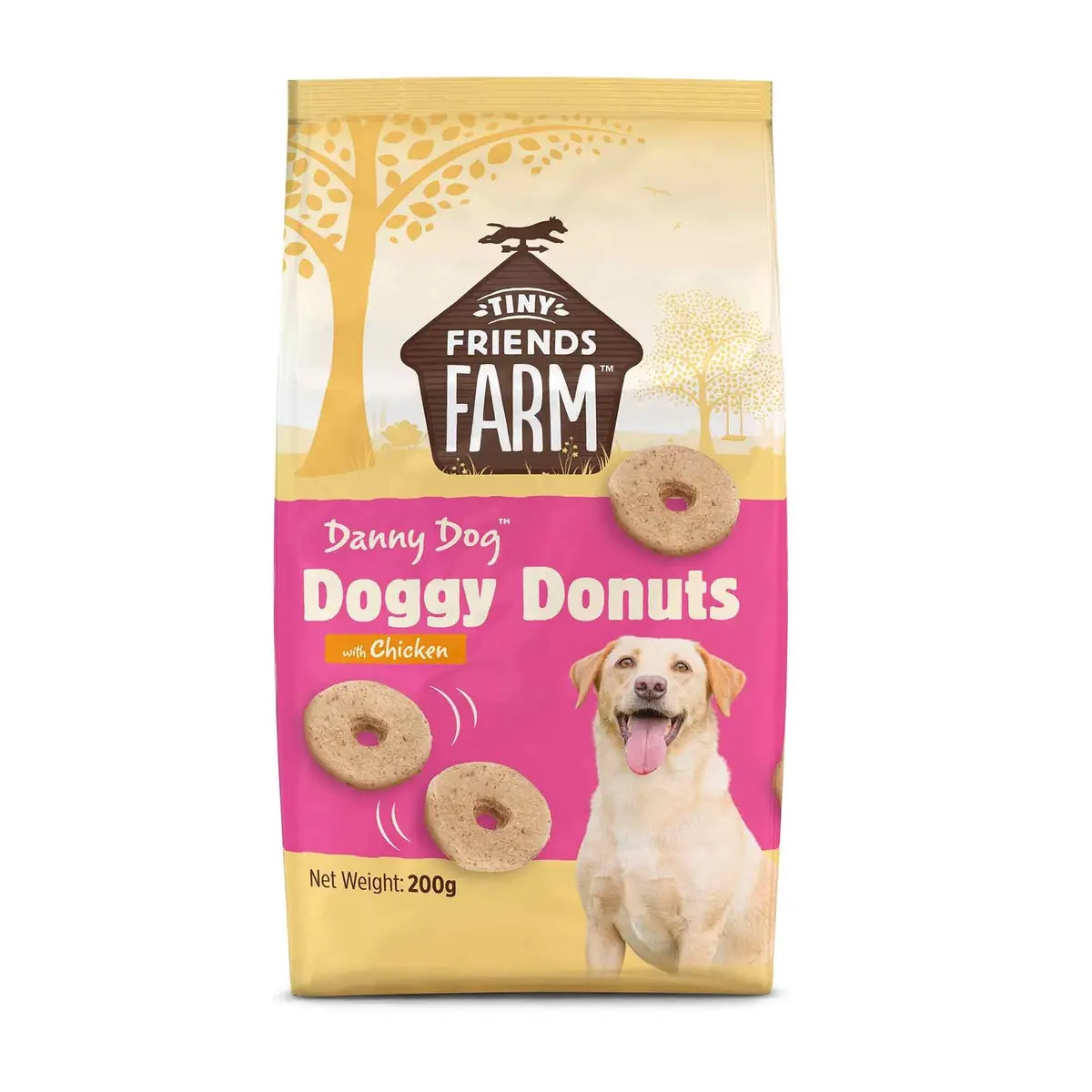
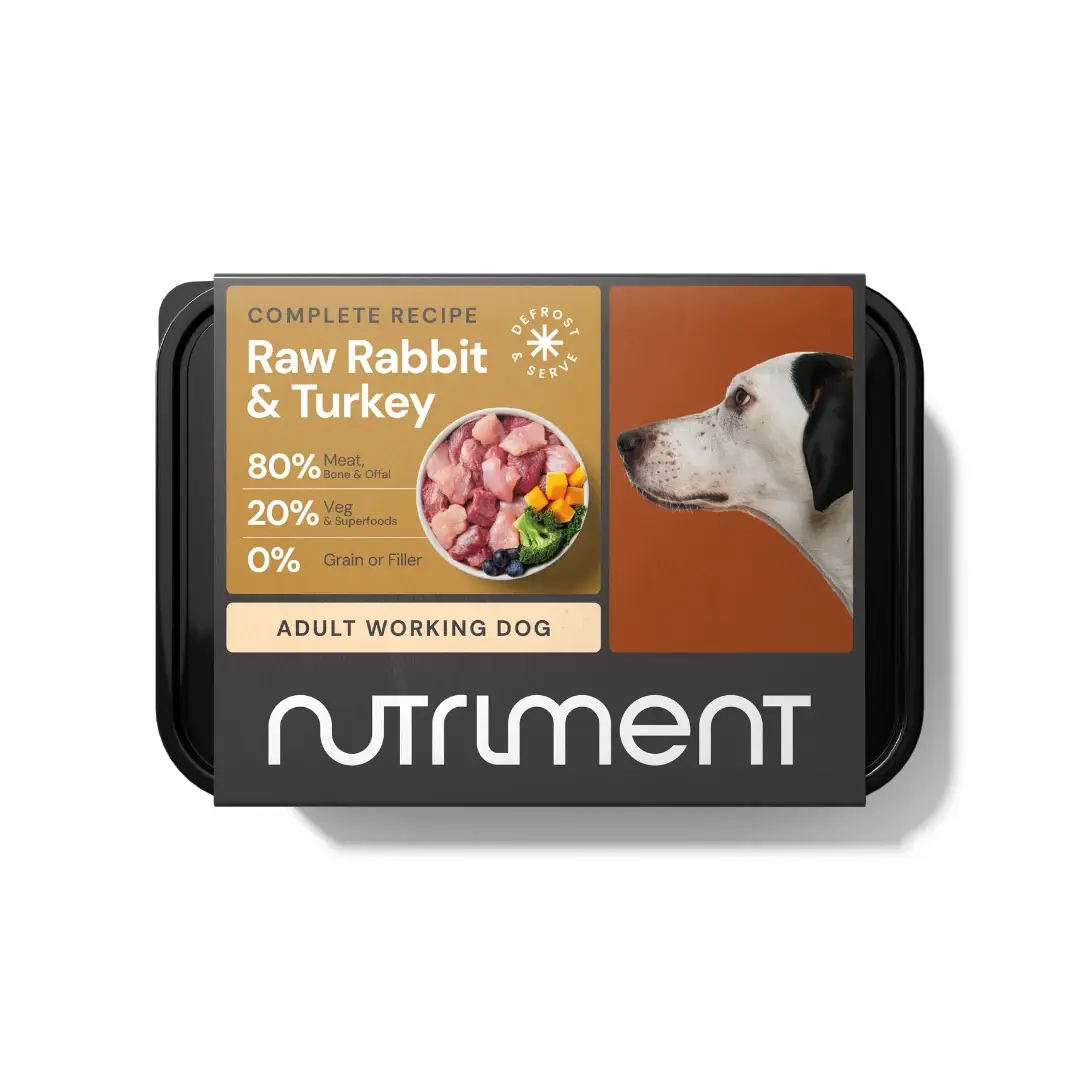
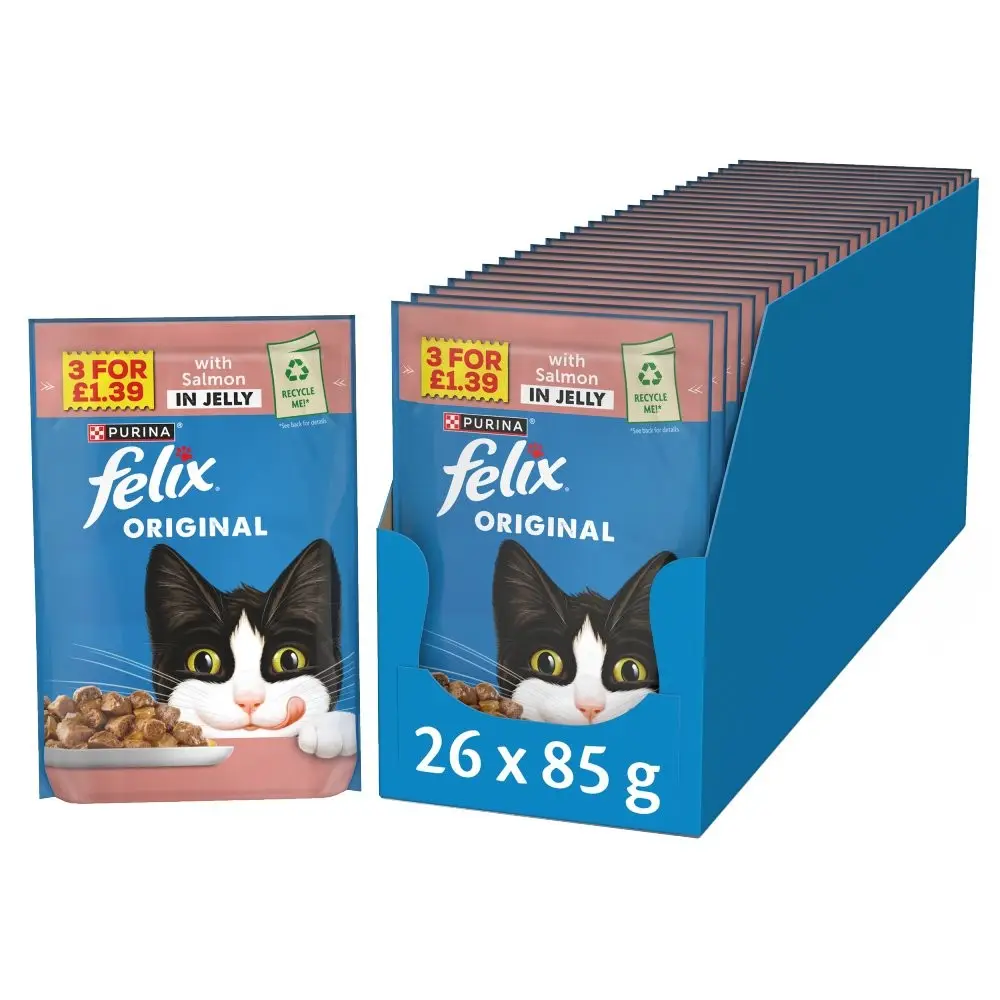
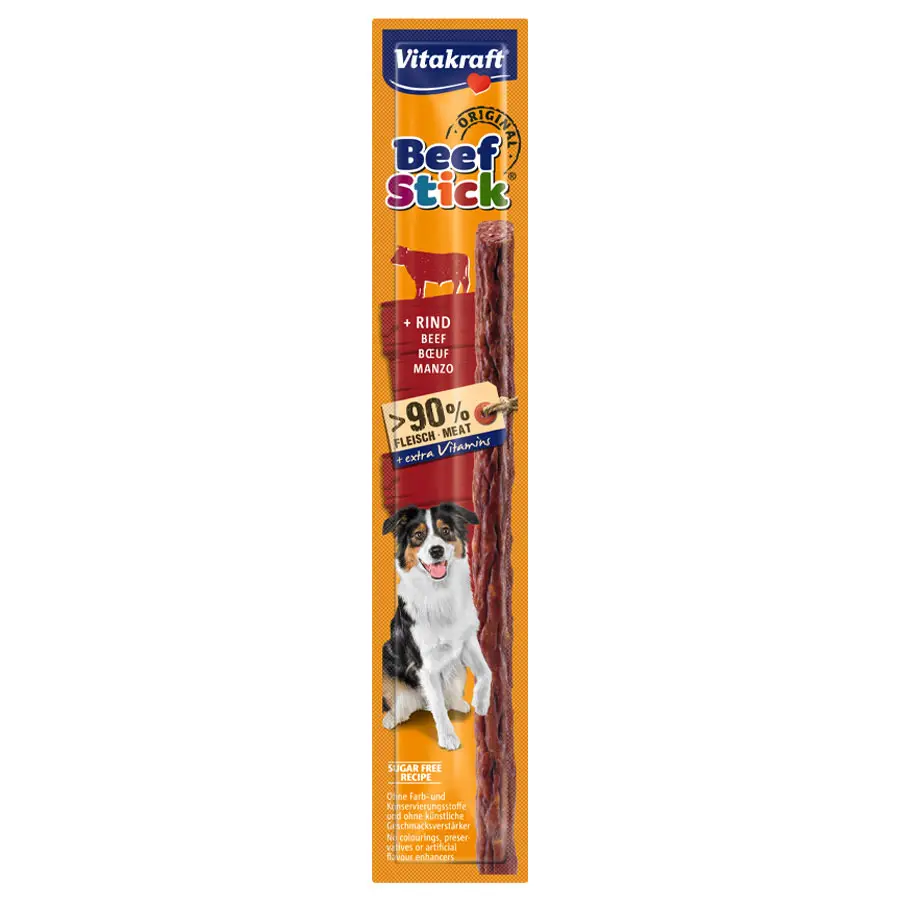

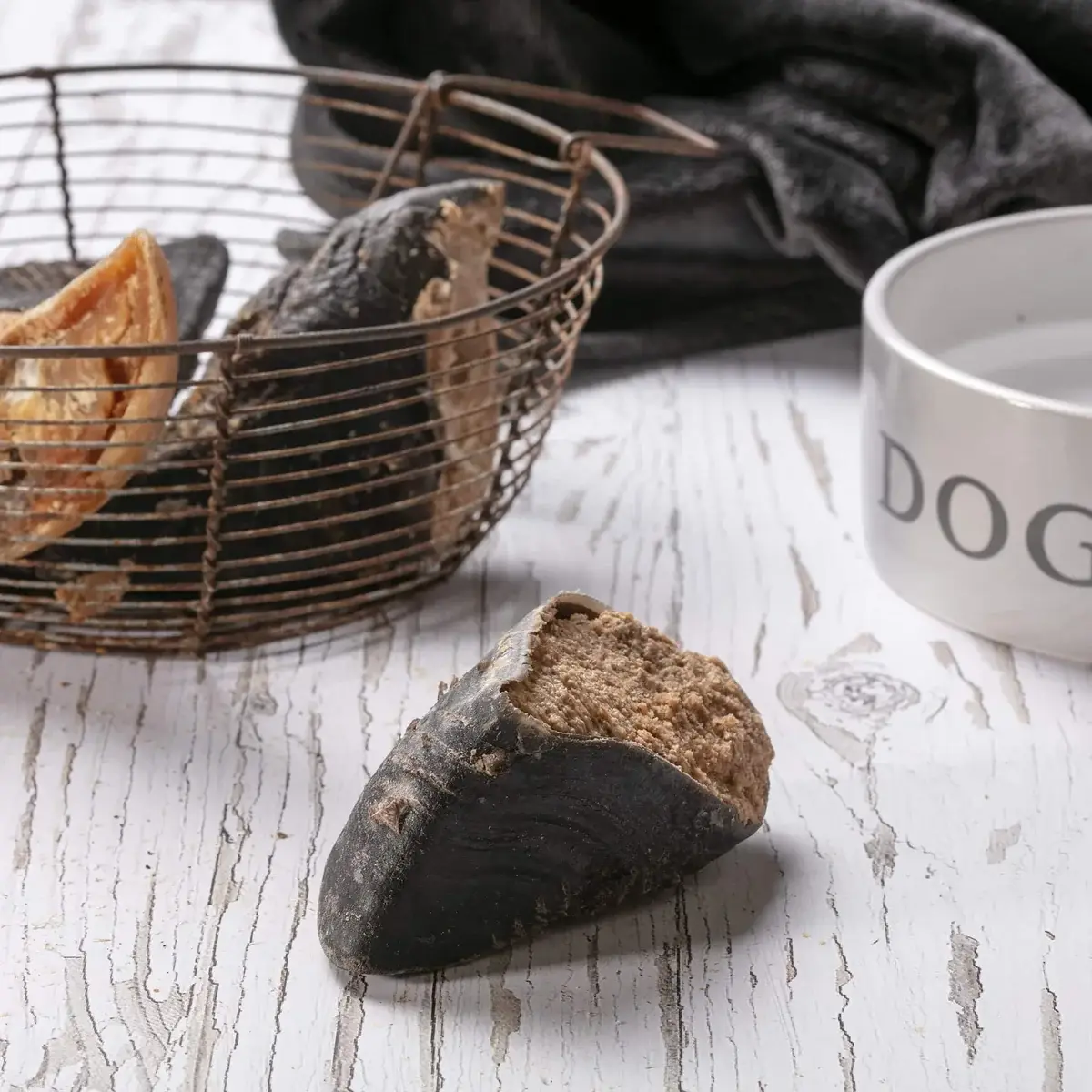
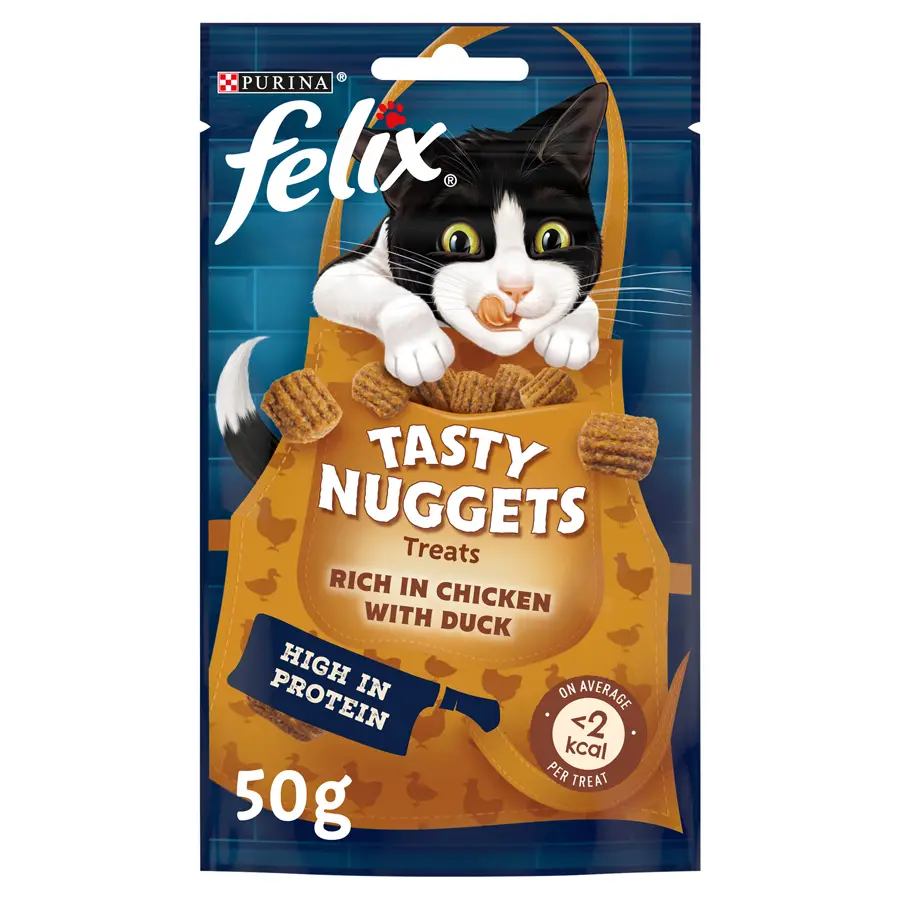

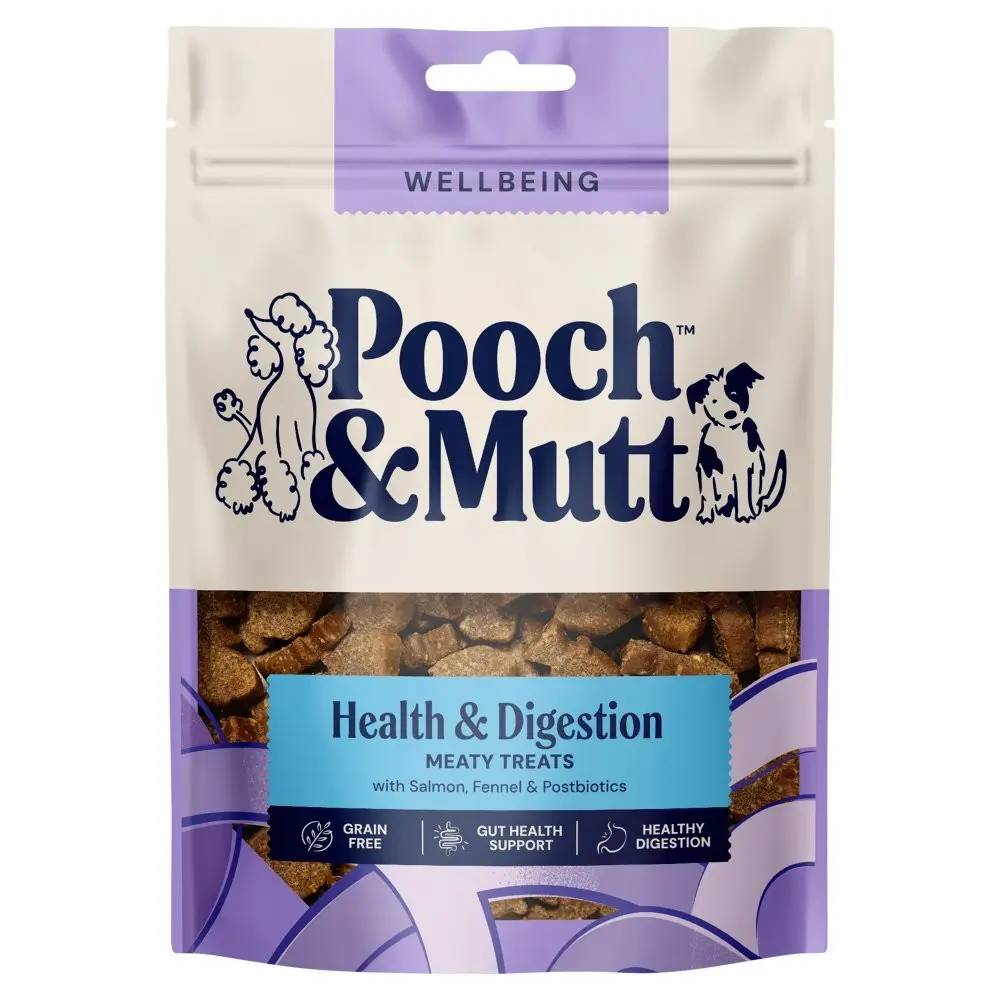
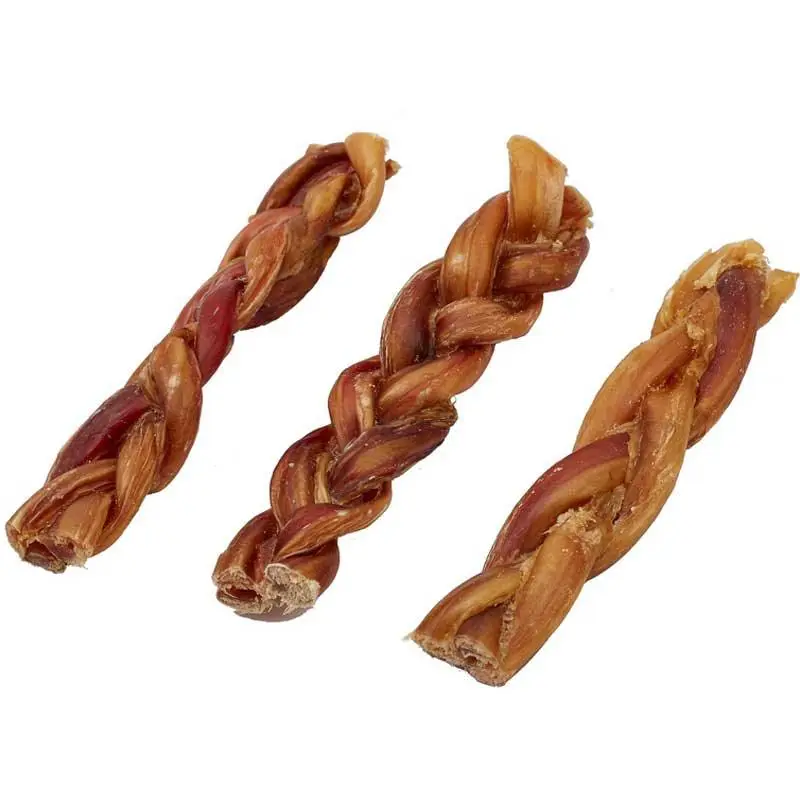
Supplement
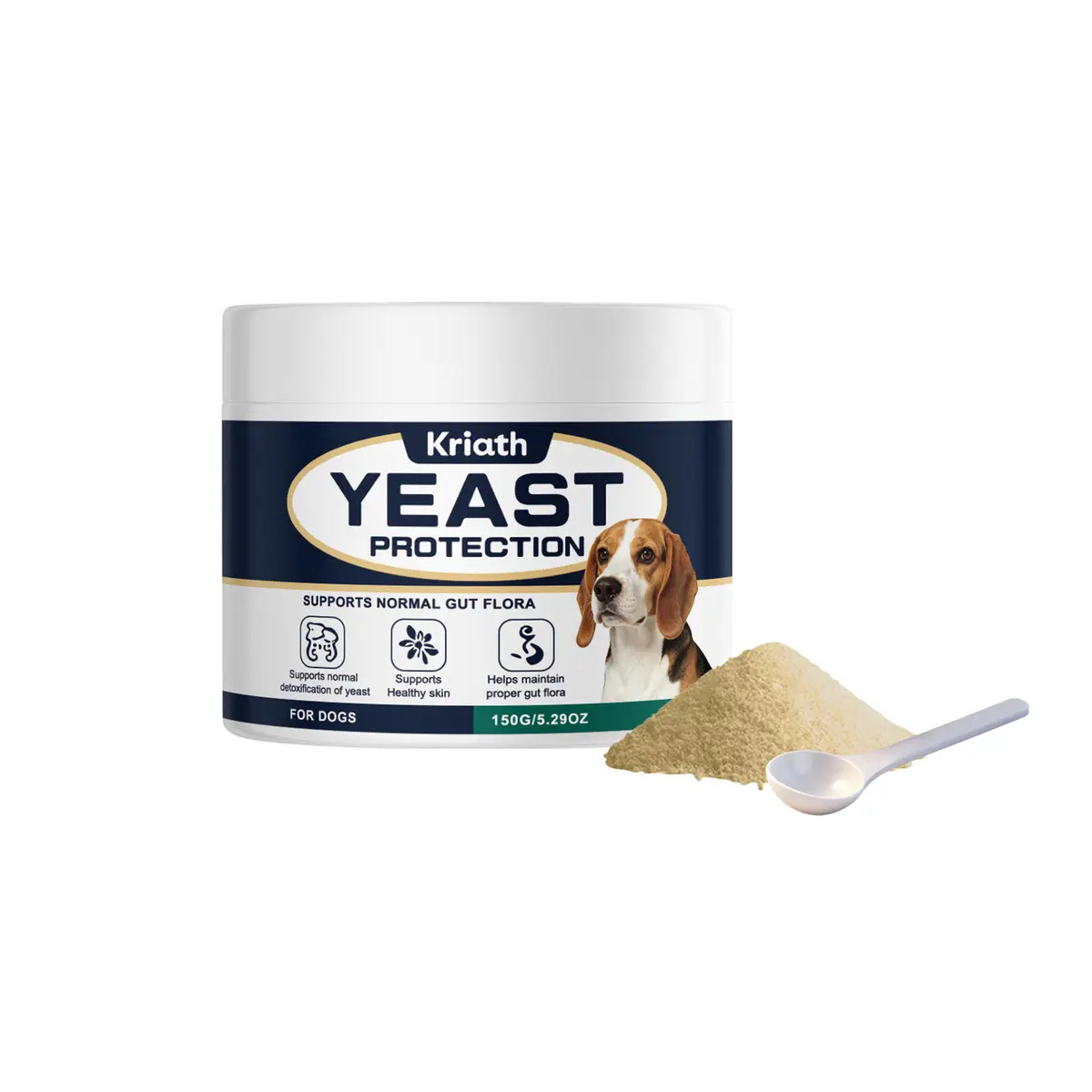
A powdered daily supplement for dogs to support normal gut flora and healthy skin, with a measuring scoop.
£14.99
£5.99
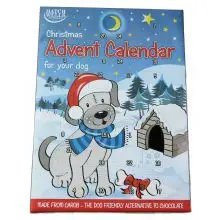
A carob advent calendar for dogs, breakable into 4 pieces, made in GB
£3.00
Food and treats is the biggest aisle in the shop, covering complete dry and wet food for dogs and cats, small pet and bird food, and the whole range of biscuits, training treats and chews that sit alongside a main diet. It is organised so a complete meal and an occasional treat are easy to tell apart, which matters more than it sounds.
A complete food, such as James Wellbeloved Adult Dry Dog Food or Sheba Fresh & Fine wet pouches for cats, is formulated to cover everything an animal needs on its own, day to day. A treat, whether that is Pet Munchies training treats or Pointer Milky Bones, is not designed to be a meal, however good it smells.
Keeping that distinction in mind matters for weight as much as anything else. Treats are easy to lose track of, and a generous handful most days adds up in a way a single evening meal does not.
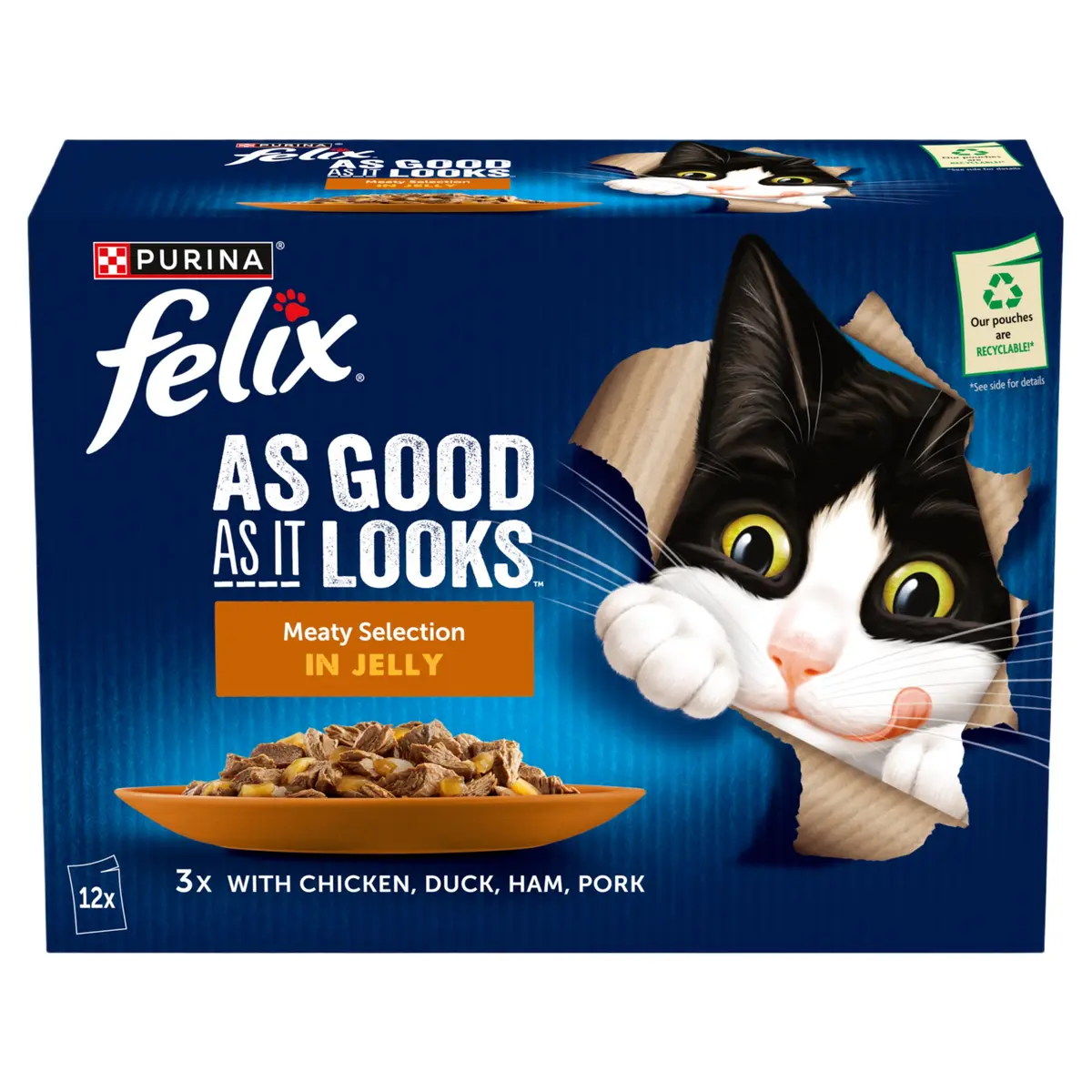
Dry food keeps well, is straightforward to portion, and tends to be the cheaper option per meal. Wet food, in pouches, cans or trays, is more palatable for a fussy eater and adds moisture to the diet, which matters more for some cats than most owners realise.
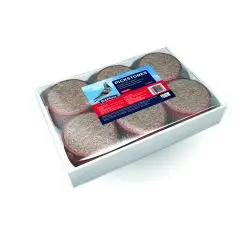
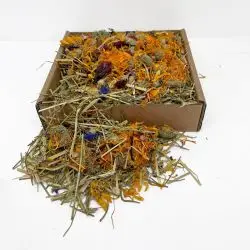
This aisle also covers small pet food such as hay and pellets, and bird seed and suet for garden feeding, alongside the dog and cat ranges, since the same basic split between complete food and an extra applies across species.
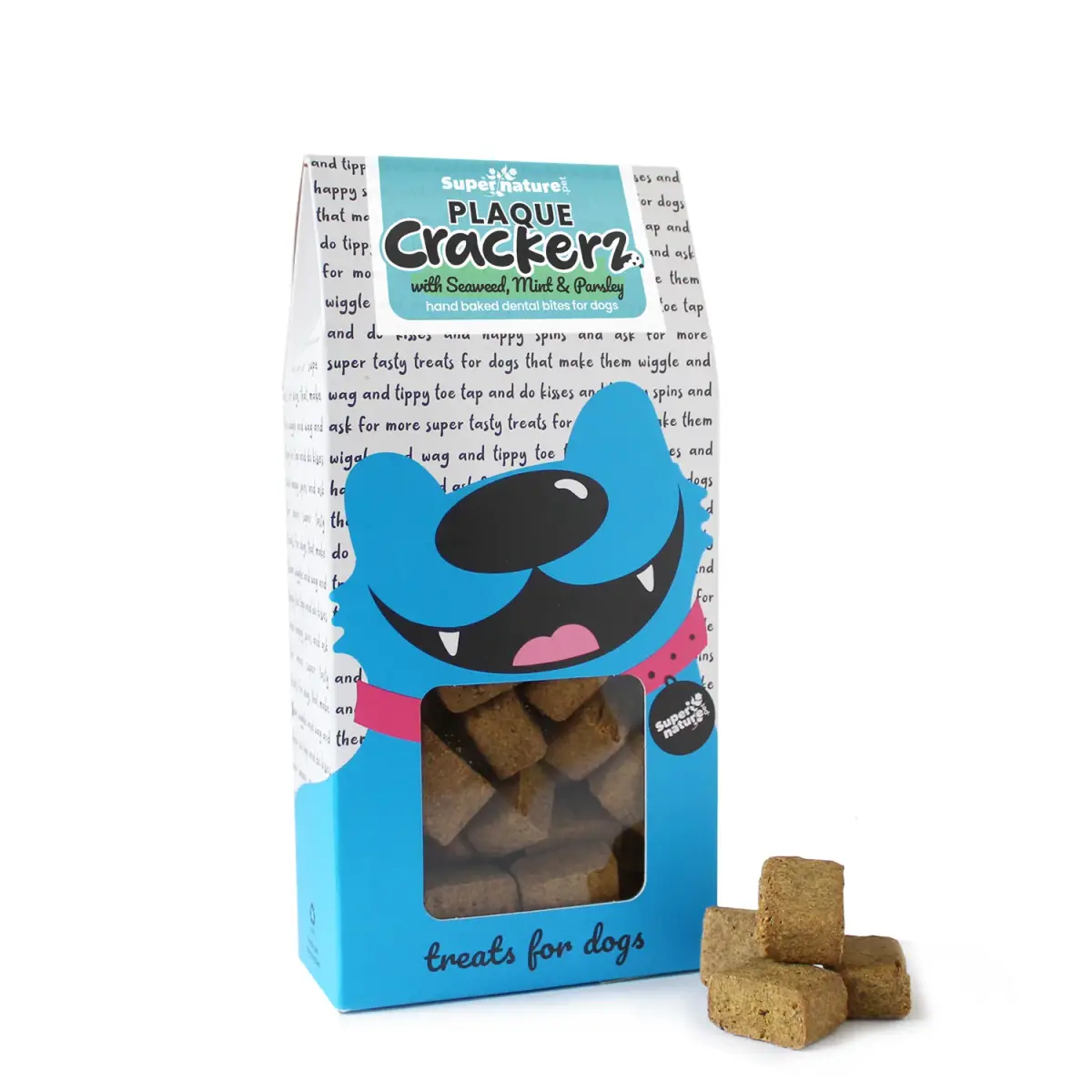
Training treats such as Pet Munchies liver and chicken pieces work well precisely because they are small, so a dog can have plenty during a session without eating a full meal's worth of extra calories. Natural chews, like Natures Menu freeze dried bites, tend to be a slower, longer-lasting option for downtime rather than training.
Whatever the treat, it is worth thinking of it as a portion of the day's food rather than something separate, particularly for a dog or cat who is already at a healthy weight and does not need the extra.
Change a main diet gradually over a week or so, mixing in increasing amounts of the new food, rather than swapping in one go. This matters far more for a complete food than for an occasional treat, since a sudden switch is more likely to unsettle digestion.
New treats are generally lower risk, but it is still worth introducing one at a time in small amounts so you can tell what, if anything, does not agree with your pet.
A little guidance
Start with the animal and its life stage. Puppy and kitten recipes are made for growth, adult recipes for maintenance, and senior formulas usually suit older pets with slower appetites. Look on the pack for the words complete food, because complementary foods, mixers and toppers are not meant to be the only meal. Brands such as James Wellbeloved, Arden Grange and Lily's Kitchen label their recipes by age and size, which makes matching easier.
Format matters as much as flavour. Dry food is easy to store and measure, wet food in pouches, tins and trays adds moisture and tempts fussy eaters, and raw or frozen ranges such as Nature's Menu need freezer space and careful handling. Small pets, cage birds, wild birds, fish, pond fish and reptiles each have their own aisle, so choose by species rather than borrowing a dog or cat recipe.
Treats are extras, not a second dinner. Count them towards the daily allowance, pick small soft pieces for training and longer-lasting natural chews for quiet time, and look for single-protein options if your pet has a sensitive stomach. Always follow the feeding guide on the pack, and talk to your vet before moving a pet with a medical condition onto a different diet.
Transition over about a week by mixing increasing amounts of the new food with the old, which gives the digestive system time to adjust and reduces the risk of upset.
A common rule of thumb is to keep treats to no more than around a tenth of daily calories and reduce meals slightly on big-treat days to avoid weight gain.
Small, soft, low-calorie treats work best because they can be eaten quickly and given often without overfeeding during a session.
A complete food contains everything a healthy pet needs in the right balance, so it can be fed as the main meal. Complementary foods, such as toppers, mixers and some treats, are meant to sit alongside a complete diet, so check the wording before you rely on one.
Most pets do not need it. Grain free recipes suit some animals with particular sensitivities, but plenty of dogs and cats do well on recipes that include grains. If you suspect an intolerance, ask your vet, then compare ingredient lists rather than choosing on the front of the pack alone.
Keep dry food in its original bag or an airtight container somewhere cool and dry. Cover opened wet food, chill it and use it within the time printed on the pack, usually a day or two. Wash bowls regularly and throw away anything left out for hours.
No, not as a regular diet. Cats are strict meat eaters and need nutrients, such as taurine, at levels that dog food does not reliably provide. Choose a food labelled for cats, and pick a kitten, adult or senior recipe to suit their age.
Advice & planning
Practical calculators and trusted guides relevant to this product.
The two-minute quiz
Five profiles, ten easy questions — find out whether your pet is a Bundle of Energy, a Cosy Cuddler, a Happy Foodie, the Fresh & Fabulous type or a born Adventurer (and exactly what tends to suit them).