








Dogs
Dog Treats
Good food. Happy tails.
Training treats, dental chews, natural chews and biscuits.
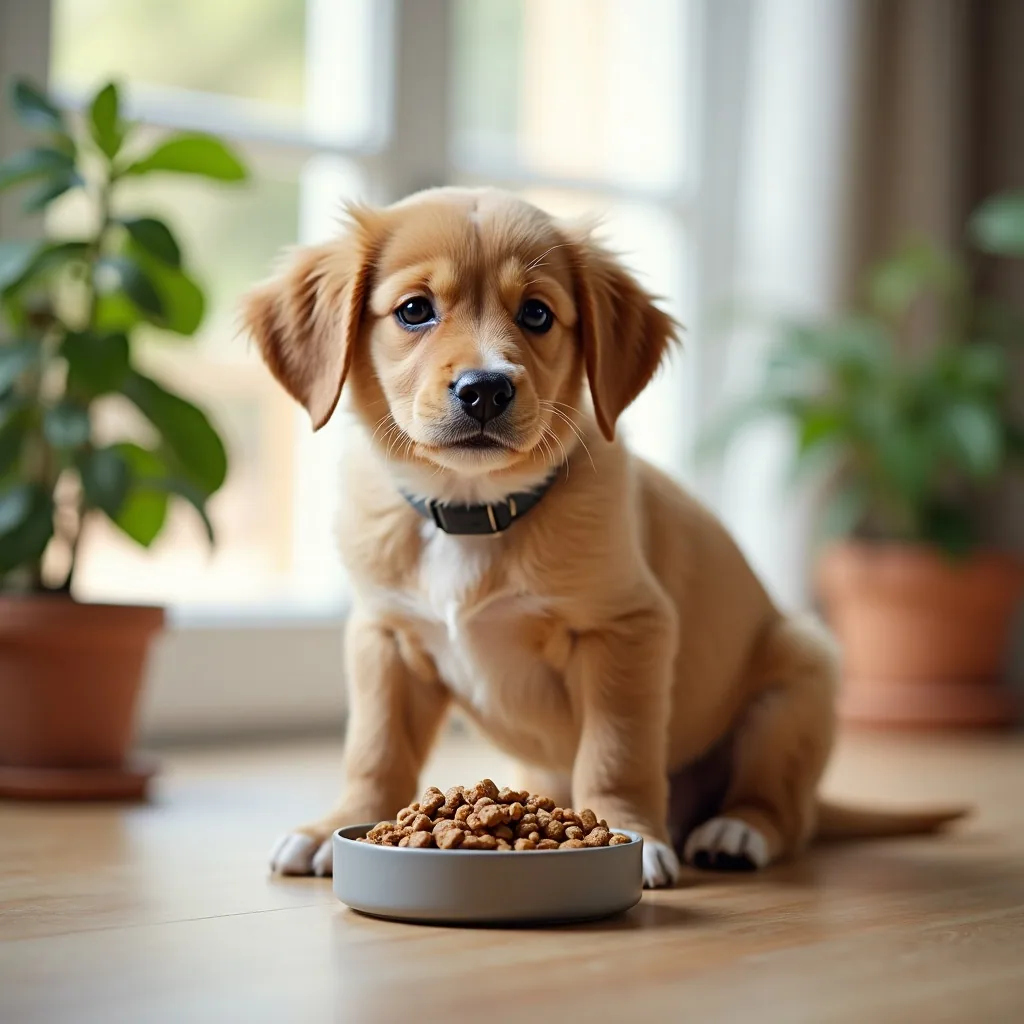 Breakfast, dinner and the bits between.
Find their favourites
Shop dog treats by type
Choose a section to narrow the range.
Shop dog treats
Little essentials. Lots of love.


Hatchwell Advent Calendar for Dogs
A carob advent calendar for dogs, breakable into 4 pieces, made in GB
£3.00


Supernature Plaque Crackerz Dental Bites for Dogs
- Pack
- Under 500g
- Material
- 100% natural, 100% Natural
£5.99


Browse all 824 dog treats
Find their favourites
More for dogs
Everything for dogs, one department at a time.
A little guidance
Choosing from our dog treats range
Start with the part of the range that matches what your dog needs, then compare the available products and filters above.
Dog Treats →
Training rewards, dental sticks, natural chews and biscuits, from pea-sized treats for recall work to long-lasting chews that buy you a quiet evening.
Choosing dog treats
Decide the job first. Training needs small, soft, strongly flavoured pieces you can hand out many times in a session, such as Lily's Kitchen training treats or Pedigree Tasty Minis. Chews are for quieter moments, while biscuits and bones make everyday snacks. Break larger treats into small pieces so the reward stays small and your dog stays keen to work.
Natural chews such as Paddock Farm and Naw beef tails, pig snouts or Bestpets hide cigars last longer, but they vary in hardness and size. Match the chew to your dog's jaw and chewing style, take it away once it is small enough to swallow, and stay nearby. Dental sticks and joint chews suit regular use, and puppies are better with softer, puppy-labelled options.
Dental Chews →
A dental chew works mechanically as your dog gnaws it — the chewing action scrapes at plaque on the tooth surface, and in some products an added ingredient also helps reduce tartar or freshen breath. They're genuinely useful alongside regular brushing, but none of them replace it, whatever the packaging implies.
How dental chews actually help
The mechanical action of chewing something with the right texture — firm enough to scrape, not so hard it risks a tooth — is doing most of the work. A dog who chews thoroughly gets more benefit than one who swallows a stick in two bites, so size the chew to your dog rather than always reaching for the same one.
Some chews add a shaped design specifically to increase contact with the back teeth, where plaque tends to build up fastest and where brushing is hardest to do well. Ridged sticks and textured shapes are usually doing this on purpose rather than for looks.
Choosing the right size and chew
Match the chew to your dog's size and jaw strength rather than their age alone. A chew sized for a small breed will disappear in seconds for a large, determined chewer, which defeats the point and turns a dental product into a quick treat with no scraping time.
A daily dental stick is designed to be part of an everyday routine, given once a day at a similar time. A more natural chew, or a bar-style product, tends to last longer and suits a dog you want occupied for a stretch rather than something habitual.
Natural Chews →
This aisle covers natural, minimally processed chews — the sort made from a single dried ingredient rather than a manufactured biscuit. They give a dog something to work on for longer than a standard treat, which makes them useful for settling a dog down or keeping teeth busy, while staying closer to a whole-food treat than a heavily processed one.
What counts as a natural chew
Natural chews are typically made from one ingredient, dried or dehydrated rather than baked into a shaped biscuit. Fish sticks, tripe sticks, beef bars and dried ears or hooves are all common examples, and what sets them apart from a standard dog treat is the short ingredients list and the longer chewing time most of them offer.
Because they are single-ingredient, natural chews also suit dogs who need to avoid specific things in a mixed-ingredient treat — a fish-based chew, for instance, is a straightforward option for a dog kept off red meat or poultry for any reason.
Choosing the right one for your dog
Size and chew strength both matter here. A chew sized for a small dog can be a choking risk for a large, determined chewer, and conversely a chew built for a big dog can be more than a small dog needs in one sitting. It is worth matching the chew to your dog's size and how hard they typically chew, rather than picking on smell or price alone.
Always supervise a dog with any long-lasting chew, especially the first few times you offer a new type, and remove what is left once it gets small enough to be swallowed whole. As with any treat, chews are an addition to a balanced diet rather than a meal replacement, so keep an eye on how often they are offered alongside regular food.
Dog Biscuits →
Biscuits are the classic, hard-baked end of the dog treat aisle — lower in moisture than a soft chew, generally cheaper per treat, and popular for everyday rewarding rather than the high-value moments of a proper training session with your dog.
What's in this aisle
Traditional lines like Pointer Milky Bones and Pedigree Markies Original are simple baked biscuits meant for everyday treating rather than a specific dietary purpose. Gravy-flavoured options such as Pedigree Biscrok Gravy Bones Biscuits Dog Treats add extra flavour for fussier dogs, while novelty shapes and flavours like Tiny Friends Farm Dolly Dog Crunchy Cookies Peanut Butter give some variety beyond the classic bone shape.
Most biscuits in this aisle are aimed at adult dogs of any size, with pack sizes and biscuit sizes varying enough that a small breed and a large breed can both find something appropriately sized.
Biscuits versus softer treats
A hard biscuit takes longer to eat than a soft chew of the same size, which makes it useful for a dog who bolts treats, and the harder texture can help mechanically clean the teeth a little as they chew — though it's not a substitute for proper dental care. Soft treats tend to work better for training, since they're quicker to eat and easier to break into small pieces for repeated rewards.
If your dog has sensitive teeth, missing teeth, or is very young or elderly, a softer treat may suit them better than a hard biscuit, which some dogs find harder to manage.
Common questions
When should I take a chew away from my dog?
Remove it once it is small enough to be swallowed whole or has splintered into sharp pieces. Supervise every chew, particularly with a new type, and choose a size larger than your dog's mouth can comfortably fit around rather than one they could gulp.
Can puppies have treats?
Yes, but pick treats labelled for puppies, as they are softer and sized for small mouths. Keep portions tiny, count them within the day's food, and avoid hard chews until your vet is happy that adult teeth have come through.
What is the difference between a dental stick and a normal treat?
Dental sticks and chews are shaped and textured to encourage chewing, which helps with plaque and tartar alongside regular care. They still add calories, so follow the feeding guide for your dog's weight, and they do not replace brushing or a vet dental check.
Are dried natural chews safe?
Many dogs enjoy them, but safety depends on size, hardness and supervision. Buy a size suited to your dog, avoid giving them to dogs that gulp, and throw away small leftover pieces. If your dog has had stomach upsets with chews, ask your vet for advice.
How often should I give my dog a dental chew?
Most daily dental sticks are designed to be given once a day as part of a routine, alongside normal meals rather than instead of them. Check the guidance on the specific product, since chews vary in how calorie-dense they are.
Do dental chews replace brushing my dog's teeth?
No. They help reduce plaque through the chewing action, but they don't reach every tooth surface the way brushing does, particularly along the gum line. Use them alongside brushing rather than as a substitute for it.