









Dogs
Coats & Clothing
Ready for any weather.
Coats, jumpers, bandanas and cooling gear.
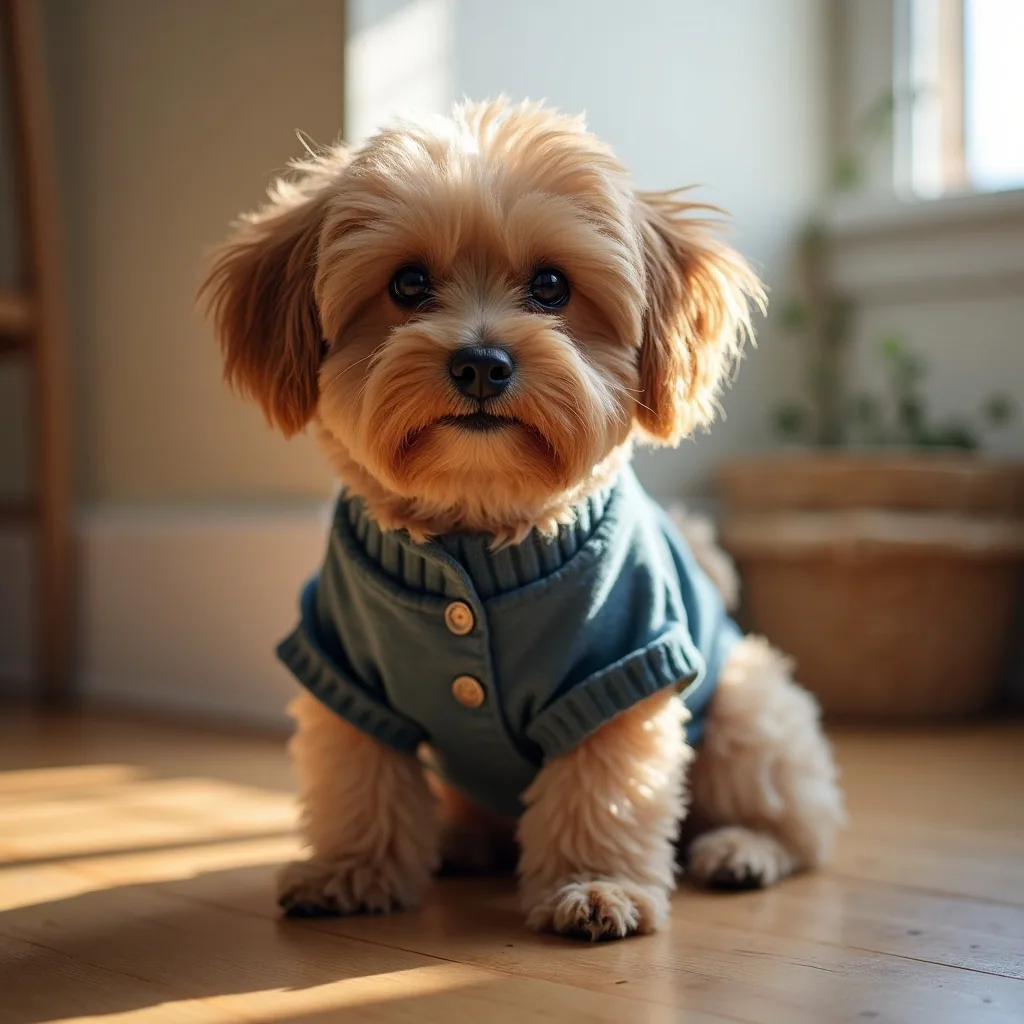 Snug, dry and looking the part.
Find their favourites
Shop coats & clothing by type
Choose a section to narrow the range.
Shop coats & clothing
Little essentials. Lots of love.

 Fast UK delivery
Liners, mats & filters
Pressure-Activated Pet Cooling Mat
- Sizes
- 120 x 75cm · 40 x 30cm · 50 x 40cm
- Brand
- Simply2 Pets
From £34.99


Raincoat
Single-Layer Reflective Dog Raincoat, XS to XXL, Four Colours
- Sizes
- XS · S · M +3 more
- Material
- Cloth
£10.99

 Fast UK delivery
Winter coat
Suitical DRY Cooling Vest for Dogs — Up to 15°C Cooler
- Sizes
- S · M · L +2 more
- Brand
- Suitical
From £94.49


Winter coat
Quilted Dog Winter Coat with Built-In Harness
- Material
- Quilted polyester with fleece lining
From £15.99

Raincoat
Transparent Waterproof PVC Dog Raincoat with Hood, XS to 2XL
- Sizes
- XS · S · M +2 more
- Material
- Plastic
From £11.99


Coat
Dog Sports Jacket For Medium & Large Breeds, Warm Coat
- Material
- Faux-leather look polyester
From £24.99

Winter coat
Padded Coral Fleece Four-Legged Dog Suit, XS to XXL, Many Designs
- Sizes
- XS · S · M +3 more
- Material
- Cloth
From £11.99


Baxta & Binx Beaumont Extreme Dog Jacket, Sage
- Sizes
- Small · Medium · Medium / Med+ +3 more
From £18.99

Winter coat
Padded Pet Coat in Pink or White with Full Size Chart, XS to 2XL
- Sizes
- XS · S · M +2 more
- Material
- Cloth
From £11.99

Boots
Breathable Mesh Dog Boots with Reflective Strap
- Material
- Breathable mesh & rubber sole
From £11.99


Smart Choice Birthday Bandana & Hat
A dog's birthday bandana and party hat set in three assorted designs
£3.99

Browse all 248 coats & clothing
Find their favourites
More for dogs
Everything for dogs, one department at a time.


A little guidance
Choosing from our coats & clothing range
Start with the part of the range that matches what your dog needs, then compare the available products and filters above.
Dog Coats & Jumpers →
Whether a dog needs a coat at all depends more on their coat type and size than on the calendar — a whippet in November needs one long before a thick-coated shepherd does. We carry both everyday jumpers and padded, waterproof coats, and the two solve different problems rather than one being a smarter version of the other.
What's in this aisle
Soft knitted and fleece jumpers, like the Security Slogan Dog Hoodie and the Small Dog Four-Legged Jumpsuit, are built for warmth indoors or on a short, dry walk rather than for weather protection. They're a good option for short-coated breeds who get cold at home as much as outside.
For wet or cold walks, a padded coat with a waterproof outer layer does a different job — the Padded Dog Coat With Back D-Ring is built to go over a harness and keep rain off rather than just add warmth. Seasonal lines like the Reindeer Christmas Jumper for Small Dogs sit somewhere in between: festive, but still a genuine layer for a small or short-coated dog in a cold house.
Getting the fit right
A coat that's too loose rides up and rubs at the front legs; one that's too tight restricts the shoulders and stops a dog moving naturally. Measuring your dog's back length from the base of the neck to the base of the tail, and their chest girth at the widest point, is more reliable than going by breed name or weight alone.
A back D-ring or a slot for a harness to sit over the top matters more than it looks — a coat with no way to attach a lead means taking it off and on for every walk, which most owners give up on within a week.
Bandanas →
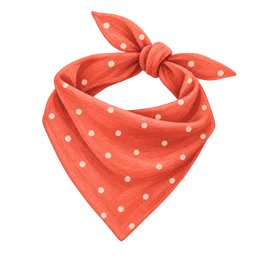
A bandana is mostly a styling accessory rather than a functional one, but a well-fitted one is comfortable for a dog to wear all day, while a poorly fitted one slips, chokes, or ends up chewed off within the hour.
What's in this aisle
Everyday styles like the Breed Print Triangle Pet Bandana and the Plaid Pet Bandana with Pink Bow are simple, lightweight cotton pieces meant for regular wear, while the Gingham Pet Bandana with Plush Bone adds a small attached decoration for a bit more character. Seasonal designs, including the Christmas Bandana Collar for Dogs and Cats, are sized specifically to fit around the neck like a collar rather than being tied.
Most of the range is aimed at dogs, but several styles, including a few Christmas designs, are made to fit cats too, so check the sizing description rather than assuming a product is dog-only from the photo.
Getting the size and fit right
A tie-style bandana should sit loosely enough to slip two fingers underneath, with the knot away from the throat, so it can't tighten if your dog pulls at it or catches it on something. Collar-style bandanas, which fasten like a normal collar, tend to stay in place better for an active dog and are worth choosing if your dog spends a lot of time playing or pulling at their own accessories.
Measure your dog's neck the same way you would for a collar if the listing gives a size range, rather than guessing from their overall size — a deep-chested but narrow-necked breed can need a size up or down from what you'd expect.
Dog Costumes & Dress Up →
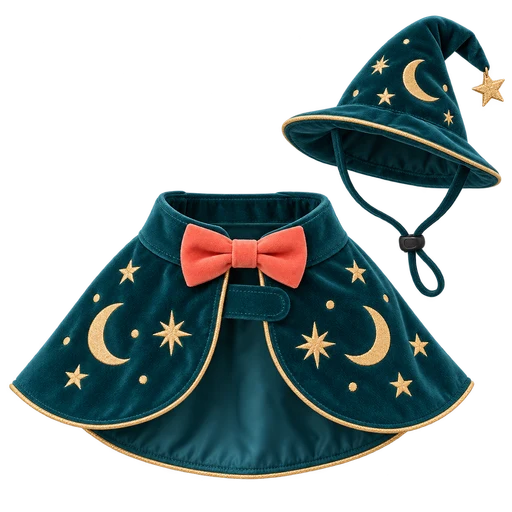
Dog costumes and dress-up accessories are for fun occasions rather than everyday wear, from a lightweight costume like a giant spider outfit to smaller accessories such as bat wings or a bow tie set. Comfort and a dog's own tolerance matter more here than the outfit itself, since not every dog enjoys being dressed up.
What is available
Costumes range from full-body designs, like a giant spider dog costume, to smaller add-on accessories such as a lion mane pet hat or a bat wings dog accessory, which are less involved and generally better tolerated by a dog new to dress-up. Seasonal designs tend to be more elaborate, while everyday novelty accessories are lighter and simpler.
Sizing runs across the usual small-to-large range, and checking a specific product's size guide matters more with costumes than with everyday clothing, since fit varies more between styles.
Checking your dog is comfortable
A costume should never restrict breathing, movement, vision or the ability to go to the toilet normally, and anything covering the face or head needs particular care. Watch your dog's body language once dressed: a dog that freezes, tries to remove the costume repeatedly, or seems distressed is telling you it is not for them.
Some dogs adapt within a few minutes, while others never settle into wearing a costume, and neither response reflects badly on the dog. It is worth judging each individual dog rather than assuming.
Cooling Gear →
Cooling gear for dogs works in one of two ways — a gel or pressure-activated mat that draws heat away from the body where it lies, or a vest soaked in water that cools through evaporation. Neither replaces shade, water and common sense on a hot day, but both make a real difference for a dog who struggles in the heat.
How cooling mats and beds actually work
Most cooling mats use a gel that stays cool through pressure rather than refrigeration — your dog's body weight activates it, and it needs no plugging in, freezing or filling with water. It reactivates on its own once your dog gets off and the mat has a few minutes to recover.
A cooling bed with a raised mesh base works differently again, letting air move underneath your dog rather than trapping body heat against a solid surface. It's a gentler, more passive option that suits a dog who just needs to avoid overheating on a warm night rather than active cooling after exercise.
Cooling vests, and when they're worth it
A cooling vest is soaked in water before wearing, and cools through evaporation as your dog moves and the fabric dries out — it works best with some airflow, so it's more useful on a walk than sat still indoors. Re-soak it once it dries rather than assuming it keeps working all day.
Vests suit dogs doing something active in the heat — a walk, a training session, travelling in a car — more than a dog simply lounging at home, where a cooling mat or bed does the job with less fuss.
Common questions
How do I measure my dog for a coat?
Measure along the top of the back from the base of the neck to the base of the tail for the length, and around the widest part of the chest, just behind the front legs, for the girth. Most sizing charts use these two measurements rather than weight, since two dogs of the same weight can have very different builds.
Do short-haired dogs need a coat in winter?
Many do, particularly small or lean short-haired breeds who lose heat quickly and have little natural insulation. Watch for shivering, reluctance on walks, or a hunched posture outside — those are better guides than a fixed temperature.
Can my dog wear a coat with a harness underneath?
Yes, and a coat with a back D-ring or a harness slot is designed for exactly that, so you don't have to choose between keeping your dog warm and keeping them secured on a walk. Fit the harness first, then check the coat still sits comfortably over it without pulling at the shoulders.
Will a coat stop my dog's fur getting wet on walks?
A genuinely waterproof, padded coat will keep the back and sides largely dry in normal rain, though paws, legs and the underside will still get wet on a proper walk. A knitted jumper adds warmth but is not designed to keep rain out, so choose based on the weather you're actually walking in.
How do I know what size bandana my dog needs?
Measure around your dog's neck where a collar would normally sit, and check that measurement against the size range given for the bandana rather than choosing by your dog's overall size or breed. A tie-style bandana should sit loose enough for two fingers to fit underneath once tied.
Is it safe to leave a bandana on my dog all day?
A properly fitted collar-style bandana is generally fine for all-day wear, but a tied bandana is safer removed when your dog is left alone, particularly if they chew at their own neck or play roughly with other dogs, since a loose tie can catch on something.