








Dogs
Bowls & Feeding
Mealtimes, made easy.
Bowls, slow feeders, fountains, mats and storage.
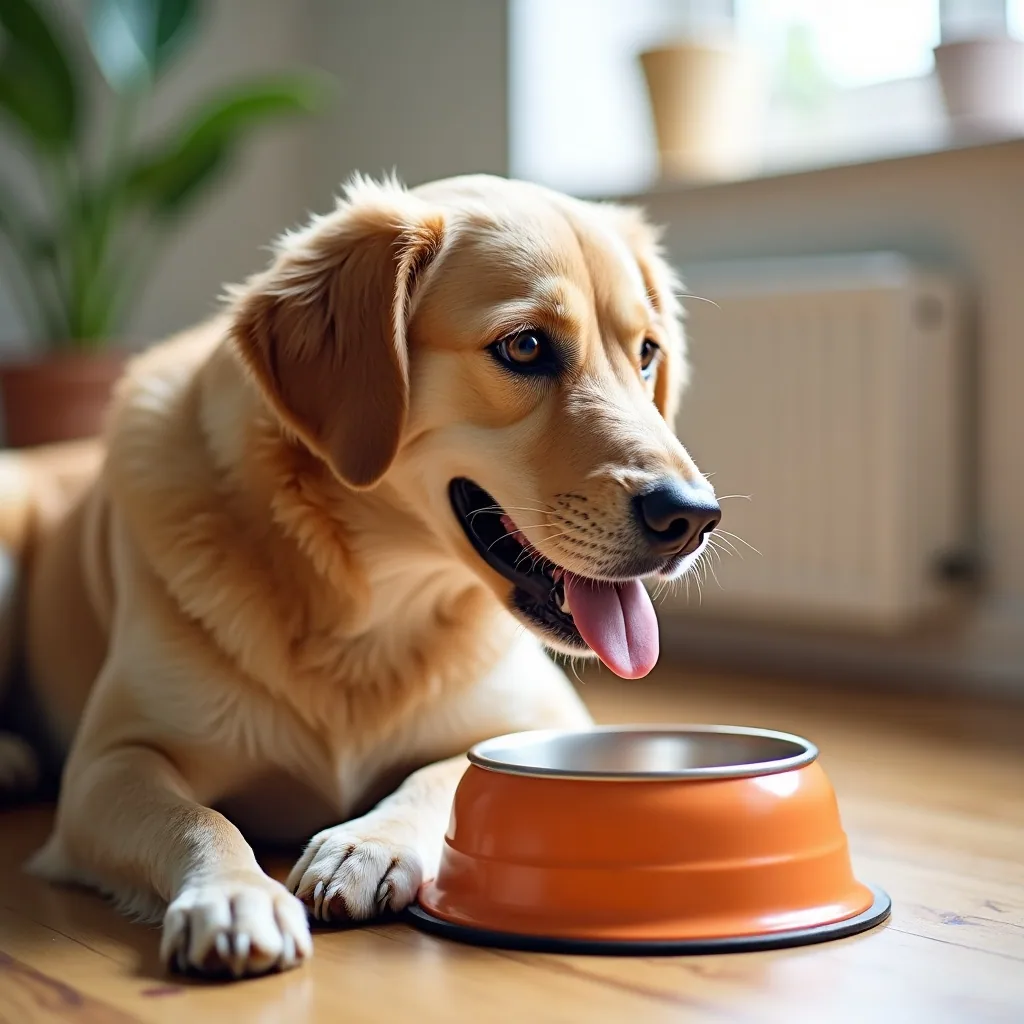 The right bowl makes every meal better.
Find their favourites
Shop bowls & feeding by type
Choose a section to narrow the range.
Shop bowls & feeding
Little essentials. Lots of love.

 Fast UK delivery


Bowl
Stainless Steel Puppy & Kitten Litter Weaning Bowl
- Life stage
- Puppy · Kitten
- Material
- Stainless steel
From £8.99


 Fast UK delivery
Liners, mats & filters
LickiMat OH Bowl for Dogs — Slow Feeder with Tongue-Cleaning Tips
- Sizes
- S · M · L
- Material
- 100% Dishwasher
From £12.99

Self-cleaning litter trays
Smart App-Controlled Automatic Pet Feeder
- Material
- Plastic with stainless steel bowl
From £56.99
 Fast UK delivery
Liners, mats & filters
Tarhong Paw Ikat Teal Pet Placemat – BPA-Free PVC & EVA
- Material
- PVC and EVA
- Brand
- Tarhong
£8.49

 Fast UK delivery


Mason Cash Cane Lettered Dog Bowl
- Sizes
- 13cm / 5" · 15cm / 6" · 18cm / 7" +1 more
- Brand
- Mason Cash
From £5.99


Kingdom Pet Cooling Drinking Bowl
A freezable 19cm plastic drinking bowl that keeps water cooler for longer on hot days
£6.99


Mason Cash Woof Dog Bowl
- Material
- durable stoneware, the pet bowl is dishwasher safe
- Brand
- Mason Cash
£14.99
Browse all 193 bowls & feeding
Find their favourites
More for dogs
Everything for dogs, one department at a time.
A little guidance
Choosing from our bowls & feeding range
Start with the part of the range that matches what your dog needs, then compare the available products and filters above.
Bowls & Feeders →
A bowl is the most basic piece of kit any pet owner buys, but the shape, material and size all genuinely affect how well it works for a particular dog or cat — a bowl that's fine for one animal can cause real problems for another, from bolted food to a sore, flattened nose against the rim.
Material and shape
Stainless steel is the easiest bowl to keep properly clean, doesn't hold odours the way plastic can, and is durable enough for a determined chewer. Ceramic is heavier and harder to tip over, which suits a boisterous eater, but it can chip, and a chipped glaze is harder to keep hygienic.
Shallow, wide dishes suit flat-faced breeds and cats whose whiskers are sensitive to touching the sides of a deep bowl, a genuine discomfort known as whisker fatigue. A raised bowl can help a large or older dog eat without stooping as far, though it's worth checking with your vet if joint or swallowing issues are a factor.
Slow feeders, for dogs who eat too fast
A dog who bolts food is at higher risk of choking, vomiting shortly after eating, and in more serious cases a dangerous condition where the stomach twists — a slow feeder, with ridges or a maze pattern built into the bowl, forces a dog to eat around the obstacles rather than in one go.
It takes most dogs a little time to adjust to a slow feeder, and a small number find it frustrating at first rather than simply slower. Persisting for a few meals usually settles this, and the benefit for a genuine fast eater is worth the adjustment period.
Slow Feeders →
A dog or cat who empties their bowl in seconds is more likely to gulp air, vomit shortly after eating, or simply overeat because they haven't had time to feel full — a slow feeder addresses all three by making the meal physically harder to wolf down.
What's in this aisle
Maze-style bowls like the Tarhong Concentric Circle Slow Feeder Bowl and the Non-Slip Slow-Feeder Lick Bowl use raised ridges and channels that a pet has to eat around rather than straight into, which slows most dogs and cats down considerably compared with a flat bowl. The Round Silicone Slow Feeder Lick Mat works differently, spreading wet food or a paste thinly across a textured surface for a pet to lick off rather than bite into.
The Classic Non Slip Slow Feeder adds a non-slip base, which matters for enthusiastic eaters who tend to push a lightweight bowl around the floor as they try to get into it.
Choosing the right design
A maze or ridge-style bowl suits dry kibble and most wet food well, and works for both dogs and cats depending on the specific bowl's size and depth. A lick mat is better suited to wet food, pastes, or a thin layer of something spreadable, and is also popular as a distraction or calming activity during grooming, nail trims or bath time, not just at mealtimes.
For a particularly fast or food-driven eater, a more complex maze design will slow them down further than a mat, though it's worth starting with a moderate design rather than the most complex option, so your pet doesn't get frustrated and give up on the meal.
Common questions
How do I know if my dog needs a slow feeder?
If your dog finishes meals in under a minute, regularly vomits shortly after eating, or seems to gulp air along with their food, a slow feeder is worth trying. It's also a sensible precaution for deep-chested breeds more prone to bloat, though it isn't a guarantee against it.
Is stainless steel or ceramic better for a pet bowl?
Both are good choices over plastic, which can hold bacteria in scratches and sometimes trigger skin irritation on a dog or cat's chin. Stainless steel is lighter and easier to sterilise; ceramic is heavier and more tip-resistant but can chip over time.
Are automatic feeders accurate with portion sizes?
Most good ones are reasonably consistent, but it's worth checking a feeder against a kitchen scale for the first few uses to confirm it's dispensing what you've set. Fit and portion drift can vary between models, so don't assume accuracy without checking.
Why does my dog need a slow feeder?
Eating too fast increases the risk of a dog swallowing air, which can cause discomfort, vomiting shortly after eating, or contribute to bloat in susceptible breeds. A slow feeder makes the meal take longer and physically harder to gulp, which reduces these risks for many dogs.
Do cats benefit from slow feeders too?
Yes, cats who eat very quickly can have similar issues with vomiting shortly after a meal, and a slow feeder or lick mat sized appropriately for a cat can help pace their eating in the same way it does for dogs.
What's the difference between a slow feeder bowl and a lick mat?
A slow feeder bowl uses raised ridges or a maze pattern that a pet has to navigate to reach dry or wet food, while a lick mat spreads food thinly across a textured surface for licking rather than biting. Both slow eating down, but they suit slightly different types of food and eating styles.