







 Fast UK delivery
Steps & ramps
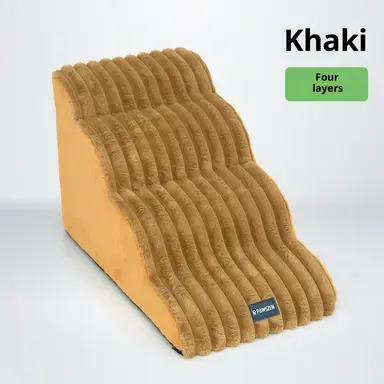
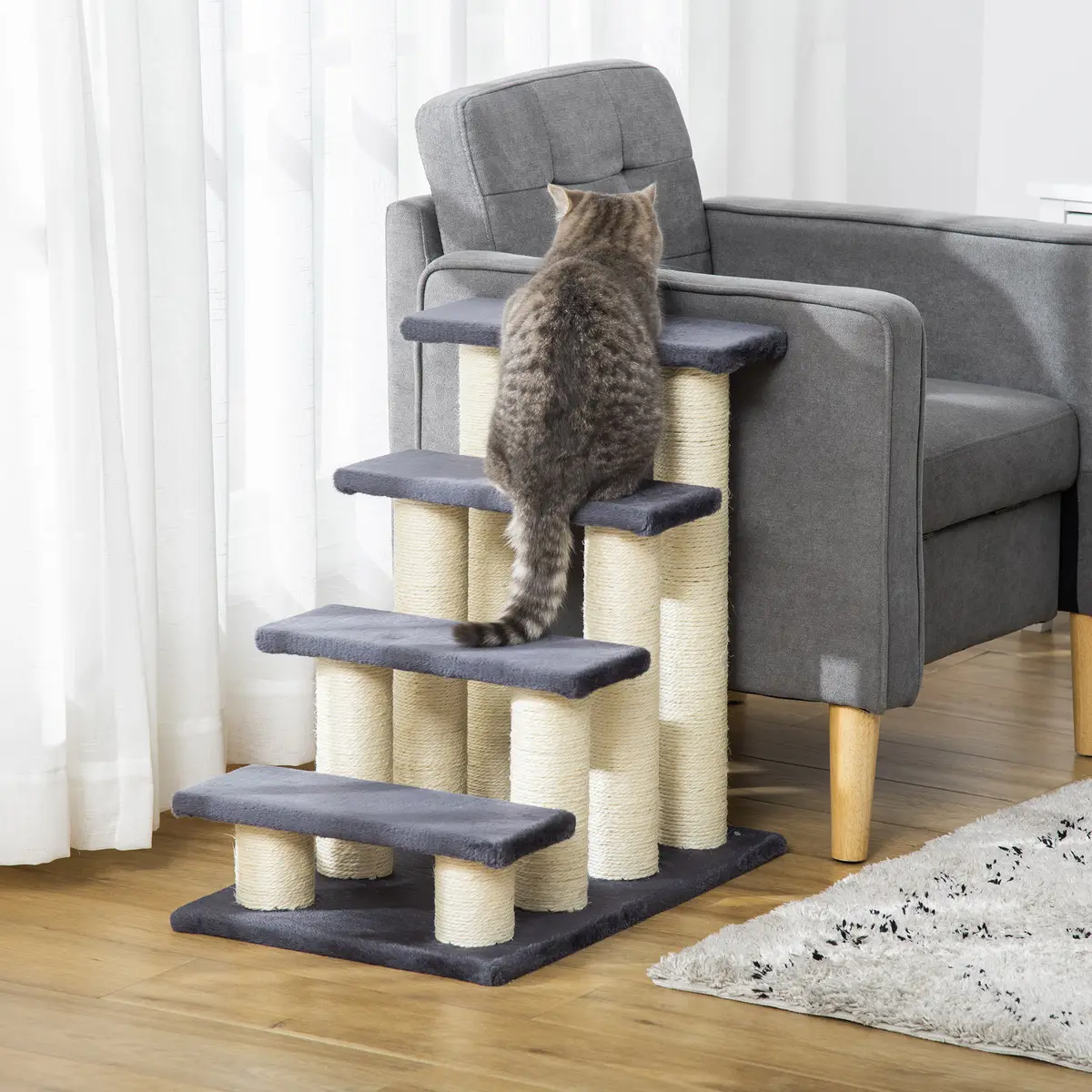
PawHut 4-Step Plush Pet Stairs with Built-In Scratching Post — Grey
Four plush-covered steps up to bed height with a sisal scratching post built into the side — carrying up to 50kg on a particle board frame.
£61.99
Free UK delivery over £39 · Tracked & fast · Happy pets, happy homes
Find a vet near youSenior & Mobility
Looking after them, inside and out.
Ramps and pet steps that take the impact out of jumping down from the sofa or the car boot. Most useful for long-backed breeds like dachshunds and corgis, and for older dogs with stiff joints. Check the slope, the grip and the weight rating before the height.
 Everyday care for every age.
Find their favourites
Choose a section to narrow the range.
Fast UK deliverySteps & ramps
Four plush-covered steps up to bed height with a sisal scratching post built into the side — carrying up to 50kg on a particle board frame.
£61.99
 Fast UK delivery
Steps & ramps
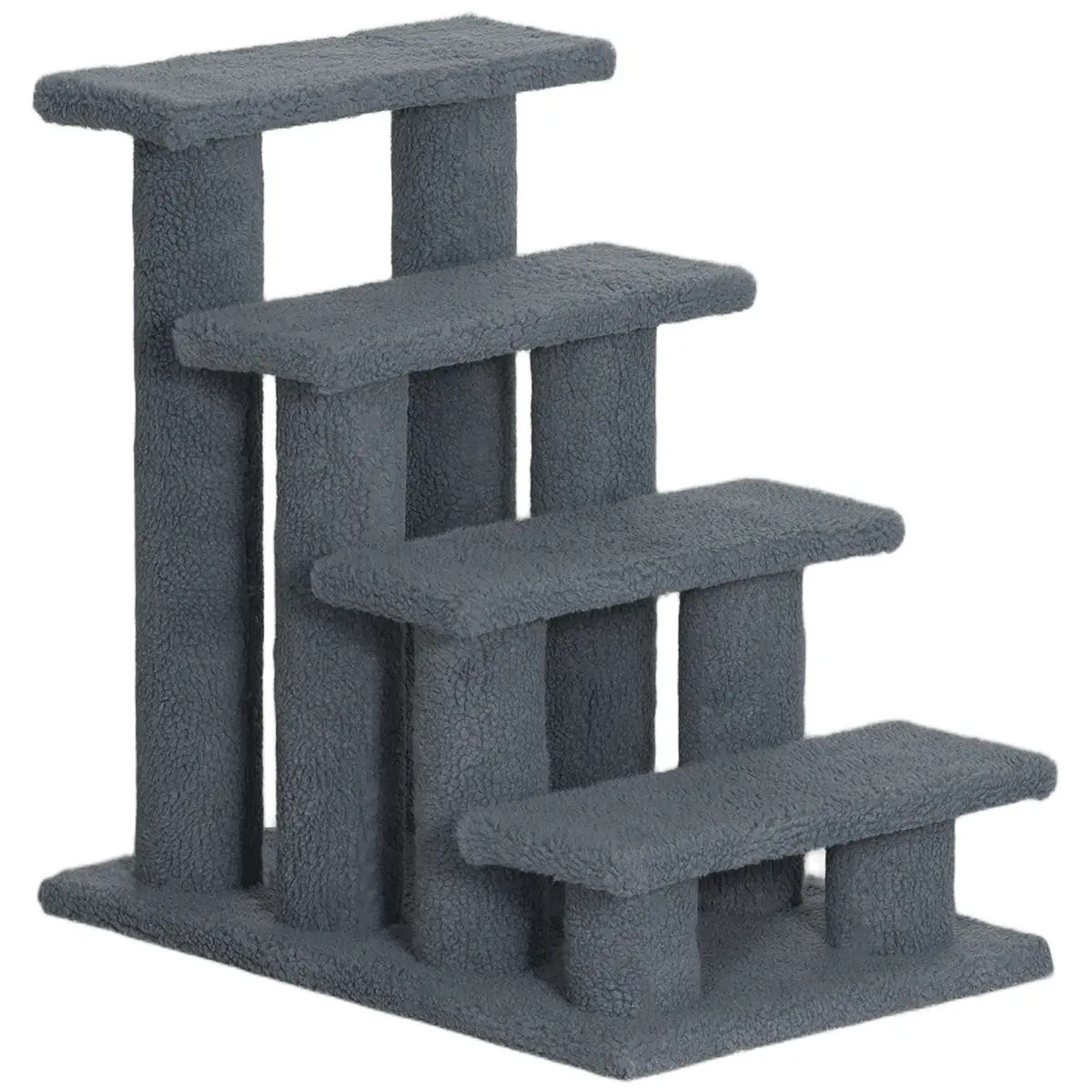
Four faux-fur steps rising to 60cm on an E1-certified particle board frame, with a scratching post built in — sized for beds and high window sills.
£53.99
 Fast UK delivery
Steps & ramps
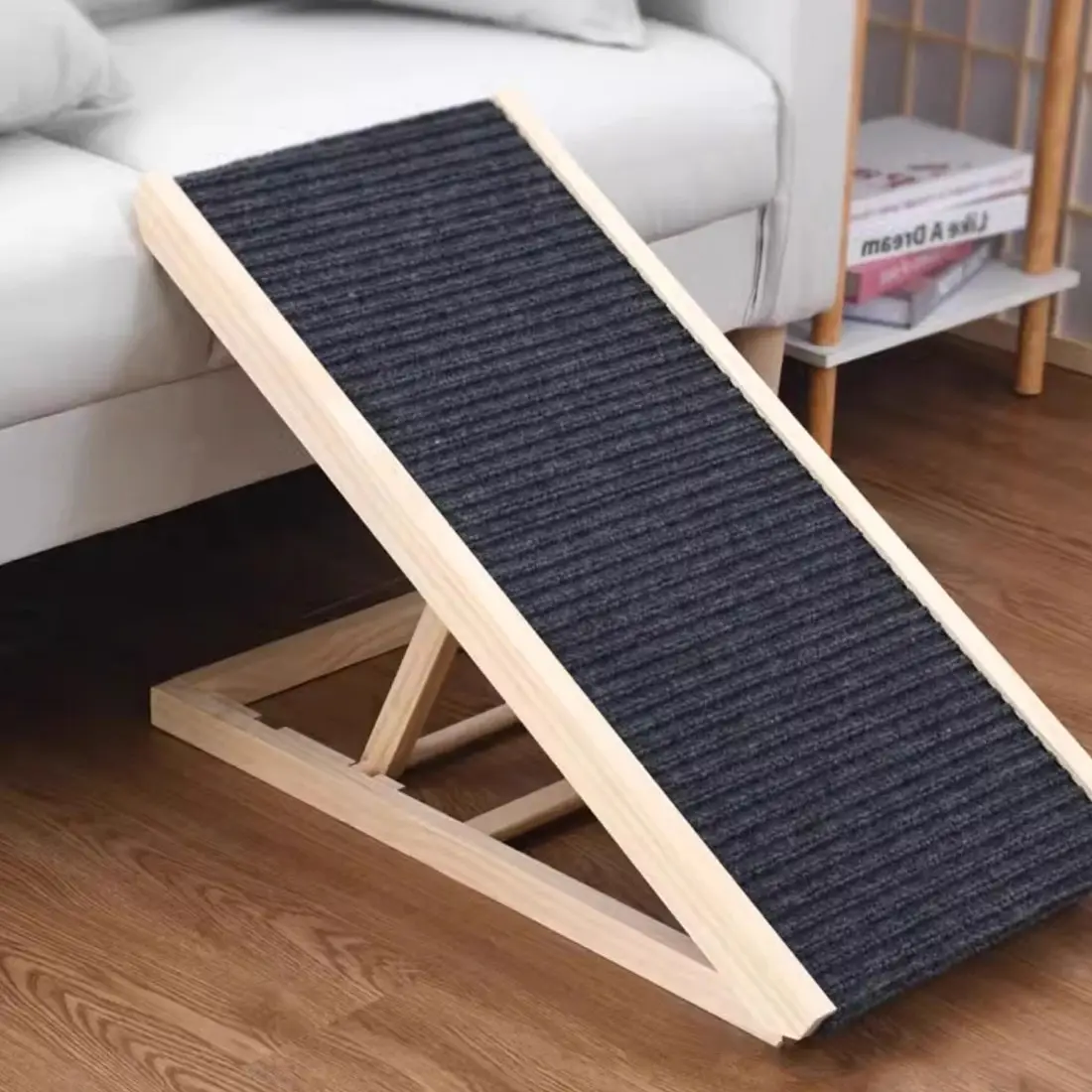
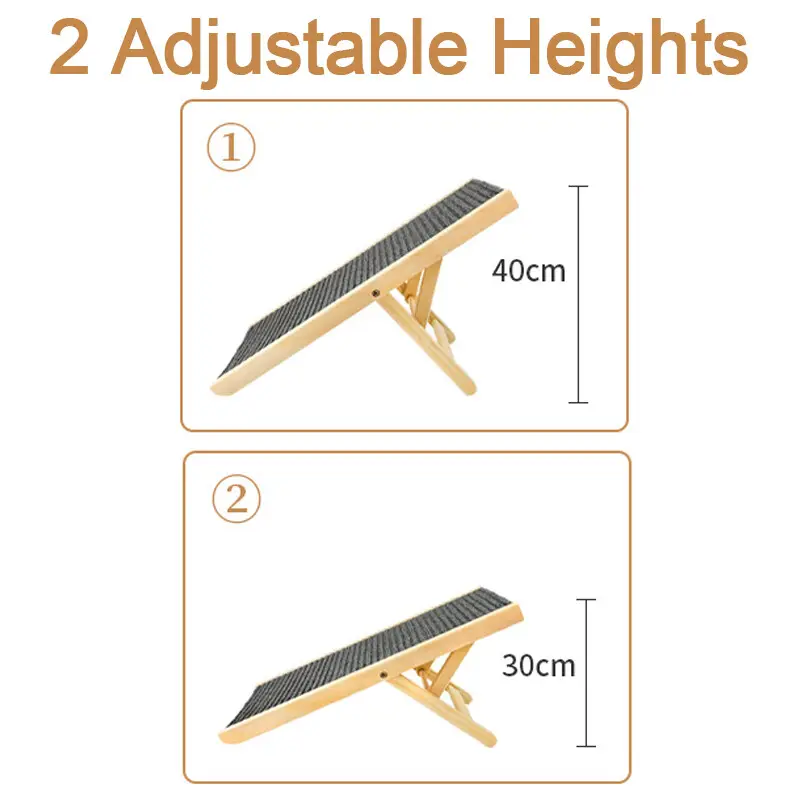
A self-supporting solid fir ramp with 30cm and 40cm height settings, a grooved carpet traction surface, and independent testing to hold pets up to 55kg.
£41.99
 Fast UK delivery
Steps & ramps
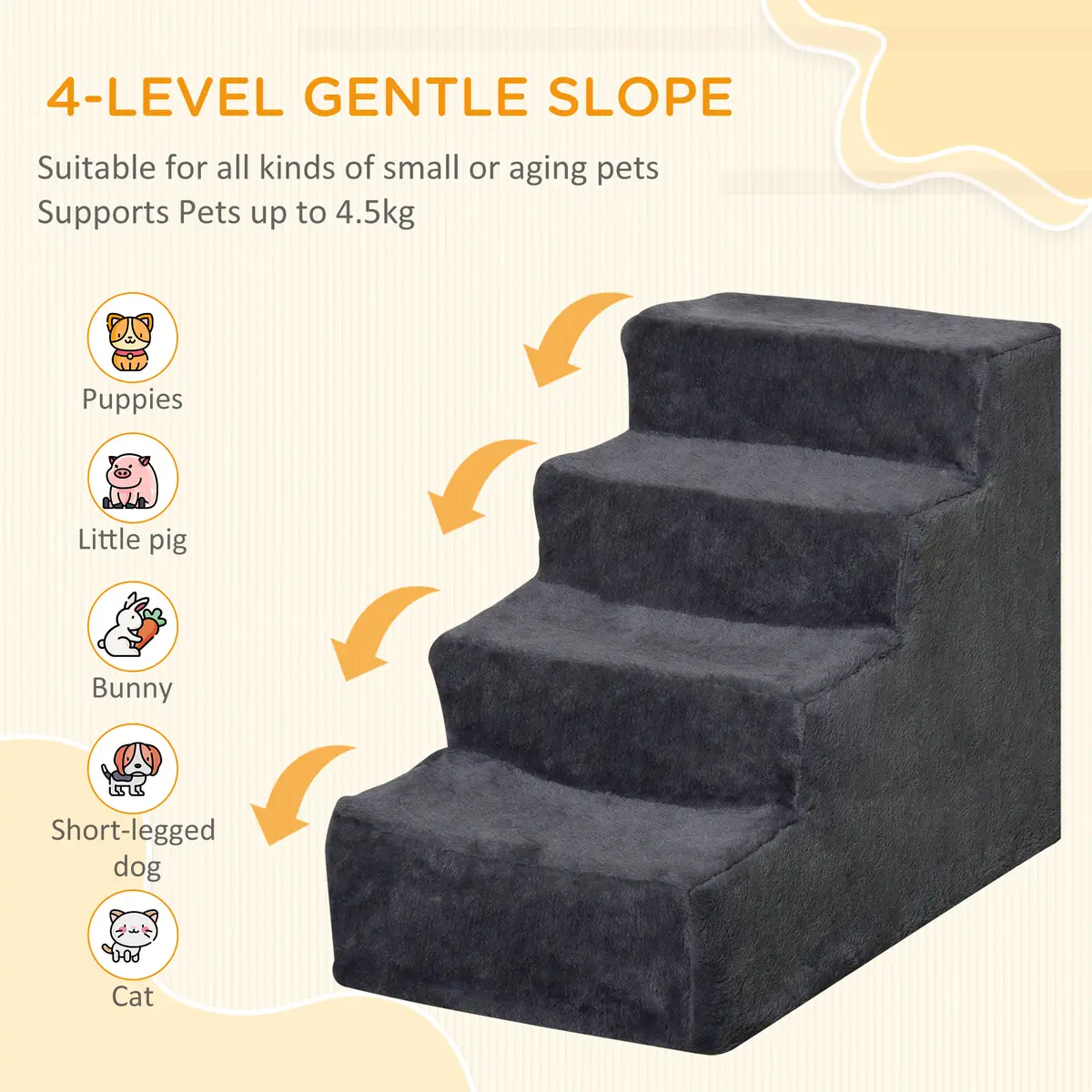
Four plush-covered steps standing 44cm high, tall enough to meet a divan bed, with a removable machine washable cover and an honest manufacturer weight limit of 4.5kg.
£40.99
 Fast UK delivery
Steps & ramps
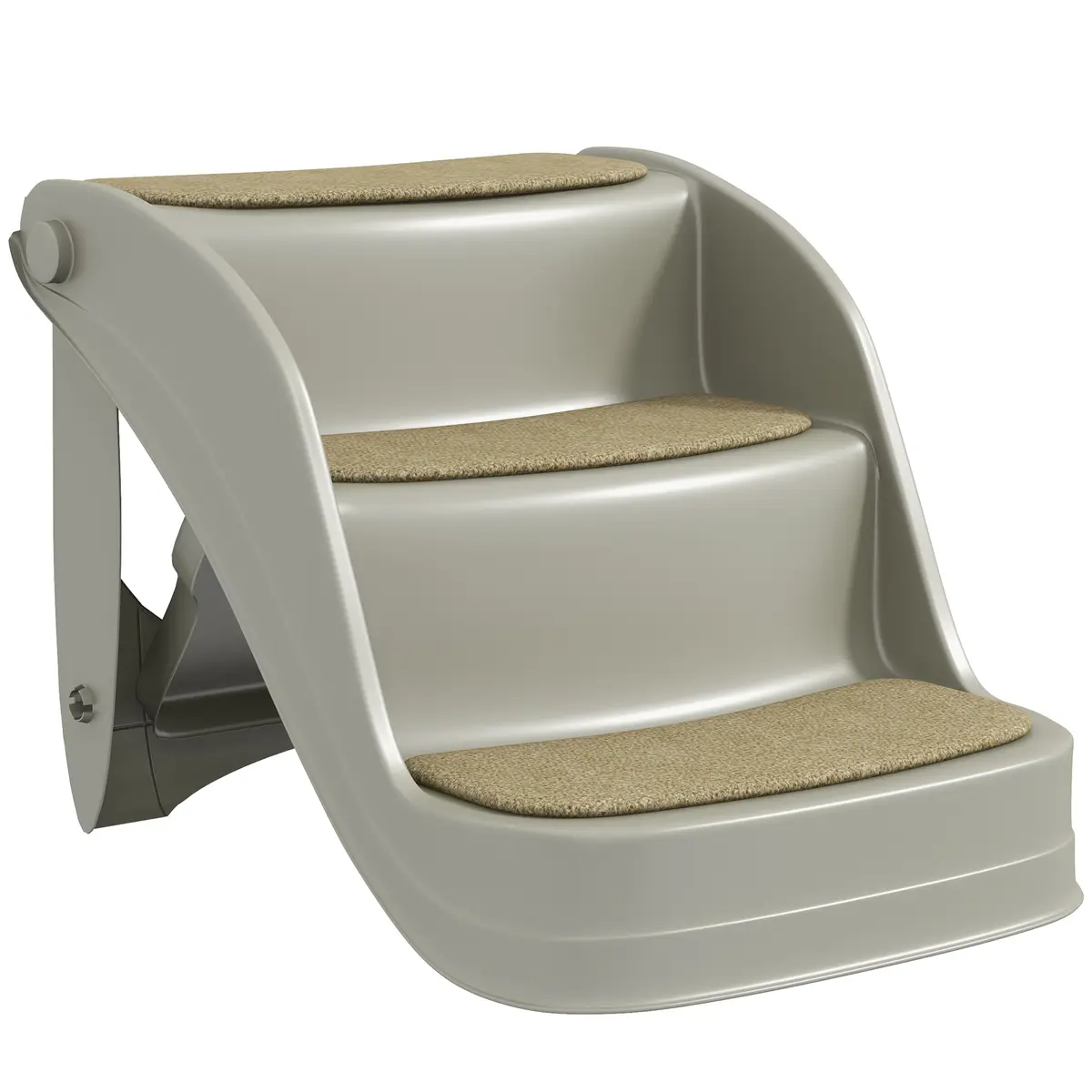
Three carpeted steps that fold flat to 15cm, with non-slip feet, letting small dogs and cats reach the sofa or bed without jumping down onto their joints.
£62.99
 Fast UK delivery
Steps & ramps
A folding wooden ramp with three height settings and a textured carpet surface, rated for cats, rabbits and small or senior dogs up to around 18kg.
£38.99
 Fast UK delivery
Steps & ramps
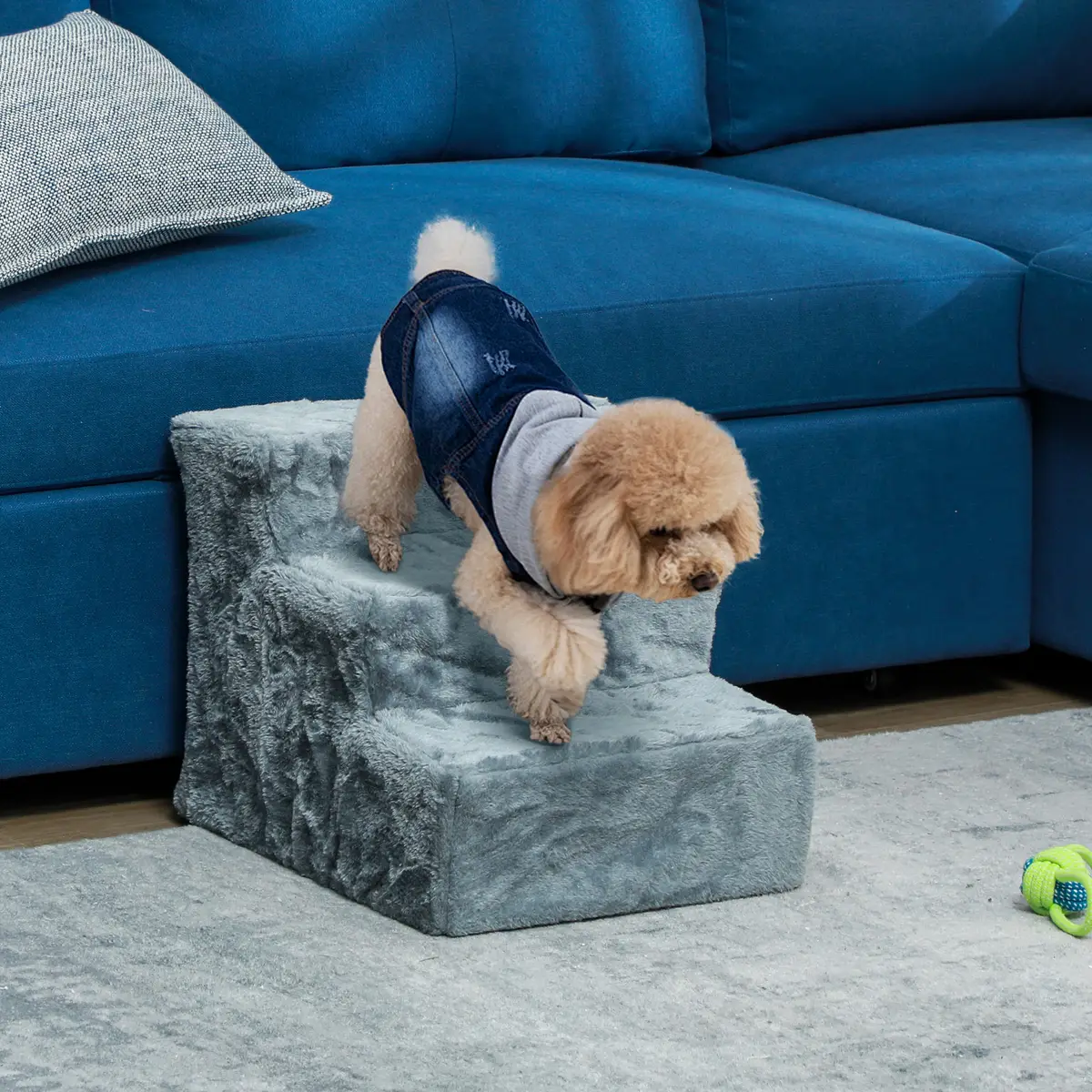
Three plush-covered steps standing 35cm high on a 46 x 34cm base, sized for a sofa rather than a bed, with a removable washable cover and a 4.5kg limit.
£32.99
 Fast UK delivery
Steps & ramps
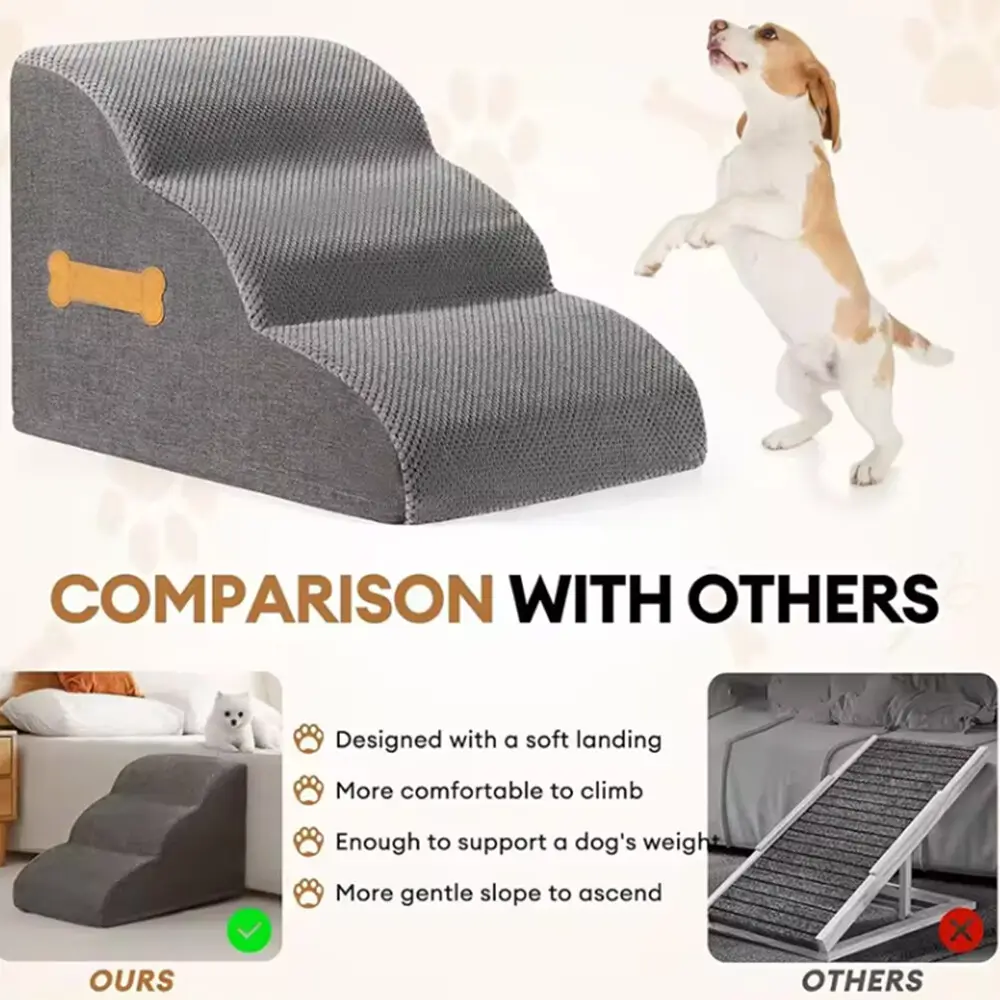
Lightweight high-density foam steps with a machine-washable cover and adhesive anti-slip pads on each tread — soft underfoot for ageing or injured pets.
£44.99
 Fast UK delivery
Steps & ramps
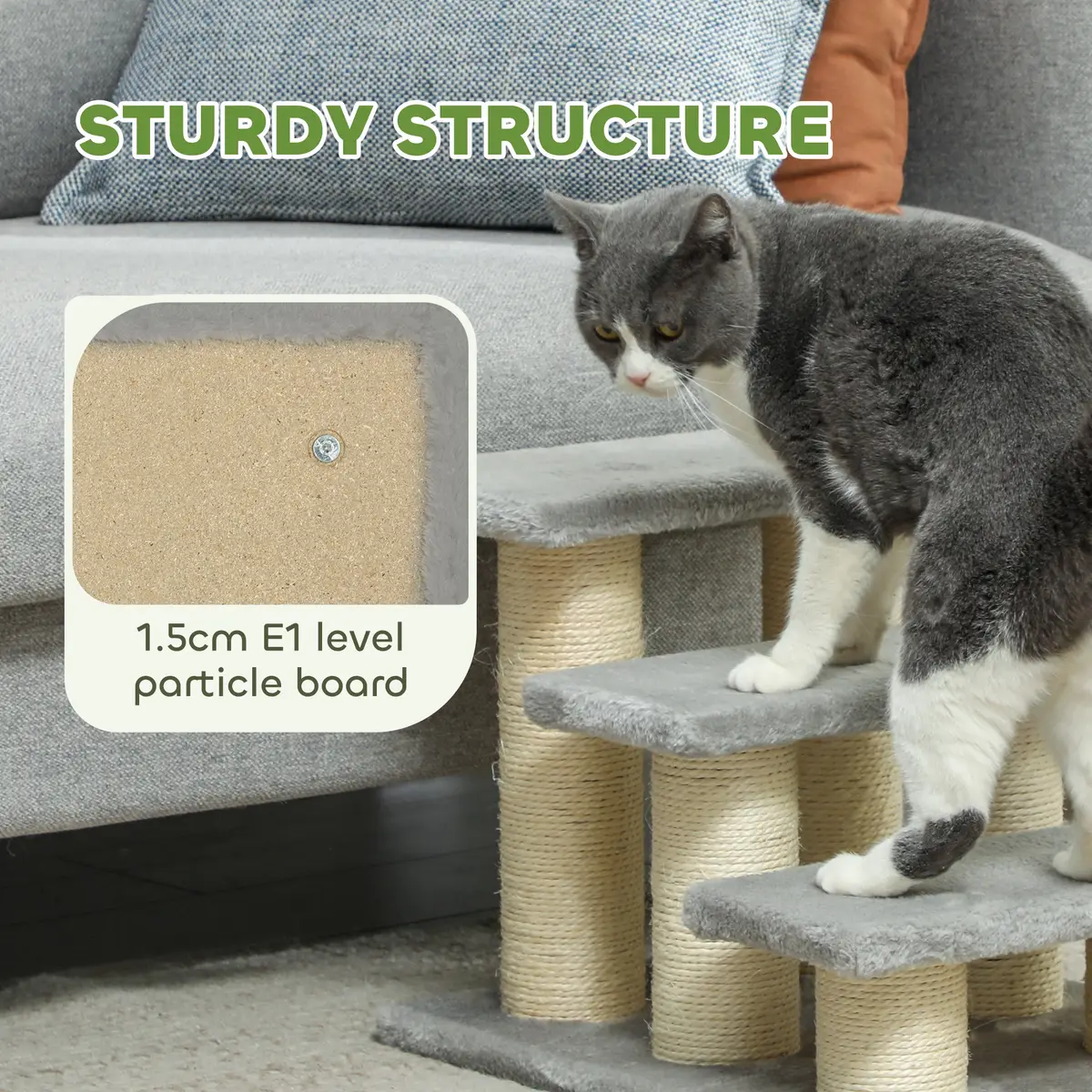
Three plush steps on an E1 particle board frame with sisal scratching posts built in, rising to 34cm with an 11cm step height. Supports up to 50kg.
£52.99
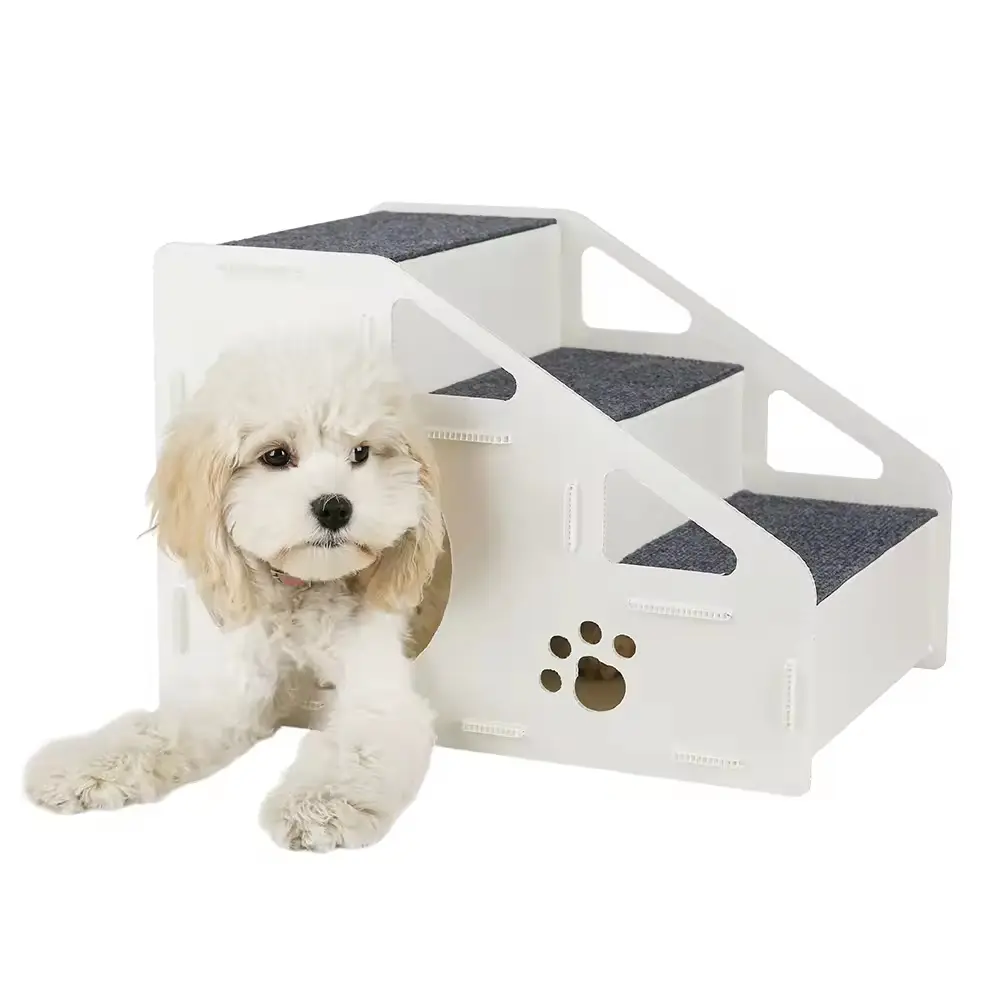
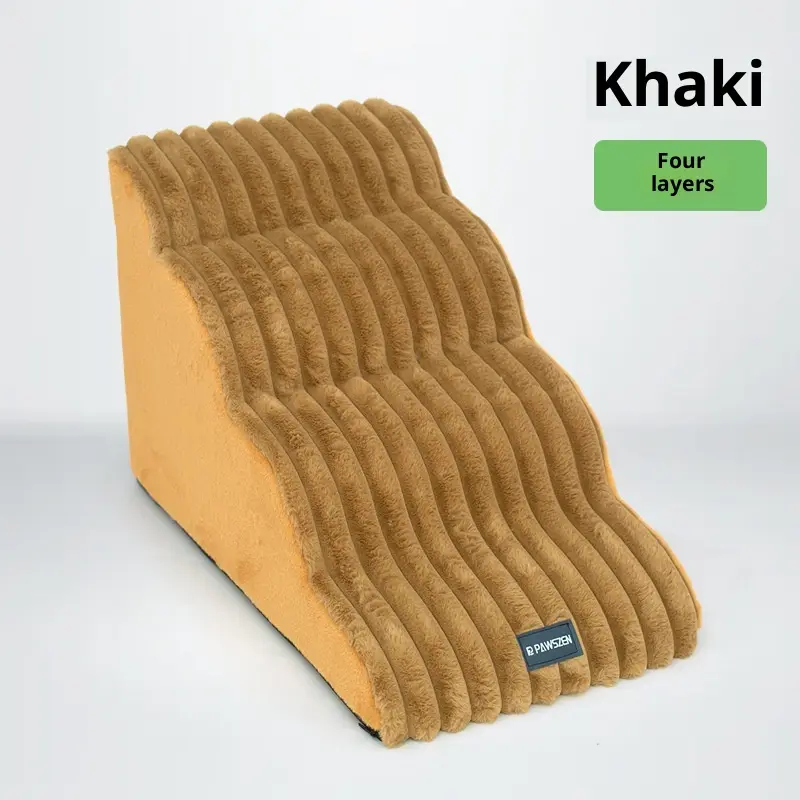
A ramp or set of steps takes the jump out of getting onto a bed, sofa or car boot, which matters most for small dogs, older pets, and any animal recovering from an injury or living with joint problems. The two designs work differently, and picking the wrong one for the job is the most common mistake.
Steps suit a fixed height that doesn't change, like getting onto a bed or a sofa that stays in the same spot. A three or four-step unit breaks the climb into smaller, more manageable stages than one big leap, which is the whole point for a dog with sore hips or a cat who has slowed down.
A ramp suits anywhere the height or angle changes, most obviously a car boot. It also tends to be gentler on stiff joints than steps, because there's no repeated up-and-down motion — just one steady incline — though it needs more floor space to lay out at a shallow enough angle to be worth using.
Weight rating and stability matter more than looks. A wobbly step unit will put a nervous or unsteady pet off using it within a day, so check it's rated comfortably above your dog's weight and stands solidly on the surface you'll use it on, not just on a hard showroom floor.
A non-slip surface is not optional. Wood, fabric and foam steps all need enough grip on the tread itself, since a dog who slips once on the way up is unlikely to try again, however well the rest of the design suits them.
Most pets need a little encouragement the first few times rather than working it out on their own. Placing a favourite treat partway up, and again at the top, gets a nervous dog or cat associating the ramp or steps with something good rather than something new and slightly wobbly underfoot.
Position matters too — set steps or a ramp at the exact spot your pet already tries to jump from, rather than a few feet away, or they'll simply jump past it out of habit.
A little guidance
Ramps and steps exist to take the impact out of jumping down. That matters most for long-backed breeds — dachshunds, corgis, basset hounds — where repeated jumping off furniture and out of car boots is associated with spinal injury, and for older or arthritic dogs of any shape.
A gentler slope is easier but takes more floor, and a ramp too steep to feel safe will simply not be used. Check the surface grips under paws, that the ramp is rated well above your dog’s weight, and that it sits solidly against the car or sofa without sliding when weight goes on the top end.
Expect to teach it. Treats up a flat ramp on the floor first, then a low height, then the real one — most dogs need a few short sessions before they will use a ramp instead of jumping past it.
Ramps suit pets with joint or back issues because they avoid the impact of stepping up, while steps take up less floor space — pick based on your pet's mobility and the height to reach.
Introduce it flat and low first, reward each step with treats, and increase the angle gradually so your pet builds confidence without fear.
Look for a non-slip surface, a stable base that does not wobble, side rails where possible, and a gentle gradient your pet can manage comfortably.
Hand-picked collections from this range.
Advice & planning
Practical calculators and trusted guides relevant to this product.
The two-minute quiz
Five profiles, ten easy questions — find out whether your pet is a Bundle of Energy, a Cosy Cuddler, a Happy Foodie, the Fresh & Fabulous type or a born Adventurer (and exactly what tends to suit them).