


Lifting & Support Harnesses
Lifting and support harnesses with handles, for helping an older or recovering dog up steps, into a car, or back onto their feet. Look for even support under the chest or hips rather than a single strap.
Shop Senior & Mobility by type
Choose a section to narrow the range.

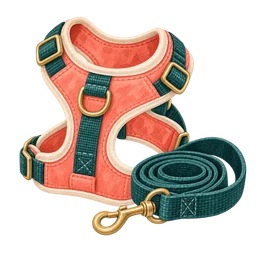


1 product

Four Flags Quick Lift Dog Support Sling
A durable nylon sling that helps you support an elderly, injured, or post-op dog's weight while they walk.
From£29.49
A mobility or support harness is built with a handle over the chest, hips or both, so you can take some of a dog's weight when they need a hand — up steps, into a car, or getting back onto their feet after lying down. It is a physical aid rather than a treatment, and works alongside whatever your vet has advised for the underlying issue.
What these harnesses are for
Most support harnesses are built around a padded strap with a sturdy handle, positioned either under the chest for front-end support or around the hips for rear support, and some cover both ends for a dog that needs help all over. They are aimed at older dogs with weakening hindquarters, dogs recovering from surgery, or breeds prone to hip or joint problems as they age.
The point is even, gentle support rather than lifting a dog bodily, so a harness that spreads pressure across the chest or hips rather than through a single strap tends to be more comfortable for regular use.
Choosing the right support
A rear-support harness or sling is usually the first thing owners reach for, since hindquarter weakness is the most common issue with age. A front harness or a full-body option is worth considering for a dog struggling more generally, such as after a bigger operation or with more advanced mobility loss.
Fit matters more here than with an everyday walking harness, since a support harness needs to sit snugly enough to actually take weight without slipping or rubbing. Measuring your dog properly before buying, rather than guessing a size, avoids the most common complaint with this kind of product.
Using a harness day to day
Many owners find it easiest to leave a lightweight support harness on during the day so it is ready whenever a step, a car boot or a slippery floor needs a hand, taking it off at night. Introducing it gradually, with a bit of praise, helps a dog get used to the sensation of gentle pressure being applied.
It is worth pairing a mobility harness with a non-slip surface at home, since slippery floors are one of the more common causes of a fall in an older or unsteady dog in the first place.
When to speak to your vet
A support harness helps with the mechanics of getting around, but it does not address whatever is causing the weakness or stiffness underneath it. A dog who has suddenly become much less steady, seems in pain, or is dragging a limb needs to be seen properly rather than managed with a harness alone.
Our directory of local vets is worth using if you do not already have a regular practice, particularly for an older dog where joint or mobility issues tend to need ongoing monitoring rather than a one-off visit.
From the Knowledge Hub
Common questions
What is a lifting or support harness for?
It gives you secure handles to help a pet stand, climb stairs or get into the car, easing strain on weak or recovering legs and protecting your own back.
How do I fit a support harness?
Measure as the guide directs and adjust so it is snug and supportive without rubbing, with padding sitting comfortably under the chest or hindquarters.
When should I use one?
They suit older pets, post-surgery recovery or mobility conditions; follow your vet's advice on how much activity is appropriate during rehabilitation.
Advice & planning
Tools and advice
Practical calculators and trusted guides relevant to this product.
The two-minute quiz
What does your pet really need?
Five profiles, ten easy questions — find out whether your pet is a Bundle of Energy, a Cosy Cuddler, a Happy Foodie, the Fresh & Fabulous type or a born Adventurer (and exactly what tends to suit them).