








Dogs
Dog Beds
Cosy spots for long naps.
Beds, mattresses, blankets and crates.
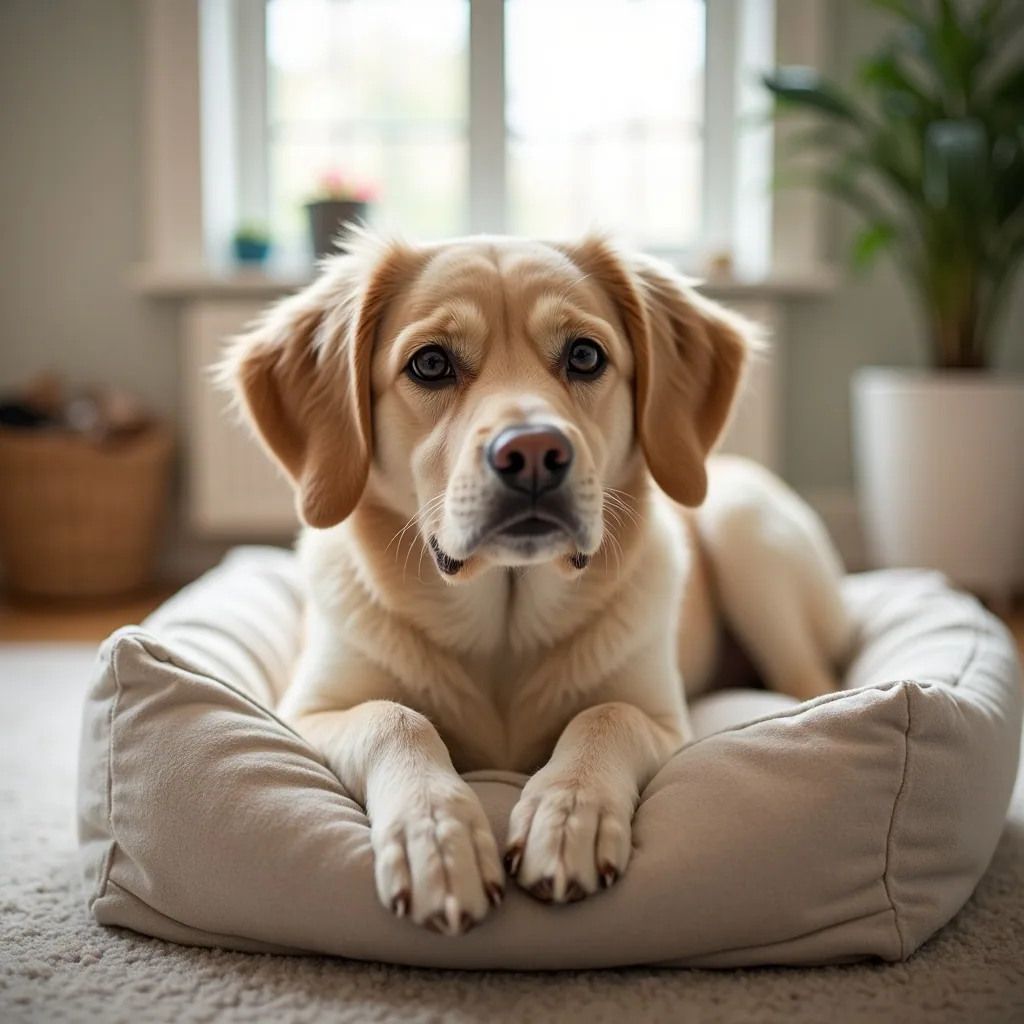 Their favourite place in the house.
Find their favourites
Shop dog beds by type
Choose a section to narrow the range.
Shop dog beds
Little essentials. Lots of love.


Sharples Moderna Plastic Dog Bed
- Sizes
- Olive / Green / Small · Black / Small · Blue / Small +11 more
- Brand
- Sharples
From £14.99


 Fast UK delivery
Liners, mats & filters
Tartan Sherpa Fleece Pet Mat
- Sizes
- 107 x 71cm · 122 x 76cm · 61 x 46 +2 more
- Material
- Polyester
From £17.99

Liners, mats & filters
Reversible Warming & Cooling Pet Mat
- Material
- Fleece & cooling fabric
From £19.99


Liners, mats & filters
Self-Heating Pet Mat, No Plug Required, Three Sizes, Two Greys
- Sizes
- S · M · L
- Material
- Cloth
From £10.99

Cave bed
Cartoon Cat and Shiba Inu Fleece Cave Bed, Four Sizes to 80cm
- Sizes
- S · M · L +1 more
- Material
- Cloth
From £21.99


Hooded litter trays
Round Plush Pet Bed with Attached Hooded Blanket
- Material
- Plush & sherpa fleece
From £23.99

Liners, mats & filters
Machine Washable Self-Heating Plush Dog Mat, Six Colours, Two Sizes
- Sizes
- 31 x 25cm · 38 x 29cm
- Material
- Cloth
From £19.99


Liners, mats & filters
Self-Heating Non-Slip Pet Mat in Cotton Fleece, Grey or Brown
- Sizes
- S · M · L
- Material
- Cloth
From £12.99
 Fast UK delivery
ProFleece Green Back Vet Bedding — Whelping Box Sizes
- Sizes
- 100 x 100cm · 120 x 120cm · 150 x 150cm +1 more
- Material
- Polyester
From £28.99
 Fast UK delivery
Bedding
ProFleece Non-Slip Vet Bedding with Hollow Paw – Multiple Sizes
- Sizes
- 100 x 100cm · 100 x 75cm · 10m x 150cm +21 more
From £13.99
Browse all 182 dog beds
Find their favourites
More for dogs
Everything for dogs, one department at a time.



A little guidance
Choosing from our dog beds range
Start with the part of the range that matches what your dog needs, then compare the available products and filters above.
Dog Beds →
Supportive, washable and calming beds for dogs of every size and sleeping style. Measure your dog nose-to-tail while they are lying down and add room to stretch. Older dogs and heavier breeds benefit from firmer, orthopaedic-style support.
Choosing dog beds
Measure your dog stretched out on their side, nose to tail, and add about 15cm. Dogs sleep curled when they are cold or unsettled and flat out when they are relaxed, so a bed only big enough for the curl quietly stops them ever fully relaxing.
Bolstered and donut beds suit dogs who like to rest their head on something and feel enclosed. A flat mattress suits sprawlers and older dogs who find climbing over a raised rim awkward. For a dog with stiff joints, look for real foam thickness rather than a deep-looking cover: memory foam that bottoms out to the floor under their weight is doing nothing for them.
Calming Beds →
A calming bed's raised, cushioned rim or fully hooded design gives a pet something to curl into and rest their head against, mimicking the security of a den or a curled-up sleeping position — it's a small design difference from a flat bed, but it makes a genuine difference for a lot of anxious or easily startled pets.
Why the shape matters
The raised sides of a donut-style bed let a dog or cat rest their head on something soft while curled up, which many pets find noticeably more comforting than lying flat on an open mat. It's a similar idea to a swaddle for a baby — gentle, constant contact rather than an open, exposed sleeping position.
A fully enclosed or hooded bed goes a step further, giving a nervous pet somewhere to retreat out of sight entirely, which suits a cat more instinctively than most dogs, though plenty of anxious or noise-sensitive dogs take to a covered bed readily too.
Who benefits most
Rescue pets, older animals who startle more easily, and any pet going through a change — a house move, a new arrival in the household, building work nearby — often settle faster with a calming bed than a standard flat one, simply because it offers a more contained, secure space to retreat to.
A microwavable heat pad calming bed adds warmth to the same idea, which particularly suits an older or arthritic pet who benefits from gentle heat on stiff joints as well as the psychological comfort of the shape.
Carriers & Crates →
This aisle covers carriers for getting a cat or small dog to the vet or on a journey, and crates used for car travel, training or giving a dog a settled space at home. The right one depends mostly on the journey and the animal's size, more than any single feature on the box.
Carriers for cats and small dogs
A hard-sided carrier, like a wire top-opening cat basket, is sturdy and easy to clean, and the top-opening design makes it easier to get a reluctant cat in without a struggle. A soft carrier, such as a mesh pet backpack, is lighter and more comfortable for a calmer animal, but offers less protection if it is knocked or dropped.
For a car journey specifically, a carrier that can be properly secured with a seatbelt, like a pet car seat carrier, matters for safety in a way a carrier that just sits loose on a seat does not.
Crates for dogs
A crate can serve several purposes: a secure space in the car, a training tool for a puppy, or simply somewhere a dog chooses to settle at home once it is properly introduced. Sizing is the most important decision, since a crate needs to be big enough for a dog to stand, turn around and lie down comfortably, but not so large that it stops feeling like a den.
For car use specifically, a crate that is designed to be secured rather than simply placed in the boot gives better protection in the event of sudden braking.
Common questions
What size bed does my dog need?
Measure your dog from nose to base of tail while lying relaxed, then add 15–25 cm so they can stretch out. Dogs that like to curl can size down slightly for a snug feel.
Are the beds machine washable?
Many have removable, machine-washable covers — check the product's specifications for wash care. A washable bed is far easier to keep fresh and hygienic.
Will a calming bed help with separation anxiety?
It can be one part of managing it, giving your pet a secure, comforting space, but it's unlikely to resolve separation anxiety on its own. Speak to your vet if the anxiety is significant, since a proper behavioural plan usually needs more than a bed change alone.
What's the difference between a donut bed and a hooded bed?
A donut bed has raised, cushioned sides your pet can rest their head against while lying curled up, while a hooded bed is fully or partly enclosed, giving a more den-like space to retreat into out of sight. Which suits your pet better often comes down to whether they prefer visibility or full enclosure.
Are microwavable heat pad beds safe for pets to use unsupervised?
Follow the manufacturer's heating and safety instructions closely, including how long the heat lasts and any guidance about supervision, particularly the first few times. They're generally designed with pet safety in mind, but always check the specific product's instructions rather than assuming.
What size carrier or crate does my pet need?
Your pet should be able to stand up, turn around and lie down comfortably inside, without their head or tail touching the sides. Too small is uncomfortable, while too large loses some of the secure, den-like feeling that makes a crate work well.