







Carriers & crates
Dog Carriers
Every journey, together.
Carriers and travel crates for small dogs and puppies: rigid carriers that fasten into a car, folding crates for the boot, and backpack carriers for a dog who runs out of legs before you run out of walk.
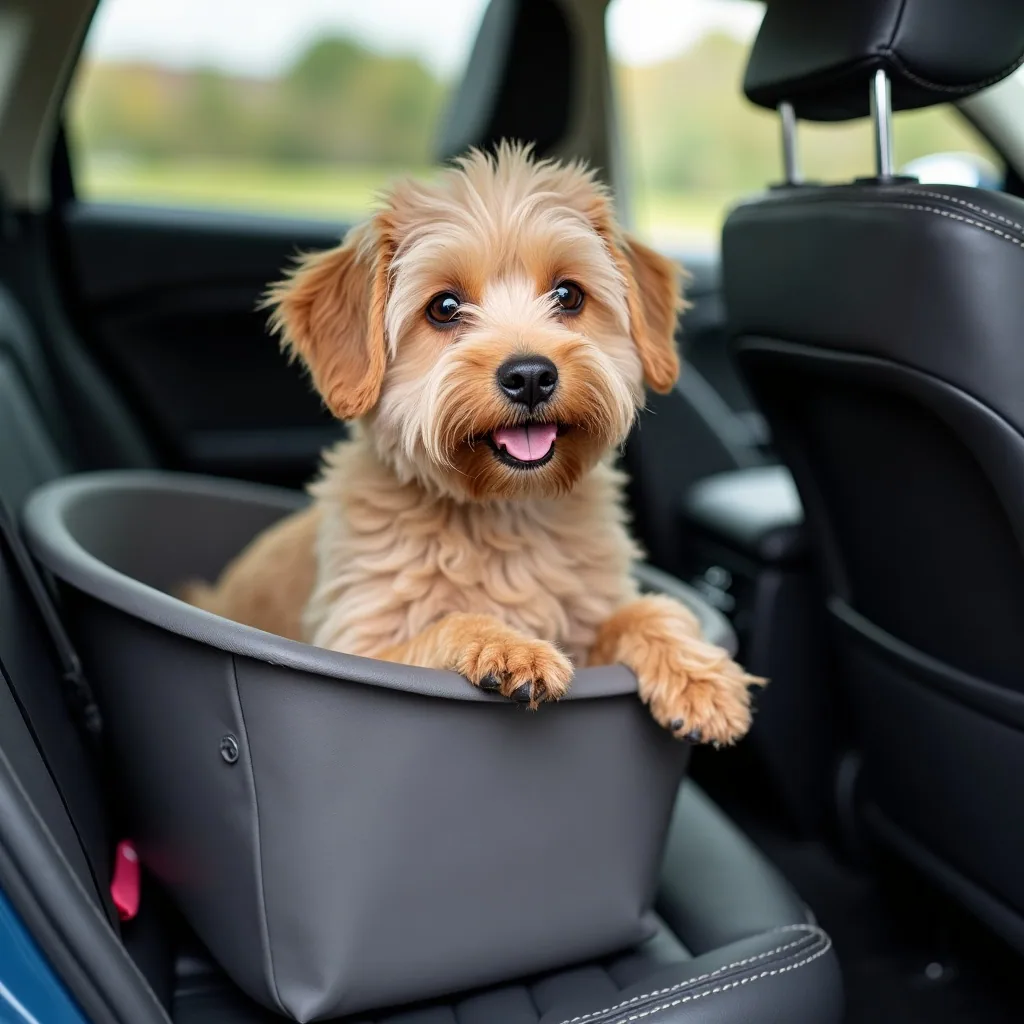 Safe and settled on the move.
Find their favourites
Shop by type
Choose a section to narrow the range.
Shop dog carriers
Little essentials. Lots of love.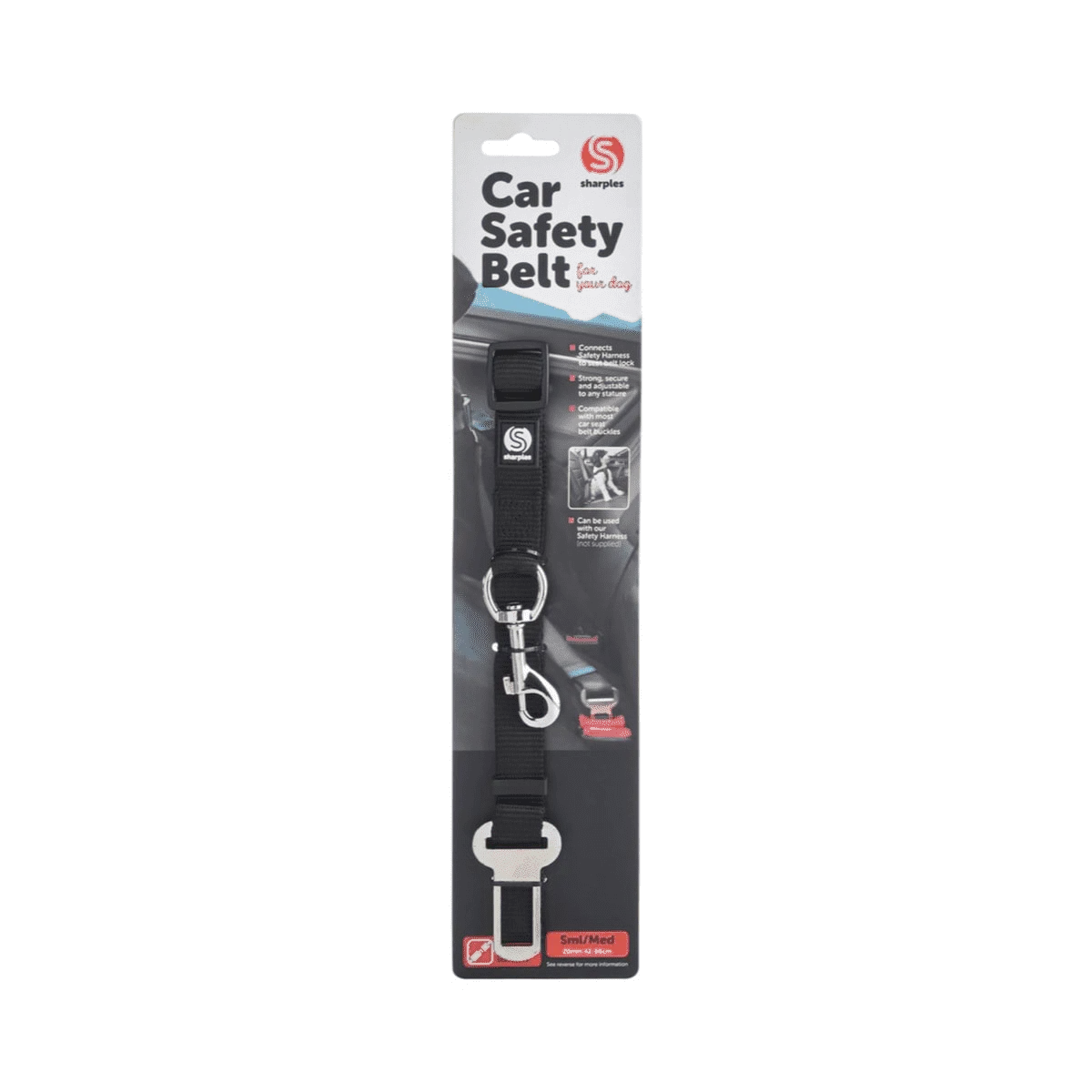
 Fast UK delivery
Carrier
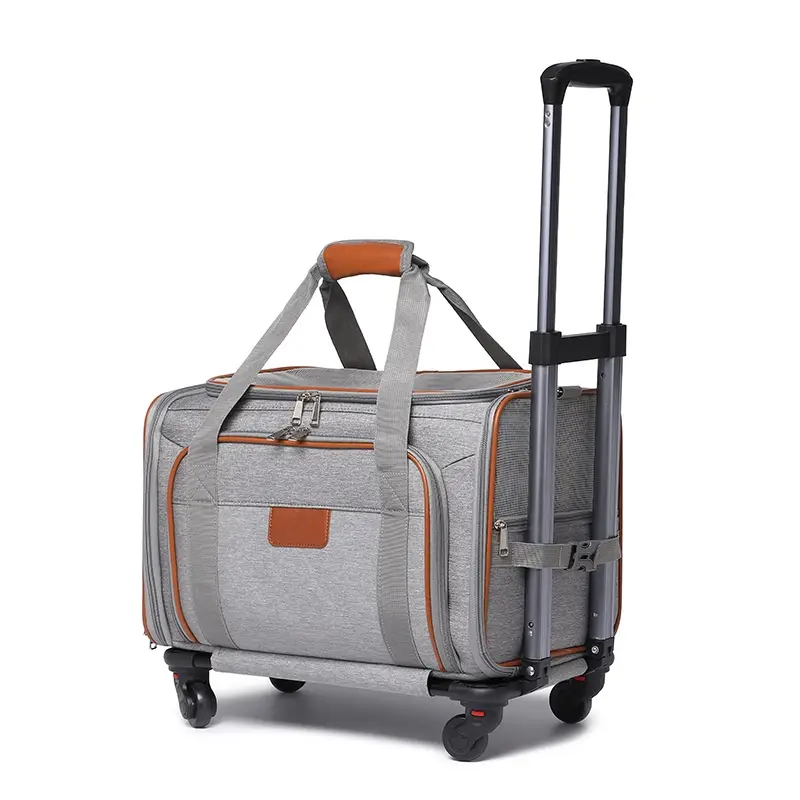
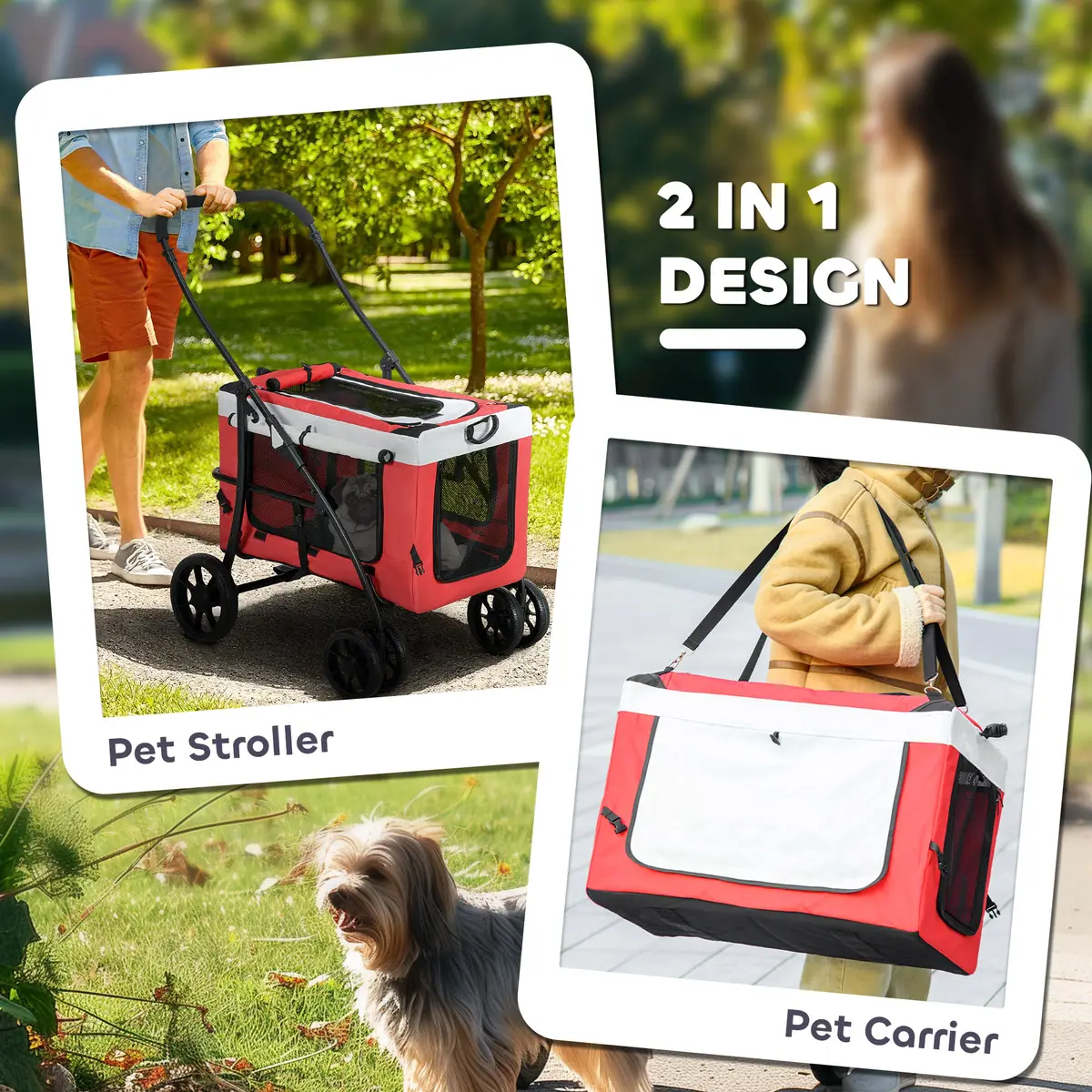
PawHut Foldable Dog Stroller with Detachable Carrier — Red
A folding dog stroller whose padded compartment lifts off and becomes a carrier — for dogs up to 10kg and 40cm long. Mesh window, zipped doors, dual rear brakes.
£124.99
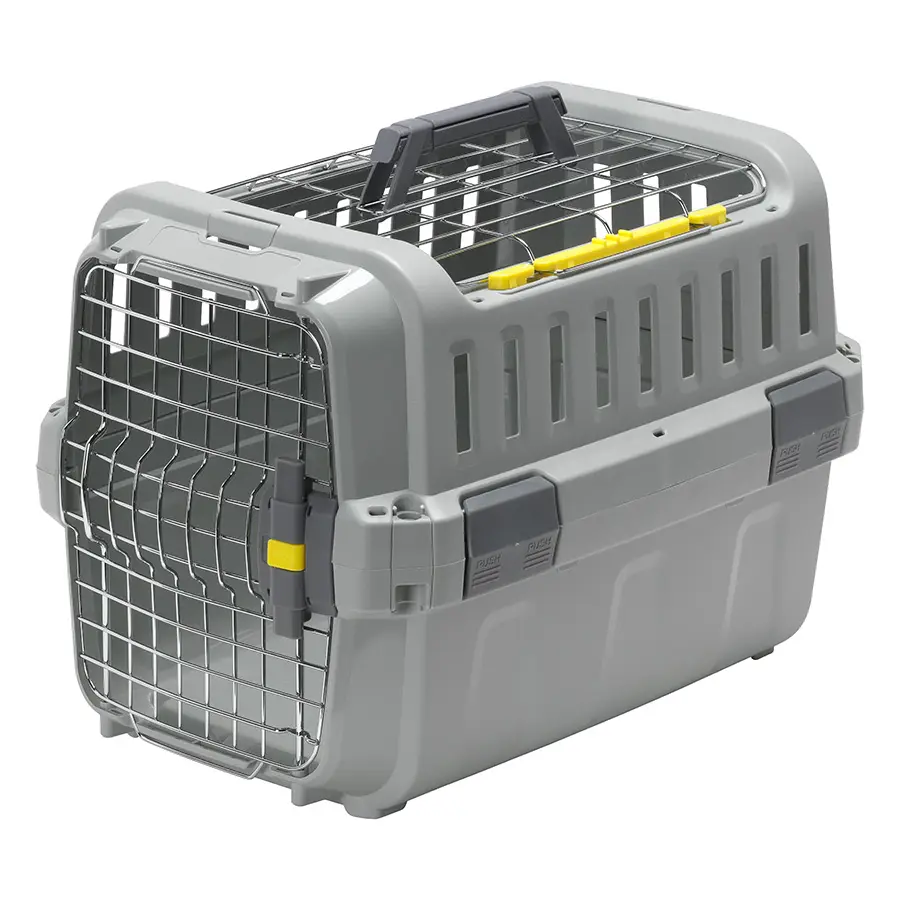
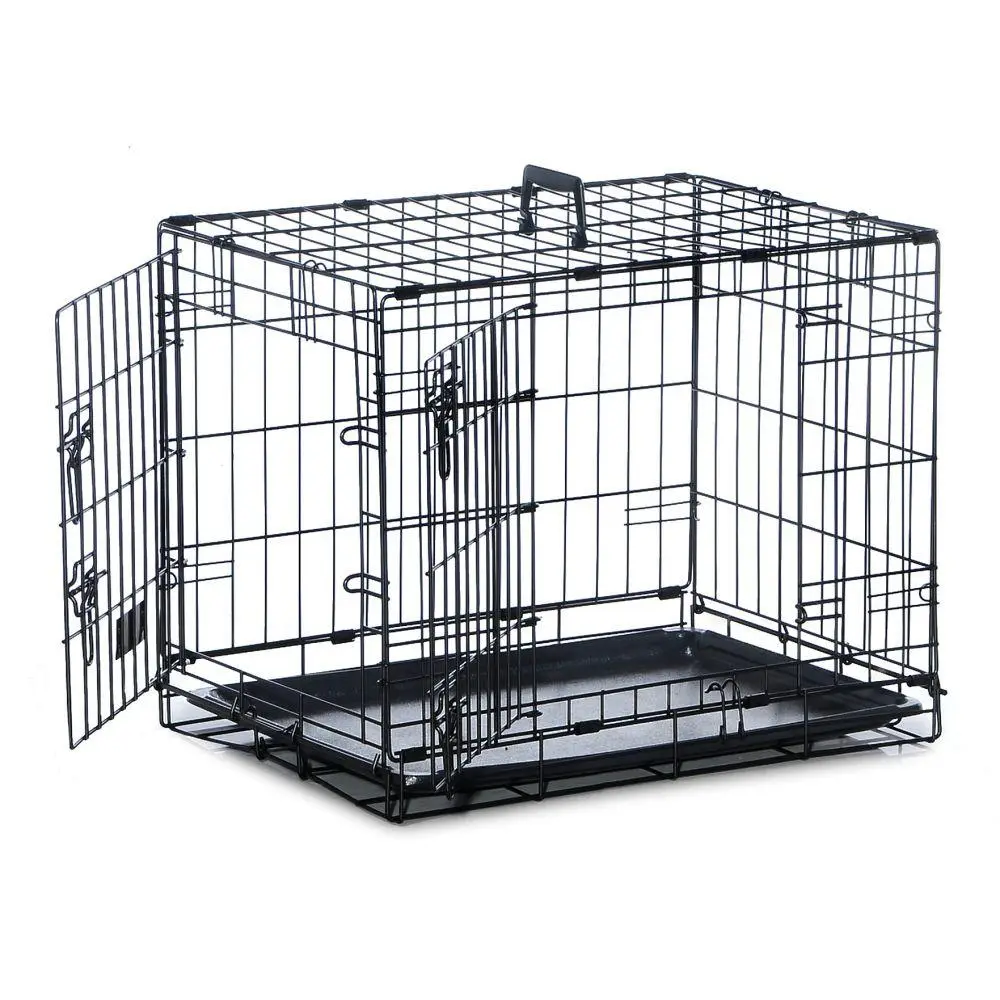
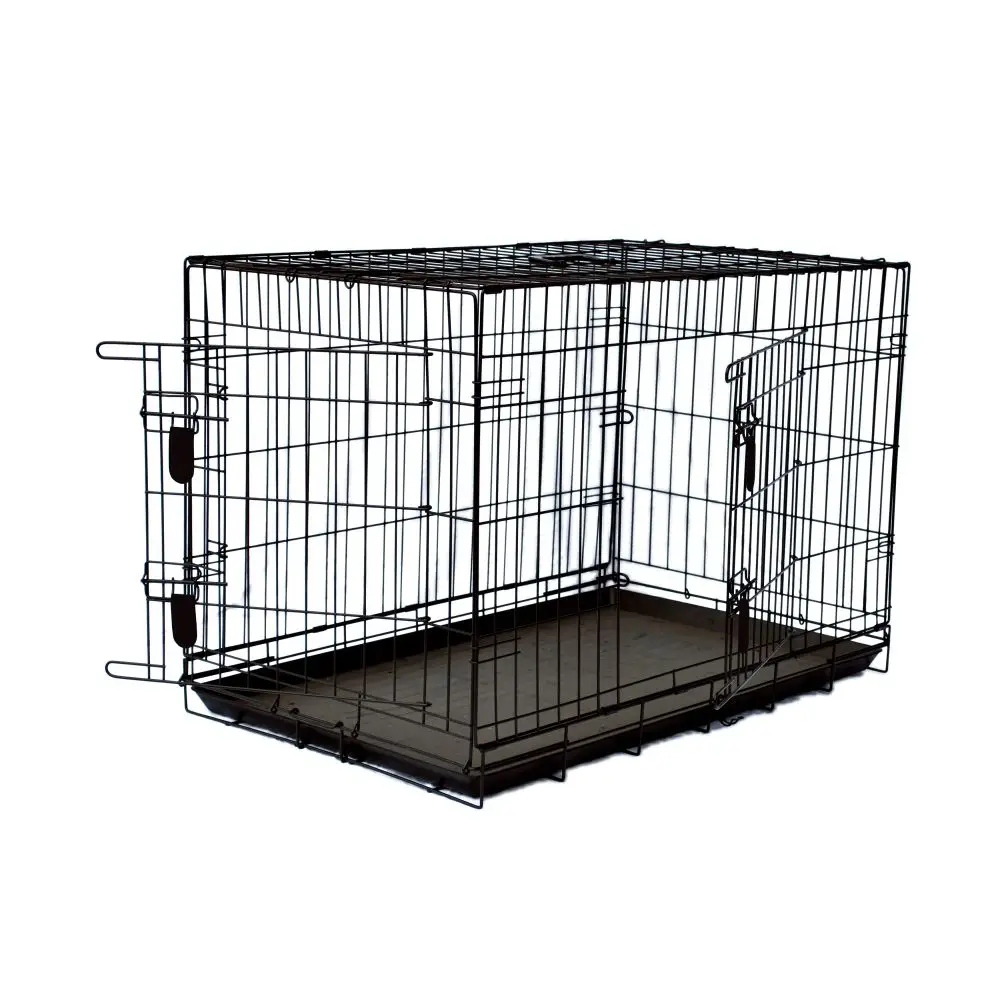
Bestpets Dog Crate Black Extra Large
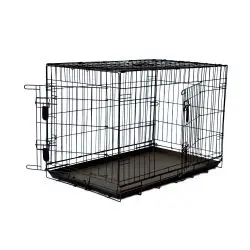
A folding wire crate with front and side doors, for home use or the boot of the car
£99.99
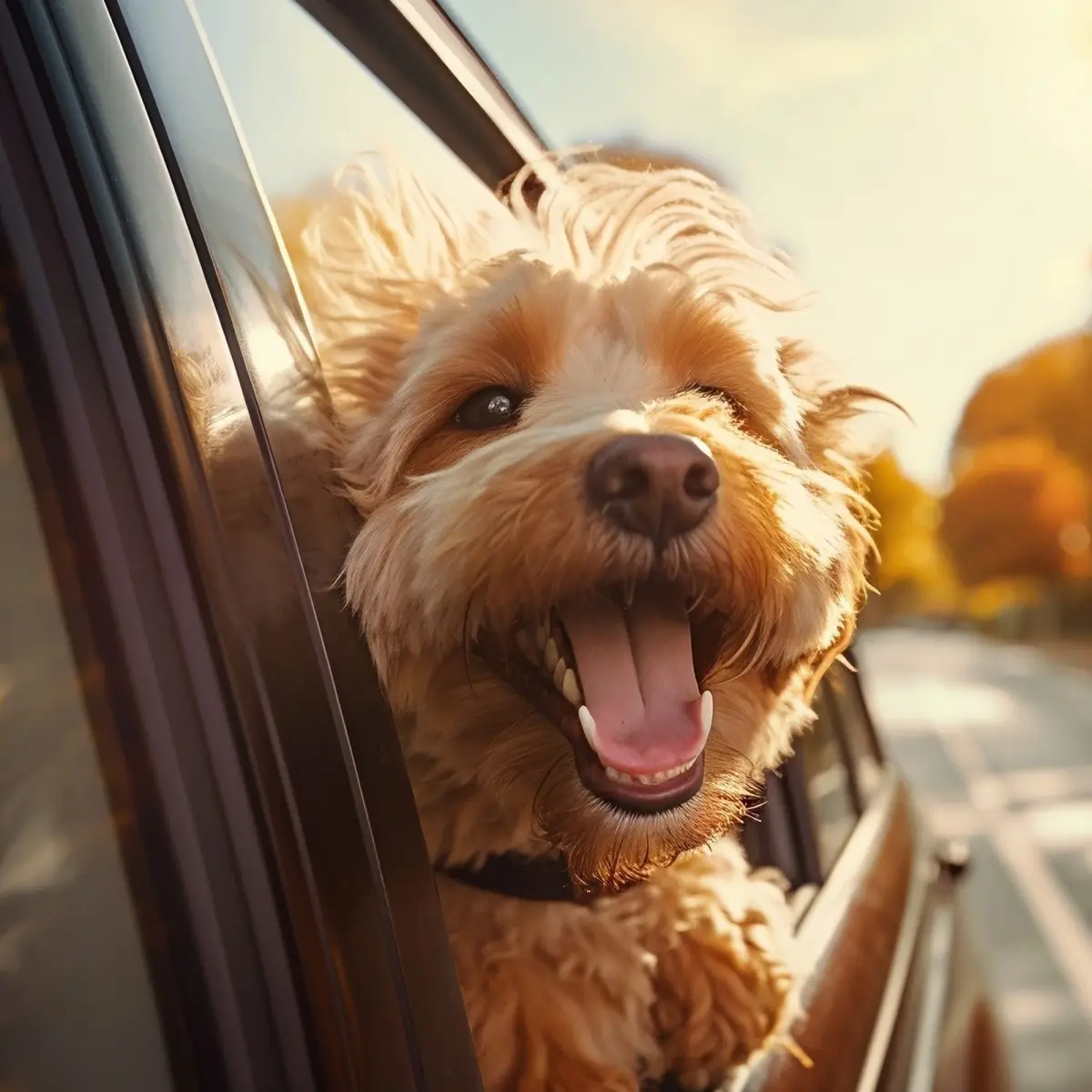

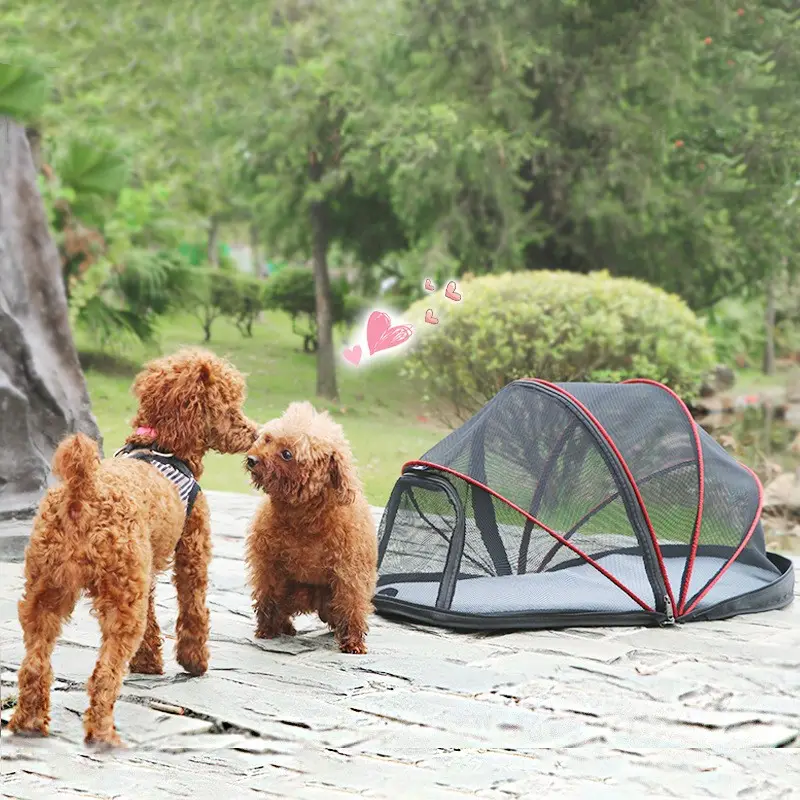
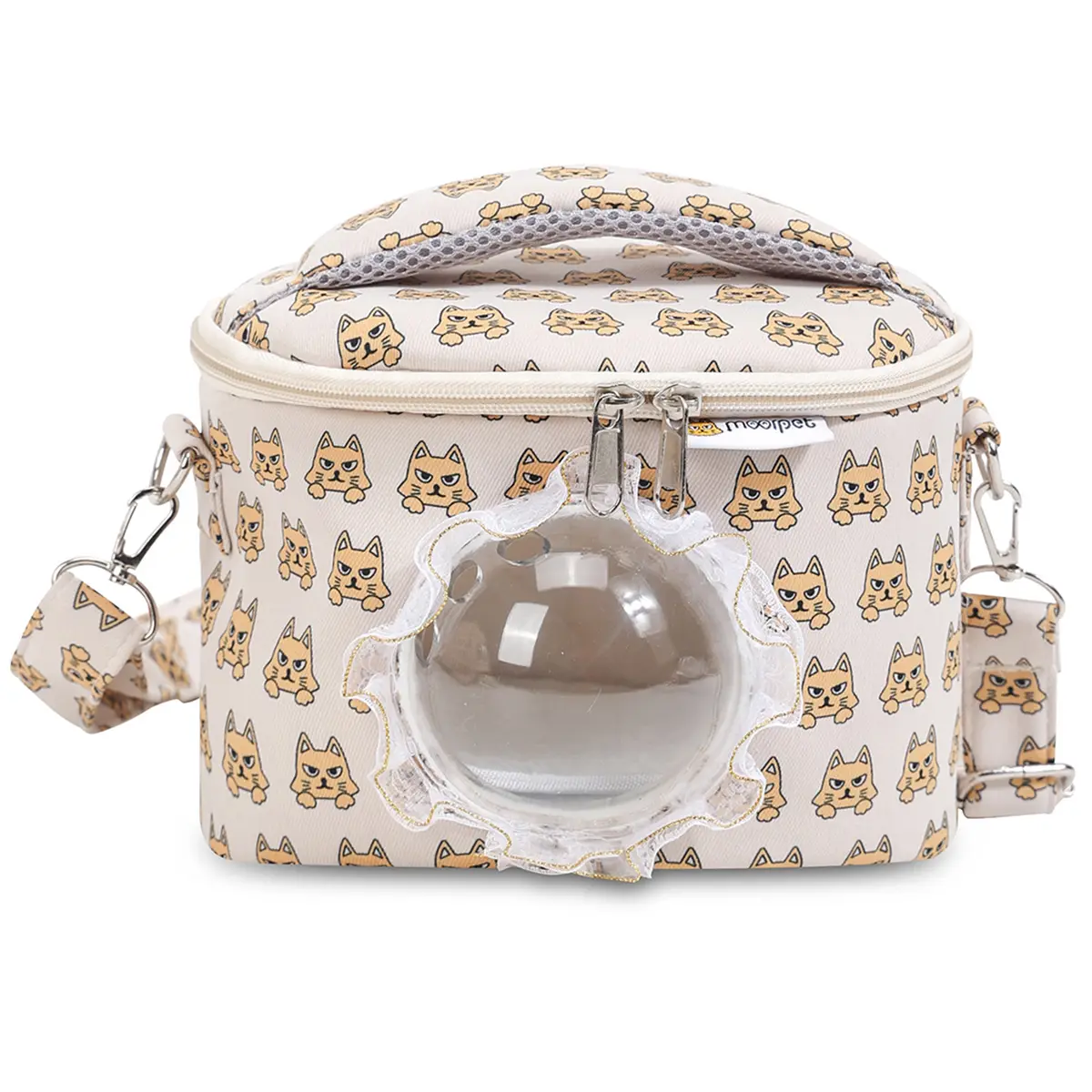
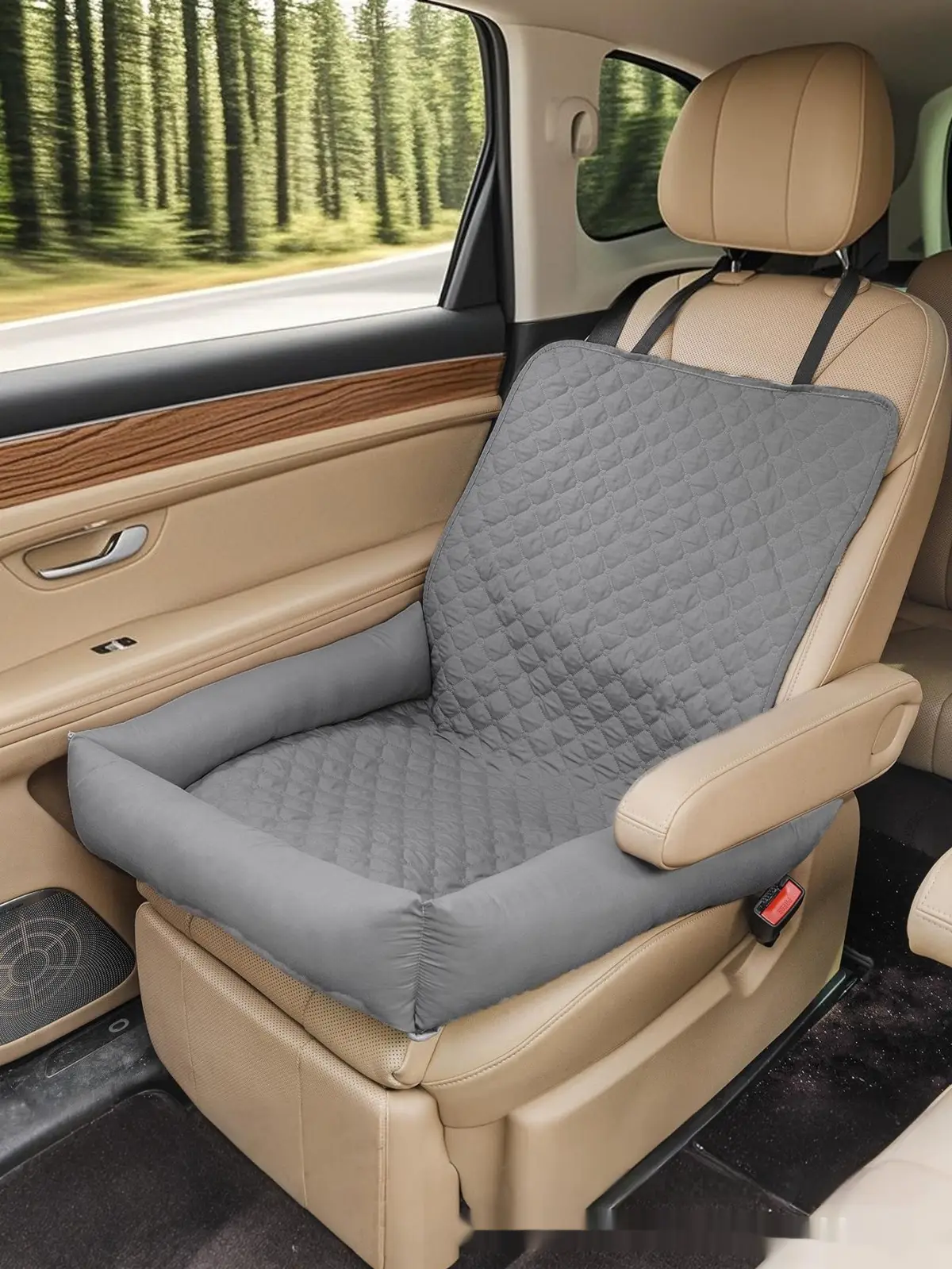
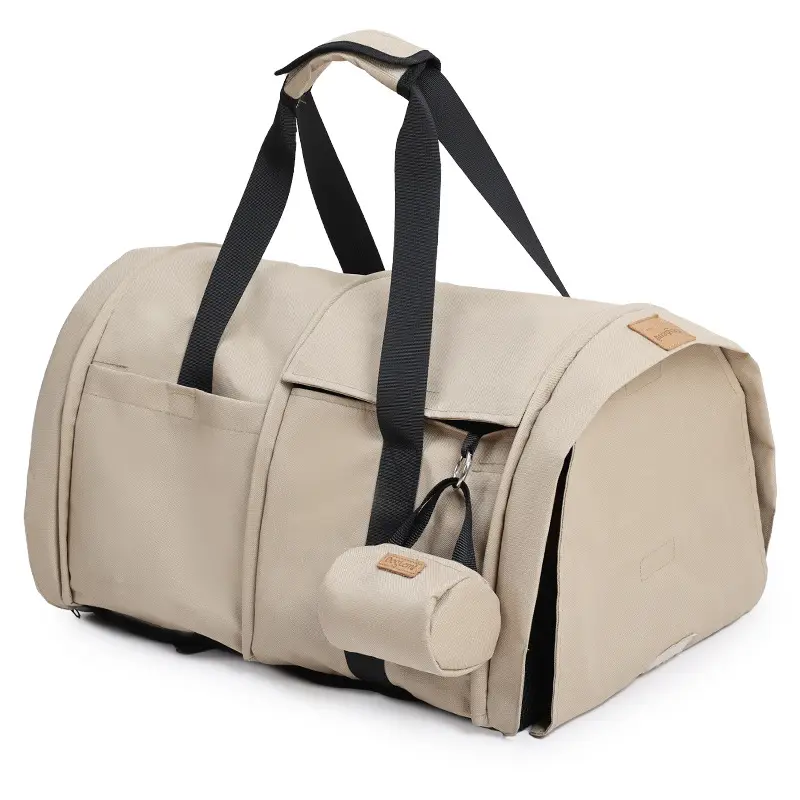
2 items together
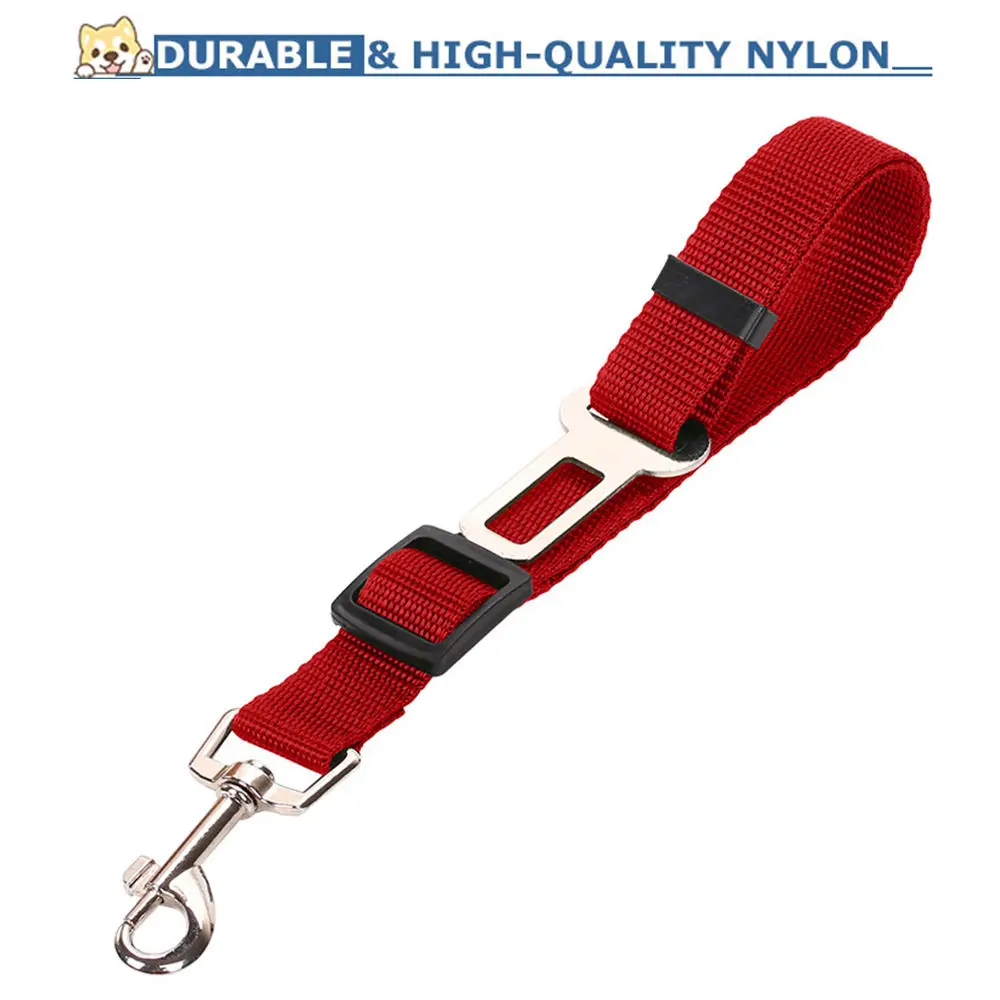
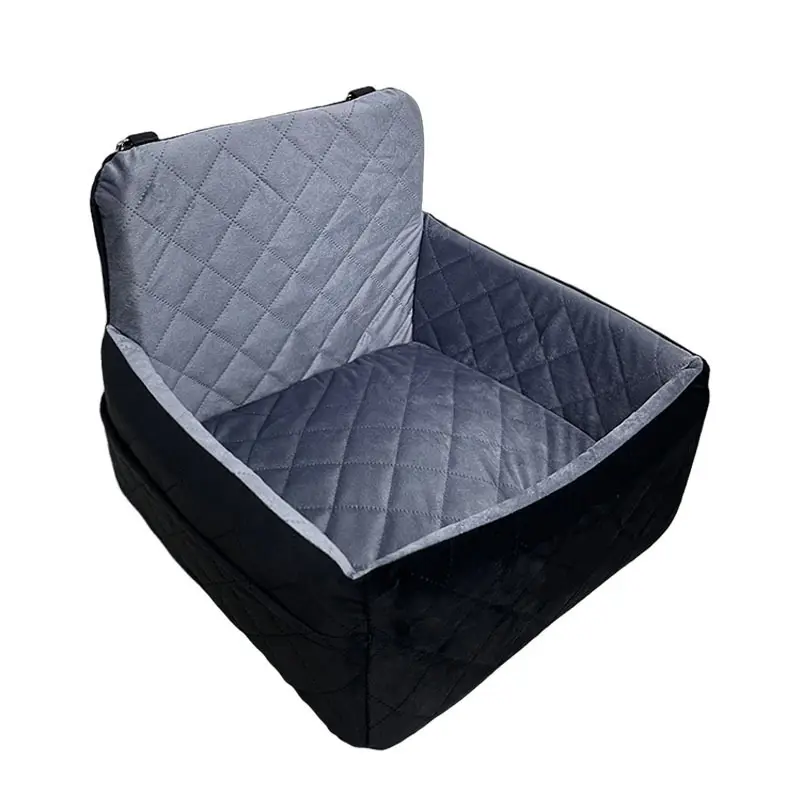
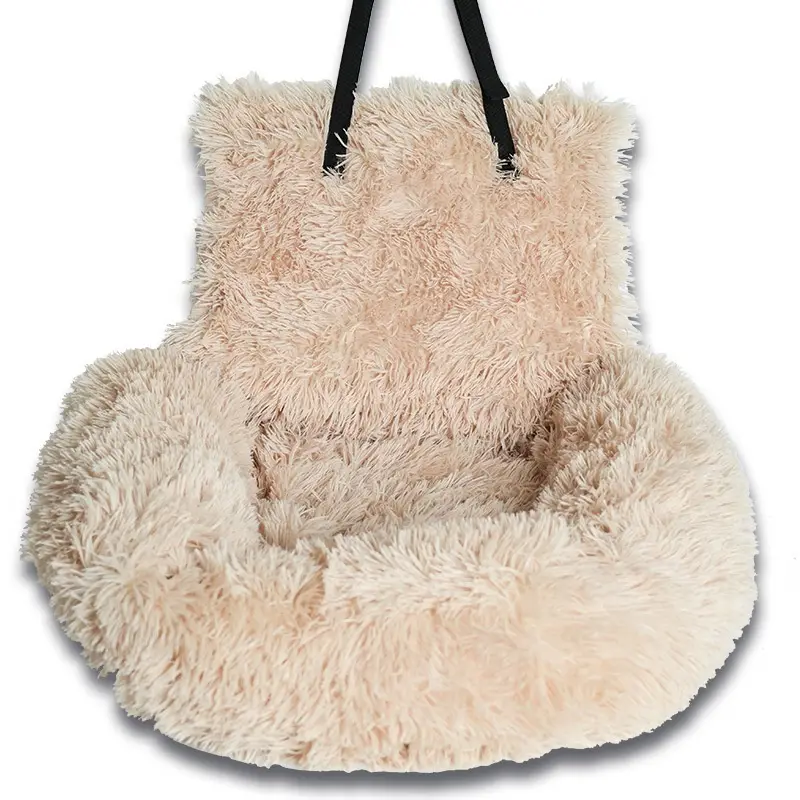
Small Dog Car Booster Set
Included
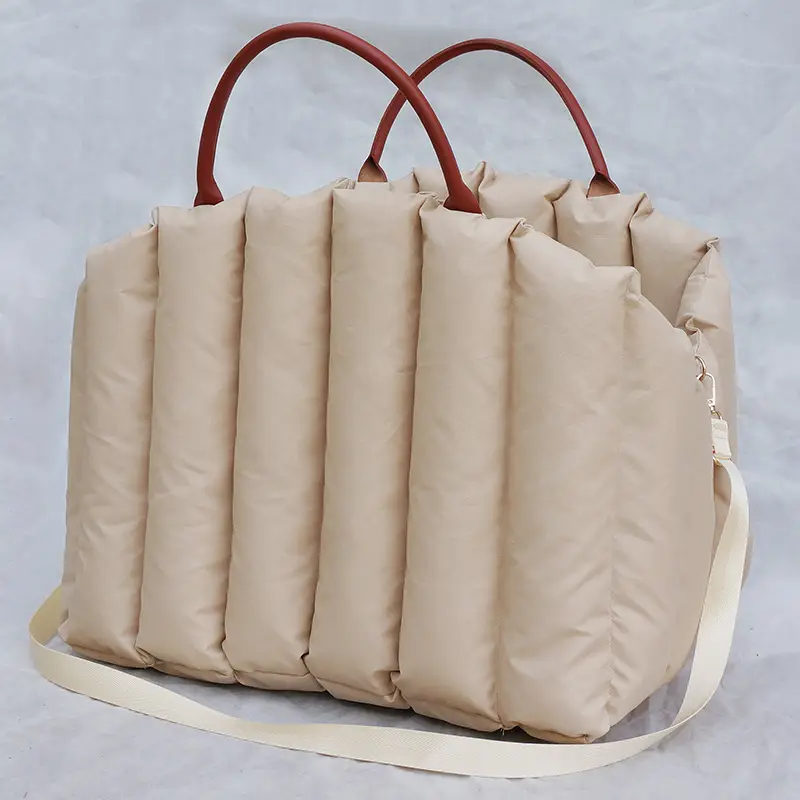
- 1 × Quilted Dog Car Seat Booster Bed
- 1 × Dog Car Seat Belt Safety Tether
£39.49 for the set
Save £4.49 vs buying separately
A little guidance
Which carrier do I need?
| What it is for | Best type | Why |
|---|---|---|
| Vet trips, small dog | Hard carrier with a top opening | Lift out rather than drag out |
| Long car journeys | Crate fastened in the boot | Stable, ventilated, room to lie flat |
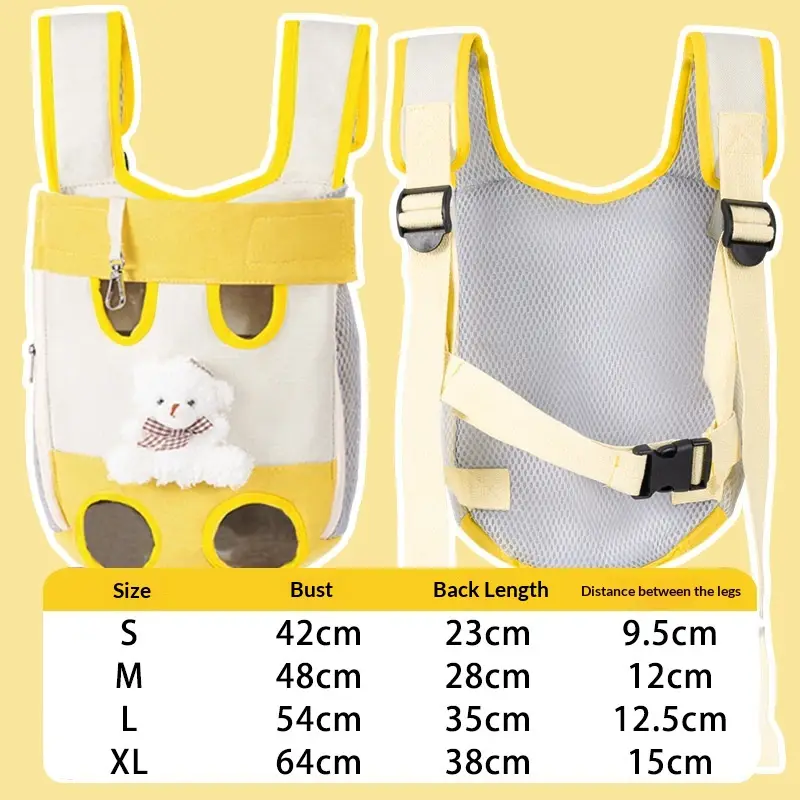
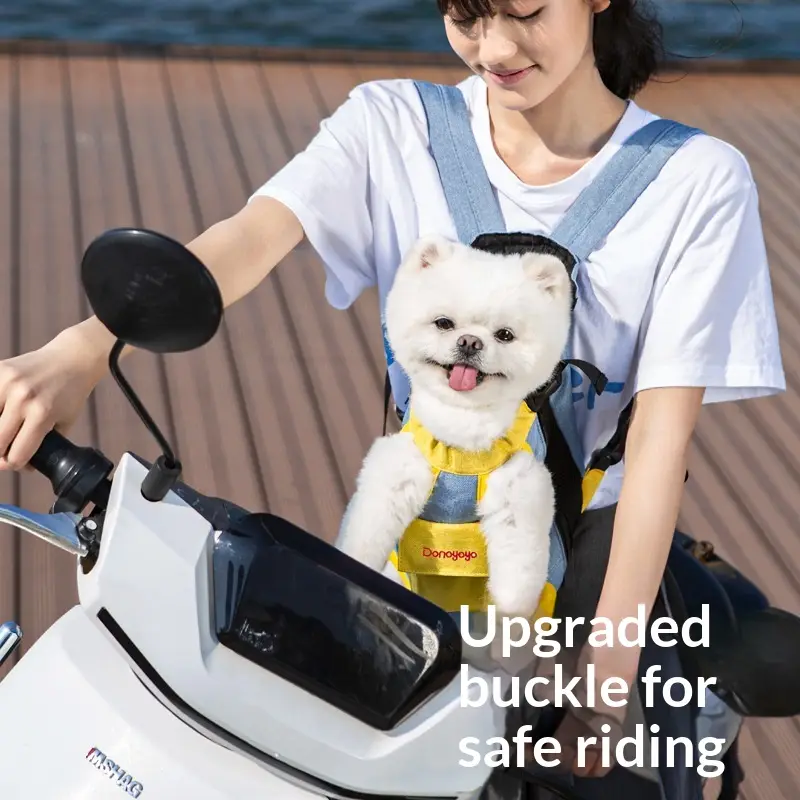
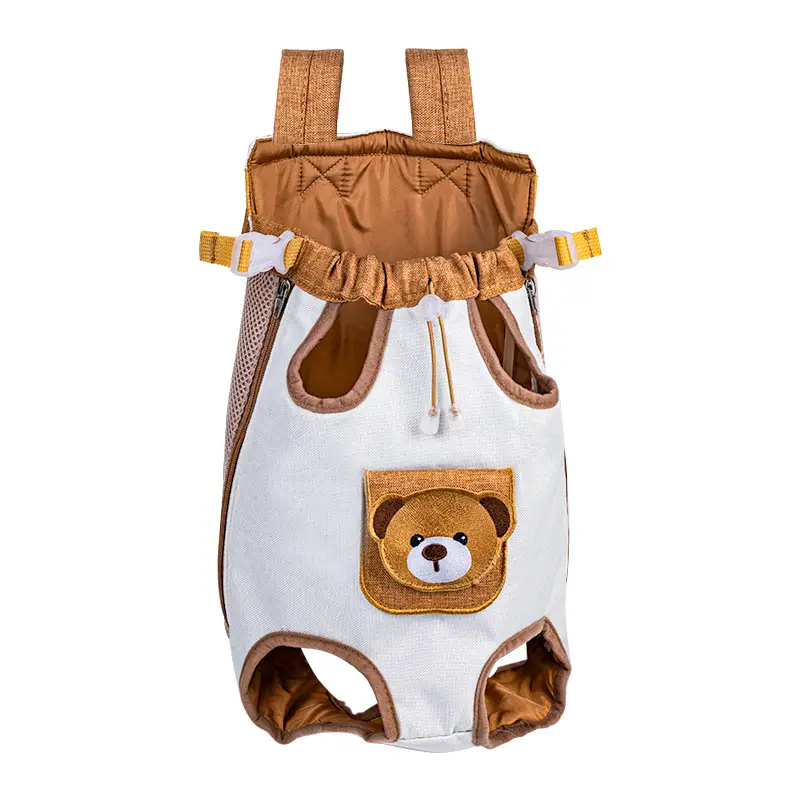
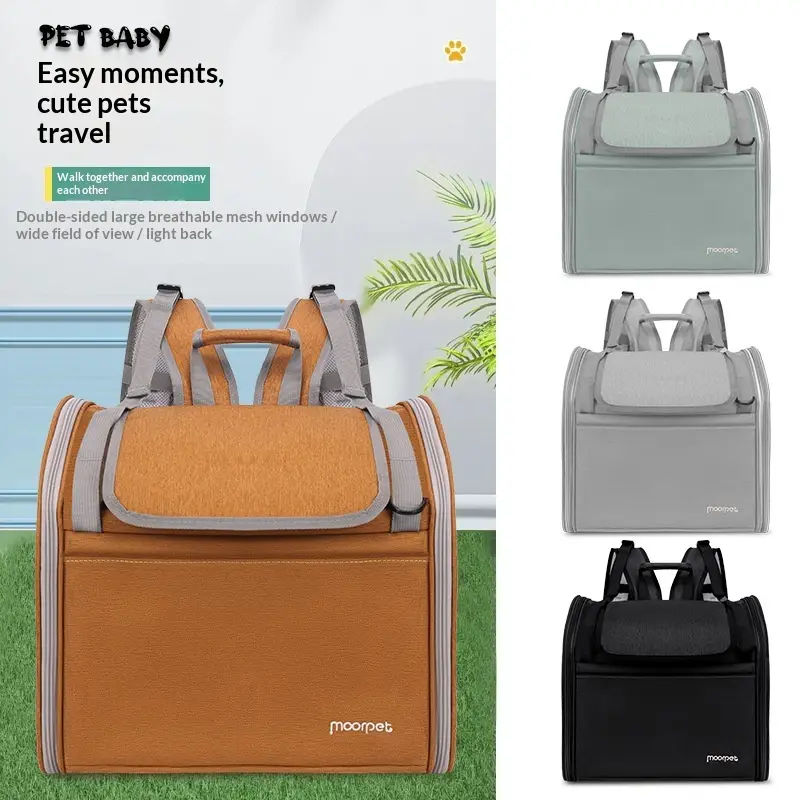
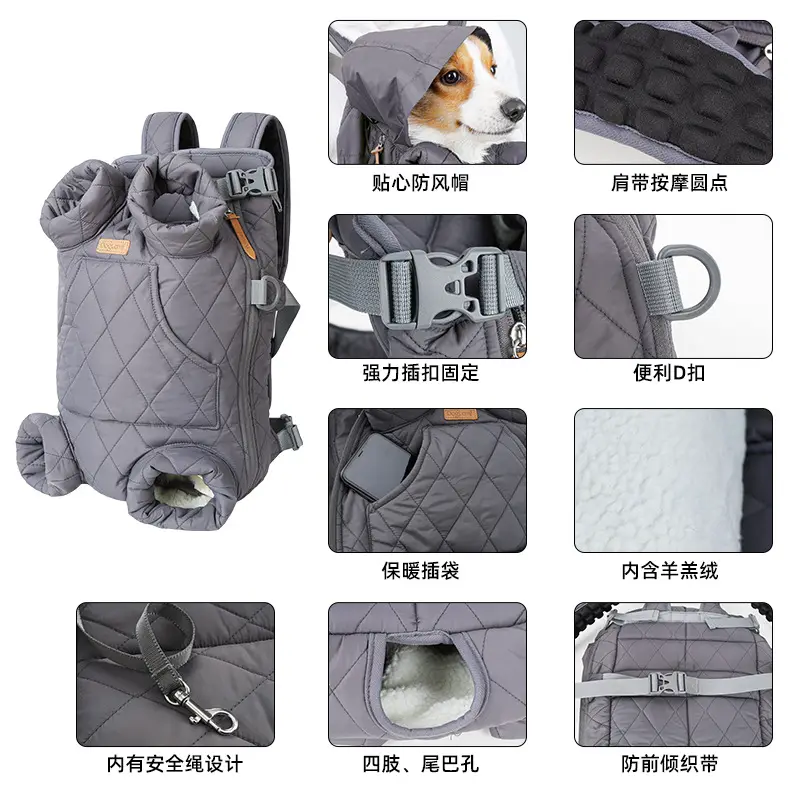
| Puppy who tires quickly | Backpack carrier | Hands free, dog secure |
| Occasional use, tight storage | Folding fabric crate | Packs flat between trips |
| Nervous dog | Enclosed sides with a cover | Less to look at, less to react to |
Size it by the dog lying down, not standing
A carrier needs to let the dog stand up, turn round and lie down fully stretched out. People tend to size for a dog sitting alertly, which is how a dog looks in a shop and not how it travels; on a long journey a dog lies flat, and a carrier that does not allow that is uncomfortable for every mile.
Measure length from nose to base of tail and height from the floor to the top of the head while standing, then add a few centimetres to each. Check the stated weight limit as well as the dimensions, because the handle and base are engineered to it, and a carrier that fits physically can still be wrong for the load.
Travelling safely in a car
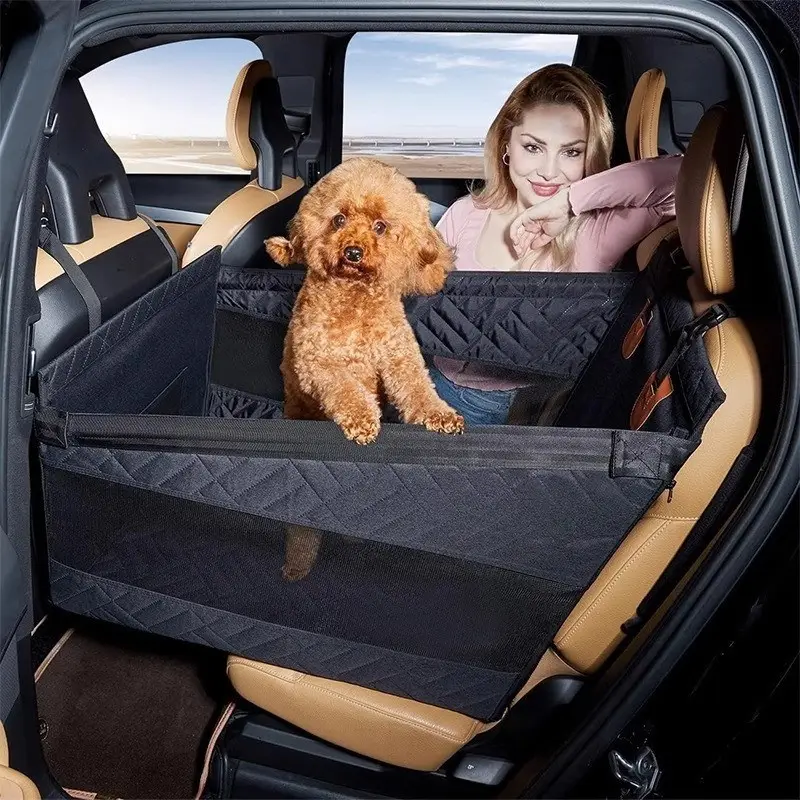
The Highway Code requires that dogs are suitably restrained in a vehicle so they cannot distract the driver or injure anyone if you stop suddenly. A carrier or crate is one of the accepted ways of doing that, along with a harness and seatbelt restraint or a boot guard, and an unrestrained loose dog on the back seat is not.
Put a carrier where it cannot slide, ideally in the footwell or wedged in the boot, and fasten a crate so it cannot move under braking. Never leave a dog in a parked car in warm weather: the temperature inside climbs far faster than people expect and it is dangerous well below the temperatures that feel alarming outside.
Making the carrier somewhere they do not mind
A carrier that only ever appears before a vet visit becomes a predictor of the vet visit. Leave it out at home with the door open and something good inside, feed a meal in it now and then, and the association stops being one-sided. A few weeks of that changes the loading process completely.
Line it with something that smells of home rather than freshly washed, and add a cover or a towel over the top for a nervous dog, because less visual information means less to react to. For a dog that has already learned to dread it, work in short sessions with the door open and no journey at the end, and build up from there.
Carriers, crates and backpacks are different jobs
A hard carrier is for containment and short journeys, and a top opening matters more than most people realise: lifting a frightened dog out from above is far easier than persuading one to reverse out of a front door at the vet.
A crate is a bigger, more permanent thing for the boot or the house, and folding versions pack flat for occasional use. A backpack carrier serves a genuinely different purpose, letting a puppy or small dog come along on a walk that is longer than its legs, which suits young puppies still limited on exercise and older small dogs who tire. None of the three substitutes for the others.
Everything here is chosen to be genuinely useful in everyday life with your pet — quality-checked, fairly priced and shipped tracked across the UK. For any health concern, your vet is always the best first port of call.
Common questions
What size carrier does my dog need?
Big enough to stand, turn around and lie fully stretched out. Measure nose to tail base and floor to top of head standing, then add a few centimetres. Check the weight limit as well as the dimensions.
Is it legal to have a dog loose in the car?
The Highway Code requires dogs to be suitably restrained so they cannot distract the driver or be injured in a sudden stop. A carrier, a crate, a seatbelt harness or a boot guard all satisfy that; a loose dog on the seat does not.
How do I get my dog used to a carrier?
Leave it out at home with the door open, put something good inside, and feed the occasional meal in it so it is not only associated with the vet. Line it with bedding that smells of home rather than freshly washed.
Hard carrier or fabric one?
Hard carriers give better protection and are easier to clean, which suits vet trips and the car. Fabric and folding carriers are lighter and store flat, which suits occasional use. For a nervous dog, more enclosed sides and a cover help.
Are backpack carriers a good idea?
For puppies still limited on exercise and for small or older dogs who tire before you do, yes — they keep the dog secure and your hands free. Check the weight limit and that the dog can sit comfortably, and do not use one as a substitute for a dog walking where it can.
Can I leave my dog in the carrier in the car?
Only while travelling, and never in a parked car in warm weather. The temperature inside a car rises much faster than people expect and it becomes dangerous well below the temperatures that feel hot outside.
Keep browsing
Related collections from across the shop.
Free pet welcome kit
Four printable tools, zero cost
The new-pet checklist, a vaccination & worming tracker, a feeding-portion guide and a house-training chart — straight to your inbox, no spam, unsubscribe whenever.