






Bowls & feeders
Dog Bowls
Mealtimes, made easy.
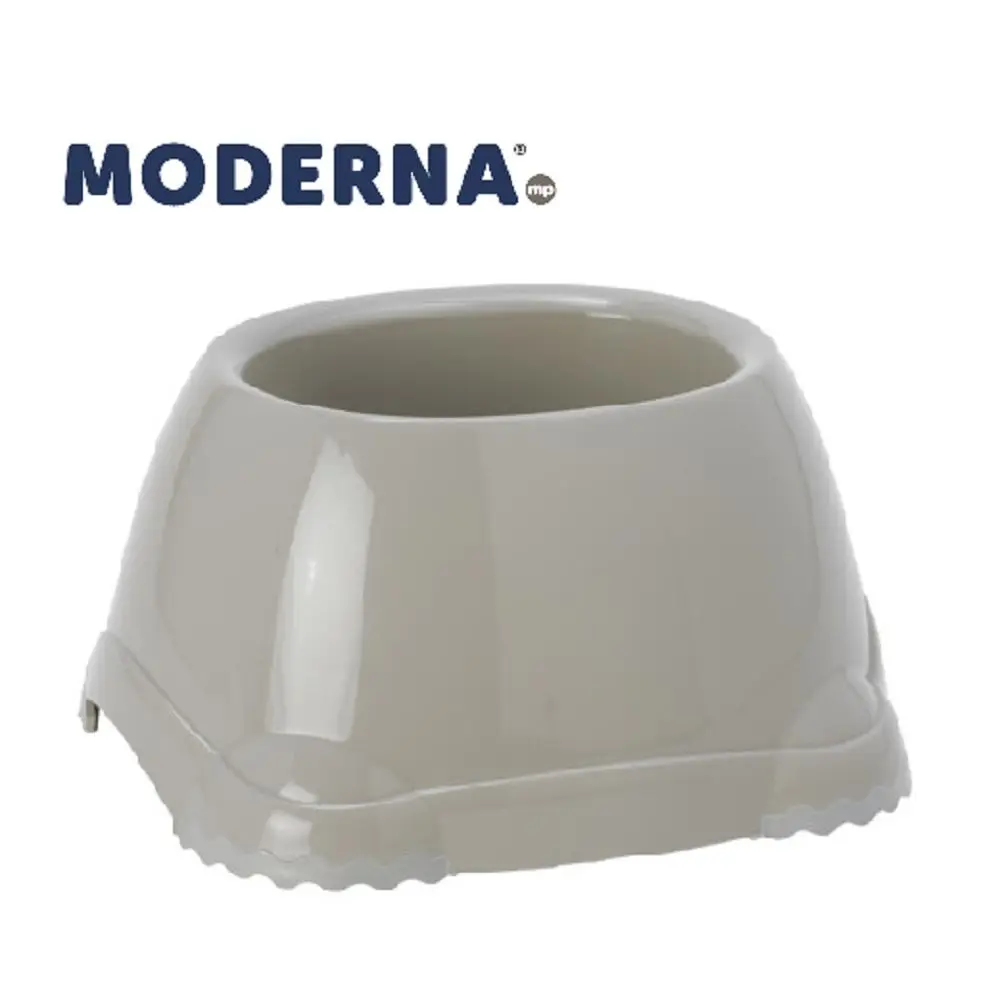
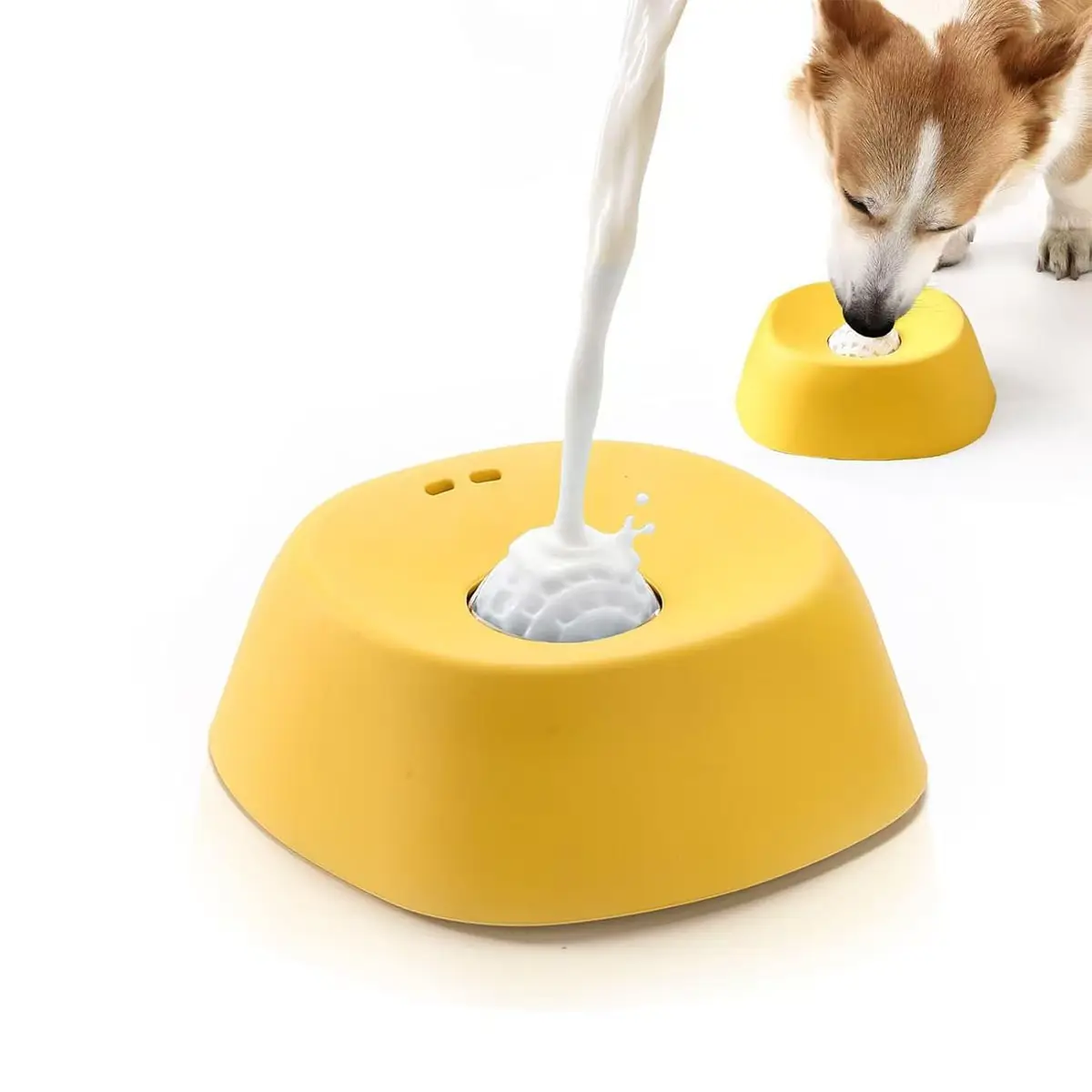
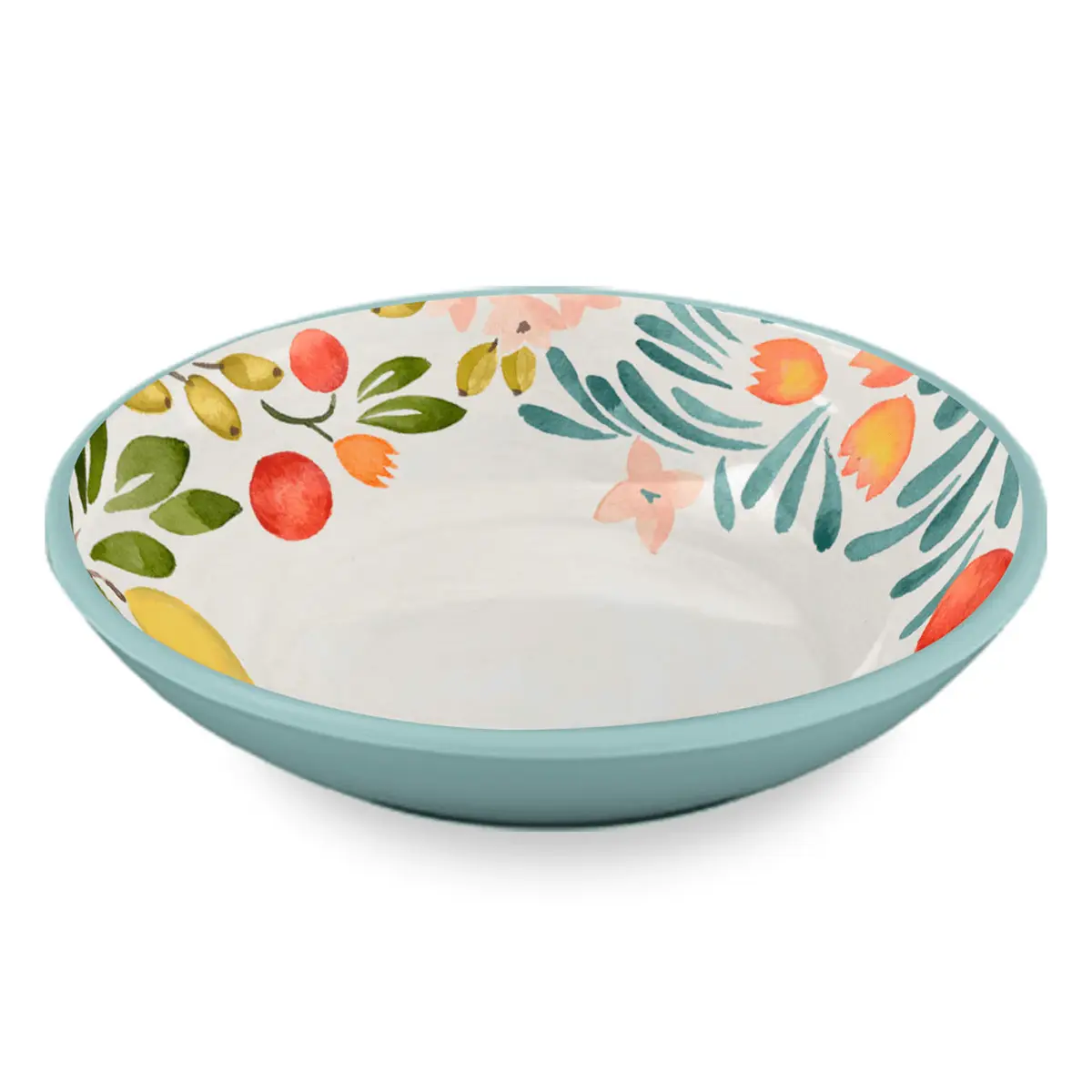
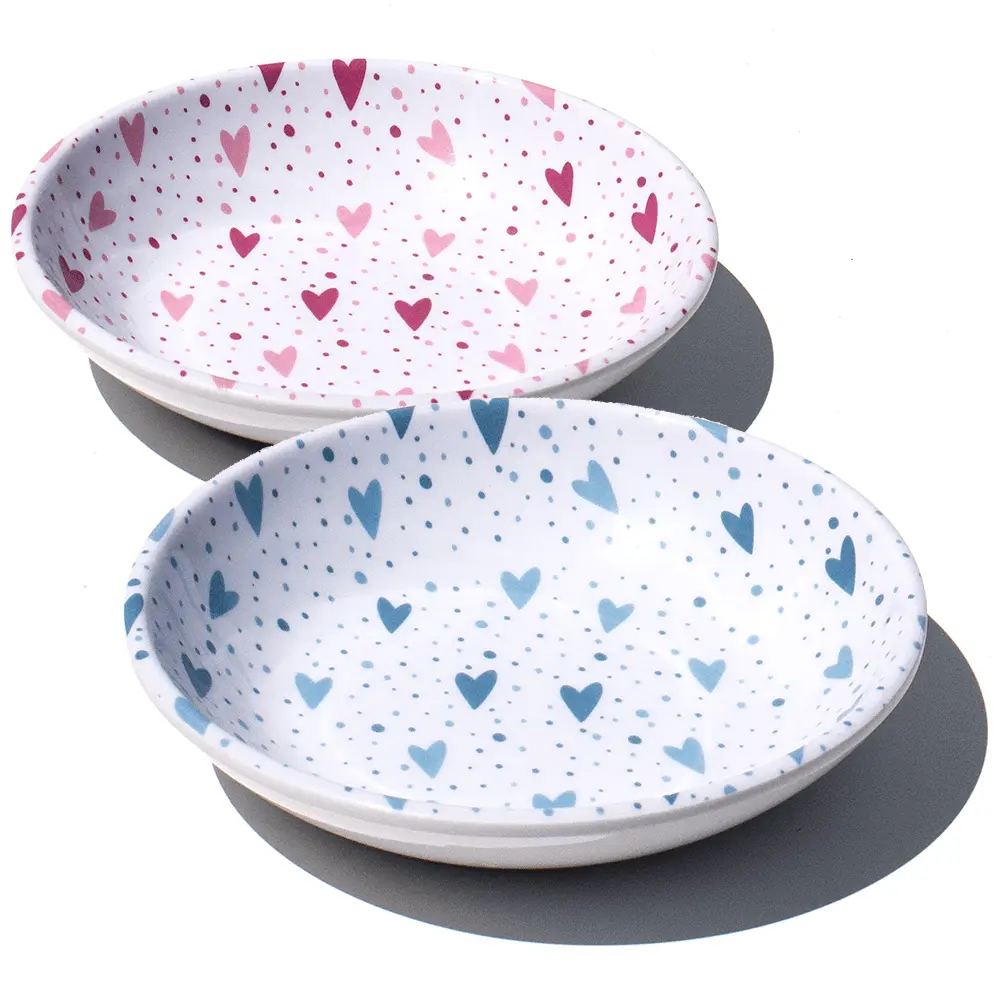
Food and water bowls for dogs, from plain stainless steel and heavy ceramic to slow feeders for dogs who inhale dinner, raised stands for tall or older dogs, and folding bowls for the car.
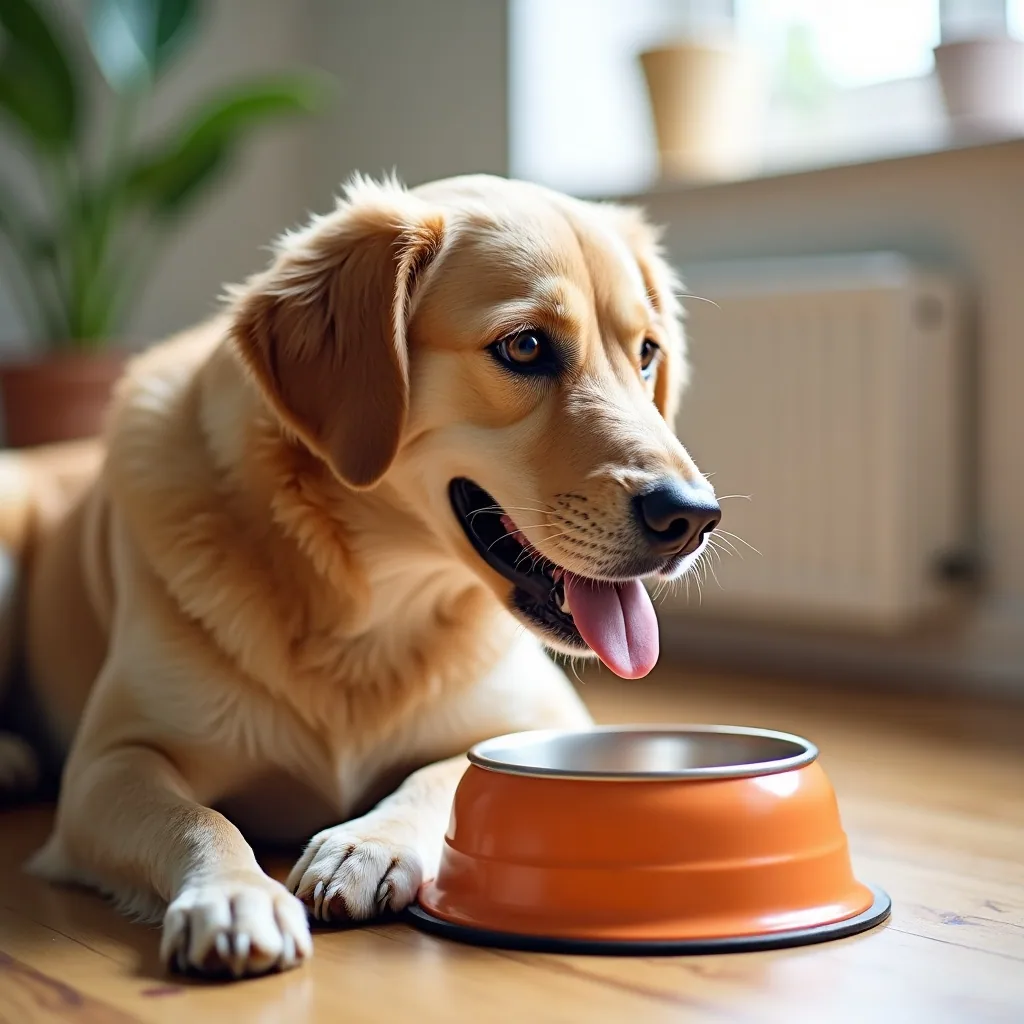 The right bowl makes every meal better.
Find their favourites
Shop by type
Choose a section to narrow the range.
Shop dog bowls
Little essentials. Lots of love.
 Fast UK delivery
 Fast UK delivery
 Fast UK delivery
 Fast UK delivery
 Fast UK delivery
 Fast UK delivery
 Fast UK delivery
 Fast UK delivery
 Fast UK delivery
 Fast UK delivery
 Fast UK delivery
 Fast UK delivery
 Fast UK delivery
 Fast UK delivery
 Fast UK delivery
 Fast UK delivery
 Fast UK delivery
Food storage
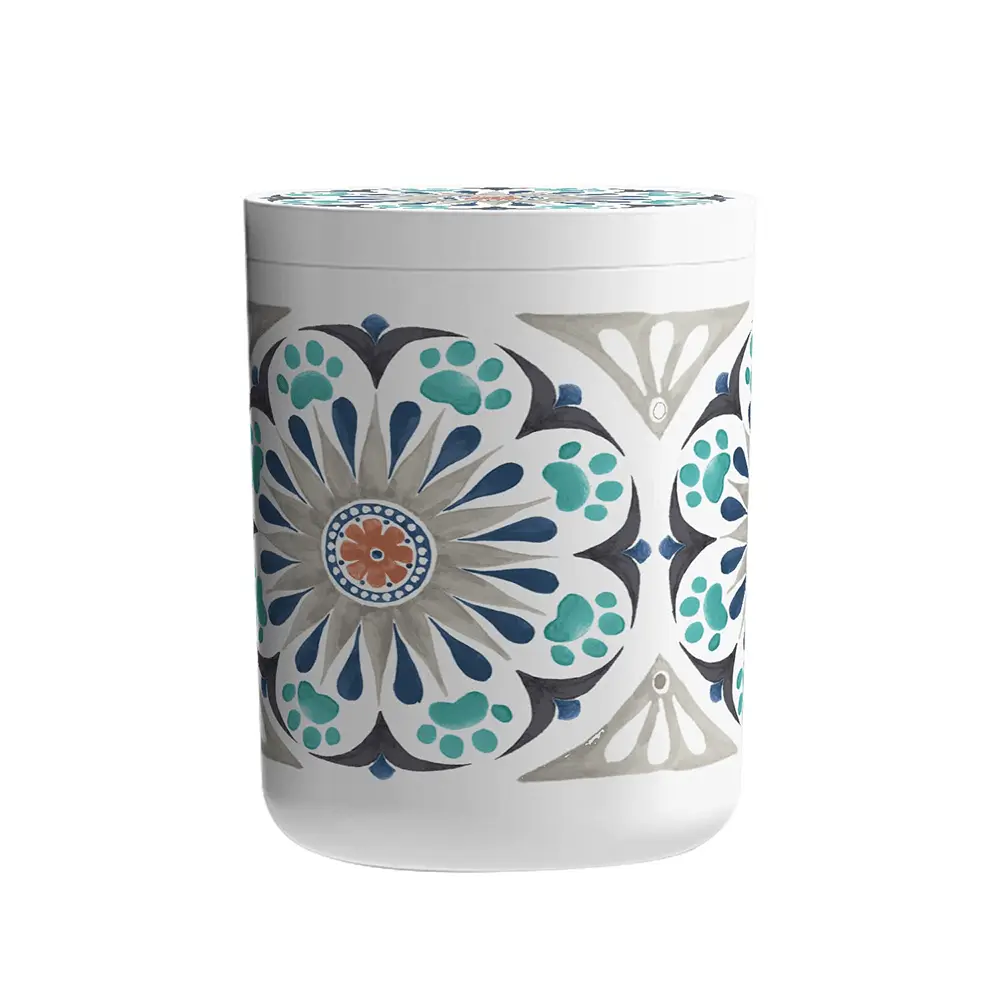
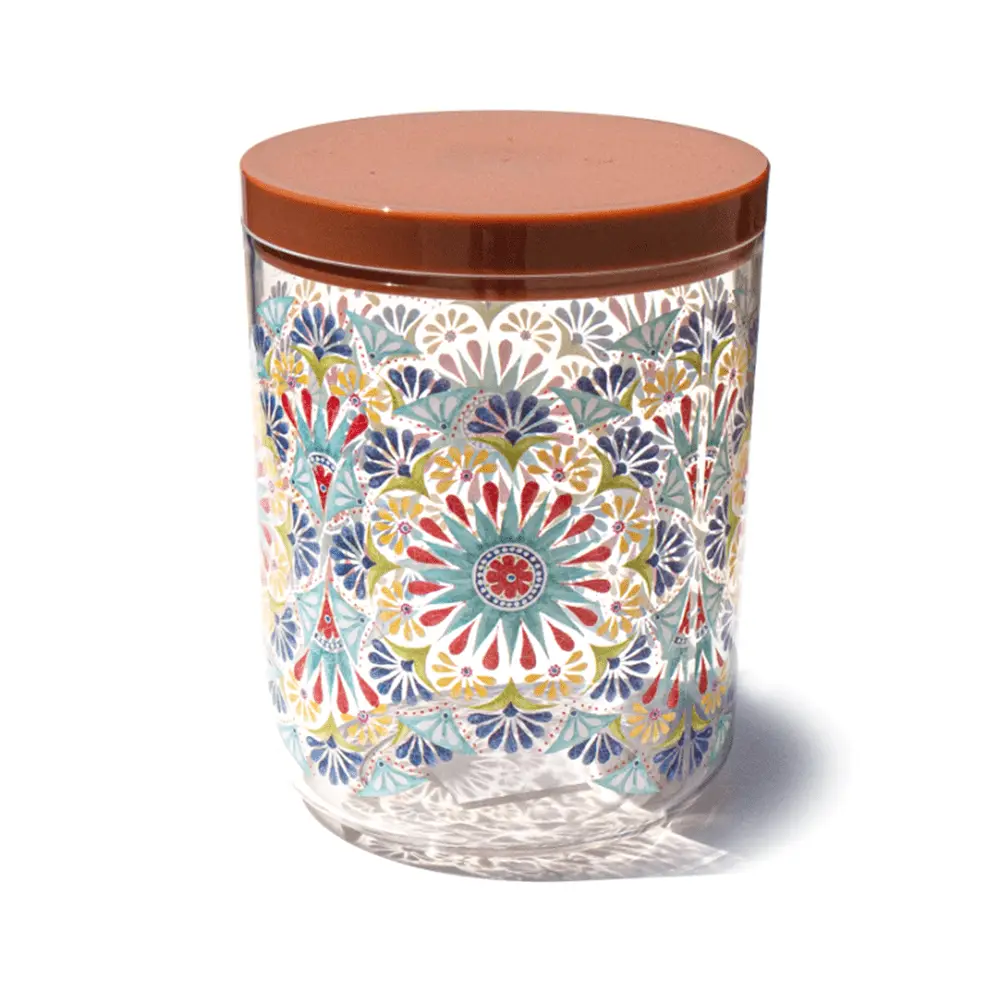
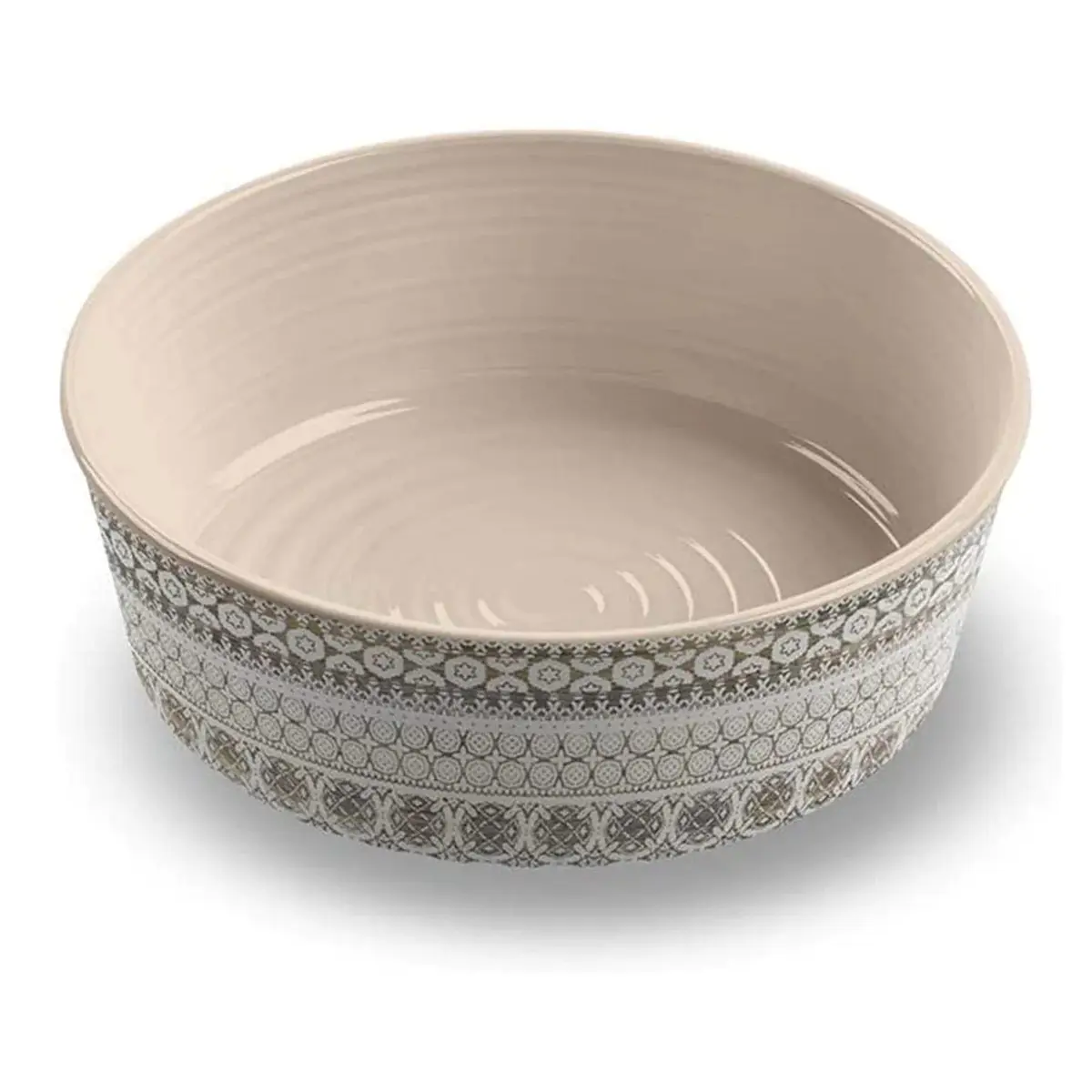
Tarhong Carmel Medallion Treat Jar with Lid – 65 oz
- Material
- PVC and EVA
- Brand
- Tarhong
£15.99
 Fast UK delivery
 Fast UK delivery
 Fast UK delivery
A little guidance
Which dog bowl do I need?
| Your dog | Best starting point | Why it works |
|---|---|---|
| Eats far too fast | Slow feeder or lick mat | Ridges force smaller mouthfuls |
| Pushes the bowl round the kitchen | Heavy ceramic or a non-slip base | Weight and grip beat sliding |
| Tall breed, or stiff and older | Raised stand | Less stooping to reach the food |
| Chews everything | Stainless steel | Survives what plastic does not |
| Long ears | Narrow, deeper bowl | Keeps ears out of the dinner |
Material decides most of it
Stainless steel is the default for good reason: it does not hold smells, it goes in the dishwasher, and a determined chewer cannot destroy it. Its one weakness is weight, so a steel bowl for an enthusiastic eater usually wants a rubber ring or a weighted holder to stop it travelling across the floor.
Ceramic, like the Mason Cash bowls, solves the sliding problem with sheer mass and is easy to keep clean, at the cost of being breakable on a tiled floor. Melamine and plastic are light and cheap, which suits travel and puppies, but plastic scratches, and scratches hold bacteria and are associated with chin acne in some dogs. If you use plastic, replace it when the surface is no longer smooth.
Slow feeders, lick mats and dogs who bolt food
A dog that finishes dinner in twenty seconds swallows a lot of air with it, and in deep-chested breeds fast eating is one of the risk factors discussed around bloat. A slow feeder bowl moulds ridges and channels into the base so the same food takes several minutes to work out, which is the cheapest intervention available for the problem.
A lick mat, like the LickiMat range, goes further and turns a wet meal or a spoon of something into ten minutes of licking, which is genuinely calming for a lot of dogs and useful before a vet visit or during a bath. Neither is a replacement for a meal plan if a dog is overweight, but both change the pace of eating, which is usually what the owner is actually worried about.
Raised bowls, and the honest position on them
A raised stand brings the bowl to a comfortable height and takes the stoop out of every meal, which visibly helps a tall dog, an older dog with a stiff neck or a dog with a spinal or joint problem. For those dogs it is a small change that makes a daily difference.
They are not a universal upgrade. Raised feeding has been studied in connection with bloat in large, deep-chested breeds, and the evidence is genuinely mixed rather than settled either way, so it is worth a word with your vet if you own a breed where bloat is a concern. For a small or medium dog with no mobility problem, height is a preference rather than a benefit.
Water, and how many bowls a house needs
Water should be down all the time, in a bowl big enough that it does not run out between top-ups and heavy enough that it does not get knocked over. In a house over more than one floor, a second water bowl upstairs is a small kindness to an older dog and costs almost nothing.
Wash bowls daily. A water bowl builds a slimy film within a day or two, which is biofilm rather than dirt and comes off with a scrub rather than a rinse, and a food bowl left between meals is the most-used unwashed thing in most kitchens. Two bowls of each in rotation makes that easy.
Everything here is chosen to be genuinely useful in everyday life with your pet — quality-checked, fairly priced and shipped tracked across the UK. For any health concern, your vet is always the best first port of call.
Common questions
What type of dog bowl is best?
Stainless steel for most households: hygienic, dishwasher-safe and nearly indestructible. Heavy ceramic if your dog pushes the bowl around, a slow feeder if they eat too fast, and a raised stand for a tall or older dog.
Are raised dog bowls better?
For a tall dog or one with neck, back or joint problems, yes, because the stoop is what hurts. For a small or medium dog with no mobility problem, it is a preference. Raised feeding has been studied in relation to bloat in large deep-chested breeds with mixed findings, so ask your vet if that applies to your dog.
Do slow feeder bowls actually work?
Yes, for pace. The ridges mean the same meal takes several minutes rather than seconds, which reduces gulped air and the vomiting that sometimes follows a bolted meal. They do not reduce how much a dog eats, so portion control is still a separate job.
How often should I wash my dog's bowl?
Food bowls after every meal, water bowls daily. Water bowls build a slippery film within a day or two that needs scrubbing rather than rinsing. Keeping two of each in rotation makes daily washing realistic.
Is plastic safe for dog bowls?
It is fine while the surface is smooth, but plastic scratches with use and scratches hold bacteria. Some dogs also react to plastic with soreness around the chin. Replace a scratched plastic bowl, or use steel or ceramic at home and keep plastic for travel.
What size bowl does my dog need?
Big enough to hold a full meal without food spilling over the rim, and no deeper than is comfortable to reach into. A dog with long ears does better with a narrower, deeper bowl that keeps the ears clear of the food.
Keep browsing
Related collections from across the shop.
Free pet welcome kit
Four printable tools, zero cost
The new-pet checklist, a vaccination & worming tracker, a feeding-portion guide and a house-training chart — straight to your inbox, no spam, unsubscribe whenever.