





Dog treats
Dog Biscuits
Good food. Happy tails.
A biscuit can be a tiny training reward, a crunchy everyday treat or an occasional larger snack. The useful comparison is the ingredient list and portion size—not the shape printed on the front of the pack.
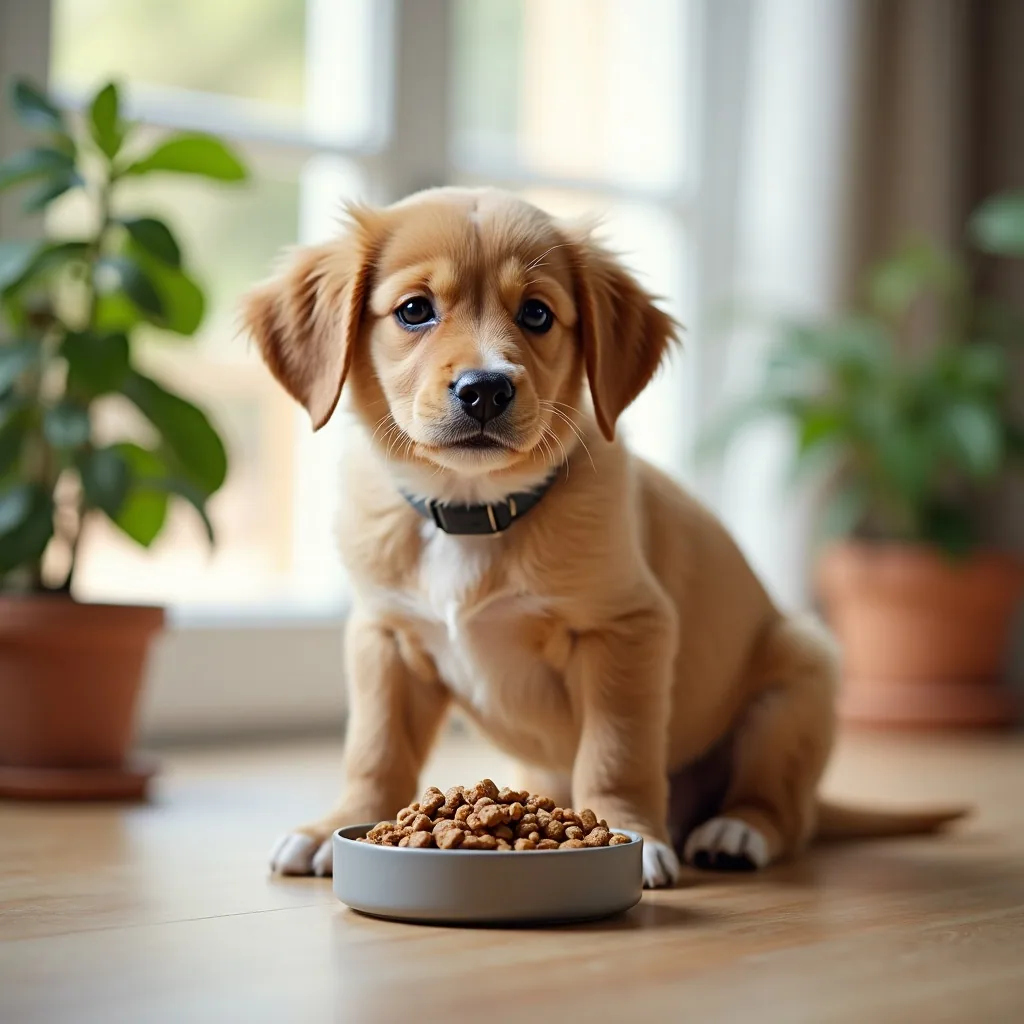 Breakfast, dinner and the bits between.
Our quick picks
In stock, with the reason we would choose each one.
Best grain-free plant-based biscuit
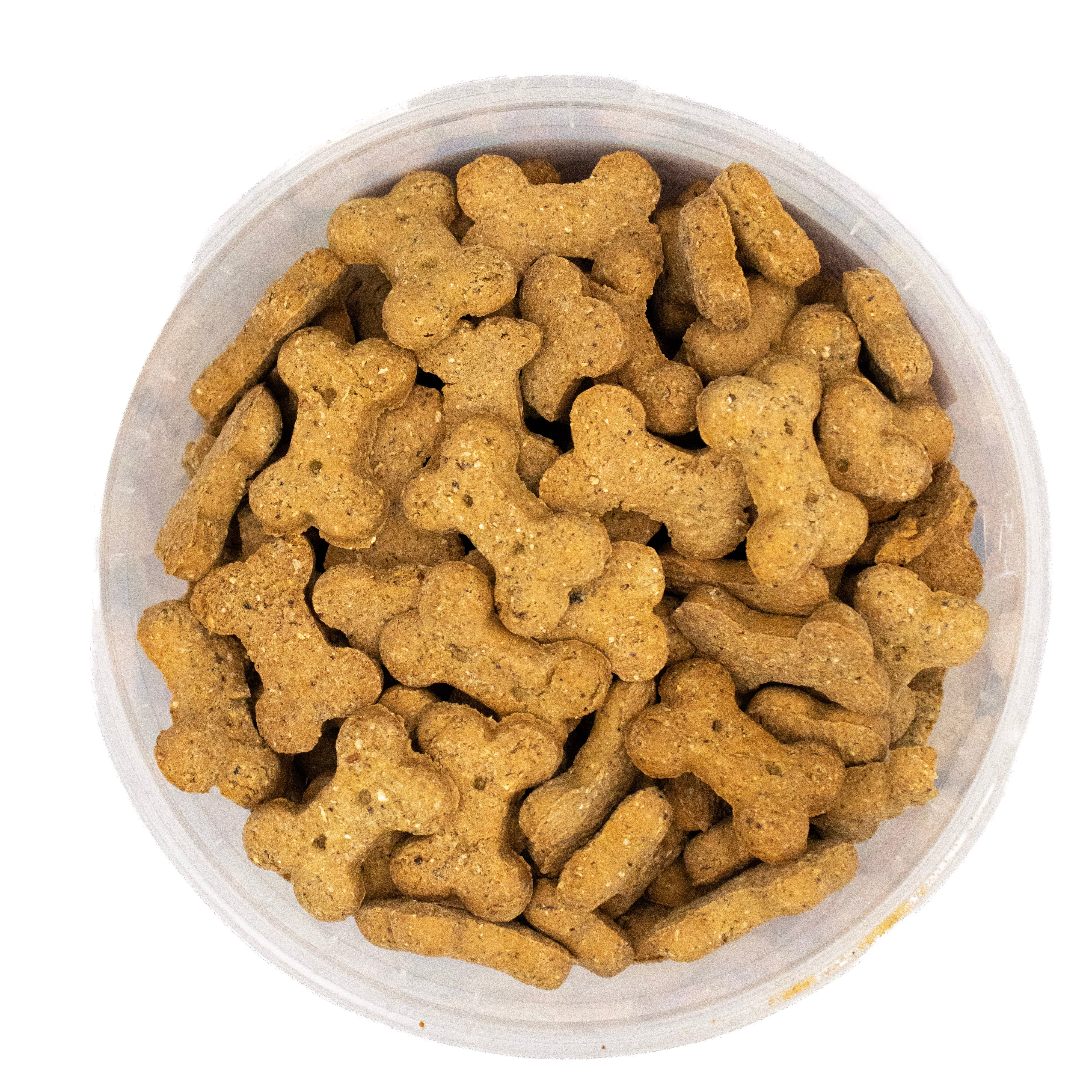
Betty Miller's Grain-Free Banana, Apple & Blueberry Bones
The deciding fact is the composition: Peas, sweet potato, cold-pressed rapeseed oil, fresh banana 4%, fresh blueberries 4%, dried apple 1%. I keep the complementary status and pack format beside it so the buyer can judge the treat without relying on flavour-first marketing.
£4.99View →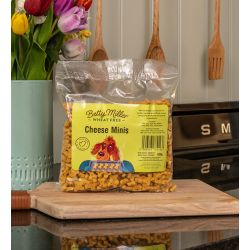
Best wheat-free mini biscuit
Betty Miller Wheat Free Cheese Minis
The deciding fact is the composition: Oat flour, rice flour, rapeseed oil, cheese 6.5%, minerals. I keep the complementary status and pack format beside it so the buyer can judge the treat without relying on flavour-first marketing.
£4.99View →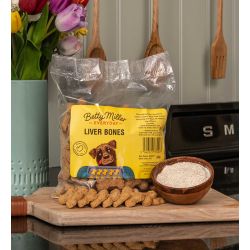
Best meaty everyday biscuit
Betty Miller's Liver Bones
The deciding fact is the composition: English wholemeal flour, dried beef 9%, dried liver 1%, chicken fat. I keep the complementary status and pack format beside it so the buyer can judge the treat without relying on flavour-first marketing.
£4.49View →
Shop dog biscuits
Little essentials. Lots of love.
Betty Miller's Grain Free Cheese Little Bone
Betty Miller's Grain Free Cheese Little Bone: 400g bag, with declared composition and analysis
£4.99
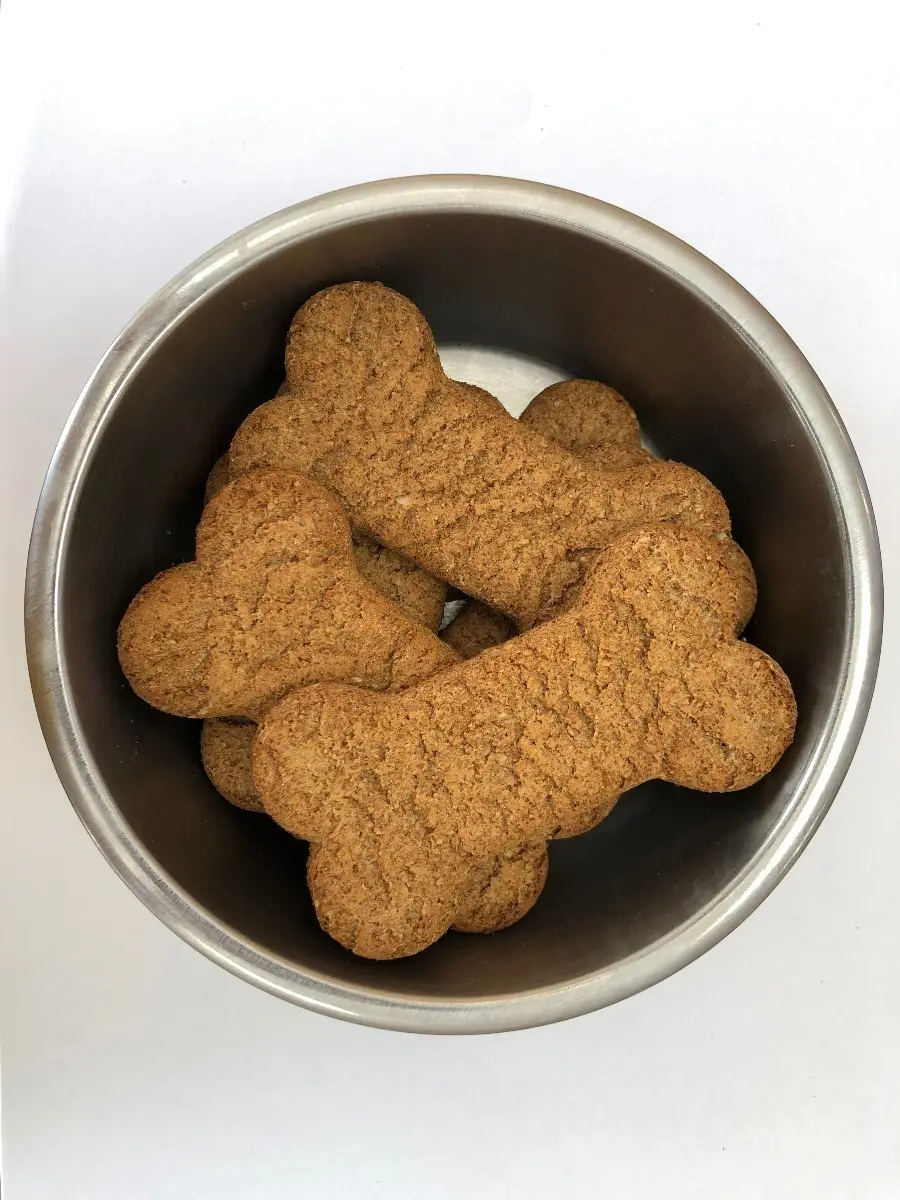
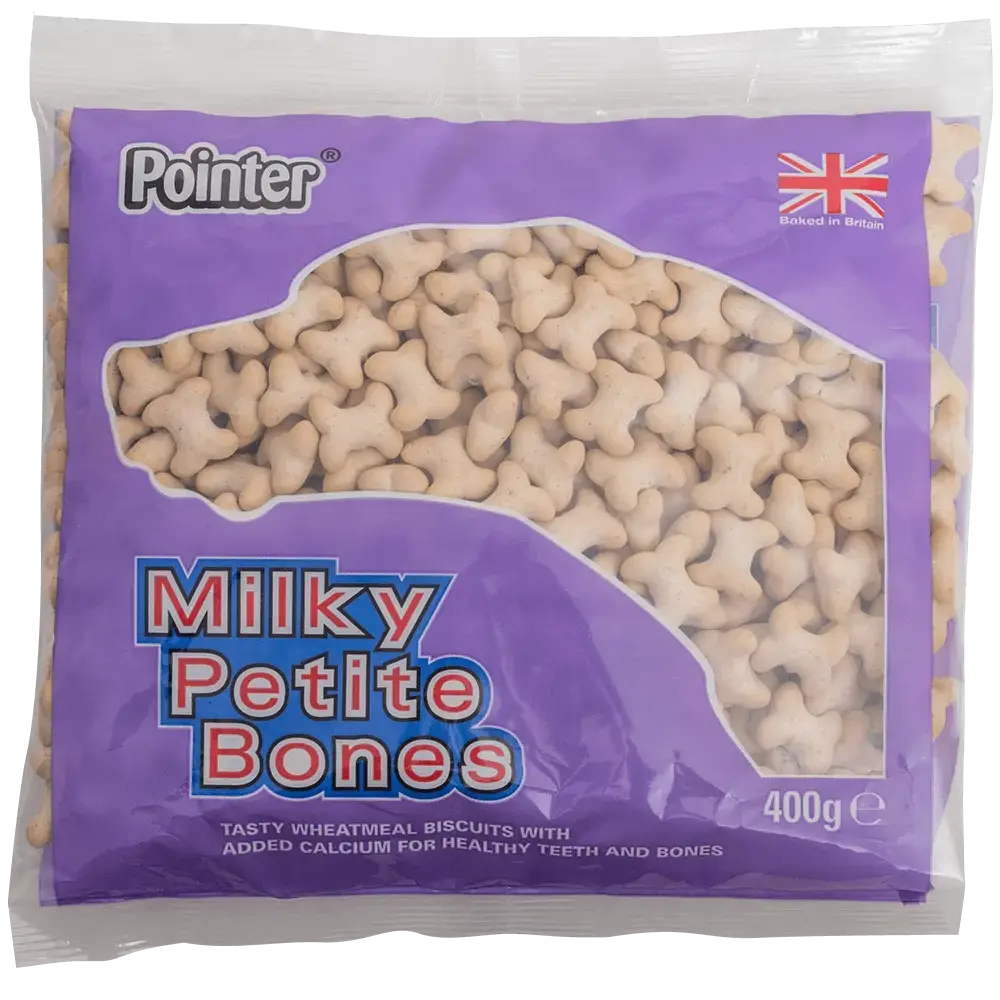
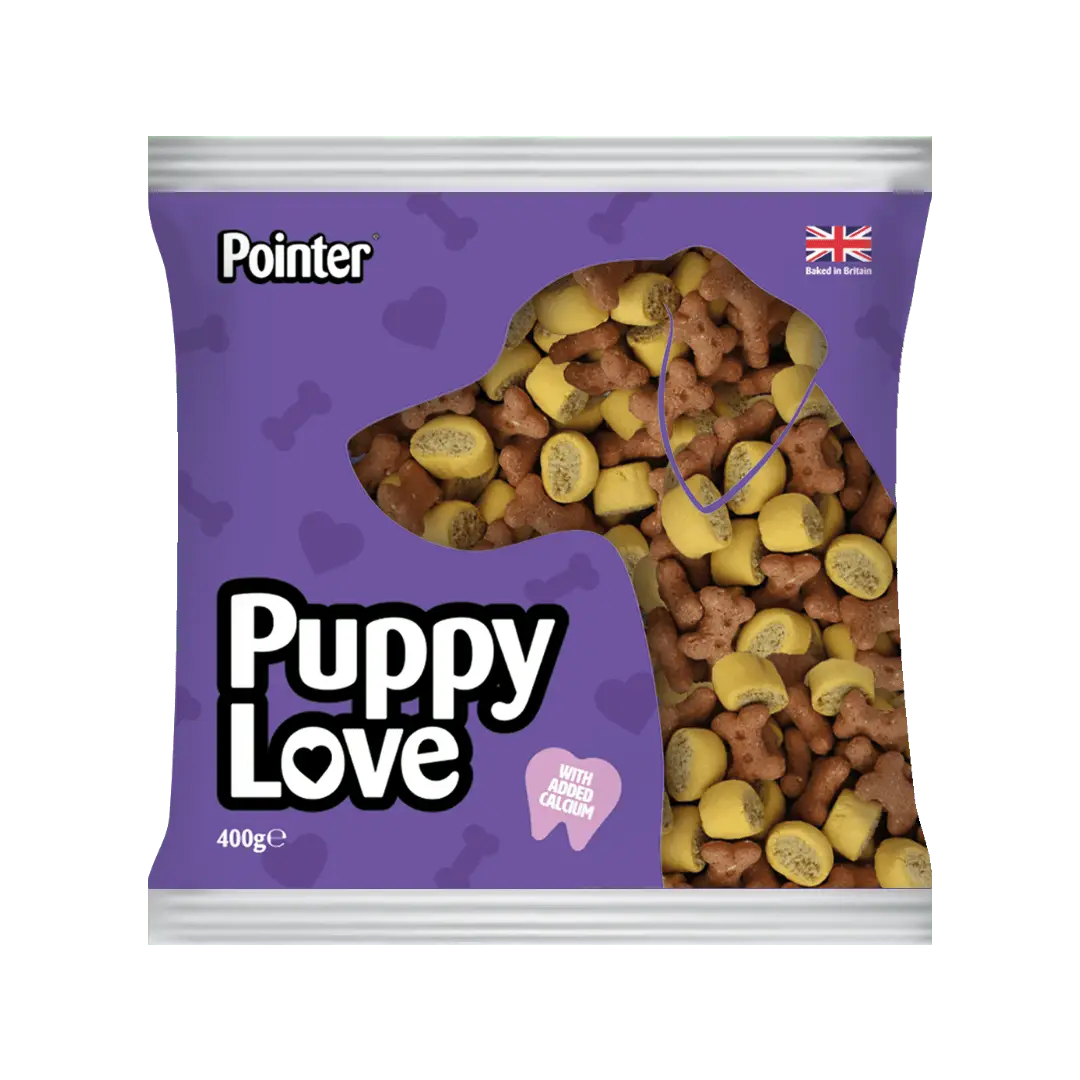
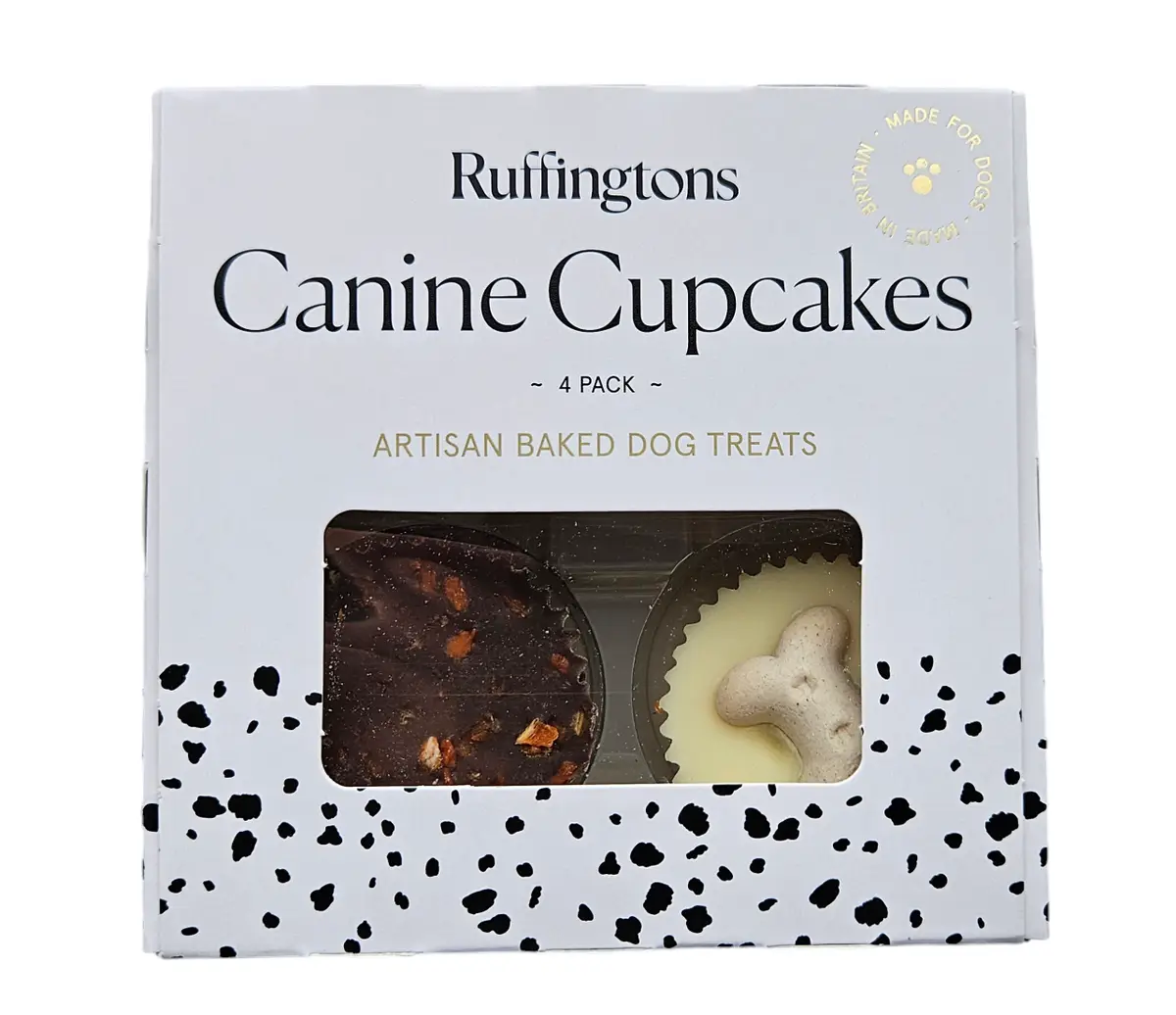
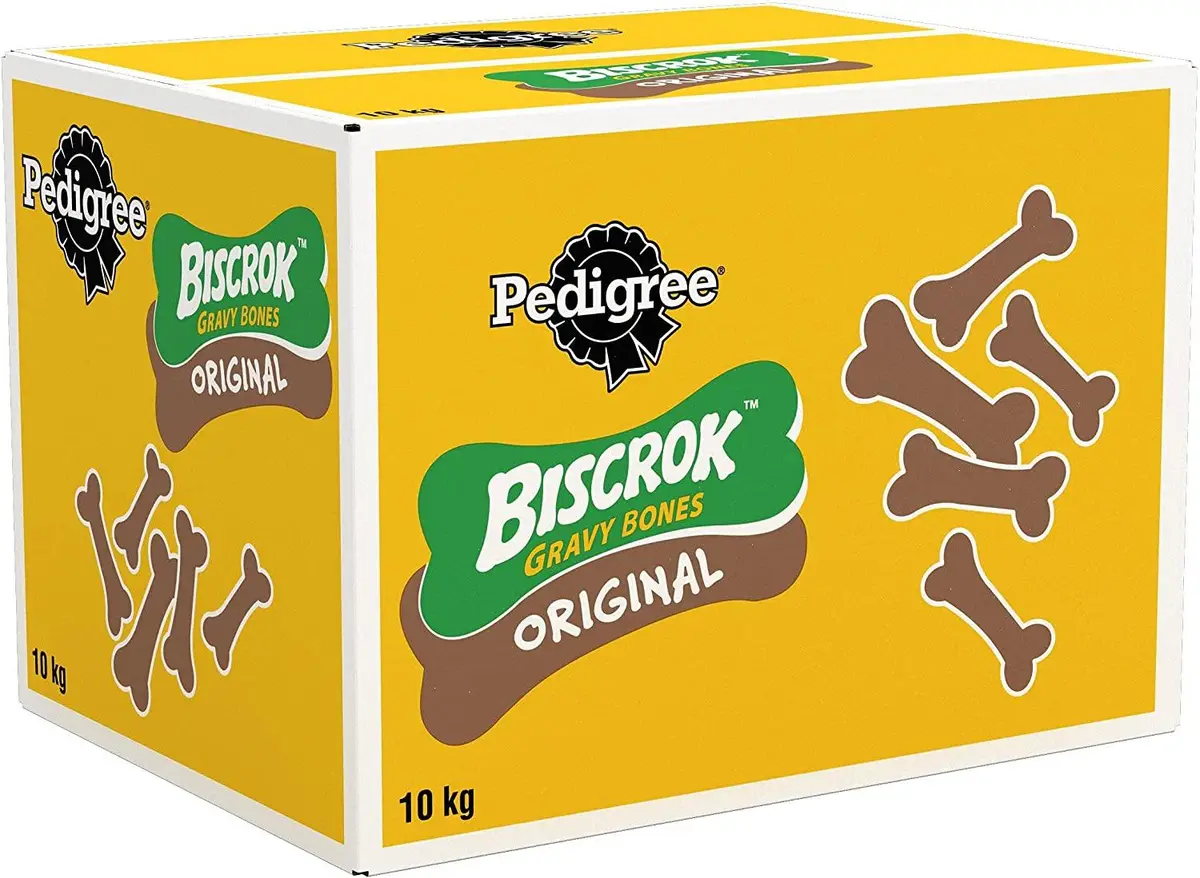
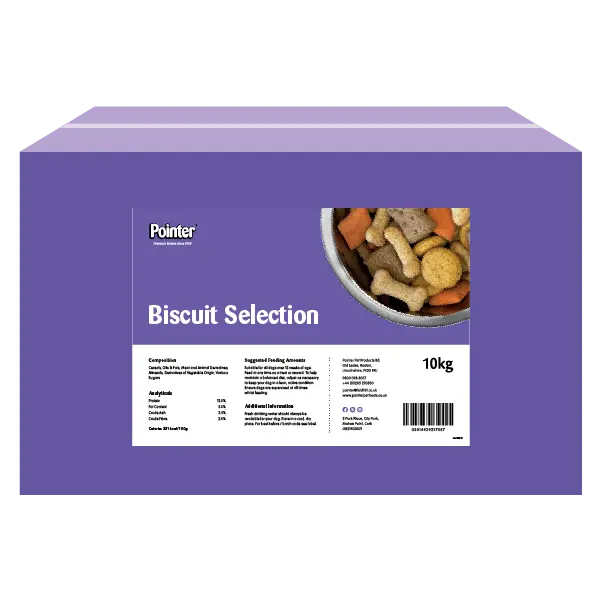
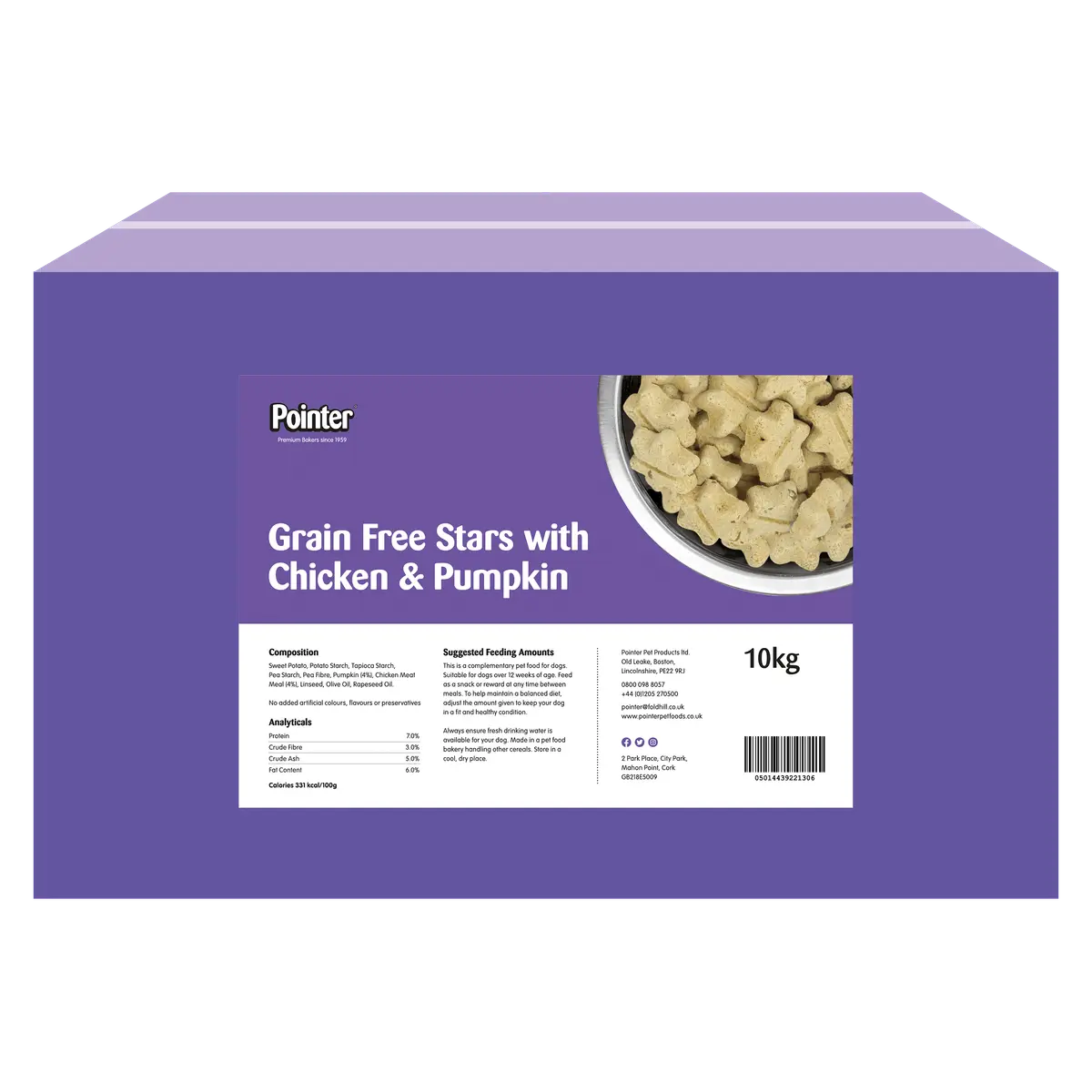
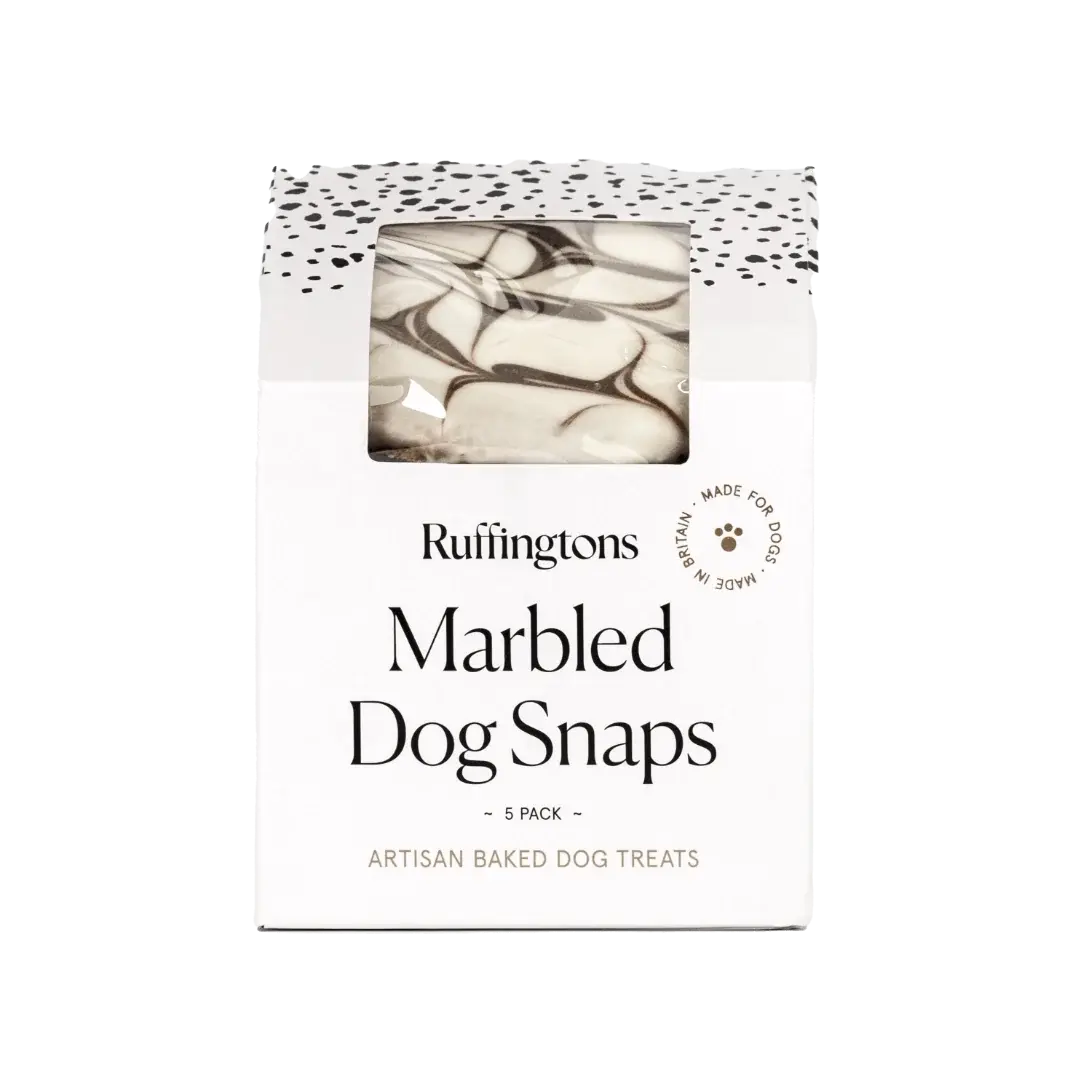
Pointer Biscuit Selection
- Material
- whole wheatmeal and contain added vitamin and minerals
- Brand
- Pointer
£43.35
Goes well with
Also shop
Other ranges that go with this one.
A little guidance
Which dog biscuit fits the moment?
| Use | Choose | Why |
|---|---|---|
| Frequent rewards | Mini biscuits or pieces that break cleanly | Small portions let you reward without quietly adding a meal. |
| A sensitive recipe requirement | A clearly labelled wheat-free or grain-free biscuit | The full composition matters more than a broad front-of-pack claim. |
| A treat-jar snack | Medium crunchy biscuit | It gives a satisfying single treat without the duration of a chew. |
Read the composition, especially for exclusions
Wheat-free and grain-free are not interchangeable, and neither automatically means suitable for a diagnosed allergy. Check every named ingredient and the manufacturer’s cross-contamination guidance when a vet has advised an exclusion.
Flavour names can be misleadingly simple. A liver or cheese biscuit may also contain poultry fat, cereals or other animal proteins, so the back of the pack settles the decision.
Treat calories still count
Keep treats to roughly ten percent of daily calories unless your vet has advised otherwise. Breaking one biscuit into several rewards gives the dog the same number of successful moments with less food.
Biscuits are complementary food rather than a complete diet. Fresh water should be available, and hard snacks should be sized so the dog cannot swallow them whole.
Match biscuit size to the job
For rapid training, choose small pieces the dog can finish without stopping to crunch for long. For an occasional treat-jar reward, a larger biscuit can be broken into predictable portions rather than handed over whole.
Check how cleanly the biscuit breaks. A very crumbly reward is awkward in a pocket, while an oversized hard biscuit is poor for repeated cues and may not suit a puppy, senior dog or dog with dental problems.
Compare value by portions, not pack weight alone
A large box can look cheaper per kilogram yet cost more per usable reward if every biscuit is oversized. Compare the number and size of pieces, the feeding guide and how quickly the open pack will be used.
Close the pack tightly and keep it dry. If a multipack will go stale before it is finished, a smaller resealable bag can be the better buy despite the higher headline price per kilogram.
Everything here is chosen to be genuinely useful in everyday life with your pet — quality-checked, fairly priced and shipped tracked across the UK. For any health concern, your vet is always the best first port of call.
From the Knowledge Hub
Common questions
Are dog biscuits suitable for training?
Mini biscuits work for occasional rewards, but soft treats are faster to swallow when a session needs many quick repetitions.
Are grain-free dog biscuits better?
Not automatically. Choose them when there is a clear dietary reason and judge the complete ingredient list rather than treating grain-free as a general quality mark.
How many dog biscuits can I give?
Use the pack guidance and keep all treats together to around ten percent of daily calories, reducing meal portions when necessary.
Keep browsing
Related collections from across the shop.
- Dog Treats →
- Dog Training Treats →
- Natural Dog Chews →
- Dog Dental Chews & Toothbrushes →
- Dog Balls →
- Dog Mattresses & Crate Mats →
- Dog Poo Bags →
- Dog Chew Toys →
- Senior Dog Food →
- Sensitive & Hypoallergenic Dog Food →
- Grain-Free Dog Food →
- Raw & Frozen Dog Food →
- Dog Shampoo →
- Flea & Tick Treatments for Dogs and Cats →
Free pet welcome kit
Four printable tools, zero cost
The new-pet checklist, a vaccination & worming tracker, a feeding-portion guide and a house-training chart — straight to your inbox, no spam, unsubscribe whenever.