






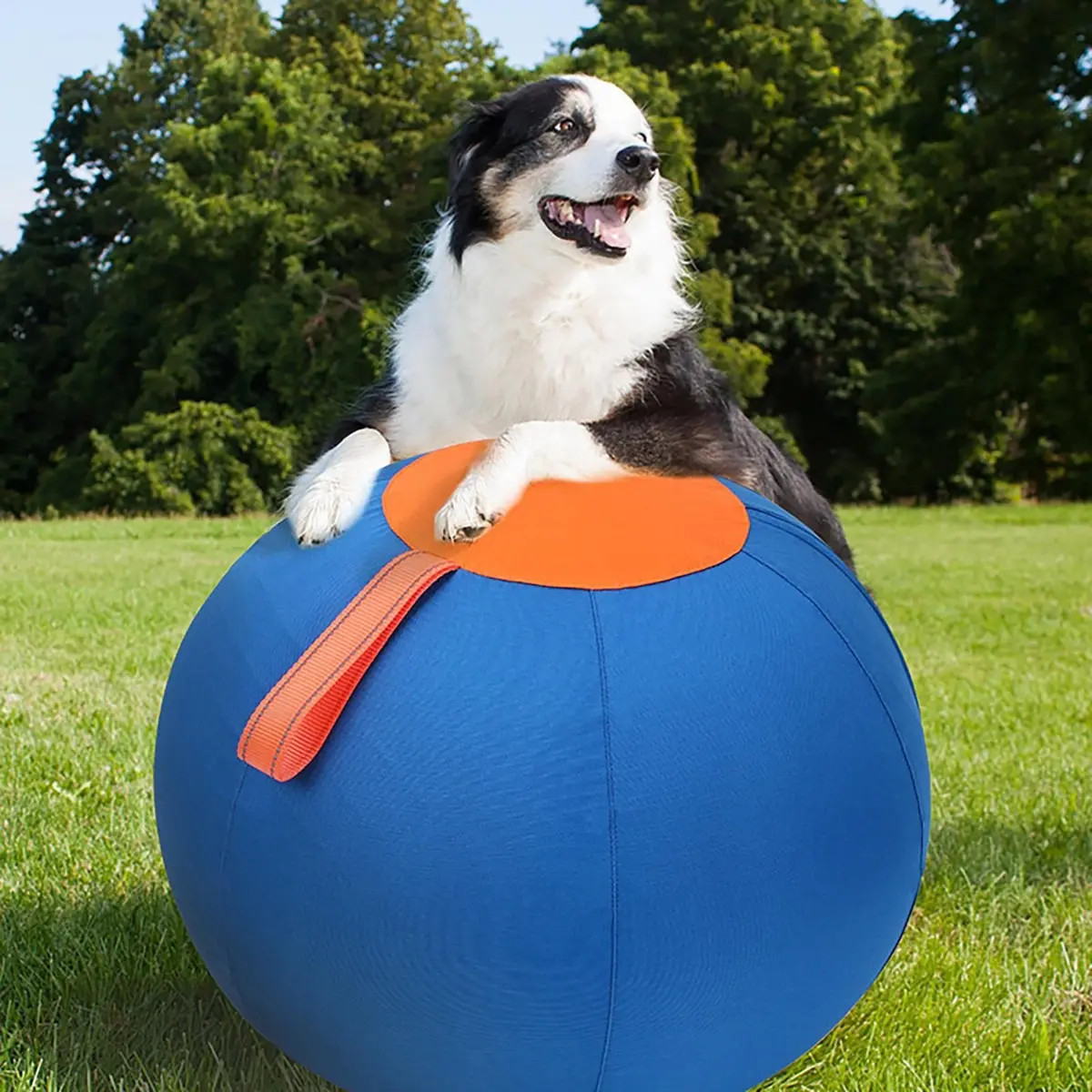
Ball
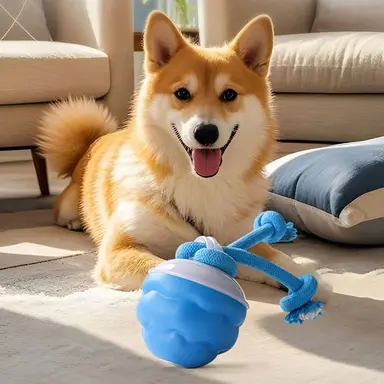
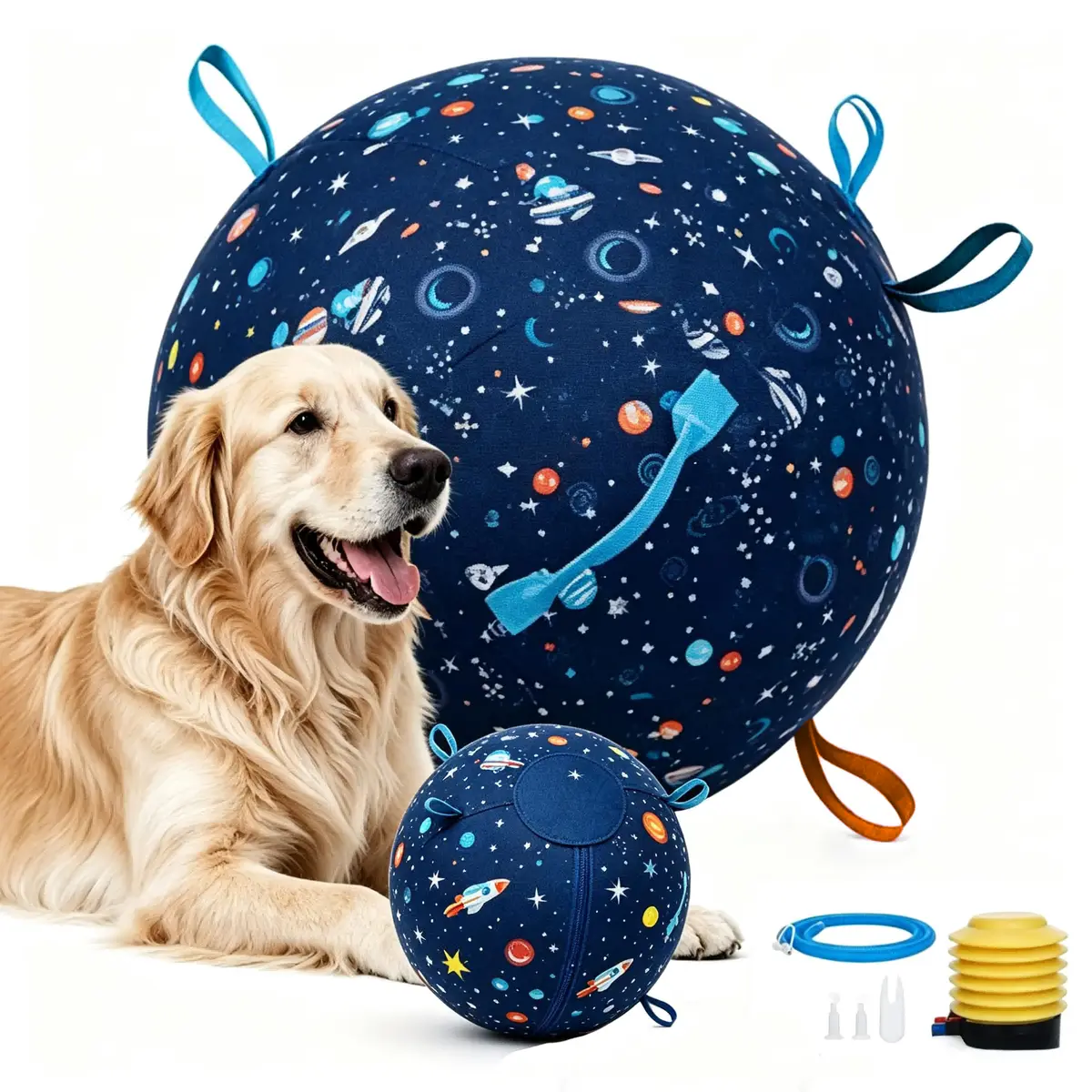
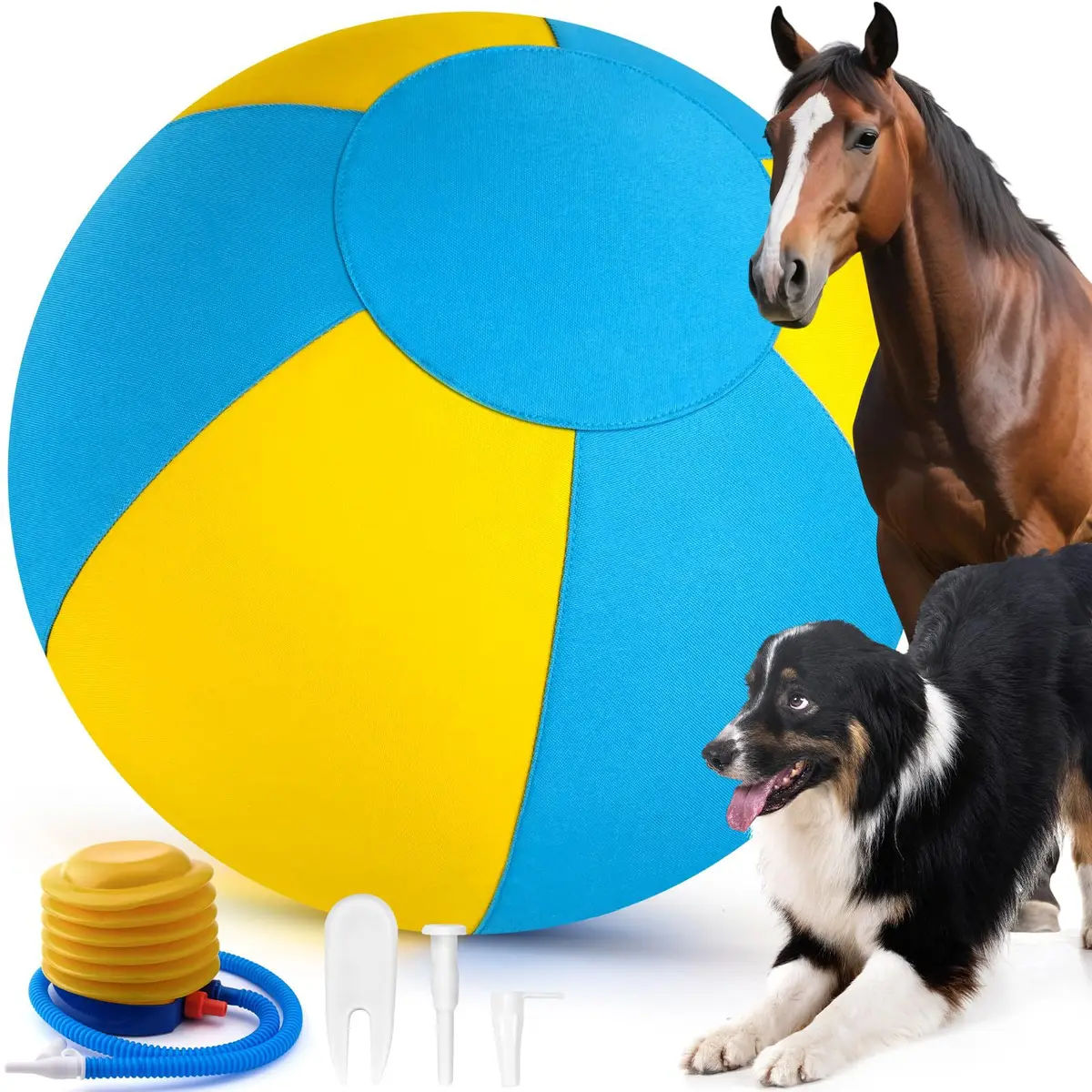
Herding Ball for Dogs — 45cm Tough Oxford Cover
- Material
- 1800D polyester Oxford fabric with a PVC coating
£29.99
Free UK delivery over £39 · Tracked & fast · Happy pets, happy homes
Find a vet near youPlaytime, all the time.
Play, chew and enrichment for dogs, cats and small animals — browse by animal to get to the right range faster.
 Toys worth getting excited about.
Find their favourites
Choose a section to narrow the range.
Ball
£29.99
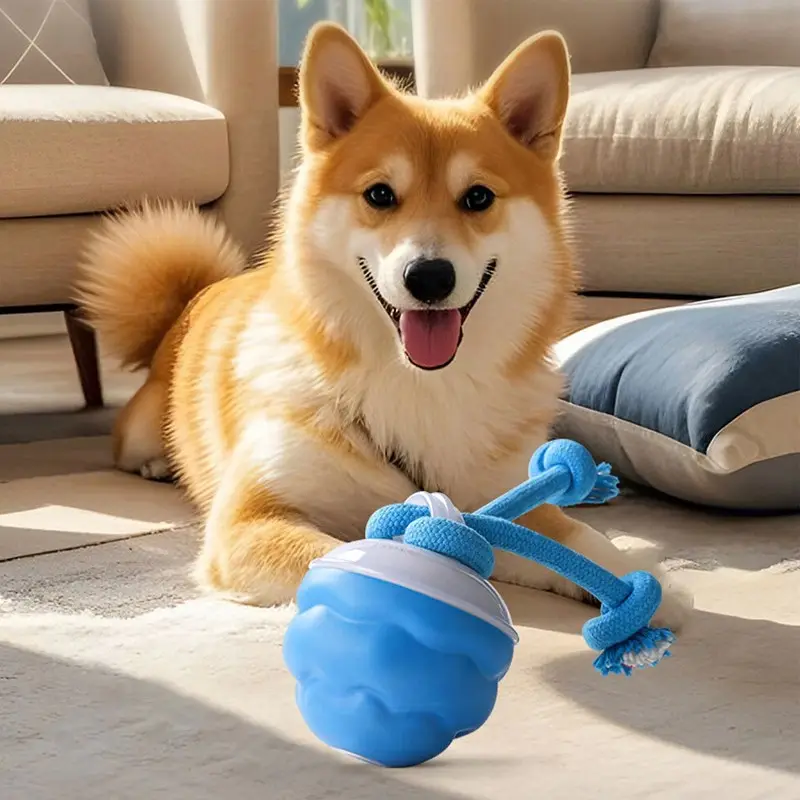
Toy
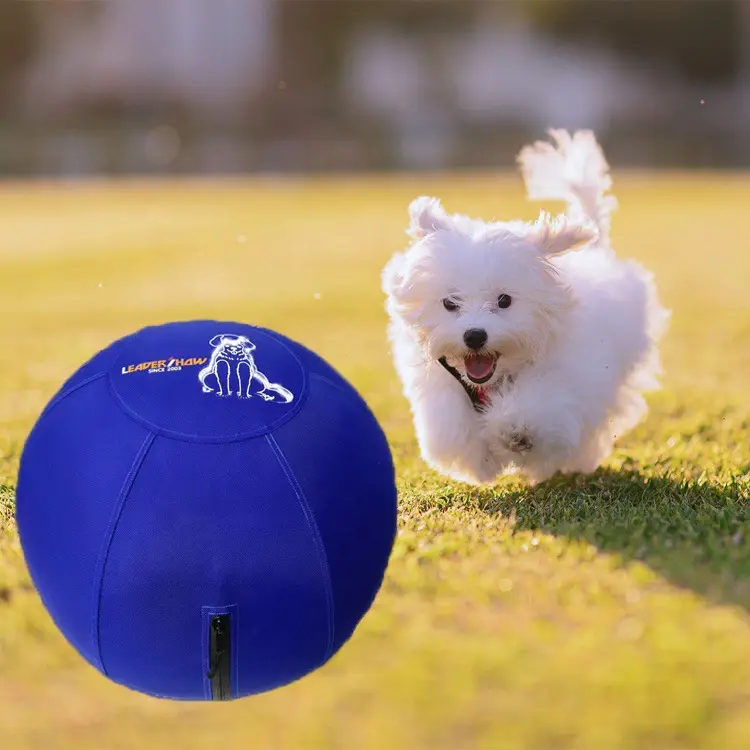
An interactive chase toy that gives a restless dog somewhere to put its pursuit instinct, providing mental and physical exercise indoors or in the garden.
£14.99
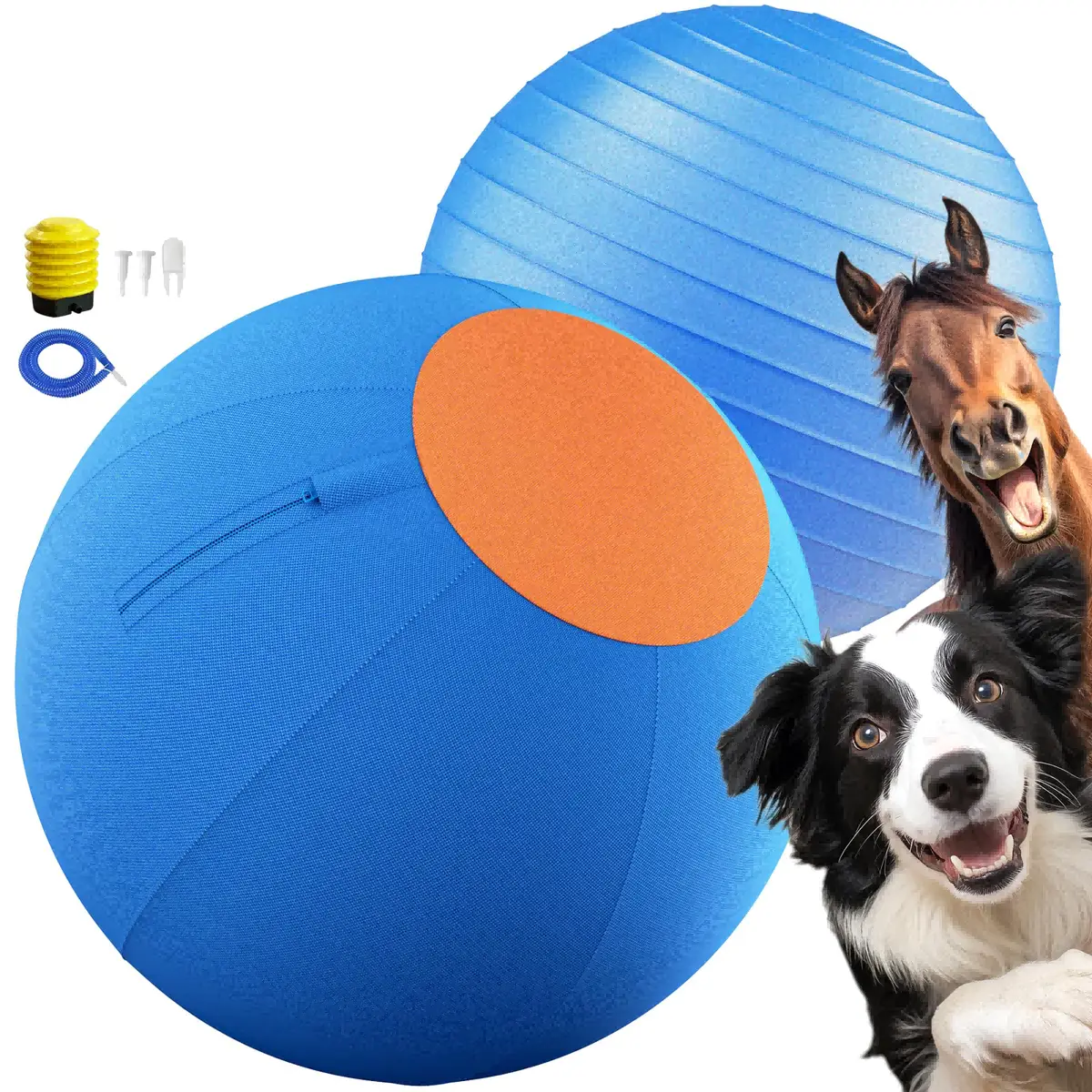
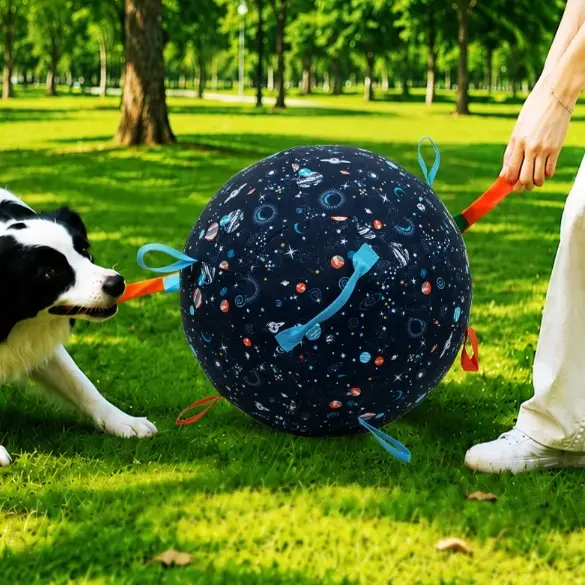
Ball
From £15.99
Ball
From £15.99
Ball
From £23.99
 Fast UK delivery
Liners, mats & filters
£10.99
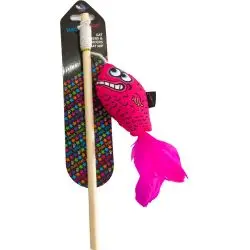
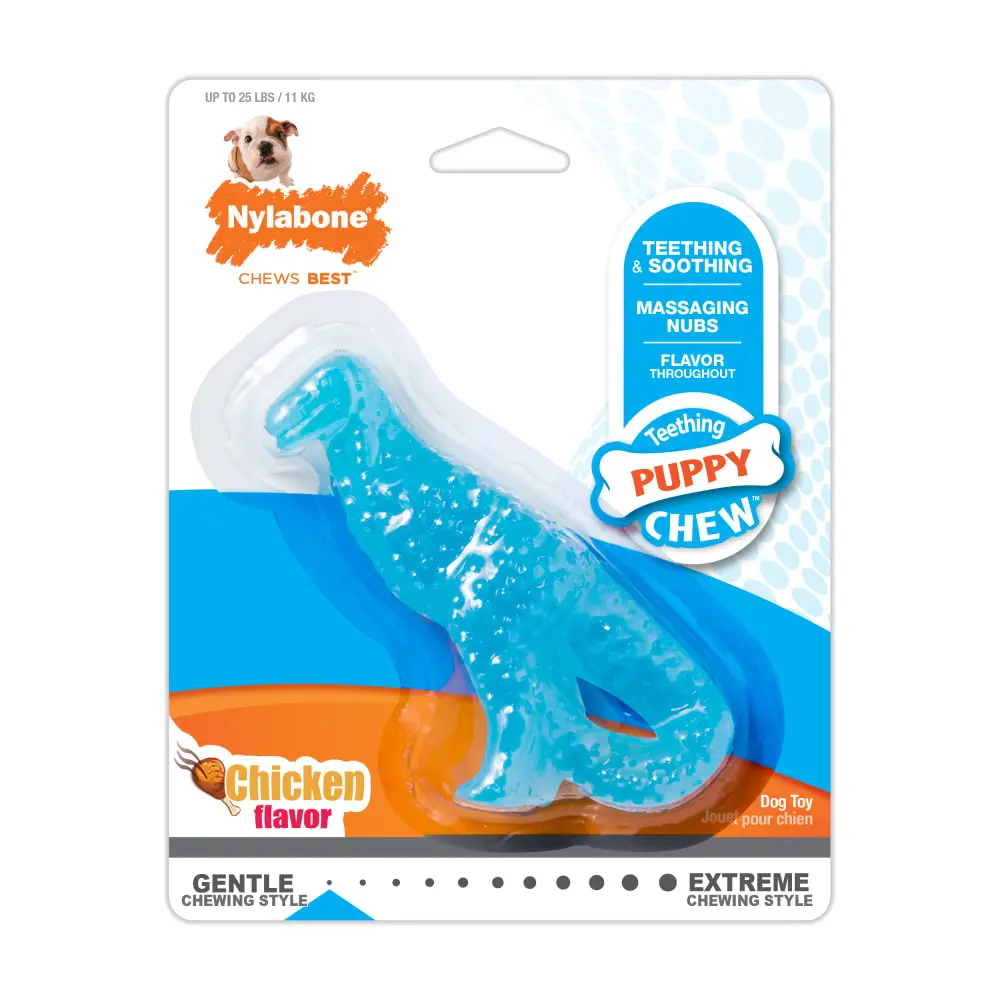

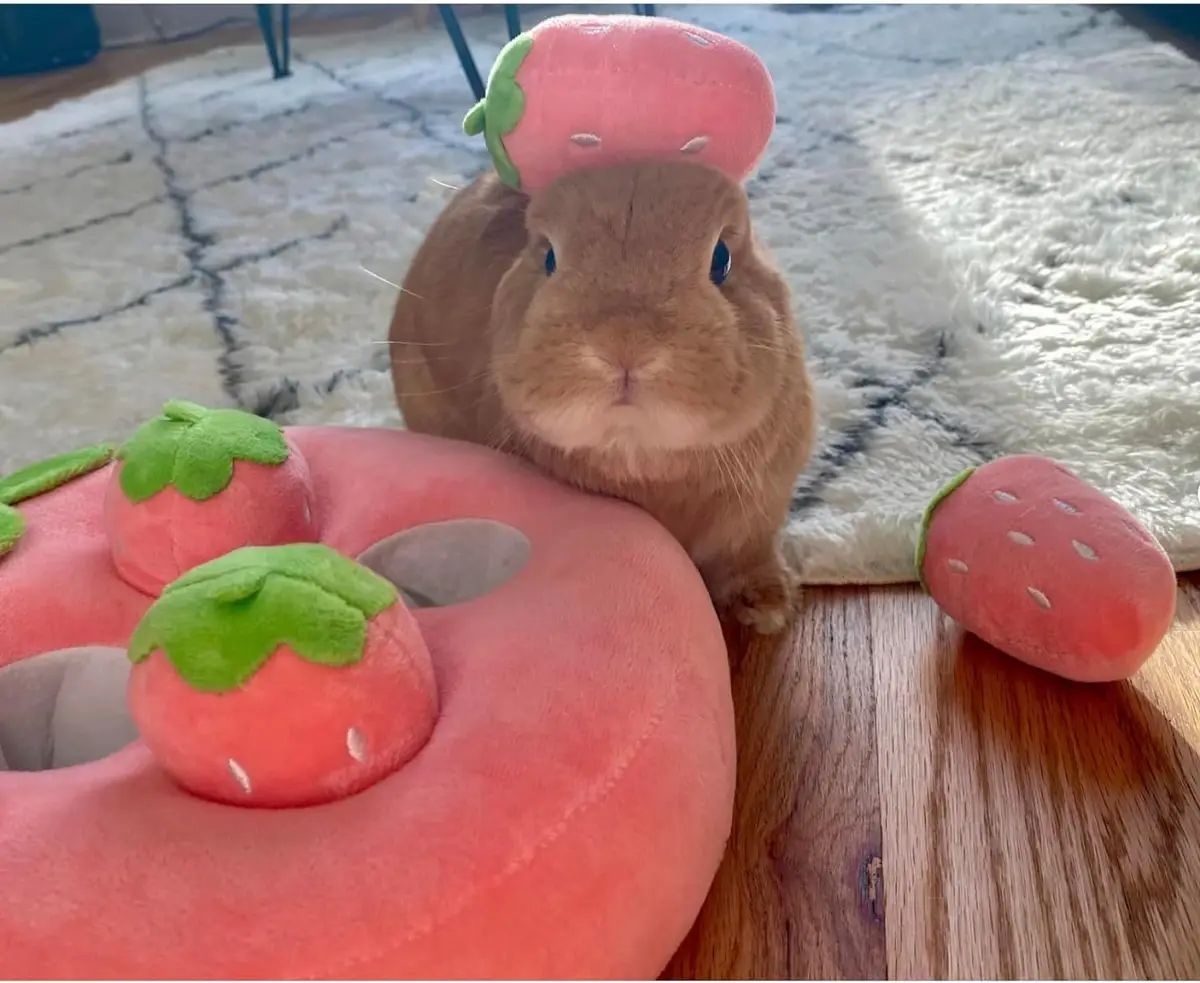
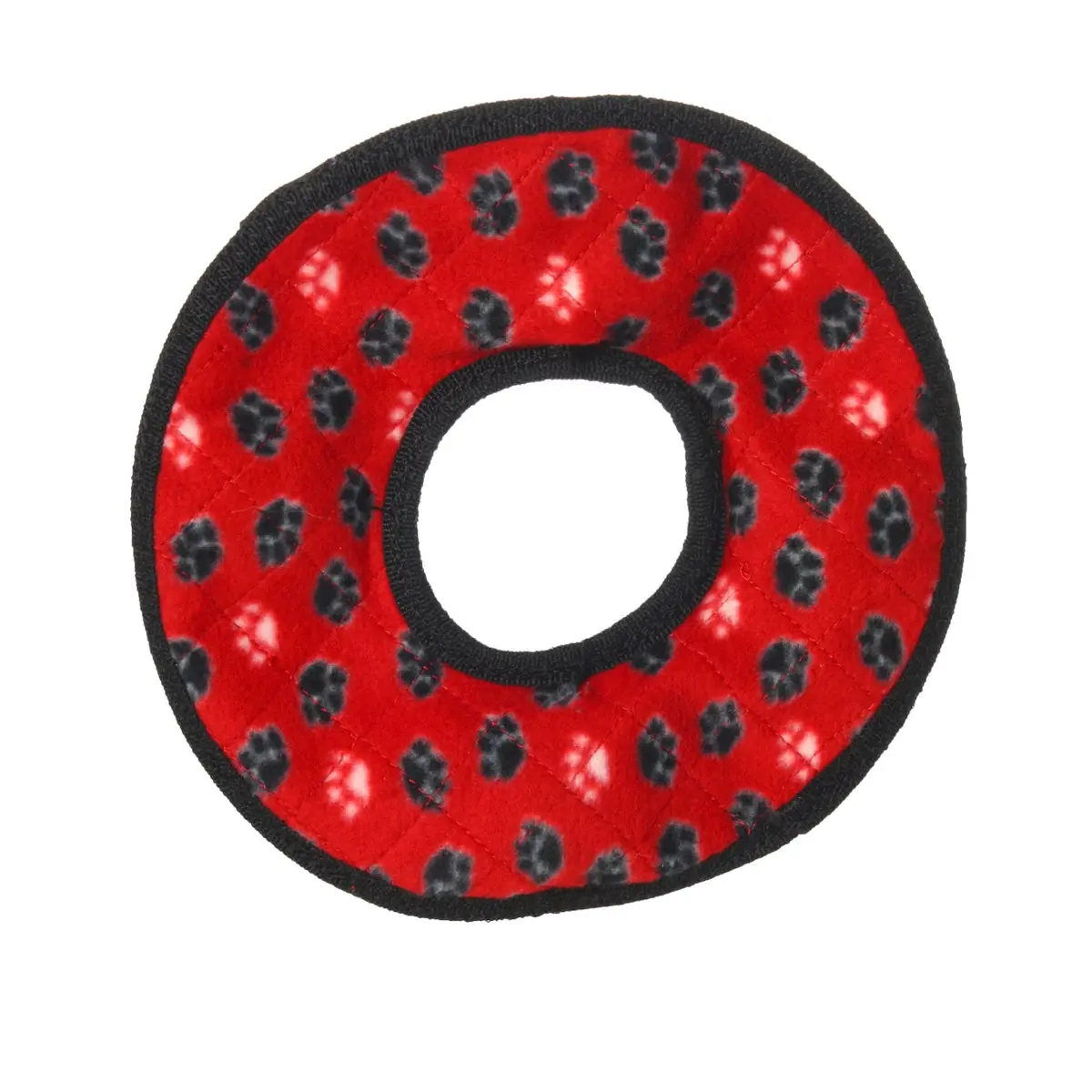 Fast UK delivery
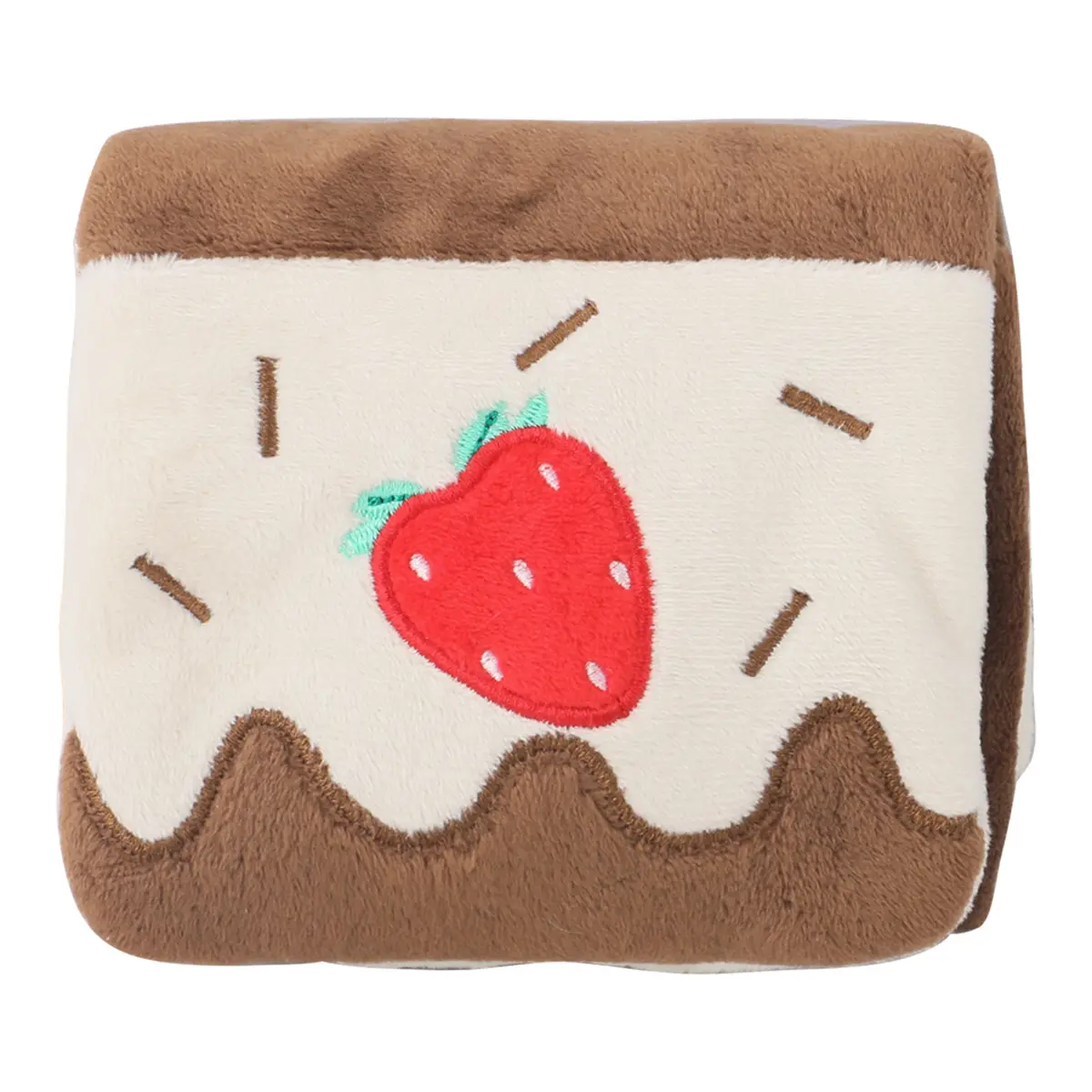


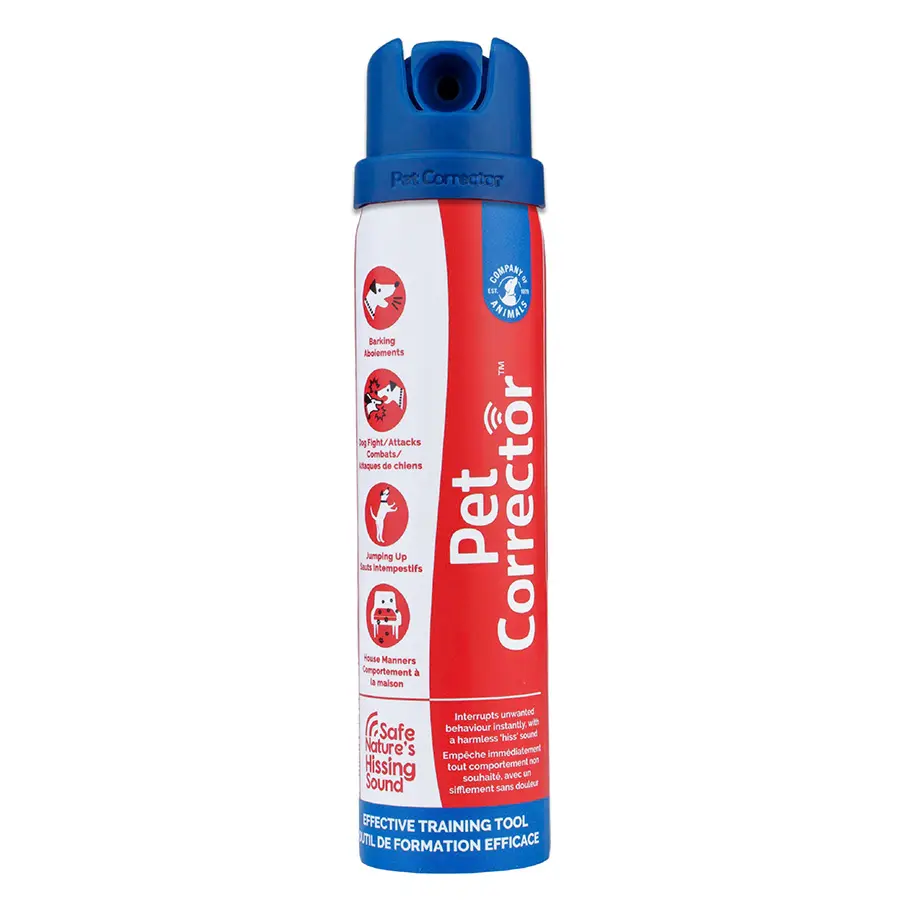
Ball
From £19.99
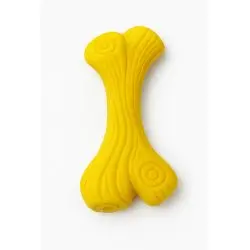

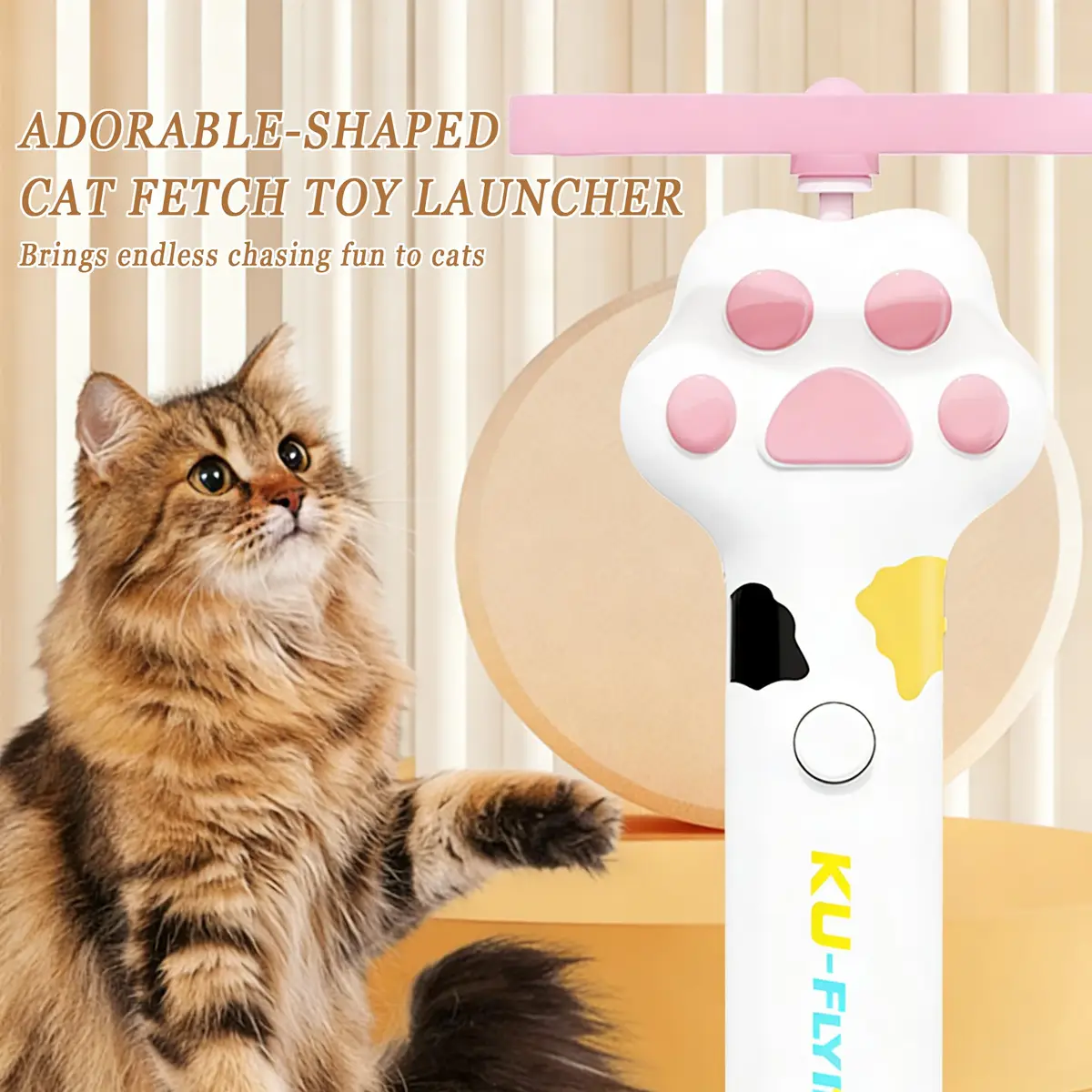
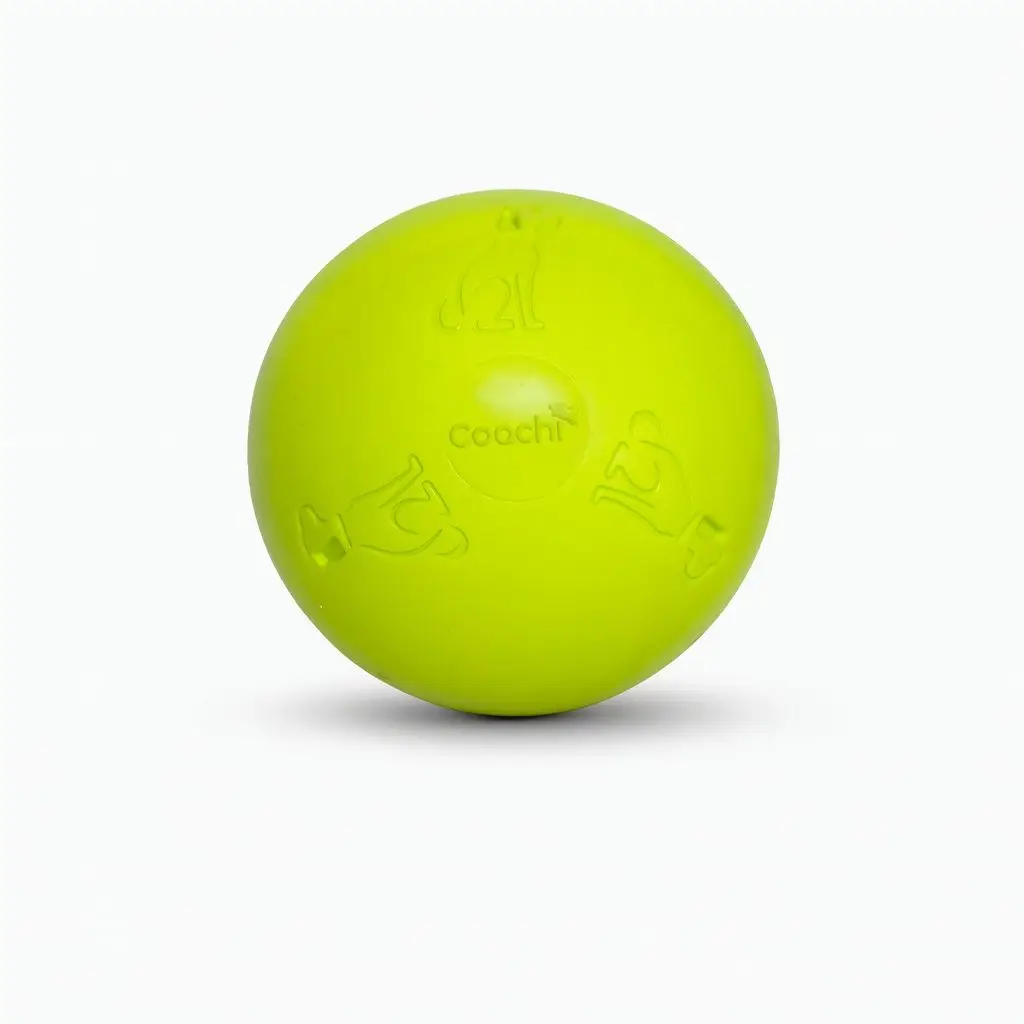
A hard, non-chewable 10-inch (25cm) Boomi Ball for push-and-chase play, sized for German Shepherds, Rottweilers and Dobermanns
£29.99
The right toy depends far more on what a particular dog or cat likes to do — chew, chase, tug, forage — than on any single toy being the best all-rounder. A determined chewer and a dog who never bites down on anything need genuinely different toys, even though both are labelled simply “dog toys”.
A tugger with a padded handle suits a dog who loves a game of tug-of-war and gives you something comfortable to hold onto during an enthusiastic pull. A squeaky toy taps into a strong prey-drive instinct in a lot of dogs, though it's worth supervising a determined dog around the squeaker itself.
Cats are drawn to toys that mimic prey movement — a feather teaser worked by hand, or a toy that rolls or darts unpredictably, tends to hold interest far longer than something static. Catnip toys work brilliantly for some cats and do almost nothing for others, since sensitivity to catnip is partly genetic.
A puzzle feeder or foraging mat turns mealtime into an activity rather than something finished in under a minute, which is genuinely useful for a bored dog or a fast eater. It's mental stimulation as much as physical, and a tired mind settles a restless pet as effectively as a tired body sometimes does.
Rotate toys rather than leaving everything out all the time — a toy that's been available for weeks loses its novelty, and bringing it back after a break often revives interest more than buying something new.
Size the toy to your pet rather than to what looks appealing on the shelf — a toy small enough to be swallowed whole by a large dog is a genuine choking and blockage risk, whatever it's marketed for. Check regularly for damage, and remove anything with a squeaker exposed or stuffing coming out.
Supervise a new toy the first few times, particularly with a determined chewer, so you know how they treat it before leaving them alone with it. Some toys are designed for interactive play only, not to be left with a pet unsupervised, and the packaging usually says so.
A little guidance
Think about how your pet likes to play. Dogs that love fetch want balls and throwers, tuggers do well with rope and rubber tug toys, and determined chewers need firm rubber or nylon such as Nylabone. Cats are drawn to prey-like movement, so wand teasers, dangling feather toys, small mice and catnip toys usually get the keenest response. Size matters: a toy should never fit entirely in the mouth.
The three sub-aisles do different jobs. Dog Toys covers fetch, tug, chew and plush. Cat Toys covers teasers, balls, mice and kickers. Puzzle and Interactive Toys, such as snuffle mats and treat-dispensing toys, make a pet work for a reward, which suits clever or bored animals, wet-weather days and fast eaters. Start with an easy puzzle so confidence builds before difficulty rises.
Keep play safe and fresh. Put a few toys out at a time and rotate them, so old favourites feel new again. Supervise new toys until you know how your pet treats them, and swap out any that crack, fray or lose parts. Put wand and string toys away after play, because cords can tangle and be swallowed.
Match the toy to your pet's size, age and play style — fetch and tug for active dogs, puzzle and chase toys for mental work — and size up to avoid choking risks.
Replace any toy that is splitting, shedding pieces, or has an exposed squeaker or stuffing, as these can be swallowed and cause harm.
Yes — they provide mental enrichment that can ease boredom and reduce unwanted behaviour, especially for pets left alone or on rest days.
Yes, it is non-toxic and not addictive. Many cats respond with rolling, rubbing and excitement for around ten minutes, and some are unaffected, particularly kittens. Offering it occasionally keeps the effect strong. It can sometimes make a cat playful, so supervise around other pets.
Leave out a small selection of safe, durable toys and keep the rest in a box to rotate every week or so. Put away wand toys, stringed toys and anything that is being chewed apart, and take care with unsupervised play overnight.
Yes. Young animals do better with softer, smaller toys they can carry, and puppies teething often like textured rubber or chew toys. Check for puppy or kitten labelling, avoid small parts, and move on to tougher toys as they grow.
Start with the easiest setting and make the reward obvious, then let your pet succeed quickly. Stay nearby the first few times and praise them. Increase difficulty gradually, and put the toy away if your pet becomes frustrated rather than curious.
Advice & planning
Practical calculators and trusted guides relevant to this product.
The two-minute quiz
Five profiles, ten easy questions — find out whether your pet is a Bundle of Energy, a Cosy Cuddler, a Happy Foodie, the Fresh & Fabulous type or a born Adventurer (and exactly what tends to suit them).