








Small Pet Food →
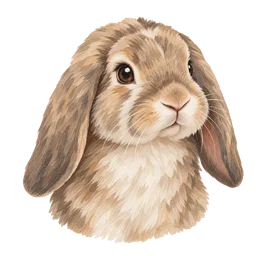
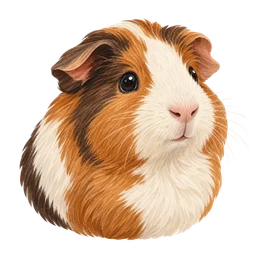
Hay should make up the majority of a rabbit or guinea pig's diet, with a measured portion of pellets and some fresh food alongside it — not the other way round. It's the part of small pet feeding most often got backwards, usually because pellets look like the “main meal” and hay looks like bedding.
Why hay comes first
Rabbits and guinea pigs have digestive systems built around near-constant grazing on fibrous plant material, and their teeth grow continuously, worn down by the grinding action of chewing hay. A diet too low in hay causes both digestive and dental problems over time.
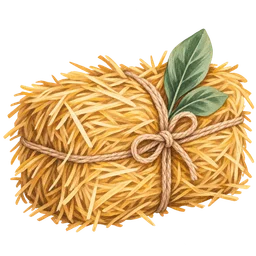
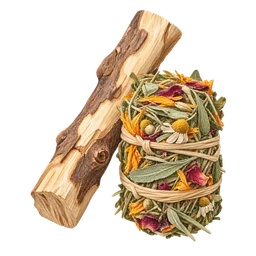
Good hay should be fresh, sweet-smelling and free of dust or mould — a long-stem variety, rather than short chopped hay, gives more of the chewing action that keeps teeth worn evenly. It should be available at all times, not offered once a day and then removed.
Pellets and fresh food — supporting the diet, not leading it
A measured daily portion of a good-quality pellet or nugget mix fills in nutritional gaps that hay and fresh food alone might not cover, but it's meant to be a small part of the daily intake rather than the bulk of it. Avoid mixed cereal-style feeds with lots of different shapes and colours, since animals often pick out the tasty bits and leave the rest, which unbalances what they actually eat.
Fresh forage and a small amount of appropriate vegetables add variety and enrichment. Introduce anything new gradually and in small amounts, watching how your pet's droppings respond, rather than switching a diet over quickly.