


Bichon Frise
A small Mediterranean companion once favoured by European nobility and later circus performers, the Bichon Frise was bred purely to charm. Cheerful, playful and affectionate, with a low-shedding white coat. It suits owners — including flat-dwellers and families — happy to commit to regular professional grooming and plenty of company, since Bichons hate being left alone.
Bichon Frise scorecard
Overview
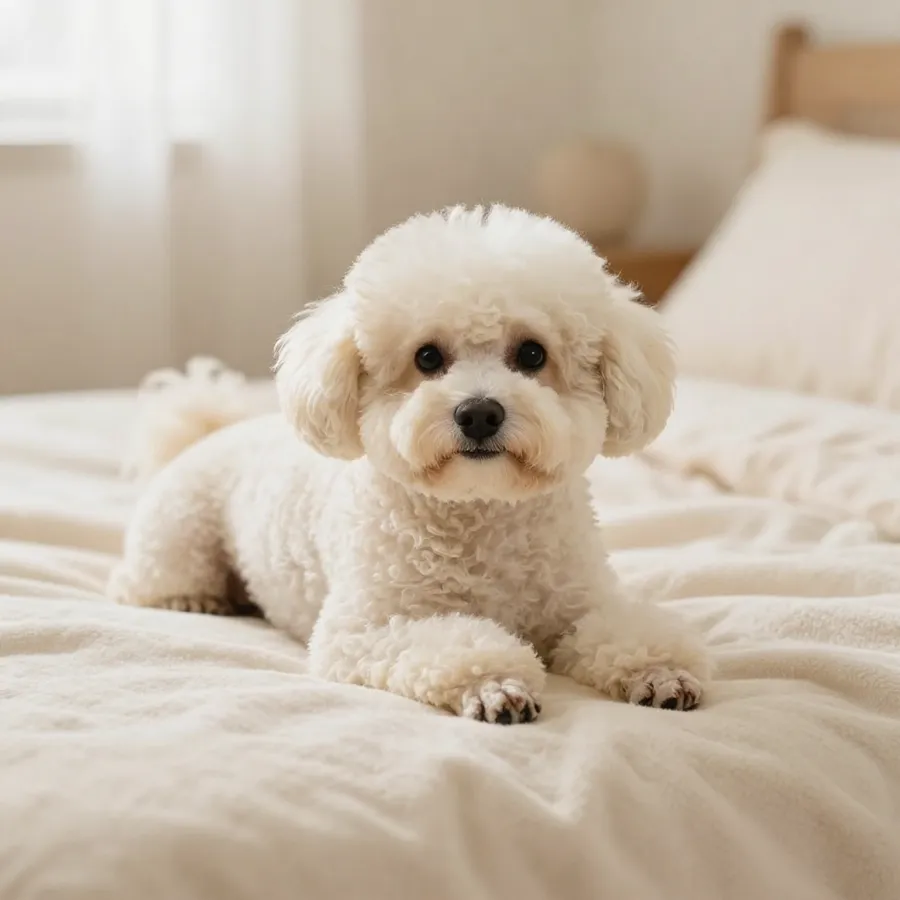
The Bichon Frise is a small, sturdy companion dog instantly recognisable by its soft, white, powder-puff coat and dark, button-like eyes set against black 'halo' rims and a black nose. Cheerful, affectionate and naturally sociable, the breed was developed purely to keep people company, and that history shows in its temperament: a well-bred Bichon tends to be people-orientated, playful and eager to be part of everything the household does. In the United Kingdom it is classified by The Kennel Club within the Toy Group and typically stands around 23–30 cm at the withers, weighing roughly 5–10 kg, which makes it a manageable size for flats and smaller homes.
Bichons are often considered alongside Poodles and other curly-coated breeds by people hoping for a lower-shedding dog. It is important to be honest here: no dog is truly hypoallergenic, but the Bichon's dense, curly double coat tends to trap loose hair and dander rather than dropping it around the home, which some allergy-conscious owners find more tolerable. That same coat, however, is high-maintenance and the single biggest commitment of Bichon ownership. Prospective owners should expect daily brushing and a professional groom every four to six weeks, and should weigh the breed's tendency to form intense attachments to its people before bringing one home.
Good to know — a Bichon Frise is flat-friendly and good for first-time owners. Every dog is an individual, so meet a few and chat to a good breeder or rescue before deciding.
Save the Bichon Frise guide
Thinking about a Bichon Frise? Pop your email in and we’ll send this guide so you can come back to it any time — handy while you compare breeds.
Popular searches for the Bichon Frise
History & origins
The Bichon type is an old one, descended from small white Mediterranean companion and water dogs related to the Barbet and the broader 'Barbichon' family, from which the name Bichon derives. These little dogs were prized as companions and traded around the Mediterranean by sailors and merchants from the Middle Ages onward, becoming established in Spain, Italy and France. The variety most associated with the modern breed, sometimes historically linked with Tenerife in the Canary Islands, found particular favour in the French and Spanish courts, and the breed enjoyed periods of high fashion among European nobility during the Renaissance.
Following the French Revolution the breed's fortunes declined, and for a time these dogs were more often seen as performers in circuses and with street entertainers, where their trainability and showmanship were put to good use. After the First World War, French and Belgian breeders worked to re-establish the type, and an official breed standard was adopted in France in 1933 under the name Bichon à poil frisé ('Bichon of the curly coat'). The breed is governed internationally by the Fédération Cynologique Internationale, which lists France and Belgium as the patron countries. The Bichon Frise was recognised by The Kennel Club in Britain in the 1970s and 1980s and has remained a steady favourite as a companion dog ever since.
Temperament & family fit
Bichons are best described as happy, gentle and sociable dogs. Bred for centuries to be companions, they generally thrive on human company, enjoy being the centre of attention and are usually friendly towards strangers, children and other dogs alike. Many owners describe a slightly comical, attention-seeking streak: Bichons often learn that clowning and playfulness earn them affection, and they are quick to perform. Their generally easygoing, non-aggressive nature makes them a popular choice for first-time owners and for families wanting a small, affectionate dog.
The flip side of this devotion is a marked tendency towards separation-related behaviour. Because the breed forms close bonds and dislikes being left, Bichons can become distressed when alone for long periods, which may show as barking, house-soiling or destructive behaviour. They are not a breed that suits a household where the dog will routinely be left for a full working day without company or provision. Early, positive socialisation and gradually teaching a puppy to cope with short periods alone are important. Bichons can also be vocal, so consistent, kind guidance around barking is worthwhile from the start.
- Families with children of all ages
- Committed first-time owners
- Flats or houses with daily exercise
Training & intelligence
Bichons are intelligent and people-pleasing, which makes them responsive to training, and their history as circus and performing dogs is a fair indication of their aptitude for learning tricks and routines. They respond best to reward-based, positive-reinforcement methods using food, praise and play; like most companion breeds they shut down or become anxious under harsh handling. Short, varied, upbeat sessions tend to get the best results, and the breed's eagerness to please means many take readily to obedience and even to canine sports such as agility or trick-dog training.
The two areas that most often need patience are house-training and time spent alone. Toy and small breeds can take longer to house-train than larger dogs, so a consistent routine, frequent opportunities to toilet outside and generous reward for success are essential. Equally important is teaching independence early: building up alone-time in small, positive steps from puppyhood helps prevent the separation anxiety the breed is prone to. Early socialisation with a wide range of people, dogs, places and experiences will help produce a confident, well-rounded adult.
- Start socialisation & handling early
- Reward-based methods only — no harsh corrections
- Keep sessions short, calm and consistent
Exercise needs
A healthy adult Bichon Frise typically needs around an hour a day (roughly 60–80 minutes), split across walks, play and a little training. A good sniffy walk, some play and a little training usually keeps them content. Puppies, seniors and dogs with health conditions need adjusted amounts — check with your vet.
Grooming & coat
Grooming is the defining responsibility of Bichon ownership. The breed has a soft, dense, curly double coat that grows continuously and sheds very little into the home, which means loose hair is trapped within the coat and will form mats and tangles if it is not removed by brushing. Owners should plan on brushing and combing through to the skin most days, and on professional grooming every four to six weeks to keep the coat trimmed, clean and free of matting; many owners opt for a shorter, more practical clip rather than the full show 'powder-puff'. Regular bathing, attention to the tear-staining that can mark the white hair around the eyes, routine ear cleaning, nail trimming and dental care complete the routine. Anyone unwilling or unable to commit to this level of daily care, or to the ongoing cost of professional grooming, should think carefully before choosing the breed.
- Brush several times a week
- Bathe every few weeks or as needed
- Check ears, nails and teeth weekly
Feeding a Bichon Frise
Bichons should be fed a complete, balanced dog food appropriate to their life stage, formulated to meet the standards set by the European pet food industry body FEDIAF, with portions measured to the manufacturer's guidance and adjusted for the individual dog's age, weight and activity. Because they are small, even modest amounts of extra food or too many treats can quickly lead to weight gain, and excess weight places strain on the joints and overall health; regular body-condition checks and accurate measuring of meals help keep an adult in trim. Fresh water should always be available, and any treats are best kept small and accounted for within the daily ration. Dental disease is common in small breeds, so feeding routines that support oral health and regular tooth-brushing are worthwhile. Always introduce any change of diet gradually over several days, and consult your vet if you are unsure what or how much to feed.
A small breed
An adult Bichon Frise typically weighs 5–10 kg, so a healthy Bichon Frise eats a modest amount compared with other breeds. Every feeding guide on a bag is written per kilo of body weight, not per breed — start there, then adjust to the dog in front of you.
Life stage
A small breed is usually done growing at 10–12 months, which is roughly when a puppy food has finished its job. With a typical lifespan of 12–15 years, there is a long adult stretch in the middle; switch to a senior food when your vet thinks it is worth it rather than on a birthday.
Small mouths, crowded teeth
Smaller breeds get dental disease more often than big ones, largely because the same number of teeth are packed into a shorter jaw. Kibble size is worth checking, and a dental chew counts towards the daily 10% of calories from treats.
Mealtimes can do some of the work
A breed that struggles to settle on its own gets more out of a meal that takes effort — a lick mat, a snuffle mat or a puzzle feeder using part of the daily ration rather than extra food on top of it.
How much should a Bichon Frise weigh?
Adult 5–10 kgfully grown at 10–12 months
| Age | Stage | Typical weight | Of adult size |
|---|---|---|---|
| 8 weeks | Just home | 0.8–1.7 kg | 17% |
| 3 months | Young puppy | 1.4–2.7 kg | 27% |
| 6 months | Growing fast | 2.7–5.4 kg | 54% |
| 10–12 months | Fully grown | 5–10 kg | 100% |
A guide, from the same rule of thumb our puppy growth predictor uses — each age is that share of the way to maturity for a small breed. Puppies grow fastest early, so a real puppy usually sits a little above the middle rows. Weigh yours and ask your vet if the number worries you.
Complete dog foods that suit a Bichon Frise
Complete foods from our range, matched to a Bichon Frise's size band and what the breed typically needs. Stock levels and delivery dates are live on each product.


Pedigree Can in Jelly Puppy 6 Pack
Complete Pedigree puppy food in jelly with chicken, lamb and poultry recipes
£10.15

Arden Grange Adult Dog Calming Turkey Sweet Potato
A grain-free complete turkey food with added L-tryptophan and chamomile
From£16.99

Forthglade Cold Pressed Natural Turkey
Cold-pressed turkey kibble for dogs from 2 months, soft enough to mix with water for young pups
£45.99

Forthglade Cold Pressed Grain Free Salmon
Cold-pressed grain-free dry food for dogs, built on fresh and dried salmon
From£16.99

Forthglade Cold Pressed Grain Free Duck
Cold-pressed grain-free duck food with fruit and botanicals, in two bag sizes
From£16.99

Forthglade Cold Pressed Grain Free Chicken
Cold-pressed grain-free chicken food with fruit and botanicals, in three bag sizes
From£16.99

Forthglade Complete Meal Lightly Baked Turkey
A lightly baked complete dry food, 50% turkey, for adult dogs of any breed
From£12.49

Forthglade Cold Pressed Grain Free Turkey
Grain-free cold-pressed turkey kibble for dogs, gentle on sensitive stomachs
£69.69

Forthglade British Classics Chicken Family Lunch
Complete Forthglade wet dog food with 75% chicken in a 395G tray
£2.45

Harringtons Puppy Turkey & Rice
Complete turkey puppy food with 30% protein and feeding bands by adult weight
£6.49

Harringtons Just 6 Dry Dog Food Lamb
Grain-free lamb dry dog food in 2KG and 12KG sizes, with size-specific formulas
From£13.99
Bichon Frise health & costs
Before bringing a Bichon Frise home it pays to budget for the whole picture — food, insurance, grooming and routine vet care all add up. The figures below are typical UK estimates for a healthy adult; your real costs vary with where you live, your dog's health and the cover you choose.
Food
£250–400 / year
Complete food sized to weight & life stage
Insurance
£15–32 / month
Lifetime cover — varies by age, breed & area
Grooming
£400–700 / year
Regular professional grooming
Routine vet care
£200–450 / year
Vaccines, flea/worm, annual check
The Bichon Frise is generally a long-lived breed, with a typical lifespan of around 12–15 years, and many are healthy companions throughout their lives. As with all pedigree dogs, however, there are conditions that occur more commonly in the breed, and prospective owners should buy from breeders who health-test their stock and follow The Kennel Club's guidance, ideally using a Kennel Club Assured Breeder. Routine preventive care — vaccination, parasite control, dental care, weight management and annual veterinary check-ups — underpins a healthy life.
The breed is particularly associated with dental disease, which is common in small dogs and a strong argument for regular tooth-brushing and veterinary dental checks. Ear problems can occur because of the dense hair in the ear canal, so ears should be checked and cleaned regularly. Bichons are also prone to certain eye conditions, to luxating patella (slipping kneecaps), and to skin and allergy problems. Some lines carry an inherited risk of bladder stones. Discussing relevant health screening with the breeder, and keeping up routine veterinary care, are the best ways to give a Bichon the healthiest possible life. The PDSA and your own vet are reliable sources of breed-specific health advice.
Common health conditions to be aware of
- Dental disease — very common in small breeds; daily tooth-brushing and regular veterinary dental checks help prevent painful gum and tooth problems.
- Patellar luxation — the kneecap slips out of position, causing intermittent lameness or a skipping gait; mild cases are managed conservatively, more severe ones may need surgery.
- Eye conditions — including cataracts and other inherited eye disease; reputable breeders use eye screening and any sudden changes in the eyes warrant a vet visit.
- Otitis (ear infections) — the hairy ear canals can trap moisture and wax, so regular checking and cleaning reduce the risk of infection.
- Allergic skin disease — the breed can be prone to itchy skin and allergies; persistent scratching, redness or hair loss should be investigated by a vet.
- Bladder stones — some Bichons are predisposed to urinary stones; signs include straining, blood in the urine or frequent urination and require prompt veterinary attention.
These reflect typical, size- and coat-related risks for dogs like the Bichon Frise; individual breeds carry their own predispositions. Always buy from health-tested parents and speak to your vet — this isn't a diagnosis.
Protect against surprise bills
A single emergency can run into thousands. Lifetime insurance spreads the risk.
Estimate insurance →How pet insurance works →Puppy & senior care
Bringing home a Bichon Frise puppy
Puppies need controlled exercise (a rough guide is five minutes per month of age, twice a day) to protect growing joints, little-and-often meals of a complete puppy food, early socialisation, and a calm routine for toilet training and sleep. Book first vaccinations, microchipping and a vet check early.
New puppy checklist →Caring for a senior Bichon Frise
As they age, watch weight, joints and teeth, switch to a senior diet if your vet advises, keep exercise gentle but regular, and consider orthopaedic bedding and ramps. Twice-yearly vet checks help catch issues early.
Orthopaedic beds & mobility →Pros & cons
The good bits
- Playful, friendly and low-shedding
- Happy in flats and good with families
Things to consider
- Curly coat needs daily brushing and regular grooming to avoid matting
- Can be prone to separation anxiety and nuisance barking
Bichon Frise health & care guides
In-depth, vet-sensible guides written for Bichon Frise owners:
Compare the Bichon Frise
See how the Bichon Frise measures up against similar breeds before you decide:
More breeds like the Bichon Frise
Same breed group
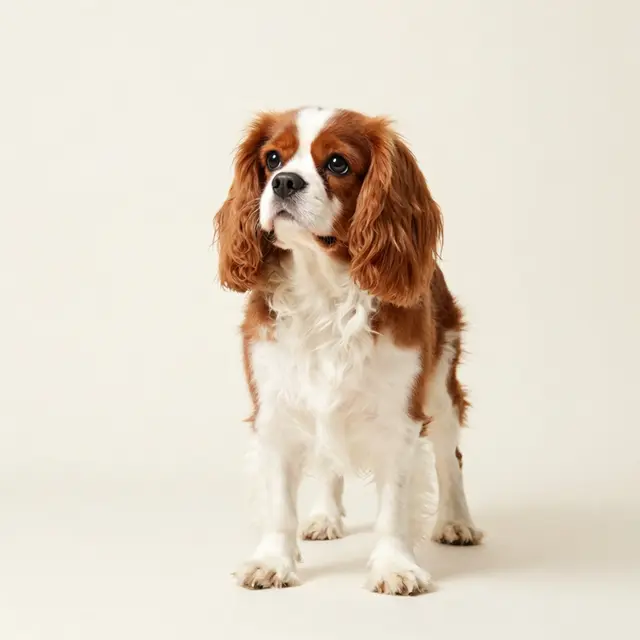
Cavalier King Charles Spaniel
A gentle, affectionate lap dog that’s wonderful with children and adapts happily to flat or house living.
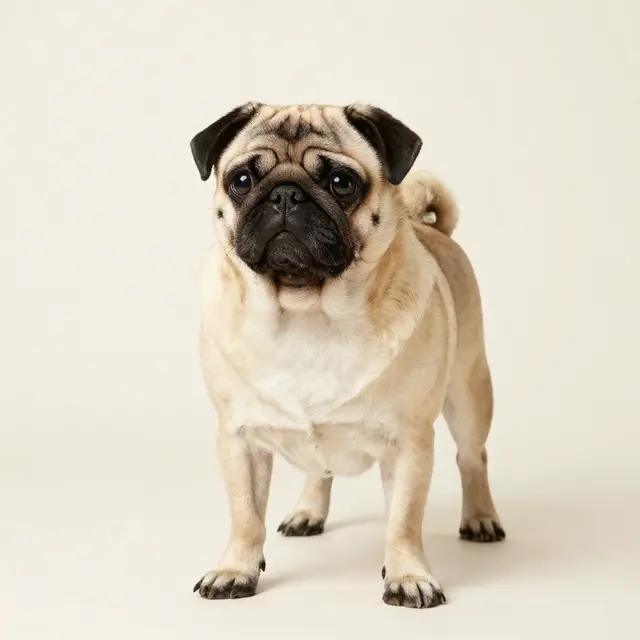
Pug
A charming, comical lap dog that’s content in a flat — but a flat face brings real health considerations.
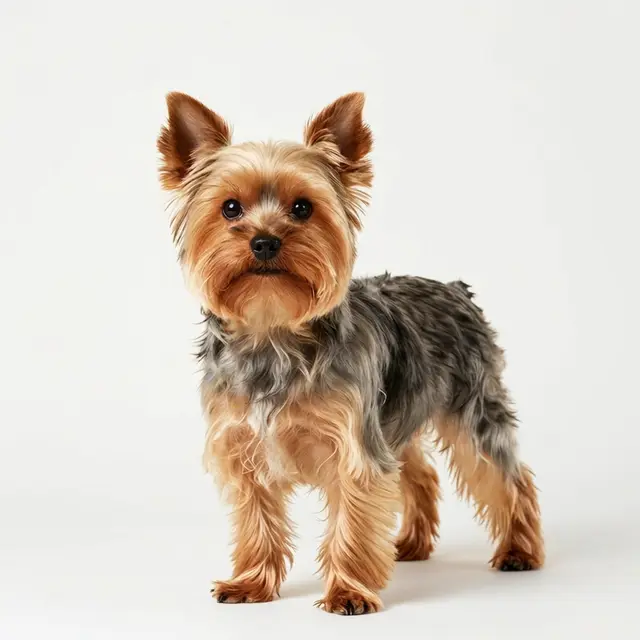
Yorkshire Terrier
A tiny, feisty toy terrier with a big personality — ideal for flats but delicate around small children.
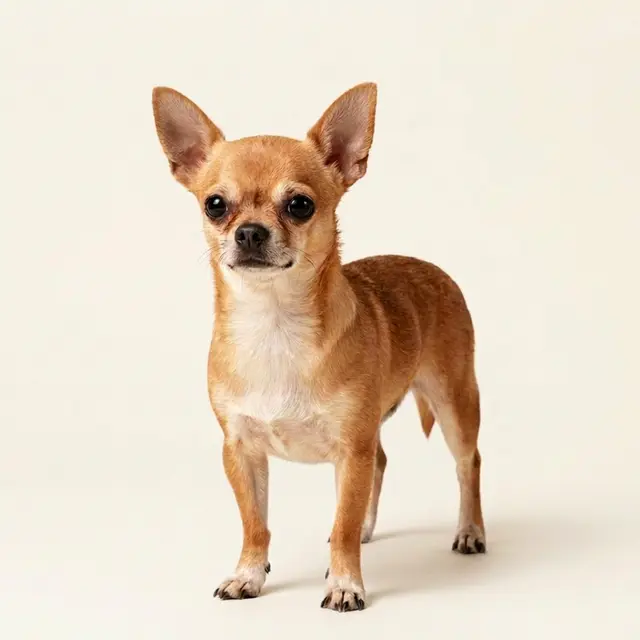
Chihuahua
The world’s smallest breed — devoted, sassy and perfect for flats, but not the easiest with young children.
Similar temperament
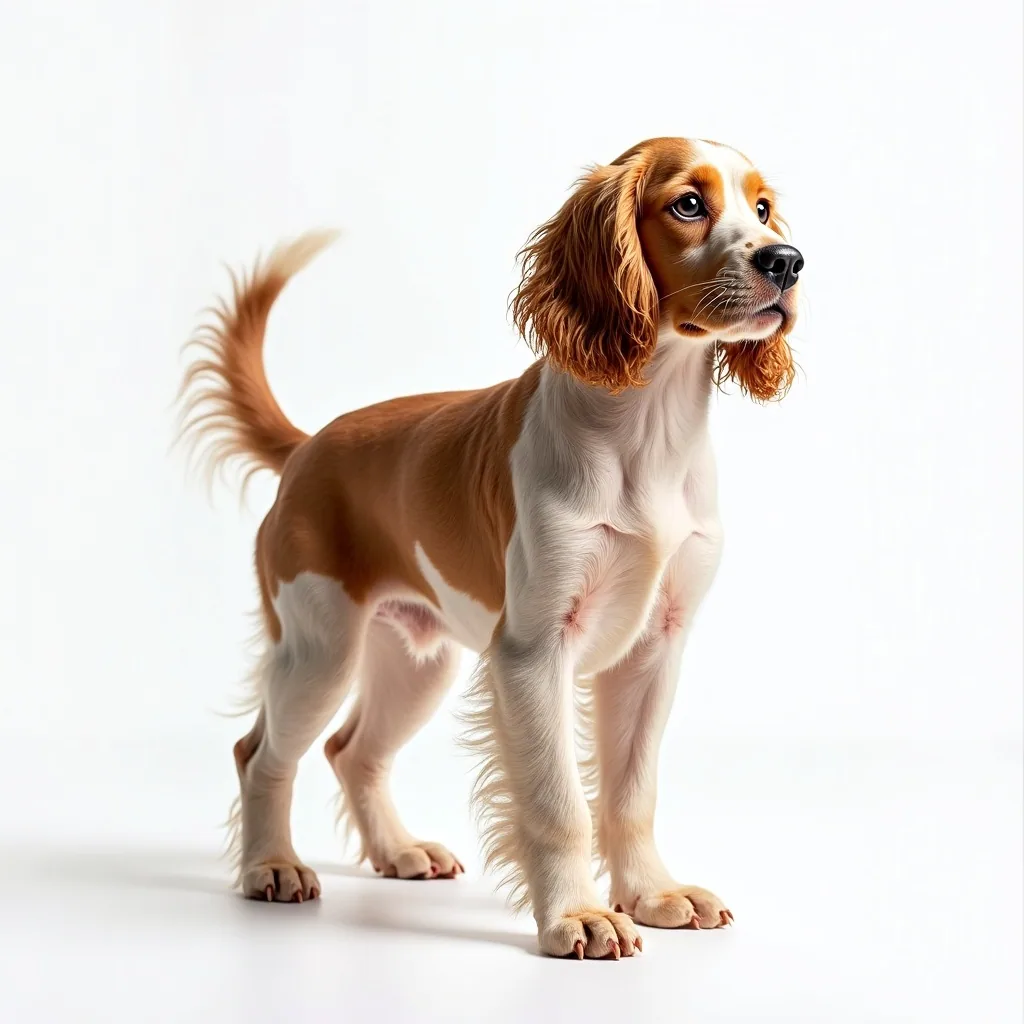
American Cocker Spaniel
A gentle, affectionate gundog with a glamorous flowing coat. Sweet-natured and eager to please, but the heavy coat demands serious, regular grooming.
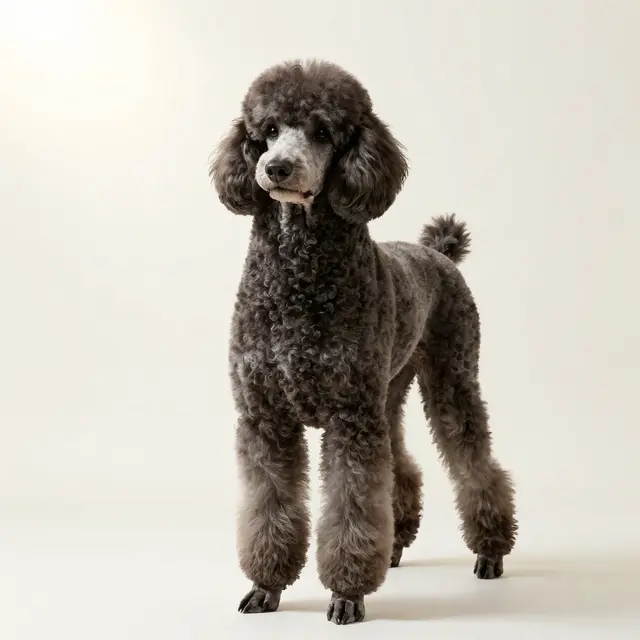
Standard Poodle
One of the most intelligent breeds — elegant, low-shedding and eager to learn, with high grooming demands.
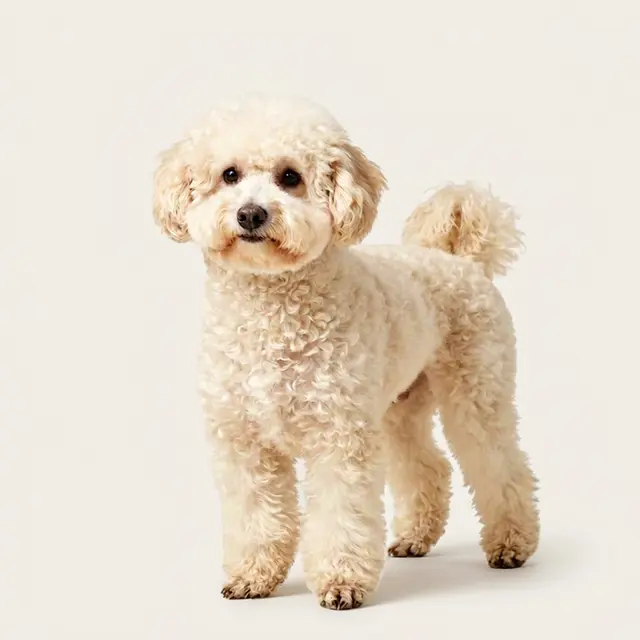
Maltipoo
A Maltese × Poodle cross — affectionate, playful and usually low-shedding, a popular lap-sized companion.
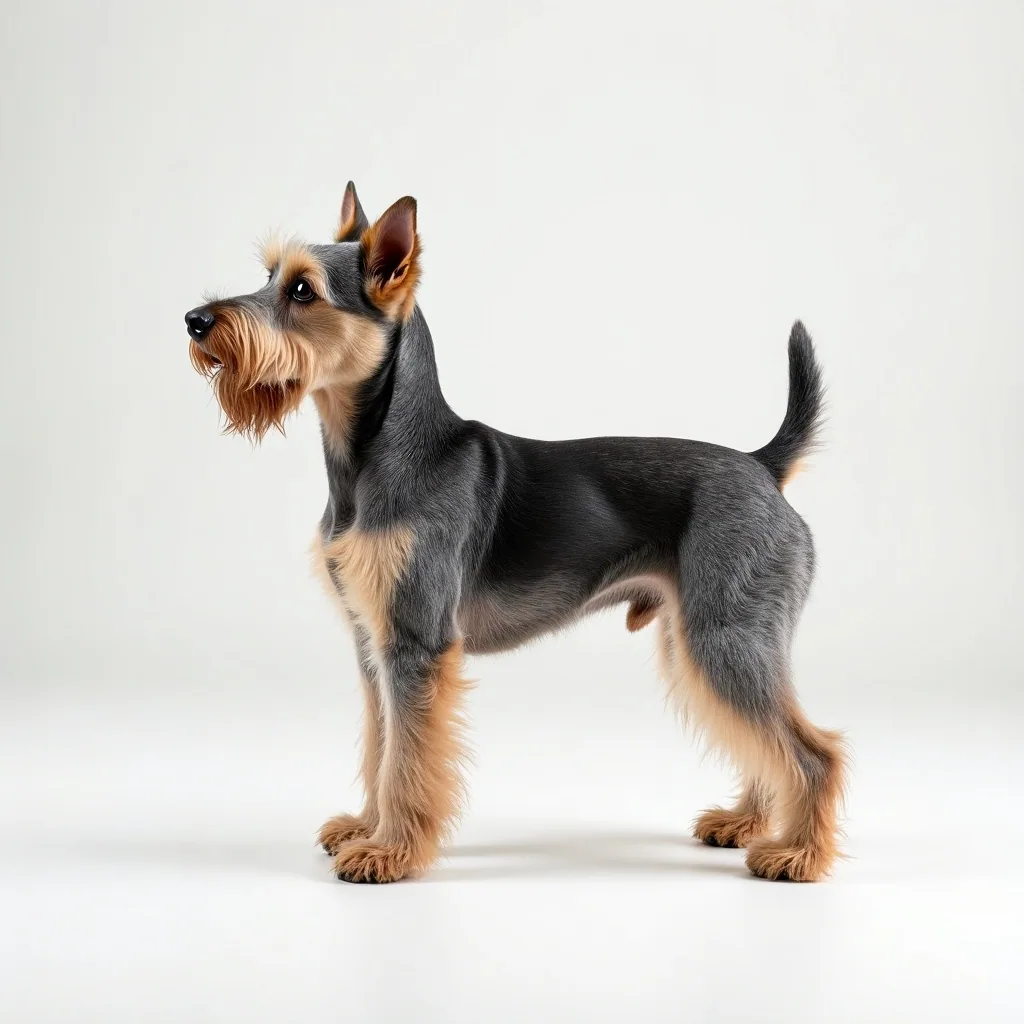
Cesky Terrier
A short-legged Czech terrier bred to be calmer and more biddable than other terriers. Friendly and adaptable, it makes a sociable companion with a coat that needs clipping.
Similar size, different type
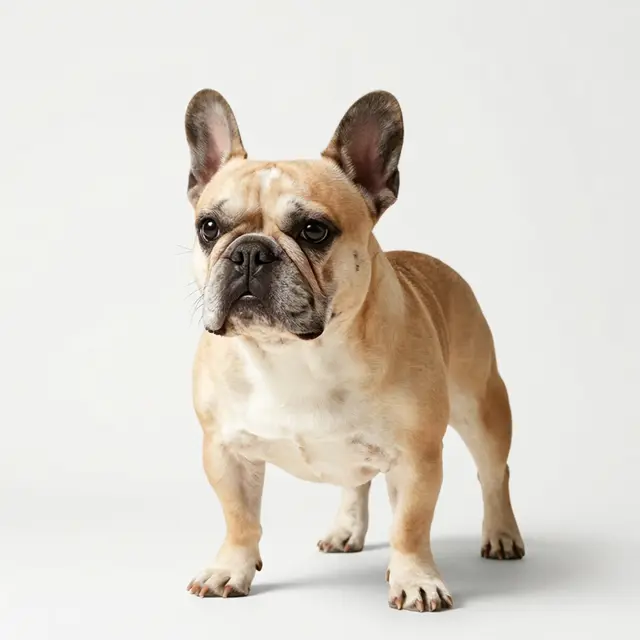
French Bulldog
A compact, easy-going companion that suits flats and modest exercise — but with serious health considerations.
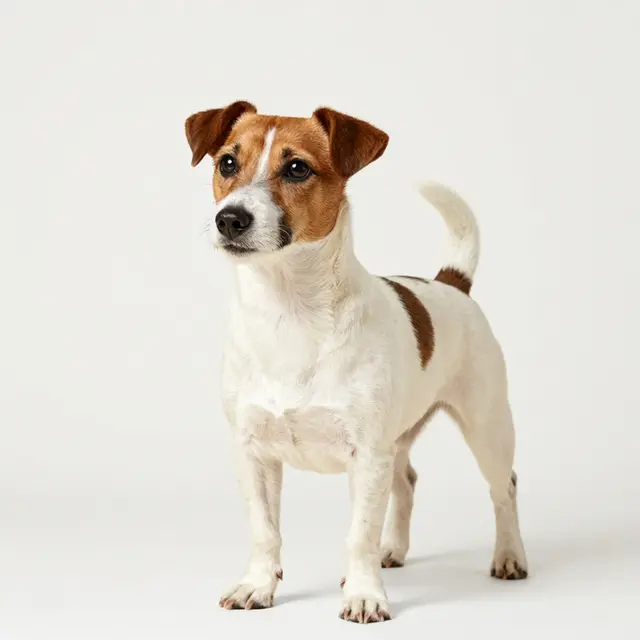
Jack Russell Terrier
A small dog with a huge personality — bold, clever and bursting with energy and prey drive.
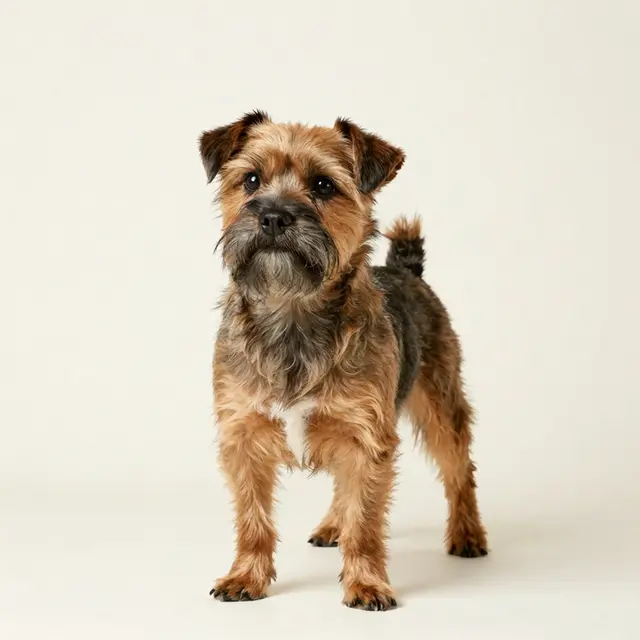
Border Terrier
A hardy, good-natured working terrier that’s friendlier with people and dogs than many of its terrier cousins.
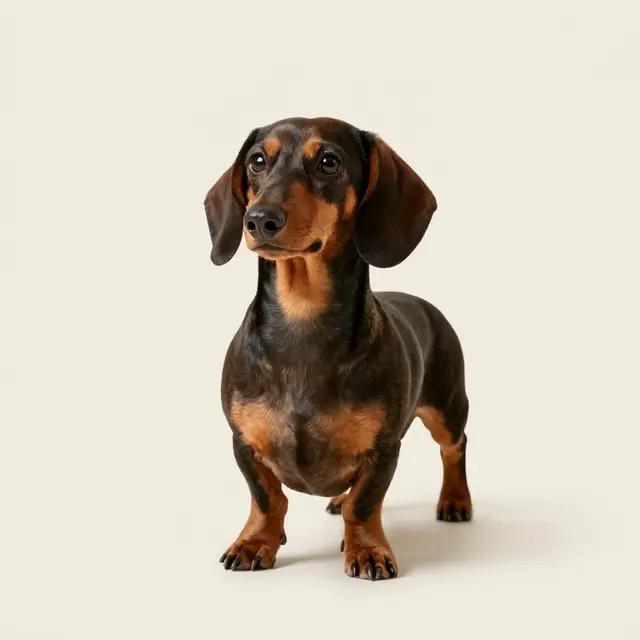
Dachshund
A bold, characterful "sausage dog" that suits smaller homes but needs careful handling of its long back.
Is the Bichon Frise your breed?
Create your pet profile and get personalised food, toy, insurance and health recommendations — tailored to your dog.
Frequently asked questions
How long do Bichon Frise live?
The Bichon Frise is a long-lived small companion breed, typically reaching around 12–15 years and sometimes more with good care. As with most breeds, small dogs tend to outlive larger ones, and many Bichons stay bright and active well into their teens. Genetics set the range, but everyday care has a big influence: keeping your dog at a healthy weight, staying on top of dental care, providing daily exercise and mental stimulation, and arranging routine veterinary checks all help yours reach the upper end. Buying from a responsible Kennel Club Assured Breeder also lowers the risk of inherited problems.
Do Bichon Frise shed, and are they hypoallergenic?
Bichon Frise are very low-shedding. They have a double coat — a soft, dense undercoat and a coarser, curling outercoat — and most loose hair is caught within the coat rather than dropped around the home, which is exactly why it mats so easily and needs regular grooming. Because of the low shedding they are often suggested for some allergy sufferers, but no dog is truly hypoallergenic: allergens come mainly from dander, saliva and urine, not hair. If someone in your home has allergies, spend time with the breed before committing and keep up regular grooming and cleaning.
Do Bichon Frise need a lot of grooming?
Yes. The Bichon's curly, low-shedding double coat traps loose hair and mats very easily, so it needs brushing and combing right down to the skin several times a week, ideally daily, plus a professional groom roughly every four to eight weeks for bathing, clipping and the breed's rounded trim. They also need regular eye cleaning to manage tear staining against the white coat, frequent ear checks because the ear canals are hairy, nail trims and daily tooth brushing. It is a real grooming commitment, so factor in both the time and the ongoing cost of a groomer.
Are Bichon Frise good family pets?
Bichon Frise make excellent family companions for many households. They are cheerful, affectionate, playful and sociable, usually getting on well with children, other dogs and cats when properly socialised. The main cautions are their small, fairly delicate size, which means young children must be taught to handle them gently, and their strong attachment to people, which can lead to separation-related distress if they are left alone too long. With early socialisation, gentle reward-based training and company for much of the day, they are devoted, good-natured little dogs.
Do Bichon Frise bark a lot?
Bichon Frise can be vocal. They are alert, sociable little dogs that often bark to greet people or announce visitors and noises, and some develop a barking habit if they are bored, under-exercised or anxious about being left alone. It is not an aggressive bark so much as an excitable, attention-seeking one. Early socialisation, consistent reward-based training, plenty of mental stimulation, and teaching them gradually to settle and be left calmly all help keep barking in proportion. Because the breed bonds so closely with its people, preventing separation anxiety is key to avoiding excessive barking.
How big do Bichon Frise get?
The Bichon Frise is a small companion breed. The Kennel Club breed standard gives a height of around 23–28 cm (roughly 9–11 inches) at the shoulder, and most adults weigh somewhere in the region of 5–8 kg, though individuals vary. Their fluffy, rounded coat can make them look bigger than they are — underneath the powder-puff is quite a compact little dog. There is no recognised "teacup" or "miniature" Bichon: those are marketing terms, and deliberately breeding for an abnormally tiny size can bring serious health problems, so they are best avoided.
What is the difference between a Bichon Frise and a Maltese?
Both are small, white, low-shedding companion breeds, but their coats differ most. The Bichon has a curly double coat — a soft undercoat plus a coarser curling outercoat — usually trimmed into a rounded, powder-puff shape, while the Maltese has a single, straight, silky coat with no undercoat, often grown long with a topknot. Bichons tend to be slightly stockier and are often described as bouncy and outgoing; the Maltese is tinier and more of a classic lapdog. Both are affectionate, both need a lot of grooming, and both can bark and dislike being left alone.
What health problems are Bichon Frise prone to?
Bichon Frise are generally healthy and long-lived, but the breed is more prone than average to a few conditions: allergic skin disease (atopic dermatitis), which causes itching and recurrent ear or skin infections; bladder and urinary stones; dental disease, as in most small breeds; patellar luxation (slipping kneecaps); and eye conditions such as cataracts. They can also be at increased risk of Cushing's disease. Buying from a health-focused breeder, keeping teeth clean, maintaining a healthy weight, and seeing your vet promptly when something seems off all help reduce and manage these risks.
Are Bichon Frise easy to train?
Bichon Frise are intelligent and people-pleasing, and they respond very well to gentle, reward-based training, which is partly why they have a long history as performing dogs. They enjoy learning tricks and games. The main challenge owners report is house-training: like many small breeds they have small bladders and can be slower to toilet-train, so patience, a consistent routine and plenty of praise for getting it right are important. Avoid harsh methods, which this sensitive breed does not cope well with. Early socialisation and short, fun, positive training sessions bring out the best in them.
Can a Bichon Frise be left alone?
Bichon Frise are sociable and bond closely with their people, so they do not cope well with being left alone for long periods and can be prone to separation-related distress, which may show as barking, destructiveness or toileting indoors. They suit households where someone is around for much of the day, or where the dog has been gradually and patiently trained to tolerate sensible periods alone. Building up alone-time slowly from puppyhood, leaving safe enrichment toys, and never making departures or returns a big fuss all help a Bichon learn to settle calmly.
What were Bichon Frise bred for?
Unlike many breeds developed for a working job, the Bichon Frise was bred purely as a companion. The type descends from small white "Bichon" dogs of the Mediterranean, related to the Barbet and water spaniels, and became a favourite lapdog of European nobility, particularly in Spain, France and Italy. Their cheerful, biddable nature also made them popular performing dogs in fairs and circuses. That long history as a companion and entertainer is why the modern Bichon is so sociable, affectionate and people-focused, and why it thrives on being an indoor member of the family rather than left outside.
Are Bichon Frises good with children?
Good with children. As a general guide, Bichon Frises tend to be patient and tolerant. Whatever the breed, always supervise dogs and young children and teach kids to interact gently.
How much exercise does a Bichon Frise need?
As a healthy adult, a typical Bichon Frise needs around an hour of exercise a day (60–80 minutes), split across walks plus play. A good sniffy walk plus some play and training usually keeps them happy. Puppies, seniors and dogs with health conditions need less — ask your vet.
Do Bichon Frises shed a lot?
Minimal shedding. Coat upkeep is daily / professional — plan on frequent brushing and regular trips to a groomer.
Are Bichon Frises easy to train and good for first-time owners?
Good for first-time owners. Bichon Frises are generally a forgiving choice for first-time owners who put in early training and socialisation. Reward-based training and early socialisation help any dog.
Do Bichon Frises bark a lot?
Moderate barker. They are usually fairly easy-going about barking, though any dog will bark if bored or under-exercised.
Are Bichon Frises good with other dogs?
Sociable with other dogs. Early, positive socialisation with other dogs from a young age makes a big difference.
Do Bichon Frises suit flats or smaller homes?
Flat-friendly. A Bichon Frise can adapt to flat living as long as it gets its daily exercise and company.
Sources
- The Kennel Club — Bichon Frise breed information (https://www.thekennelclub.org.uk/breeds/bichon-frise/)
- PDSA — Dog breeds and health advice (https://www.pdsa.org.uk/pet-help-and-advice/looking-after-your-pet/puppies-dogs)
- Blue Cross — Dog breeds and care advice (https://www.bluecross.org.uk/advice/dog)
- RSPCA — Dog welfare and care (https://www.rspca.org.uk/adviceandwelfare/pets/dogs)
- Fédération Cynologique Internationale (FCI) — Bichon à poil frisé breed standard (https://www.fci.be/en/nomenclature/BICHON-FRISE-215.html)
Recommended for your Bichon Frise
Matched to a Bichon Frise's size and their typical need for regular coat care, dental care, calming support.

Electric Pet Grooming Clipper
A quiet, rechargeable electric clipper for trimming dogs, cats, rabbits and other pets at home. Low-noise and low-vibration with an adjustable blade for tidy, stress-free grooming around the body and paws.
From£11.99

MPS Topshirt 4-in-1 Post-Surgery Recovery Vest for Dogs
A vet-recommended cotton body suit that protects wounds after surgery, discourages over-grooming, and provides calming gentle pressure — machine washable.
£32.99

Pet Remedy De-Stress Calming Pre-Wash 300ml
A 300ml calming pre-wash for anxious pets, combining fast-acting Pet Remedy ingredients with coconut-derived cleansers to ease bath time.
£14.99

Wooden Pet Deshedding Grooming Brush
An ergonomic wooden grooming brush with a fine-toothed edge that loosens and lifts away dead and shedding fur. The smooth contoured handle sits comfortably in the hand for quick, gentle daily de-shedding.
£14.99

Soft Mesh Recovery Cone Collar
A soft, breathable mesh recovery cone that stops licking and biting of wounds after surgery. Lightweight and adjustable, it's a comfy alternative to a hard E-collar for dogs and cats.
From£11.99

Pet Oral Spray for Dogs & Cats
A 100ml pet oral spray for dogs and cats that helps promote fresh breath and cleaner teeth. Simply spray onto teeth and gums - no brushing needed for daily oral care.
£8.99

Rechargeable Electric Pet Nail Grinder
A cordless rechargeable nail grinder with a low-noise motor for smooth, painless claw trimming.
£9.99

Pooch & Mutt Calming Fish Hide Chews
Hand-rolled cod skin dog chews with chamomile and lavender, 70.8% protein, grain free
£4.99
Suggestions based on breed traits — always check sizing and suitability for your individual dog.
Got a Bichon Frise? Save them to a pet profile for tailored picks across the whole site.
Happier, healthier pets — in your inbox.
Breed care tips, seasonal advice and first access to new arrivals. No spam, unsubscribe anytime.
Every dog is an individual — temperament and needs vary. Please research thoroughly, meet dogs in person, and consider adopting from a rescue. This is general guidance, not a substitute for advice from your vet or a qualified trainer.