


Jack Russell Terrier
Developed by the Reverend John Russell for fox work in 19th-century Devon, the Jack Russell is a big dog in a small body — bold, clever and inexhaustible. Affectionate and entertaining, but driven by a powerful prey instinct. It suits active owners who'll provide plenty of exercise, firm training and careful management around small pets, rather than anyone wanting a quiet lapdog.

Jack Russell Terrier scorecard
Overview
Few small dogs pack as much character into so compact a frame as the Jack Russell Terrier. Standing only around 25–30 cm at the shoulder and weighing roughly 5–6 kg, the Jack Russell is a bold, busy, intensely energetic little working terrier originally bred in the south of England to bolt foxes from their earths during the hunt. Beneath the cheerful, foxy face sits a tireless athlete with a powerful prey drive, a sharp mind and an almost limitless appetite for activity — qualities that make the breed enormous fun in the right home and a genuine handful in the wrong one.
It is worth noting at the outset that "Jack Russell" is used loosely in the UK to cover several closely related types. The Kennel Club recognises the Jack Russell Terrier as a distinct breed (admitted to the register in 2016), while the longer-legged Parson Russell Terrier is registered separately. Many family pets sold simply as "Jack Russells" are working strains that have never been bred to a written standard at all. Whatever the label, owners should expect a confident, vocal, often stubborn dog that thrives on exercise, mental stimulation and close human company.
Good to know — a Jack Russell Terrier is best with a garden and manageable for committed beginners. Every dog is an individual, so meet a few and chat to a good breeder or rescue before deciding.
Save the Jack Russell Terrier guide
Thinking about a Jack Russell Terrier? Pop your email in and we’ll send this guide so you can come back to it any time — handy while you compare breeds.
Popular searches for the Jack Russell Terrier
History & origins
The breed takes its name from the Reverend John "Jack" Russell (1795–1883), a Devon parson and keen fox-hunting enthusiast who set out in the early nineteenth century to develop a small, game terrier that could run with the hounds and then go to ground to flush a fox without killing it. Tradition holds that around 1819, while a student at Oxford, he bought a small white-and-tan terrier bitch named Trump from a local milkman, and that she became a foundation of his line. His terriers were bred above all for working ability rather than uniform looks, which is why the type has always varied in leg length, coat and markings.
For well over a century the Jack Russell remained primarily a working and farm dog, prized by hunts and country people across Britain rather than a show animal. The Parson Russell Terrier (the taller, more standardised version) gained Kennel Club recognition first, and the shorter-legged Jack Russell Terrier — long popular as a pet and ratter — was admitted to the Kennel Club register in 2016. The breed's enduring popularity owes much to its hardiness, intelligence and outsized personality.
Temperament & family fit
The Jack Russell is a true terrier in temperament: fearless, alert, inquisitive and self-assured well out of proportion to its size. These are highly intelligent dogs that form strong bonds with their people and are often deeply affectionate at home, but they are not placid lapdogs. A bored or under-exercised Jack Russell will quickly invent its own entertainment, which can mean digging, barking, escaping or chasing. The breed's strong prey drive is hard-wired; many will instinctively pursue cats, squirrels, rabbits and other small animals, and this should be taken seriously when assessing a home.
With children the Jack Russell can be a wonderful, playful companion, but supervision and sensible boundaries are essential — the breed can be quick to react if roughly handled or startled, and its small size makes it vulnerable to injury from boisterous toddlers. Many Jack Russells are also assertive with other dogs and can be scrappy, so early, positive socialisation is important. In short, this is a big personality that rewards owners who enjoy a bold, busy, entertaining dog and who are prepared to provide firm, kind structure.
- Families with older, respectful children
- Owners ready for consistent training
- Homes with a secure garden
Training & intelligence
Jack Russells are clever and learn fast, which cuts both ways: they pick up good habits and bad ones with equal ease. They respond best to short, upbeat, reward-based training sessions that channel their energy and engage their problem-solving minds. Consistency matters enormously, because this is an independent-minded breed that will happily ignore a command it sees no reason to follow. Harsh handling tends to backfire, producing a stubborn or reactive dog rather than a co-operative one.
Recall and impulse control deserve particular attention. Because the breed's chase instinct is so strong, many Jack Russells cannot be trusted off-lead near livestock, traffic or wildlife until recall is genuinely reliable — and some never become fully trustworthy in high-distraction settings. Securing the garden is also wise, as these are accomplished diggers and surprisingly good climbers and jumpers for their size. Activities such as scent games, trick training and dog sports like agility or flyball are excellent outlets that play to the breed's strengths.
- Start socialisation & handling early
- Reward-based methods only — no harsh corrections
- Channel energy into training games & enrichment
Exercise needs
A healthy adult Jack Russell Terrier typically needs 2 hours or more, plus a job to do a day (roughly 120–180 minutes), split across walks, play and a little training. Higher-energy dogs also need their brains tired — sniffy walks, training games and puzzle feeding go a long way. Puppies, seniors and dogs with health conditions need adjusted amounts — check with your vet.
Grooming & coat
Grooming needs are modest. The Jack Russell appears in smooth, broken and rough coats, all of which are weatherproof and relatively low-maintenance. A weekly brush is generally enough to keep the coat in order and manage shedding, which is moderate; rough and broken coats may benefit from occasional hand-stripping of dead hair. Beyond coat care, owners should keep up routine maintenance common to all dogs: regular nail trimming, checking and cleaning the ears, and — importantly for a small breed prone to dental disease — regular tooth brushing to support good oral health.
- Brush occasionally to remove loose hair
- Bathe every few weeks or as needed
- Check ears, nails and teeth weekly
Feeding a Jack Russell Terrier
Jack Russells should be fed a complete, balanced diet appropriate to their age, size and activity level, with portions measured against the manufacturer's guidance and adjusted for the individual dog. Because they are small and energetic, it is easy to over- or under-feed by eye, so monitoring body condition is more reliable than rigid quantities. Like many terriers they can be food-motivated, which is useful for training but means treats must be accounted for within the daily ration to avoid weight gain. Fresh water should always be available, and any change of diet should be introduced gradually.
A small breed
An adult Jack Russell Terrier typically weighs 5–6 kg, so a healthy Jack Russell Terrier eats a modest amount compared with other breeds. Every feeding guide on a bag is written per kilo of body weight, not per breed — start there, then adjust to the dog in front of you.
Life stage
A small breed is usually done growing at 10–12 months, which is roughly when a puppy food has finished its job. With a typical lifespan of 12–14 years, there is a long adult stretch in the middle; switch to a senior food when your vet thinks it is worth it rather than on a birthday.
A high-energy dog eats like one
Jack Russell Terriers sit at the top end for energy, and a dog working through a couple of hours of real exercise a day burns through the feeding guide faster than a dog on a short stroll. Feed to the dog's condition, not to the middle of the range on the bag.
Small mouths, crowded teeth
Smaller breeds get dental disease more often than big ones, largely because the same number of teeth are packed into a shorter jaw. Kibble size is worth checking, and a dental chew counts towards the daily 10% of calories from treats.
Mealtimes can do some of the work
A breed that struggles to settle on its own gets more out of a meal that takes effort — a lick mat, a snuffle mat or a puzzle feeder using part of the daily ration rather than extra food on top of it.
How much should a Jack Russell Terrier weigh?
Adult 5–6 kgfully grown at 10–12 months
| Age | Stage | Typical weight | Of adult size |
|---|---|---|---|
| 8 weeks | Just home | 0.8–1 kg | 17% |
| 3 months | Young puppy | 1.4–1.6 kg | 27% |
| 6 months | Growing fast | 2.7–3.3 kg | 54% |
| 10–12 months | Fully grown | 5–6 kg | 100% |
A guide, from the same rule of thumb our puppy growth predictor uses — each age is that share of the way to maturity for a small breed. Puppies grow fastest early, so a real puppy usually sits a little above the middle rows. Weigh yours and ask your vet if the number worries you.
Complete dog foods that suit a Jack Russell Terrier
Complete foods from our range, matched to a Jack Russell Terrier's size band and what the breed typically needs. Stock levels and delivery dates are live on each product.


Pedigree Can in Jelly Puppy 6 Pack
Complete Pedigree puppy food in jelly with chicken, lamb and poultry recipes
£10.15

Arden Grange Adult Dog Calming Turkey Sweet Potato
A grain-free complete turkey food with added L-tryptophan and chamomile
From£16.99

Forthglade Cold Pressed Natural Turkey
Cold-pressed turkey kibble for dogs from 2 months, soft enough to mix with water for young pups
£45.99

Forthglade Cold Pressed Grain Free Salmon
Cold-pressed grain-free dry food for dogs, built on fresh and dried salmon
From£16.99

Forthglade Cold Pressed Grain Free Duck
Cold-pressed grain-free duck food with fruit and botanicals, in two bag sizes
From£16.99

Forthglade Cold Pressed Grain Free Chicken
Cold-pressed grain-free chicken food with fruit and botanicals, in three bag sizes
From£16.99

Forthglade Complete Meal Lightly Baked Turkey
A lightly baked complete dry food, 50% turkey, for adult dogs of any breed
From£12.49

Forthglade Cold Pressed Grain Free Turkey
Grain-free cold-pressed turkey kibble for dogs, gentle on sensitive stomachs
£69.69

Forthglade British Classics Chicken Family Lunch
Complete Forthglade wet dog food with 75% chicken in a 395G tray
£2.45

Harringtons Puppy Turkey & Rice
Complete turkey puppy food with 30% protein and feeding bands by adult weight
£6.49

Harringtons Just 6 Dry Dog Food Lamb
Grain-free lamb dry dog food in 2KG and 12KG sizes, with size-specific formulas
From£13.99
Jack Russell Terrier health & costs
Before bringing a Jack Russell Terrier home it pays to budget for the whole picture — food, insurance, grooming and routine vet care all add up. The figures below are typical UK estimates for a healthy adult; your real costs vary with where you live, your dog's health and the cover you choose.
Food
£250–400 / year
Complete food sized to weight & life stage
Insurance
£15–32 / month
Lifetime cover — varies by age, breed & area
Grooming
£0–60 / year
Mostly DIY at home
Routine vet care
£200–450 / year
Vaccines, flea/worm, annual check
The Jack Russell Terrier is generally a hardy, robust and long-lived breed, with a typical lifespan of around 12–14 years and many individuals living well beyond that. Its development as a working dog, with comparatively little exaggeration in its build, has helped the breed avoid some of the conformational health problems seen in more heavily modified breeds. Nonetheless, like all dogs it is prone to certain inherited and acquired conditions, and prospective owners buying a puppy should seek breeders who health-test their stock where relevant.
Responsible breeders may screen for inherited eye conditions and patellar (kneecap) problems, and some lines are tested for late-onset ataxia and related neurological disorders associated with the breed. Routine preventive care — vaccination, parasite control, dental care and weight management — together with prompt veterinary attention for any concerns, gives a Jack Russell the best chance of a long, healthy life. Pet insurance is worth considering to help meet the cost of unexpected illness or injury.
Common health conditions to be aware of
- Patellar luxation — slipping of the kneecap, relatively common in small breeds and ranging from mild to requiring surgery.
- Primary lens luxation (PLL) — an inherited eye condition in which the lens dislocates; DNA testing of breeding stock is available.
- Other inherited eye conditions — including cataracts and progressive retinal atrophy, for which eye screening is advised.
- Deafness — congenital deafness can occur, particularly in heavily white-coated individuals.
- Late-onset ataxia / spinocerebellar disorders — inherited neurological conditions seen in some lines, with DNA tests available.
- Dental disease — small mouths predispose the breed to plaque, tartar and gum disease without regular dental care.
These reflect typical, size- and coat-related risks for dogs like the Jack Russell Terrier; individual breeds carry their own predispositions. Always buy from health-tested parents and speak to your vet — this isn't a diagnosis.
Protect against surprise bills
A single emergency can run into thousands. Lifetime insurance spreads the risk.
Estimate insurance →How pet insurance works →Puppy & senior care
Bringing home a Jack Russell Terrier puppy
Puppies need controlled exercise (a rough guide is five minutes per month of age, twice a day) to protect growing joints, little-and-often meals of a complete puppy food, early socialisation, and a calm routine for toilet training and sleep. Book first vaccinations, microchipping and a vet check early.
New puppy checklist →Caring for a senior Jack Russell Terrier
As they age, watch weight, joints and teeth, switch to a senior diet if your vet advises, keep exercise gentle but regular, and consider orthopaedic bedding and ramps. Twice-yearly vet checks help catch issues early.
Orthopaedic beds & mobility →Pros & cons
The good bits
- Lively, fearless and entertaining
- Compact, low-grooming and long-lived
Things to consider
- High energy and strong prey drive — needs lots of exercise and secure boundaries
- Can be vocal, stubborn and quick to chase small animals
Jack Russell Terrier health & care guides
In-depth, vet-sensible guides written for Jack Russell Terrier owners:
Compare the Jack Russell Terrier
See how the Jack Russell Terrier measures up against similar breeds before you decide:
More breeds like the Jack Russell Terrier
Same breed group
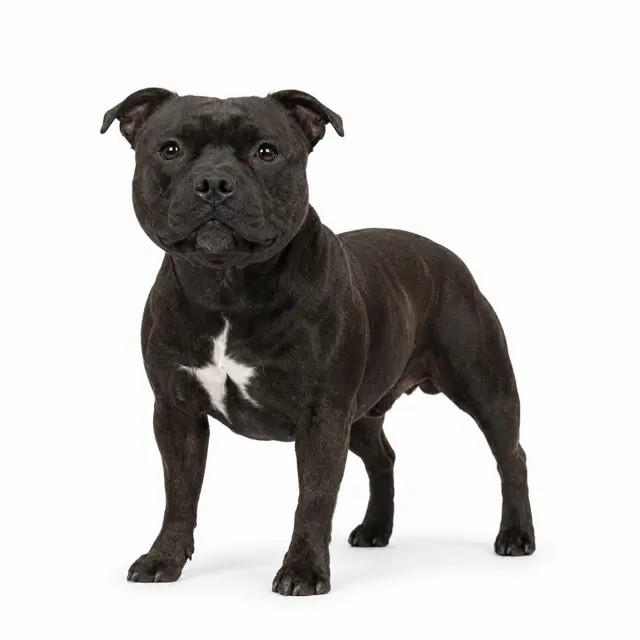
Staffordshire Bull Terrier
Affectionately known as the "nanny dog" — devoted, people-loving and famously gentle with children.
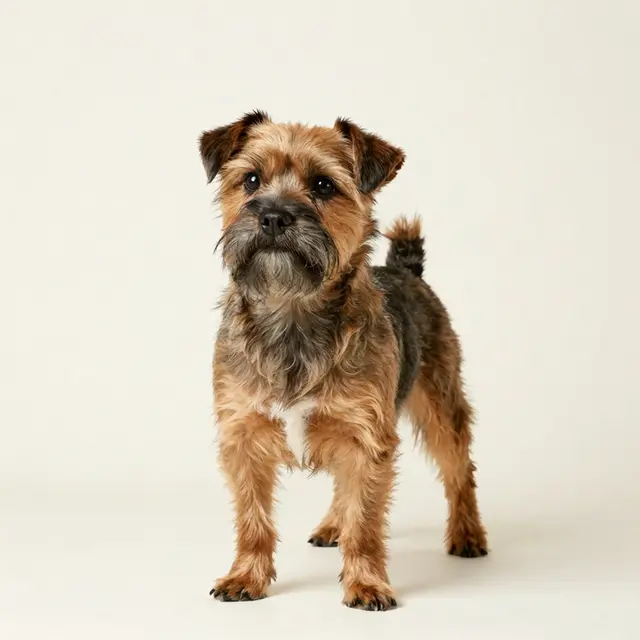
Border Terrier
A hardy, good-natured working terrier that’s friendlier with people and dogs than many of its terrier cousins.
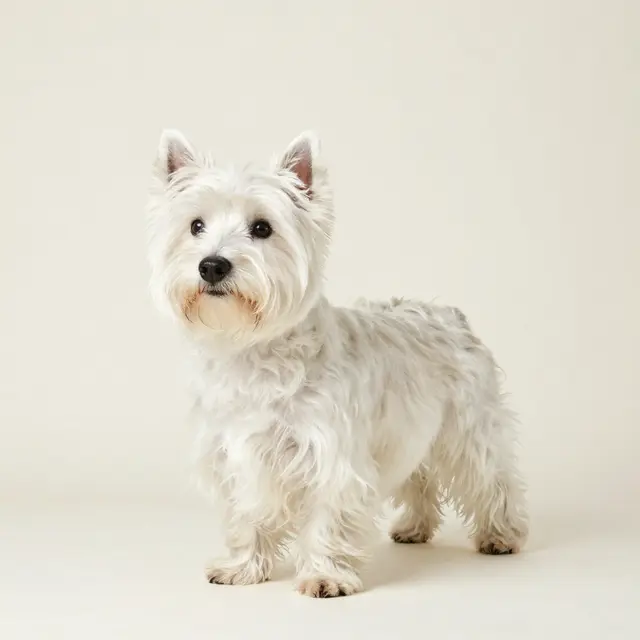
West Highland White Terrier
A confident, friendly little terrier — the "Westie" is hardy, characterful and adaptable to smaller homes.
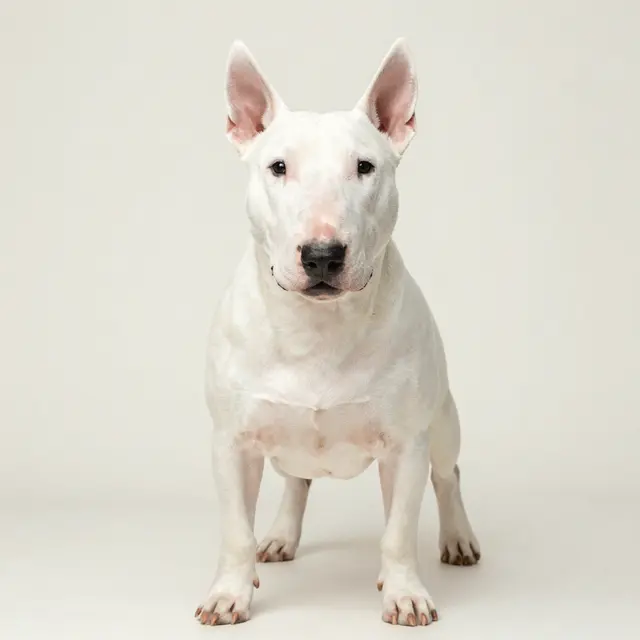
Bull Terrier
The unmistakable egg-headed clown — playful, affectionate and mischievous, but strong and stubborn.
Similar temperament
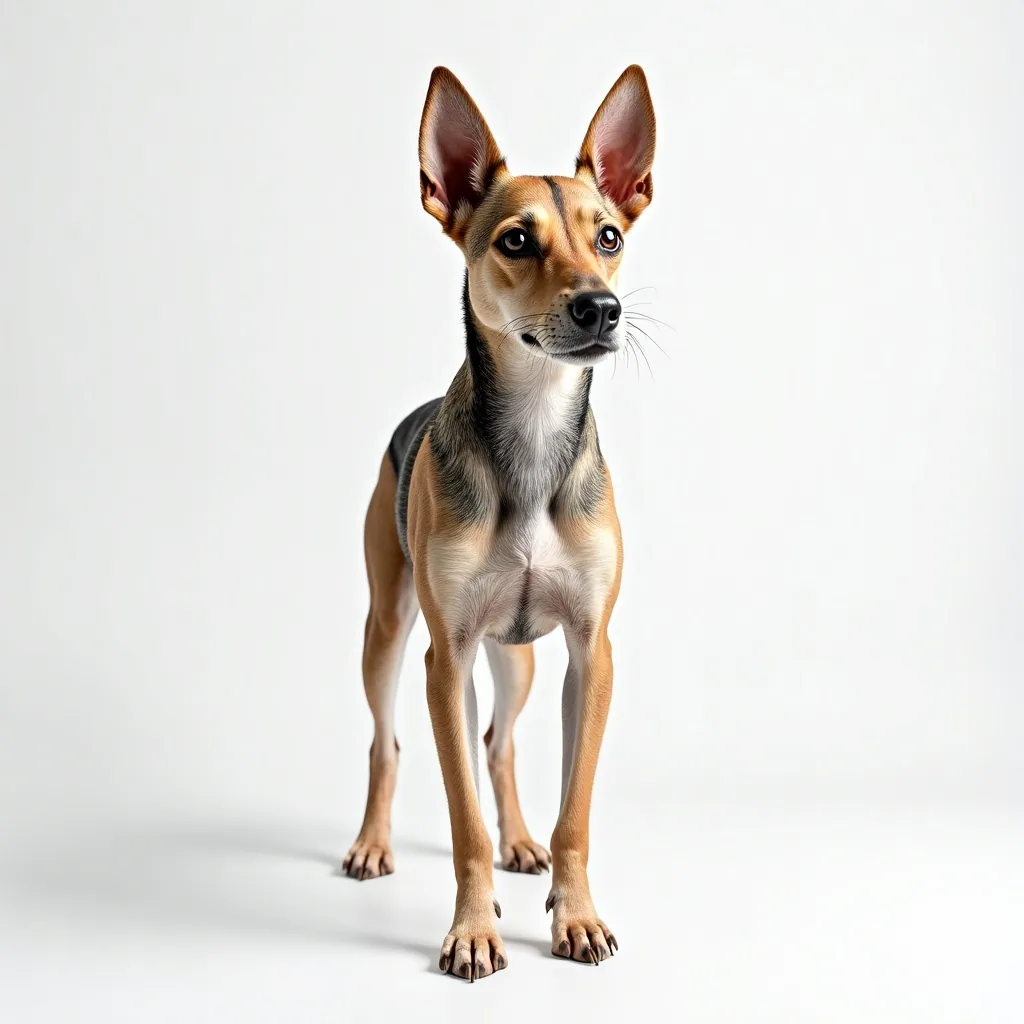
Andalusian Terrier
A small Spanish ratting terrier (Ratonero Bodeguero Andaluz). Lively, brave and quick, with strong working instincts and the typical terrier alertness and tenacity.
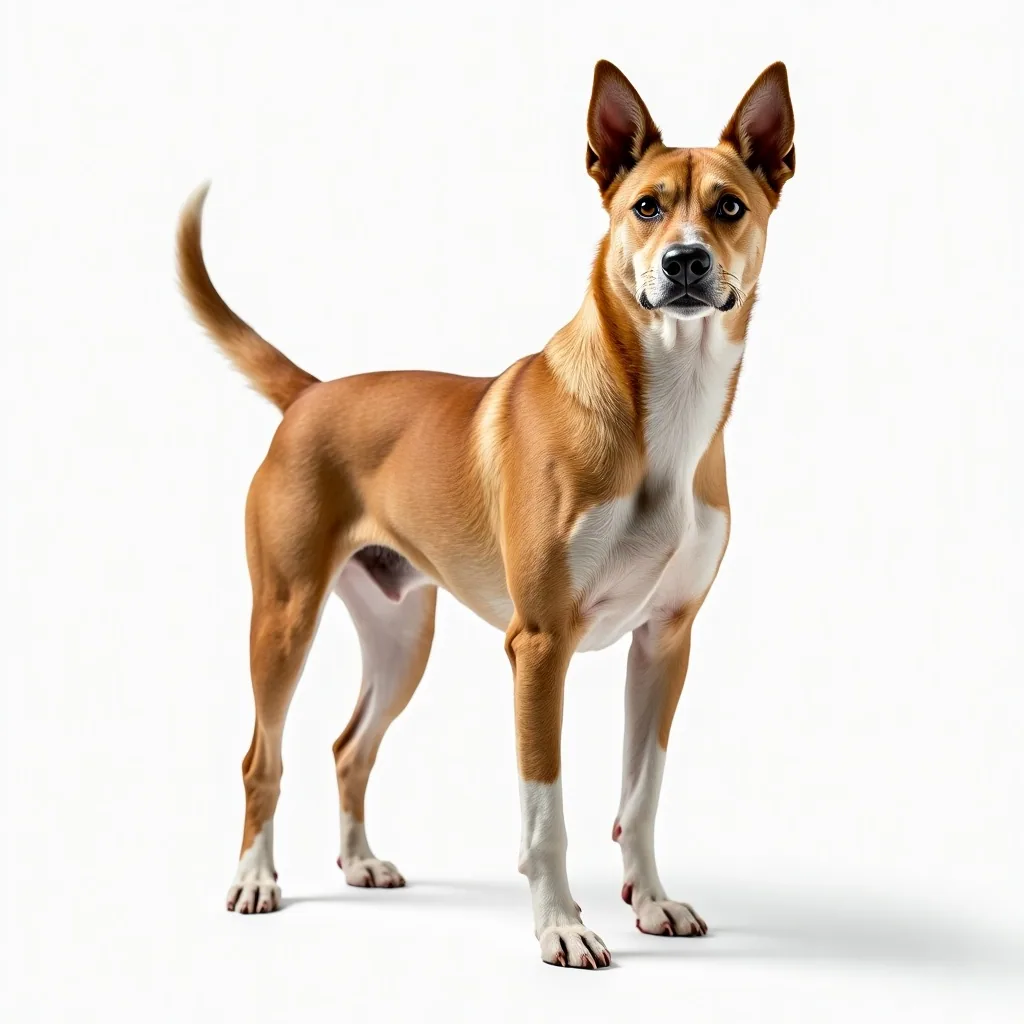
Billy
A large French pack scenthound bred for hunting large game such as deer and boar. Energetic, hardy and driven, with great stamina and a strong nose; can be assertive with other dogs and needs serious work.
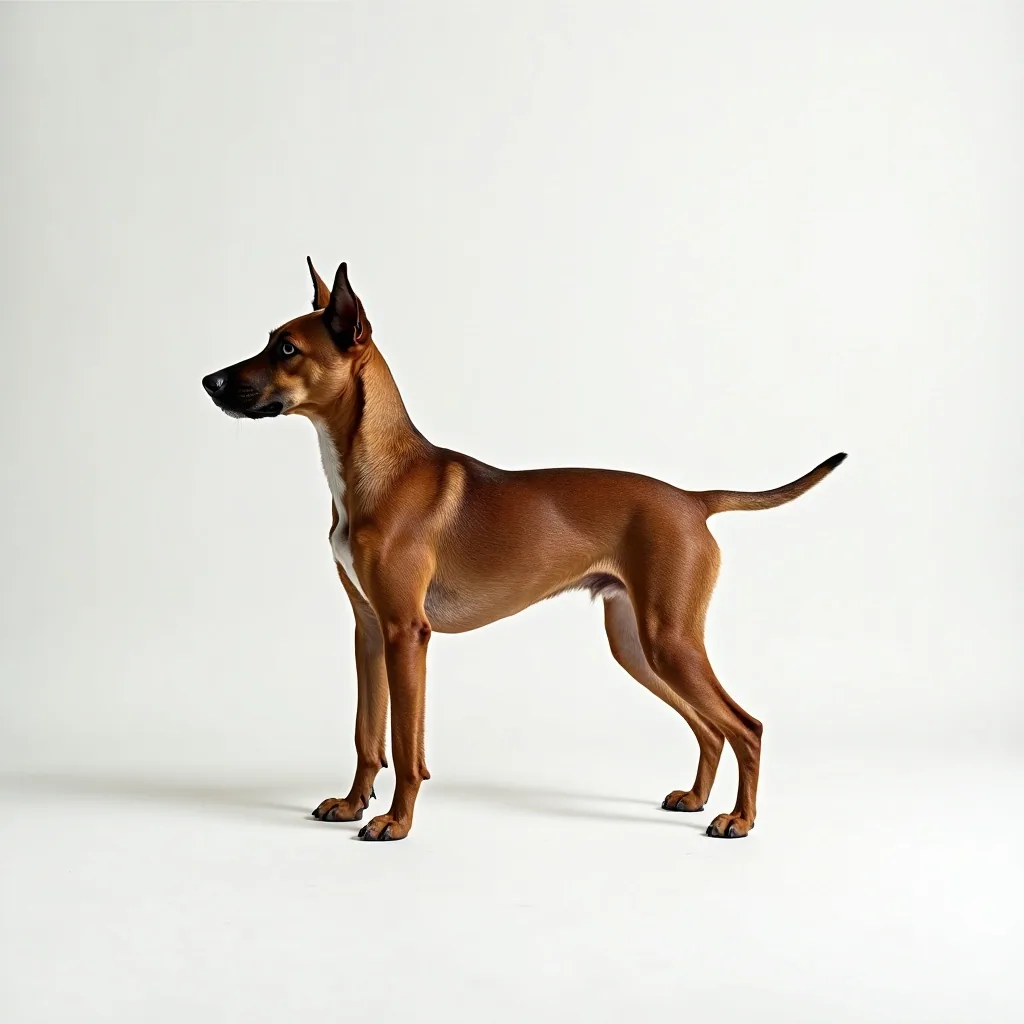
Ratonero Valenciano
A small Spanish ratting terrier from the Valencia region. Quick, brave and energetic, with strong working instincts and the alert, vocal nature of a vermin hunter.
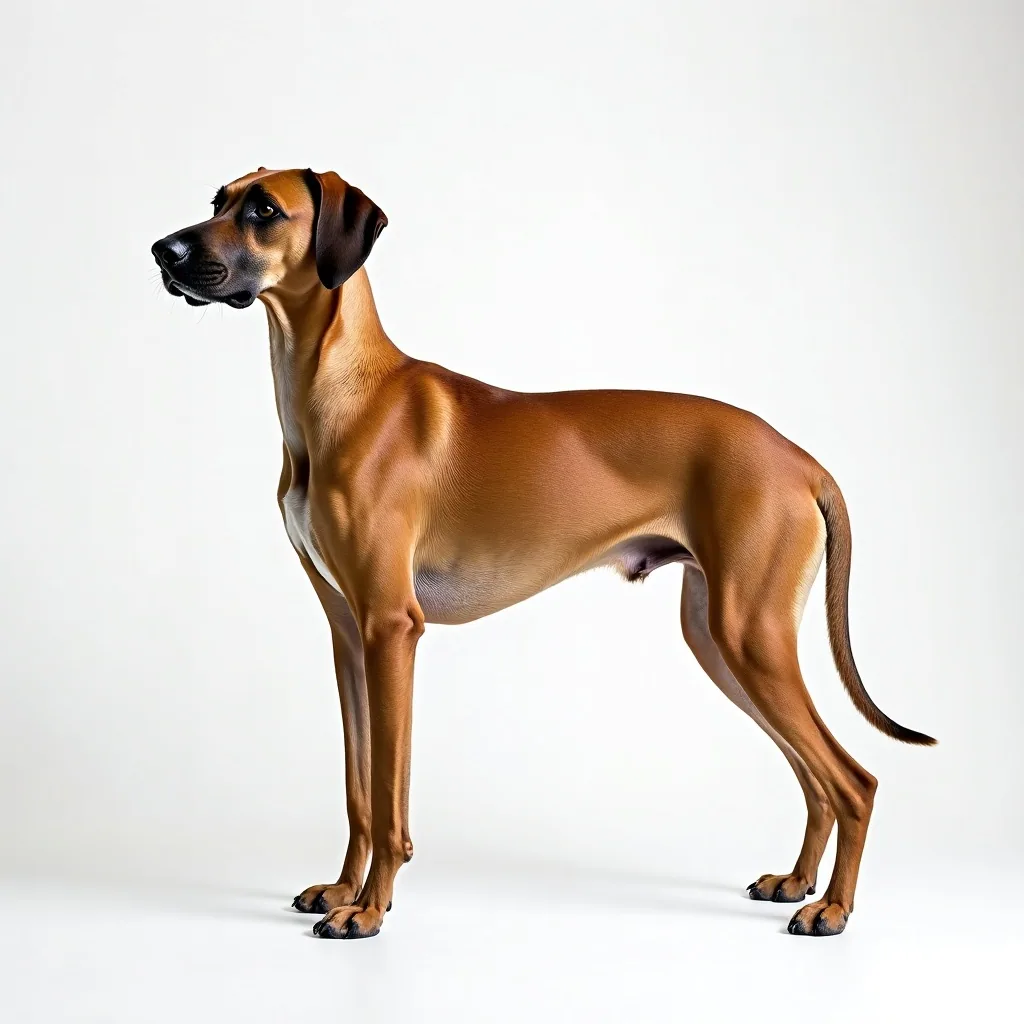
Greek Harehound
A rugged Greek scenthound bred to hunt hare in rough mountainous country. Hardy, lively and keen-nosed, but a single-minded worker rarely kept as a pet.
Similar size, different type
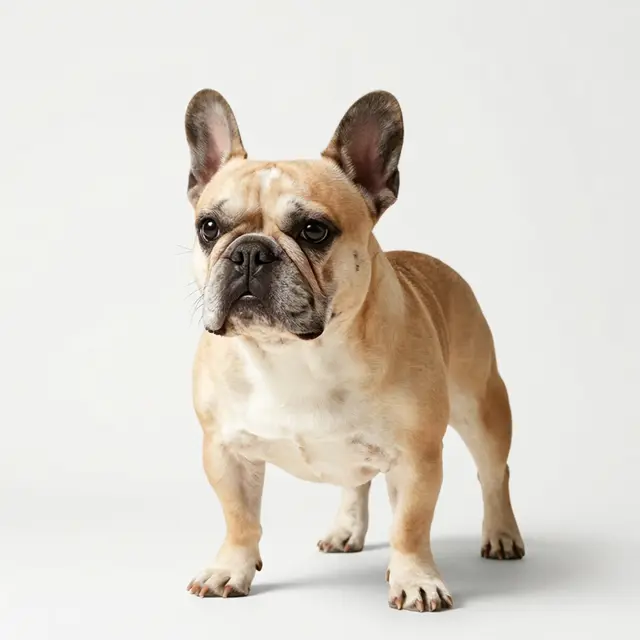
French Bulldog
A compact, easy-going companion that suits flats and modest exercise — but with serious health considerations.
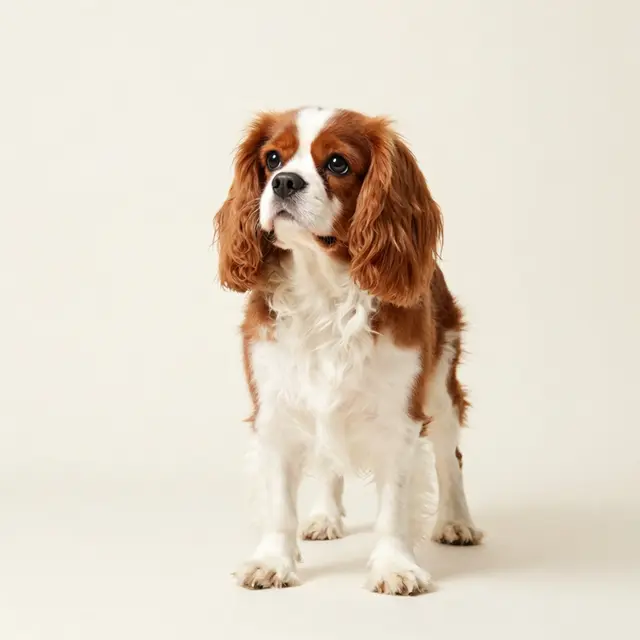
Cavalier King Charles Spaniel
A gentle, affectionate lap dog that’s wonderful with children and adapts happily to flat or house living.
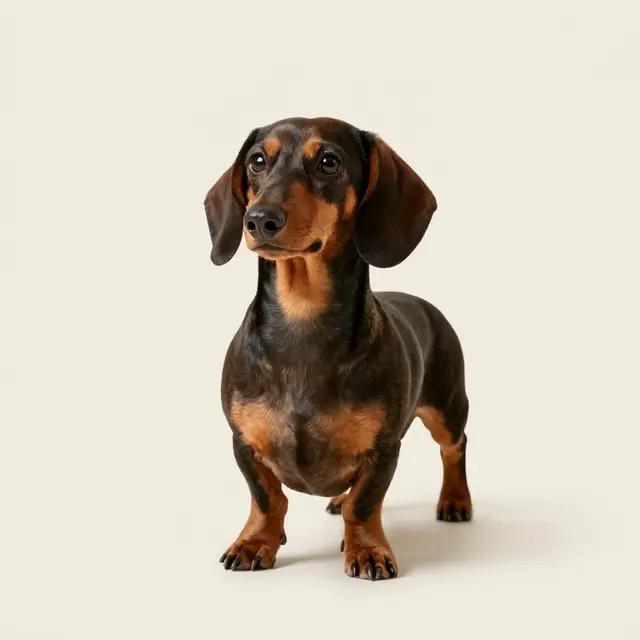
Dachshund
A bold, characterful "sausage dog" that suits smaller homes but needs careful handling of its long back.
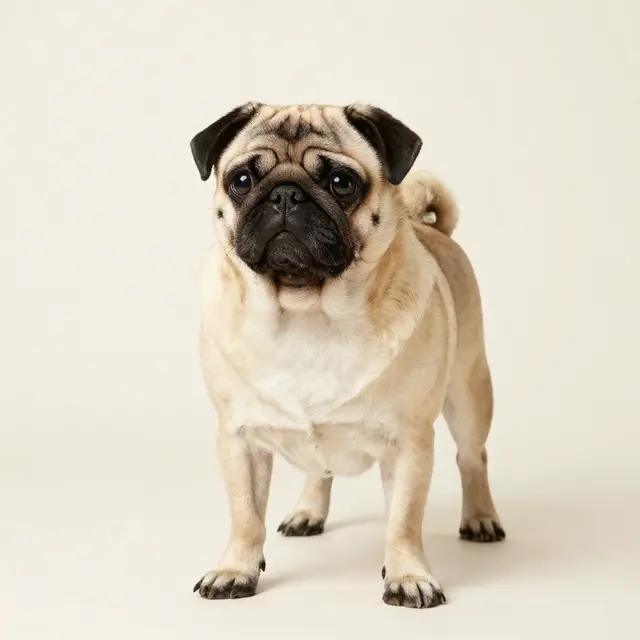
Pug
A charming, comical lap dog that’s content in a flat — but a flat face brings real health considerations.
Is the Jack Russell Terrier your breed?
Create your pet profile and get personalised food, toy, insurance and health recommendations — tailored to your dog.
Frequently asked questions
How long do Jack Russell Terriers live?
Jack Russell Terriers are one of the longest-lived breeds, typically reaching 13–16 years and often more. Their hardy working-terrier heritage means they're built for function and stamina rather than exaggerated looks, which helps. Keeping your dog lean, well-exercised, dentally healthy and up to date with vet care all help yours make the most of that long natural lifespan.
Are Jack Russell Terriers good family dogs?
They can be excellent family dogs for active households that understand terriers — affectionate, fun and devoted, and good with older, sensible children. The caveats are real: they're high-energy, strong-willed and have a strong prey drive, so they need plenty of exercise and training and supervision around very young children and small pets. For a busy, active family, a Jack Russell is a loyal and entertaining companion.
How much exercise does a Jack Russell Terrier need?
A healthy adult Jack Russell needs a good hour or more of real exercise a day, plus mental stimulation — they're high-drive working terriers, not low-needs small dogs. Walks, off-lead running, fetch, scent games and digging or problem-solving activities all suit them. Under-exercise them and you'll often see barking, digging and destructive behaviour, so meeting both their physical and mental needs is essential.
Are Jack Russell Terriers aggressive?
Aggression isn't a defining breed trait, but Jack Russells are bold, feisty terriers with a strong prey drive, and they can be scrappy with other dogs or intense about chasing small animals if not well socialised and managed. Towards people they're typically affectionate and friendly. Early socialisation, consistent training and sensible management of their prey drive bring out the confident, fun-loving terrier the breed is known for.
Do Jack Russell Terriers shed?
Yes, Jack Russells shed, despite their small size and short coat. They come in smooth, broken and rough coats, all of which shed year-round with a bit more seasonally. A weekly brush keeps loose hair down; rough and broken coats may also need occasional hand-stripping or tidying. They're low-maintenance on grooming overall, but they are not hypoallergenic.
Are Jack Russell Terriers hypoallergenic?
No. Jack Russell Terriers are not hypoallergenic — they shed and produce the dander and saliva proteins that trigger most dog allergies. No breed is genuinely hypoallergenic, and a shedding working terrier isn't a low-allergen choice. If allergies are a concern, spend time around the breed before deciding rather than relying on any hypoallergenic claim.
How big do Jack Russell Terriers get?
Jack Russells are a small breed. Adults typically stand around 25–30cm at the shoulder and weigh roughly 5–8kg, though there's variation in type and leg length. They usually reach their adult size by around 10–12 months. Small as they are, they're sturdy, athletic and far more energetic than their size suggests, so they need proper exercise rather than just being treated as a lapdog.
Are Jack Russell Terriers easy to train?
They're highly intelligent and learn quickly, but they're also independent and strong-willed, so they need an engaging, consistent approach rather than repetitive drilling. Short, fun, reward-based sessions work best, and early socialisation and recall training are especially important given their prey drive. Channel that clever terrier brain and a Jack Russell can learn almost anything; leave it idle and it'll invent its own entertainment.
Are Jack Russell Terriers good with children?
Fine with sensible, older children. As a general guide, Jack Russell Terriers tend to be fine with sensible, older children. Whatever the breed, always supervise dogs and young children and teach kids to interact gently.
How much exercise does a Jack Russell Terrier need?
As a healthy adult, a typical Jack Russell Terrier needs 2 hours or more, plus a job to do of exercise a day (120–180 minutes), split across walks plus play. Higher-energy dogs also need mental stimulation — sniffing, training games and puzzle feeders — to stay settled. Puppies, seniors and dogs with health conditions need less — ask your vet.
Do Jack Russell Terriers shed a lot?
Moderate shedding. Coat upkeep is wash-and-go — a quick brush now and then is usually enough.
Are Jack Russell Terriers easy to train and good for first-time owners?
Manageable for committed beginners. Jack Russell Terriers are best for owners ready to commit to consistent training and plenty of activity. Reward-based training and early socialisation help any dog.
Do Jack Russell Terriers bark a lot?
Vocal / alert barker. They can be quite vocal, so early training and enough exercise and stimulation help keep barking in check.
Are Jack Russell Terriers good with other dogs?
Generally fine with other dogs. Early, positive socialisation with other dogs from a young age makes a big difference.
Do Jack Russell Terriers suit flats or smaller homes?
Best with a garden. A Jack Russell Terrier is happiest with access to a secure garden and regular outdoor exercise.
Sources
- The Kennel Club — Jack Russell Terrier breed information: https://www.thekennelclub.org.uk/breed-standards/terrier/jack-russell-terrier/
- PDSA — Jack Russell Terrier breed guide: https://www.pdsa.org.uk/pet-help-and-advice/looking-after-your-pet/puppies-dogs/large-dogs/jack-russell-terrier
- Blue Cross — dog breeds and choosing a dog: https://www.bluecross.org.uk/advice/dog
- RSPCA — caring for your dog: https://www.rspca.org.uk/adviceandwelfare/pets/dogs
Recommended for your Jack Russell Terrier
Matched to a Jack Russell Terrier's size and their typical need for enrichment & mental stimulation, dental care, calming support.

Round Snuffle Foraging Mat for Dogs & Cats
A round fleece snuffle mat with dense colourful fabric strips and a drawstring edge. Hide treats among the folds to encourage natural foraging, ease boredom and slow down fast eaters.
£16.99

Calming Pheromone Dog Collars (4 Pack)
A four-pack of adjustable pheromone collars to help dogs settle in stressful moments.
£8.99

Pooch & Mutt Long-Lasting Fish Hide Chews
A single-ingredient cod skin chew for dogs from 6 months, 83.8% protein, grain free
£4.99

Pooch & Mutt Calming Fish Hide Chews
Hand-rolled cod skin dog chews with chamomile and lavender, 70.8% protein, grain free
£4.99

Squeaky Crinkle Duck Dog Toy
A soft plush duck dog toy with crinkle and squeak sounds to keep dogs engaged. Made from durable fabric for small, medium and large dogs, it is great for fetch, teething and interactive play.
£9.99

Interactive Rolling Dog Ball with Bird-Call Sounds
A motorised self-rolling dog ball that wobbles and rolls to keep your dog chasing and engaged. It plays bird-call sounds to spark interest, has rope tails for tugging and a simple external power switch. Great for boredom relief.
£13.99

Dog Snuffle Foraging Mat
A bone-shaped snuffle mat with varied flaps, pockets and textures that hide treats for your dog to forage out. It slows feeding, engages the nose and turns mealtimes into calm, enriching play.
£11.99

Round Plush Pet Bed with Attached Hooded Blanket
A soft round pet bed with a fleece-lined hooded blanket attached, so cats and small dogs can burrow in and stay cosy. The raised bolster sides offer a sense of security for calmer, warmer sleep.
From£23.99
Suggestions based on breed traits — always check sizing and suitability for your individual dog.
Got a Jack Russell Terrier? Save them to a pet profile for tailored picks across the whole site.
Happier, healthier pets — in your inbox.
Breed care tips, seasonal advice and first access to new arrivals. No spam, unsubscribe anytime.
Every dog is an individual — temperament and needs vary. Please research thoroughly, meet dogs in person, and consider adopting from a rescue. This is general guidance, not a substitute for advice from your vet or a qualified trainer.