
Staffordshire Bull Terrier
Bred in the Black Country in the 1800s and now a much-loved UK family breed, the Staffie is famous for its devotion to people — historically nicknamed the 'nanny dog' for its fondness of children. Affectionate, courageous and clownish, it's far gentler with people than its reputation suggests. It suits families who'll socialise and train it well and manage its sometimes-iffy tolerance of other dogs.
Staffordshire Bull Terrier scorecard
Overview
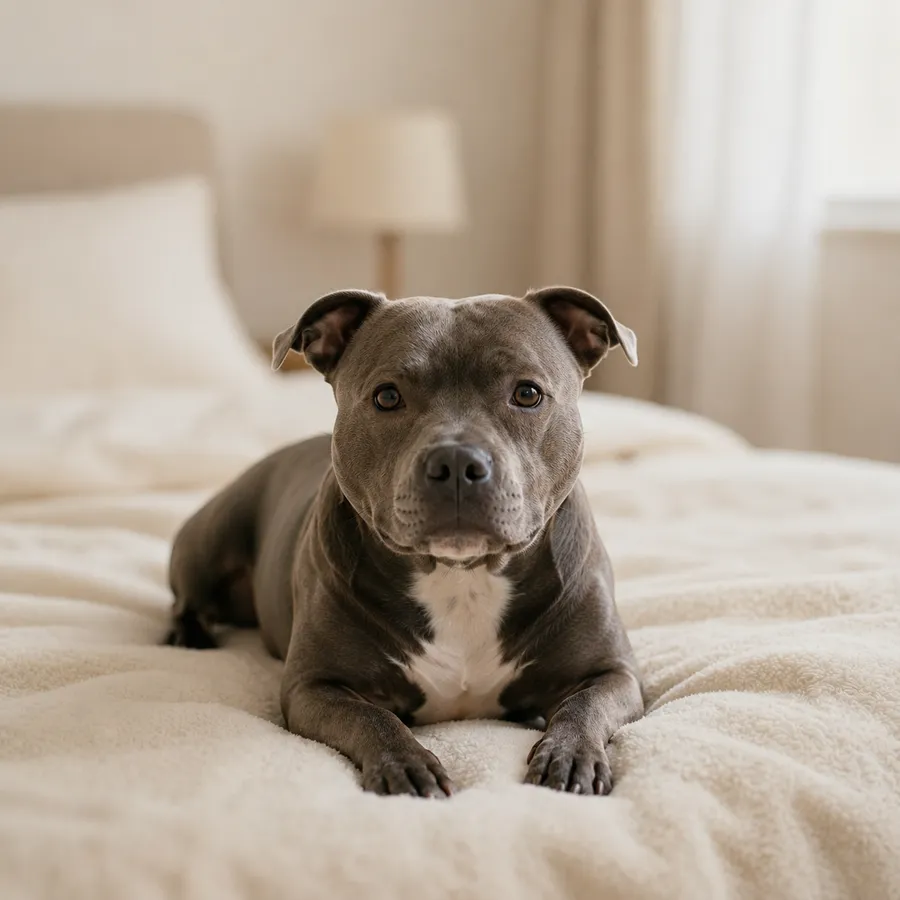
The Staffordshire Bull Terrier is one of Britain's most popular and most misunderstood breeds: a compact, muscular and remarkably affectionate dog whose devotion to people has earned it the enduring nickname of the "nanny dog". Standing around 35–41 cm at the shoulder and weighing roughly 11–17 kg, the Stafford packs tremendous strength and athleticism into a medium-sized frame, with a broad head, powerful jaws, a short smooth coat and an expressive, almost smiling face. Despite an imposing physique, the breed's character is overwhelmingly warm, playful and people-loving.
Famously gentle and patient with children and intensely loyal to its family, the Staffordshire Bull Terrier is at heart a companion dog that wants nothing more than to be with its people. Its short, low-maintenance coat and generally robust constitution make it a practical choice for many households, while its courage, sense of fun and boundless affection make it a genuinely rewarding family dog for owners who understand its needs and are committed to good training and socialisation.
Good to know — a Staffordshire Bull Terrier is best with a garden and good for first-time owners. Every dog is an individual, so meet a few and chat to a good breeder or rescue before deciding.
Save the Staffordshire Bull Terrier guide
Thinking about a Staffordshire Bull Terrier? Pop your email in and we’ll send this guide so you can come back to it any time — handy while you compare breeds.
Popular searches for the Staffordshire Bull Terrier
History & origins
The Staffordshire Bull Terrier originated in the industrial heartlands of nineteenth-century England, particularly the Black Country and the Staffordshire region from which it takes its name. It was developed by crossing bulldogs of the era with terriers to produce a smaller, more agile and tenacious dog. The breed's early history is bound up with the blood sports of the period, and these origins are an important and uncomfortable part of its past; when such sports were outlawed, the breed's future came to rest on its qualities as a companion.
What is striking, and central to the modern breed's character, is that despite this history the Staffordshire Bull Terrier was always bred to be trustworthy and gentle with people, and it became cherished as a family dog in working communities. The Kennel Club formally recognised the breed in 1935, and it has since grown into one of the most popular breeds in the United Kingdom. The breed standard explicitly emphasises its affectionate nature, and the Stafford is consistently described as bold, fearless and utterly reliable with its human family.
Temperament & family fit
The defining quality of the Staffordshire Bull Terrier is its love of people. Affectionate, loyal and courageous, the Stafford bonds intensely with its family and is renowned for being exceptionally good-natured and patient with children — the origin of its "nanny dog" reputation. It is typically confident, fun-loving and playful, with a zest for life that makes it an engaging and entertaining companion. Properly raised and socialised, the breed is dependable, sensible and deeply devoted.
The important caveat concerns other dogs. As a breed with terrier and bulldog ancestry, some Staffords can show a tendency towards dog-directed reactivity, and not every individual will welcome the company of unfamiliar dogs, particularly without early and ongoing socialisation. This is a matter of careful management rather than a reflection on temperament towards people, with whom the breed is overwhelmingly gentle. Early socialisation, sensible introductions and good handling allow most Staffords to live sociable, well-adjusted lives, and many get on perfectly well with other dogs they have grown up with.
- Families with children of all ages
- Committed first-time owners
- Homes with a secure garden
Training & intelligence
Staffordshire Bull Terriers are intelligent, willing and quick to learn, and they respond very well to positive, reward-based training that makes use of their love of people, food and play. They are strong and enthusiastic dogs, so teaching good lead manners, a reliable recall and steady impulse control from puppyhood is well worth the effort, as is establishing calm, consistent boundaries. Their eagerness to please their owners makes training a genuine pleasure when approached with patience and encouragement.
Early and ongoing socialisation is especially important for this breed, particularly around other dogs. Positive, controlled exposure to a wide variety of people, animals and environments during puppyhood helps a Stafford grow into a confident, well-mannered adult. Harsh or confrontational methods are unnecessary and counterproductive with such a sensitive, owner-focused dog; firm, fair, reward-based guidance brings out the best in the breed and strengthens the close bond Staffords naturally form with their families.
- Start socialisation & handling early
- Reward-based methods only — no harsh corrections
- Channel energy into training games & enrichment
Exercise needs
A healthy adult Staffordshire Bull Terrier typically needs 90 minutes to 2 hours a day (roughly 90–120 minutes), split across walks, play and a little training. Higher-energy dogs also need their brains tired — sniffy walks, training games and puzzle feeding go a long way. Puppies, seniors and dogs with health conditions need adjusted amounts — check with your vet.
Grooming & coat
Grooming a Staffordshire Bull Terrier is refreshingly straightforward. The short, smooth, close-lying coat needs only minimal care: a weekly brush with a rubber grooming mitt or short-bristled brush removes loose hair and keeps the coat glossy, and the breed sheds only moderately. Staffords need only occasional baths when genuinely dirty, as over-bathing can strip the coat of its natural oils. Beyond coat care, routine maintenance — regular nail trimming, tooth brushing to support dental health, and periodic checking of the ears and skin — is all that is required to keep a Stafford looking and feeling its best, making it an excellent choice for owners who want a low-maintenance coat.
- Brush occasionally to remove loose hair
- Bathe every few weeks or as needed
- Check ears, nails and teeth weekly
Feeding a Staffordshire Bull Terrier
A Staffordshire Bull Terrier should be fed a complete, good-quality diet appropriate to its age, size and activity level, divided into measured daily meals rather than fed free-choice. As a muscular and active breed, the Stafford does well on a balanced diet that supports its lean, athletic condition, but the breed can be prone to gaining weight if overfed and under-exercised, so portions should be matched to the individual dog and adjusted over time. Treats are valuable for training but should be counted within the daily ration. Owners should keep fresh water available at all times and monitor body condition regularly, aiming to keep the ribs easily felt and a clear waistline visible. Any unexplained change in appetite or weight should be checked with a vet.
A medium breed
An adult Staffordshire Bull Terrier typically weighs 11–17 kg, so a healthy Staffordshire Bull Terrier eats a moderate amount compared with other breeds. Every feeding guide on a bag is written per kilo of body weight, not per breed — start there, then adjust to the dog in front of you.
Life stage
A medium breed is usually done growing at ~12 months, which is roughly when a puppy food has finished its job. With a typical lifespan of 12–14 years, there is a long adult stretch in the middle; switch to a senior food when your vet thinks it is worth it rather than on a birthday.
A high-energy dog eats like one
Staffordshire Bull Terriers sit at the top end for energy, and a dog working through an hour and a half of real exercise a day burns through the feeding guide faster than a dog on a short stroll. Feed to the dog's condition, not to the middle of the range on the bag.
This breed tends to bolt its food
A food-motivated dog will empty a bowl in under a minute given the chance. A slow feeder or a puzzle bowl turns a meal back into something that takes time, and splitting the daily ration across two or three meals helps as well.
How much should a Staffordshire Bull Terrier weigh?
Adult 11–17 kgfully grown at ~12 months
| Age | Stage | Typical weight | Of adult size |
|---|---|---|---|
| 8 weeks | Just home | 1.7–2.6 kg | 15% |
| 3 months | Young puppy | 2.8–4.3 kg | 25% |
| 6 months | Growing fast | 5.5–8.5 kg | 50% |
| ~12 months | Fully grown | 11–17 kg | 100% |
A guide, from the same rule of thumb our puppy growth predictor uses — each age is that share of the way to maturity for a medium breed. Puppies grow fastest early, so a real puppy usually sits a little above the middle rows. Weigh yours and ask your vet if the number worries you.
Complete dog foods that suit a Staffordshire Bull Terrier
Complete foods from our range, matched to a Staffordshire Bull Terrier's size band and what the breed typically needs. Stock levels and delivery dates are live on each product.

Simpsons Dog Sensitive Lamb Potato
A grain-free lamb and potato dry food for dogs with sensitive skin or digestion
From£17.05

Forthglade Cold Pressed Natural Turkey
Cold-pressed turkey kibble for dogs from 2 months, soft enough to mix with water for young pups
£45.99

Forthglade Cold Pressed Grain Free Salmon
Cold-pressed grain-free dry food for dogs, built on fresh and dried salmon
From£16.99

Forthglade Cold Pressed Grain Free Duck
Cold-pressed grain-free duck food with fruit and botanicals, in two bag sizes
From£16.99

Forthglade Cold Pressed Grain Free Chicken
Cold-pressed grain-free chicken food with fruit and botanicals, in three bag sizes
From£16.99

Forthglade Complete Meal Lightly Baked Turkey
A lightly baked complete dry food, 50% turkey, for adult dogs of any breed
From£12.49

Forthglade Complete Meal Lightly Baked Chicken
A grain-free complete dry food for adult dogs, lightly baked and built on 50% chicken
From£12.49

Forthglade Cold Pressed Grain Free Turkey
Grain-free cold-pressed turkey kibble for dogs, gentle on sensitive stomachs
£69.69

Forthglade British Classics Chicken Family Lunch
Complete Forthglade wet dog food with 75% chicken in a 395G tray
£2.45

Harringtons Puppy Turkey & Rice
Complete turkey puppy food with 30% protein and feeding bands by adult weight
£6.49

Harringtons Just 6 Dry Dog Food Lamb
Grain-free lamb dry dog food in 2KG and 12KG sizes, with size-specific formulas
From£13.99

Burns Puppy Original Lamb & Rice
Complete Burns lamb and rice puppy food in a 2KG bag for up to 12 months
£14.99
Staffordshire Bull Terrier health & costs
Before bringing a Staffordshire Bull Terrier home it pays to budget for the whole picture — food, insurance, grooming and routine vet care all add up. The figures below are typical UK estimates for a healthy adult; your real costs vary with where you live, your dog's health and the cover you choose.
Food
£400–600 / year
Complete food sized to weight & life stage
Insurance
£25–45 / month
Lifetime cover — varies by age, breed & area
Grooming
£0–60 / year
Mostly DIY at home
Routine vet care
£200–450 / year
Vaccines, flea/worm, annual check
The Staffordshire Bull Terrier is generally a healthy, hardy breed with a typical lifespan of around 12–14 years, and its short coat and sturdy build make it a robust companion. As with all pedigree breeds, however, there are some inherited conditions that occur within the breed, and responsible breeders use the DNA tests and health-screening schemes available through the Kennel Club and the British Veterinary Association to reduce their incidence. Prospective buyers should always ask to see the relevant health-test certificates for both parents.
Two inherited eye conditions in particular — hereditary cataract and a metabolic eye disorder — can be screened for by DNA testing, and responsible breeders test their breeding stock accordingly. The breed can also be prone to skin and allergic conditions, and its muscular, short-coated build means owners should take care to prevent overheating in hot weather. With sensible weight management, attention to skin and dental health, up-to-date preventive healthcare and routine veterinary checks — and by buying from a breeder who health-tests — most Staffords enjoy long, active and healthy lives.
Common health conditions to be aware of
- Hereditary cataract (HC) — an inherited clouding of the lens that can cause vision loss; a DNA test is available and used by responsible breeders
- L-2-hydroxyglutaric aciduria (L-2-HGA) — an inherited metabolic disorder affecting the nervous system; a DNA test allows breeders to avoid producing affected puppies
- Skin allergies and atopic dermatitis — the breed can be prone to allergic skin conditions causing itching and irritation
- Hip dysplasia — abnormal development of the hip joint that can lead to pain and arthritis; breeding stock can be hip-scored
- Patellar luxation — slipping of the kneecap, seen in some individuals, which can affect mobility
- Heat sensitivity — the muscular, short-faced, short-coated build means Staffords can overheat readily during intense exercise in hot weather
These reflect typical, size- and coat-related risks for dogs like the Staffordshire Bull Terrier; individual breeds carry their own predispositions. Always buy from health-tested parents and speak to your vet — this isn't a diagnosis.
Protect against surprise bills
A single emergency can run into thousands. Lifetime insurance spreads the risk.
Estimate insurance →How pet insurance works →Puppy & senior care
Bringing home a Staffordshire Bull Terrier puppy
Puppies need controlled exercise (a rough guide is five minutes per month of age, twice a day) to protect growing joints, little-and-often meals of a complete puppy food, early socialisation, and a calm routine for toilet training and sleep. Book first vaccinations, microchipping and a vet check early.
New puppy checklist →Caring for a senior Staffordshire Bull Terrier
As they age, watch weight, joints and teeth, switch to a senior diet if your vet advises, keep exercise gentle but regular, and consider orthopaedic bedding and ramps. Twice-yearly vet checks help catch issues early.
Orthopaedic beds & mobility →Pros & cons
The good bits
- Extremely affectionate and great with children
- Short, easy-care coat and robust good health
Things to consider
- Strong and muscular — needs good training and can be dog-reactive with other dogs
- High energy; needs daily exercise and plenty of human company
Staffordshire Bull Terrier health & care guides
In-depth, vet-sensible guides written for Staffordshire Bull Terrier owners:
Compare the Staffordshire Bull Terrier
See how the Staffordshire Bull Terrier measures up against similar breeds before you decide:
More breeds like the Staffordshire Bull Terrier
Same breed group
Jack Russell Terrier
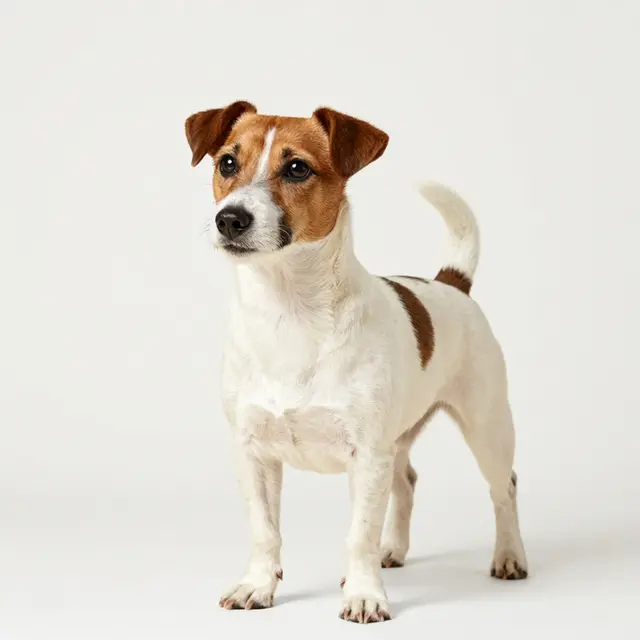
A small dog with a huge personality — bold, clever and bursting with energy and prey drive.
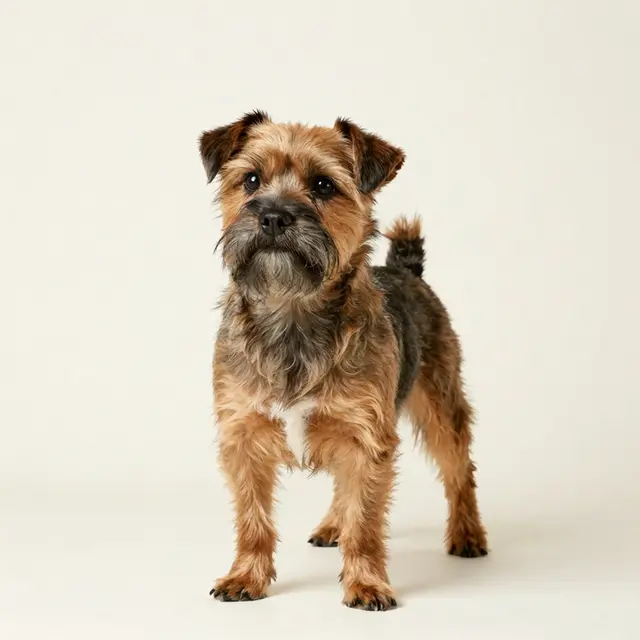
Border Terrier
A hardy, good-natured working terrier that’s friendlier with people and dogs than many of its terrier cousins.
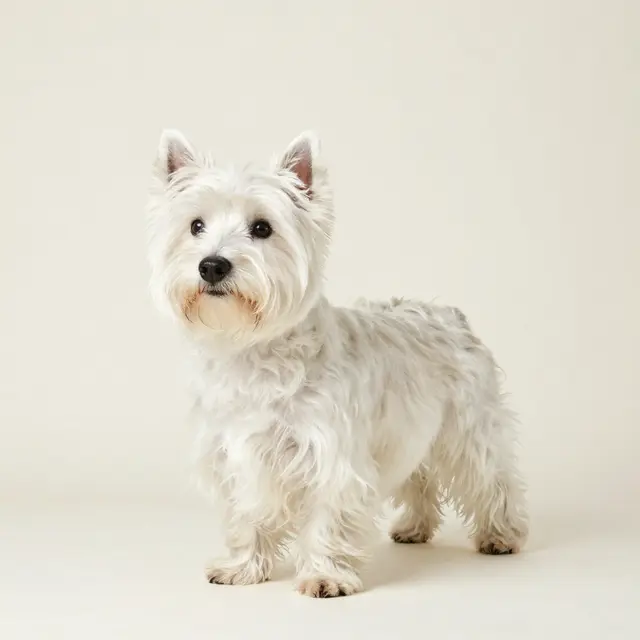
West Highland White Terrier
A confident, friendly little terrier — the "Westie" is hardy, characterful and adaptable to smaller homes.
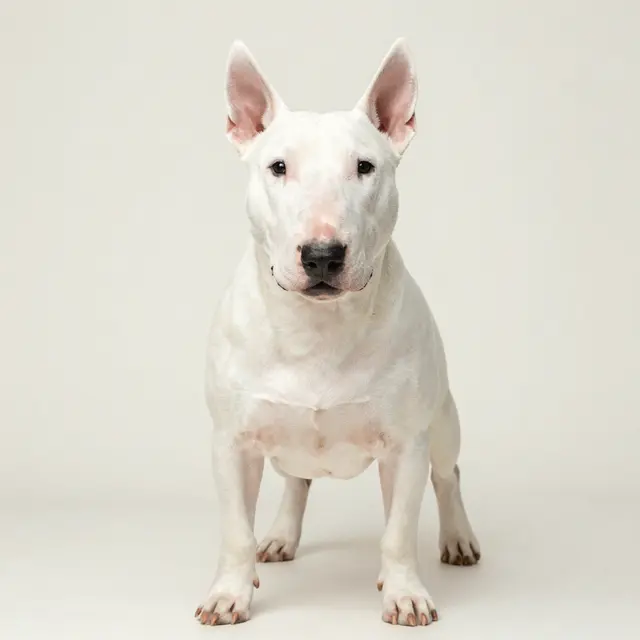
Bull Terrier
The unmistakable egg-headed clown — playful, affectionate and mischievous, but strong and stubborn.
Similar temperament
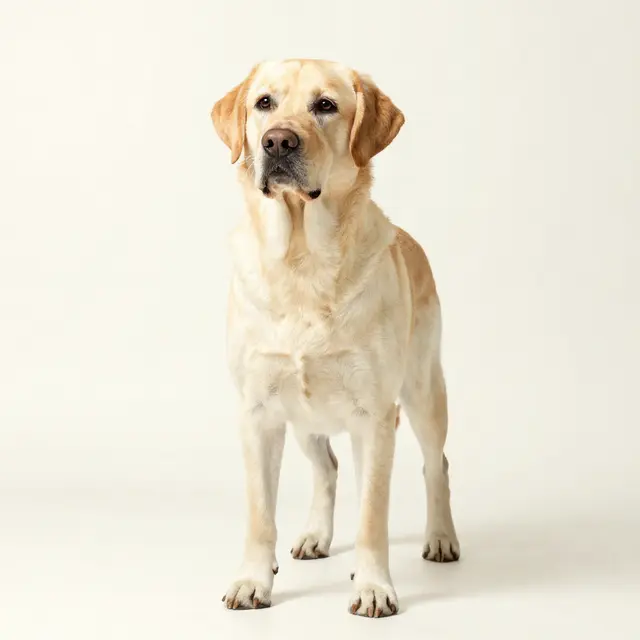
Labrador Retriever
The UK’s most popular family dog — friendly, biddable and brilliant with children, but needs proper exercise.
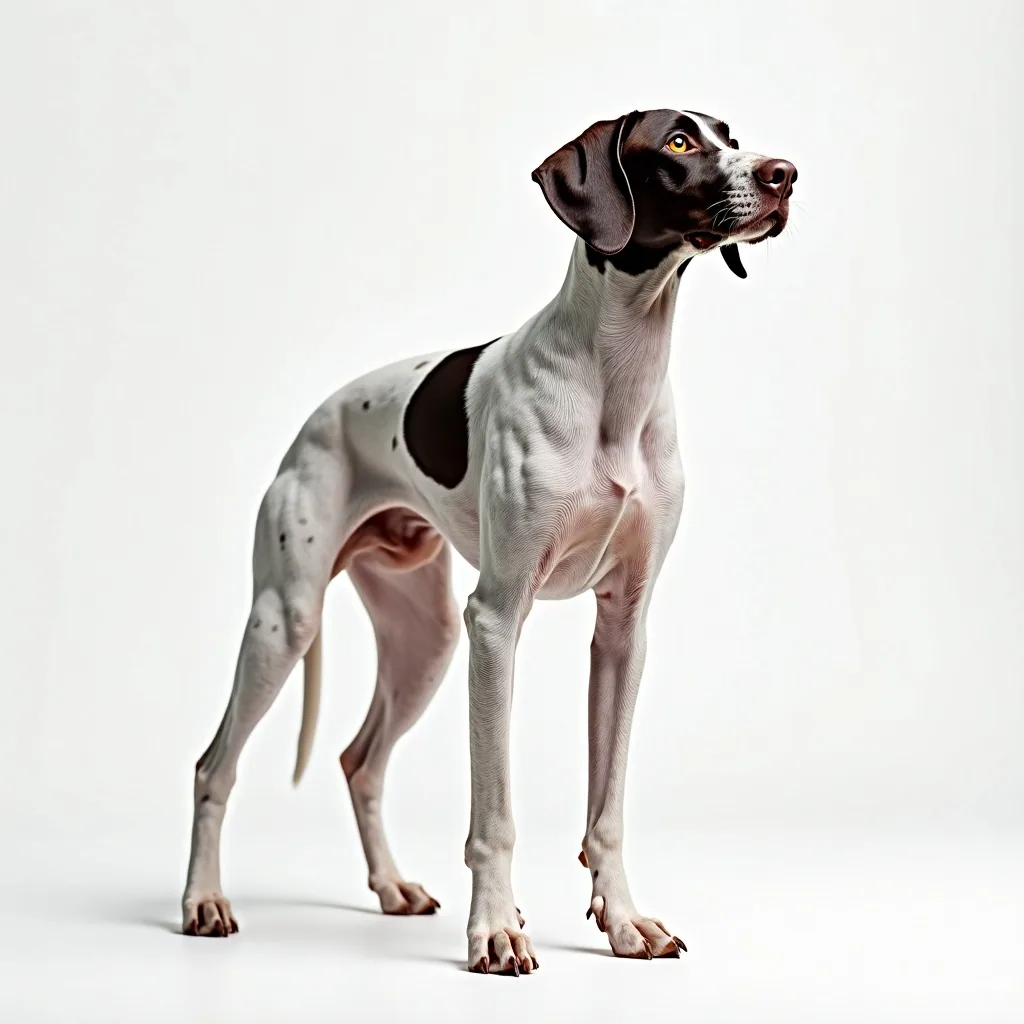
Ariège Pointer
A French pointing gundog (Braque de l'Ariège) bred to work in hot southern terrain. Gentle and affectionate at home, but needs space and plenty of exercise.
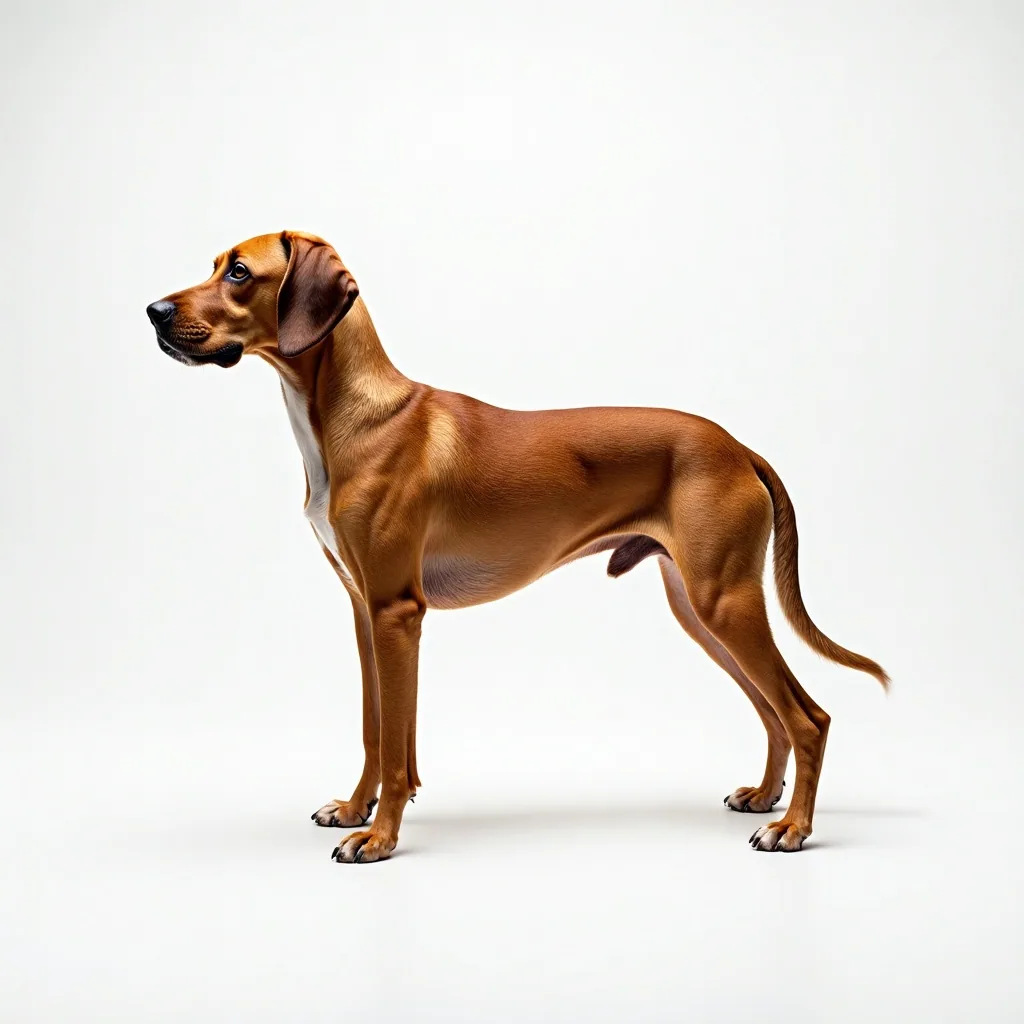
Bracco Italiano
An ancient Italian pointing gundog with a noble, houndy look. Gentle, affectionate and sociable, making a good family gundog, but it needs plenty of exercise and can be sensitive and a little stubborn in training.
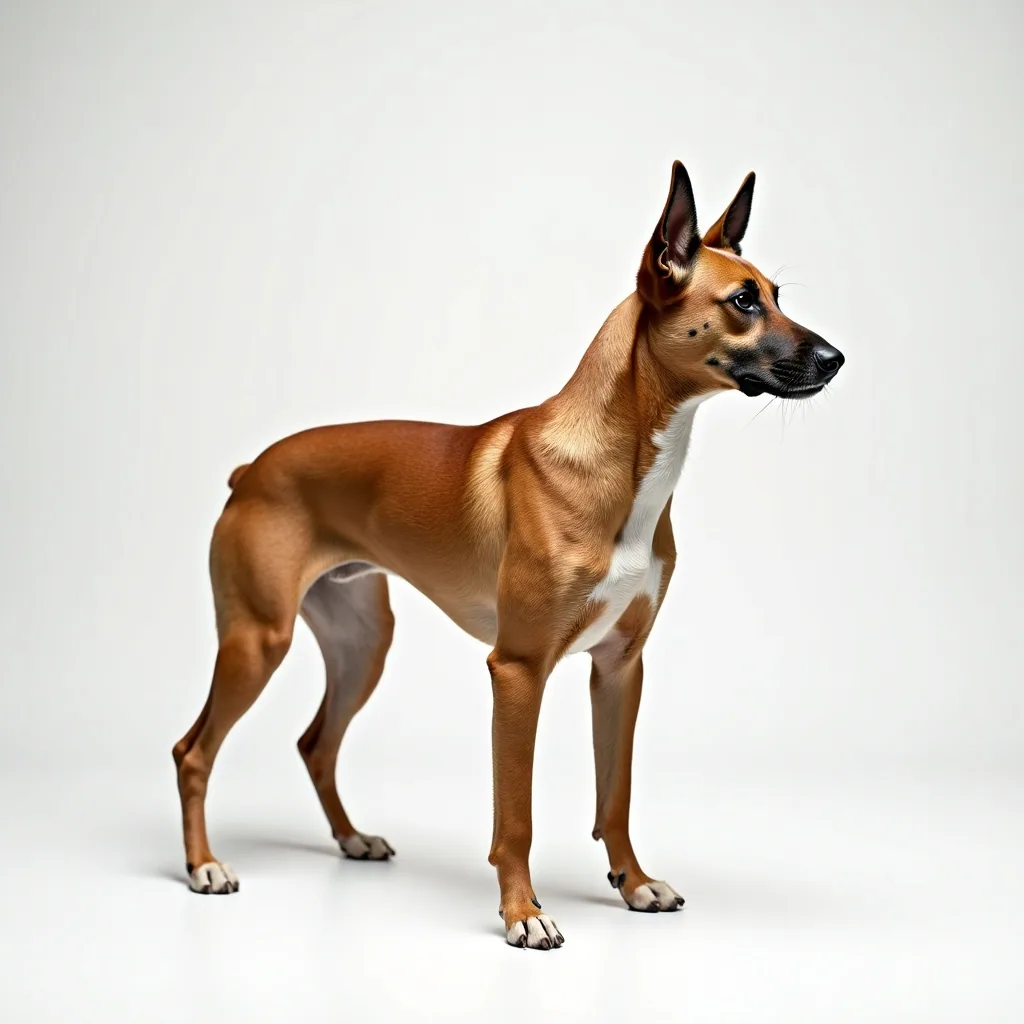
Braque d'Auvergne
A French pointing gundog with a striking black-and-white ticked coat. Gentle, affectionate and biddable, making a friendly family companion and worker that needs plenty of exercise and a job to do.
Similar size, different type
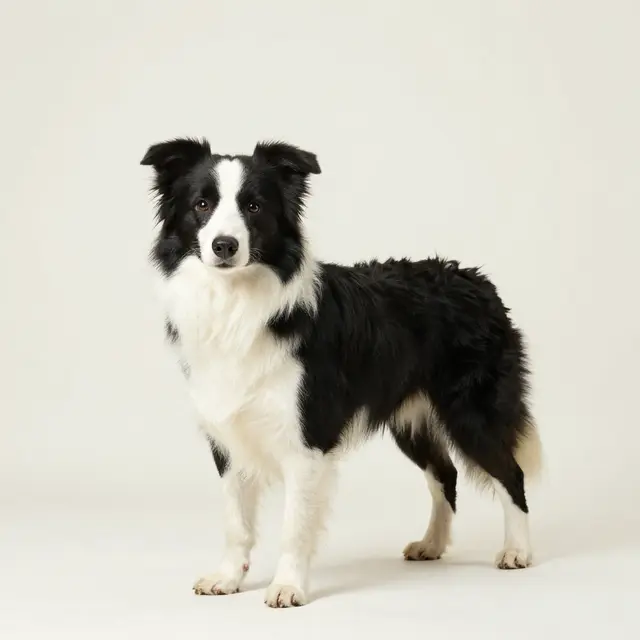
Border Collie
The ultimate working brain — astonishingly clever and trainable, but needs hours of exercise and a job to do.
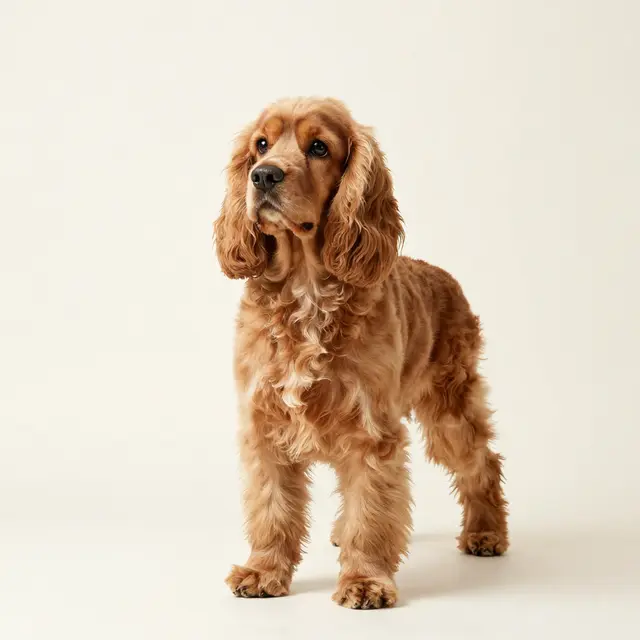
Cocker Spaniel
A merry, affectionate gundog that loves people and activity — happiest with a job and regular grooming.
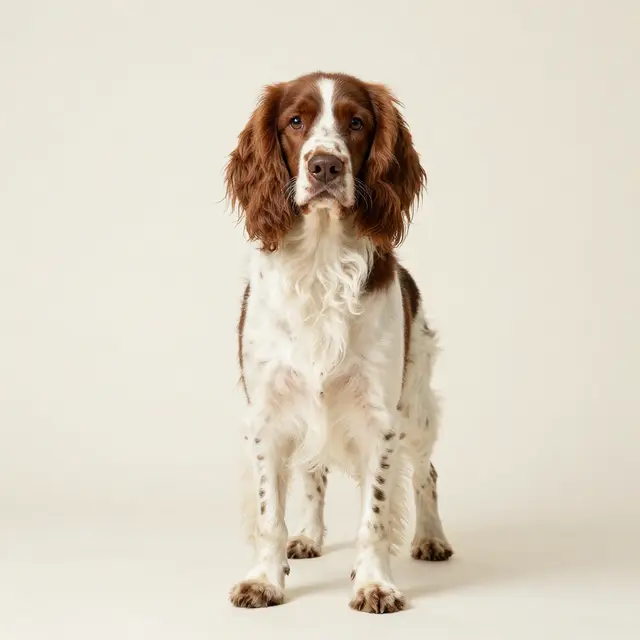
English Springer Spaniel
A tireless, enthusiastic working gundog that needs serious daily exercise and mental stimulation.
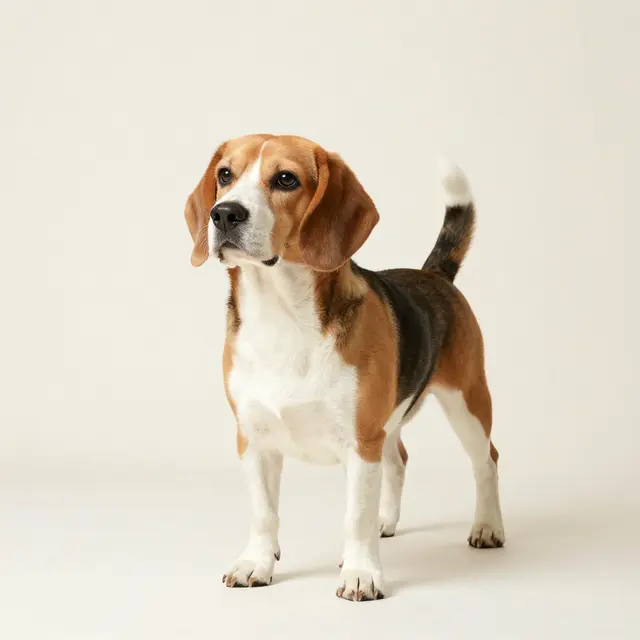
Beagle
A merry, pack-loving scent hound — sociable and great with kids, but ruled by its nose.
Is the Staffordshire Bull Terrier your breed?
Create your pet profile and get personalised food, toy, insurance and health recommendations — tailored to your dog.
Frequently asked questions
Are Staffordshire Bull Terriers dangerous?
No — there's no good evidence Staffies are inherently dangerous to people, and the charities that handle thousands of them (RSPCA, Blue Cross, Dogs Trust, Battersea) consistently describe them as affectionate, loyal, people-loving dogs. Human aggression is not a breed trait. They are strong, energetic dogs that deserve responsible ownership and good socialisation, and some can be less tolerant of other dogs — but as family companions they're famously devoted and gentle.
Are Staffordshire Bull Terriers banned in the UK?
No. The Staffordshire Bull Terrier is a fully legal, Kennel Club-recognised breed and is not on the UK's banned list. The Dangerous Dogs Act bans specific types — the Pit Bull Terrier and, more recently, the XL Bully — and the Staffie is not among them. They're sometimes confused with banned types because of a rough physical similarity, but they are a distinct, recognised and legal breed.
How long do Staffordshire Bull Terriers live?
Staffies typically live to around 12–14 years, reflecting a generally sturdy, healthy breed. Genetics set the range, but keeping your dog lean and muscular (not heavy), providing good exercise, staying on top of skin and dental health, and regular preventive vet care all help yours reach the upper end. A well-bred, well-cared-for Staffie is very much a long-term companion.
Are Staffies good family dogs?
Yes — Staffies are one of the classic family breeds, historically nicknamed the 'nanny dog' for their fondness of children. They're typically affectionate, loyal, playful and devoted to their people. They need exercise, training and early socialisation, and as with any dog, interactions with young children should be supervised. Well-raised, a Staffie is an affectionate, fun and dependable family companion.
Are Staffies good with other dogs?
It varies by individual. Staffies are terriers with a history that means some can be less tolerant of other dogs, while many well-socialised Staffies live happily alongside other pets. Early, positive socialisation makes a big difference, as does sensible management around unfamiliar dogs until you know your own dog well. This is about dog-to-dog tolerance, not aggression towards people.
Are Staffordshire Bull Terriers easy to train?
Generally yes — Staffies are intelligent, eager to please and very food-motivated, which makes reward-based training effective and enjoyable. They're strong and energetic, so teaching good manners, recall and lead skills early is well worth it. Positive, consistent methods work far better than harshness with this sensitive, people-focused breed. Training is also a great way to channel their energy and bond with them.
How much exercise does a Staffordshire Bull Terrier need?
Most adult Staffies need around one to two hours of exercise a day, combining walks with play and training. They're muscular, athletic and energetic, and enjoy games like tug and fetch as well as brain-work. Durable toys suit their strong jaws. Keeping them well exercised helps maintain their lean, muscular build and prevents the boredom-related behaviours any under-exercised dog can develop.
Do Staffordshire Bull Terriers shed?
Yes, but not much. Staffies have a short, smooth, single-layer coat that sheds moderately year-round, with a little more during seasonal changes. Grooming is easy: a weekly brush with a rubber mitt or bristle brush removes loose hair and keeps the coat glossy. They're a low-maintenance breed on the grooming front, though they are not hypoallergenic.
How big do Staffordshire Bull Terriers get?
Staffies are a medium-sized, muscular breed. Adults typically stand around 36–41cm at the shoulder and weigh roughly 11–17kg, with males a little larger than females. They're compact but powerfully built and surprisingly strong for their size, so good training and a lean, fit body condition suit the breed and keep them comfortable and healthy.
Are Staffordshire Bull Terriers good with children?
Excellent with children of all ages. As a general guide, Staffordshire Bull Terriers tend to be patient and tolerant. Whatever the breed, always supervise dogs and young children and teach kids to interact gently.
How much exercise does a Staffordshire Bull Terrier need?
As a healthy adult, a typical Staffordshire Bull Terrier needs 90 minutes to 2 hours of exercise a day (90–120 minutes), split across walks plus play. Higher-energy dogs also need mental stimulation — sniffing, training games and puzzle feeders — to stay settled. Puppies, seniors and dogs with health conditions need less — ask your vet.
Do Staffordshire Bull Terriers shed a lot?
Low shedding. Coat upkeep is wash-and-go — a quick brush now and then is usually enough.
Are Staffordshire Bull Terriers easy to train and good for first-time owners?
Good for first-time owners. Staffordshire Bull Terriers are generally a forgiving choice for first-time owners who put in early training and socialisation. Reward-based training and early socialisation help any dog.
Do Staffordshire Bull Terriers bark a lot?
Quiet. They are usually fairly easy-going about barking, though any dog will bark if bored or under-exercised.
Are Staffordshire Bull Terriers good with other dogs?
Generally fine with other dogs. Early, positive socialisation with other dogs from a young age makes a big difference.
Do Staffordshire Bull Terriers suit flats or smaller homes?
Best with a garden. A Staffordshire Bull Terrier is happiest with access to a secure garden and regular outdoor exercise.
Sources
- The Kennel Club — Staffordshire Bull Terrier breed information: https://www.thekennelclub.org.uk/breeds/staffordshire-bull-terrier/
- PDSA — Staffordshire Bull Terrier breed guide: https://www.pdsa.org.uk/pet-help-and-advice/looking-after-your-pet/puppies-dogs/medium-dogs/staffordshire-bull-terrier
- Blue Cross — Staffordshire Bull Terrier and dog care advice: https://www.bluecross.org.uk/advice/dog/choosing-a-dog
- Royal Veterinary College (VetCompass) — canine health research: https://www.rvc.ac.uk/vetcompass
Recommended for your Staffordshire Bull Terrier
Matched to a Staffordshire Bull Terrier's size and their typical need for enrichment & mental stimulation, a slow feeder, no-pull walking kit.

Plush Snuffle Foraging Mat
A roll-up plush snuffle mat with cute animal designs. Hide treats in the folds and let your pet sniff and forage to find them - a rewarding enrichment game that beats boredom and slows feeding.
£13.99

Tarhong Concentric Circle Slow Feeder Bowl for Dogs & Cats
A stylish slow-feeder bowl that encourages healthier, calmer mealtimes — available in blue, grey, or white.
£14.99

Sunflower Snuffle Mat Slow Feeder
A felt sunflower snuffle mat, roughly 37.5cm across, with yellow petals and a fluffy brown centre that hides kibble and treats. Encourages natural foraging to slow fast eaters and ease boredom. Ties on to fix it in place; machine washable.
£12.99

Boredom Buster Bundle: Snuffle Mat, LickiMat and Enrichment Ball
Three ways to make a meal take twenty minutes instead of two: a snuffle mat for dry food, a LickiMat for wet, and a rolling ball that dispenses kibble.
£39.99

LickiMat Classics Food Enrichment Lick Mat for Cats & Dogs
Rubber lick mats that slow feeding, encourage calm, and keep cats and dogs happily entertained — freezer and microwave safe.
£10.99

Lickimat Sooth Lavnd Amz Sgl
Brush-tip lick mat for wet and liquid food, slows fast eating, 20 x 20cm
£6.99

Round Silicone Slow Feeder Lick Mat
A food-grade silicone lick mat with a honeycomb and pyramid texture that spreads out treats, wet food or yoghurt to slow fast eaters and keep anxious dogs and cats calmly occupied. Easy to rinse clean.
£13.99

Silicone Lick Mat Slow Feeder
A large cake-themed silicone lick mat that slows fast eaters and keeps anxious pets settled with rewarding, mess-free licking. Spread on wet food, yogurt or paste and rinse clean after use.
£8.99
Suggestions based on breed traits — always check sizing and suitability for your individual dog.
Got a Staffordshire Bull Terrier? Save them to a pet profile for tailored picks across the whole site.
Happier, healthier pets — in your inbox.
Breed care tips, seasonal advice and first access to new arrivals. No spam, unsubscribe anytime.
Every dog is an individual — temperament and needs vary. Please research thoroughly, meet dogs in person, and consider adopting from a rescue. This is general guidance, not a substitute for advice from your vet or a qualified trainer.