

Cocker Spaniel
The original 'merry cocker' was bred to flush and retrieve woodcock, and that cheerful, busy spirit still defines the breed. Affectionate, sociable and people-focused, it makes a brilliant family companion. It suits active homes that can meet its exercise needs (more for working lines), keep on top of those ear-infection-prone ears, and commit to regular grooming.

Cocker Spaniel scorecard
Overview
The Cocker Spaniel — known formally as the English Cocker Spaniel to distinguish it from its American cousin — is one of Britain's best-loved gundogs and a perennial fixture in the upper reaches of Kennel Club registration figures. Compact, sturdy and unmistakably merry, the Cocker stands around 36–41 cm at the shoulder and typically weighs in the region of 13–14.5 kg, making it a manageable medium-sized dog that suits a wide variety of homes. Its silky, feathered coat, long low-set ears and famously busy, ever-wagging tail give it a soft, expressive appearance that belies a genuine working heritage.
Few breeds carry the description "merry" quite so deservedly. The Cocker is affectionate to the point of devotion, thrives on human company and brings an irrepressible enthusiasm to almost everything it does, whether that is retrieving from cover, hunting out a dropped treat or simply greeting its family at the door. That same biddable, people-focused nature makes the Cocker a rewarding companion for active families and first-time owners willing to commit to its exercise and grooming needs, though it does best in a household where it is rarely left alone for long stretches.
Good to know — a Cocker Spaniel is best with a garden and good for first-time owners. Every dog is an individual, so meet a few and chat to a good breeder or rescue before deciding.
Save the Cocker Spaniel guide
Thinking about a Cocker Spaniel? Pop your email in and we’ll send this guide so you can come back to it any time — handy while you compare breeds.
Popular searches for the Cocker Spaniel
History & origins
The Cocker Spaniel descends from the broad family of land spaniels that have been used in the British Isles for centuries to flush and retrieve game. The name itself is generally attributed to the breed's traditional role in flushing woodcock, a notoriously elusive game bird, from dense undergrowth. For much of the nineteenth century spaniels were classified largely by size and function within a single litter rather than by distinct breed, with smaller dogs used as "cockers" and larger littermates worked as field or springing spaniels.
The Kennel Club recognised the Cocker Spaniel as a separate breed in 1893, and a weight limit was later used to separate Cockers from their larger Springer relatives. The breed's popularity in Britain has been remarkable and enduring; the Cocker has repeatedly ranked among the most registered breeds in the United Kingdom. A working strain, often referred to as the "working" or "field" Cocker, has been maintained alongside the show type and tends to be lighter in build with a less profuse coat, reflecting its continued use in the shooting field.
Temperament & family fit
Cocker Spaniels are gentle, cheerful and deeply attached to their people. They form strong bonds with their families and are generally good-natured with children and sociable with other dogs, traits that have made them a popular family choice. Their gundog ancestry shows in a soft mouth, a love of carrying objects and an eager, optimistic outlook that responds beautifully to kindness and encouragement. A well-socialised Cocker is typically outgoing, biddable and keen to be involved in whatever its household is doing.
That sociability comes with a need for company. Cockers can be prone to separation-related distress if left alone too often or for too long, and a bored or under-stimulated dog may become noisy or develop unwanted habits. Some lines, particularly certain solid-coloured individuals, have historically been associated with anecdotal reports of unpredictable temperament, though responsible breeding and good early socialisation are the most reliable safeguards. Prospective owners should choose a breeder who prioritises sound, stable temperament and exposes puppies to a varied, positive early environment.
- Families with children of all ages
- Committed first-time owners
- Homes with a secure garden
Training & intelligence
The Cocker's eagerness to please and natural retrieving instinct make it one of the more trainable gundog breeds, and it generally takes well to reward-based methods using food, toys and praise. Early socialisation is important: puppies should be introduced calmly to a wide range of people, dogs, sights and sounds so that their natural friendliness develops into confident, well-mannered adulthood. Basic obedience, a reliable recall and gentle handling of the ears and feet for grooming should all be established young.
Because Cockers are sensitive and form close bonds, harsh or punitive methods are counterproductive and can undermine their trust. They respond best to short, upbeat training sessions that channel their enthusiasm. Many Cockers excel in scentwork, gundog training, agility and obedience, and giving a Cocker a "job" to do is one of the best ways to keep a busy, intelligent dog satisfied and out of mischief.
- Start socialisation & handling early
- Reward-based methods only — no harsh corrections
- Channel energy into training games & enrichment
Exercise needs
A healthy adult Cocker Spaniel typically needs 90 minutes to 2 hours a day (roughly 90–120 minutes), split across walks, play and a little training. Higher-energy dogs also need their brains tired — sniffy walks, training games and puzzle feeding go a long way. Puppies, seniors and dogs with health conditions need adjusted amounts — check with your vet.
Grooming & coat
The Cocker's silky, feathered coat needs regular care to stay comfortable and healthy. Brushing several times a week helps prevent the feathering on the legs, chest, belly and ears from matting, and most Cockers benefit from professional grooming or clipping every few weeks, particularly pets from show lines that carry heavier coats. The long, pendulous ears are a particular priority: they should be checked and gently cleaned regularly, kept dry after swimming or wet walks, and the hair around them managed, as poor ear care is a major contributor to infections in the breed. Routine attention to nails, teeth and the coat around the feet completes a sensible grooming routine.
- Brush several times a week
- Bathe every few weeks or as needed
- Check ears, nails and teeth weekly
Feeding a Cocker Spaniel
A Cocker Spaniel should be fed a complete, good-quality diet appropriate to its age, size and activity level, divided into measured meals rather than fed free-choice. As an active medium-sized breed, the working Cocker in particular can have a healthy appetite, but the breed is also prone to putting on weight if overfed and under-exercised, so portions should be matched to the individual dog and adjusted with the seasons and workload. Treats are useful for training but should be accounted for within the daily ration. Fresh water should always be available, and owners should monitor body condition regularly, aiming to keep a visible waist and easily felt ribs. Any sudden change in appetite or weight is worth discussing with a vet.
A medium breed
An adult Cocker Spaniel typically weighs 13–14.5 kg, so a healthy Cocker Spaniel eats a moderate amount compared with other breeds. Every feeding guide on a bag is written per kilo of body weight, not per breed — start there, then adjust to the dog in front of you.
Life stage
A medium breed is usually done growing at ~12 months, which is roughly when a puppy food has finished its job. With a typical lifespan of 12–14 years, there is a long adult stretch in the middle; switch to a senior food when your vet thinks it is worth it rather than on a birthday.
A high-energy dog eats like one
Cocker Spaniels sit at the top end for energy, and a dog working through an hour and a half of real exercise a day burns through the feeding guide faster than a dog on a short stroll. Feed to the dog's condition, not to the middle of the range on the bag.
This breed tends to bolt its food
A food-motivated dog will empty a bowl in under a minute given the chance. A slow feeder or a puzzle bowl turns a meal back into something that takes time, and splitting the daily ration across two or three meals helps as well.
Mealtimes can do some of the work
A breed that struggles to settle on its own gets more out of a meal that takes effort — a lick mat, a snuffle mat or a puzzle feeder using part of the daily ration rather than extra food on top of it.
How much should a Cocker Spaniel weigh?
Adult 13–14.5 kgfully grown at ~12 months
| Age | Stage | Typical weight | Of adult size |
|---|---|---|---|
| 8 weeks | Just home | 2–2.2 kg | 15% |
| 3 months | Young puppy | 3.3–3.6 kg | 25% |
| 6 months | Growing fast | 6.5–7.3 kg | 50% |
| ~12 months | Fully grown | 13–14.5 kg | 100% |
A guide, from the same rule of thumb our puppy growth predictor uses — each age is that share of the way to maturity for a medium breed. Puppies grow fastest early, so a real puppy usually sits a little above the middle rows. Weigh yours and ask your vet if the number worries you.
Complete dog foods that suit a Cocker Spaniel
Complete foods from our range, matched to a Cocker Spaniel's size band and what the breed typically needs. Stock levels and delivery dates are live on each product.

Simpsons Dog Sensitive Lamb Potato
A grain-free lamb and potato dry food for dogs with sensitive skin or digestion
From£17.05

Arden Grange Adult Dog Calming Turkey Sweet Potato
A grain-free complete turkey food with added L-tryptophan and chamomile
From£16.99

Forthglade Cold Pressed Natural Turkey
Cold-pressed turkey kibble for dogs from 2 months, soft enough to mix with water for young pups
£45.99

Forthglade Cold Pressed Grain Free Salmon
Cold-pressed grain-free dry food for dogs, built on fresh and dried salmon
From£16.99

Forthglade Cold Pressed Grain Free Duck
Cold-pressed grain-free duck food with fruit and botanicals, in two bag sizes
From£16.99

Forthglade Cold Pressed Grain Free Chicken
Cold-pressed grain-free chicken food with fruit and botanicals, in three bag sizes
From£16.99

Forthglade Complete Meal Lightly Baked Turkey
A lightly baked complete dry food, 50% turkey, for adult dogs of any breed
From£12.49

Forthglade Cold Pressed Grain Free Turkey
Grain-free cold-pressed turkey kibble for dogs, gentle on sensitive stomachs
£69.69

Forthglade British Classics Chicken Family Lunch
Complete Forthglade wet dog food with 75% chicken in a 395G tray
£2.45

Harringtons Puppy Turkey & Rice
Complete turkey puppy food with 30% protein and feeding bands by adult weight
£6.49

Harringtons Just 6 Dry Dog Food Lamb
Grain-free lamb dry dog food in 2KG and 12KG sizes, with size-specific formulas
From£13.99

Burns Puppy Original Lamb & Rice
Complete Burns lamb and rice puppy food in a 2KG bag for up to 12 months
£14.99
Cocker Spaniel health & costs
Before bringing a Cocker Spaniel home it pays to budget for the whole picture — food, insurance, grooming and routine vet care all add up. The figures below are typical UK estimates for a healthy adult; your real costs vary with where you live, your dog's health and the cover you choose.
Food
£400–600 / year
Complete food sized to weight & life stage
Insurance
£25–45 / month
Lifetime cover — varies by age, breed & area
Grooming
£400–700 / year
Regular professional grooming
Routine vet care
£200–450 / year
Vaccines, flea/worm, annual check
The Cocker Spaniel is generally a robust, long-lived breed, with a typical lifespan in the region of 12–14 years. As with all pedigree dogs, however, there are some conditions that occur within the breed more often than in the general dog population, and responsible breeders use the health-screening schemes available through the Kennel Club and the British Veterinary Association to reduce their incidence. Prospective buyers should always ask to see the relevant health-test results of both parents.
The most everyday health issue for Cocker owners is ear care: the breed's long, hairy, low-hanging ears trap moisture and warmth and are highly prone to infection if neglected. Eye conditions and certain inherited diseases are also recognised, which is why DNA tests and eye examinations form part of responsible breeding. With sensible weight management, attentive ear and eye care, regular dental care, up-to-date preventive healthcare and routine veterinary checks, most Cockers enjoy long, active and healthy lives.
Common health conditions to be aware of
- Ear infections (otitis externa) — the long, pendulous, hairy ears trap moisture and are very prone to infection; regular checking, cleaning and drying after swimming is essential
- Progressive retinal atrophy (PRA) — an inherited degenerative eye disease leading to gradual sight loss; a DNA test is available and used by responsible breeders
- Hereditary cataract — clouding of the lens that can impair vision; screened for via eye testing under the BVA/KC/ISDS scheme
- Hip dysplasia — an abnormal development of the hip joint that can cause pain and arthritis; breeders can hip-score breeding stock
- Familial nephropathy — an inherited kidney disease affecting some Cocker lines, for which DNA testing is available
- Obesity — Cockers gain weight easily if overfed and under-exercised, which worsens joint and other health problems
These reflect typical, size- and coat-related risks for dogs like the Cocker Spaniel; individual breeds carry their own predispositions. Always buy from health-tested parents and speak to your vet — this isn't a diagnosis.
Protect against surprise bills
A single emergency can run into thousands. Lifetime insurance spreads the risk.
Estimate insurance →How pet insurance works →Puppy & senior care
Bringing home a Cocker Spaniel puppy
Puppies need controlled exercise (a rough guide is five minutes per month of age, twice a day) to protect growing joints, little-and-often meals of a complete puppy food, early socialisation, and a calm routine for toilet training and sleep. Book first vaccinations, microchipping and a vet check early.
New puppy checklist →Caring for a senior Cocker Spaniel
As they age, watch weight, joints and teeth, switch to a senior diet if your vet advises, keep exercise gentle but regular, and consider orthopaedic bedding and ramps. Twice-yearly vet checks help catch issues early.
Orthopaedic beds & mobility →Pros & cons
The good bits
- Cheerful, loving and sociable family dog
- Eager to please and responsive to training
Things to consider
- Feathered coat needs frequent brushing and regular trips to a groomer
- High energy and prone to ear infections; needs plenty of exercise and company
Cocker Spaniel health & care guides
In-depth, vet-sensible guides written for Cocker Spaniel owners:
Compare the Cocker Spaniel
See how the Cocker Spaniel measures up against similar breeds before you decide:
More breeds like the Cocker Spaniel
Same breed group

Labrador Retriever
The UK’s most popular family dog — friendly, biddable and brilliant with children, but needs proper exercise.

Golden Retriever
Gentle, eager-to-please and devoted — a classic family companion that thrives on company and exercise.
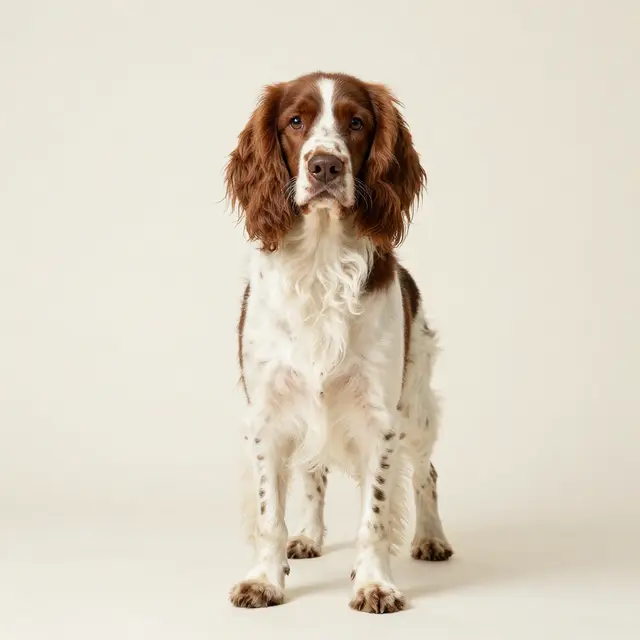
English Springer Spaniel
A tireless, enthusiastic working gundog that needs serious daily exercise and mental stimulation.

Hungarian Vizsla
An affectionate, high-octane gundog known as the "velcro dog" for its need to be by your side at all times.
Similar temperament

Schnoodle
A clever, affectionate Schnauzer–Poodle cross ranging from toy to standard depending on the parents. Usually low-shedding but needs regular grooming. Size, coat and energy vary depending on which parent the dog takes after.

Whoodle
A soft-coated, friendly cross of the Wheaten Terrier and the Poodle. Bright, affectionate and usually low-shedding, but energetic with a coat that needs regular grooming to stay mat-free.

Mini Cockapoo
A small Cocker Spaniel and Miniature or Toy Poodle cross that is one of the best-known doodles. Typically friendly, affectionate and biddable, with a low-shedding coat that needs regular grooming; coat type still varies between pups.

Standard Poodle
One of the most intelligent breeds — elegant, low-shedding and eager to learn, with high grooming demands.
Similar size, different type
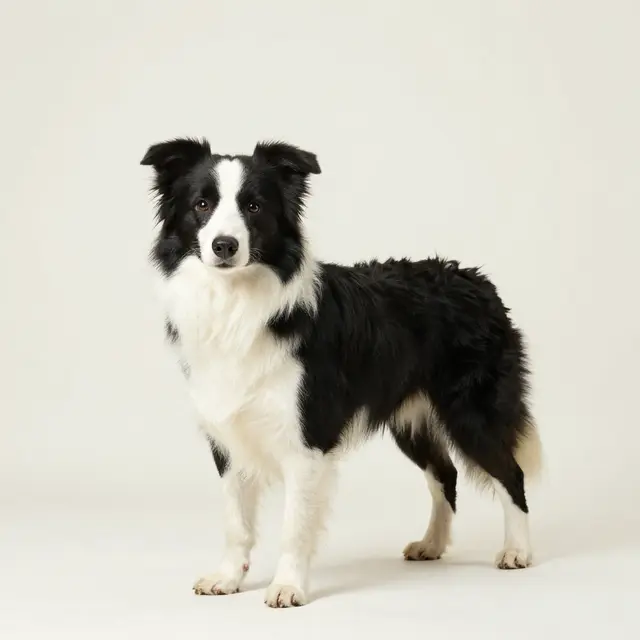
Border Collie
The ultimate working brain — astonishingly clever and trainable, but needs hours of exercise and a job to do.
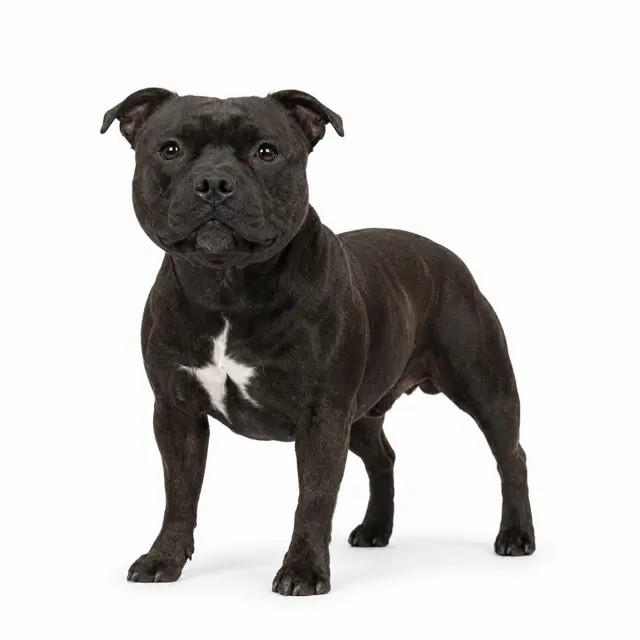
Staffordshire Bull Terrier
Affectionately known as the "nanny dog" — devoted, people-loving and famously gentle with children.

Beagle
A merry, pack-loving scent hound — sociable and great with kids, but ruled by its nose.

Whippet
A gentle, quiet "sofa sprinter" — happy to lounge at home between short bursts of explosive running.
Is the Cocker Spaniel your breed?
Create your pet profile and get personalised food, toy, insurance and health recommendations — tailored to your dog.
Frequently asked questions
How long do Cocker Spaniels live?
Cocker Spaniels typically live to around 12–14 years, which is good for the breed and reflects a generally robust, healthy dog. Genetics set the range, but keeping your dog lean, staying on top of their ears, eyes and teeth, and regular preventive vet care all influence where yours lands. A well-bred, well-cared-for Cocker is very much a long-term family companion.
Do Cocker Spaniels shed?
Yes, Cocker Spaniels shed moderately year-round, with a little more during seasonal changes. More than the shedding, though, it's the coat's tendency to mat that creates the work — they need brushing several times a week and regular trims. They are not hypoallergenic. So while they're not the heaviest shedders, they are a higher-maintenance coat that needs consistent grooming.
Are Cocker Spaniels good family dogs?
Very much so — the 'merry Cocker' is one of the classic family breeds: affectionate, sociable, cheerful and typically great with children and other pets. They bond closely with their people and love being involved in family life. They do need proper exercise (more for working lines) and regular grooming, and some can be sensitive or dislike being left alone, but for an active, involved family they're a wonderful choice.
How do you groom a Cocker Spaniel?
Brush several times a week with a slicker brush and comb, working right down to the skin and focusing on mat-prone areas: behind the ears, armpits, belly, leg feathering and rear. Check and dry the ears weekly, trim the hair around the ears, feet and sanitary areas, bathe every four to six weeks, and have a professional trim every six to eight weeks. Start young so your dog enjoys it.
When is a Cocker Spaniel fully grown?
Cocker Spaniels usually reach their adult height by around 9 to 12 months and finish filling out in body and coat by roughly 12–18 months. They're a small-to-medium breed, with adults typically weighing around 13–16kg. Keep growing puppies lean and their exercise age-appropriate to protect developing joints, and expect the full adult coat to come in over the first year or so.
How much exercise does a Cocker Spaniel need?
Most adult Cocker Spaniels need around an hour to two hours of exercise a day, but it depends heavily on type: working (field) Cockers are high-energy and need plenty of activity and mental stimulation, while show-type Cockers are generally calmer. All of them love to sniff and explore — they're spaniels at heart — so varied walks with chances to use their nose suit them perfectly.
Are Cocker Spaniels easy to train?
Generally yes — Cockers are intelligent, eager to please and food-motivated, which makes reward-based training effective and enjoyable. Working lines in particular are highly trainable and thrive on having a job. They can be a little sensitive, so gentle, positive methods work far better than harshness. Early socialisation and consistent, kind training bring out the friendly, biddable nature the breed is known for.
What's the difference between a working and show Cocker Spaniel?
They're the same breed but bred for different purposes. Working (field) Cockers are leaner and more athletic with less coat, bred for stamina and drive in the field, and they need more exercise and mental work. Show (bench) Cockers are stockier with a fuller coat and are often a little calmer. Neither is healthier as such — the key is matching the type's energy level to your lifestyle.
Do Cocker Spaniels have ear problems?
They're prone to them, yes. Long, heavy, hairy ears that hang down trap warmth and moisture, making ear infections the breed's most common health issue. The good news is that simple routine care prevents most of it: check the ears weekly, keep the hair around them trimmed, dry them after swimming or baths, and act quickly on any redness, smell or head-shaking. Regular attention keeps problems rare and minor.
Are Cocker Spaniels good with children?
Good with children. As a general guide, Cocker Spaniels tend to be patient and tolerant. Whatever the breed, always supervise dogs and young children and teach kids to interact gently.
How much exercise does a Cocker Spaniel need?
As a healthy adult, a typical Cocker Spaniel needs 90 minutes to 2 hours of exercise a day (90–120 minutes), split across walks plus play. Higher-energy dogs also need mental stimulation — sniffing, training games and puzzle feeders — to stay settled. Puppies, seniors and dogs with health conditions need less — ask your vet.
Do Cocker Spaniels shed a lot?
Moderate shedding. Coat upkeep is high upkeep — plan on frequent brushing and regular trips to a groomer.
Are Cocker Spaniels easy to train and good for first-time owners?
Good for first-time owners. Cocker Spaniels are generally a forgiving choice for first-time owners who put in early training and socialisation. Reward-based training and early socialisation help any dog.
Do Cocker Spaniels bark a lot?
Moderate barker. They are usually fairly easy-going about barking, though any dog will bark if bored or under-exercised.
Are Cocker Spaniels good with other dogs?
Sociable with other dogs. Early, positive socialisation with other dogs from a young age makes a big difference.
Do Cocker Spaniels suit flats or smaller homes?
Best with a garden. A Cocker Spaniel is happiest with access to a secure garden and regular outdoor exercise.
Sources
- The Kennel Club — Cocker Spaniel breed information: https://www.thekennelclub.org.uk/breeds/cocker-spaniel/
- PDSA — Cocker Spaniel breed guide: https://www.pdsa.org.uk/pet-help-and-advice/looking-after-your-pet/puppies-dogs/large-dogs/cocker-spaniel
- Blue Cross — dog breed advice: https://www.bluecross.org.uk/advice/dog/choosing-a-dog
- Royal Veterinary College (VetCompass) — canine health research: https://www.rvc.ac.uk/vetcompass
Recommended for your Cocker Spaniel
Matched to a Cocker Spaniel's size and their typical need for regular coat care, enrichment & mental stimulation, a slow feeder.

Boredom Buster Bundle: Snuffle Mat, LickiMat and Enrichment Ball
Three ways to make a meal take twenty minutes instead of two: a snuffle mat for dry food, a LickiMat for wet, and a rolling ball that dispenses kibble.
£39.99

Suction Cup Pet Lick Mat
Bear-shaped silicone lick mat with a suction backing that sticks firmly to floors or walls. Spread on wet food or treats to slow eating, ease anxiety and keep pets calmly occupied. Easy to rinse clean.
£7.99

Lickimat Splash Turquoise
A natural rubber lick mat with a suction cap, so it stays put on tile or glass
£13.95

Round Silicone Slow Feeder Lick Mat
A food-grade silicone lick mat with a honeycomb and pyramid texture that spreads out treats, wet food or yoghurt to slow fast eaters and keep anxious dogs and cats calmly occupied. Easy to rinse clean.
£13.99

Electric Pet Grooming Clipper
A quiet, rechargeable electric clipper for trimming dogs, cats, rabbits and other pets at home. Low-noise and low-vibration with an adjustable blade for tidy, stress-free grooming around the body and paws.
From£11.99

MPS Topshirt 4-in-1 Post-Surgery Recovery Vest for Dogs
A vet-recommended cotton body suit that protects wounds after surgery, discourages over-grooming, and provides calming gentle pressure — machine washable.
£32.99

Plush Snuffle Foraging Mat
A roll-up plush snuffle mat with cute animal designs. Hide treats in the folds and let your pet sniff and forage to find them - a rewarding enrichment game that beats boredom and slows feeding.
£13.99

Tarhong Concentric Circle Slow Feeder Bowl for Dogs & Cats
A stylish slow-feeder bowl that encourages healthier, calmer mealtimes — available in blue, grey, or white.
£14.99
Suggestions based on breed traits — always check sizing and suitability for your individual dog.
Got a Cocker Spaniel? Save them to a pet profile for tailored picks across the whole site.
Happier, healthier pets — in your inbox.
Breed care tips, seasonal advice and first access to new arrivals. No spam, unsubscribe anytime.
Every dog is an individual — temperament and needs vary. Please research thoroughly, meet dogs in person, and consider adopting from a rescue. This is general guidance, not a substitute for advice from your vet or a qualified trainer.