

Whippet
Bred by working-class miners in northern England as a 'poor man's greyhound' for racing and rabbiting, the Whippet is a gentle, athletic sighthound. Astonishingly fast outdoors yet a calm couch-companion at home, it's affectionate and quiet. It suits owners who can offer secure space to sprint, warmth and soft bedding, and who'll manage a strong prey drive on walks.

Whippet scorecard
Overview
The Whippet is a medium-sized member of the sighthound family, an elegant, fine-boned dog built for speed yet famously gentle and easy to live with at home. Standing around 44 to 51 cm at the shoulder and weighing roughly 7 to 14 kg, it looks like a smaller, more refined cousin of the Greyhound, with the same deep chest, tucked-up waist and long, clean lines. Capable of explosive bursts of running, the Whippet is nonetheless one of the calmest, quietest companions a household could wish for, earning its affectionate nickname as a 'sofa sprinter'.
This combination of athleticism and serenity is the heart of the breed's appeal. Whippets are low-maintenance in coat, surprisingly low in overall exercise needs once their daily sprint is satisfied, and notably affectionate and undemanding indoors. They do, however, carry a strong prey drive that affects how and where they can be exercised off-lead, and their thin coats make them sensitive to cold. For active but home-loving owners who can offer safe space to run and a warm place to curl up, the Whippet is an outstanding all-round family dog.
Good to know — a Whippet is best with a garden and good for first-time owners. Every dog is an individual, so meet a few and chat to a good breeder or rescue before deciding.
Save the Whippet guide
Thinking about a Whippet? Pop your email in and we’ll send this guide so you can come back to it any time — handy while you compare breeds.
Popular searches for the Whippet
History & origins
The Whippet was developed in England, particularly in the industrial north and the mining communities of the 19th century, where working men prized a fast, small sighthound for sport and for catching rabbits. It is generally accepted to have been created by crossing Greyhounds with smaller, faster terrier-type and other small dogs to produce a compact hound with remarkable acceleration in a manageable, economical size.
The breed became closely associated with rag racing and rabbit coursing among working-class owners, and it earned a reputation as 'the poor man's racehorse' because it offered the thrill of the chase without the cost of keeping a larger animal. As organised dog showing developed, the Whippet was refined and standardised, and The Kennel Club recognised it as a distinct breed. Today it remains popular both as a companion and in lure coursing and racing, where its speed continues to impress.
Temperament & family fit
Whippets are gentle, affectionate and remarkably even-tempered dogs that form close bonds with their families. Indoors they are typically calm, quiet and content to relax, often seeking out the warmest, softest spot in the house and happily lounging for much of the day. They are rarely noisy and tend to be sociable and good-natured, which makes them pleasant, undemanding housemates and generally good company for considerate children and other dogs.
The defining caveat is the breed's strong prey drive. As a sighthound bred to chase fast-moving quarry, a Whippet can be triggered into a sprint by small running animals, which has real implications for off-lead exercise and for living alongside cats or small pets unless carefully introduced and managed. Away from such triggers they are sensitive, affectionate and easy-going dogs that dislike harsh handling. Early socialisation helps them grow into confident adults, and most are notably gentle and tolerant by nature.
- Families with children of all ages
- Committed first-time owners
- Homes with a secure garden
Training & intelligence
Whippets are intelligent and willing but sensitive, so they respond best to gentle, positive, reward-based training and react poorly to harsh corrections. Short, encouraging sessions using food, praise and play tend to bring out the best in them, and patience pays off with a dog that is eager to please its people. They are not difficult to live with, but their independent sighthound nature means recall around tempting moving targets can be a genuine challenge.
Recall and prey drive therefore deserve particular focus. Owners should train recall thoroughly and realistically, accept that even a well-trained Whippet may not be reliable off-lead near wildlife or livestock, and choose secure, enclosed spaces for free running where possible. Early socialisation with people, dogs and, if relevant, household cats helps enormously. Otherwise the breed's biddable, affectionate temperament makes basic training and good house manners relatively straightforward.
- Start socialisation & handling early
- Reward-based methods only — no harsh corrections
- Keep sessions short, calm and consistent
Exercise needs
A healthy adult Whippet typically needs around an hour a day (roughly 60–80 minutes), split across walks, play and a little training. A good sniffy walk, some play and a little training usually keeps them content. Puppies, seniors and dogs with health conditions need adjusted amounts — check with your vet.
Grooming & coat
Grooming a Whippet is delightfully simple. The short, fine, smooth coat requires only minimal care, with an occasional brush or wipe-over enough to keep it clean and glossy and to remove the modest amount of loose hair the breed sheds. They are about as low-maintenance as dogs come in this respect. Routine care should still include regular nail trimming, ear checks, dental care through tooth-brushing, and attention to the skin, which is thin and can be prone to nicks and grazes during energetic running. Bathing is rarely needed beyond the occasional clean-up. Owners should also be mindful of the breed's lack of body fat and protective coat when it comes to keeping the dog warm and comfortable.
- Brush occasionally to remove loose hair
- Bathe every few weeks or as needed
- Check ears, nails and teeth weekly
Feeding a Whippet
Whippets should be fed a complete, good-quality diet appropriate to their age, weight and activity level, divided into measured daily meals. As a lean, athletic breed they naturally carry little body fat and a healthy Whippet will look slim, with the last ribs and a clear waist visible, which is normal and should not be mistaken for being underweight. Owners should resist the urge to overfeed; like all dogs, Whippets can become overweight, which is unhealthy for such a finely built animal. As a deep-chested breed, sensible feeding habits such as avoiding heavy meals immediately before or after vigorous exercise are prudent. Fresh water should always be available and diet changes made gradually.
A medium breed
An adult Whippet typically weighs 7–14 kg, so a healthy Whippet eats a moderate amount compared with other breeds. Every feeding guide on a bag is written per kilo of body weight, not per breed — start there, then adjust to the dog in front of you.
Life stage
A medium breed is usually done growing at ~12 months, which is roughly when a puppy food has finished its job. With a typical lifespan of 12–15 years, there is a long adult stretch in the middle; switch to a senior food when your vet thinks it is worth it rather than on a birthday.
How much should a Whippet weigh?
Adult 7–14 kgfully grown at ~12 months
| Age | Stage | Typical weight | Of adult size |
|---|---|---|---|
| 8 weeks | Just home | 1.1–2.2 kg | 15% |
| 3 months | Young puppy | 1.8–3.5 kg | 25% |
| 6 months | Growing fast | 3.5–7 kg | 50% |
| ~12 months | Fully grown | 7–14 kg | 100% |
A guide, from the same rule of thumb our puppy growth predictor uses — each age is that share of the way to maturity for a medium breed. Puppies grow fastest early, so a real puppy usually sits a little above the middle rows. Weigh yours and ask your vet if the number worries you.
Complete dog foods that suit a Whippet
Complete foods from our range, matched to a Whippet's size band and what the breed typically needs. Stock levels and delivery dates are live on each product.

Forthglade Cold Pressed Natural Turkey
Cold-pressed turkey kibble for dogs from 2 months, soft enough to mix with water for young pups
£45.99

Forthglade Cold Pressed Grain Free Salmon
Cold-pressed grain-free dry food for dogs, built on fresh and dried salmon
From£16.99

Forthglade Cold Pressed Grain Free Duck
Cold-pressed grain-free duck food with fruit and botanicals, in two bag sizes
From£16.99

Forthglade Cold Pressed Grain Free Chicken
Cold-pressed grain-free chicken food with fruit and botanicals, in three bag sizes
From£16.99

Forthglade Complete Meal Lightly Baked Turkey
A lightly baked complete dry food, 50% turkey, for adult dogs of any breed
From£12.49

Forthglade Complete Meal Lightly Baked Chicken
A grain-free complete dry food for adult dogs, lightly baked and built on 50% chicken
From£12.49

Forthglade Cold Pressed Grain Free Turkey
Grain-free cold-pressed turkey kibble for dogs, gentle on sensitive stomachs
£69.69

Forthglade British Classics Chicken Family Lunch
Complete Forthglade wet dog food with 75% chicken in a 395G tray
£2.45

Harringtons Puppy Turkey & Rice
Complete turkey puppy food with 30% protein and feeding bands by adult weight
£6.49

Harringtons Just 6 Dry Dog Food Lamb
Grain-free lamb dry dog food in 2KG and 12KG sizes, with size-specific formulas
From£13.99

Burns Puppy Original Lamb & Rice
Complete Burns lamb and rice puppy food in a 2KG bag for up to 12 months
£14.99

Burns Puppy Junior Original Chicken Rice
A complete puppy and junior food with dried chicken 31% and controlled fat at 15%
From£14.99
Whippet health & costs
Before bringing a Whippet home it pays to budget for the whole picture — food, insurance, grooming and routine vet care all add up. The figures below are typical UK estimates for a healthy adult; your real costs vary with where you live, your dog's health and the cover you choose.
Food
£400–600 / year
Complete food sized to weight & life stage
Insurance
£25–45 / month
Lifetime cover — varies by age, breed & area
Grooming
£0–60 / year
Mostly DIY at home
Routine vet care
£200–450 / year
Vaccines, flea/worm, annual check
The Whippet is widely regarded as one of the healthier pedigree breeds, typically enjoying a lifespan of around 12 to 15 years with relatively few breed-specific problems compared with many dogs. Its athletic build and modest list of inherited conditions make it a robust, hardy companion when responsibly bred. That said, the breed's very leanness and thin coat bring some practical considerations: Whippets feel the cold acutely, are prone to minor skin cuts and grazes from energetic running, and need protection in harsh weather.
Prospective owners should still choose breeders who health-test their dogs and be aware of conditions recognised in sighthounds. As a deep-chested breed, the Whippet has some risk of bloat, and as a sighthound it can be sensitive to certain anaesthetics, which is worth discussing with your vet before any procedure. Sensible exercise on safe ground, weight management, warmth in cold weather and routine preventive care, including vaccination and parasite control, all help keep this generally healthy breed in excellent shape.
Common health conditions to be aware of
- Cardiac conditions — heart murmurs and abnormalities are recognised in the breed and detectable on veterinary examination
- Anaesthetic sensitivity — as a lean sighthound, the Whippet can react to certain anaesthetic drugs; discuss with your vet before procedures
- Gastric dilatation-volvulus (bloat) — a serious, deep-chest emergency to which large- and deep-chested dogs are predisposed
- Skin lacerations and grazes — the thin coat and skin are prone to minor cuts and tears during fast running
- Cold sensitivity (hypothermia risk) — low body fat and a thin coat mean Whippets chill easily and need protection in cold weather
- Eye conditions — inherited eye disorders are screened for in sighthounds and recommended in responsible breeding
These reflect typical, size- and coat-related risks for dogs like the Whippet; individual breeds carry their own predispositions. Always buy from health-tested parents and speak to your vet — this isn't a diagnosis.
Protect against surprise bills
A single emergency can run into thousands. Lifetime insurance spreads the risk.
Estimate insurance →How pet insurance works →Puppy & senior care
Bringing home a Whippet puppy
Puppies need controlled exercise (a rough guide is five minutes per month of age, twice a day) to protect growing joints, little-and-often meals of a complete puppy food, early socialisation, and a calm routine for toilet training and sleep. Book first vaccinations, microchipping and a vet check early.
New puppy checklist →Caring for a senior Whippet
As they age, watch weight, joints and teeth, switch to a senior diet if your vet advises, keep exercise gentle but regular, and consider orthopaedic bedding and ramps. Twice-yearly vet checks help catch issues early.
Orthopaedic beds & mobility →Pros & cons
The good bits
- Calm, affectionate and quiet indoors
- Low grooming and surprisingly low overall exercise needs
Things to consider
- Strong prey drive and a need to sprint off-lead in safe spaces
- Thin-coated and sensitive to cold; needs a coat in winter
Whippet health & care guides
In-depth, vet-sensible guides written for Whippet owners:
Compare the Whippet
See how the Whippet measures up against similar breeds before you decide:
More breeds like the Whippet
Same breed group
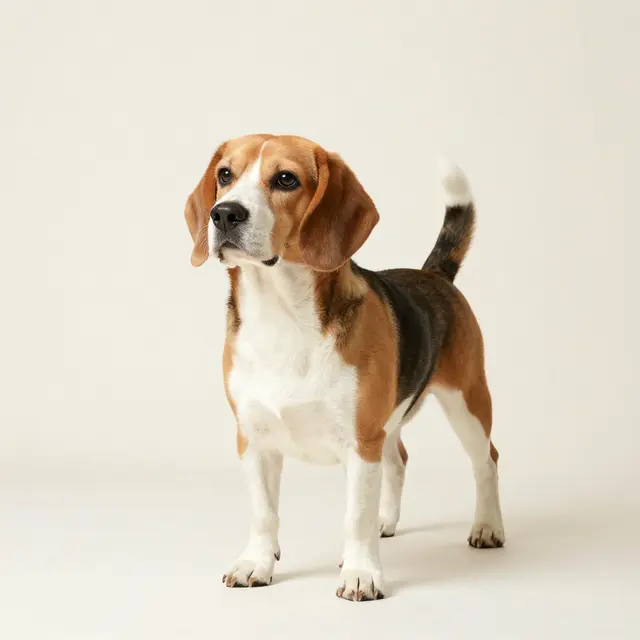
Beagle
A merry, pack-loving scent hound — sociable and great with kids, but ruled by its nose.
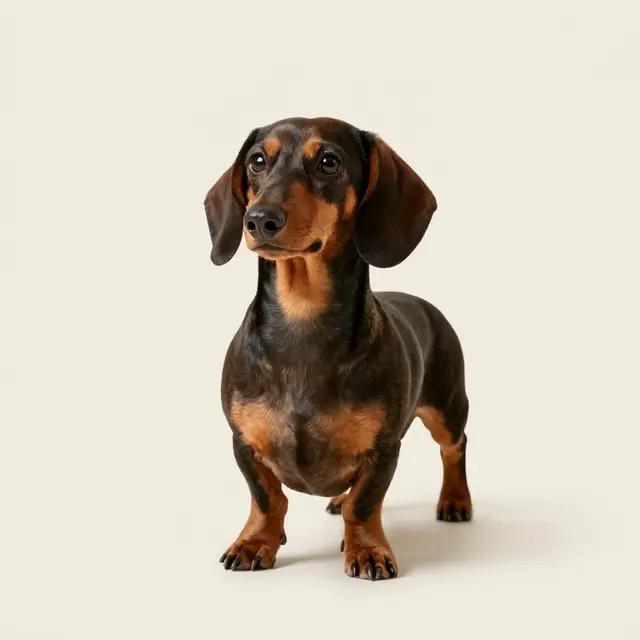
Dachshund
A bold, characterful "sausage dog" that suits smaller homes but needs careful handling of its long back.
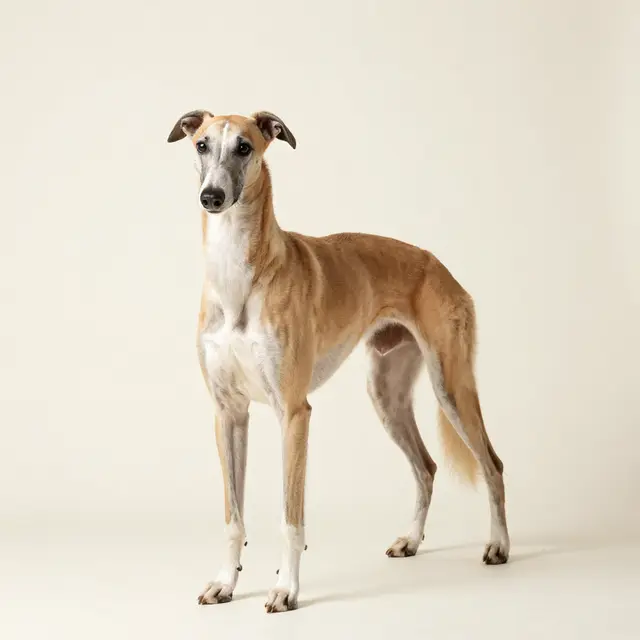
Greyhound
The ultimate couch potato — despite their racing reputation, retired greyhounds need surprisingly little exercise.
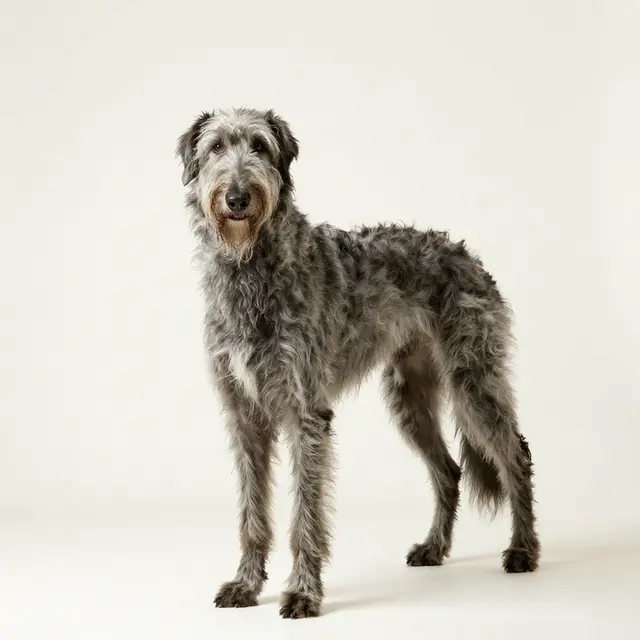
Irish Wolfhound
The tallest of all breeds — a gentle, calm and good-natured sighthound that is, sadly, one of the shortest-lived.
Similar temperament
Greyhound
The ultimate couch potato — despite their racing reputation, retired greyhounds need surprisingly little exercise.

Continental Bulldog
A Swiss-developed bulldog bred to be healthier and more athletic than the English Bulldog, with a longer muzzle and freer movement. Friendly, calm and affectionate, making an easygoing companion.
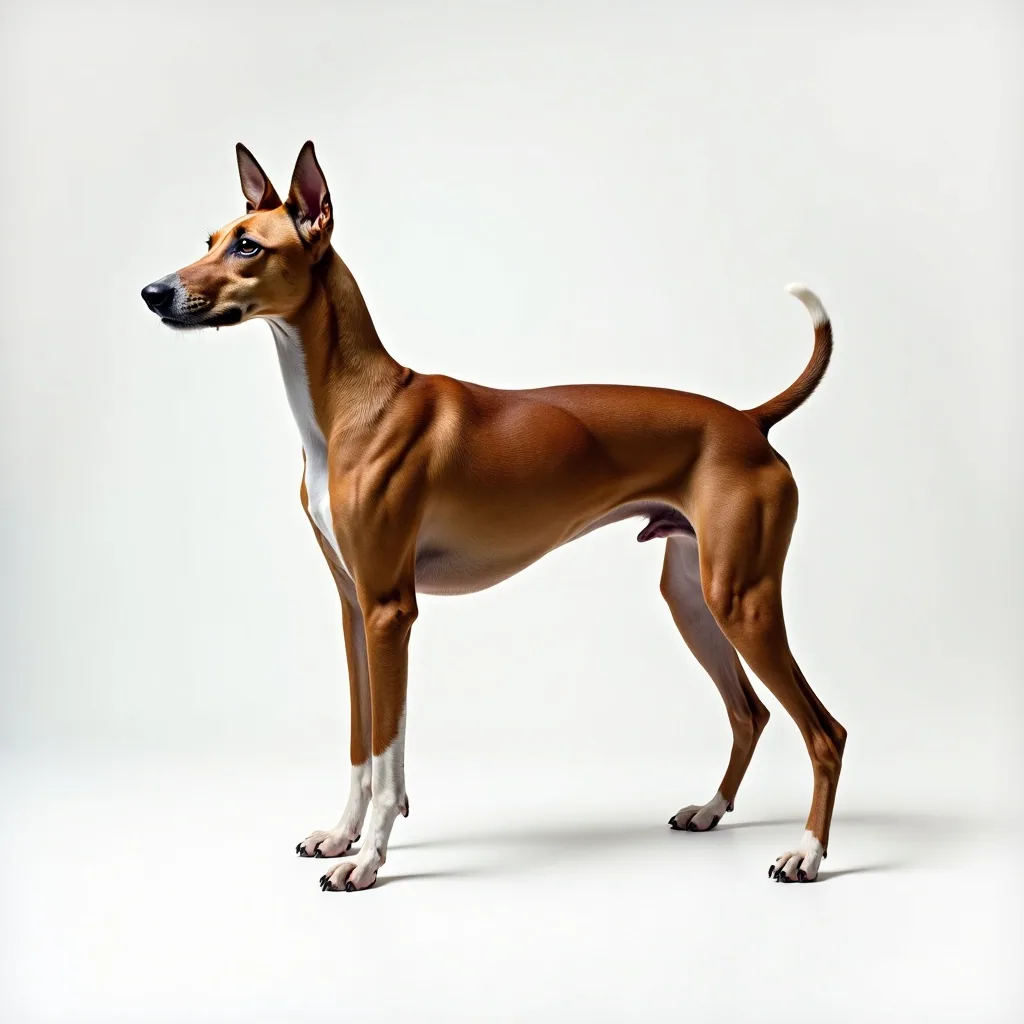
Galgo Español
The Spanish greyhound, an ancient sighthound built for the open plains. Calm, gentle and quiet indoors, but with a strong chase instinct and a sensitive nature.
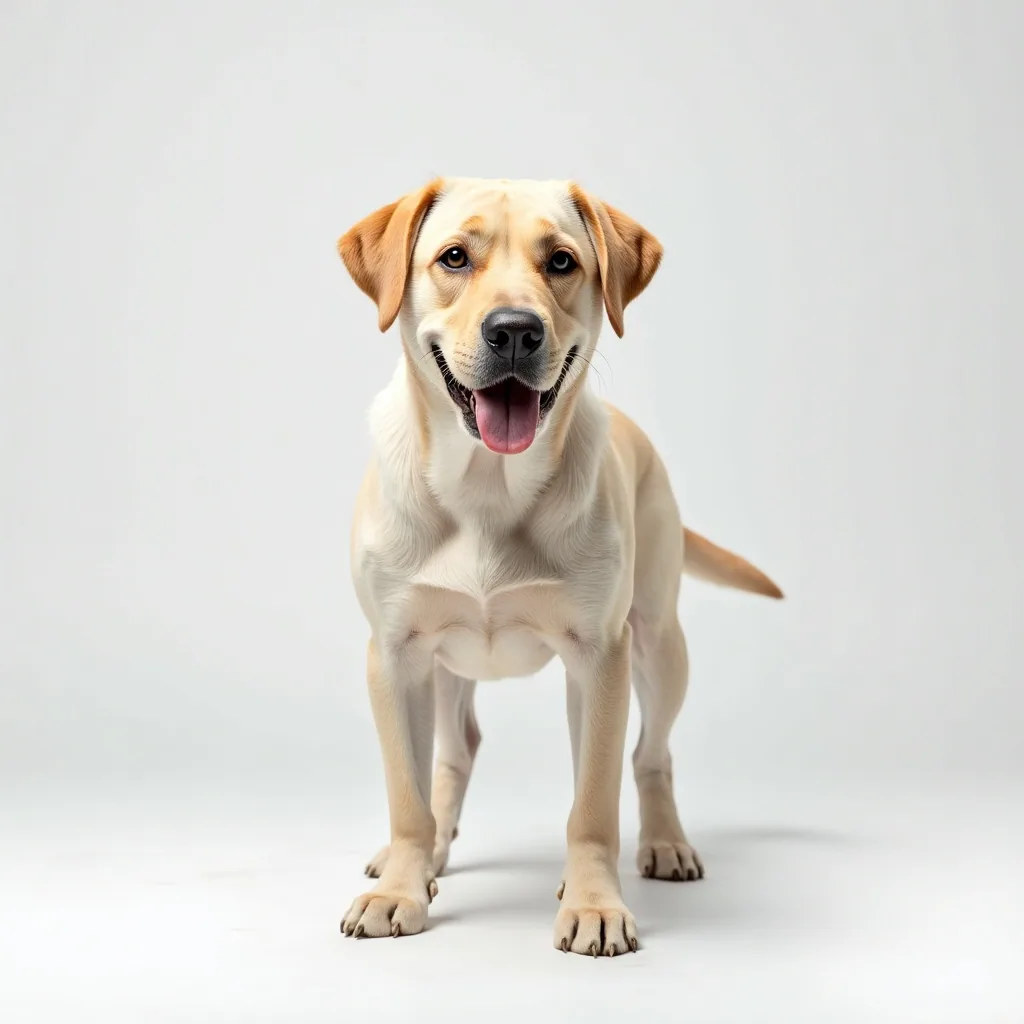
Bullador
A laid-back, affectionate cross of the easygoing Bulldog and the family Labrador. Generally mellow and friendly, though some inherit the Bulldog's shorter muzzle and related breathing or heat sensitivity.
Similar size, different type
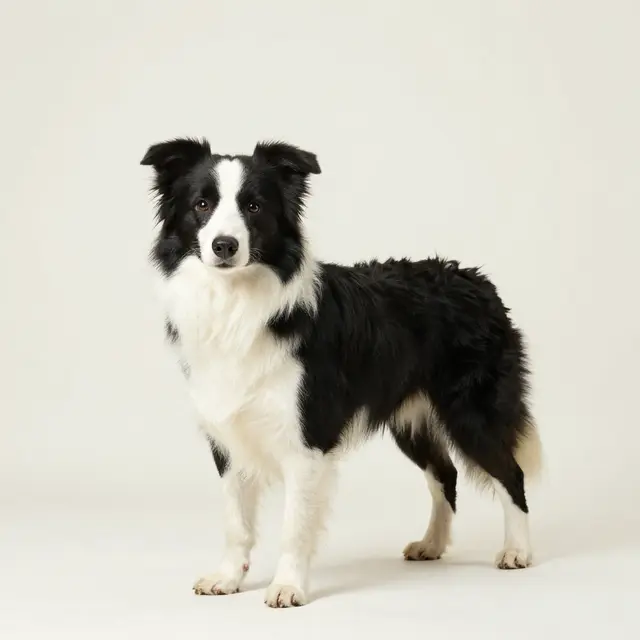
Border Collie
The ultimate working brain — astonishingly clever and trainable, but needs hours of exercise and a job to do.
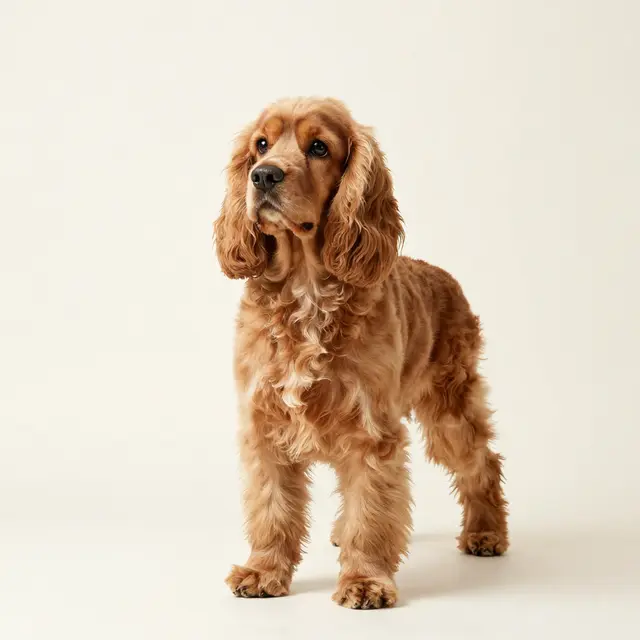
Cocker Spaniel
A merry, affectionate gundog that loves people and activity — happiest with a job and regular grooming.
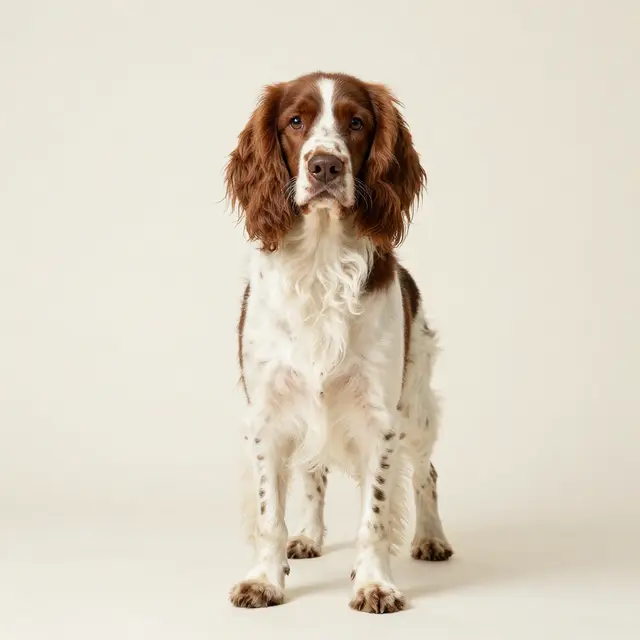
English Springer Spaniel
A tireless, enthusiastic working gundog that needs serious daily exercise and mental stimulation.
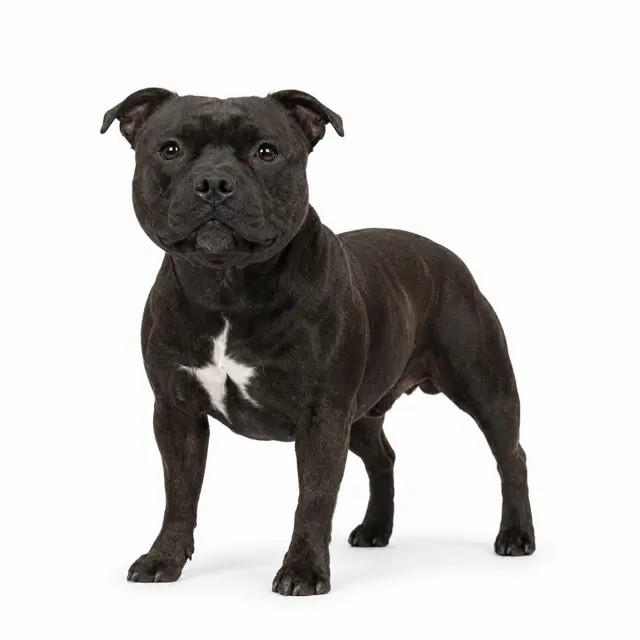
Staffordshire Bull Terrier
Affectionately known as the "nanny dog" — devoted, people-loving and famously gentle with children.
Is the Whippet your breed?
Create your pet profile and get personalised food, toy, insurance and health recommendations — tailored to your dog.
Frequently asked questions
How long do Whippets live?
Whippets typically live to around 12–15 years and are one of the healthier pedigree breeds. Keeping your dog at a lean, healthy weight, providing sensible exercise, protecting their thin skin and feeling-the-cold nature, and staying on top of routine vet care all help yours reach the upper end of that range.
What health problems are Whippets prone to?
Whippets are generally healthy, but as a sighthound they're unusually sensitive to certain anaesthetics and barbiturates, so always use a vet familiar with the breed. Some lines see mitral valve disease and other heart conditions, and occasional eye problems. Their thin skin nicks easily and their very low body fat means they feel the cold.
Are Whippets good family dogs?
Yes — Whippets are gentle, affectionate and famously quiet indoors, making them excellent family companions. They're typically good with calm, considerate children and love a warm sofa. Their strong prey drive means careful introductions to cats and small pets, and you should be honest about recall, but their sweet, sensitive nature suits most homes well.
Do Whippets need a lot of exercise?
Less than you might expect. Whippets are sprinters, not stamina dogs — they love short bursts of fast running, then happily curl up and sleep for hours. Two decent daily walks with a chance to stretch their legs safely usually suffices. They're a surprisingly low-maintenance, sofa-loving breed for such an athletic-looking dog.
Why do Whippets feel the cold?
Whippets have very little body fat and a fine, short single coat with no insulating undercoat, so they lose heat quickly and genuinely feel the cold. Most need a warm coat or jumper for winter walks, a cosy bed away from draughts, and sometimes a blanket indoors. Shivering is a clear sign they need warming up.
Are Whippets easy to train?
Whippets are intelligent and eager to please, and respond well to gentle, reward-based training — they're sensitive and don't cope with harsh methods. The main challenge is recall: their powerful prey drive can override training when something small and fast moves. Most owners manage this with reliable basics, secure spaces and sensible caution off-lead.
Can you let a Whippet off the lead?
With caution. A Whippet's strong prey drive means even a well-trained dog may bolt after a rabbit, squirrel or cat and reach high speed in seconds, ignoring recall. Many owners only let them off in secure, enclosed fields away from roads and livestock. Solid recall training helps, but their instinct is hardwired, so manage risk carefully.
Why are Whippets so lean?
Whippets are naturally very lean — you should be able to see the outline of the last few ribs and the waist. This is the breed's normal, healthy condition, not underweight. Their low body fat is part of being a sighthound. If unsure, ask your vet to body-condition score your dog rather than overfeeding to 'fill them out'.
Do Whippets get on with cats and small pets?
It varies. Some Whippets live happily with a cat they've been raised alongside, but the breed's strong prey drive means many will chase small, fast-moving animals. Careful, gradual introductions and lifelong management are sensible, and small furries like rabbits or hamsters are generally best kept securely separate from a Whippet.
How can I help my Whippet live longer?
Keep them lean, give sensible exercise with safe chances to sprint, and protect them from the cold with a coat and a draught-free bed. Use a vet aware of sighthound anaesthetic sensitivity, watch for heart or eye changes, and keep up routine check-ups. Choosing a puppy from health-tested parents gives the best start.
Are Whippets good with children?
Good with children. As a general guide, Whippets tend to be patient and tolerant. Whatever the breed, always supervise dogs and young children and teach kids to interact gently.
How much exercise does a Whippet need?
As a healthy adult, a typical Whippet needs around an hour of exercise a day (60–80 minutes), split across walks plus play. A good sniffy walk plus some play and training usually keeps them happy. Puppies, seniors and dogs with health conditions need less — ask your vet.
Do Whippets shed a lot?
Low shedding. Coat upkeep is wash-and-go — a quick brush now and then is usually enough.
Are Whippets easy to train and good for first-time owners?
Good for first-time owners. Whippets are generally a forgiving choice for first-time owners who put in early training and socialisation. Reward-based training and early socialisation help any dog.
Do Whippets bark a lot?
Very quiet. They are usually fairly easy-going about barking, though any dog will bark if bored or under-exercised.
Are Whippets good with other dogs?
Sociable with other dogs. Early, positive socialisation with other dogs from a young age makes a big difference.
Do Whippets suit flats or smaller homes?
Best with a garden. A Whippet is happiest with access to a secure garden and regular outdoor exercise.
Sources
- The Kennel Club — Whippet breed information: https://www.thekennelclub.org.uk/breeds/whippet/
- PDSA — Whippet breed guide: https://www.pdsa.org.uk/pet-help-and-advice/looking-after-your-pet/puppies-dogs/medium-dogs/whippet
- Blue Cross — Dog breeds and health advice: https://www.bluecross.org.uk/advice/dog
- RVC VetCompass Programme — companion animal health research: https://www.rvc.ac.uk/vetcompass
- Fédération Cynologique Internationale (FCI) — Whippet standard (No. 162): https://www.fci.be/en/nomenclature/WHIPPET-162.html
Recommended for your Whippet
Matched to a Whippet's size and their typical need for a warm coat.

Striped Hooded Dog Dungarees Outfit
A two-piece dog outfit with a striped hooded top and bear-pocket dungaree overalls.
From£7.99

Calming Ear-Cover Snood for Dogs
An adjustable ear-cover snood in thickened fabric that helps calm dogs through thunder and fireworks.
£12.99

Calming Anxiety Vest with Hood for Dogs
A stretchy calming vest with an attached hood that covers the ears, applying gentle pressure to settle anxious dogs during fireworks, thunderstorms, travel and vet visits.
From£13.99

Tartan Sherpa Fleece Pet Mat
A reversible tartan sherpa fleece mat handmade in the UK — hypoallergenic, non-slip, machine washable, and sized to fit standard crates.
From£17.99

Padded Winter Dog Coat with Built-In Harness
A padded zip-up winter coat with a built-in harness ring, so your dog stays warm and ready to clip on.
From£8.99

Teddy Bear Hooded Fleece Pet Cape
A snuggly fleece cape with a teddy-bear hood to keep small pets warm.
From£13.99

Dog Ear Snood & Neck Warmer
A stretchy ear snood that warms the neck, settles noise nerves and protects long ears at mealtimes.
£7.99

Waterproof Anti-Slip Dog Socks
Rubber-dipped knit dog socks with adjustable straps that grip smooth floors and shield paws from cold and wet ground. The waterproof coated soles keep feet dry while the soft cuffs stay comfortably in place.
£7.99
Suggestions based on breed traits — always check sizing and suitability for your individual dog.
Got a Whippet? Save them to a pet profile for tailored picks across the whole site.
Happier, healthier pets — in your inbox.
Breed care tips, seasonal advice and first access to new arrivals. No spam, unsubscribe anytime.
Every dog is an individual — temperament and needs vary. Please research thoroughly, meet dogs in person, and consider adopting from a rescue. This is general guidance, not a substitute for advice from your vet or a qualified trainer.