
Whippet Exercise & Living Needs
Whippets are sprinters, not stamina dogs — short bursts then sofa naps. How much exercise they need, off-lead caution, and keeping a cold-sensitive dog warm.
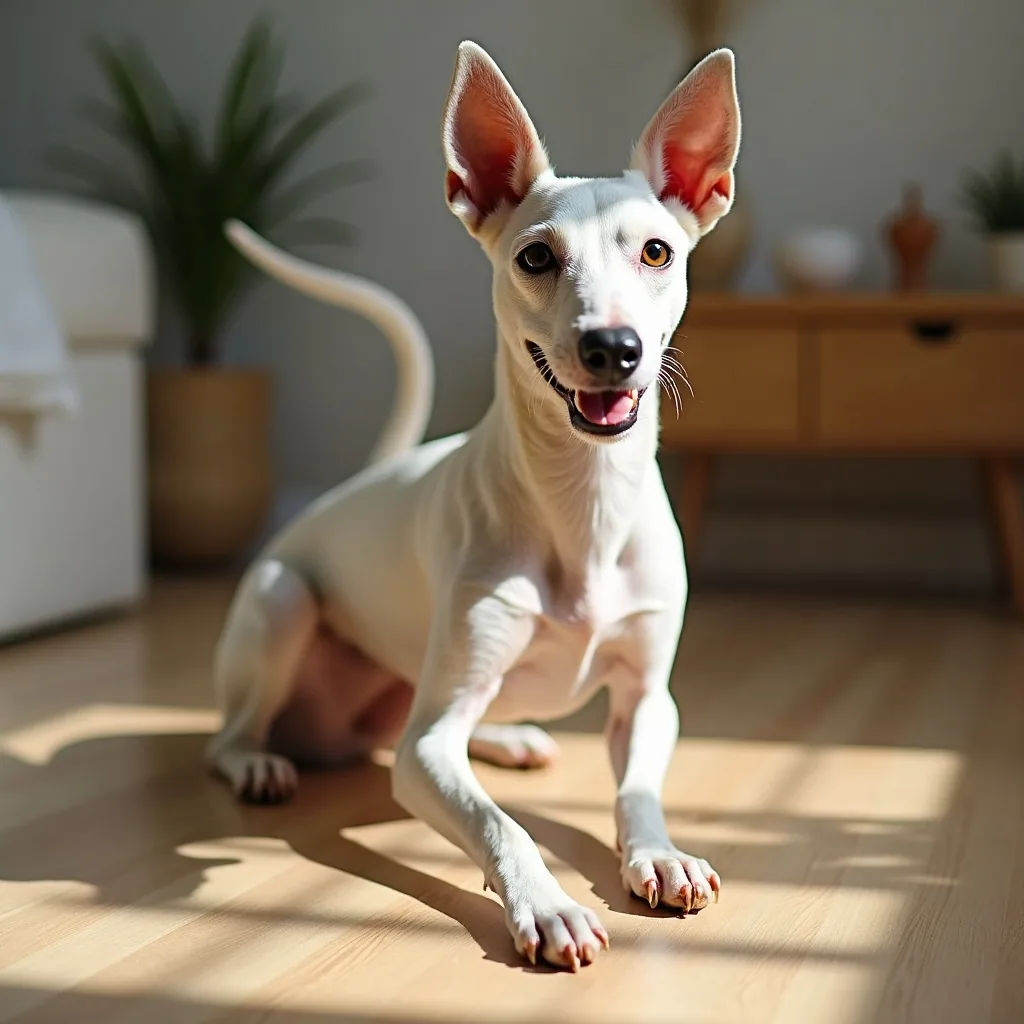
The quick answer
Less than you might expect. Whippets are sprinters, not stamina dogs — they love short bursts of fast running, then happily curl up and sleep for hours. Two decent daily walks with a chance to stretch their legs safely usually suffices. They're a surprisingly low-maintenance, sofa-loving breed for such an athletic-looking dog.
For such an athletic-looking dog, the Whippet's exercise needs surprise most people. They're sprinters, not marathon runners — explosive bursts of speed followed by long, contented naps. Understanding this rhythm, the off-lead realities of a sighthound, and how to keep a cold-sensitive dog comfortable is the key to a happy Whippet. Here's what their exercise and living needs really look like.
Sprint, not stamina
Whippets are among the fastest dogs on earth over a short distance, built for explosive acceleration rather than endurance. In practice this means they need the chance to run flat-out in short bursts, not hours of relentless exercise. A couple of decent daily walks, with safe opportunities to stretch their legs and sprint, suit most adult Whippets perfectly. After a good gallop they're typically done — happy to curl up and sleep for much of the rest of the day.
This makes them a surprisingly low-maintenance breed for their athleticism. They don't generally pace, fret or become destructive when their needs are met, and they're delighted to match a relaxed home. Puppies and young dogs need their exercise kept sensible to protect growing joints — let them set the pace and avoid forced, repetitive running.
Off-lead caution
The sighthound's defining trait shapes everything about off-lead time: a powerful prey drive. A Whippet can spot a rabbit, squirrel or cat and reach high speed in seconds, with recall vanishing in the heat of the chase. This isn't disobedience — it's hardwired instinct.
Sensible owners manage it by:
- Choosing secure, enclosed spaces for off-lead running — fenced fields or dedicated dog-exercise paddocks are ideal, especially away from roads and livestock.
- Training a reliable recall while accepting it may not hold against live prey.
- Using a long line in open areas where a secure field isn't available.
- Keeping them on-lead near roads, farm animals and wildlife-rich edges.
A well-fitted harness is worth considering for lead walks — Whippets have deep chests and slim necks, and a harness avoids pressure on the throat if they lunge after something.
Mental enrichment
Whippets aren't a demanding working breed, but they enjoy gentle mental stimulation. Sniffy walks, simple toys, short reward-based training sessions and the occasional chance to chase a lure or ball all keep them content. Many Whippets adore a flirt pole or a thrown toy in a secure space, which channels their chase instinct safely and tires them out quickly. Because they're sensitive, keep training kind, brief and positive — a few minutes of success beats a long, frustrating session.
Feeling the cold — coats and warmth
This is the part of Whippet living that catches new owners out. With very little body fat and a fine, single coat and no insulating undercoat, Whippets lose heat fast and genuinely feel the cold. Shivering is a clear signal they need warming up — not stubbornness.
To keep a Whippet comfortable:
- Use a warm [coat](/dog-coats-and-jumpers) for cold, wet or windy walks. Many Whippets wear a jumper indoors in winter too.
- Provide a cosy, draught-free [bed](/shop/dog-beds), ideally raised off cold floors and tucked away from doorways. Whippets are famous burrowers who love a blanket to dig under.
- Watch them in cold weather — they chill quickly when standing still, so keep winter walks brisk.
Living space
Whippets adapt well to most homes, including flats, provided they get their daily runs and a warm, quiet place to rest. Their calm, clean, quiet-indoors nature makes them easy housemates. A secure garden is a bonus, but a sturdy fence is essential — a bored or tempted Whippet can clear a surprisingly high barrier, and a chase instinct can send them over or through a weak boundary in pursuit of a cat or squirrel. Check fences and gates regularly.
A simple daily rhythm
A happy Whippet day looks like: a morning walk with a chance to stretch out, plenty of restful napping in a warm spot, a second walk or a short sprint later on, and a cosy, blanketed bed at night. Meet that simple rhythm — movement in short bursts, warmth, and gentle company — and you'll have a contented, easy dog.
*This is general guidance, not a substitute for advice from your vet, who can assess your individual dog.*
Sources
- RVC VetCompass — UK dog health and welfare research (rvc.ac.uk/vetcompass).
- UK Kennel Club & BVA — breed exercise and ownership guidance (thekennelclub.org.uk).
- PDSA — dog exercise and breed care (pdsa.org.uk).
- Blue Cross — dog exercise and welfare advice (bluecross.org.uk).
Common questions
Do Whippets need a lot of exercise?
Less than you might expect. Whippets are sprinters, not stamina dogs — they love short bursts of fast running, then happily curl up and sleep for hours. Two decent daily walks with a chance to stretch their legs safely usually suffices. They're a surprisingly low-maintenance, sofa-loving breed for such an athletic-looking dog.
Can you let a Whippet off the lead?
With caution. A Whippet's strong prey drive means even a well-trained dog may bolt after a rabbit, squirrel or cat and reach high speed in seconds, ignoring recall. Many owners only let them off in secure, enclosed fields away from roads and livestock. Solid recall training helps, but their instinct is hardwired, so manage risk carefully.
Why do Whippets feel the cold?
Whippets have very little body fat and a fine, short single coat with no insulating undercoat, so they lose heat quickly and genuinely feel the cold. Most need a warm coat or jumper for winter walks, a cosy bed away from draughts, and sometimes a blanket indoors. Shivering is a clear sign they need warming up.
About the author
Matt Garnett — founder, Giddy Pets
Matt started Giddy Pets to make getting pets the good stuff simpler and fairer. Everything in these guides comes from real life with pets and a lot of trial and error — it's practical guidance, not veterinary advice. If a guide gets something wrong, tell him directly.
Free tools & more guides
Read next
How Much Does a Whippet Cost to Keep? UK Guide
What a Whippet really costs in the UK — purchase price, monthly upkeep, vet and insurance, plus breed extras like winter coats. A realistic budget guide.
How Long Do Whippets Live? Lifespan & Health
Whippets live around 12–15 years and are one of the healthier pedigree breeds. The anaesthetic sensitivity, heart and skin issues, and how to help yours.

Are Whippets Good Family Dogs? Temperament & Fit
Whippets are gentle, quiet and affectionate — superb family dogs for most homes. An honest look at temperament, life with children, and the prey-drive caveat.

Rhodesian Ridgeback Exercise & Living Needs
Athletic and built to cover ground, the Rhodesian Ridgeback needs substantial daily exercise and space. How much exercise they need and the right home for one.