
Basset Hound
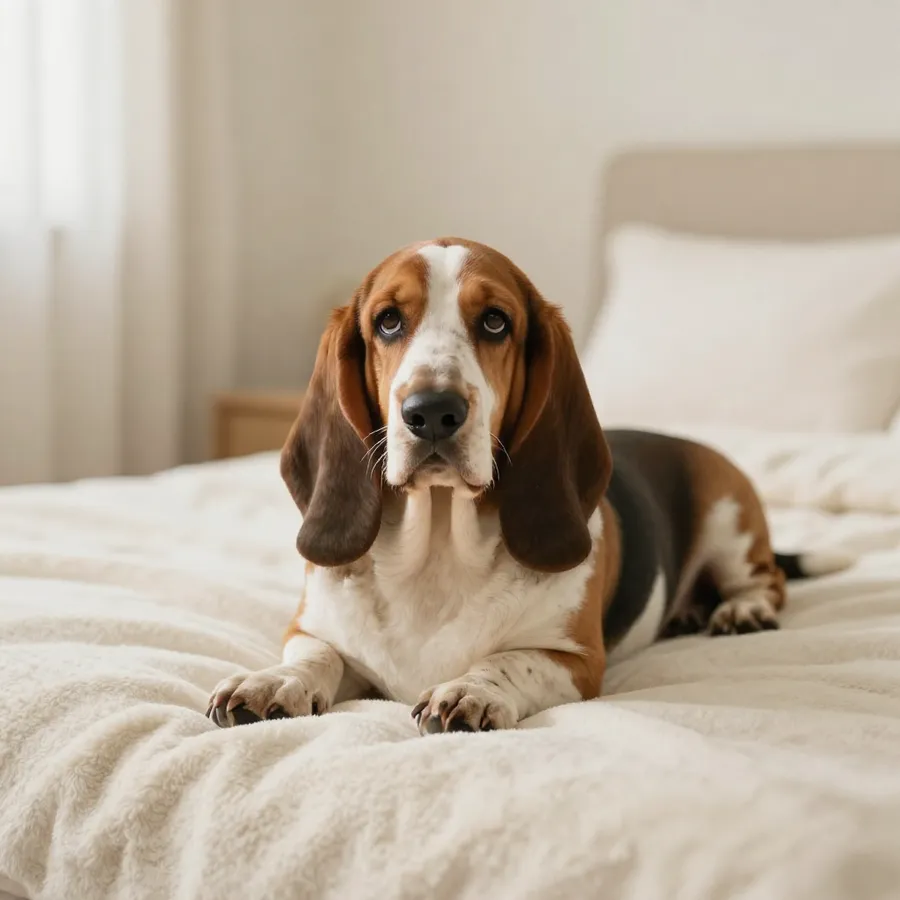
A French-bred scent hound with a low, long body built to follow a trail on foot, the Basset Hound is gentle, easy-going and famously stubborn. Good with children and other dogs, but ruled by its nose. It suits relaxed homes that will watch its weight, care for the long ears, secure the garden, and forgive a loud, melodious bay.
Basset Hound scorecard
Overview
The Basset Hound is one of the most recognisable of all dogs: a low-slung, heavy-boned scent hound with short legs, a long body, long velvety ears and a soulful, wrinkled expression. Despite standing only around 33 to 38 cm at the shoulder, the Basset is surprisingly substantial, typically weighing between 18 and 27 kg, with a solid, weighty build. The UK Kennel Club places the breed in its Hound Group, reflecting its origins as a scent-trailing hunting dog.
Gentle, easy-going and famously good-natured, the Basset Hound has a relaxed, affectionate temperament that makes it a popular family companion. It is generally tolerant of children and sociable with other dogs, and relatively low-energy indoors. However, it is also a determined, nose-led hound with a stubborn streak, a tendency to follow a scent regardless of recall, and a build and appetite that make weight control and ear care important. Owners should expect a charming but characterful dog that does things at its own pace.
Good to know — a Basset Hound is best with a garden and manageable for committed beginners. Every dog is an individual, so meet a few and chat to a good breeder or rescue before deciding.
Save the Basset Hound guide
Thinking about a Basset Hound? Pop your email in and we’ll send this guide so you can come back to it any time — handy while you compare breeds.
Popular searches for the Basset Hound
History & origins
The Basset Hound traces its origins to France, where short-legged scent hounds — the word basset deriving from the French for 'low' — were developed to trail game such as rabbits and hares at a steady, followable pace for hunters on foot. Their low stature kept their noses close to the ground and allowed hunters to keep up with them, while their excellent sense of smell and persistence made them effective trackers.
The breed was refined in Britain in the nineteenth century, where breeders developed the heavier, more exaggerated type familiar today, and the Kennel Club recognises the Basset Hound within its Hound Group. Over time the Basset moved from a working hunting dog to a much-loved companion and show breed, though it retains the powerful nose, deep voice and tracking instincts of its scent-hound ancestry.
Temperament & family fit
Basset Hounds are renowned for their gentle, friendly and easy-going nature. They tend to be affectionate and patient with their families, generally good with children, and sociable with other dogs, reflecting their heritage as pack hounds. At home they are usually calm and laid-back, content to relax for long stretches, which can make them seem like an undemanding companion.
That placid exterior, however, hides a determined and independent mind. As a scent hound, the Basset is led by its nose, and once it picks up an interesting trail it can become single-minded and effectively deaf to recall. The breed is known for a stubborn streak that can make training a test of patience, and for a deep, carrying bay and howl that it is happy to use. Understanding and working with these hound traits, rather than against them, is the key to a happy relationship.
- Families with children of all ages
- Owners ready for consistent training
- Homes with a secure garden
Training & intelligence
Training a Basset Hound requires patience, consistency and a sense of humour. The breed is intelligent but independent and easily distracted by scents, so motivation matters enormously: food rewards are particularly effective with this food-loving hound, used in short, positive sessions that hold its interest. Harsh methods are counterproductive, tending to make a stubborn dog more resistant rather than more cooperative.
Recall is the perennial challenge. A Basset on a scent will often ignore commands entirely, so many owners keep them on a lead or long-line in unsecured areas and rely on a securely fenced garden for free time. Early socialisation and gentle, reward-based training from puppyhood help establish good manners, and patience with house-training and lead work pays off. Accepting that a Basset will never be the quickest or most obedient breed, and valuing its easy-going charm instead, leads to the most rewarding partnership.
- Start socialisation & handling early
- Reward-based methods only — no harsh corrections
- Keep sessions short, calm and consistent
Exercise needs
A healthy adult Basset Hound typically needs around 30 minutes (gentle, broken into shorter walks) a day (roughly 30–45 minutes), split across walks, play and a little training. A good sniffy walk, some play and a little training usually keeps them content. Puppies, seniors and dogs with health conditions need adjusted amounts — check with your vet.
Grooming & coat
The Basset Hound's short, dense coat is low-maintenance and needs only a weekly brush to remove loose hair, though the breed does shed steadily. The areas that demand real attention are the ears and skin. The long, low-hanging ears restrict airflow and are prone to infection, so they should be checked and cleaned regularly. The facial wrinkles and folds should be kept clean and dry to prevent skin irritation, and the eyes, which can be prone to drooping and weeping, may need gentle wiping. Routine nail trimming and tooth-brushing complete the grooming regime.
- Brush occasionally to remove loose hair
- Bathe every few weeks or as needed
- Check ears, nails and teeth weekly
Feeding a Basset Hound
Feeding a Basset Hound calls for careful portion control, as the breed is a keen eater with a strong tendency to gain weight, and excess weight places particular strain on its long back and short legs. A complete, good-quality diet appropriate to age and activity level, divided into measured daily meals, should be fed, with treats counted within the overall allowance and used thoughtfully — especially as food is such an effective training motivator. Maintaining a healthy body condition, where the dog has a discernible waist and easily felt ribs, is one of the most important things an owner can do for a Basset's long-term health. Fresh water should always be available.
A medium breed
An adult Basset Hound typically weighs 18–27kg, so a healthy Basset Hound eats a moderate amount compared with other breeds. Every feeding guide on a bag is written per kilo of body weight, not per breed — start there, then adjust to the dog in front of you.
Life stage
A medium breed is usually done growing at ~12 months, which is roughly when a puppy food has finished its job. With a typical lifespan of 10–12 years, there is a long adult stretch in the middle; switch to a senior food when your vet thinks it is worth it rather than on a birthday.
Joint support is worth looking for
Their size and frame put more load through the joints than a smaller dog carries, so a food with joint support on the label is worth reading for — and keeping them lean does more for their joints than any supplement.
Weight matters more than usual here
A long back or a heavy frame makes every extra kilo count twice. Weigh portions rather than eyeballing a scoop, and reduce the food rather than the walks if the waist starts to disappear.
This breed tends to bolt its food
A food-motivated dog will empty a bowl in under a minute given the chance. A slow feeder or a puzzle bowl turns a meal back into something that takes time, and splitting the daily ration across two or three meals helps as well.
How much should a Basset Hound weigh?
Adult 18–27kgfully grown at ~12 months
| Age | Stage | Typical weight | Of adult size |
|---|---|---|---|
| 8 weeks | Just home | 2.8–4.2 kg | 15% |
| 3 months | Young puppy | 4.5–6.8 kg | 25% |
| 6 months | Growing fast | 9–13.5 kg | 50% |
| ~12 months | Fully grown | 18–27 kg | 100% |
A guide, from the same rule of thumb our puppy growth predictor uses — each age is that share of the way to maturity for a medium breed. Puppies grow fastest early, so a real puppy usually sits a little above the middle rows. Weigh yours and ask your vet if the number worries you.
Complete dog foods that suit a Basset Hound
Complete foods from our range, matched to a Basset Hound's size band and what the breed typically needs. Stock levels and delivery dates are live on each product.


Field & Trial Skinner S Field Trial Light Senior
A lower-fat dry food for older, overweight or less active dogs, including working breeds
From£9.85

Autarky Complete Grain Free Adult Turkey
Grain-free complete dry food for adult dogs, with turkey and a marine-algae joint care package
£12.79

Autarky Grain Free Tasty White Fish & Potato Complete
Grain-free dry dog food built around white fish meal rather than poultry
£12.99

Lily's Kitchen Lily S Kitchen Dog Lovely Lamb
Complete lamb-led dry dog food offered in two practical bag sizes
From£25.15


Burns Adult Large/Giant Breed Chicken and Brown Rice
Complete large-breed dry dog food with 23% chicken and brown rice
£59.99

Burgess Greyhound and Lurcher Chicken
Complete adult dry food formulated for the specific build of greyhounds and lurchers
£35.35


Naturo Senior Rice Poultry Variety 6pk
Six 400g trays across three recipes for senior dogs, with glucosamine and chondroitin
£10.29

Naturo Senior Dog Turkey with Rice and Vegetables 7pk
Turkey at 65% in a senior wet tray, with brown rice, vegetables and added joint support
£11.99

Vitalin Adult Dog Pork with Apple
Complete dry food for adult dogs of any age, led by pork, with citrus extract for dental support
From£11.99
Basset Hound health & costs
Before bringing a Basset Hound home it pays to budget for the whole picture — food, insurance, grooming and routine vet care all add up. The figures below are typical UK estimates for a healthy adult; your real costs vary with where you live, your dog's health and the cover you choose.
Food
£400–600 / year
Complete food sized to weight & life stage
Insurance
£25–45 / month
Lifetime cover — varies by age, breed & area
Grooming
£0–60 / year
Mostly DIY at home
Routine vet care
£200–450 / year
Vaccines, flea/worm, annual check
The Basset Hound's distinctive build brings several health considerations that owners should understand. Its long back and short legs make it more vulnerable to spinal problems, including intervertebral disc disease, and obesity significantly increases this risk, which is why weight control is so central to the breed's wellbeing. The long, heavy ears are prone to infections and need regular cleaning and checking.
As a deep-chested breed, the Basset can also be at increased risk of bloat (gastric dilatation-volvulus), a serious emergency, so owners should learn the warning signs and follow sensible feeding practices. Eye conditions, including problems related to the loose lower eyelids, and joint issues such as elbow problems are also seen. Buying from a responsible breeder who health-tests their dogs, registering with a vet for preventive care, and keeping the dog lean and well-groomed all help support a healthy life, which typically spans around 10 to 12 years.
Common health conditions to be aware of
- Intervertebral disc disease — the long back and short legs predispose the breed to spinal problems, with obesity increasing the risk
- Ear infections — long, low-set ears restrict airflow and need regular cleaning and checking to prevent infection
- Obesity — a strong appetite and low indoor activity make weight gain common, which worsens joint and back problems
- Gastric dilatation-volvulus (bloat) — a life-threatening emergency more likely in deep-chested breeds; owners should know the signs
- Eye conditions — loose lower eyelids can lead to problems such as entropion or ectropion and weeping, sometimes needing veterinary attention
- Elbow and joint problems — the heavy frame on short legs can place strain on the joints over time
These reflect typical, size- and coat-related risks for dogs like the Basset Hound; individual breeds carry their own predispositions. Always buy from health-tested parents and speak to your vet — this isn't a diagnosis.
Protect against surprise bills
A single emergency can run into thousands. Lifetime insurance spreads the risk.
Estimate insurance →How pet insurance works →Puppy & senior care
Bringing home a Basset Hound puppy
Puppies need controlled exercise (a rough guide is five minutes per month of age, twice a day) to protect growing joints, little-and-often meals of a complete puppy food, early socialisation, and a calm routine for toilet training and sleep. Book first vaccinations, microchipping and a vet check early.
New puppy checklist →Caring for a senior Basset Hound
As they age, watch weight, joints and teeth, switch to a senior diet if your vet advises, keep exercise gentle but regular, and consider orthopaedic bedding and ramps. Twice-yearly vet checks help catch issues early.
Orthopaedic beds & mobility →Pros & cons
The good bits
- Gentle, easy-going and good with children and dogs
- Relatively low energy indoors
Things to consider
- Stubborn with a nose that overrides recall
- Prone to ear problems, weight gain and a loud bay
Basset Hound health & care guides
In-depth, vet-sensible guides written for Basset Hound owners:
Compare the Basset Hound
See how the Basset Hound measures up against similar breeds before you decide:
More breeds like the Basset Hound
Same breed group
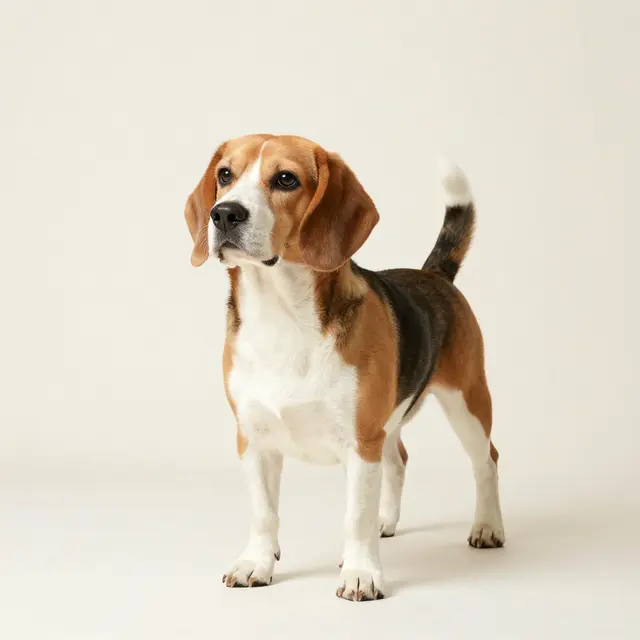
Beagle
A merry, pack-loving scent hound — sociable and great with kids, but ruled by its nose.
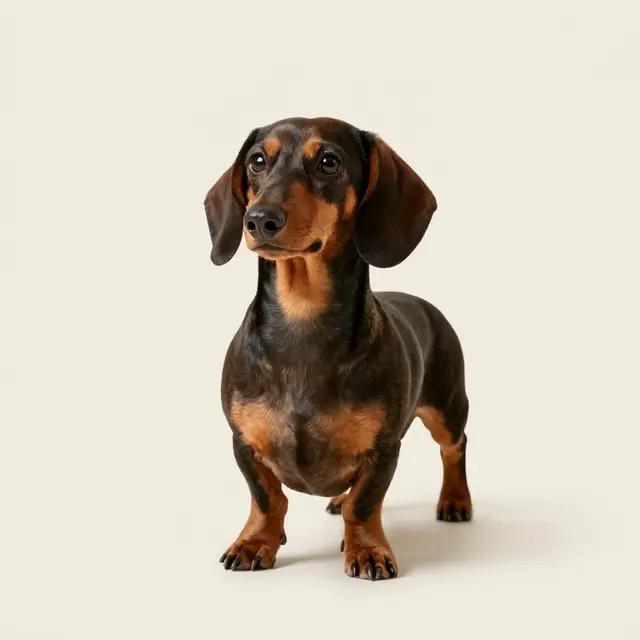
Dachshund
A bold, characterful "sausage dog" that suits smaller homes but needs careful handling of its long back.
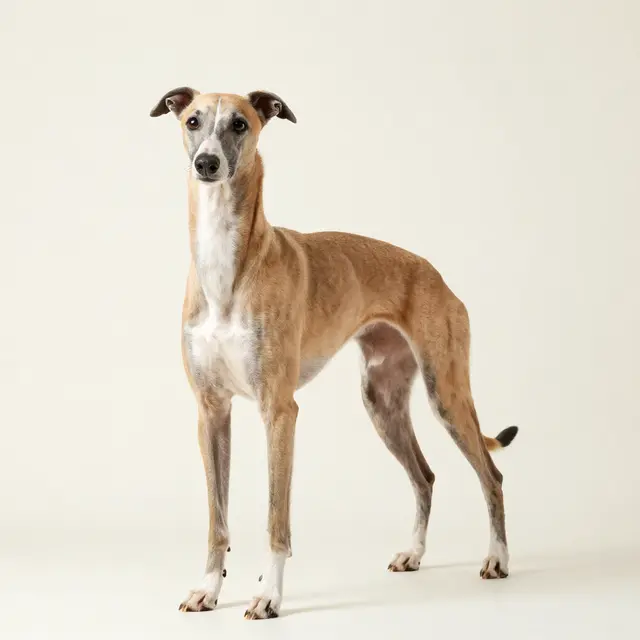
Whippet
A gentle, quiet "sofa sprinter" — happy to lounge at home between short bursts of explosive running.
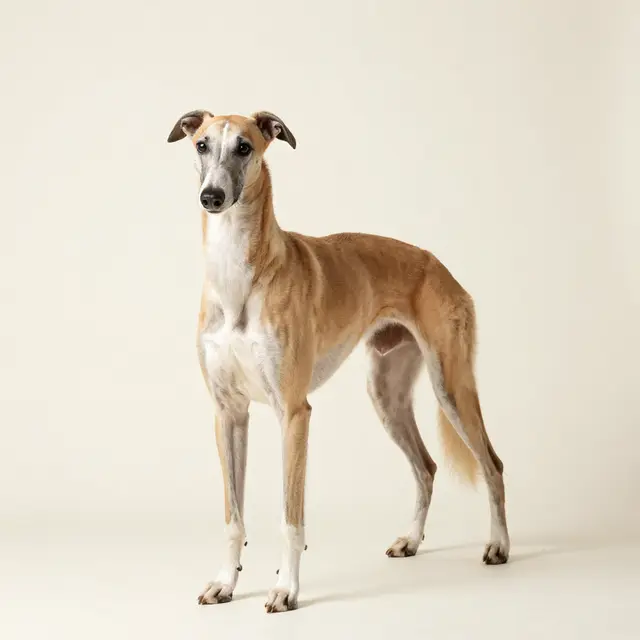
Greyhound
The ultimate couch potato — despite their racing reputation, retired greyhounds need surprisingly little exercise.
Similar temperament
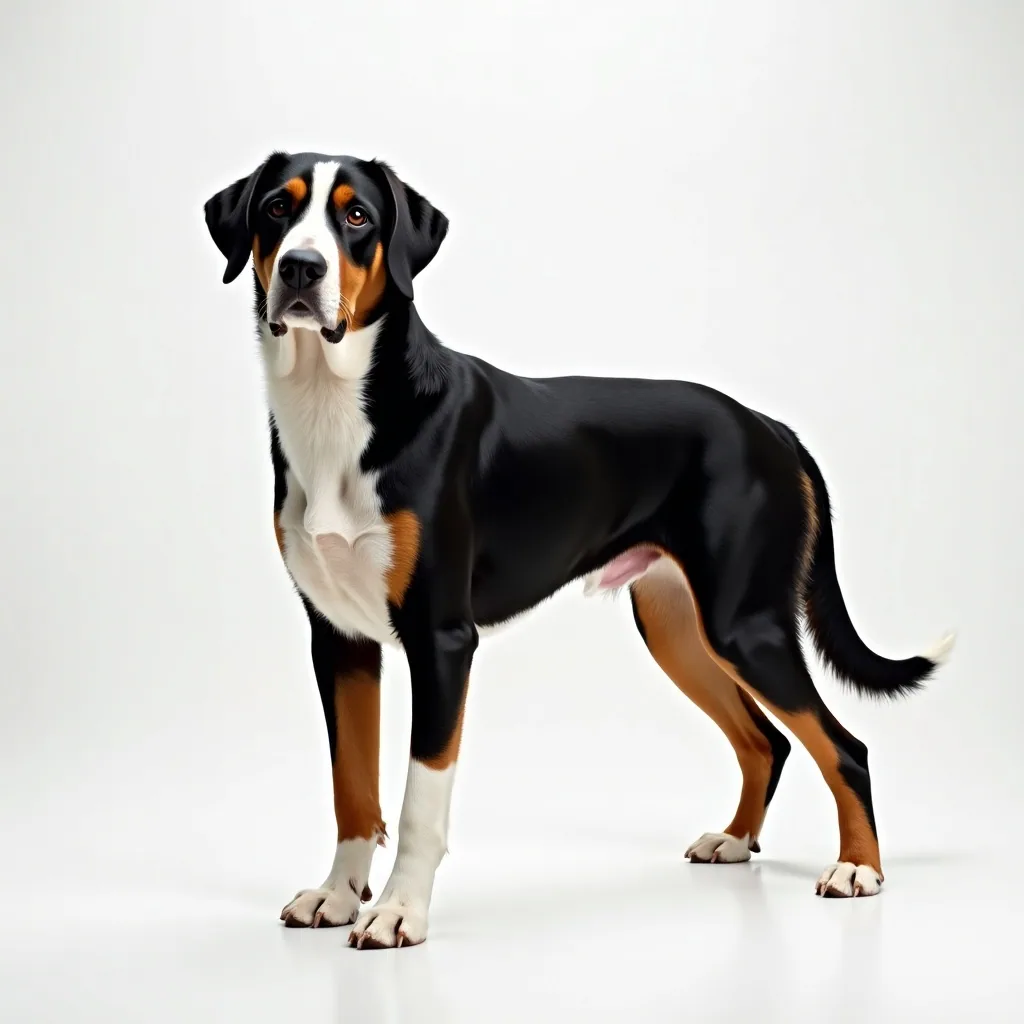
Greater Swiss Mountain Dog
A large, powerful tricolour Swiss draught and farm dog. Gentle, loyal and good-natured with family, but big, strong and slow-maturing, with a shorter lifespan.
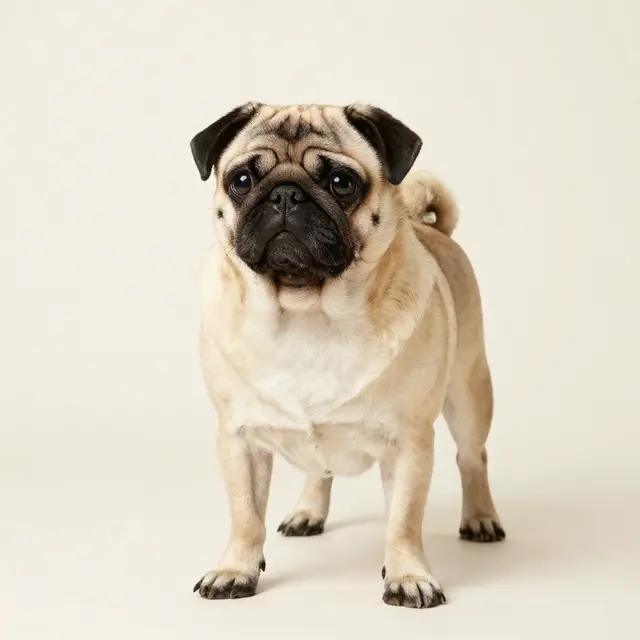
Pug
A charming, comical lap dog that’s content in a flat — but a flat face brings real health considerations.
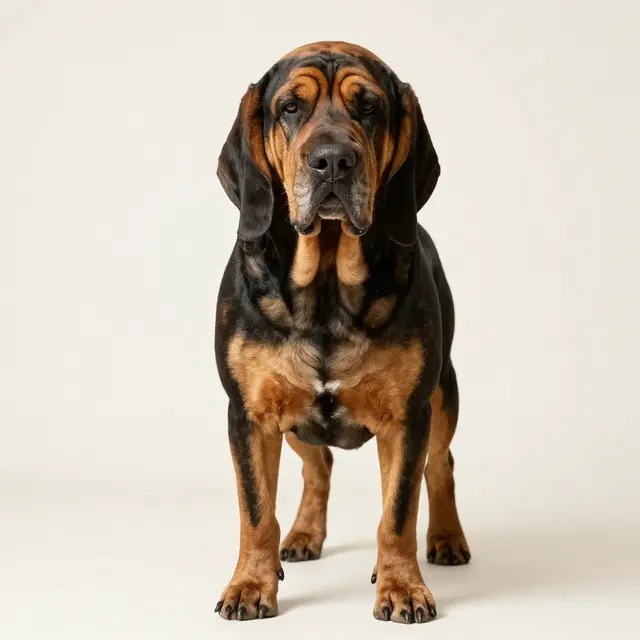
Bloodhound
The ultimate scent hound — gentle, affectionate and tolerant, but ruled entirely by its remarkable nose.
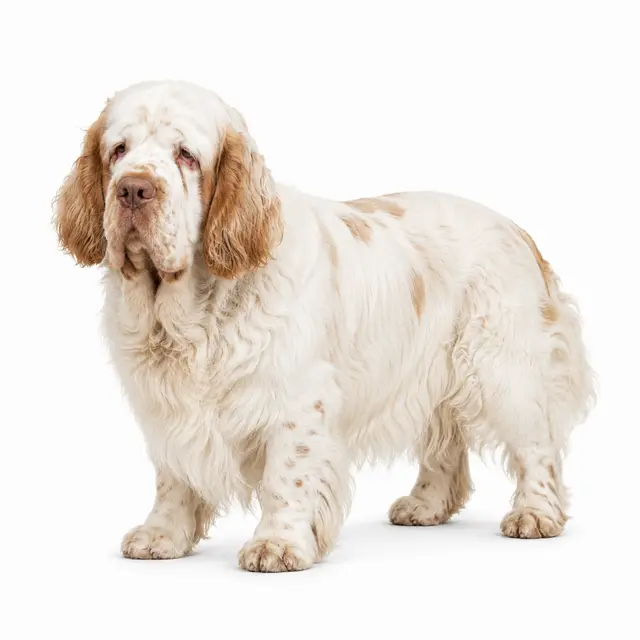
Clumber Spaniel
A heavy, mellow gundog — gentler and calmer than most spaniels, but it sheds, drools and gains weight easily.
Similar size, different type
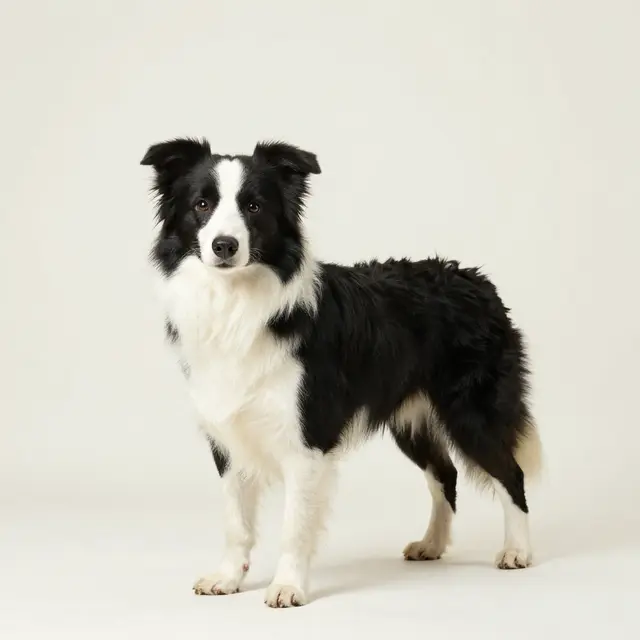
Border Collie
The ultimate working brain — astonishingly clever and trainable, but needs hours of exercise and a job to do.
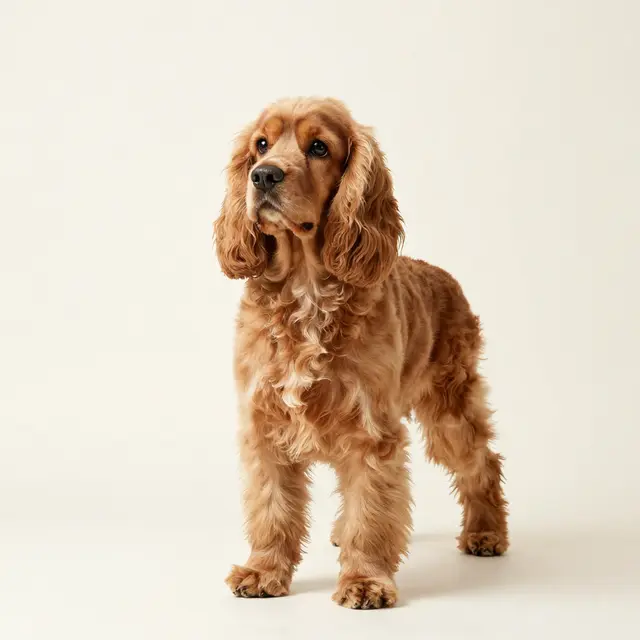
Cocker Spaniel
A merry, affectionate gundog that loves people and activity — happiest with a job and regular grooming.
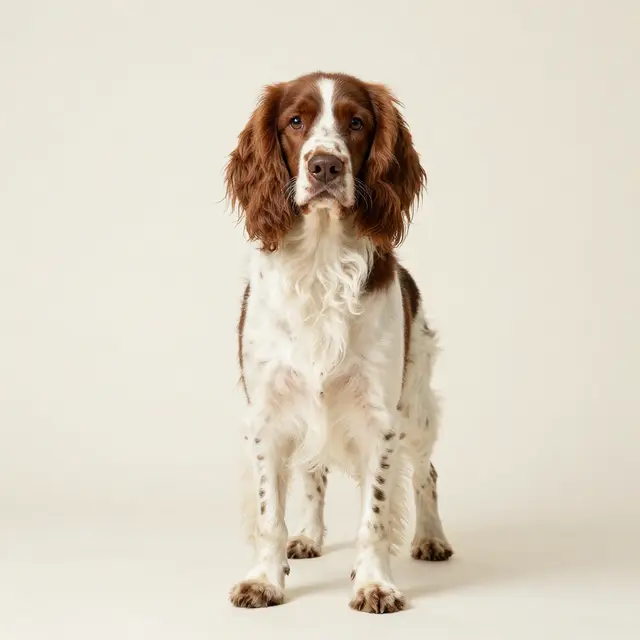
English Springer Spaniel
A tireless, enthusiastic working gundog that needs serious daily exercise and mental stimulation.
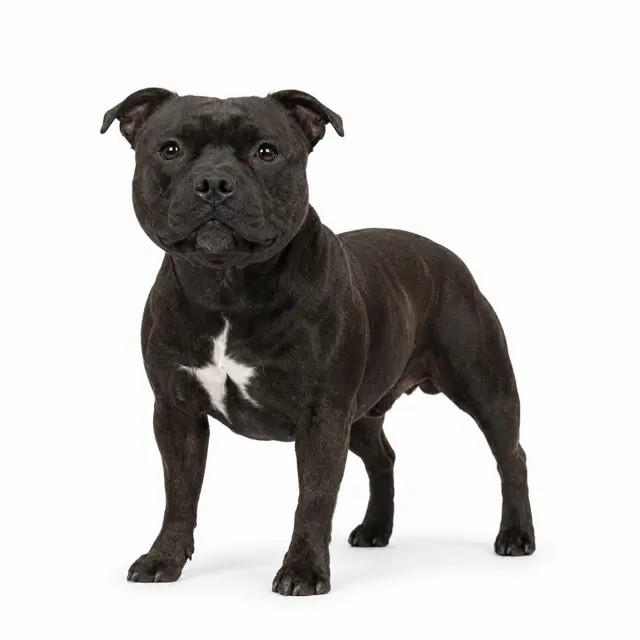
Staffordshire Bull Terrier
Affectionately known as the "nanny dog" — devoted, people-loving and famously gentle with children.
Is the Basset Hound your breed?
Create your pet profile and get personalised food, toy, insurance and health recommendations — tailored to your dog.
Frequently asked questions
How long do Basset Hounds live?
Basset Hounds typically live to around 10–12 years. Keeping your dog lean is the single biggest thing you can do for longevity in this breed, because excess weight worsens the back and joint strain their long bodies already carry. Health-tested parents, prompt vet care and good ear hygiene all help too.
What health problems are Basset Hounds prone to?
Basset Hounds are prone to back problems including intervertebral disc disease (IVDD) linked to their long backs, ear infections from those long heavy ears, eye conditions such as ectropion, entropion, cherry eye and glaucoma, plus elbow issues, bloat (GDV) and obesity. Keeping them lean and cleaning their ears regularly reduces much of this risk.
Are Basset Hounds good family dogs?
Yes — Basset Hounds are famously easy-going, gentle and friendly, and generally very good with children and other pets. They're laid-back, affectionate companions that suit relaxed households. The honest caveat is their stubbornness and scent-driven nature: recall is unreliable and training takes patience, so they're not the most obedient family dog.
Do Basset Hounds need a lot of exercise?
No — Basset Hounds have moderate-to-low exercise needs and are happy with a couple of steady daily walks. What matters far more is keeping them lean, because they pile on weight easily and every extra kilo strains their long back and joints. Avoid lots of jumping or stairs, and never let a young or overweight Basset over-exert.
Why do Basset Hounds get ear infections?
Their long, heavy, low-hanging ears trap warmth and moisture and limit airflow to the ear canal, creating the perfect environment for infection. This is a lifelong management issue rather than a one-off. Check the ears weekly, clean them with a vet-recommended cleaner as advised, and see your vet promptly for head-shaking, odour, redness or discharge.
Do Basset Hounds put on weight easily?
Yes — Basset Hounds are very prone to obesity. They love their food, beg persuasively and don't burn off much through their modest exercise needs. Excess weight is especially dangerous in this breed because it worsens the strain on their long back and joints. Measure every meal, limit treats and check your dog's body condition regularly.
Are Basset Hounds easy to train?
Not especially — Basset Hounds are intelligent but independent and stubborn, and once they pick up a scent they tend to follow their nose and tune you out. Recall in particular is unreliable, so a secure garden and a lead in open spaces are sensible. Short, positive, food-motivated sessions with lots of patience work best.
At what age is a Basset Hound a senior?
Basset Hounds are generally considered senior from around seven or eight years old. It's a sensible point to move to twice-yearly vet checks, keep a close eye on weight and the back, watch for eye and ear changes, and adapt exercise and bedding to support an ageing, long-bodied dog that's prone to joint and disc strain.
Can Basset Hounds climb stairs and jump on furniture?
It's best to limit it. Their long backs make Basset Hounds prone to intervertebral disc disease (IVDD), and repeated jumping up and down from sofas or beds, or frequent stairs, adds strain. Use ramps or steps where you can, discourage jumping, keep your dog lean, and see your vet promptly if you spot back pain, wobbliness or reluctance to move.
How can I help my Basset Hound live longer?
Keep them lean — it's the most important thing, as weight worsens their back and joint problems. Clean and check those long ears regularly, limit jumping and stairs to protect the back, feed measured meals to reduce bloat and obesity risk, and stay alert to eye changes. Add routine vet checks and a puppy from health-tested parents for the best start.
Are Basset Hounds good with children?
Good with children. As a general guide, Basset Hounds tend to be patient and tolerant. Whatever the breed, always supervise dogs and young children and teach kids to interact gently.
How much exercise does a Basset Hound need?
As a healthy adult, a typical Basset Hound needs around 30 minutes (gentle, broken into shorter walks) of exercise a day (30–45 minutes), split across walks plus play. A good sniffy walk plus some play and training usually keeps them happy. Puppies, seniors and dogs with health conditions need less — ask your vet.
Do Basset Hounds shed a lot?
Moderate shedding. Coat upkeep is easy-care — a quick brush now and then is usually enough.
Are Basset Hounds easy to train and good for first-time owners?
Manageable for committed beginners. Basset Hounds are best for owners ready to commit to consistent training and plenty of activity. Reward-based training and early socialisation help any dog.
Do Basset Hounds bark a lot?
Moderate barker. They are usually fairly easy-going about barking, though any dog will bark if bored or under-exercised.
Are Basset Hounds good with other dogs?
Sociable with other dogs. Early, positive socialisation with other dogs from a young age makes a big difference.
Do Basset Hounds suit flats or smaller homes?
Best with a garden. A Basset Hound is happiest with access to a secure garden and regular outdoor exercise.
Sources
- The Kennel Club — Basset Hound breed information: https://www.thekennelclub.org.uk/breeds/basset-hound/
- PDSA — Dog health and weight management advice: https://www.pdsa.org.uk/pet-help-and-advice/looking-after-your-pet/dogs
- Blue Cross — Dog advice and breed guidance: https://www.bluecross.org.uk/advice/dog
- Royal Veterinary College (RVC) VetCompass — companion animal health research: https://www.rvc.ac.uk/vetcompass
- Fédération Cynologique Internationale (FCI) — Basset Hound breed standard: https://www.fci.de/en/nomenclature/BASSET-HOUND-163.html
Recommended for your Basset Hound
Matched to a Basset Hound's size and their typical need for a slow feeder, ramps & easy access, joint & mobility support.


Bugalugs Hemp Oil for Dogs & Cats – 50ml
A natural, UK-made hemp seed oil supplement rich in Omega-3, -6, and -9 to support calmness, joint mobility, and a healthy, glossy coat.
£13.99

L-Shaped Bolster Sofa Dog Bed
A supportive L-shaped sofa bed with a raised bolster back and side for your dog to rest their head. The thick padded base cushions joints, and the soft rose-velvet cover is removable and washable for easy care.
From£44.99

Non-Slip Grip Dog Socks
Knitted dog socks with a generous rubber grip print across the sole to stop slipping on hard floors and protect paws. An adjustable hook-and-loop strap keeps each sock securely in place.
£7.99

Dog Recovery Boot for Injured Paws
A protective paw boot that shields healing wounds, torn pads, bleeding toes and damaged nails. Soft yet durable with adjustable straps, it keeps the injury clean and lets your dog walk in comfort.
From£10.99

Plush Snuffle Foraging Mat
A roll-up plush snuffle mat with cute animal designs. Hide treats in the folds and let your pet sniff and forage to find them - a rewarding enrichment game that beats boredom and slows feeding.
£13.99

Tarhong Concentric Circle Slow Feeder Bowl for Dogs & Cats
A stylish slow-feeder bowl that encourages healthier, calmer mealtimes — available in blue, grey, or white.
£14.99
Suggestions based on breed traits — always check sizing and suitability for your individual dog.
Got a Basset Hound? Save them to a pet profile for tailored picks across the whole site.
Happier, healthier pets — in your inbox.
Breed care tips, seasonal advice and first access to new arrivals. No spam, unsubscribe anytime.
Every dog is an individual — temperament and needs vary. Please research thoroughly, meet dogs in person, and consider adopting from a rescue. This is general guidance, not a substitute for advice from your vet or a qualified trainer.