


Border Collie
Developed on the Anglo-Scottish borders to herd sheep, the Border Collie is widely regarded as the most intelligent of all breeds. Tireless, intensely focused and endlessly trainable, it excels at dog sports and farm work alike. It suits active, committed owners who can provide hours of exercise plus real mental work — it's a poor fit for a quiet or busy-but-absent home.
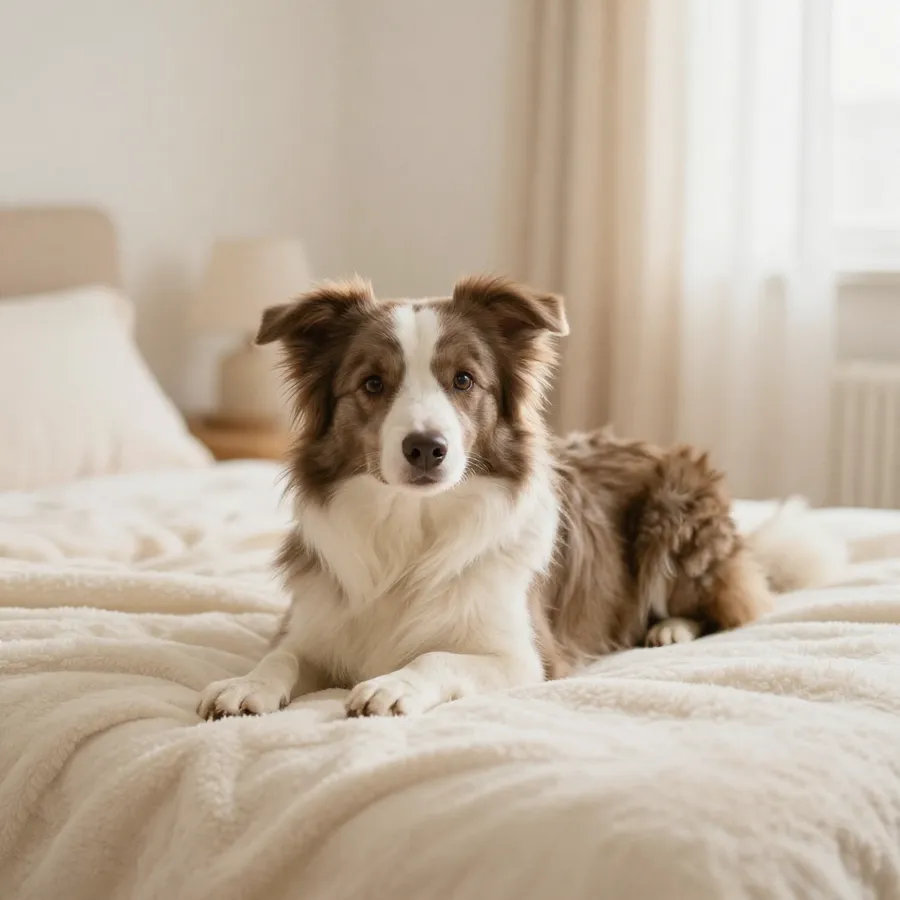
Border Collie scorecard
Overview
The Border Collie is widely regarded as the most intelligent and trainable of all dog breeds — a medium-sized, athletic working sheepdog built for stamina, agility and an extraordinary capacity to learn. Placed in the Kennel Club's Pastoral Group, it typically stands around 46–56 cm at the shoulder and weighs roughly 14–20 kg, with a coat that comes in two varieties (rough/moderately long and smooth) and a wide range of colours, the classic black-and-white being only the best known. Whatever the coat, the breed is defined less by looks than by its working brain and its famously intense, low-slung "eye" used to control livestock.
That intelligence is the breed's glory and its biggest pitfall as a pet. A Border Collie that has a job, plenty of exercise and consistent mental stimulation is a joy: responsive, devoted and capable of learning an enormous repertoire. The same dog left bored and under-exercised will often invent its own work — herding children, chasing cars or bikes, spinning, barking or becoming destructive. This is emphatically not a breed for flat life, long days alone or first-time owners looking for an easy companion; it is a working dog that needs a working dog's lifestyle. Lifespan is typically around 12–15 years.
Good to know — a Border Collie needs plenty of space and better with some experience. Every dog is an individual, so meet a few and chat to a good breeder or rescue before deciding.
Save the Border Collie guide
Thinking about a Border Collie? Pop your email in and we’ll send this guide so you can come back to it any time — handy while you compare breeds.
Popular searches for the Border Collie
History & origins
The Border Collie takes its name from the hill country along the Anglo-Scottish border, where it was developed over generations to gather and control sheep across rough, open terrain. Its working style — crouching, creeping and using a fixed stare known as "eye" rather than barking and nipping — set it apart from other herding types and made it supremely effective on the upland farms of Britain.
Many modern Border Collies trace back to a dog called Old Hemp, born in Northumberland in 1893, who was an exceptional and prepotent worker and is widely credited as a foundation sire of the breed. For most of its history the Border Collie was bred strictly for working ability and registered through the International Sheep Dog Society rather than for the show ring. The Kennel Club only recognised the breed for the show bench in 1976, and a degree of distinction remains between working lines bred for the farm and show or pet lines.
Temperament & family fit
Border Collies are intensely intelligent, alert, hard-working and deeply bonded to their handler. They are sensitive, responsive dogs that read human cues exceptionally well, which is part of what makes them such gifted trainees — but it also makes them prone to over-arousal and to picking up on tension or inconsistency in the home. With proper outlets they are affectionate and loyal family members; without them they can become anxious, obsessive or reactive.
The breed's hard-wired herding instinct shapes much of its behaviour. Border Collies commonly try to gather and control movement, which can show up as chasing or nipping at running children, cyclists, joggers or cars, and as sensitivity to fast movement and noise. They can be reserved with strangers and are not naturally as easy-going as some companion breeds. Early, thorough socialisation and a clear understanding of the herding drive are essential to channel these instincts constructively rather than letting them turn into problem behaviours.
- Families with older, respectful children
- Owners ready for consistent training
- Active homes with plenty of space
Training & intelligence
Few breeds are as rewarding to train as the Border Collie, which can learn new commands remarkably quickly and is capable of complex tasks, sequences and discrimination work. They excel in essentially every canine discipline — sheepdog trials, agility, obedience, flyball, scent work and trick training — and a structured "job" of this kind is one of the best ways to keep a pet Border Collie fulfilled. Reward-based training suits their sensitive nature far better than heavy-handed methods.
The challenge with this breed is not teaching it things but managing what it teaches itself. Their speed of learning cuts both ways: a Border Collie will just as readily learn unwanted patterns, and their tendency toward repetitive, obsessive behaviours (shadow-chasing, spinning, light-fixation) needs to be headed off early with appropriate stimulation rather than encouraged. Owners should prioritise impulse control, a rock-solid recall, calm settling, and careful management of the chase instinct around traffic, livestock and children. Mental work — puzzle feeders, training games, scent tasks — is as important as physical exercise.
- Start socialisation & handling early
- Reward-based methods only — no harsh corrections
- Channel energy into training games & enrichment
Exercise needs
A healthy adult Border Collie typically needs 2 hours or more, plus a job to do a day (roughly 120–180 minutes), split across walks, play and a little training. Higher-energy dogs also need their brains tired — sniffy walks, training games and puzzle feeding go a long way. Puppies, seniors and dogs with health conditions need adjusted amounts — check with your vet.
Grooming & coat
Border Collies have a weather-resistant double coat in either a rough (moderately long, feathered) or smooth variety. Both need regular brushing — around once or twice a week normally, and more often during the heavier seasonal moults in spring and autumn when the undercoat is shed in quantity. The breed is a moderate-to-heavy seasonal shedder rather than a high-maintenance coat. Routine care includes checking and cleaning the ears, regular nail trimming, dental care and keeping the feathering and the hair between the pads tidy. The coat is largely self-maintaining and only needs bathing occasionally when genuinely dirty.
- Brush several times a week
- Bathe every few weeks or as needed
- Check ears, nails and teeth weekly
Feeding a Border Collie
Feed a complete, good-quality food suited to the Border Collie's age, size and — importantly — its high activity level, following the manufacturer's guidelines and adjusting portions to keep the dog lean and well-muscled. An active working-type dog may need more energy-dense food than a quieter pet, so portions should track the individual's workload and body condition rather than a fixed figure. As with any deep-chested, active breed, avoid heavy exercise immediately before or after a large meal, and split the daily ration into two meals for most adults. Treats used heavily in training should be factored into the daily total to prevent weight gain, and fresh water should always be available.
A medium breed
An adult Border Collie typically weighs 14–20 kg, so a healthy Border Collie eats a moderate amount compared with other breeds. Every feeding guide on a bag is written per kilo of body weight, not per breed — start there, then adjust to the dog in front of you.
Life stage
A medium breed is usually done growing at ~12 months, which is roughly when a puppy food has finished its job. With a typical lifespan of 12–15 years, there is a long adult stretch in the middle; switch to a senior food when your vet thinks it is worth it rather than on a birthday.
A high-energy dog eats like one
Border Collies sit at the top end for energy, and a dog working through a couple of hours of real exercise a day burns through the feeding guide faster than a dog on a short stroll. Feed to the dog's condition, not to the middle of the range on the bag.
Mealtimes can do some of the work
A breed that struggles to settle on its own gets more out of a meal that takes effort — a lick mat, a snuffle mat or a puzzle feeder using part of the daily ration rather than extra food on top of it.
How much should a Border Collie weigh?
Adult 14–20 kgfully grown at ~12 months
| Age | Stage | Typical weight | Of adult size |
|---|---|---|---|
| 8 weeks | Just home | 2.2–3.1 kg | 15% |
| 3 months | Young puppy | 3.5–5 kg | 25% |
| 6 months | Growing fast | 7–10 kg | 50% |
| ~12 months | Fully grown | 14–20 kg | 100% |
A guide, from the same rule of thumb our puppy growth predictor uses — each age is that share of the way to maturity for a medium breed. Puppies grow fastest early, so a real puppy usually sits a little above the middle rows. Weigh yours and ask your vet if the number worries you.
Complete dog foods that suit a Border Collie
Complete foods from our range, matched to a Border Collie's size band and what the breed typically needs. Stock levels and delivery dates are live on each product.

Burns Adult/Senior Weight Control Chicken and Oats
A low-fat weight control dry food for adult and senior dogs, oat-based
£35.99

Simpsons Dog Sensitive Lamb Potato
A grain-free lamb and potato dry food for dogs with sensitive skin or digestion
From£17.05

Arden Grange Adult Dog Calming Turkey Sweet Potato
A grain-free complete turkey food with added L-tryptophan and chamomile
From£16.99

Forthglade Cold Pressed Natural Turkey
Cold-pressed turkey kibble for dogs from 2 months, soft enough to mix with water for young pups
£45.99

Forthglade Cold Pressed Grain Free Salmon
Cold-pressed grain-free dry food for dogs, built on fresh and dried salmon
From£16.99

Forthglade Cold Pressed Grain Free Duck
Cold-pressed grain-free duck food with fruit and botanicals, in two bag sizes
From£16.99

Forthglade Cold Pressed Grain Free Chicken
Cold-pressed grain-free chicken food with fruit and botanicals, in three bag sizes
From£16.99

Forthglade Cold Pressed Grain Free Turkey
Grain-free cold-pressed turkey kibble for dogs, gentle on sensitive stomachs
£69.69

Forthglade British Classics Chicken Family Lunch
Complete Forthglade wet dog food with 75% chicken in a 395G tray
£2.45

Harringtons Puppy Turkey & Rice
Complete turkey puppy food with 30% protein and feeding bands by adult weight
£6.49

Harringtons Just 6 Dry Dog Food Lamb
Grain-free lamb dry dog food in 2KG and 12KG sizes, with size-specific formulas
From£13.99

Burns Puppy Original Lamb & Rice
Complete Burns lamb and rice puppy food in a 2KG bag for up to 12 months
£14.99
Border Collie health & costs
Before bringing a Border Collie home it pays to budget for the whole picture — food, insurance, grooming and routine vet care all add up. The figures below are typical UK estimates for a healthy adult; your real costs vary with where you live, your dog's health and the cover you choose.
Food
£400–600 / year
Complete food sized to weight & life stage
Insurance
£25–45 / month
Lifetime cover — varies by age, breed & area
Grooming
£120–300 / year
Occasional pro + home brushing
Routine vet care
£200–450 / year
Vaccines, flea/worm, annual check
The Border Collie is generally a hardy, athletic breed, but it carries a number of well-documented inherited conditions that responsible breeders screen for. The most important fall into three groups: hip dysplasia (a developmental joint condition); inherited eye disorders, notably Collie eye anomaly (CEA) and progressive retinal atrophy (PRA); and several breed-relevant genetic conditions for which DNA tests now exist, including the MDR1 (multidrug sensitivity) mutation that affects how some Border Collies process certain common medications.
The UK Kennel Club, with the British Veterinary Association, supports hip and eye screening schemes, and DNA tests are available for conditions such as CEA, several forms of PRA, trapped neutrophil syndrome (TNS) and others. The single most effective thing a buyer can do is choose a breeder who hip-scores and eye-tests their stock and uses the relevant DNA tests, and to ask to see the results for both parents. Owners should also flag the MDR1 status to their vet, since it affects safe drug choices. With good breeding, sensible exercise and lifelong veterinary care, the Border Collie commonly enjoys a long life of around 12–15 years.
Common health conditions to be aware of
- Hip dysplasia — a developmental malformation of the hip joint that can lead to pain and arthritis; managed through KC/BVA hip scoring of breeding stock and sensible exercise in growing pups.
- Collie eye anomaly (CEA) — an inherited eye condition affecting the development of the back of the eye; a DNA test and eye screening allow breeders to avoid producing affected dogs.
- Progressive retinal atrophy (PRA) — inherited degeneration of the retina causing gradual sight loss; DNA tests exist for the forms relevant to the breed.
- MDR1 (multidrug resistance / ABCB1) mutation — a genetic variant that makes some Border Collies dangerously sensitive to certain common drugs (including some parasite treatments and anaesthetics); a DNA test allows safe medication choices.
- Trapped neutrophil syndrome (TNS) — a serious inherited immune-system disorder of pups in the breed, now avoidable through DNA testing of parents.
- Epilepsy — idiopathic (inherited) epilepsy is recognised in the breed and causes recurrent seizures, typically requiring lifelong veterinary management.
These reflect typical, size- and coat-related risks for dogs like the Border Collie; individual breeds carry their own predispositions. Always buy from health-tested parents and speak to your vet — this isn't a diagnosis.
Protect against surprise bills
A single emergency can run into thousands. Lifetime insurance spreads the risk.
Estimate insurance →How pet insurance works →Puppy & senior care
Bringing home a Border Collie puppy
Puppies need controlled exercise (a rough guide is five minutes per month of age, twice a day) to protect growing joints, little-and-often meals of a complete puppy food, early socialisation, and a calm routine for toilet training and sleep. Book first vaccinations, microchipping and a vet check early.
New puppy checklist →Caring for a senior Border Collie
As they age, watch weight, joints and teeth, switch to a senior diet if your vet advises, keep exercise gentle but regular, and consider orthopaedic bedding and ramps. Twice-yearly vet checks help catch issues early.
Orthopaedic beds & mobility →Pros & cons
The good bits
- Exceptionally intelligent and trainable
- Athletic and excels at agility, herding and dog sports
Things to consider
- Needs intense daily exercise plus mental work — not suited to flat life or novice owners
- Can herd/nip children and become destructive if under-stimulated
Border Collie health & care guides
In-depth, vet-sensible guides written for Border Collie owners:
Compare the Border Collie
See how the Border Collie measures up against similar breeds before you decide:
More breeds like the Border Collie
Same breed group
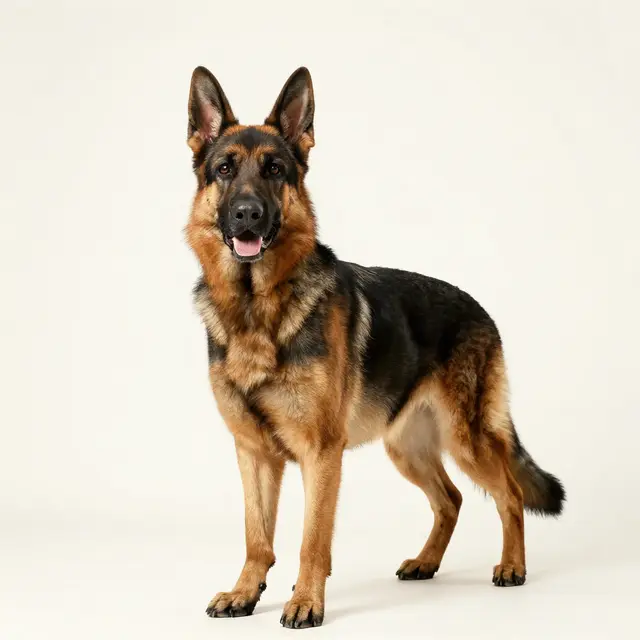
German Shepherd
A loyal, courageous and highly trainable working dog that needs experienced handling and plenty to do.
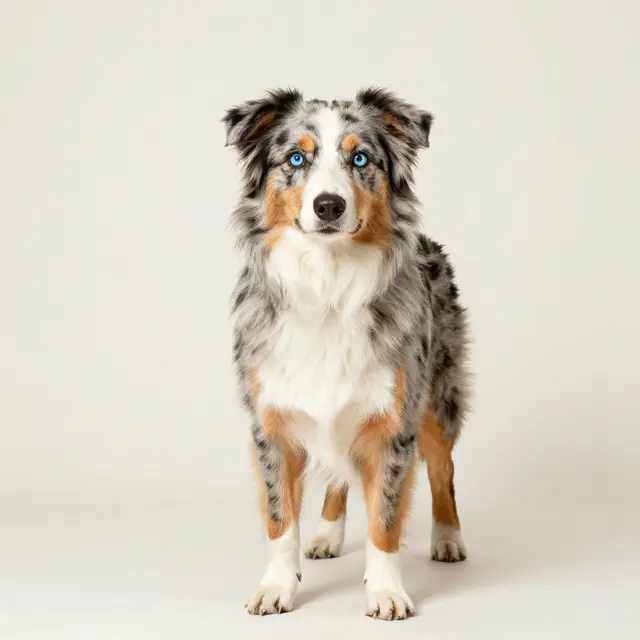
Australian Shepherd
A brilliant, energetic herding dog that excels at sport and work — but needs a busy, committed owner.
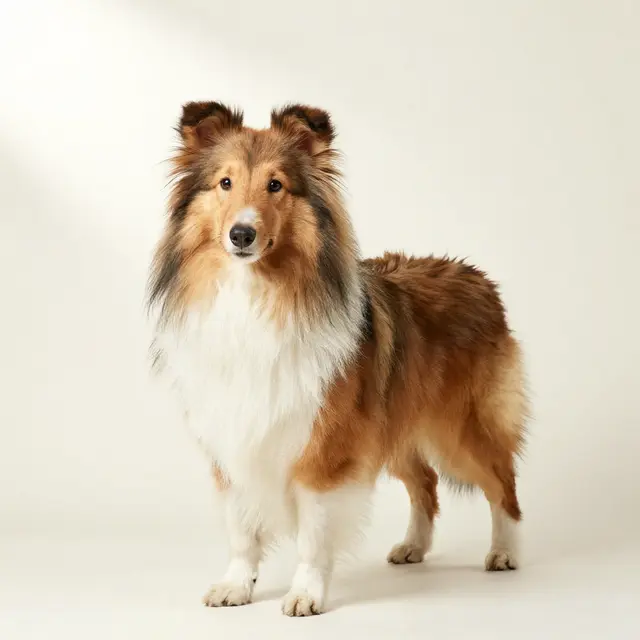
Shetland Sheepdog
A small, brainy herding dog — the "Sheltie" is devoted, highly trainable and excels at agility and obedience.
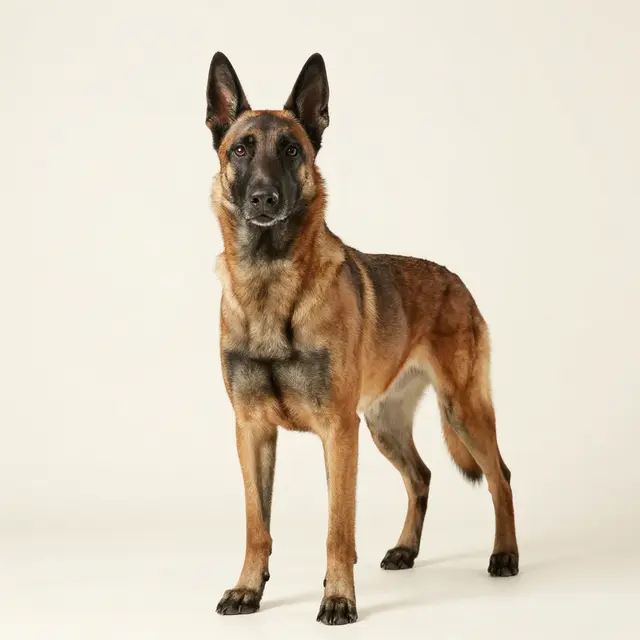
Belgian Malinois
A high-drive working dog used by police and military worldwide — astonishingly athletic and trainable, but far too much dog for most homes.
Similar temperament
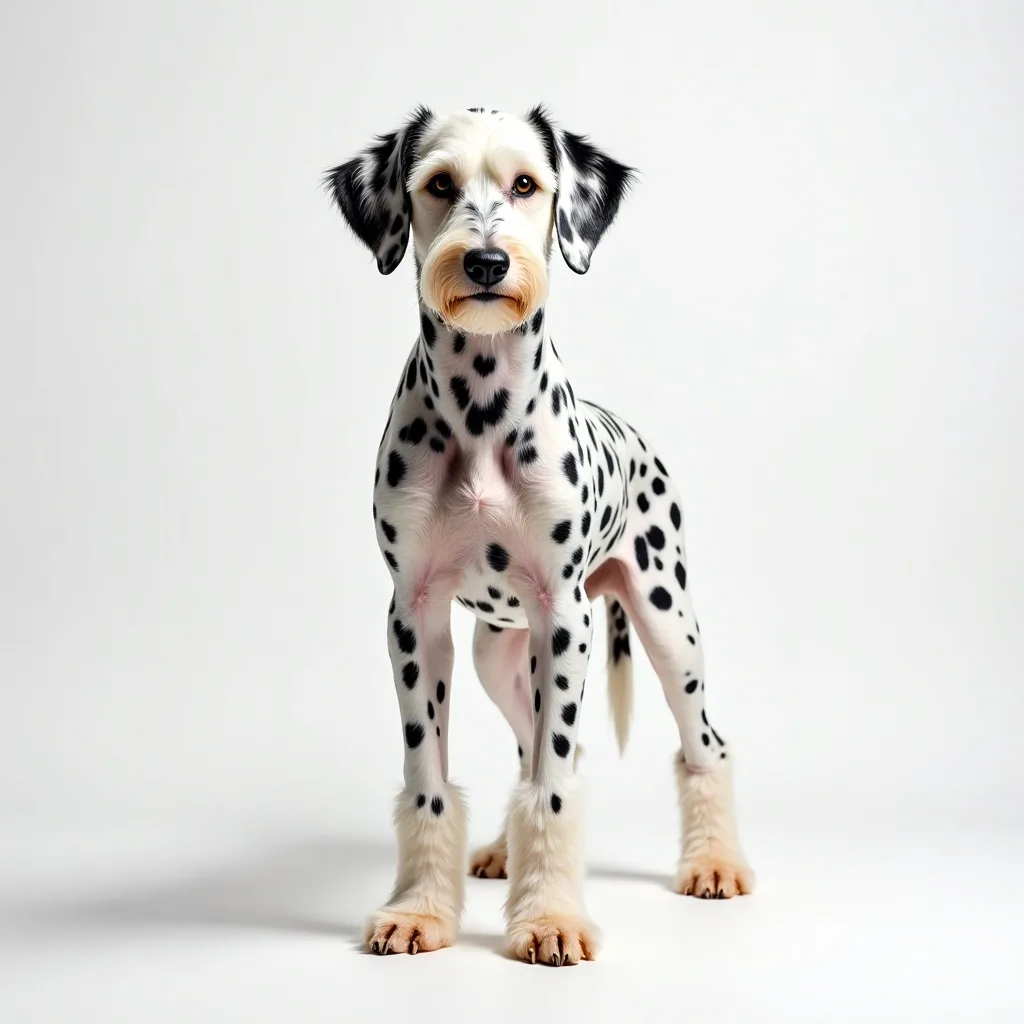
Dalmadoodle
A large, high-energy Dalmatian and Poodle cross needing plenty of exercise and stimulation. Coat type and shedding are very unpredictable, so the low-shed reputation is far from guaranteed.
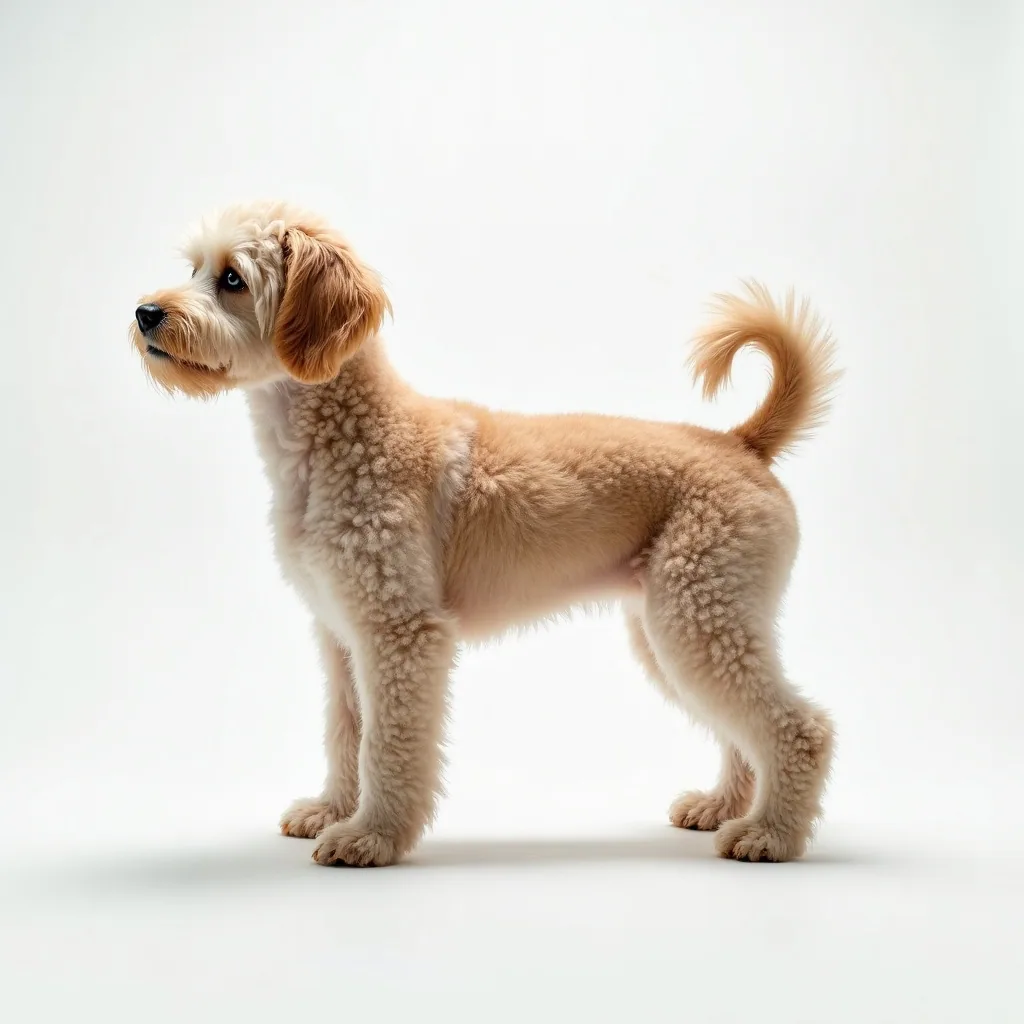
Siberpoo
A medium Siberian Husky and Poodle cross (also called Huskydoodle) that is energetic, smart and often independent. Exercise needs are high and the husky influence can bring a strong prey drive and escape instinct.
Australian Shepherd
A brilliant, energetic herding dog that excels at sport and work — but needs a busy, committed owner.
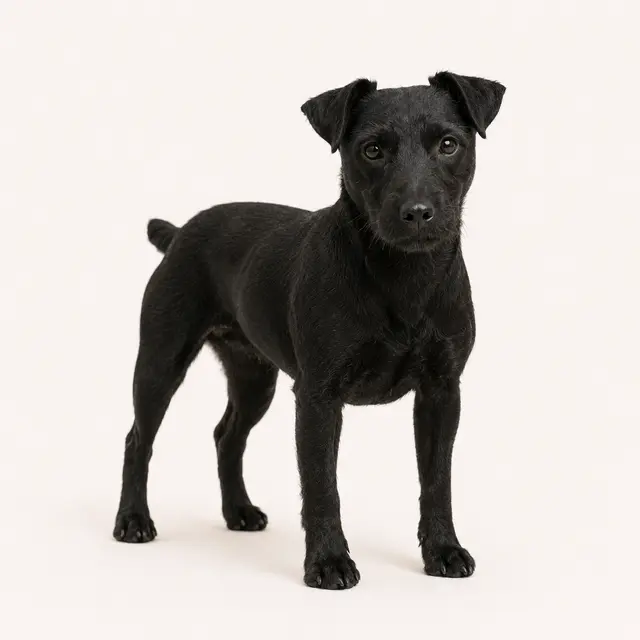
Patterdale Terrier
A tough, tenacious working terrier from the Lake District — hardy and fearless, with energy and drive to match.
Similar size, different type
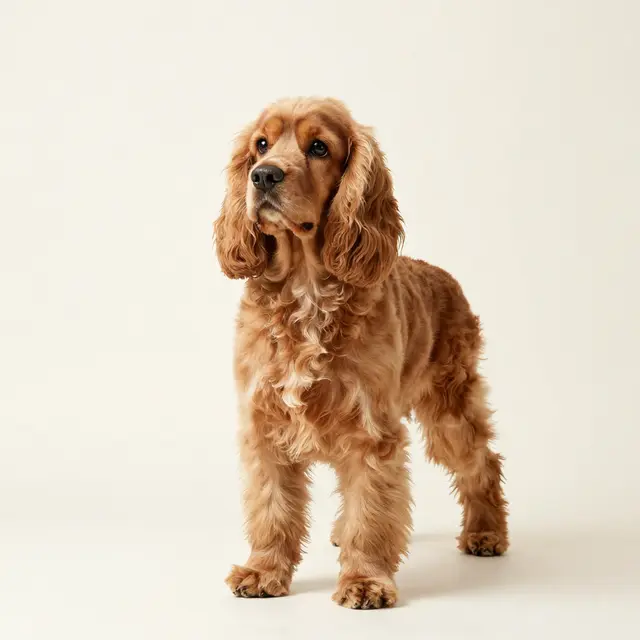
Cocker Spaniel
A merry, affectionate gundog that loves people and activity — happiest with a job and regular grooming.
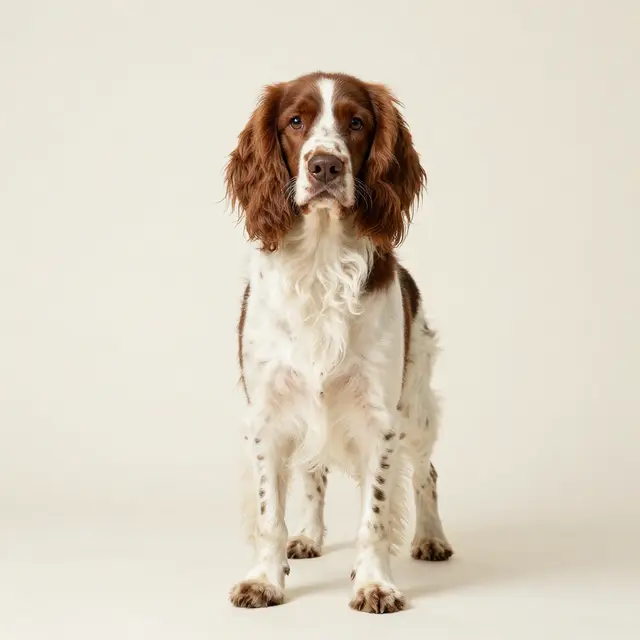
English Springer Spaniel
A tireless, enthusiastic working gundog that needs serious daily exercise and mental stimulation.
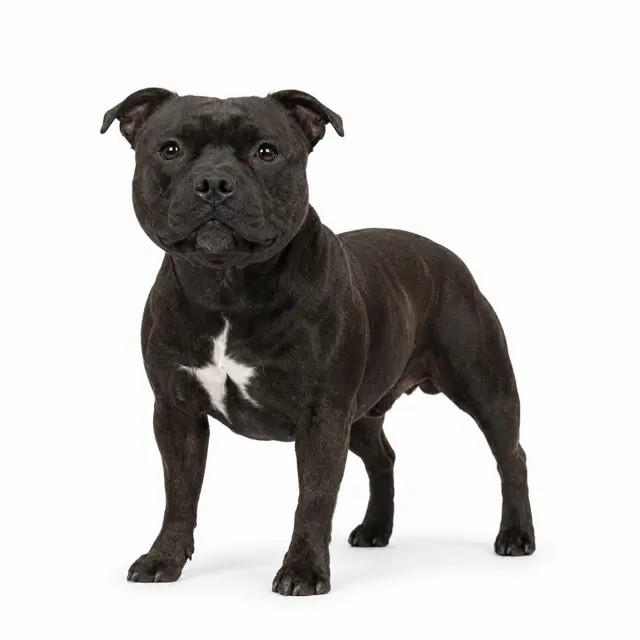
Staffordshire Bull Terrier
Affectionately known as the "nanny dog" — devoted, people-loving and famously gentle with children.
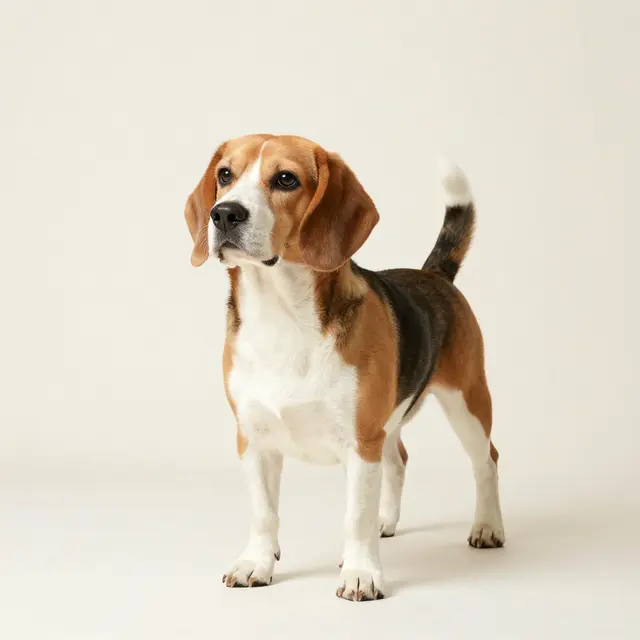
Beagle
A merry, pack-loving scent hound — sociable and great with kids, but ruled by its nose.
Is the Border Collie your breed?
Create your pet profile and get personalised food, toy, insurance and health recommendations — tailored to your dog.
Frequently asked questions
How long do Border Collies live?
Border Collies typically live to around 12–15 years, which is good for a medium-sized dog and reflects their hardy working build. Genetics set the range, but keeping your dog lean, looking after their joints, meeting their considerable exercise and mental-stimulation needs, and staying on top of preventive vet care all help yours reach the upper end of that span.
How much exercise does a Border Collie need?
At least around two hours a day for a healthy adult, and often more — but crucially it must combine physical exertion with mental challenge. Long varied walks, off-lead running, hikes and dog sports like agility cover the body; training, puzzle feeders and scent games cover the mind. A Collie exercised in body but not brain is still under-stimulated, so both matter.
How do you train a Border Collie?
Train them little, often and positively. Border Collies are the most trainable breed, so short, upbeat reward-based sessions work brilliantly — but they learn bad habits just as fast, so consistency matters. Channel their cleverness into useful cues, tricks, scent games and dog sports, and give the herding instinct an outlet rather than suppressing it. Treat training as an enjoyable lifelong hobby rather than a fixed course.
Are Border Collies good family dogs?
They can be excellent in the right family — an active, committed household that can meet their exercise and mental needs and enjoys training. They're loyal, clever and bond closely. The caveats: their herding instinct can lead to chasing or nipping at running children, and they need a lot of input, so they suit families with older, active children and plenty of time more than busy homes wanting a low-effort pet.
Do Border Collies shed a lot?
Yes. Border Collies have a double coat (rough or smooth varieties) and shed year-round, with heavier seasonal moults in spring and autumn when the soft undercoat blows. A brush once or twice a week most of the year, stepping up to daily during a moult, keeps it under control. They're not the highest-maintenance coat, but they are not a low-shedding breed.
Should you shave a Border Collie?
No — never shave a Border Collie. The double coat insulates against both cold and heat and protects the skin from sun and damage. Shaving it can ruin the way it regrows, leave the skin exposed, and doesn't reliably keep the dog cooler. Instead, brush out the loose undercoat regularly so air can circulate. If you're struggling with the coat, see a professional groomer rather than reaching for clippers.
Are Border Collies aggressive?
Aggression isn't typical of the breed — Border Collies are working dogs bred to respond to handlers, not to be aggressive. What's often mistaken for aggression is their strong herding instinct: chasing and nipping at the heels of runners, cyclists, cars or children. It's instinct, not hostility, and can be managed with training and outlets, but it does need understanding and supervision, especially around young children.
Are Border Collies easy to train?
Exceptionally — they're widely regarded as the most trainable and intelligent dog breed, learning new cues remarkably fast and excelling at dog sports. The flip side is that they learn unwanted habits just as quickly and need their clever minds kept busy, so training is best treated as an enjoyable lifelong hobby. Reward-based methods and plenty of mental challenge bring out the best in them.
Are Border Collies hypoallergenic?
No. Border Collies are not hypoallergenic — they have a shedding double coat and produce the dander and saliva proteins that trigger most dog allergies. No breed is truly hypoallergenic, and a moderate-to-heavy shedding working breed like the Collie is not a low-allergen choice. If allergies are a concern, spend time around the breed before deciding.
Can Border Collies be left alone?
Not for long. Border Collies are intelligent, energetic and people-focused, and being left alone for long stretches — especially without enough exercise and mental stimulation first — often leads to boredom, anxiety and destructive or obsessive behaviour. They're a poor fit for a home that's empty all day. If you must leave one, exercise them well beforehand, leave enrichment, and build up alone-time gradually.
Are Border Collies good with children?
Fine with sensible, older children. As a general guide, Border Collies tend to be fine with sensible, older children. Whatever the breed, always supervise dogs and young children and teach kids to interact gently.
How much exercise does a Border Collie need?
As a healthy adult, a typical Border Collie needs 2 hours or more, plus a job to do of exercise a day (120–180 minutes), split across walks plus play. Higher-energy dogs also need mental stimulation — sniffing, training games and puzzle feeders — to stay settled. Puppies, seniors and dogs with health conditions need less — ask your vet.
Do Border Collies shed a lot?
High shedding. Coat upkeep is regular brushing — brush regularly to keep the coat in good condition.
Are Border Collies easy to train and good for first-time owners?
Better with some experience. Border Collies are best for owners ready to commit to consistent training and plenty of activity. Reward-based training and early socialisation help any dog.
Do Border Collies bark a lot?
Moderate barker. They are usually fairly easy-going about barking, though any dog will bark if bored or under-exercised.
Are Border Collies good with other dogs?
Sociable with other dogs. Early, positive socialisation with other dogs from a young age makes a big difference.
Do Border Collies suit flats or smaller homes?
Needs plenty of space. A Border Collie really needs plenty of space and a lot of daily activity — not ideal for a small flat.
Sources
- The Kennel Club — Border Collie breed information: https://www.thekennelclub.org.uk/breed-information/border-collie/
- The Kennel Club — Health: hip scoring, BVA/KC/ISDS Eye Scheme and DNA testing: https://www.thekennelclub.org.uk/health-and-dog-care/health/
- PDSA — Border Collie breed information: https://www.pdsa.org.uk/pet-help-and-advice/looking-after-your-pet/puppies-dogs/large-dogs/border-collie
- Blue Cross — Dog breeds and behaviour advice: https://www.bluecross.org.uk/advice/dog
- RVC VetCompass Programme — companion-animal health research: https://www.rvc.ac.uk/vetcompass
- Fédération Cynologique Internationale (FCI) — Border Collie breed standard (Standard No. 297): https://www.fci.be/en/nomenclature/BORDER-COLLIE-297.html
Recommended for your Border Collie
Matched to a Border Collie's size and their typical need for help with shedding, enrichment & mental stimulation, calming support.

Round Snuffle Foraging Mat for Dogs & Cats
A round fleece snuffle mat with dense colourful fabric strips and a drawstring edge. Hide treats among the folds to encourage natural foraging, ease boredom and slow down fast eaters.
£16.99

Calming Pheromone Dog Collars (4 Pack)
A four-pack of adjustable pheromone collars to help dogs settle in stressful moments.
£8.99

Boredom Buster Bundle: Snuffle Mat, LickiMat and Enrichment Ball
Three ways to make a meal take twenty minutes instead of two: a snuffle mat for dry food, a LickiMat for wet, and a rolling ball that dispenses kibble.
£39.99

Lickimat Buddy Lavnd Amz Sgl
Criss-cross lick mat for spreadable food, 20 x 20cm, slows fast eaters
£6.99

Silicone Pet Grooming Glove
A double-sided silicone grooming glove that lifts loose fur while giving a calming hands-on stroke.
£7.99

Round Silicone Slow Feeder Lick Mat
A food-grade silicone lick mat with a honeycomb and pyramid texture that spreads out treats, wet food or yoghurt to slow fast eaters and keep anxious dogs and cats calmly occupied. Easy to rinse clean.
£13.99

Dog Snuffle Foraging Mat
A bone-shaped snuffle mat with varied flaps, pockets and textures that hide treats for your dog to forage out. It slows feeding, engages the nose and turns mealtimes into calm, enriching play.
£11.99

Self-Moving Chew-Resistant Dog Ball
A USB-C rechargeable ball that moves on its own to keep dogs busy and active. Tough E-TPU construction stands up to chewing during supervised play, and the splash-resistant build suits indoor or outdoor use.
£15.99
Suggestions based on breed traits — always check sizing and suitability for your individual dog.
Got a Border Collie? Save them to a pet profile for tailored picks across the whole site.
Happier, healthier pets — in your inbox.
Breed care tips, seasonal advice and first access to new arrivals. No spam, unsubscribe anytime.
Every dog is an individual — temperament and needs vary. Please research thoroughly, meet dogs in person, and consider adopting from a rescue. This is general guidance, not a substitute for advice from your vet or a qualified trainer.