


Beagle
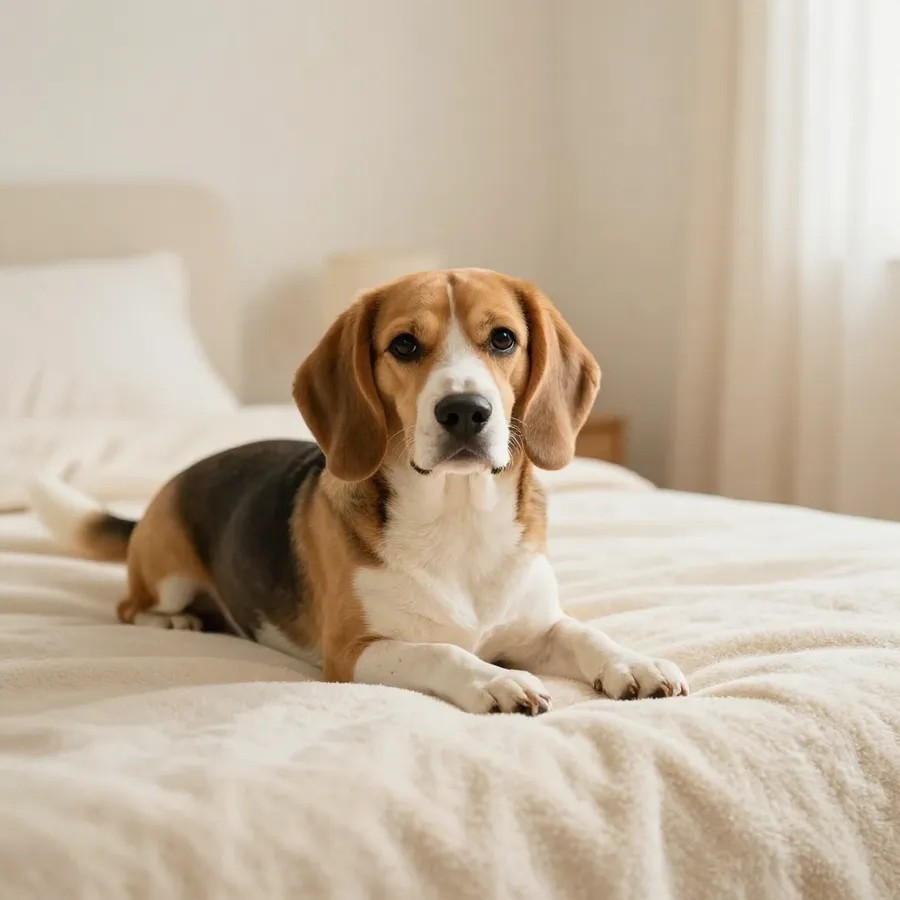
A pack scent hound bred in England to hunt hare, the Beagle is merry, sociable and utterly ruled by its nose. Friendly with people and dogs alike, it's a wonderful family dog — but an independent, food-obsessed one. It suits active homes with a secure garden who'll accept a vocal dog, manage its weight strictly, and never rely on off-lead recall.
Beagle scorecard
Overview
The Beagle is a compact, sturdy and irrepressibly cheerful scent hound, one of the most recognisable and best-loved breeds in the world. Standing roughly 33–41 cm at the shoulder and weighing around 9–11 kg, it is small enough to be manageable yet robust enough for a full day in the field. With its soft brown eyes, long velvety ears and merry, wagging tail, the Beagle has an irresistible charm — but behind the appealing face lies a determined working dog whose entire being is governed by one of the most powerful noses in the canine world.
Bred to hunt in packs, the Beagle is sociable, friendly and remarkably tolerant, making it an excellent companion for families and a dog that generally gets along well with other dogs and children. That same pack heritage, however, brings a strong instinct to follow a scent wherever it leads, a tendency to be vocal, and a famously selective response to recall. Understanding the Beagle as a hound first and a pet second is the key to a happy life together.
Good to know — a Beagle is best with a garden and manageable for committed beginners. Every dog is an individual, so meet a few and chat to a good breeder or rescue before deciding.
Save the Beagle guide
Thinking about a Beagle? Pop your email in and we’ll send this guide so you can come back to it any time — handy while you compare breeds.
Popular searches for the Beagle
History & origins
The Beagle's exact origins are uncertain, but small scent hounds used to hunt hares and rabbits have existed in England for many centuries. The modern Beagle was developed in Britain, where packs were maintained to follow hares on foot — a sport known as beagling — that allowed hunters to keep up without horses. By the nineteenth century, breeders had refined the type into the recognisable Beagle of today, valued for its keen nose, stamina, musical voice and biddable pack temperament.
The breed was recognised by the Kennel Club, and its popularity spread widely, especially in North America, where it became one of the most popular breeds of all. The Beagle's superb sense of smell and steady temperament have also made it the dog of choice for detection work, such as sniffing out prohibited items at airports. Today the Beagle is kept far more often as a family companion than as a working pack hound, but its hunting instincts remain very much intact.
Temperament & family fit
The Beagle is friendly, even-tempered and sociable by nature — a direct legacy of being bred to live and work cooperatively in packs. It typically loves human company, is excellent with children, and usually gets on well with other dogs, making it one of the more reliably good-natured breeds for a busy family home. Beagles are curious, playful and food-loving, with a cheerful outlook that endears them to almost everyone they meet.
Those appealing traits come bundled with the characteristics of a working scent hound. The Beagle's nose rules its life: once locked onto an interesting smell, a Beagle can become single-minded and oblivious to its owner's calls. The breed is also notably vocal, with a distinctive bay and howl as well as ordinary barking, which can be an issue in close housing. Beagles are sociable to the point of disliking being left alone for long periods, and their intelligence combined with a stubborn streak means they need patient, consistent handling rather than expecting instant obedience.
- Families with children of all ages
- Owners ready for consistent training
- Homes with a secure garden
Training & intelligence
Beagles are intelligent but independent, a combination that makes training a test of patience and consistency rather than a quick process. They respond best to positive, reward-based methods, and their strong food motivation can be a real asset — small, tasty treats are powerful currency with this breed. Sessions should be short, upbeat and varied to hold a Beagle's interest, and the whole household should apply the rules consistently, as Beagles are quick to exploit any inconsistency.
Recall is the single greatest training challenge. Because the Beagle was bred to follow a scent relentlessly, even a well-trained dog may ignore commands entirely when it picks up an exciting trail, so many owners keep their Beagles on a lead or long-line except in fully secured areas. Early socialisation and patient training from puppyhood help, and scent-based games and activities are an excellent way to engage the breed's natural talents and provide mental stimulation. Managing the breed's vocal tendencies and food-driven scavenging also benefits from consistent, kind training.
- Start socialisation & handling early
- Reward-based methods only — no harsh corrections
- Channel energy into training games & enrichment
Exercise needs
A healthy adult Beagle typically needs 90 minutes to 2 hours a day (roughly 90–120 minutes), split across walks, play and a little training. Higher-energy dogs also need their brains tired — sniffy walks, training games and puzzle feeding go a long way. Puppies, seniors and dogs with health conditions need adjusted amounts — check with your vet.
Grooming & coat
The Beagle is low-maintenance in the grooming department. Its short, dense, weatherproof coat needs only a weekly brush to remove loose hair and keep it in good condition, though shedding is moderate and may increase seasonally. The breed's long, pendulous ears, however, deserve particular attention: their shape restricts airflow and can predispose the Beagle to ear infections, so the ears should be checked and cleaned regularly. Routine nail trimming and regular tooth brushing complete a straightforward grooming routine.
- Brush occasionally to remove loose hair
- Bathe every few weeks or as needed
- Check ears, nails and teeth weekly
Feeding a Beagle
Beagles should be fed a complete, balanced diet appropriate to their age, size and activity level, with portions measured against the manufacturer's guidance and adjusted to maintain a healthy weight. Few breeds are as food-obsessed as the Beagle, which will happily eat far more than it needs, scavenge for scraps and raid bins given the chance. This makes the breed highly prone to obesity, so careful portion control, secure food storage and strict management of treats — counted within the daily ration — are essential. Fresh water should always be available, and diet changes introduced gradually.
A medium breed
An adult Beagle typically weighs 9–11 kg, so a healthy Beagle eats a moderate amount compared with other breeds. Every feeding guide on a bag is written per kilo of body weight, not per breed — start there, then adjust to the dog in front of you.
Life stage
A medium breed is usually done growing at ~12 months, which is roughly when a puppy food has finished its job. With a typical lifespan of 12–15 years, there is a long adult stretch in the middle; switch to a senior food when your vet thinks it is worth it rather than on a birthday.
A high-energy dog eats like one
Beagles sit at the top end for energy, and a dog working through an hour and a half of real exercise a day burns through the feeding guide faster than a dog on a short stroll. Feed to the dog's condition, not to the middle of the range on the bag.
This breed tends to bolt its food
A food-motivated dog will empty a bowl in under a minute given the chance. A slow feeder or a puzzle bowl turns a meal back into something that takes time, and splitting the daily ration across two or three meals helps as well.
How much should a Beagle weigh?
Adult 9–11 kgfully grown at ~12 months
| Age | Stage | Typical weight | Of adult size |
|---|---|---|---|
| 8 weeks | Just home | 1.4–1.7 kg | 15% |
| 3 months | Young puppy | 2.3–2.8 kg | 25% |
| 6 months | Growing fast | 4.5–5.5 kg | 50% |
| ~12 months | Fully grown | 9–11 kg | 100% |
A guide, from the same rule of thumb our puppy growth predictor uses — each age is that share of the way to maturity for a medium breed. Puppies grow fastest early, so a real puppy usually sits a little above the middle rows. Weigh yours and ask your vet if the number worries you.
Complete dog foods that suit a Beagle
Complete foods from our range, matched to a Beagle's size band and what the breed typically needs. Stock levels and delivery dates are live on each product.

Simpsons Dog Sensitive Lamb Potato
A grain-free lamb and potato dry food for dogs with sensitive skin or digestion
From£17.05

Forthglade Cold Pressed Natural Turkey
Cold-pressed turkey kibble for dogs from 2 months, soft enough to mix with water for young pups
£45.99

Forthglade Cold Pressed Grain Free Salmon
Cold-pressed grain-free dry food for dogs, built on fresh and dried salmon
From£16.99

Forthglade Cold Pressed Grain Free Duck
Cold-pressed grain-free duck food with fruit and botanicals, in two bag sizes
From£16.99

Forthglade Cold Pressed Grain Free Chicken
Cold-pressed grain-free chicken food with fruit and botanicals, in three bag sizes
From£16.99

Forthglade Complete Meal Lightly Baked Turkey
A lightly baked complete dry food, 50% turkey, for adult dogs of any breed
From£12.49

Forthglade Complete Meal Lightly Baked Chicken
A grain-free complete dry food for adult dogs, lightly baked and built on 50% chicken
From£12.49

Forthglade Cold Pressed Grain Free Turkey
Grain-free cold-pressed turkey kibble for dogs, gentle on sensitive stomachs
£69.69

Forthglade British Classics Chicken Family Lunch
Complete Forthglade wet dog food with 75% chicken in a 395G tray
£2.45

Harringtons Puppy Turkey & Rice
Complete turkey puppy food with 30% protein and feeding bands by adult weight
£6.49

Harringtons Just 6 Dry Dog Food Lamb
Grain-free lamb dry dog food in 2KG and 12KG sizes, with size-specific formulas
From£13.99

Burns Puppy Original Lamb & Rice
Complete Burns lamb and rice puppy food in a 2KG bag for up to 12 months
£14.99
Beagle health & costs
Before bringing a Beagle home it pays to budget for the whole picture — food, insurance, grooming and routine vet care all add up. The figures below are typical UK estimates for a healthy adult; your real costs vary with where you live, your dog's health and the cover you choose.
Food
£400–600 / year
Complete food sized to weight & life stage
Insurance
£25–45 / month
Lifetime cover — varies by age, breed & area
Grooming
£0–60 / year
Mostly DIY at home
Routine vet care
£200–450 / year
Vaccines, flea/worm, annual check
The Beagle is generally a healthy, hardy and long-lived breed, with a typical lifespan of around 12–15 years. Its sturdy, well-balanced build, with relatively little exaggeration, has helped it avoid many of the structural problems affecting more heavily modified breeds. Even so, the Beagle is associated with a number of inherited and acquired conditions, and prospective owners should buy from responsible breeders who health-test their stock and prioritise sound temperament and health.
The breed's most significant everyday health risk is arguably obesity, driven by its insatiable appetite, which in turn contributes to joint problems and other weight-related conditions. Its long ears make ear infections common, and the breed can be affected by certain inherited eye, neurological and metabolic conditions. Routine preventive care — vaccination, parasite control, dental care, ear care and weight management — together with prompt veterinary attention, gives a Beagle the best chance of a long, healthy life, and pet insurance can help with the cost of unexpected treatment.
Common health conditions to be aware of
- Obesity — the breed's extreme food drive makes excess weight a very common, preventable problem with serious knock-on effects.
- Ear infections — long, pendulous ears restrict airflow and predispose the breed to recurrent ear problems.
- Intervertebral disc disease (IVDD) — back problems caused by disc degeneration, seen in the breed.
- Epilepsy — idiopathic epilepsy and seizures can occur in some lines.
- Hypothyroidism — an underactive thyroid gland causing weight gain, lethargy and coat changes.
- Inherited eye conditions — including glaucoma and other eye disorders for which screening is advised.
These reflect typical, size- and coat-related risks for dogs like the Beagle; individual breeds carry their own predispositions. Always buy from health-tested parents and speak to your vet — this isn't a diagnosis.
Protect against surprise bills
A single emergency can run into thousands. Lifetime insurance spreads the risk.
Estimate insurance →How pet insurance works →Puppy & senior care
Bringing home a Beagle puppy
Puppies need controlled exercise (a rough guide is five minutes per month of age, twice a day) to protect growing joints, little-and-often meals of a complete puppy food, early socialisation, and a calm routine for toilet training and sleep. Book first vaccinations, microchipping and a vet check early.
New puppy checklist →Caring for a senior Beagle
As they age, watch weight, joints and teeth, switch to a senior diet if your vet advises, keep exercise gentle but regular, and consider orthopaedic bedding and ramps. Twice-yearly vet checks help catch issues early.
Orthopaedic beds & mobility →Pros & cons
The good bits
- Friendly, sociable and excellent with children and other dogs
- Compact size with an easy-care coat
Things to consider
- Strong scent drive and selective recall — needs a secure garden
- Vocal (bays and howls) and food-motivated to the point of stubbornness
Beagle health & care guides
In-depth, vet-sensible guides written for Beagle owners:
Compare the Beagle
See how the Beagle measures up against similar breeds before you decide:
More breeds like the Beagle
Same breed group
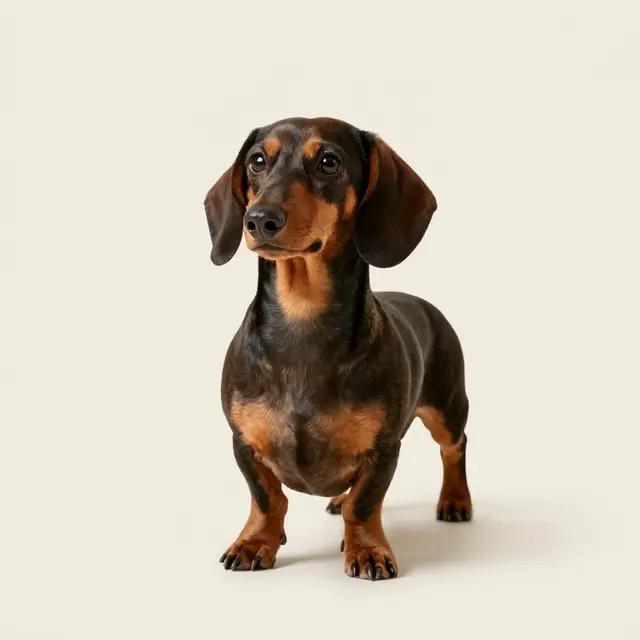
Dachshund
A bold, characterful "sausage dog" that suits smaller homes but needs careful handling of its long back.
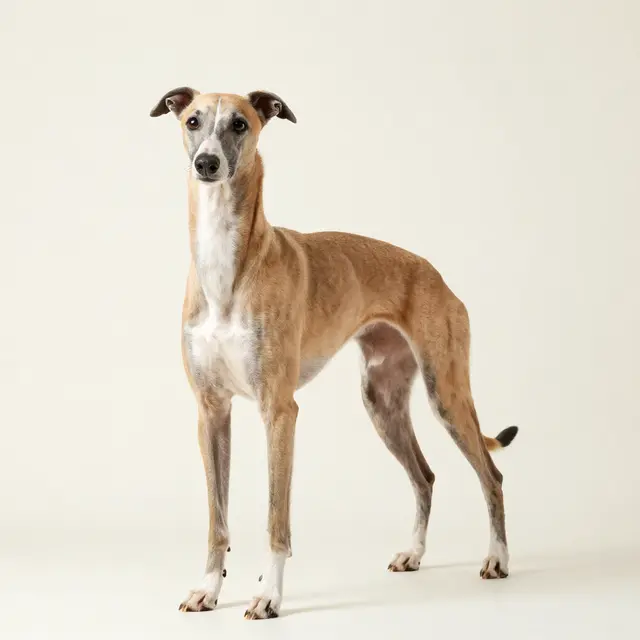
Whippet
A gentle, quiet "sofa sprinter" — happy to lounge at home between short bursts of explosive running.
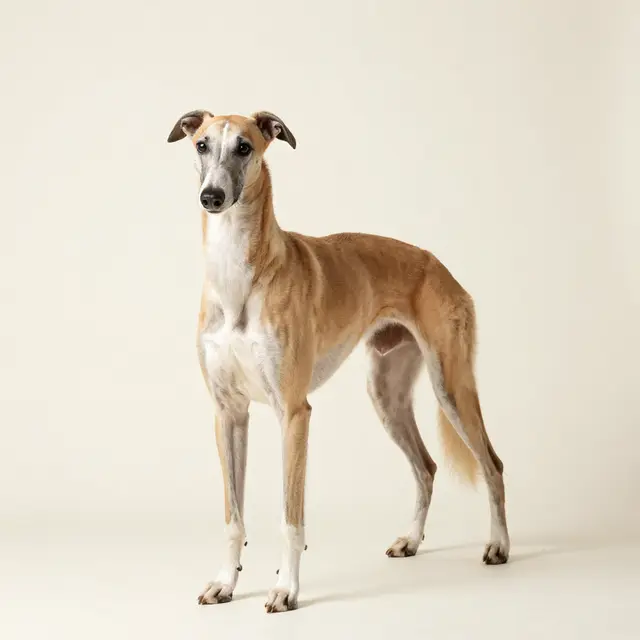
Greyhound
The ultimate couch potato — despite their racing reputation, retired greyhounds need surprisingly little exercise.
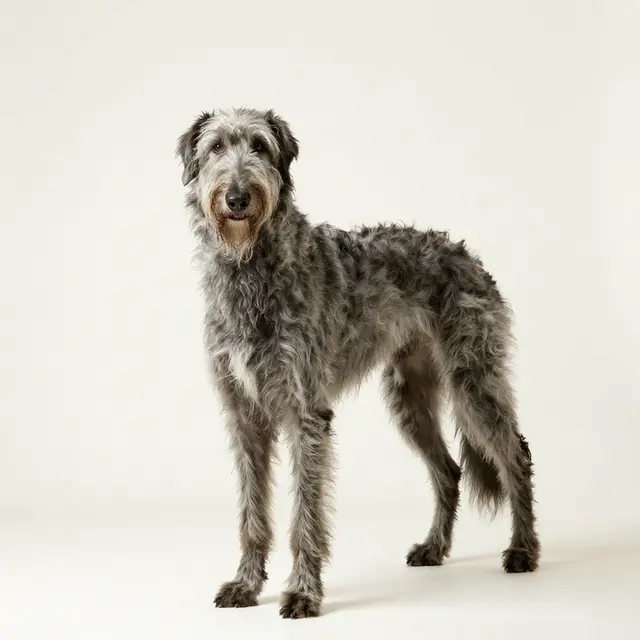
Irish Wolfhound
The tallest of all breeds — a gentle, calm and good-natured sighthound that is, sadly, one of the shortest-lived.
Similar temperament

Black and Tan Coonhound
An American scenthound bred to trail raccoon by night. Easygoing, gentle and sociable at home, but a powerful tracker with a deep, carrying bay and a strong nose that demands secure exercise.
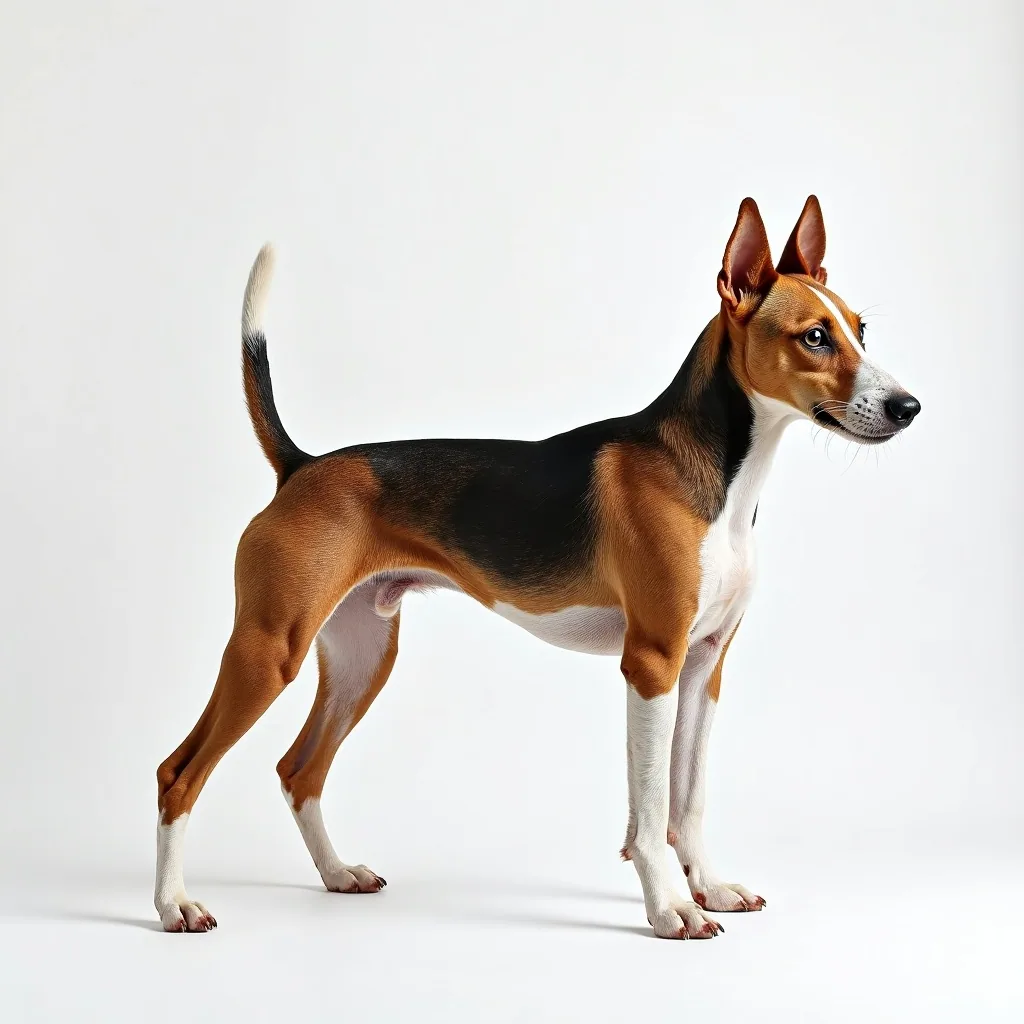
Brazilian Terrier
A spry, tricolour Brazilian ratting terrier descended from European terriers. Lively, alert and quick, it makes a keen companion with the typical terrier energy and prey drive.
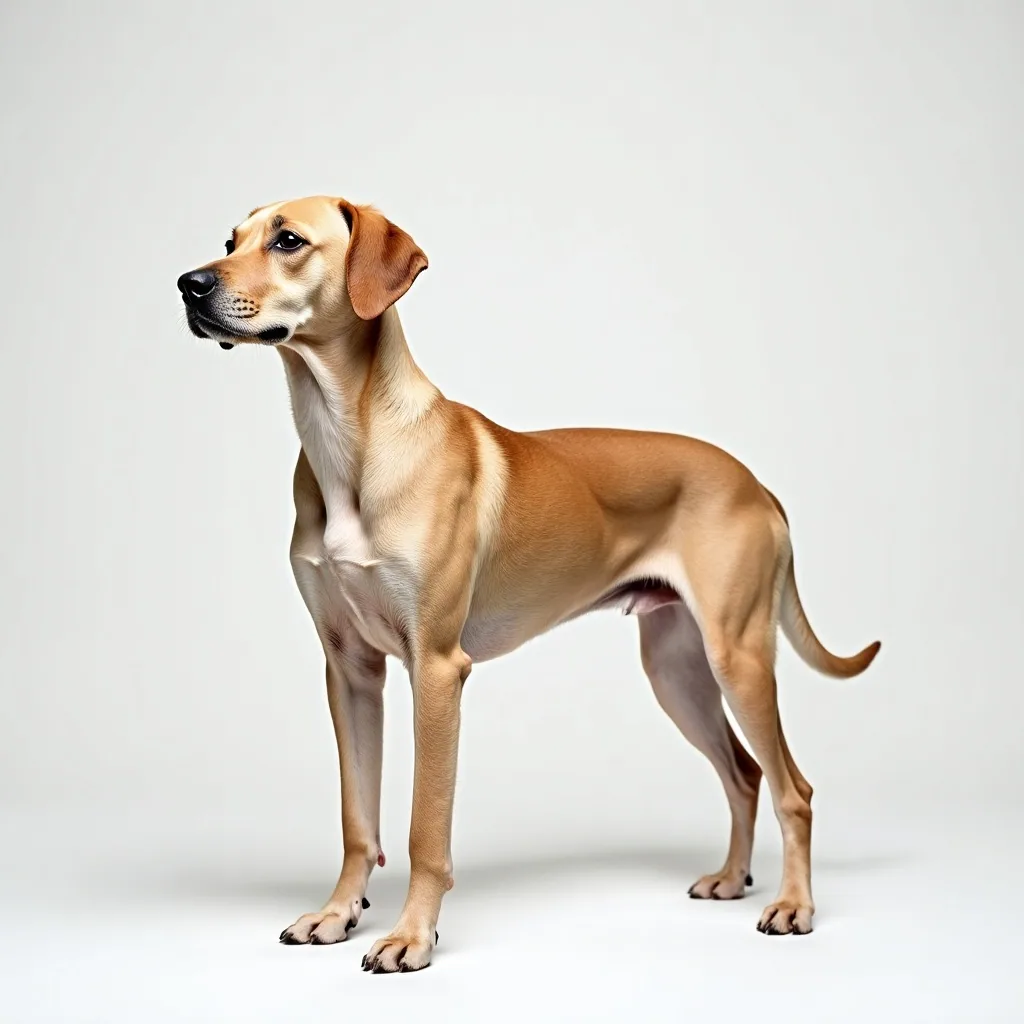
Drever
A short-legged Swedish scenthound bred to drive deer and other game. Friendly, even-tempered and sociable, with a strong nose and the characteristic hound voice.
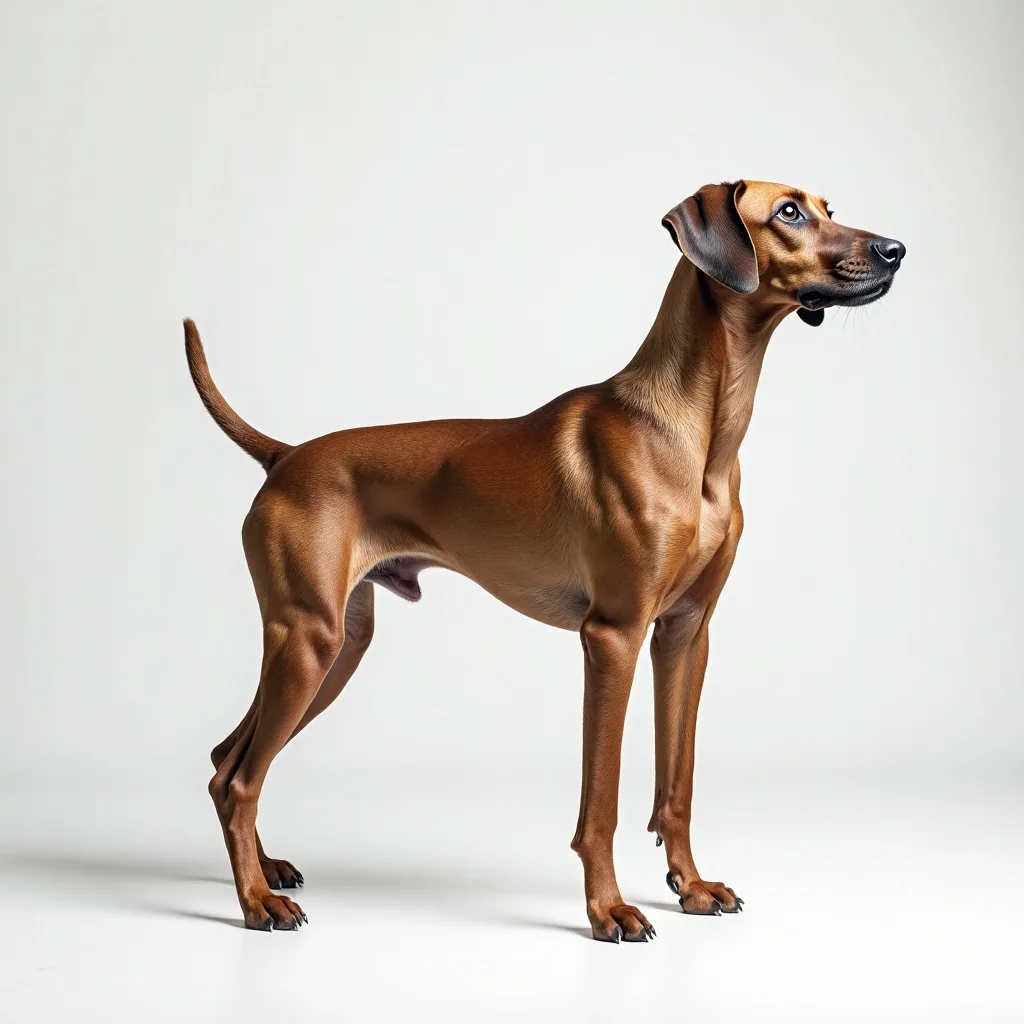
Dunker
A Norwegian scenthound (Norwegian Hound) bred to track hare by scent in cold terrain. Friendly, calm and even-tempered at home, but a hardy worker with a keen nose and good stamina.
Similar size, different type
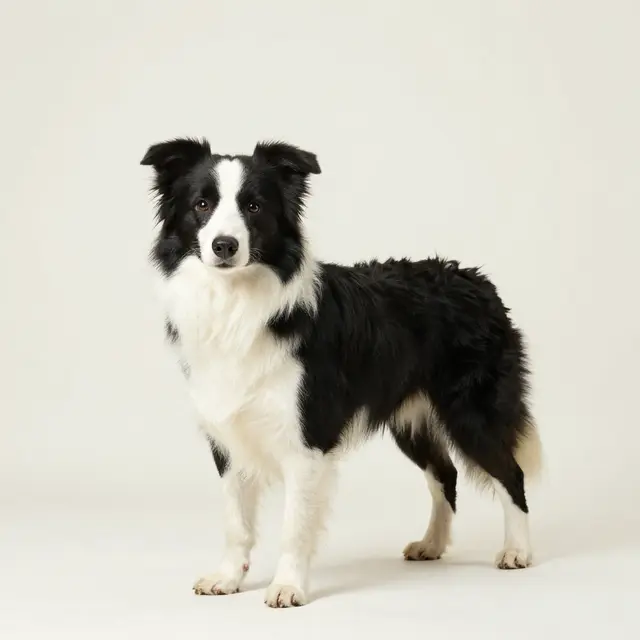
Border Collie
The ultimate working brain — astonishingly clever and trainable, but needs hours of exercise and a job to do.
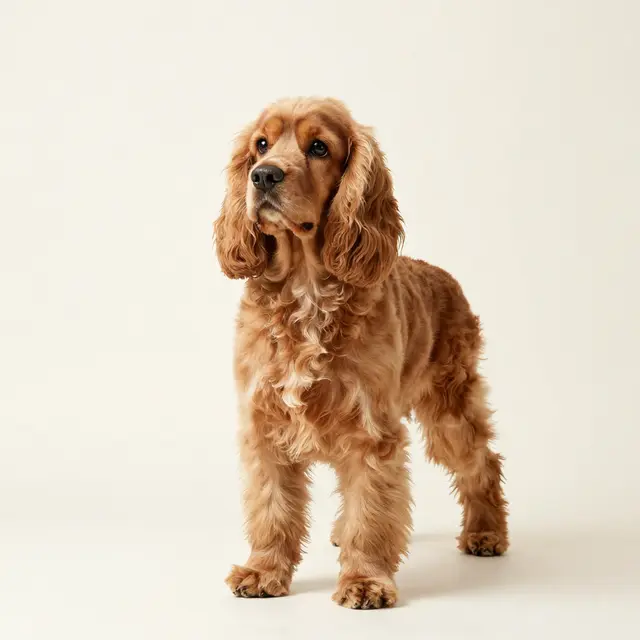
Cocker Spaniel
A merry, affectionate gundog that loves people and activity — happiest with a job and regular grooming.
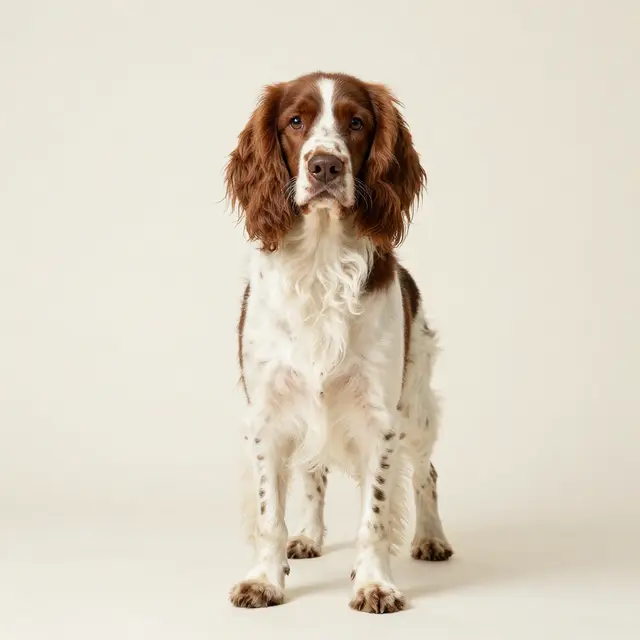
English Springer Spaniel
A tireless, enthusiastic working gundog that needs serious daily exercise and mental stimulation.
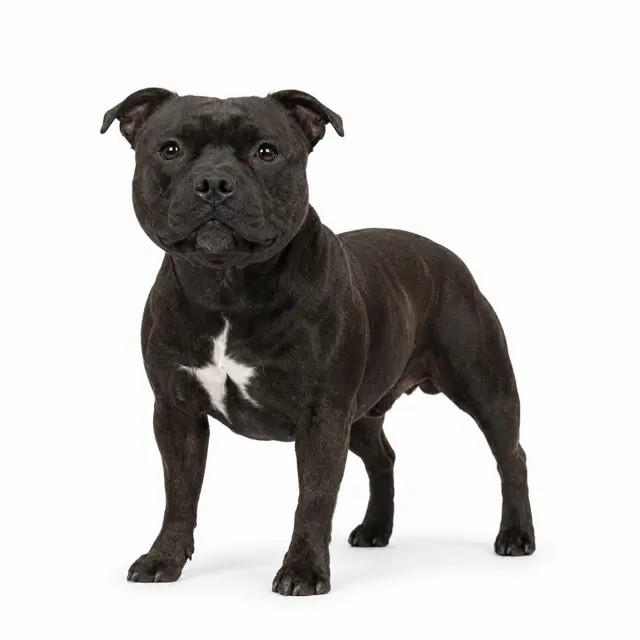
Staffordshire Bull Terrier
Affectionately known as the "nanny dog" — devoted, people-loving and famously gentle with children.
Is the Beagle your breed?
Create your pet profile and get personalised food, toy, insurance and health recommendations — tailored to your dog.
Frequently asked questions
How long do Beagles live?
Beagles typically live to around 12–15 years, reflecting a generally robust, healthy breed. With Beagles, weight management is unusually important to lifespan because the breed is so food-obsessed and prone to obesity, which shortens life and worsens joints. Keeping your Beagle lean, well-exercised, with healthy ears and regular vet care, gives yours the best chance of a long, healthy life.
Are Beagles good family dogs?
Yes — Beagles are one of the classic family breeds: friendly, merry, sociable and typically excellent with children and other dogs, with little aggression. The things to plan for are their powerful nose (which makes recall unreliable and means you need a secure garden), their vocal baying, their food obsession, and their stubborn streak when training. For an active family that understands those quirks, a Beagle is a wonderful companion.
Are Beagles easy to train?
Not especially — and it's important to know that. Beagles are intelligent but independent and stubborn, bred to follow a scent on their own initiative rather than take direction. They can be trained with patience, consistency and plenty of food motivation, but recall in particular is a lifelong work in progress because their nose so often wins. Keep sessions short, positive and rewarding, start early, and manage your expectations.
Do Beagles bark a lot?
Beagles are a vocal breed. They bark and also have a distinctive baying howl that carries a long way. Much of it stems from boredom, loneliness or excitement, so a well-exercised Beagle that isn't left alone too long is generally much quieter. If you have close neighbours, the breed's voice is worth factoring in — it's part of their hound heritage and not something you can fully train out.
Why are Beagles used for testing?
Historically, Beagles have been used in laboratory research partly because they're small, docile, even-tempered and trusting of people, which made them easy to handle — not because of anything that makes them suffer less. It's an uncomfortable subject for a much-loved breed, and a number of charities now work to rehome ex-laboratory Beagles into pet homes, where they typically adapt into the same affectionate companions as any other Beagle.
How big do Beagles get?
Beagles are a small-to-medium breed and come in two height varieties. Adults generally stand up to around 33–40cm at the shoulder and weigh roughly 10–18kg depending on size and build. They're compact but sturdy and surprisingly strong for their size. Because they're so prone to piling on weight, keeping a Beagle at a lean, healthy body condition matters more than the exact number on the scales.
Are Beagles hypoallergenic?
No. Beagles are not hypoallergenic — they have a short double coat that sheds year-round (more than people expect for the coat length) and produce the usual dander and saliva proteins that trigger most dog allergies. No breed is genuinely hypoallergenic. If allergies are a concern, a shedding scent hound like the Beagle isn't a low-allergen choice, so spend time around the breed first.
Can Beagles be left alone?
Not for long. Beagles are sociable pack animals that hate being left alone and can become bored, vocal (lots of howling) and destructive without enough company and stimulation. They're a poor fit for a home that's empty all day. If you do need to leave one, exercise them well first, leave enrichment, build up alone-time gradually from puppyhood, and consider company or a dog walker for longer absences.
Are Beagles good with children?
Excellent with children of all ages. As a general guide, Beagles tend to be patient and tolerant. Whatever the breed, always supervise dogs and young children and teach kids to interact gently.
How much exercise does a Beagle need?
As a healthy adult, a typical Beagle needs 90 minutes to 2 hours of exercise a day (90–120 minutes), split across walks plus play. Higher-energy dogs also need mental stimulation — sniffing, training games and puzzle feeders — to stay settled. Puppies, seniors and dogs with health conditions need less — ask your vet.
Do Beagles shed a lot?
Moderate shedding. Coat upkeep is wash-and-go — a quick brush now and then is usually enough.
Are Beagles easy to train and good for first-time owners?
Manageable for committed beginners. Beagles are best for owners ready to commit to consistent training and plenty of activity. Reward-based training and early socialisation help any dog.
Do Beagles bark a lot?
Vocal / alert barker. They can be quite vocal, so early training and enough exercise and stimulation help keep barking in check.
Are Beagles good with other dogs?
Very sociable with other dogs. Early, positive socialisation with other dogs from a young age makes a big difference.
Do Beagles suit flats or smaller homes?
Best with a garden. A Beagle is happiest with access to a secure garden and regular outdoor exercise.
Sources
- The Kennel Club — Beagle breed information: https://www.thekennelclub.org.uk/breed-standards/hound/beagle/
- PDSA — Beagle breed guide: https://www.pdsa.org.uk/pet-help-and-advice/looking-after-your-pet/puppies-dogs/medium-dogs/beagle
- Blue Cross — dog advice and choosing a dog: https://www.bluecross.org.uk/advice/dog
- RSPCA — caring for your dog: https://www.rspca.org.uk/adviceandwelfare/pets/dogs
Recommended for your Beagle
Matched to a Beagle's size and their typical need for enrichment & mental stimulation, a slow feeder.

Plush Snuffle Foraging Mat
A roll-up plush snuffle mat with cute animal designs. Hide treats in the folds and let your pet sniff and forage to find them - a rewarding enrichment game that beats boredom and slows feeding.
£13.99

Tarhong Concentric Circle Slow Feeder Bowl for Dogs & Cats
A stylish slow-feeder bowl that encourages healthier, calmer mealtimes — available in blue, grey, or white.
£14.99

Sunflower Snuffle Mat Slow Feeder
A felt sunflower snuffle mat, roughly 37.5cm across, with yellow petals and a fluffy brown centre that hides kibble and treats. Encourages natural foraging to slow fast eaters and ease boredom. Ties on to fix it in place; machine washable.
£12.99

Boredom Buster Bundle: Snuffle Mat, LickiMat and Enrichment Ball
Three ways to make a meal take twenty minutes instead of two: a snuffle mat for dry food, a LickiMat for wet, and a rolling ball that dispenses kibble.
£39.99

LickiMat Classics Food Enrichment Lick Mat for Cats & Dogs
Rubber lick mats that slow feeding, encourage calm, and keep cats and dogs happily entertained — freezer and microwave safe.
£10.99

Lickimat Sooth Lavnd Amz Sgl
Brush-tip lick mat for wet and liquid food, slows fast eating, 20 x 20cm
£6.99

Round Silicone Slow Feeder Lick Mat
A food-grade silicone lick mat with a honeycomb and pyramid texture that spreads out treats, wet food or yoghurt to slow fast eaters and keep anxious dogs and cats calmly occupied. Easy to rinse clean.
£13.99

Silicone Lick Mat Slow Feeder
A large cake-themed silicone lick mat that slows fast eaters and keeps anxious pets settled with rewarding, mess-free licking. Spread on wet food, yogurt or paste and rinse clean after use.
£8.99
Suggestions based on breed traits — always check sizing and suitability for your individual dog.
Got a Beagle? Save them to a pet profile for tailored picks across the whole site.
Happier, healthier pets — in your inbox.
Breed care tips, seasonal advice and first access to new arrivals. No spam, unsubscribe anytime.
Every dog is an individual — temperament and needs vary. Please research thoroughly, meet dogs in person, and consider adopting from a rescue. This is general guidance, not a substitute for advice from your vet or a qualified trainer.