


Dachshund
Bred in Germany to dig badgers from their setts, the Dachshund's long body and short legs are pure function. Bold, curious and devoted, the 'sausage dog' has a big personality and a stubborn streak. It suits owners who'll protect that long back (no big jumps, keep them lean), enjoy a characterful companion, and put in consistent, patient training.

Dachshund scorecard
Overview
Instantly recognisable for its long body and short legs, the Dachshund is one of Britain's best-loved companion dogs and a genuinely big personality in a small frame. Affectionately nicknamed the "sausage dog", it was originally bred in Germany as a determined, scent-driven hunter, and that working heritage still shapes everything from its bold temperament to its surprisingly loud voice. Standard Dachshunds typically stand around 20–22 cm at the shoulder and weigh roughly 9 to 12 kg, while the Miniature variety is smaller again; both come in smooth, long-haired and wire-haired coats, giving the breed an unusually wide range of looks.
Dachshunds suit flats and smaller homes well, and they form intense, loyal bonds with their people. They are entertaining, courageous and endlessly characterful, but they are also famously stubborn and can be wary of strangers. The single most important thing any prospective owner must understand is the breed's long back: that elongated spine looks charming but carries a genuine, lifelong risk of disc disease, which means careful day-to-day handling rather than a casual approach to lifting, stairs and jumping. Get that right and a Dachshund is a devoted, comical and rewarding companion that can live happily for twelve to fifteen years.
Good to know — a Dachshund is flat-friendly and manageable for committed beginners. Every dog is an individual, so meet a few and chat to a good breeder or rescue before deciding.
Save the Dachshund guide
Thinking about a Dachshund? Pop your email in and we’ll send this guide so you can come back to it any time — handy while you compare breeds.
Popular searches for the Dachshund
History & origins
The Dachshund's name translates literally from German as "badger dog" (Dachs meaning badger, Hund meaning dog), which tells you exactly what the breed was created to do. Developed in Germany over several centuries, the Dachshund was bred to follow badgers, foxes and other quarry to ground, using its long, low body to enter and work inside burrows while its loud, carrying bark let the hunter locate the dog underground. The different sizes reflect different jobs — the standard for badger and fox, the smaller types for rabbits and hare.
The breed was refined into the forms we recognise today during the 19th century, and it became a firm fixture in Britain after gaining royal and aristocratic admirers in the Victorian era. The Kennel Club recognises the Dachshund across its three coat types and two sizes, grouping it within the Hound group. Although most British Dachshunds are now kept purely as pets, the breed's earth-dog instincts — digging, tracking a scent and a stubborn refusal to give up — remain very much intact and worth bearing in mind for any new owner.
Temperament & family fit
Dachshunds are bold, clever and full of self-importance, often behaving as though they were a far larger dog. They are devoted to their families and tend to attach strongly to one or two people, making them affectionate and entertaining housemates. That loyalty comes with a watchful streak: Dachshunds are alert and quick to sound the alarm, which makes them effective little watchdogs but also means barking can become a habit without early guidance. They can be reserved or wary with strangers and benefit greatly from thorough, positive socialisation while young.
The flip side of the breed's intelligence is a well-earned reputation for stubbornness. Bred to work independently underground, away from their handler, Dachshunds think for themselves and will happily ignore an instruction they see no reason to follow. They can be possessive of food and toys and are not always naturally tolerant of rough or unpredictable handling, so households with very young children need to supervise interactions and teach calm, gentle behaviour. With consistent boundaries, plenty of company and respect for their independent nature, they are warm, funny and deeply rewarding dogs.
- Families with older, respectful children
- Owners ready for consistent training
- Flats or houses with daily exercise
Training & intelligence
Training a Dachshund calls for patience, consistency and a sense of humour. They respond best to short, upbeat, reward-based sessions that keep them interested, and they switch off quickly if drilled or nagged. Harsh or heavy-handed methods backfire badly with this breed, provoking resistance rather than cooperation. Food is usually a strong motivator — though portions must be watched carefully, as Dachshunds gain weight easily and excess weight puts dangerous strain on their backs.
House-training can take longer than with some breeds and rewards a calm, routine-led approach. Recall deserves particular attention, because a Dachshund that picks up an interesting scent may follow it single-mindedly and become temporarily "deaf" to commands. Early, ongoing socialisation with people, other dogs and everyday sights and sounds helps curb wariness and excessive barking. Owners should also actively train good back-care habits from puppyhood — discouraging jumping on and off furniture and teaching the dog to use ramps or steps instead.
- Start socialisation & handling early
- Reward-based methods only — no harsh corrections
- Keep sessions short, calm and consistent
Exercise needs
A healthy adult Dachshund typically needs around an hour a day (roughly 60–80 minutes), split across walks, play and a little training. A good sniffy walk, some play and a little training usually keeps them content. Puppies, seniors and dogs with health conditions need adjusted amounts — check with your vet.
Grooming & coat
Grooming needs vary by coat type. The smooth-haired Dachshund is the easiest, needing only a quick weekly brush to remove loose hair and keep the coat glossy. The long-haired variety has a softer, flowing coat that requires more frequent brushing — ideally several times a week — to prevent tangles and matting behind the ears, on the legs and under the body. The wire-haired coat needs regular brushing and periodic hand-stripping or trimming to maintain its texture. Across all types, routine care is the same sensible checklist: keep nails trimmed, clean the ears and check them for signs of infection, and maintain good dental hygiene through regular tooth-brushing, as small breeds are prone to dental disease.
- Brush occasionally to remove loose hair
- Bathe every few weeks or as needed
- Check ears, nails and teeth weekly
Feeding a Dachshund
Feed a complete, good-quality diet appropriate to your Dachshund's age, size and activity level, and measure portions carefully. Weight control is not a cosmetic issue for this breed — it is a genuine health priority, because every extra kilogram increases the load on a back that is already vulnerable to disc problems. Many Dachshunds are food-motivated and will happily beg, so treats should be accounted for within the daily allowance rather than given on top of it. Dividing food across two meals a day, using slow-feeders or puzzle toys, and avoiding fatty table scraps all help keep a Dachshund lean and healthy. If you are unsure about the right amount or notice unexpected weight gain or loss, your vet can advise on body condition scoring.
A small breed
An adult Dachshund typically weighs 9–12 kg (standard), so a healthy Dachshund eats a modest amount compared with other breeds. Every feeding guide on a bag is written per kilo of body weight, not per breed — start there, then adjust to the dog in front of you.
Life stage
A small breed is usually done growing at 10–12 months, which is roughly when a puppy food has finished its job. With a typical lifespan of 12–15 years, there is a long adult stretch in the middle; switch to a senior food when your vet thinks it is worth it rather than on a birthday.
Joint support is worth looking for
Their size and frame put more load through the joints than a smaller dog carries, so a food with joint support on the label is worth reading for — and keeping them lean does more for their joints than any supplement.
Weight matters more than usual here
A long back or a heavy frame makes every extra kilo count twice. Weigh portions rather than eyeballing a scoop, and reduce the food rather than the walks if the waist starts to disappear.
This breed tends to bolt its food
A food-motivated dog will empty a bowl in under a minute given the chance. A slow feeder or a puzzle bowl turns a meal back into something that takes time, and splitting the daily ration across two or three meals helps as well.
Small mouths, crowded teeth
Smaller breeds get dental disease more often than big ones, largely because the same number of teeth are packed into a shorter jaw. Kibble size is worth checking, and a dental chew counts towards the daily 10% of calories from treats.
How much should a Dachshund weigh?
Adult 9–12 kg (standard)fully grown at 10–12 months
| Age | Stage | Typical weight | Of adult size |
|---|---|---|---|
| 8 weeks | Just home | 1.5–2 kg | 17% |
| 3 months | Young puppy | 2.4–3.3 kg | 27% |
| 6 months | Growing fast | 4.9–6.5 kg | 54% |
| 10–12 months | Fully grown | 9–12 kg | 100% |
A guide, from the same rule of thumb our puppy growth predictor uses — each age is that share of the way to maturity for a small breed. Puppies grow fastest early, so a real puppy usually sits a little above the middle rows. Weigh yours and ask your vet if the number worries you.
Complete dog foods that suit a Dachshund
Complete foods from our range, matched to a Dachshund's size band and what the breed typically needs. Stock levels and delivery dates are live on each product.


Pedigree Can in Jelly Puppy 6 Pack
Complete Pedigree puppy food in jelly with chicken, lamb and poultry recipes
£10.15

Field & Trial Skinner S Field Trial Light Senior
A lower-fat dry food for older, overweight or less active dogs, including working breeds
From£9.85

Autarky Complete Grain Free Adult Turkey
Grain-free complete dry food for adult dogs, with turkey and a marine-algae joint care package
£12.79

Autarky Grain Free Tasty White Fish & Potato Complete
Grain-free dry dog food built around white fish meal rather than poultry
£12.99

Lily's Kitchen Lily S Kitchen Dog Lovely Lamb
Complete lamb-led dry dog food offered in two practical bag sizes
From£25.15

Burgess Greyhound and Lurcher Chicken
Complete adult dry food formulated for the specific build of greyhounds and lurchers
£35.35

Naturo Senior Rice Poultry Variety 6pk
Six 400g trays across three recipes for senior dogs, with glucosamine and chondroitin
£10.29

Naturo Senior Dog Turkey with Rice and Vegetables 7pk
Turkey at 65% in a senior wet tray, with brown rice, vegetables and added joint support
£11.99

Vitalin Adult Dog Farmhouse Chicken
Complete dry dog food for adult and senior dogs, chicken and vegetable based
From£11.99

Vitalin Adult Dog Small Breed Chicken with Thyme & Root Veg
A chicken kibble for small adult and senior dogs, with citrus extract for dental support
£13.99
Dachshund health & costs
Before bringing a Dachshund home it pays to budget for the whole picture — food, insurance, grooming and routine vet care all add up. The figures below are typical UK estimates for a healthy adult; your real costs vary with where you live, your dog's health and the cover you choose.
Food
£250–400 / year
Complete food sized to weight & life stage
Insurance
£15–32 / month
Lifetime cover — varies by age, breed & area
Grooming
£0–60 / year
Mostly DIY at home
Routine vet care
£200–450 / year
Vaccines, flea/worm, annual check
Dachshunds are generally long-lived, with a typical lifespan of around twelve to fifteen years, but the breed carries some well-documented health concerns that every owner should understand. By far the most significant is intervertebral disc disease (IVDD), a condition strongly linked to the breed's long back and short legs. Dachshunds are over-represented for IVDD compared with most other breeds, and it can range from mild back pain to sudden, severe spinal injury and paralysis. Sensible lifelong management — keeping the dog slim, discouraging jumping and excessive stair use, and supporting the back when lifting — substantially reduces the risk and severity.
Beyond the spine, Dachshunds can be affected by several eye conditions, by patellar luxation (slipping kneecaps), and by dental disease common to small breeds. Responsible breeders health-test their stock and follow Kennel Club and breed-club guidance, so prospective buyers should always ask to see relevant health screening results for the parents. Pet insurance is well worth considering, given that spinal surgery in particular can be costly, and any sudden reluctance to move, yelping, wobbliness or weakness in the legs should be treated as an urgent veterinary matter.
Common health conditions to be aware of
- Intervertebral disc disease (IVDD) — the breed's signature concern; the long spine makes back and disc injuries far more likely, so weight control and avoiding jumping are essential.
- Patellar luxation — slipping kneecaps that can cause intermittent lameness and may need surgical correction in more severe cases.
- Progressive retinal atrophy and other eye conditions — inherited disorders that can lead to deteriorating vision or blindness; DNA and eye testing of breeding stock helps reduce risk.
- Dental disease — common in small breeds; regular tooth-brushing and veterinary dental checks help prevent painful gum and tooth problems.
- Obesity — Dachshunds gain weight easily, and excess weight greatly increases strain on the back and joints, compounding IVDD risk.
- Lafora disease — an inherited form of epilepsy seen particularly in wire-haired Miniature Dachshunds, for which a DNA test is available.
These reflect typical, size- and coat-related risks for dogs like the Dachshund; individual breeds carry their own predispositions. Always buy from health-tested parents and speak to your vet — this isn't a diagnosis.
Protect against surprise bills
A single emergency can run into thousands. Lifetime insurance spreads the risk.
Estimate insurance →How pet insurance works →Puppy & senior care
Bringing home a Dachshund puppy
Puppies need controlled exercise (a rough guide is five minutes per month of age, twice a day) to protect growing joints, little-and-often meals of a complete puppy food, early socialisation, and a calm routine for toilet training and sleep. Book first vaccinations, microchipping and a vet check early.
New puppy checklist →Caring for a senior Dachshund
As they age, watch weight, joints and teeth, switch to a senior diet if your vet advises, keep exercise gentle but regular, and consider orthopaedic bedding and ramps. Twice-yearly vet checks help catch issues early.
Orthopaedic beds & mobility →Pros & cons
The good bits
- Big personality in a small, flat-friendly package
- Loyal and entertaining companion
Things to consider
- Prone to serious back (IVDD) problems — must avoid stairs and jumping
- Can be stubborn to train, wary of strangers and quite vocal
Dachshund health & care guides
In-depth, vet-sensible guides written for Dachshund owners:
Compare the Dachshund
See how the Dachshund measures up against similar breeds before you decide:
More breeds like the Dachshund
Same breed group
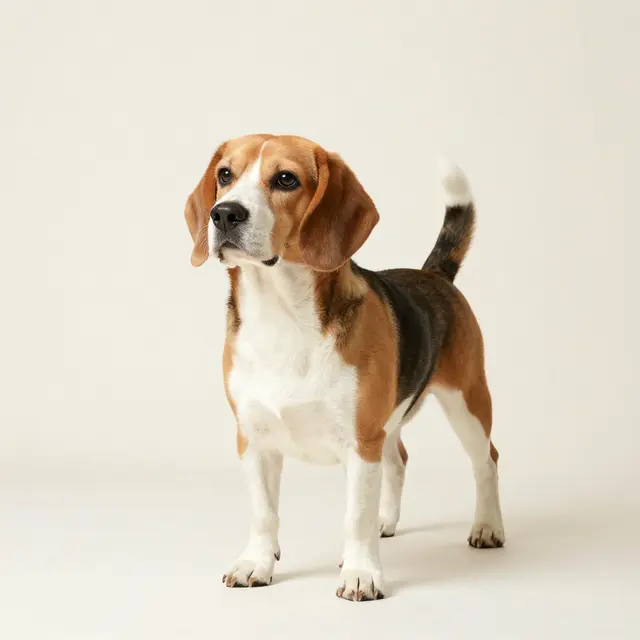
Beagle
A merry, pack-loving scent hound — sociable and great with kids, but ruled by its nose.
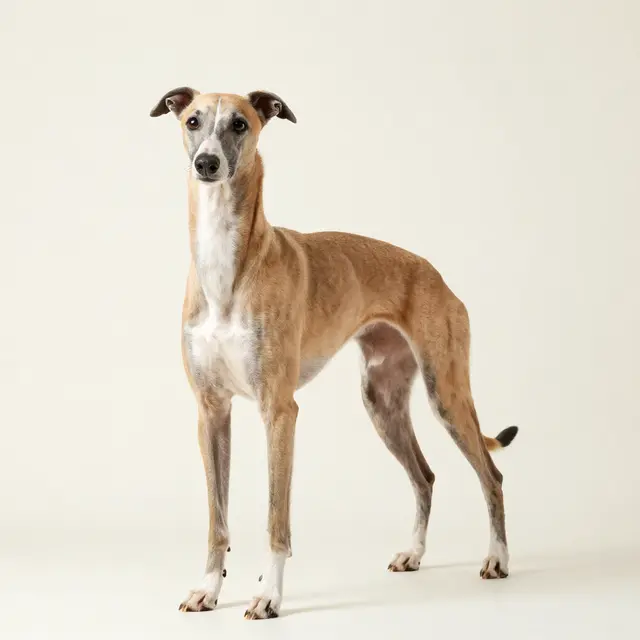
Whippet
A gentle, quiet "sofa sprinter" — happy to lounge at home between short bursts of explosive running.
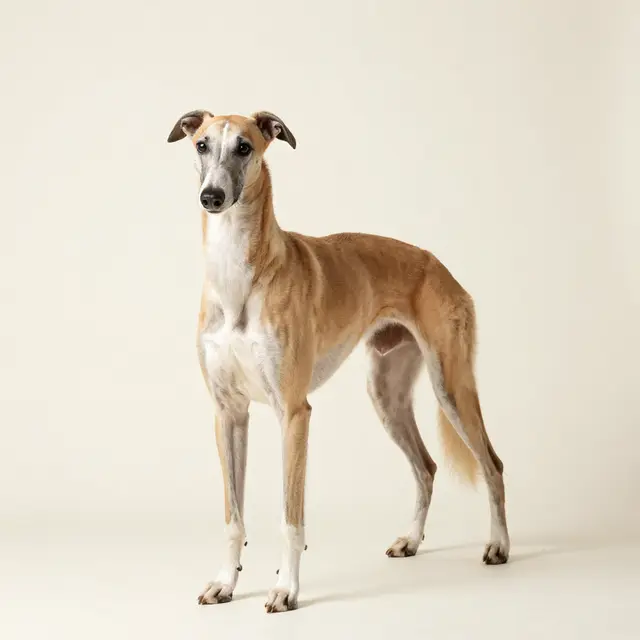
Greyhound
The ultimate couch potato — despite their racing reputation, retired greyhounds need surprisingly little exercise.
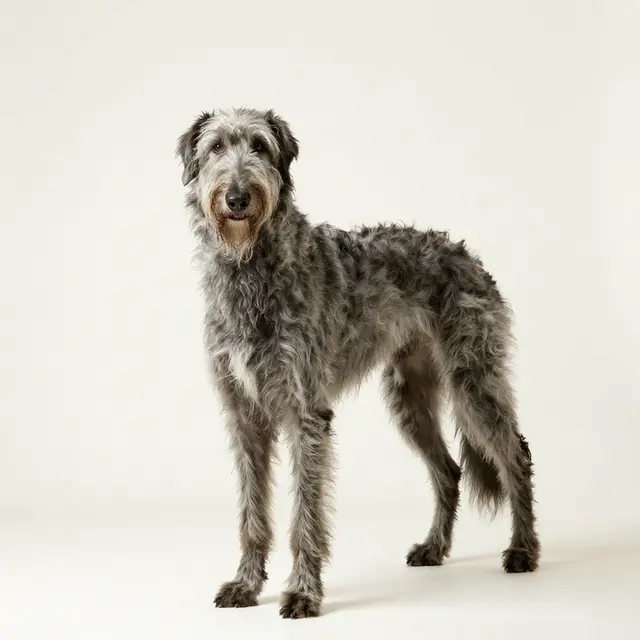
Irish Wolfhound
The tallest of all breeds — a gentle, calm and good-natured sighthound that is, sadly, one of the shortest-lived.
Similar temperament
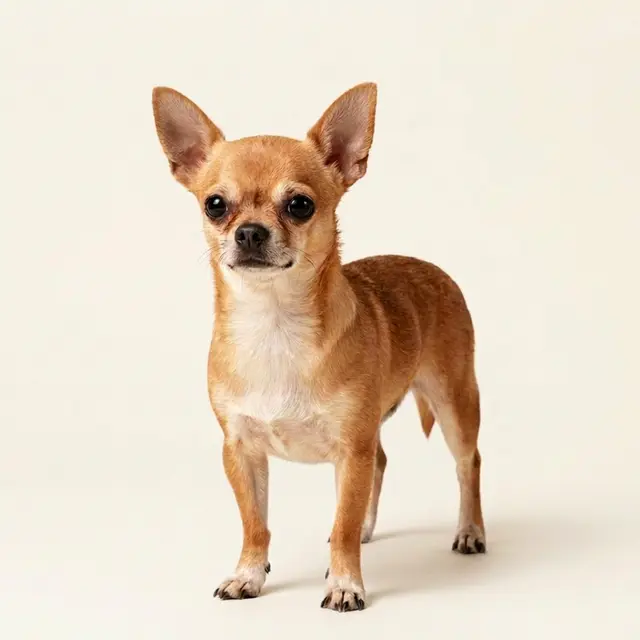
Chihuahua
The world’s smallest breed — devoted, sassy and perfect for flats, but not the easiest with young children.
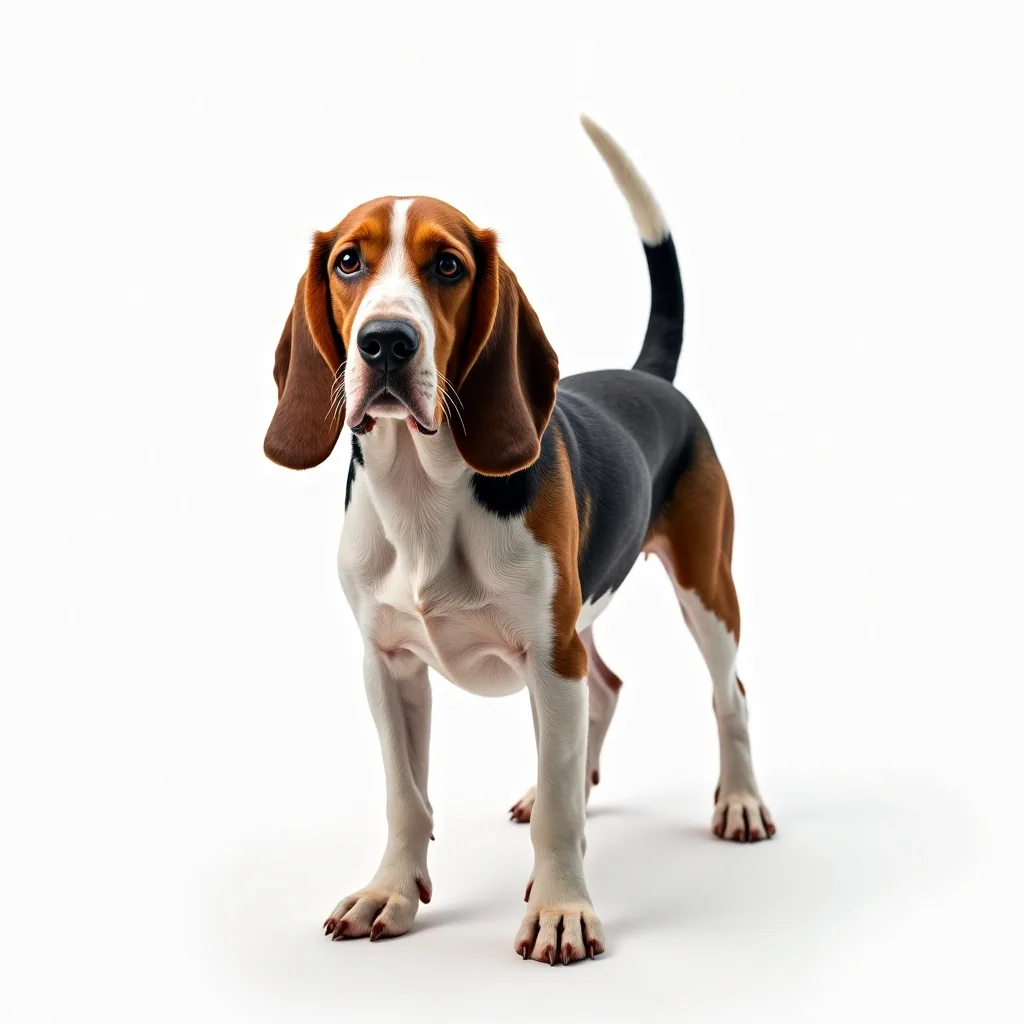
Basset Artésien Normand
A short-legged French scenthound bred to hunt small game at a walking pace. Gentle, affectionate and sociable, but stubborn and easily led by its nose, with a typical hound bay.
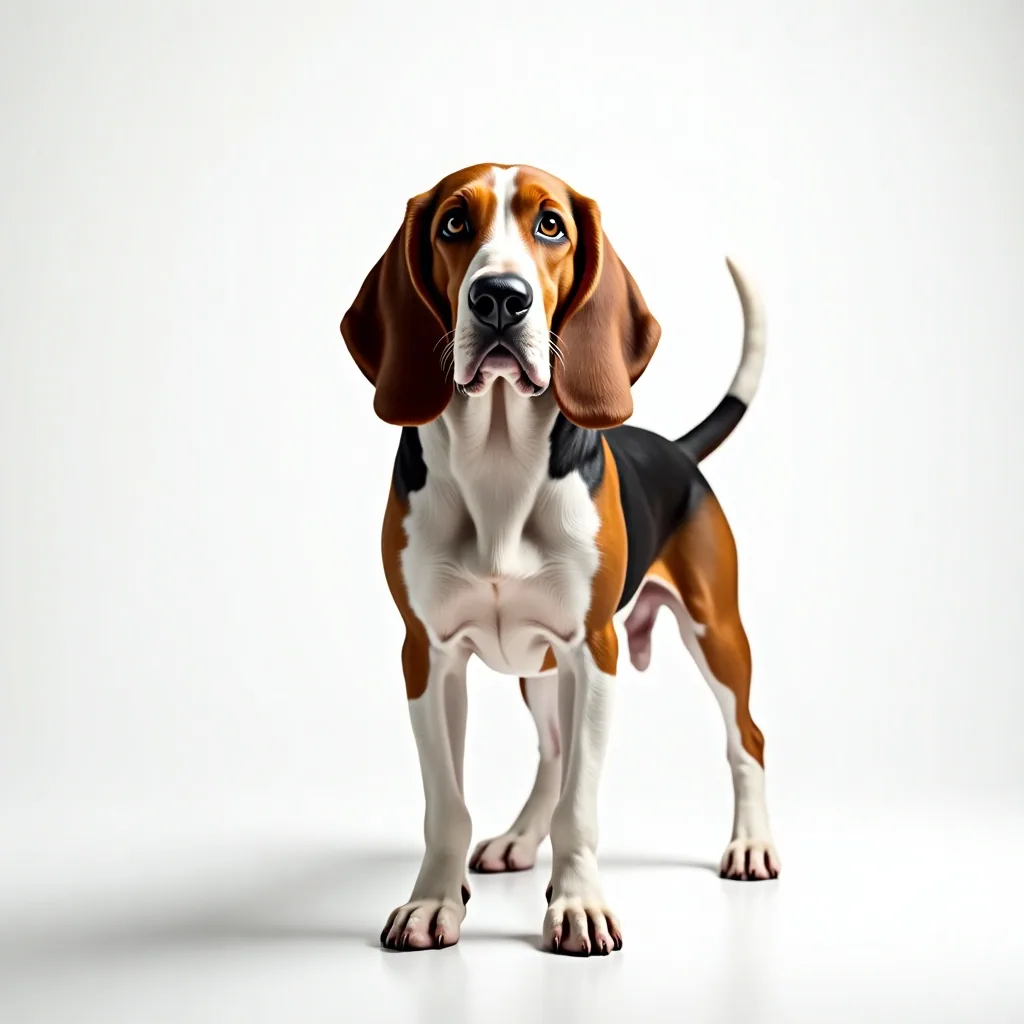
Basset Bleu de Gascogne
A mottled blue-coated French basset scenthound bred for small game. Sociable, gentle and good in company, but a tenacious tracker with a strong nose and a loud, melodious bay.
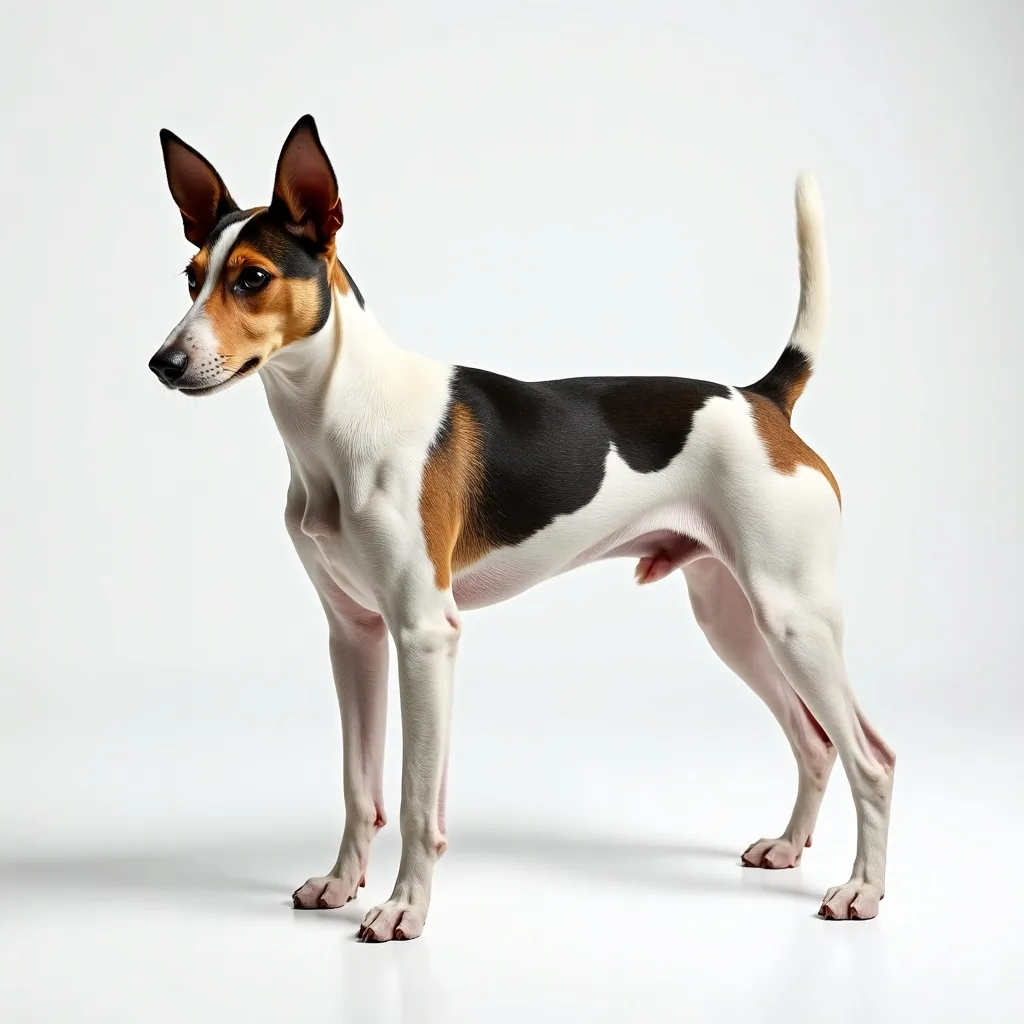
Japanese Terrier
A rare, fine-boned Japanese companion terrier with a smooth tricolour coat. Lively, affectionate and alert, suited to indoor life, but sensitive and prone to barking.
Similar size, different type
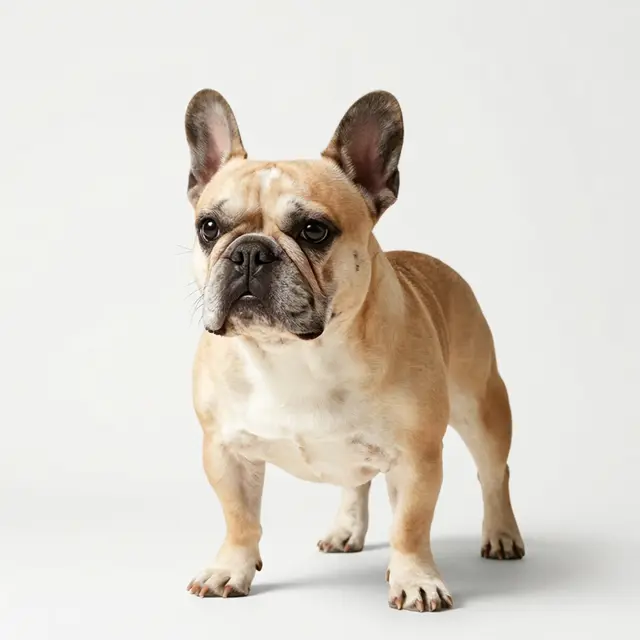
French Bulldog
A compact, easy-going companion that suits flats and modest exercise — but with serious health considerations.
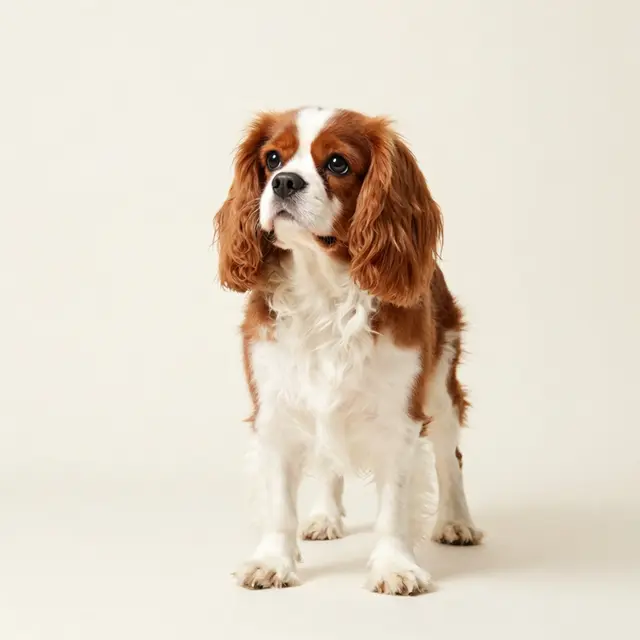
Cavalier King Charles Spaniel
A gentle, affectionate lap dog that’s wonderful with children and adapts happily to flat or house living.
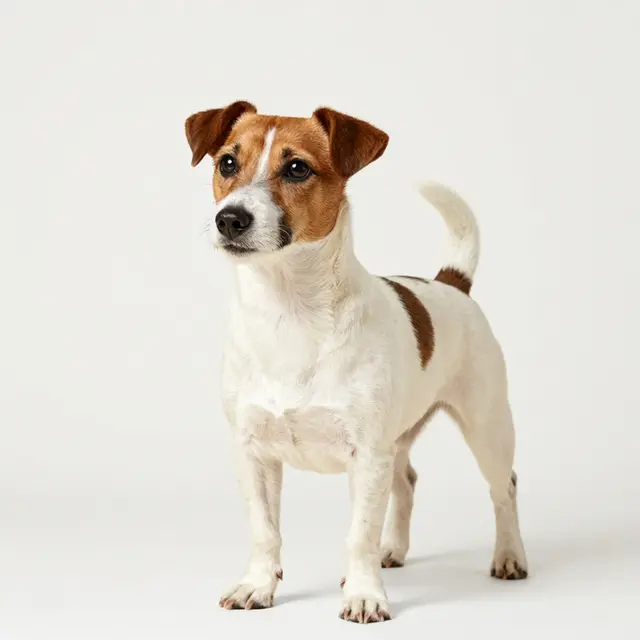
Jack Russell Terrier
A small dog with a huge personality — bold, clever and bursting with energy and prey drive.
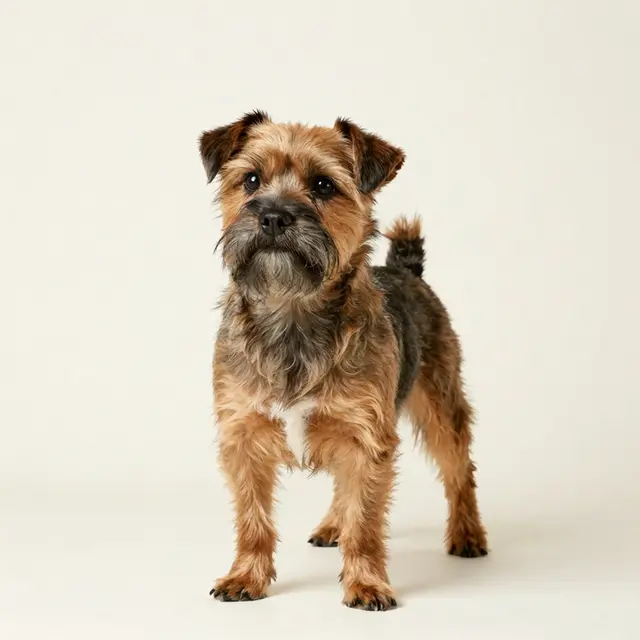
Border Terrier
A hardy, good-natured working terrier that’s friendlier with people and dogs than many of its terrier cousins.
Is the Dachshund your breed?
Create your pet profile and get personalised food, toy, insurance and health recommendations — tailored to your dog.
Frequently asked questions
How long do Dachshunds live?
Dachshunds are a long-lived breed, typically reaching around 12 to 16 years. Their small size works in their favour, as smaller dogs generally live longer than large ones. Where an individual dog lands in that range depends a great deal on staying lean, protecting the back from injury, and good dental and routine veterinary care. Choosing a puppy from health-tested parents and keeping weight under control are the two single biggest things you can do to help yours reach the upper end.
What is IVDD in Dachshunds?
IVDD stands for intervertebral disc disease, the condition Dachshunds are most associated with. The cushioning discs between the spine's bones can degenerate, bulge or rupture, pressing on the spinal cord and causing pain, weakness, or in severe cases paralysis of the back legs. The breed's long back and short legs make them especially prone. Signs such as reluctance to move, yelping, a hunched back, or wobbly or dragging hind legs are a veterinary emergency and need same-day attention.
Are Dachshunds good family dogs?
Yes, with the right household. Dachshunds are bold, loyal, affectionate and full of personality, and many are devoted family companions. The main cautions are their delicate backs, which means rough handling or jumping must be avoided, and that they can be snappy if frightened or hurt. They suit families with older, sensible children who can be taught to handle them gently and never to pick them up awkwardly. Supervision around toddlers is essential for the dog's safety as much as the child's.
How big do Dachshunds get?
There are two recognised sizes in the UK. Standard Dachshunds typically weigh around 9 to 12kg, while Miniature Dachshunds usually weigh up to about 5kg. Both stand low to the ground on short legs, with the standard reaching roughly 20 to 22cm at the shoulder and the miniature a little less. Most Dachshunds reach their adult height by around 8 to 12 months, though they may continue to fill out and mature in body until 12 to 18 months of age.
Are Dachshunds hard to train?
Dachshunds are clever but independent, which can make training feel like hard work. They were bred to hunt alone underground, so they think for themselves and are not naturally eager to please in the way some breeds are. House-training in particular can be slow and needs real consistency. Reward-based methods, short upbeat sessions and patience get the best results. They respond far better to food, praise and play than to any kind of harshness, which simply makes them shut down or dig their heels in.
Why are Dachshunds prone to back problems?
Their distinctive long body and short legs are the result of a form of dwarfism that also affects how their spinal discs develop. The discs tend to harden and degenerate earlier in life than in most breeds, making them more likely to bulge or rupture. The long span of the back also places extra mechanical strain on the spine. This combination is why intervertebral disc disease is so common in the breed, and why protecting the back through life matters enormously.
Should I stop my Dachshund using stairs and jumping on furniture?
It is widely advised, yes. Repeated jumping on and off sofas and beds, and going up and down stairs, places sudden twisting and impact forces on a back that is already vulnerable. Using ramps or steps, lifting your dog correctly with support under both chest and bottom, and using stair gates all reduce the strain. None of this guarantees a Dachshund will never develop a back problem, but reducing high-impact movement is a sensible, evidence-aligned precaution for the breed.
What are the coat types of Dachshund?
There are three coat types: smooth (short-haired), long-haired and wire-haired. Smooth coats are sleek and need very little grooming. Long-haired coats are silky with feathering and need regular brushing to prevent matting, especially behind the ears and on the legs. Wire-haired coats are coarse with a beard and eyebrows and usually need occasional hand-stripping or trimming. All three come in both standard and miniature sizes, so there are six combinations in total within the breed.
How much exercise does a Dachshund need?
Adult Dachshunds generally need around an hour of activity a day, split into shorter walks plus play and sniffing. They have more stamina than their size suggests, thanks to their hunting heritage, but their exercise should be steady and on the level where possible rather than involving repeated jumping or steep climbs. Keeping them active is important for managing weight, which is critical for back health. Puppies should not be over-exercised while their joints and spine are still developing.
Do Dachshunds bark a lot?
They can. Dachshunds were bred to bark to signal their handler while underground, and they have a surprisingly deep, loud voice for their size. Many are alert and quick to announce visitors, post or unfamiliar sounds. With early training, plenty of mental stimulation and not rewarding the barking with attention, it can be kept manageable. Persistent barking often points to boredom, frustration or being left alone too long rather than the dog simply being naughty.
Are Dachshunds good with children?
Fine with sensible, older children. As a general guide, Dachshunds tend to be fine with sensible, older children. Whatever the breed, always supervise dogs and young children and teach kids to interact gently.
How much exercise does a Dachshund need?
As a healthy adult, a typical Dachshund needs around an hour of exercise a day (60–80 minutes), split across walks plus play. A good sniffy walk plus some play and training usually keeps them happy. Puppies, seniors and dogs with health conditions need less — ask your vet.
Do Dachshunds shed a lot?
Low shedding. Coat upkeep is easy-care — a quick brush now and then is usually enough.
Are Dachshunds easy to train and good for first-time owners?
Manageable for committed beginners. Dachshunds are best for owners ready to commit to consistent training and plenty of activity. Reward-based training and early socialisation help any dog.
Do Dachshunds bark a lot?
Vocal / alert barker. They can be quite vocal, so early training and enough exercise and stimulation help keep barking in check.
Are Dachshunds good with other dogs?
Generally fine with other dogs. Early, positive socialisation with other dogs from a young age makes a big difference.
Do Dachshunds suit flats or smaller homes?
Flat-friendly. A Dachshund can adapt to flat living as long as it gets its daily exercise and company.
Sources
- The Kennel Club — Dachshund breed information: https://www.thekennelclub.org.uk/breed-standards/hound/dachshund/
- PDSA — Dachshund breed guide: https://www.pdsa.org.uk/pet-help-and-advice/looking-after-your-pet/puppies-dogs
- Royal Veterinary College (RVC) VetCompass — Dachshund and IVDD research: https://www.rvc.ac.uk/vetcompass
- Blue Cross — dog breeds and care advice: https://www.bluecross.org.uk/advice/dog
- Dachshund Breed Council UK — health and welfare guidance: https://www.dachshundbreedcouncil.org.uk/
Recommended for your Dachshund
Matched to a Dachshund's size and their typical need for dental care, a slow feeder, ramps & easy access.


Bugalugs Hemp Oil for Dogs & Cats – 50ml
A natural, UK-made hemp seed oil supplement rich in Omega-3, -6, and -9 to support calmness, joint mobility, and a healthy, glossy coat.
£13.99

L-Shaped Bolster Sofa Dog Bed
A supportive L-shaped sofa bed with a raised bolster back and side for your dog to rest their head. The thick padded base cushions joints, and the soft rose-velvet cover is removable and washable for easy care.
From£44.99

Non-Slip Grip Dog Socks
Knitted dog socks with a generous rubber grip print across the sole to stop slipping on hard floors and protect paws. An adjustable hook-and-loop strap keeps each sock securely in place.
£7.99

Dog Recovery Boot for Injured Paws
A protective paw boot that shields healing wounds, torn pads, bleeding toes and damaged nails. Soft yet durable with adjustable straps, it keeps the injury clean and lets your dog walk in comfort.
From£10.99

Plush Snuffle Foraging Mat
A roll-up plush snuffle mat with cute animal designs. Hide treats in the folds and let your pet sniff and forage to find them - a rewarding enrichment game that beats boredom and slows feeding.
£13.99

Tarhong Concentric Circle Slow Feeder Bowl for Dogs & Cats
A stylish slow-feeder bowl that encourages healthier, calmer mealtimes — available in blue, grey, or white.
£14.99
Suggestions based on breed traits — always check sizing and suitability for your individual dog.
Got a Dachshund? Save them to a pet profile for tailored picks across the whole site.
Happier, healthier pets — in your inbox.
Breed care tips, seasonal advice and first access to new arrivals. No spam, unsubscribe anytime.
Every dog is an individual — temperament and needs vary. Please research thoroughly, meet dogs in person, and consider adopting from a rescue. This is general guidance, not a substitute for advice from your vet or a qualified trainer.