
Basset Artésien Normand
A short-legged French scenthound bred to hunt small game at a walking pace. Gentle, affectionate and sociable, but stubborn and easily led by its nose, with a typical hound bay.
Basset Artésien Normand scorecard
Overview
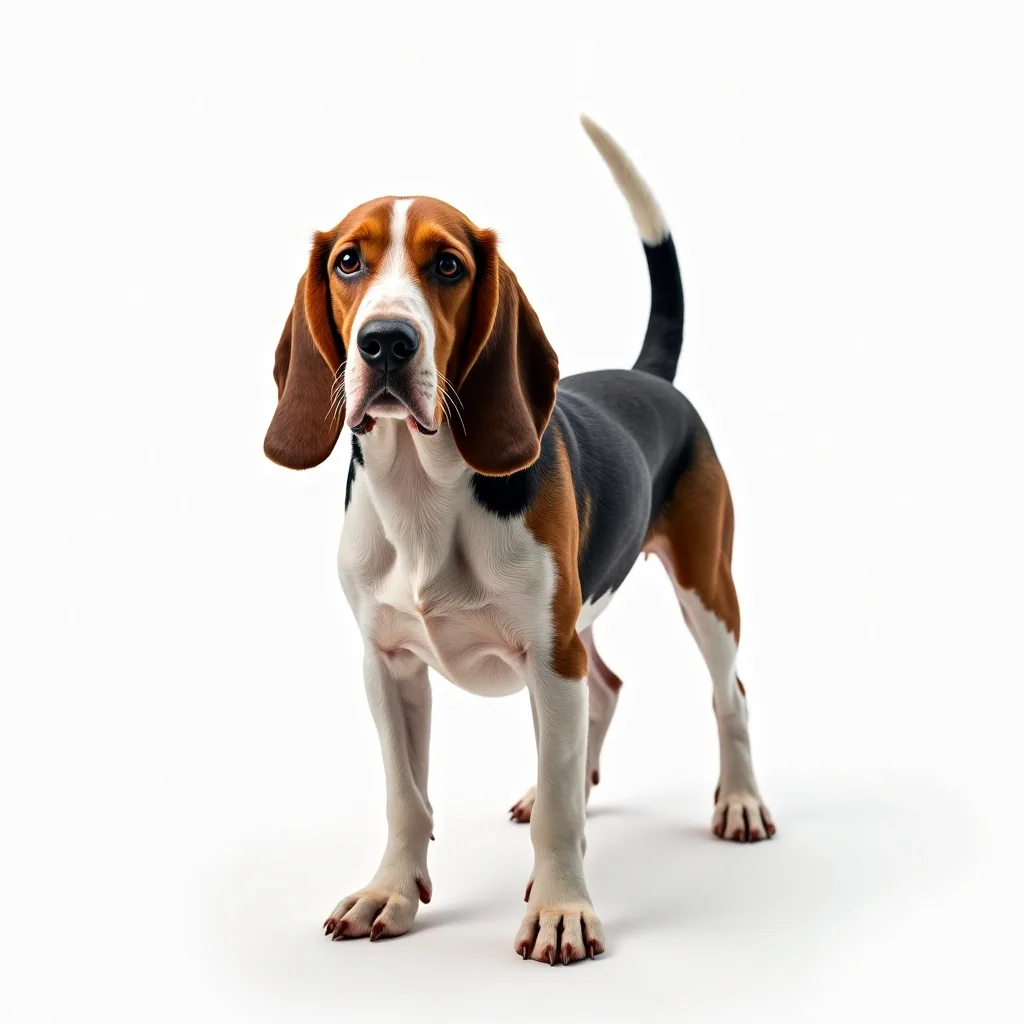
The Basset Artésien Normand is a short-legged French scenthound, one of the classic basset breeds developed to hunt small game at a steady, walking pace that hunters could follow on foot. Standing only around 30 to 36 cm at the shoulder yet weighing a substantial 15 to 20 kg, it is a long-bodied, heavy-boned little hound with very short legs, long pendulous ears, a gentle expression and the characteristic smooth tricolour or lemon-and-white coat of the French bassets.
Gentle, affectionate and thoroughly sociable, the Basset Artésien Normand combines an appealing, easy-going character with the deep instincts of a working scenthound. It is companionable and good in the company of other dogs, with a calm, mild manner indoors, but it is also stubborn, strongly led by its nose and given to the typical resonant bay of a hunting hound. Its manageable size and affectionate nature make it a charming companion for owners who understand and accept its hound temperament.
Good to know — a Basset Artésien Normand is best with a garden and manageable for committed beginners. Every dog is an individual, so meet a few and chat to a good breeder or rescue before deciding.
Save the Basset Artésien Normand guide
Thinking about a Basset Artésien Normand? Pop your email in and we’ll send this guide so you can come back to it any time — handy while you compare breeds.
Popular searches for the Basset Artésien Normand
History & origins
The Basset Artésien Normand takes its name from the historic French regions of Artois and Normandy, where the short-legged hounds that gave rise to the breed were developed. Basset-type dogs — low-set hounds bred to work close to the ground and at a pace suited to hunters on foot — have a long history in France, and during the nineteenth century French breeders refined several distinct regional types. The Artésien Normand emerged from the blending and standardisation of these Artois and Norman lines into the elegant, short-legged hound recognised today.
The breed is recognised by the Fédération Cynologique Internationale, which classifies it among the scenthounds and lists France as its country of origin. It is considered one of the ancestors of the better-known Basset Hound, the smooth, heavier breed developed and popularised in Britain. The Basset Artésien Normand itself remains relatively uncommon outside France and is rare in the UK, kept by enthusiasts who appreciate its working heritage and gentle character.
Temperament & family fit
The Basset Artésien Normand is prized for its gentle, affectionate and sociable nature. It tends to be friendly and good-natured with its family, including children, and its calm indoor manner makes it pleasant company about the house. As a breed developed to hunt in packs, it is generally very sociable with other dogs and rarely looks for conflict, which adds to its easy-going reputation.
That amiable surface sits over a determined working hound. The breed is driven by scent and can become single-minded once it picks up an interesting trail, and it carries a reputation for stubbornness that can surprise owners expecting an effortlessly obedient pet. It is also a vocal dog, using the deep, melodious bay typical of French hounds, which is worth bearing in mind in close-set housing. Understood and managed sympathetically, it is a loving, characterful companion; expected to behave like a biddable obedience dog, it can frustrate.
- Families with children of all ages
- Owners ready for consistent training
- Homes with a secure garden
Training & intelligence
Training a Basset Artésien Normand calls for patience, consistency and a good sense of humour. The breed is intelligent but independent and notably stubborn, and like most scenthounds it is far more interested in following its nose than in following commands, so progress can be slower than with eager-to-please breeds. Short, varied, reward-based sessions that make use of the breed's strong food motivation tend to work best, and starting early helps establish good habits.
Recall is the perennial challenge: once this hound is on a scent it can be very difficult to call back, so secure fencing and lead walking in open or unfenced areas are sensible defaults. Early and thorough socialisation produces a confident, well-adjusted adult, and gentle, positive methods suit its sensitive nature far better than harsh corrections, which tend simply to make a stubborn hound more resistant. Channelling its instincts into scent games gives a constructive outlet.
- Start socialisation & handling early
- Reward-based methods only — no harsh corrections
- Keep sessions short, calm and consistent
Exercise needs
A healthy adult Basset Artésien Normand typically needs around an hour a day (roughly 60–80 minutes), split across walks, play and a little training. A good sniffy walk, some play and a little training usually keeps them content. Puppies, seniors and dogs with health conditions need adjusted amounts — check with your vet.
Grooming & coat
The Basset Artésien Normand's short, smooth coat is easy to look after and needs only routine attention: a weekly brush removes dead hair and keeps it in good condition, with the breed shedding moderately year-round. The most important grooming task is care of the long, low-hanging ears, which restrict airflow and can trap moisture and debris, making regular checking and gentle cleaning essential to prevent infection. The loose facial skin and any folds should be kept clean and dry, and as with all breeds nails, teeth and eyes need routine attention to keep the dog comfortable and healthy.
- Brush occasionally to remove loose hair
- Bathe every few weeks or as needed
- Check ears, nails and teeth weekly
Feeding a Basset Artésien Normand
Feed a Basset Artésien Normand a complete, balanced diet appropriate to its age and size, using the food's guidelines as a starting point and adjusting portions to keep the dog in trim condition. Weight control is especially important in this breed: it is enthusiastic about food and prone to gaining weight, and excess weight places extra strain on its long back and short-legged frame. Treats should be counted within the daily ration, particularly when used in training, and the daily food is best divided into two meals. Regular body-condition checks help catch creeping weight gain early, and fresh water should always be available.
A small breed
An adult Basset Artésien Normand typically weighs 15–20 kg, so a healthy Basset Artésien Normand eats a modest amount compared with other breeds. Every feeding guide on a bag is written per kilo of body weight, not per breed — start there, then adjust to the dog in front of you.
Life stage
A small breed is usually done growing at 10–12 months, which is roughly when a puppy food has finished its job. With a typical lifespan of 12–14 years, there is a long adult stretch in the middle; switch to a senior food when your vet thinks it is worth it rather than on a birthday.
Joint support is worth looking for
Their size and frame put more load through the joints than a smaller dog carries, so a food with joint support on the label is worth reading for — and keeping them lean does more for their joints than any supplement.
Weight matters more than usual here
A long back or a heavy frame makes every extra kilo count twice. Weigh portions rather than eyeballing a scoop, and reduce the food rather than the walks if the waist starts to disappear.
Small mouths, crowded teeth
Smaller breeds get dental disease more often than big ones, largely because the same number of teeth are packed into a shorter jaw. Kibble size is worth checking, and a dental chew counts towards the daily 10% of calories from treats.
How much should a Basset Artésien Normand weigh?
Adult 15–20 kgfully grown at 10–12 months
| Age | Stage | Typical weight | Of adult size |
|---|---|---|---|
| 8 weeks | Just home | 2.5–3.3 kg | 17% |
| 3 months | Young puppy | 4.1–5.4 kg | 27% |
| 6 months | Growing fast | 8.1–10.8 kg | 54% |
| 10–12 months | Fully grown | 15–20 kg | 100% |
A guide, from the same rule of thumb our puppy growth predictor uses — each age is that share of the way to maturity for a small breed. Puppies grow fastest early, so a real puppy usually sits a little above the middle rows. Weigh yours and ask your vet if the number worries you.
Complete dog foods that suit a Basset Artésien Normand
Complete foods from our range, matched to a Basset Artésien Normand's size band and what the breed typically needs. Stock levels and delivery dates are live on each product.


Pedigree Can in Jelly Puppy 6 Pack
Complete Pedigree puppy food in jelly with chicken, lamb and poultry recipes
£10.15

Field & Trial Skinner S Field Trial Light Senior
A lower-fat dry food for older, overweight or less active dogs, including working breeds
From£9.85

Autarky Complete Grain Free Adult Turkey
Grain-free complete dry food for adult dogs, with turkey and a marine-algae joint care package
£12.79

Autarky Grain Free Tasty White Fish & Potato Complete
Grain-free dry dog food built around white fish meal rather than poultry
£12.99

Lily's Kitchen Lily S Kitchen Dog Lovely Lamb
Complete lamb-led dry dog food offered in two practical bag sizes
From£25.15

Burgess Greyhound and Lurcher Chicken
Complete adult dry food formulated for the specific build of greyhounds and lurchers
£35.35

Naturo Senior Rice Poultry Variety 6pk
Six 400g trays across three recipes for senior dogs, with glucosamine and chondroitin
£10.29

Naturo Senior Dog Turkey with Rice and Vegetables 7pk
Turkey at 65% in a senior wet tray, with brown rice, vegetables and added joint support
£11.99

Vitalin Adult Dog Farmhouse Chicken
Complete dry dog food for adult and senior dogs, chicken and vegetable based
From£11.99

Vitalin Adult Dog Small Breed Chicken with Thyme & Root Veg
A chicken kibble for small adult and senior dogs, with citrus extract for dental support
£13.99
Basset Artésien Normand health & costs
Before bringing a Basset Artésien Normand home it pays to budget for the whole picture — food, insurance, grooming and routine vet care all add up. The figures below are typical UK estimates for a healthy adult; your real costs vary with where you live, your dog's health and the cover you choose.
Food
£250–400 / year
Complete food sized to weight & life stage
Insurance
£15–32 / month
Lifetime cover — varies by age, breed & area
Grooming
£0–60 / year
Mostly DIY at home
Routine vet care
£200–450 / year
Vaccines, flea/worm, annual check
The Basset Artésien Normand is generally a sturdy breed, but its distinctive long-backed, short-legged conformation and its long, heavy ears bring some predictable health considerations that owners should manage proactively. As with the related Basset Hound, the elongated spine can make the breed more vulnerable to back problems, and weight control is a key part of protecting it. The pendulous ears require ongoing care to keep ear infections at bay.
Buying from a responsible breeder who rears puppies well and is open about health is the best starting point, and routine preventive care — vaccination, parasite control, dental care and especially weight and ear management — supports a long, comfortable life within the breed's typical span of around twelve to fourteen years. Owners should seek veterinary advice promptly for any sign of back pain or reluctance to move, persistent ear discomfort, or eye irritation associated with loose lower lids.
Common health conditions to be aware of
- Intervertebral disc disease and back problems — the long spine and short legs increase the risk of disc and back injury, so jumping should be limited and weight kept down.
- Ear infections (otitis externa) — the long, low-set ears restrict airflow and trap moisture, making regular checking and cleaning essential.
- Obesity — a strongly food-motivated hound that gains weight easily, which in turn worsens strain on the back and joints.
- Eye conditions linked to loose eyelids — drooping lower lids (ectropion) and related irritation can occur in hounds with loose facial skin.
- Joint strain — the heavy body on short legs can place extra load on the joints, especially if the dog is overweight.
- Dental disease — common across breeds and best managed with regular tooth brushing and veterinary checks.
These reflect typical, size- and coat-related risks for dogs like the Basset Artésien Normand; individual breeds carry their own predispositions. Always buy from health-tested parents and speak to your vet — this isn't a diagnosis.
Protect against surprise bills
A single emergency can run into thousands. Lifetime insurance spreads the risk.
Estimate insurance →How pet insurance works →Puppy & senior care
Bringing home a Basset Artésien Normand puppy
Puppies need controlled exercise (a rough guide is five minutes per month of age, twice a day) to protect growing joints, little-and-often meals of a complete puppy food, early socialisation, and a calm routine for toilet training and sleep. Book first vaccinations, microchipping and a vet check early.
New puppy checklist →Caring for a senior Basset Artésien Normand
As they age, watch weight, joints and teeth, switch to a senior diet if your vet advises, keep exercise gentle but regular, and consider orthopaedic bedding and ramps. Twice-yearly vet checks help catch issues early.
Orthopaedic beds & mobility →Pros & cons
The good bits
- Gentle, affectionate and sociable
- Manageable size with calm indoor manner
Things to consider
- Stubborn with strong scent-led recall
- Tends to bay and bark
Compare the Basset Artésien Normand
See how the Basset Artésien Normand measures up against similar breeds before you decide:
More breeds like the Basset Artésien Normand
Same breed group
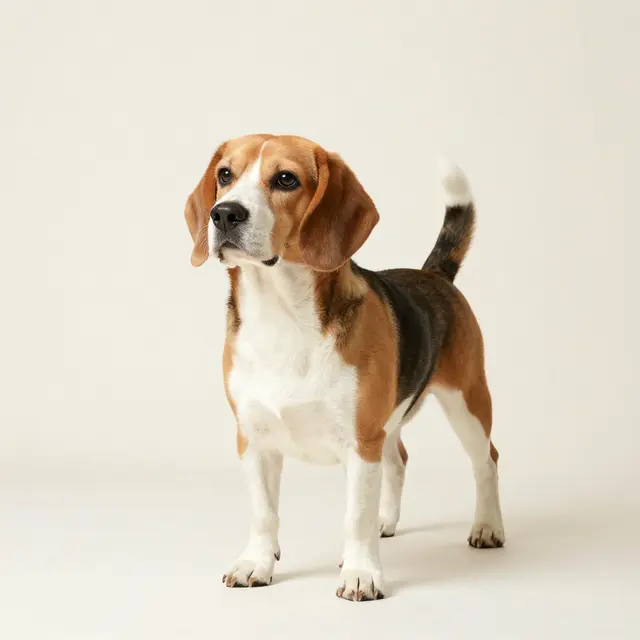
Beagle
A merry, pack-loving scent hound — sociable and great with kids, but ruled by its nose.
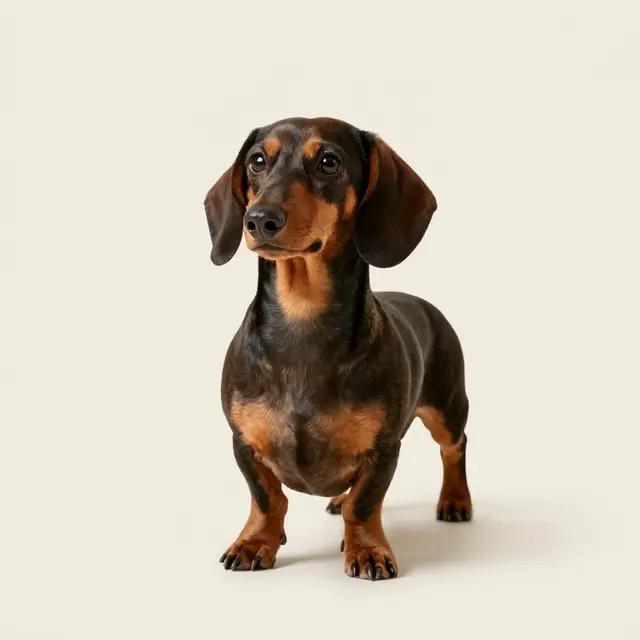
Dachshund
A bold, characterful "sausage dog" that suits smaller homes but needs careful handling of its long back.
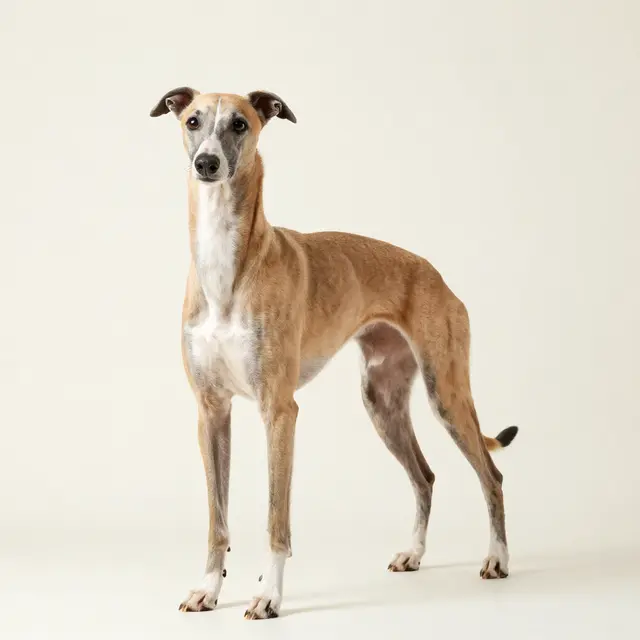
Whippet
A gentle, quiet "sofa sprinter" — happy to lounge at home between short bursts of explosive running.
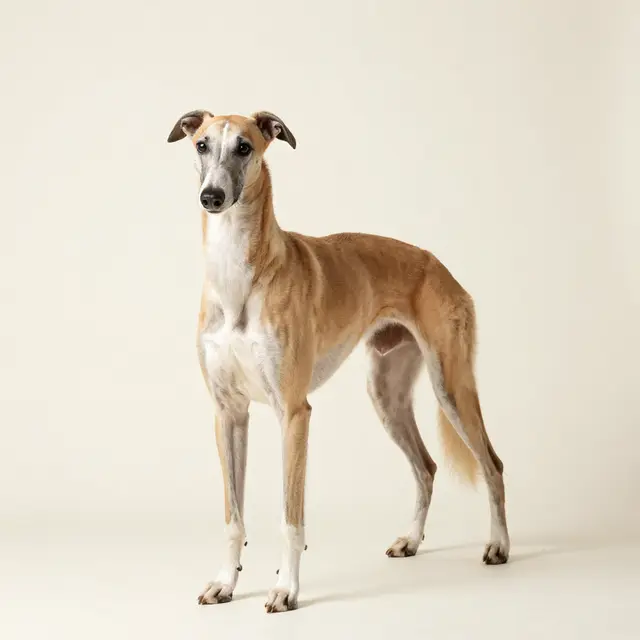
Greyhound
The ultimate couch potato — despite their racing reputation, retired greyhounds need surprisingly little exercise.
Similar temperament
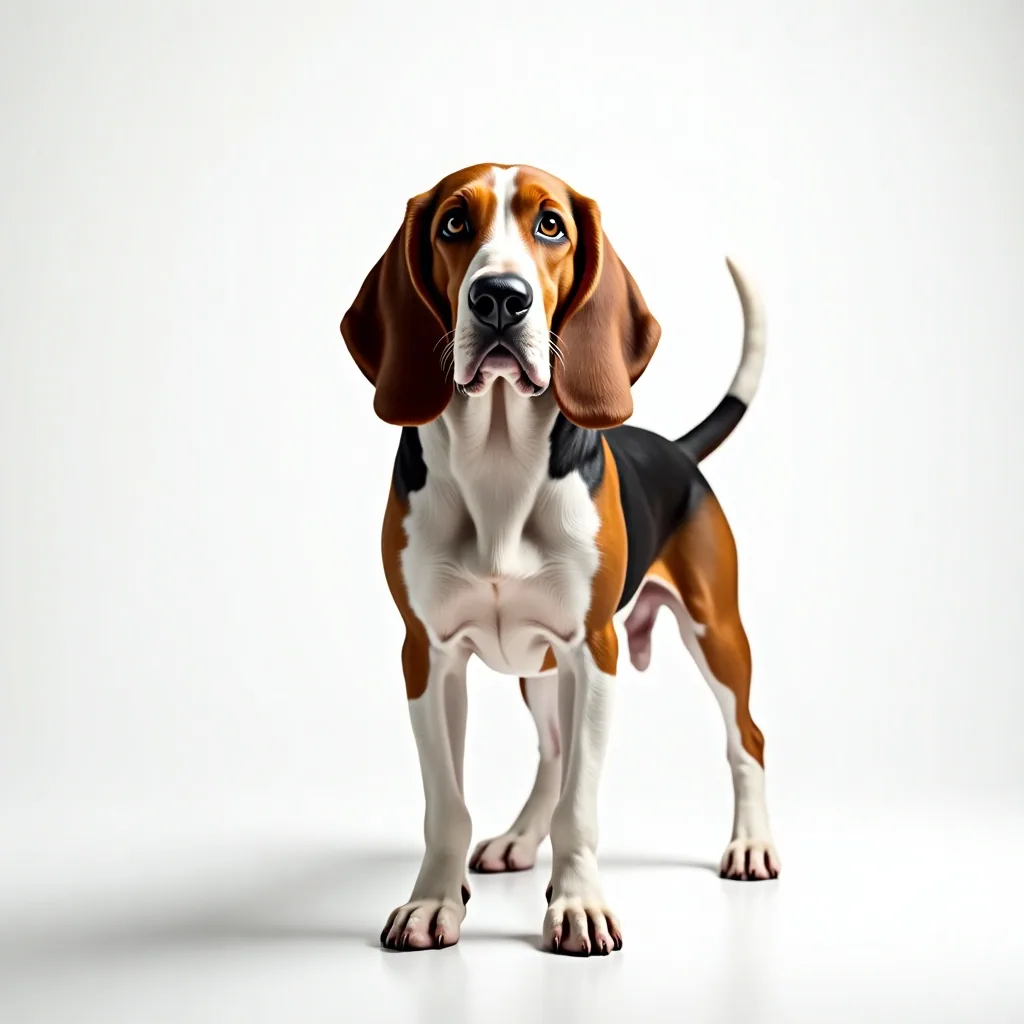
Basset Bleu de Gascogne
A mottled blue-coated French basset scenthound bred for small game. Sociable, gentle and good in company, but a tenacious tracker with a strong nose and a loud, melodious bay.
Dachshund
A bold, characterful "sausage dog" that suits smaller homes but needs careful handling of its long back.
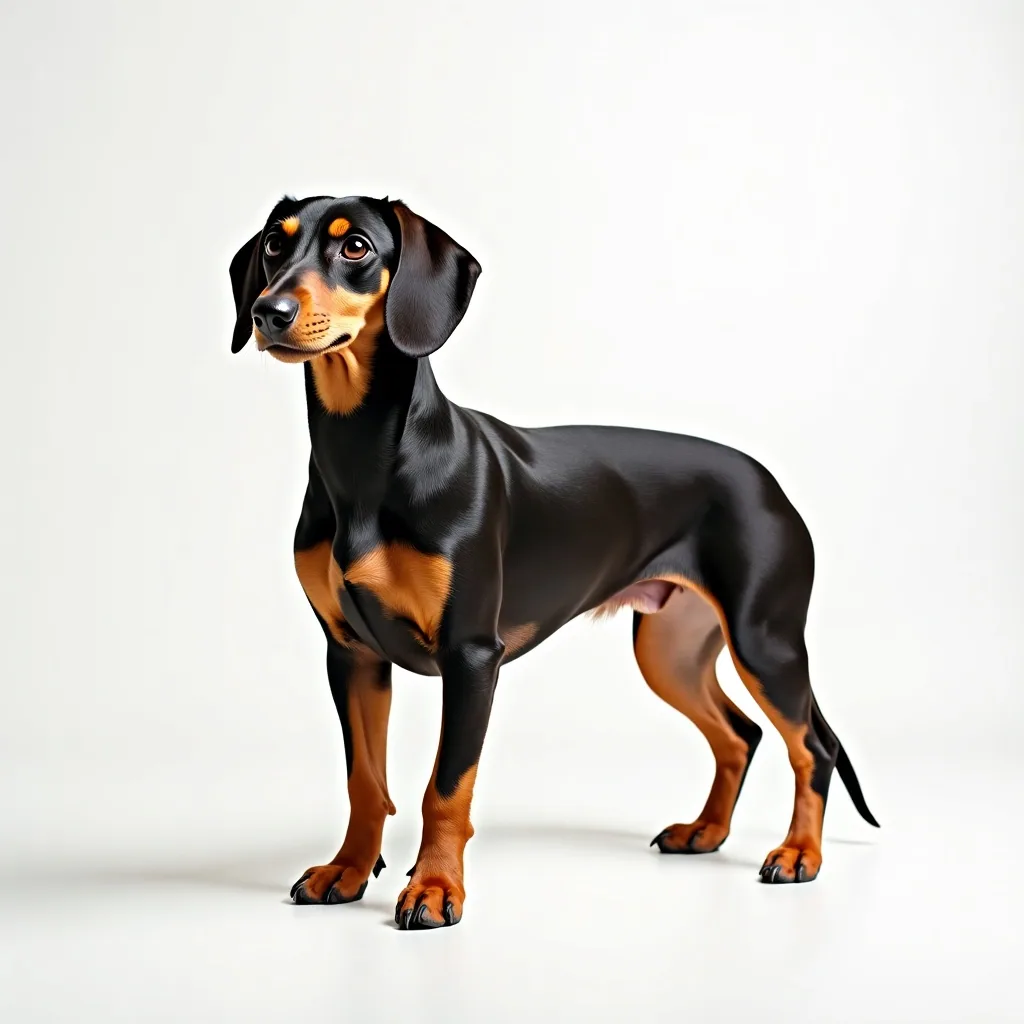
Alpine Dachsbracke
A short-legged Austrian scenthound bred to track wounded game in the Alps. Sturdy, even-tempered and sociable, with a strong nose and a tendency to vocalise.
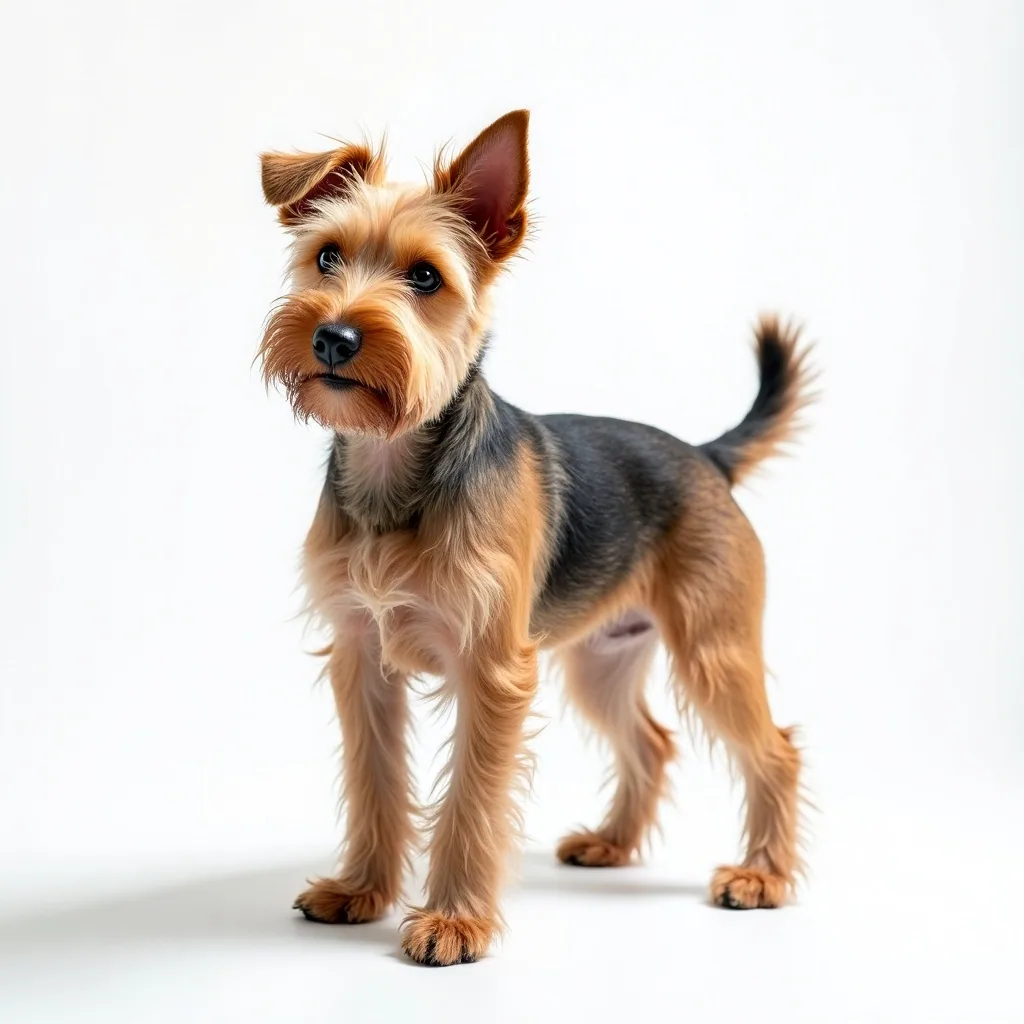
Australian Terrier
A small, sturdy working terrier with a harsh weatherproof coat. Spirited, affectionate and adaptable, making a good companion, though it loves to bark and dig.
Similar size, different type
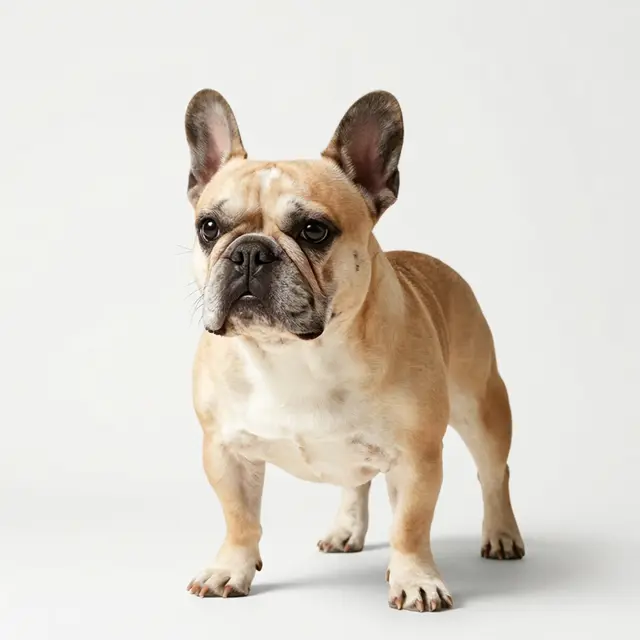
French Bulldog
A compact, easy-going companion that suits flats and modest exercise — but with serious health considerations.
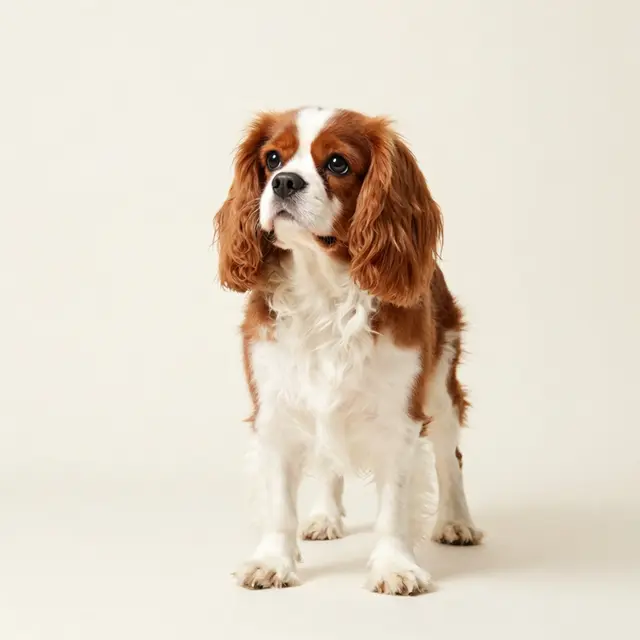
Cavalier King Charles Spaniel
A gentle, affectionate lap dog that’s wonderful with children and adapts happily to flat or house living.
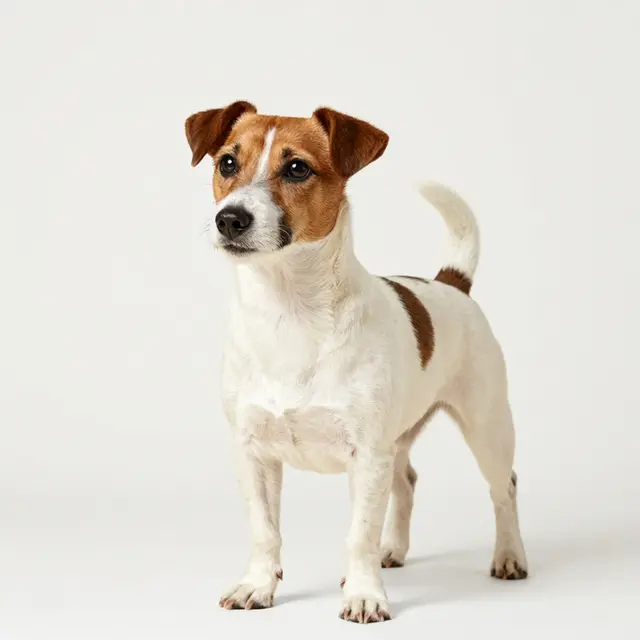
Jack Russell Terrier
A small dog with a huge personality — bold, clever and bursting with energy and prey drive.
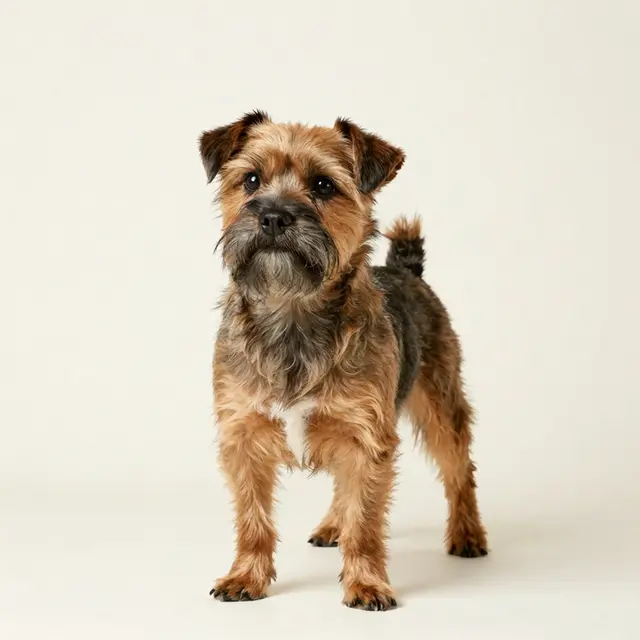
Border Terrier
A hardy, good-natured working terrier that’s friendlier with people and dogs than many of its terrier cousins.
Is the Basset Artésien Normand your breed?
Create your pet profile and get personalised food, toy, insurance and health recommendations — tailored to your dog.
Frequently asked questions
How big is a Basset Artésien Normand?
It stands only around 30 to 36 cm at the shoulder yet weighs a substantial 15 to 20 kg, making it a long-bodied, heavy-boned little hound with very short legs. It has long pendulous ears, a gentle expression and the smooth tricolour or lemon-and-white coat typical of the French bassets.
What is the lifespan of a Basset Artésien Normand?
The breed's typical lifespan is around 12 to 14 years. It is generally a sturdy dog, but its long-backed, short-legged build and heavy ears bring some predictable health considerations, so proactive weight control, ear care and routine preventive care all help support a long, comfortable life.
Is the Basset Artésien Normand good with children and other dogs?
Yes, it is prized for a gentle, affectionate and sociable nature, and tends to be friendly and good-natured with family, including children. Having been developed to hunt in packs, it is generally very sociable with other dogs. Its scent and prey drive mean care is still needed around cats and small pets.
Is the Basset Artésien Normand easy to train?
It is intelligent but independent and notably stubborn, and like most scenthounds it is far more interested in its nose than in commands, so progress can be slow. Short, varied, reward-based sessions that use its strong food motivation work best. Recall is the main challenge, so secure fencing and lead walking in open areas are sensible defaults.
How much exercise does a Basset Artésien Normand need?
Despite its short legs it is a working hound with real stamina and needs a good daily walk of around an hour, plus chances to use its nose, which it finds deeply satisfying. Steep, repetitive jumping and stairs should be limited, especially when young, to protect its long back. Scent work provides valuable mental stimulation alongside the physical exercise.
Do Basset Artésien Normands shed and need much grooming?
The short, smooth coat is easy to care for and needs only a weekly brush, with the breed shedding moderately year-round. The most important task is the long, low-hanging ears, which restrict airflow and trap moisture, so regular checking and gentle cleaning are essential to prevent infection. Keep facial folds clean and dry, and attend to nails, teeth and eyes routinely.
Do Basset Artésien Normands have any common health issues?
Their distinctive long-backed, short-legged conformation can make them more vulnerable to back problems, and the long, heavy ears need ongoing care to prevent ear infections. Weight control is central to protecting the spine and joints. Buy from a responsible breeder, keep up routine preventive care, and seek prompt veterinary advice for any sign of back pain or persistent ear discomfort.
Why does the Basset Artésien Normand bark so much?
It is a vocal breed that uses the deep, melodious bay typical of French hounds, a trait rooted in its pack-hunting heritage rather than a fault. This carrying voice is worth bearing in mind in close-set housing, so the breed suits homes that can tolerate some noise better than noise-sensitive settings.
Are Basset Artésien Normands good with children?
Good with children. As a general guide, Basset Artésien Normands tend to be patient and tolerant. Whatever the breed, always supervise dogs and young children and teach kids to interact gently.
How much exercise does a Basset Artésien Normand need?
As a healthy adult, a typical Basset Artésien Normand needs around an hour of exercise a day (60–80 minutes), split across walks plus play. A good sniffy walk plus some play and training usually keeps them happy. Puppies, seniors and dogs with health conditions need less — ask your vet.
Do Basset Artésien Normands shed a lot?
Moderate shedding. Coat upkeep is easy-care — a quick brush now and then is usually enough.
Are Basset Artésien Normands easy to train and good for first-time owners?
Manageable for committed beginners. Basset Artésien Normands are best for owners ready to commit to consistent training and plenty of activity. Reward-based training and early socialisation help any dog.
Do Basset Artésien Normands bark a lot?
Vocal / alert barker. They can be quite vocal, so early training and enough exercise and stimulation help keep barking in check.
Are Basset Artésien Normands good with other dogs?
Sociable with other dogs. Early, positive socialisation with other dogs from a young age makes a big difference.
Do Basset Artésien Normands suit flats or smaller homes?
Best with a garden. A Basset Artésien Normand is happiest with access to a secure garden and regular outdoor exercise.
Sources
- Fédération Cynologique Internationale (FCI) — Basset Artésien Normand breed standard and scenthound classification: https://www.fci.be/en/nomenclature/
- The Kennel Club (UK) — basset and hound-group breed information and standards: https://www.thekennelclub.org.uk/breed-standards/
- PDSA — dog health, ear care, back-health and weight-management advice: https://www.pdsa.org.uk/pet-help-and-advice/looking-after-your-pet/dogs
- Blue Cross — dog care, behaviour and breed-suitability guidance: https://www.bluecross.org.uk/advice/dog
- RSPCA — guidance on exercise, enrichment and responsible dog ownership: https://www.rspca.org.uk/adviceandwelfare/pets/dogs
Recommended for your Basset Artésien Normand
Matched to a Basset Artésien Normand's size and their typical need for dental care, ramps & easy access, joint & mobility support.


Bugalugs Hemp Oil for Dogs & Cats – 50ml
A natural, UK-made hemp seed oil supplement rich in Omega-3, -6, and -9 to support calmness, joint mobility, and a healthy, glossy coat.
£13.99

L-Shaped Bolster Sofa Dog Bed
A supportive L-shaped sofa bed with a raised bolster back and side for your dog to rest their head. The thick padded base cushions joints, and the soft rose-velvet cover is removable and washable for easy care.
From£44.99

Non-Slip Grip Dog Socks
Knitted dog socks with a generous rubber grip print across the sole to stop slipping on hard floors and protect paws. An adjustable hook-and-loop strap keeps each sock securely in place.
£7.99

Dog Recovery Boot for Injured Paws
A protective paw boot that shields healing wounds, torn pads, bleeding toes and damaged nails. Soft yet durable with adjustable straps, it keeps the injury clean and lets your dog walk in comfort.
From£10.99

Inflatable Pet Recovery Collar
A soft inflatable recovery collar that stops pets nibbling or scratching wounds after surgery, a comfortable alternative to a rigid cone. Padded ring with adjustable snap closure lets your pet eat, drink and sleep with ease.
From£12.99

NanoSanitas Advanced No-Brush Dental Gel for Dogs & Cats
A brush-free dental gel for dogs and cats, formulated with silver nanoparticles and papaya extract to help reduce plaque and freshen breath.
£14.99
Suggestions based on breed traits — always check sizing and suitability for your individual dog.
Got a Basset Artésien Normand? Save them to a pet profile for tailored picks across the whole site.
Happier, healthier pets — in your inbox.
Breed care tips, seasonal advice and first access to new arrivals. No spam, unsubscribe anytime.
Every dog is an individual — temperament and needs vary. Please research thoroughly, meet dogs in person, and consider adopting from a rescue. This is general guidance, not a substitute for advice from your vet or a qualified trainer.