


Cavalier King Charles Spaniel
Named after the spaniels beloved of King Charles II and reconstructed in the 20th century, the Cavalier is a gentle toy spaniel bred purely for companionship. Sweet-natured, adaptable and devoted, it's wonderful with children and other pets. It suits households that are home a good deal — Cavaliers hate being left alone — and who'll choose a puppy from heart-screened lines.
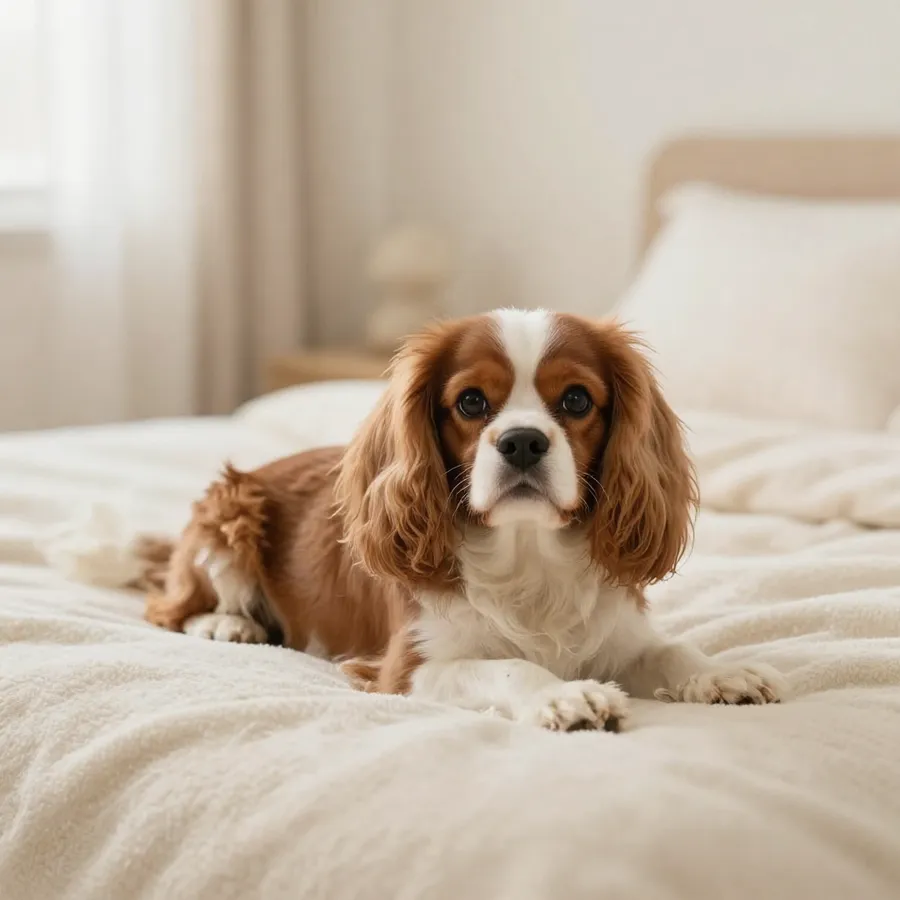
Cavalier King Charles Spaniel scorecard
Overview
The Cavalier King Charles Spaniel is one of Britain's best-loved companion breeds: a small, silky-coated toy spaniel with large, gentle dark eyes and a famously affectionate, people-focused nature. Classified in the Kennel Club's Toy Group, the Cavalier typically stands around 30–33 cm at the shoulder and weighs roughly 5.4–8 kg, making it a genuinely lap-sized dog that adapts happily to flats, smaller houses and family homes alike. It is recognised in four traditional colours — Blenheim (chestnut and white), tricolour (black, white and tan), black and tan, and the rich whole-coloured ruby.
More than almost any other breed, the Cavalier was bred purely for companionship rather than work, and it shows in temperament. These are sociable, easy-going dogs that form deep attachments to their people and generally get along well with children, other dogs and even cats. That same devotion means they are not a breed that copes well with long hours alone. Prospective owners should also research the breed's well-documented inherited health problems carefully, as heart and neurological conditions are common and have a real bearing on welfare and lifespan, which is typically around 12–14 years.
Good to know — a Cavalier King Charles Spaniel is flat-friendly and great for first-time owners. Every dog is an individual, so meet a few and chat to a good breeder or rescue before deciding.
Save the Cavalier King Charles Spaniel guide
Thinking about a Cavalier King Charles Spaniel? Pop your email in and we’ll send this guide so you can come back to it any time — handy while you compare breeds.
Popular searches for the Cavalier King Charles Spaniel
History & origins
The Cavalier descends from the small toy spaniels that were popular at the English royal court from the Tudor and Stuart periods onward, and which appear in many seventeenth-century paintings — particularly those associated with King Charles II, who gave his name to the type. Over the following two centuries the toy spaniel was crossed with flat-nosed breeds such as the Pug, producing the shorter-muzzled, domed-headed dog now known simply as the King Charles Spaniel (the English Toy Spaniel).
The Cavalier as a distinct breed is a twentieth-century revival. In the 1920s the American enthusiast Roswell Eldridge offered prize money at Crufts for spaniels of the older, longer-nosed type seen in the antique portraits, prompting British breeders to recreate it. The resulting dogs were named "Cavalier" King Charles Spaniels to distinguish them from their flat-faced cousins. The Kennel Club granted the Cavalier separate breed status in 1945, and it has since become one of the most popular companion breeds in the UK.
Temperament & family fit
Cavaliers are gentle, cheerful and endlessly affectionate, and a well-bred, well-socialised example is one of the most trustworthy small companions for family life. They are typically excellent with children and tolerant of other pets, and they retain a soft spaniel sociability that makes them keen to greet visitors rather than guard against them. They are adaptable too: equally content to potter on a country walk or curl up on a sofa, which suits a wide range of households from active families to quieter, older owners.
The flip side of that devotion is a strong need for company. Cavaliers bond intensely to their people and are prone to separation-related distress if regularly left alone for long periods, so they suit homes where someone is around for much of the day. They retain a spaniel's interest in scent and small wildlife, so a reliable recall and a secure garden matter, but in temperament they are far more lap dog than hunter. Their easy, non-aggressive nature also means they make poor guard dogs — they are far more likely to welcome a stranger than warn you of one.
- Families with children of all ages
- Committed first-time owners
- Flats or houses with daily exercise
Training & intelligence
As a breed developed for companionship, the Cavalier is biddable, food-motivated and genuinely eager to please, which makes early training straightforward when it is kind and consistent. Reward-based methods work best; harsh corrections are unnecessary and can dent a sensitive dog's confidence. Puppy socialisation classes and gentle exposure to everyday sights, sounds, people and other dogs in the first few months pay dividends in a calm, confident adult.
Two training priorities stand out. The first is a solid recall, because the breed's spaniel ancestry means many Cavaliers will follow their nose and can be slow to return when a scent takes hold. The second is teaching the dog to settle calmly when alone: building up short, positive periods of separation from puppyhood helps prevent the separation anxiety the breed is prone to. House-training, lead manners and basic obedience generally come easily to this willing, attentive little dog.
- Start socialisation & handling early
- Reward-based methods only — no harsh corrections
- Keep sessions short, calm and consistent
Exercise needs
A healthy adult Cavalier King Charles Spaniel typically needs around an hour a day (roughly 60–80 minutes), split across walks, play and a little training. A good sniffy walk, some play and a little training usually keeps them content. Puppies, seniors and dogs with health conditions need adjusted amounts — check with your vet.
Grooming & coat
The Cavalier's coat is moderately long, silky and slightly wavy, with characteristic feathering on the ears, chest, legs, feet and tail. It needs brushing several times a week — ideally most days — to prevent the feathering from matting, with particular attention behind the ears, in the "armpits" and around the feet where knots form quickly. The breed is a moderate, year-round shedder. Ears should be checked and cleaned regularly because the long, pendulous flaps reduce airflow and can predispose the dog to ear infections, and routine nail trimming, dental care and eye-wiping round out a simple maintenance routine. Many owners keep the feathering trimmed for easier upkeep.
- Brush several times a week
- Bathe every few weeks or as needed
- Check ears, nails and teeth weekly
Feeding a Cavalier King Charles Spaniel
Feed a complete, good-quality dog food appropriate to the Cavalier's age, size and activity level, following the manufacturer's portion guidance and adjusting to keep the dog in lean condition. Because they are small and food-motivated, Cavaliers gain weight easily, and excess weight adds strain to a breed already predisposed to heart and joint issues — so treats should be accounted for within the daily ration and body condition monitored regularly. Splitting the daily amount into two meals suits most adults, and any dog with a diagnosed heart condition should have its diet and weight managed in line with veterinary advice. Fresh water should always be available.
A small breed
An adult Cavalier King Charles Spaniel typically weighs 5.4–8 kg, so a healthy Cavalier King Charles Spaniel eats a modest amount compared with other breeds. Every feeding guide on a bag is written per kilo of body weight, not per breed — start there, then adjust to the dog in front of you.
Life stage
A small breed is usually done growing at 10–12 months, which is roughly when a puppy food has finished its job. With a typical lifespan of 12–14 years, there is a long adult stretch in the middle; switch to a senior food when your vet thinks it is worth it rather than on a birthday.
Small mouths, crowded teeth
Smaller breeds get dental disease more often than big ones, largely because the same number of teeth are packed into a shorter jaw. Kibble size is worth checking, and a dental chew counts towards the daily 10% of calories from treats.
A shallow, wide bowl suits a flat face
A flat-faced dog cannot reach into a deep bowl without pressing its nose into the sides, which is uncomfortable and makes it gulp air. A shallow bowl, and food that does not have to be chased around it, is the easier arrangement.
Mealtimes can do some of the work
A breed that struggles to settle on its own gets more out of a meal that takes effort — a lick mat, a snuffle mat or a puzzle feeder using part of the daily ration rather than extra food on top of it.
How much should a Cavalier King Charles Spaniel weigh?
Adult 5.4–8 kgfully grown at 10–12 months
| Age | Stage | Typical weight | Of adult size |
|---|---|---|---|
| 8 weeks | Just home | 0.9–1.3 kg | 17% |
| 3 months | Young puppy | 1.5–2.2 kg | 27% |
| 6 months | Growing fast | 2.9–4.3 kg | 54% |
| 10–12 months | Fully grown | 5.4–8 kg | 100% |
A guide, from the same rule of thumb our puppy growth predictor uses — each age is that share of the way to maturity for a small breed. Puppies grow fastest early, so a real puppy usually sits a little above the middle rows. Weigh yours and ask your vet if the number worries you.
Complete dog foods that suit a Cavalier King Charles Spaniel
Complete foods from our range, matched to a Cavalier King Charles Spaniel's size band and what the breed typically needs. Stock levels and delivery dates are live on each product.


Pedigree Can in Jelly Puppy 6 Pack
Complete Pedigree puppy food in jelly with chicken, lamb and poultry recipes
£10.15

Arden Grange Adult Dog Calming Turkey Sweet Potato
A grain-free complete turkey food with added L-tryptophan and chamomile
From£16.99

Forthglade Cold Pressed Natural Turkey
Cold-pressed turkey kibble for dogs from 2 months, soft enough to mix with water for young pups
£45.99

Forthglade Cold Pressed Grain Free Salmon
Cold-pressed grain-free dry food for dogs, built on fresh and dried salmon
From£16.99

Forthglade Cold Pressed Grain Free Duck
Cold-pressed grain-free duck food with fruit and botanicals, in two bag sizes
From£16.99

Forthglade Cold Pressed Grain Free Chicken
Cold-pressed grain-free chicken food with fruit and botanicals, in three bag sizes
From£16.99

Forthglade Complete Meal Lightly Baked Turkey
A lightly baked complete dry food, 50% turkey, for adult dogs of any breed
From£12.49

Forthglade Cold Pressed Grain Free Turkey
Grain-free cold-pressed turkey kibble for dogs, gentle on sensitive stomachs
£69.69

Forthglade British Classics Chicken Family Lunch
Complete Forthglade wet dog food with 75% chicken in a 395G tray
£2.45

Harringtons Puppy Turkey & Rice
Complete turkey puppy food with 30% protein and feeding bands by adult weight
£6.49

Harringtons Just 6 Dry Dog Food Lamb
Grain-free lamb dry dog food in 2KG and 12KG sizes, with size-specific formulas
From£13.99
Cavalier King Charles Spaniel health & costs
Before bringing a Cavalier King Charles Spaniel home it pays to budget for the whole picture — food, insurance, grooming and routine vet care all add up. The figures below are typical UK estimates for a healthy adult; your real costs vary with where you live, your dog's health and the cover you choose.
Food
£250–400 / year
Complete food sized to weight & life stage
Insurance
£15–32 / month
Lifetime cover — varies by age, breed & area
Grooming
£120–300 / year
Occasional pro + home brushing
Routine vet care
£200–450 / year
Vaccines, flea/worm, annual check
Health is the single most important consideration when choosing a Cavalier, because the breed has a high prevalence of certain inherited conditions that significantly affect welfare and longevity. The two most serious are mitral valve disease (a degenerative heart valve disorder) and syringomyelia (a painful neurological condition linked to the shape of the skull). Both are common enough that responsible breeding and screening are essential, and prospective owners should buy only from breeders who use the relevant health schemes and can show evidence of testing in the parents.
The UK Kennel Club, in partnership with the British Veterinary Association and breed clubs, supports heart testing and eye screening schemes, and an MRI-based scheme exists for the syringomyelia-related malformation. Choosing a Kennel Club Assured Breeder, asking to see health-test certificates for both parents, and registering with a vet for lifelong monitoring (including regular heart checks as the dog ages) are the most effective steps an owner can take. With good breeding and attentive care many Cavaliers live happy lives of 12–14 years, but the breed's health burden is real and should not be underestimated.
Common health conditions to be aware of
- Mitral valve disease (MVD) — a degenerative heart-valve condition that is highly prevalent in the breed and often appears earlier than in most dogs; detected as a heart murmur and a leading cause of illness and shortened lifespan.
- Syringomyelia / Chiari-like malformation — a serious neurological condition in which a mismatch between skull and brain size leads to fluid-filled cavities in the spinal cord, causing pain, scratching at the neck and other signs; diagnosed by MRI.
- Episodic falling syndrome — an inherited neurological disorder seen in the breed that causes episodes of muscle stiffness and collapse, typically triggered by exercise or excitement; a DNA test is available.
- Eye conditions — including hereditary cataract and retinal problems, which is why the breed is included in BVA/KC eye-screening schemes.
- Ear infections (otitis) — the long, pendulous, well-furred ears reduce airflow and can predispose the breed to recurrent ear problems without regular cleaning and checks.
- Obesity — a common and preventable problem in this small, food-motivated breed that worsens heart and joint strain.
These reflect typical, size- and coat-related risks for dogs like the Cavalier King Charles Spaniel; individual breeds carry their own predispositions. Always buy from health-tested parents and speak to your vet — this isn't a diagnosis.
Protect against surprise bills
A single emergency can run into thousands. Lifetime insurance spreads the risk.
Estimate insurance →How pet insurance works →Puppy & senior care
Bringing home a Cavalier King Charles Spaniel puppy
Puppies need controlled exercise (a rough guide is five minutes per month of age, twice a day) to protect growing joints, little-and-often meals of a complete puppy food, early socialisation, and a calm routine for toilet training and sleep. Book first vaccinations, microchipping and a vet check early.
New puppy checklist →Caring for a senior Cavalier King Charles Spaniel
As they age, watch weight, joints and teeth, switch to a senior diet if your vet advises, keep exercise gentle but regular, and consider orthopaedic bedding and ramps. Twice-yearly vet checks help catch issues early.
Orthopaedic beds & mobility →Pros & cons
The good bits
- Sweet-natured and excellent with young children
- Adaptable, sociable and happy in smaller homes
Things to consider
- Prone to inherited heart (mitral valve) and neurological conditions
- Silky coat needs regular brushing and they hate being left alone
Cavalier King Charles Spaniel health & care guides
In-depth, vet-sensible guides written for Cavalier King Charles Spaniel owners:
Compare the Cavalier King Charles Spaniel
See how the Cavalier King Charles Spaniel measures up against similar breeds before you decide:
More breeds like the Cavalier King Charles Spaniel
Same breed group
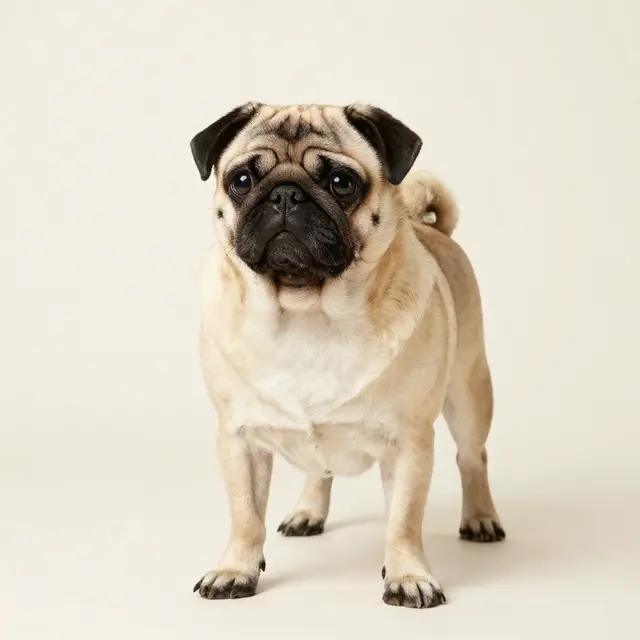
Pug
A charming, comical lap dog that’s content in a flat — but a flat face brings real health considerations.
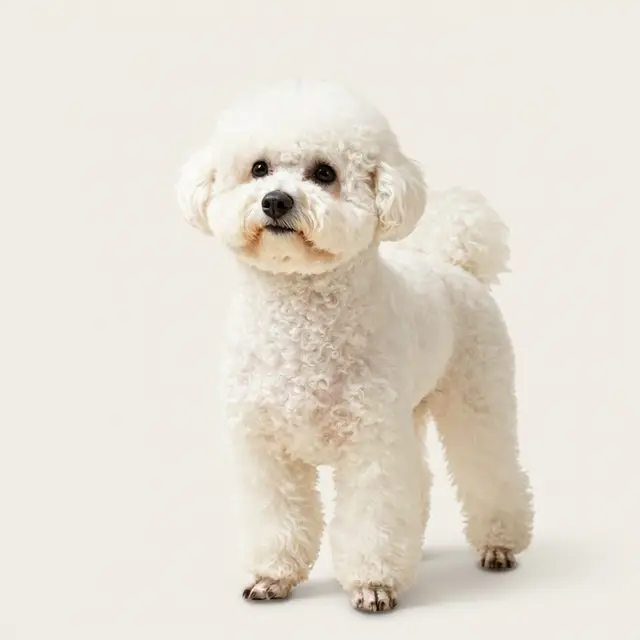
Bichon Frise
A cheerful, low-shedding companion that’s a popular choice for allergy-conscious, flat-dwelling owners.
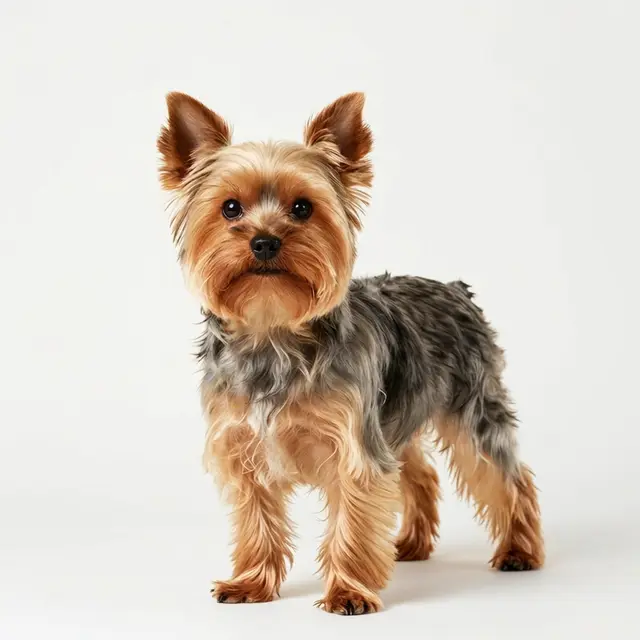
Yorkshire Terrier
A tiny, feisty toy terrier with a big personality — ideal for flats but delicate around small children.
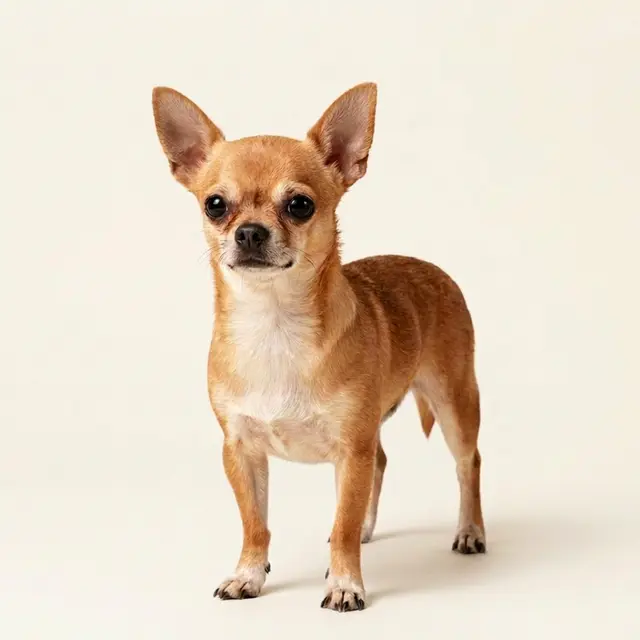
Chihuahua
The world’s smallest breed — devoted, sassy and perfect for flats, but not the easiest with young children.
Similar temperament

Cavachon
A gentle, sociable Cavalier–Bichon cross that makes an excellent family and apartment companion. Soft, low-shedding coat needs regular grooming. Coat and size can vary depending on which parent they take after.

Golden Retriever
Gentle, eager-to-please and devoted — a classic family companion that thrives on company and exercise.
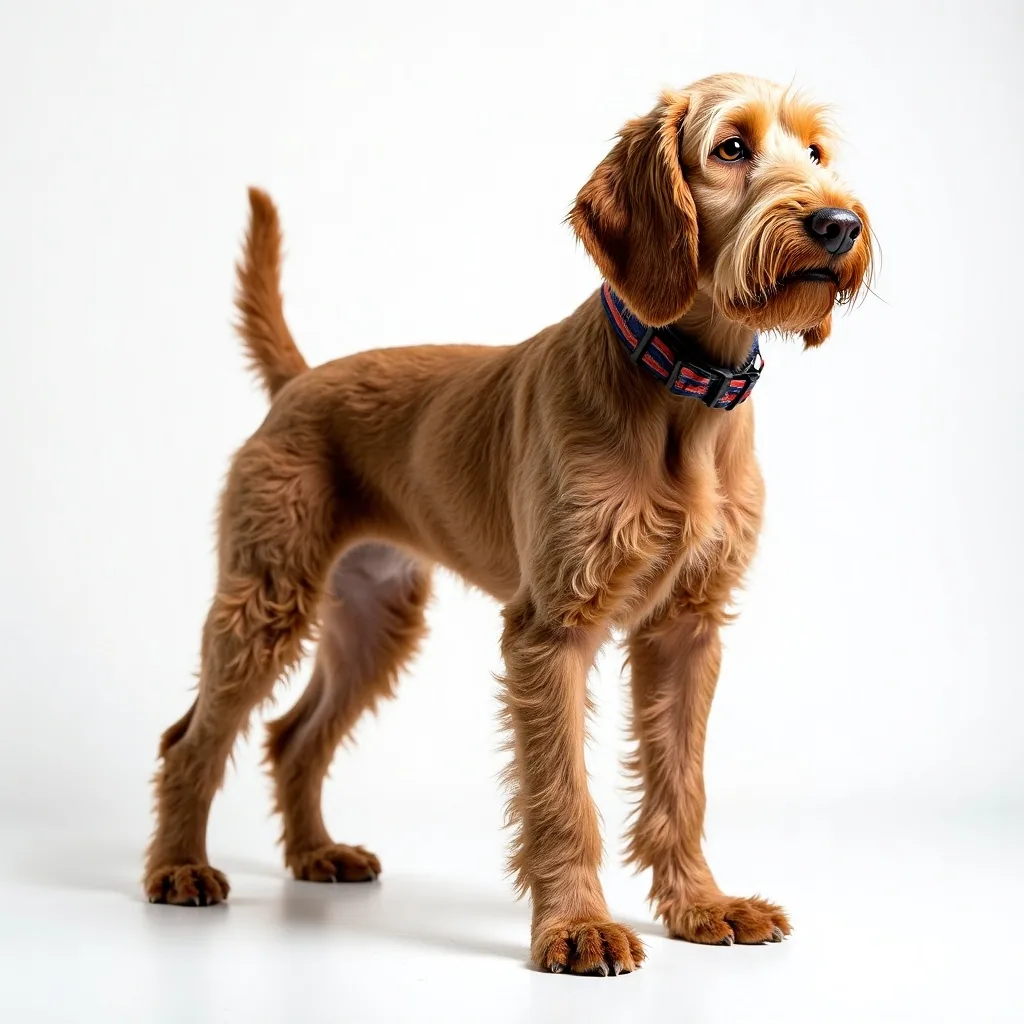
Spinone Italiano
A shaggy, soulful Italian pointing gundog known for its gentle, easy-going nature. Patient and sociable, an affectionate family companion that is calmer than many gundogs but still loves outdoor activity.
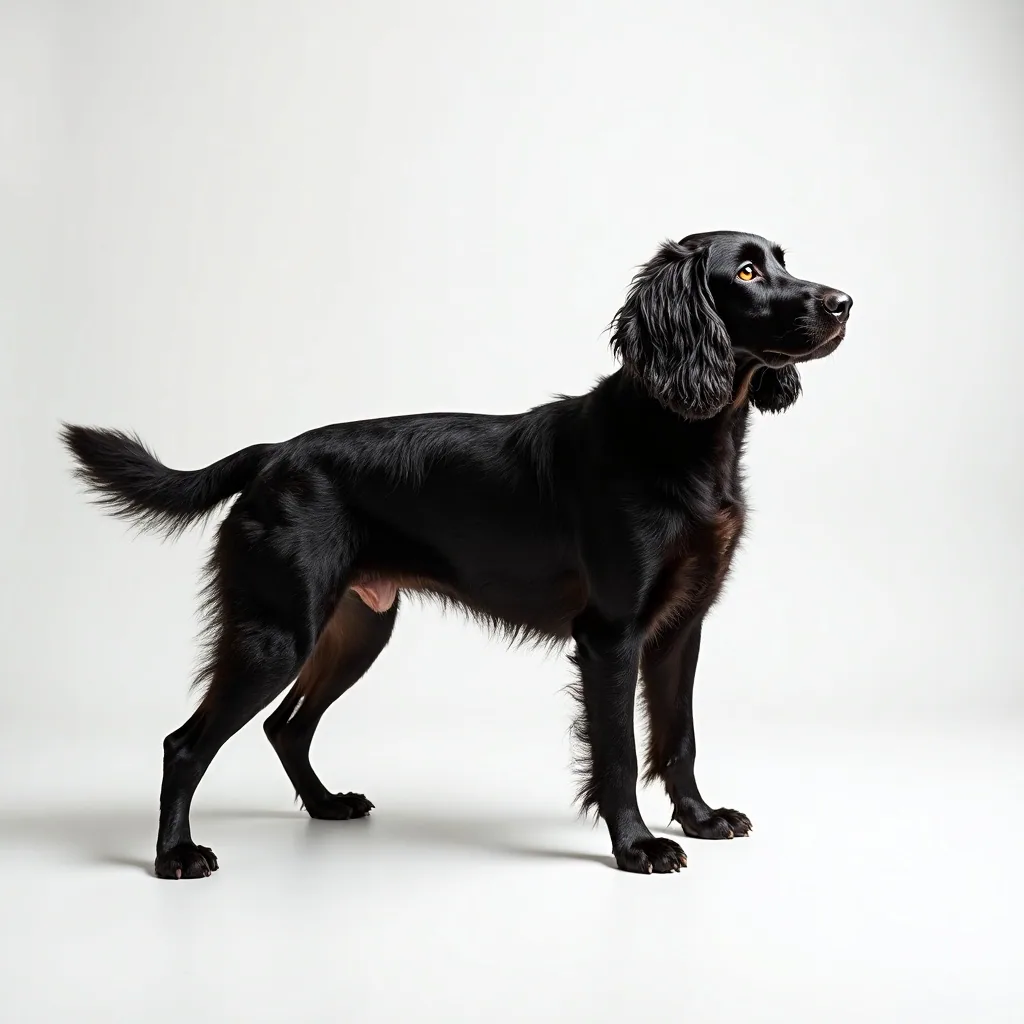
Stabyhoun
A rare Dutch all-round farm and gundog from Friesland. Gentle, patient and devoted, an even-tempered family dog that is calmer than many sporting breeds yet still enjoys activity and tracking.
Similar size, different type
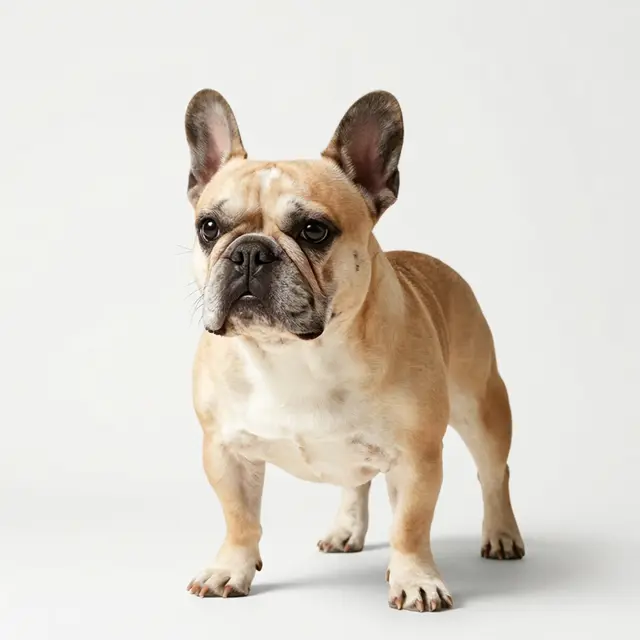
French Bulldog
A compact, easy-going companion that suits flats and modest exercise — but with serious health considerations.
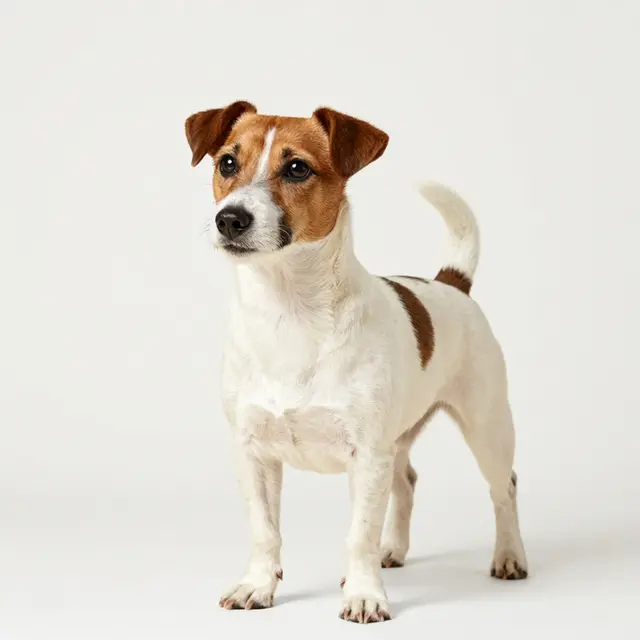
Jack Russell Terrier
A small dog with a huge personality — bold, clever and bursting with energy and prey drive.
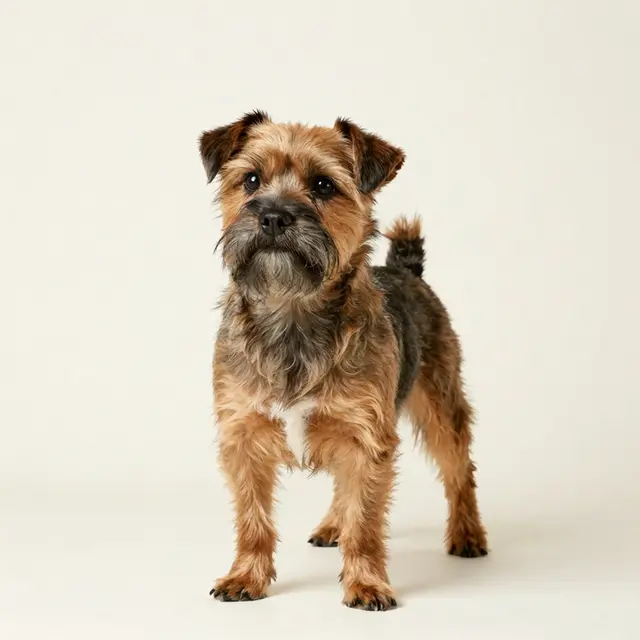
Border Terrier
A hardy, good-natured working terrier that’s friendlier with people and dogs than many of its terrier cousins.
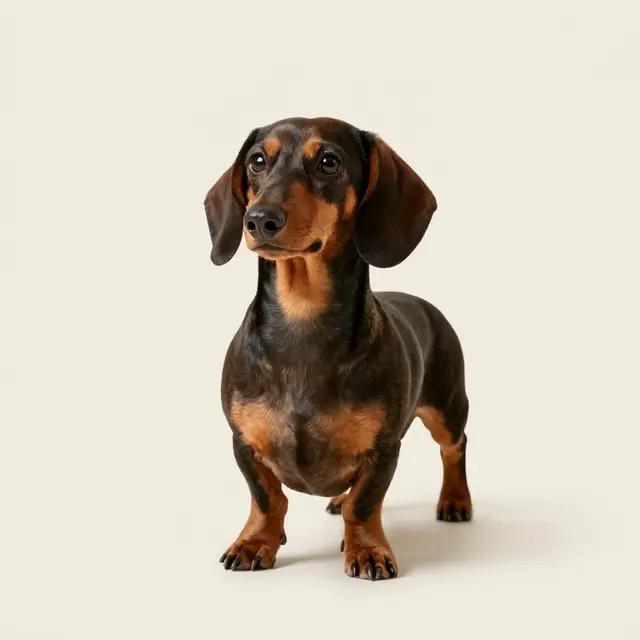
Dachshund
A bold, characterful "sausage dog" that suits smaller homes but needs careful handling of its long back.
Is the Cavalier King Charles Spaniel your breed?
Create your pet profile and get personalised food, toy, insurance and health recommendations — tailored to your dog.
Frequently asked questions
How long do Cavalier King Charles Spaniels live?
Cavaliers typically live to around 10–13 years. Where an individual dog falls in that range is strongly tied to heart health, as mitral valve disease (very common in the breed) is the main life-limiter. Choosing a puppy from heart-screened parents, keeping your dog lean, and having yearly heart checks all genuinely help yours reach the upper end of that range.
What health problems are Cavaliers prone to?
The two most important are mitral valve disease (a common heart condition that appears earlier in Cavaliers than most breeds) and syringomyelia (a neurological condition linked to skull shape, whose classic sign is 'air scratching' at the neck). They're also prone to ear infections, certain eye conditions, slipping kneecaps and weight gain. Buying from a breeder who heart-, eye- and MRI-screens reduces these risks considerably.
Are Cavalier King Charles Spaniels good family dogs?
Yes — they're one of the best family companion breeds. Cavaliers are gentle, affectionate, adaptable and typically excellent with children and other pets. The main caveat is that they're intensely people-focused and don't cope well with being left alone for long, so they suit households that are home a good deal. Supervise them with small children as you would any dog, and you've got a wonderfully easy-going family pet.
Can Cavalier King Charles Spaniels be left alone?
Not for long, and not without preparation. Cavaliers are exceptionally people-oriented and are prone to separation-related distress, so they're a poor fit for a home that's empty all day. If you need to leave one, build up alone-time gradually from puppyhood, keep comings and goings calm, and use enrichment to help. Many owners find a dog walker or company during the day makes a real difference.
Do Cavalier King Charles Spaniels shed?
Yes, Cavaliers shed moderately year-round, with a bit more during seasonal changes. Their silky, feathered coat needs brushing several times a week to stay mat-free, especially behind the ears and on the legs. They are not heavy shedders like a double-coated breed, but they do shed — and they are not hypoallergenic, so they're not an ideal choice for allergy sufferers.
Are Cavalier King Charles Spaniels hypoallergenic?
No. Cavaliers are not hypoallergenic — they shed and produce the usual dander and saliva proteins that trigger most dog allergies. No breed is genuinely hypoallergenic, but a moderate-shedding, silky-coated breed like the Cavalier is not a low-allergen choice. If allergies are a concern, spend time around the breed before committing rather than relying on any 'hypoallergenic' label.
How much exercise does a Cavalier King Charles Spaniel need?
Around an hour a day suits most adult Cavaliers — a couple of relaxed walks plus some play and sniffing. They have moderate energy and a spaniel's curiosity, but they're equally happy resting at home. Because they love food and will gladly be sedentary, keeping them active enough to stay lean matters a lot, particularly given the breed's predisposition to heart disease.
Are Cavaliers good with cats?
Usually yes. Cavaliers are gentle and sociable by nature and typically get on well with cats, especially when introduced young and properly. They don't tend to have a strong prey or guarding drive, which helps. As with any introduction, take it slowly, give the cat escape routes and high spaces, and supervise early interactions until both animals are relaxed together.
Do Cavalier King Charles Spaniels bark a lot?
Cavaliers are moderate barkers. They'll usually give a friendly alert at the door or when excited, but they're not a notably yappy breed and make poor guard dogs because they're so welcoming. As with most dogs, excessive barking usually points to boredom, under-stimulation or anxiety about being left alone rather than temperament — a well-exercised, secure Cavalier is generally quiet and content.
How big do Cavalier King Charles Spaniels get?
Cavaliers are a small toy breed. Adults typically stand around 30–33cm at the shoulder and weigh roughly 5.4–8kg. They're compact and easy to handle, which is part of their appeal as companion and family dogs — but their small size means gentle handling, especially around children, and care not to let them become overweight, which is common in the breed.
Are Cavalier King Charles Spaniels good with children?
Excellent with children of all ages. As a general guide, Cavalier King Charles Spaniels tend to be patient and tolerant. Whatever the breed, always supervise dogs and young children and teach kids to interact gently.
How much exercise does a Cavalier King Charles Spaniel need?
As a healthy adult, a typical Cavalier King Charles Spaniel needs around an hour of exercise a day (60–80 minutes), split across walks plus play. A good sniffy walk plus some play and training usually keeps them happy. Puppies, seniors and dogs with health conditions need less — ask your vet.
Do Cavalier King Charles Spaniels shed a lot?
Moderate shedding. Coat upkeep is regular brushing — brush regularly to keep the coat in good condition.
Are Cavalier King Charles Spaniels easy to train and good for first-time owners?
Great for first-time owners. Cavalier King Charles Spaniels are generally a forgiving choice for first-time owners who put in early training and socialisation. Reward-based training and early socialisation help any dog.
Do Cavalier King Charles Spaniels bark a lot?
Quiet. They are usually fairly easy-going about barking, though any dog will bark if bored or under-exercised.
Are Cavalier King Charles Spaniels good with other dogs?
Very sociable with other dogs. Early, positive socialisation with other dogs from a young age makes a big difference.
Do Cavalier King Charles Spaniels suit flats or smaller homes?
Flat-friendly. A Cavalier King Charles Spaniel can adapt to flat living as long as it gets its daily exercise and company.
Sources
- The Kennel Club — Cavalier King Charles Spaniel breed information: https://www.thekennelclub.org.uk/breed-information/cavalier-king-charles-spaniel/
- The Kennel Club — Health and breed health schemes (heart testing, BVA/KC Eye Scheme): https://www.thekennelclub.org.uk/health-and-dog-care/health/
- PDSA — Cavalier King Charles Spaniel breed information: https://www.pdsa.org.uk/pet-help-and-advice/looking-after-your-pet/puppies-dogs/large-dogs/cavalier-king-charles-spaniel
- Blue Cross — Dog breeds and health advice: https://www.bluecross.org.uk/advice/dog
- RVC VetCompass Programme — companion-animal health research: https://www.rvc.ac.uk/vetcompass
- Fédération Cynologique Internationale (FCI) — Cavalier King Charles Spaniel breed standard (Standard No. 136): https://www.fci.be/en/nomenclature/CAVALIER-KING-CHARLES-SPANIEL-136.html
Recommended for your Cavalier King Charles Spaniel
Matched to a Cavalier King Charles Spaniel's size and their typical need for dental care, cooling for hot days, calming support.

Pooch & Mutt Calming Fish Hide Chews
Hand-rolled cod skin dog chews with chamomile and lavender, 70.8% protein, grain free
£4.99

Pooch & Mutt Dental Sticks Calm & Relaxed
Dental sticks for dogs with hemp and sage, aimed at calm as well as clean teeth
£3.99

Pressure-Activated Pet Cooling Mat
Press down, feel the cool — this pressure-activated mat absorbs body heat and stays up to 10°C cooler than the room, with no freezing required.
From£34.99

Ice-Silk Cooling Dog Bed with Bolster Edge
A breathable ice-silk cooling bed with a soft bolster edge and a cool-touch centre panel that helps your dog stay comfortable through warm weather. No need to freeze or refrigerate, it cools naturally on contact.
From£12.99

Round Plush Pet Bed with Attached Hooded Blanket
A soft round pet bed with a fleece-lined hooded blanket attached, so cats and small dogs can burrow in and stay cosy. The raised bolster sides offer a sense of security for calmer, warmer sleep.
From£23.99

Dog Anxiety Calming Vest
A snug, wrap-around calming vest that applies gentle, even pressure to soothe anxious dogs during thunderstorms, fireworks or travel. Stretchy fabric and a hook-and-loop fastener give an adjustable, comfortable fit.
From£9.99

Ice-Silk Cooling Pad for Pets
A breathable, anti-slip ice-silk cooling mat that keeps cats and dogs comfortable on hot days, no freezing required. It rolls up neatly for travel and the cool-touch surface helps reduce overheating at home or in the car.
From£8.99

Ice-Silk Sofa Cover Pet Protector
A cool, smooth ice-silk sofa cover with a frilled, scalloped trim that shields your couch from pet hair, scratches and spills. Breathable for summer, it keeps furniture looking fresh while giving pets a soft spot to lounge.
From£11.99
Suggestions based on breed traits — always check sizing and suitability for your individual dog.
Got a Cavalier King Charles Spaniel? Save them to a pet profile for tailored picks across the whole site.
Happier, healthier pets — in your inbox.
Breed care tips, seasonal advice and first access to new arrivals. No spam, unsubscribe anytime.
Every dog is an individual — temperament and needs vary. Please research thoroughly, meet dogs in person, and consider adopting from a rescue. This is general guidance, not a substitute for advice from your vet or a qualified trainer.