
Stabyhoun
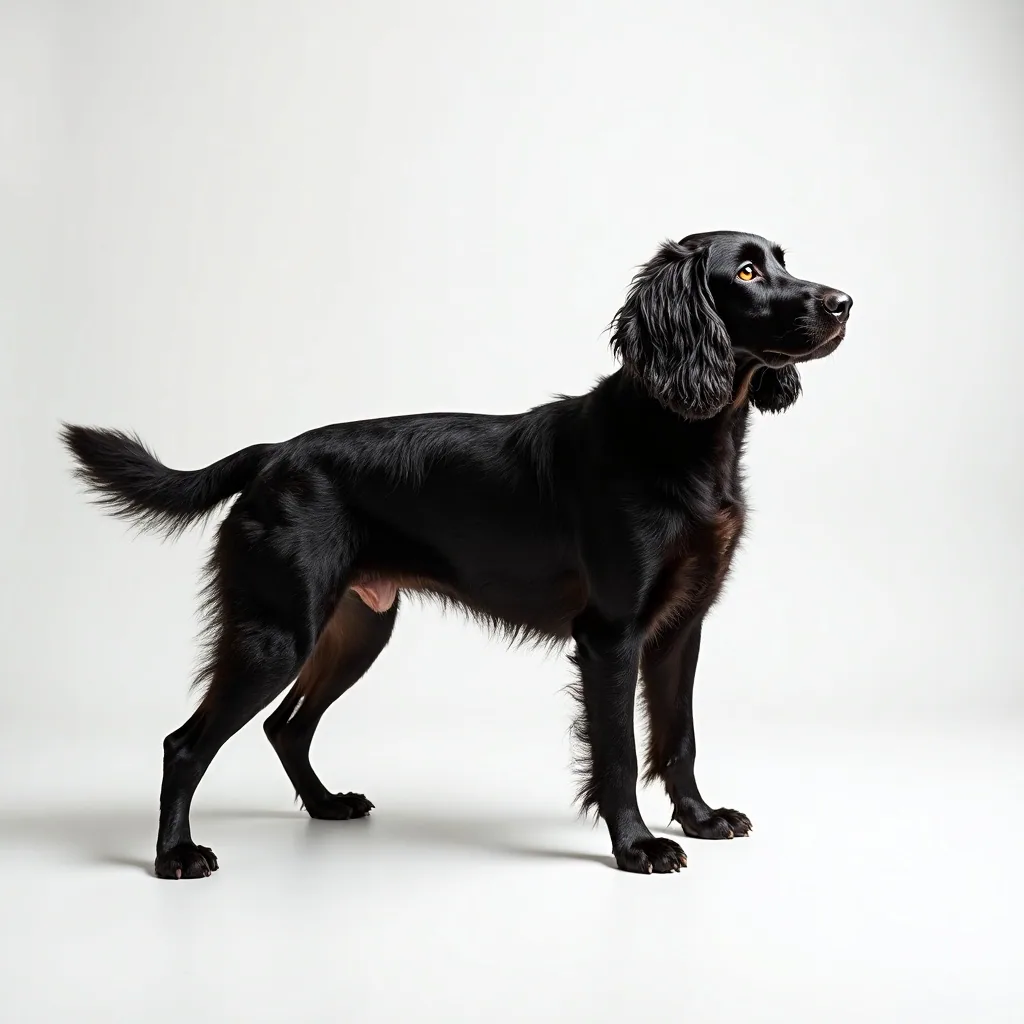
A rare Dutch all-round farm and gundog from Friesland. Gentle, patient and devoted, an even-tempered family dog that is calmer than many sporting breeds yet still enjoys activity and tracking.
Stabyhoun scorecard
Overview
The Stabyhoun is a rare, medium-sized all-round farm and gundog from the Dutch province of Friesland, where it has long been valued as a versatile worker — pointing and retrieving game, catching vermin, guarding the homestead and serving as a gentle family dog. Standing around 48–53 cm at the shoulder and weighing roughly 18–25 kg, it has a moderate, longish coat, typically black, brown or orange and white, and an even, friendly expression.
Known for being patient, calm and devoted, the Stabyhoun is a wonderful family companion that tends to be excellent with children. It is one of the calmer sporting breeds, but it is still an active dog that enjoys exercise and the chance to use its nose. Its great rarity is the main practical challenge: there are relatively few Stabyhouns worldwide, and prospective owners in Britain should expect to research carefully and join a waiting list through dedicated breed enthusiasts.
Good to know — a Stabyhoun is best with a garden and good for first-time owners. Every dog is an individual, so meet a few and chat to a good breeder or rescue before deciding.
Save the Stabyhoun guide
Thinking about a Stabyhoun? Pop your email in and we’ll send this guide so you can come back to it any time — handy while you compare breeds.
Popular searches for the Stabyhoun
History & origins
The Stabyhoun originates in the Frisian countryside, where it was kept by farmers as an economical, do-everything dog for hunting, pest control and companionship. It is one of the Netherlands' native breeds and is closely associated with the Wetterhoun, another Frisian breed. For much of its history it was little known outside its home region, and careful stewardship by Dutch enthusiasts has been crucial to its survival.
The breed is recognised in the Netherlands and internationally by the FCI, but it is not separately recognised on The Kennel Club's UK breed register, and numbers in Britain are very small. Because the worldwide population is limited, dedicated breed clubs coordinate breeding carefully to maintain genetic diversity and health, and much of the available guidance comes from these breed organisations rather than from large UK datasets.
Temperament & family fit
The Stabyhoun is renowned for its gentle, even temperament. It is typically affectionate, patient and devoted to its family, usually very good with children, and generally sociable with other dogs and pets, making it a relaxed and adaptable household companion. It tends to be alert and will let its family know when someone arrives, but it is not an aggressive breed.
Alongside its mild nature, the Stabyhoun is intelligent and sensitive, forming close bonds with its people and not coping well with being left alone for long stretches. Some individuals can be a little reserved with strangers and benefit from early socialisation. Overall it is a calm, biddable and friendly dog that fits well into active family life.
- Families with children of all ages
- Committed first-time owners
- Homes with a secure garden
Training & intelligence
Intelligent and willing to please, the Stabyhoun usually trains readily with positive, reward-based methods, though its sensitivity means harsh handling is unhelpful and can undermine its confidence. Consistency, patience and gentle encouragement work best, and the breed enjoys the mental engagement that training provides.
Early socialisation and basic obedience set a Stabyhoun up well, and as a versatile gundog it benefits from outlets for its retrieving and scenting instincts. Many owners enjoy involving the breed in activities such as obedience, agility, scent work or gundog training, which suit its capable, cooperative nature.
- Start socialisation & handling early
- Reward-based methods only — no harsh corrections
- Keep sessions short, calm and consistent
Exercise needs
A healthy adult Stabyhoun typically needs around an hour a day (roughly 60–80 minutes), split across walks, play and a little training. A good sniffy walk, some play and a little training usually keeps them content. Puppies, seniors and dogs with health conditions need adjusted amounts — check with your vet.
Grooming & coat
The Stabyhoun's moderate, sleek-to-longish coat is relatively easy to care for, needing weekly brushing to keep it tidy and to manage shedding, with more frequent attention during seasonal moults. The coat is naturally somewhat self-cleaning and does not usually require trimming or clipping. Routine care includes checking and cleaning the ears, keeping nails trimmed and maintaining good dental hygiene.
- Brush several times a week
- Bathe every few weeks or as needed
- Check ears, nails and teeth weekly
Feeding a Stabyhoun
Feed a complete, good-quality diet appropriate to the dog's age, size and activity level, divided into measured meals and adjusted to keep the dog at a healthy, lean weight. The Stabyhoun is not generally prone to obesity if exercised properly, but portion control and counting treats within the daily allowance remain sensible. Fresh water should always be available.
A medium breed
An adult Stabyhoun typically weighs 18–25 kg, so a healthy Stabyhoun eats a moderate amount compared with other breeds. Every feeding guide on a bag is written per kilo of body weight, not per breed — start there, then adjust to the dog in front of you.
Life stage
A medium breed is usually done growing at ~12 months, which is roughly when a puppy food has finished its job. With a typical lifespan of 13–14 years, there is a long adult stretch in the middle; switch to a senior food when your vet thinks it is worth it rather than on a birthday.
How much should a Stabyhoun weigh?
Adult 18–25 kgfully grown at ~12 months
| Age | Stage | Typical weight | Of adult size |
|---|---|---|---|
| 8 weeks | Just home | 2.8–3.8 kg | 15% |
| 3 months | Young puppy | 4.5–6.3 kg | 25% |
| 6 months | Growing fast | 9–12.5 kg | 50% |
| ~12 months | Fully grown | 18–25 kg | 100% |
A guide, from the same rule of thumb our puppy growth predictor uses — each age is that share of the way to maturity for a medium breed. Puppies grow fastest early, so a real puppy usually sits a little above the middle rows. Weigh yours and ask your vet if the number worries you.
Complete dog foods that suit a Stabyhoun
Complete foods from our range, matched to a Stabyhoun's size band and what the breed typically needs. Stock levels and delivery dates are live on each product.

Forthglade Cold Pressed Natural Turkey
Cold-pressed turkey kibble for dogs from 2 months, soft enough to mix with water for young pups
£45.99

Forthglade Cold Pressed Grain Free Salmon
Cold-pressed grain-free dry food for dogs, built on fresh and dried salmon
From£16.99

Forthglade Cold Pressed Grain Free Duck
Cold-pressed grain-free duck food with fruit and botanicals, in two bag sizes
From£16.99

Forthglade Cold Pressed Grain Free Chicken
Cold-pressed grain-free chicken food with fruit and botanicals, in three bag sizes
From£16.99

Forthglade Complete Meal Lightly Baked Turkey
A lightly baked complete dry food, 50% turkey, for adult dogs of any breed
From£12.49

Forthglade Complete Meal Lightly Baked Chicken
A grain-free complete dry food for adult dogs, lightly baked and built on 50% chicken
From£12.49

Forthglade Cold Pressed Grain Free Turkey
Grain-free cold-pressed turkey kibble for dogs, gentle on sensitive stomachs
£69.69

Forthglade British Classics Chicken Family Lunch
Complete Forthglade wet dog food with 75% chicken in a 395G tray
£2.45

Harringtons Puppy Turkey & Rice
Complete turkey puppy food with 30% protein and feeding bands by adult weight
£6.49

Harringtons Just 6 Dry Dog Food Lamb
Grain-free lamb dry dog food in 2KG and 12KG sizes, with size-specific formulas
From£13.99

Burns Puppy Original Lamb & Rice
Complete Burns lamb and rice puppy food in a 2KG bag for up to 12 months
£14.99

Burns Puppy Junior Original Chicken Rice
A complete puppy and junior food with dried chicken 31% and controlled fat at 15%
From£14.99
Stabyhoun health & costs
Before bringing a Stabyhoun home it pays to budget for the whole picture — food, insurance, grooming and routine vet care all add up. The figures below are typical UK estimates for a healthy adult; your real costs vary with where you live, your dog's health and the cover you choose.
Food
£400–600 / year
Complete food sized to weight & life stage
Insurance
£25–45 / month
Lifetime cover — varies by age, breed & area
Grooming
£120–300 / year
Occasional pro + home brushing
Routine vet care
£200–450 / year
Vaccines, flea/worm, annual check
The Stabyhoun is generally a healthy, long-lived breed for its size, with a typical lifespan of around 13–14 years, and the careful, coordinated breeding overseen by breed clubs has helped to manage hereditary problems within the small global population. Even so, prospective owners should buy only from breeders who follow the recommended health and pedigree guidance designed to protect the breed's limited gene pool.
Because the breed is rare, large breed-specific health datasets are sparse, so guidance leans on breed-club records and general veterinary knowledge. Conditions that breed organisations monitor include hip dysplasia and some inherited disorders, and managing genetic diversity is itself an important part of keeping the breed healthy. Routine veterinary care, weight management and dental health all support a long, comfortable life.
Common health conditions to be aware of
- Hip dysplasia — an inherited hip joint malformation that can cause pain and arthritis; breed clubs encourage hip screening.
- Patent ductus arteriosus (PDA) — a congenital heart defect that has been recorded in the breed and is monitored by breed organisations.
- Epilepsy — seizure disorders have been reported in some lines and are tracked through breed-club health records.
- Cerebral dysfunction (radial agenesis-related conditions) — rare hereditary issues monitored within the limited gene pool.
- Reduced genetic diversity — because the worldwide population is small, careful breeding is needed to avoid inbreeding-related problems.
- Ear infections — the moderately pendulous ears benefit from regular checking and cleaning to prevent infection.
These reflect typical, size- and coat-related risks for dogs like the Stabyhoun; individual breeds carry their own predispositions. Always buy from health-tested parents and speak to your vet — this isn't a diagnosis.
Protect against surprise bills
A single emergency can run into thousands. Lifetime insurance spreads the risk.
Estimate insurance →How pet insurance works →Puppy & senior care
Bringing home a Stabyhoun puppy
Puppies need controlled exercise (a rough guide is five minutes per month of age, twice a day) to protect growing joints, little-and-often meals of a complete puppy food, early socialisation, and a calm routine for toilet training and sleep. Book first vaccinations, microchipping and a vet check early.
New puppy checklist →Caring for a senior Stabyhoun
As they age, watch weight, joints and teeth, switch to a senior diet if your vet advises, keep exercise gentle but regular, and consider orthopaedic bedding and ramps. Twice-yearly vet checks help catch issues early.
Orthopaedic beds & mobility →Pros & cons
The good bits
- Gentle, patient and excellent with children
- Trainable and adaptable family dog
Things to consider
- Rare and hard to source
- Needs regular exercise and can be sensitive
Compare the Stabyhoun
See how the Stabyhoun measures up against similar breeds before you decide:
More breeds like the Stabyhoun
Same breed group
Labrador Retriever
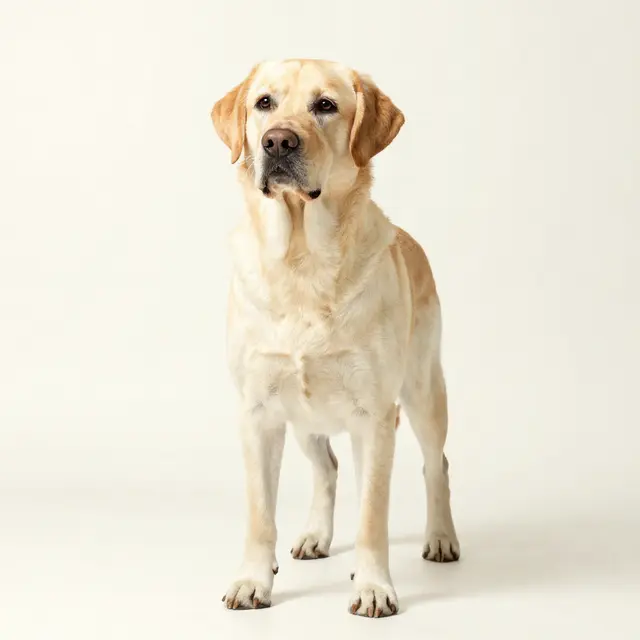
The UK’s most popular family dog — friendly, biddable and brilliant with children, but needs proper exercise.
Golden Retriever
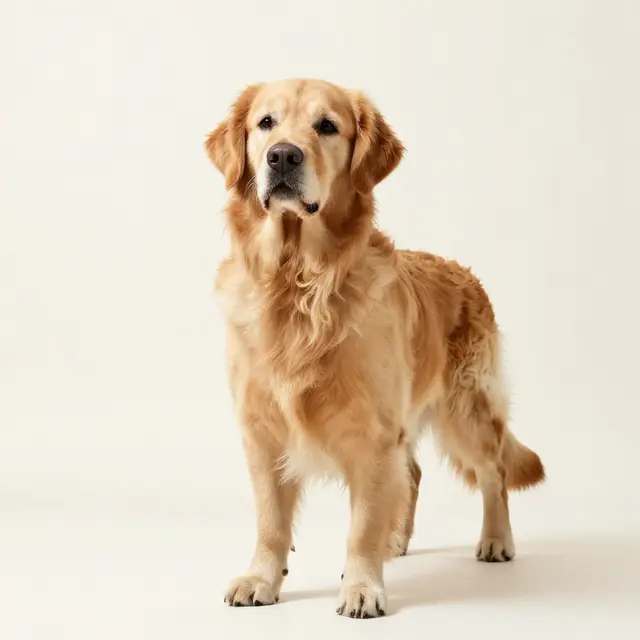
Gentle, eager-to-please and devoted — a classic family companion that thrives on company and exercise.
Cocker Spaniel
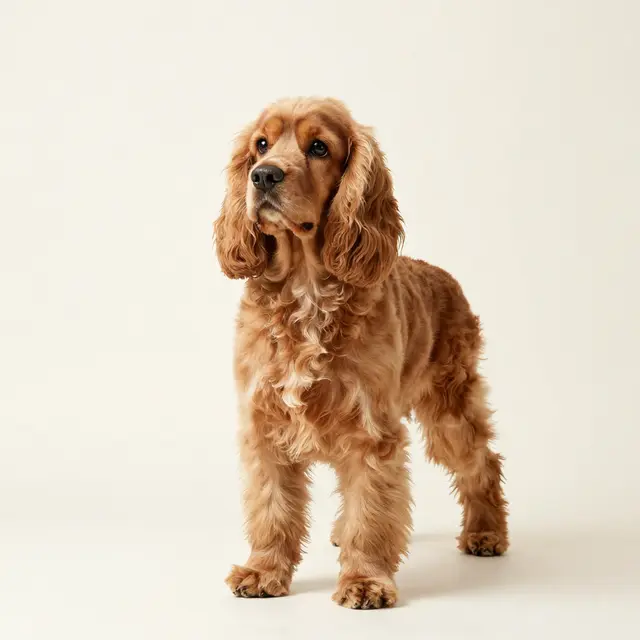
A merry, affectionate gundog that loves people and activity — happiest with a job and regular grooming.
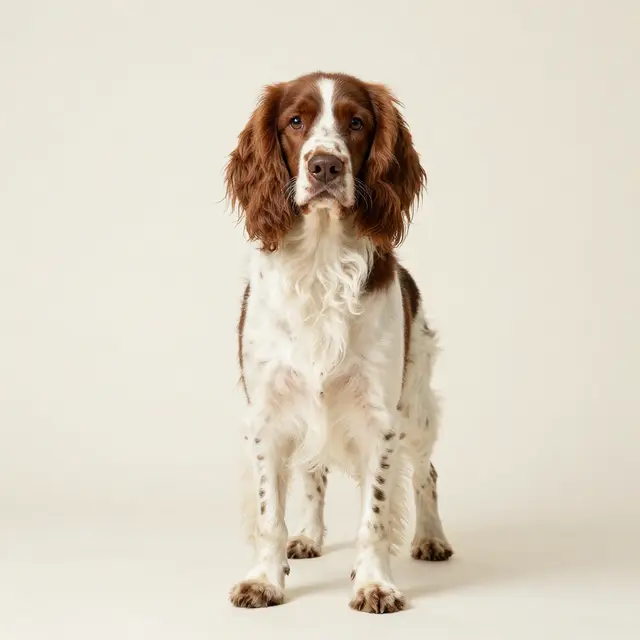
English Springer Spaniel
A tireless, enthusiastic working gundog that needs serious daily exercise and mental stimulation.
Similar temperament
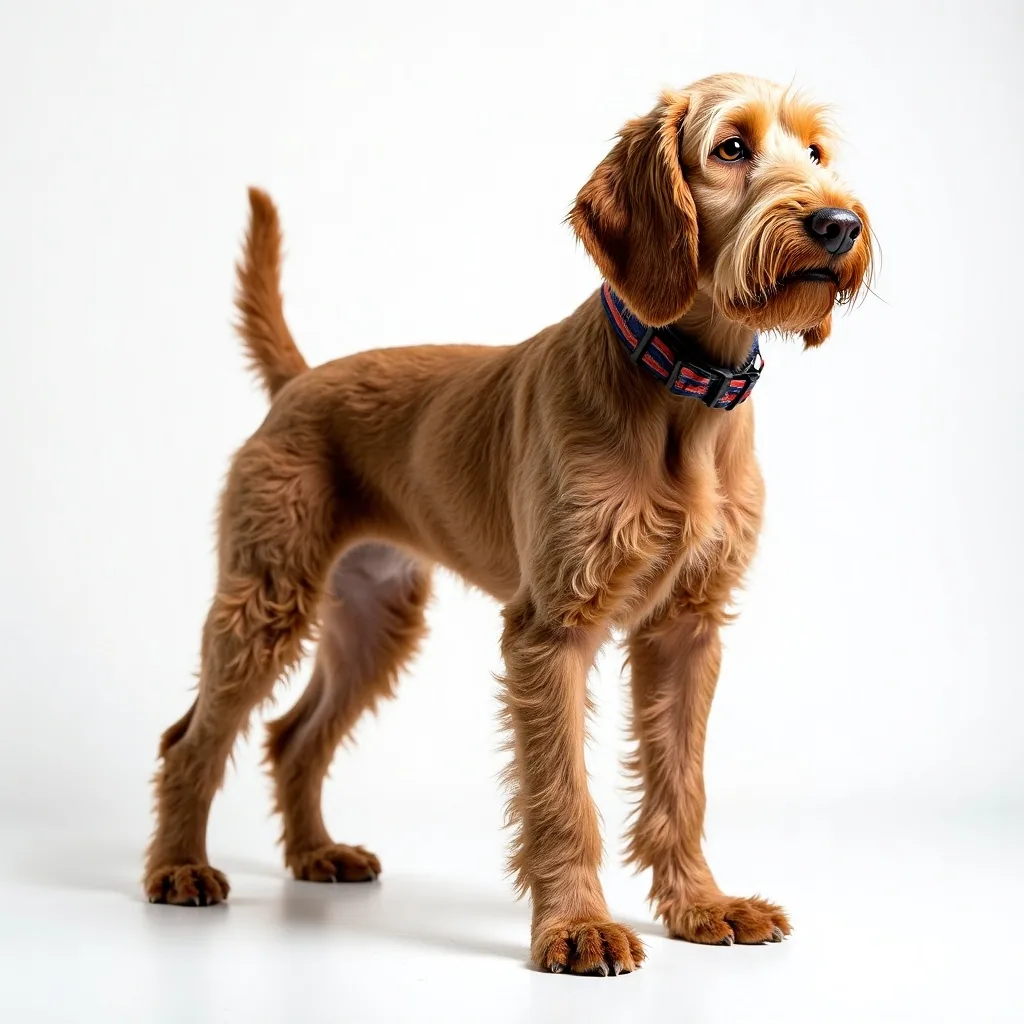
Spinone Italiano
A shaggy, soulful Italian pointing gundog known for its gentle, easy-going nature. Patient and sociable, an affectionate family companion that is calmer than many gundogs but still loves outdoor activity.
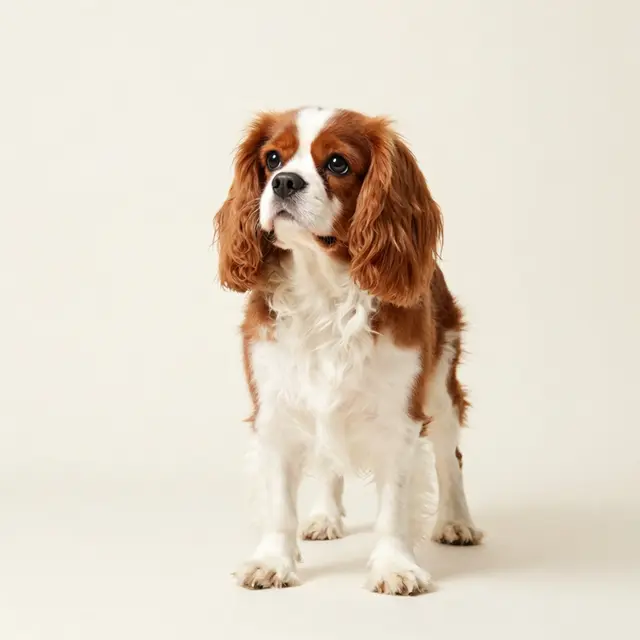
Cavalier King Charles Spaniel
A gentle, affectionate lap dog that’s wonderful with children and adapts happily to flat or house living.
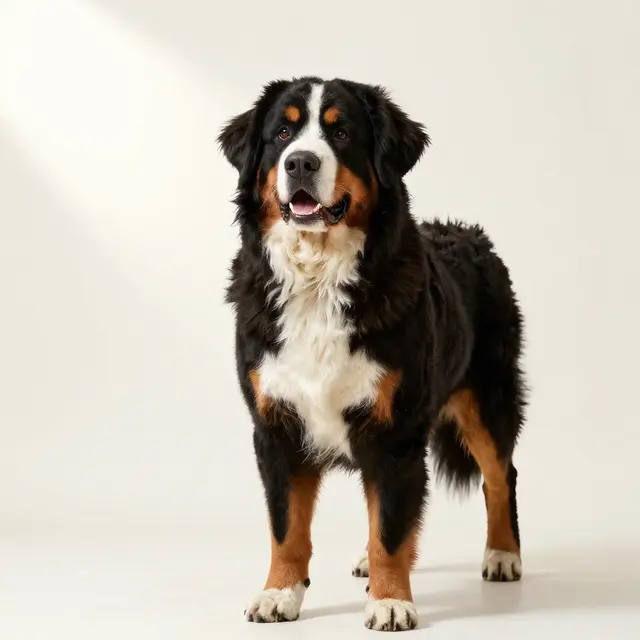
Bernese Mountain Dog
A gentle giant — calm, affectionate and wonderful with families, if you have the space and a big heart.
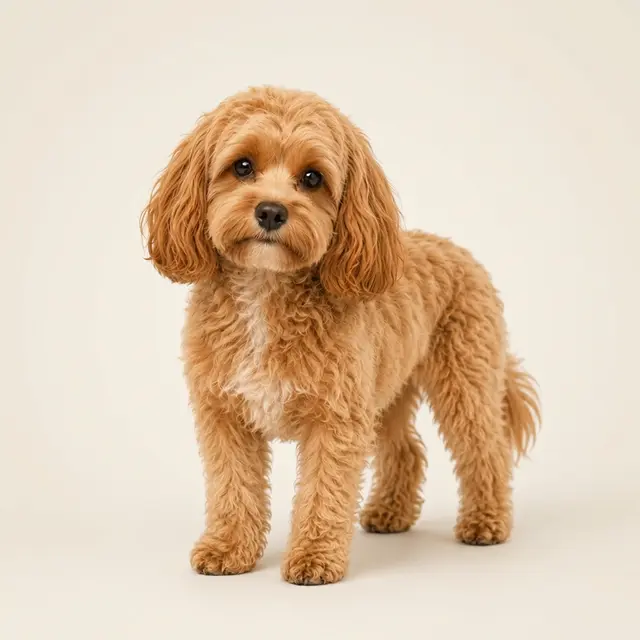
Cavapoo
One of the UK’s most popular crossbreeds (Cavalier × Poodle) — affectionate, adaptable and usually low-shedding.
Similar size, different type
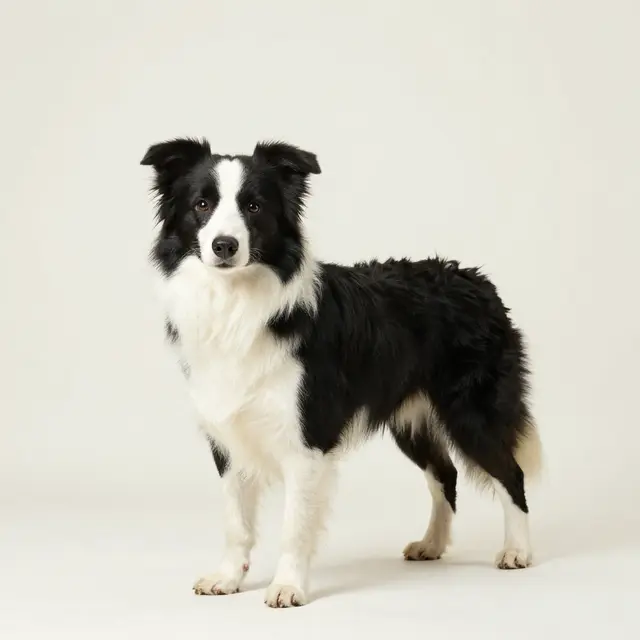
Border Collie
The ultimate working brain — astonishingly clever and trainable, but needs hours of exercise and a job to do.
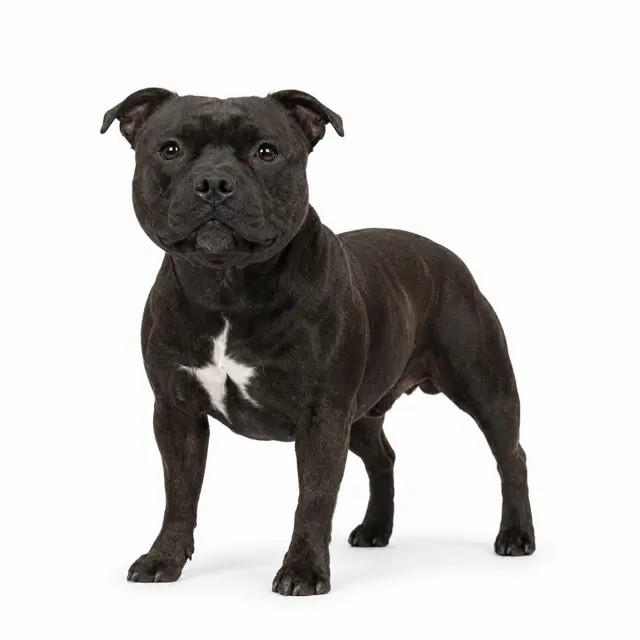
Staffordshire Bull Terrier
Affectionately known as the "nanny dog" — devoted, people-loving and famously gentle with children.
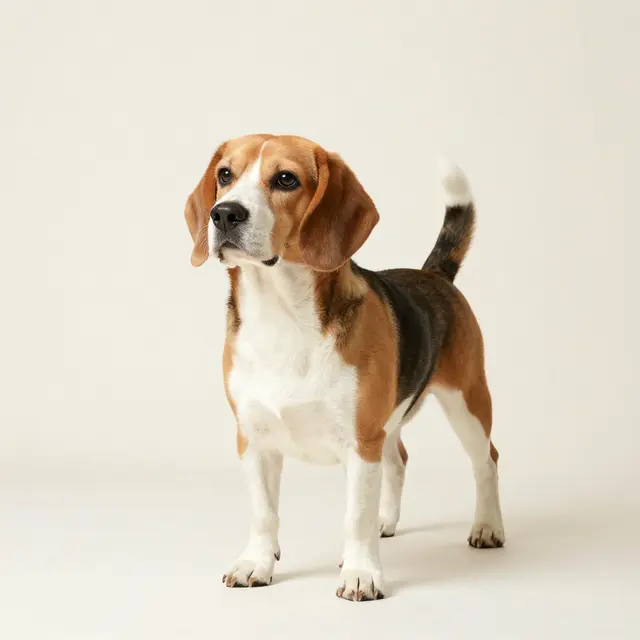
Beagle
A merry, pack-loving scent hound — sociable and great with kids, but ruled by its nose.
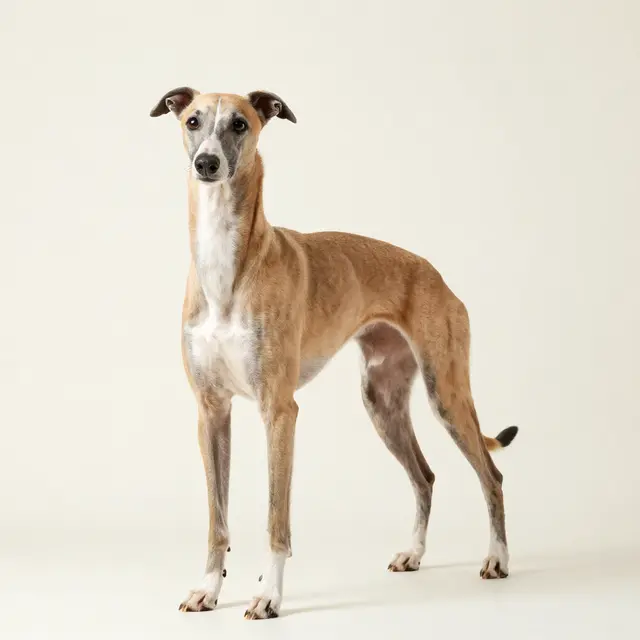
Whippet
A gentle, quiet "sofa sprinter" — happy to lounge at home between short bursts of explosive running.
Is the Stabyhoun your breed?
Create your pet profile and get personalised food, toy, insurance and health recommendations — tailored to your dog.
Frequently asked questions
What is a Stabyhoun?
The Stabyhoun is a rare, medium-sized all-round farm and gundog from the Dutch province of Friesland, traditionally used to point and retrieve game, catch vermin, guard the homestead and serve as a gentle family dog. It stands around 48–53 cm and weighs roughly 18–25 kg, with a moderate, longish coat, typically black, brown or orange and white.
How rare is the Stabyhoun?
Very rare. There are relatively few Stabyhouns worldwide, and its small global population is its main practical challenge. Prospective owners in Britain should expect to research carefully and join a waiting list through dedicated breed enthusiasts. Careful, coordinated breeding overseen by breed clubs helps protect the breed's limited gene pool.
Are Stabyhouns good with children?
Yes. The Stabyhoun is renowned for its gentle, even temperament, usually being very good with children and generally sociable with other dogs and pets, which makes it a relaxed and adaptable household companion. It is alert and will announce visitors but is not an aggressive breed. Early socialisation helps individuals that are a little reserved with strangers.
How long do Stabyhouns live?
The Stabyhoun is generally a healthy, long-lived breed for its size, with a typical lifespan of around 13–14 years. The careful breeding overseen by breed clubs has helped manage hereditary problems within the small population. Routine veterinary care, weight management and dental health all support a long, comfortable life.
How much grooming does a Stabyhoun need?
Relatively little. The moderate, sleek-to-longish coat is fairly easy to care for, needing weekly brushing to keep it tidy and manage shedding, with more frequent attention during seasonal moults. The coat is naturally somewhat self-cleaning and does not usually require trimming or clipping. Routine ear cleaning, nail trimming and dental care complete the regime.
How much exercise does a Stabyhoun need?
The Stabyhoun is active but not frenetic, needing a good daily walk plus opportunities to run, explore and use its nose in safe areas. It can settle calmly indoors once its needs are met, but it should not be treated as a low-exercise lap dog. Mental stimulation through training and games is as important as physical activity.
Are Stabyhouns easy to train?
Yes. Intelligent and willing to please, the Stabyhoun usually trains readily with positive, reward-based methods, though its sensitivity means harsh handling can undermine its confidence. Consistency, patience and gentle encouragement work best. As a versatile gundog it benefits from outlets for its retrieving and scenting instincts, and enjoys obedience, agility and scent work.
Are Stabyhouns good with children?
Excellent with children of all ages. As a general guide, Stabyhouns tend to be patient and tolerant. Whatever the breed, always supervise dogs and young children and teach kids to interact gently.
How much exercise does a Stabyhoun need?
As a healthy adult, a typical Stabyhoun needs around an hour of exercise a day (60–80 minutes), split across walks plus play. A good sniffy walk plus some play and training usually keeps them happy. Puppies, seniors and dogs with health conditions need less — ask your vet.
Do Stabyhouns shed a lot?
Moderate shedding. Coat upkeep is regular brushing — brush regularly to keep the coat in good condition.
Are Stabyhouns easy to train and good for first-time owners?
Good for first-time owners. Stabyhouns are generally a forgiving choice for first-time owners who put in early training and socialisation. Reward-based training and early socialisation help any dog.
Do Stabyhouns bark a lot?
Quiet. They are usually fairly easy-going about barking, though any dog will bark if bored or under-exercised.
Are Stabyhouns good with other dogs?
Sociable with other dogs. Early, positive socialisation with other dogs from a young age makes a big difference.
Do Stabyhouns suit flats or smaller homes?
Best with a garden. A Stabyhoun is happiest with access to a secure garden and regular outdoor exercise.
Sources
- Fédération Cynologique Internationale (FCI) — Stabyhoun breed standard: https://www.fci.be/en/nomenclature/STABYHOUN-222.html
- The Kennel Club (UK) — general dog ownership and health resources: https://www.thekennelclub.org.uk/
- PDSA — dog health and care advice: https://www.pdsa.org.uk/pet-help-and-advice
- Blue Cross — dog ownership and welfare advice: https://www.bluecross.org.uk/advice/dog
- Dogs Trust — breed and care information: https://www.dogstrust.org.uk/
Recommended for your Stabyhoun
Matched to a Stabyhoun's size.

Reusable Washable Puppy Training Pad
A quilted, machine-washable training pad that absorbs accidents and locks in moisture with a leak-resistant base. Reusable for puppy toilet training and senior dogs, in several bone and paw prints.
From£7.99

Dog Calming Ear Muffs For Fireworks & Thunder
A soft stretchy snood that wraps snugly over your dog's head and ears to muffle fireworks, thunder and loud noises. Helps nervous dogs feel calmer during storms, travel and grooming.
£11.99

Leucillin Antiseptic Skincare Spray for Cats & Dogs
A versatile, alcohol-free antiseptic spray that cleans, soothes, and helps protect your pet's skin from bacteria, viruses, and fungi.
From£16.49

Pressure-Activated Pet Cooling Mat
Press down, feel the cool — this pressure-activated mat absorbs body heat and stays up to 10°C cooler than the room, with no freezing required.
From£34.99

Ice-Silk Cooling Dog Bed with Bolster Edge
A breathable ice-silk cooling bed with a soft bolster edge and a cool-touch centre panel that helps your dog stay comfortable through warm weather. No need to freeze or refrigerate, it cools naturally on contact.
From£12.99

Dog Front-Limb Mobility Wheelchair
An adjustable two-wheel walker that supports dogs with front-limb weakness or injury. The lightweight frame and padded supports restore mobility, helping your dog stay active, exercise and enjoy walks with confidence.
From£176.99

Plush Foam Pet Stairs
Soft foam steps with a plush, washable cover that help senior, small or short-legged pets reach the sofa or bed safely. The lightweight, sturdy build reduces jumping strain on ageing joints.
From£21.99

Real-Time GPS Pet Tracker
A compact GPS tracker that clips to most collars for real-time location, geofence alerts and find-me sound.
£29.99
Suggestions based on breed traits — always check sizing and suitability for your individual dog.
Got a Stabyhoun? Save them to a pet profile for tailored picks across the whole site.
Happier, healthier pets — in your inbox.
Breed care tips, seasonal advice and first access to new arrivals. No spam, unsubscribe anytime.
Every dog is an individual — temperament and needs vary. Please research thoroughly, meet dogs in person, and consider adopting from a rescue. This is general guidance, not a substitute for advice from your vet or a qualified trainer.