
Lagotto Romagnolo
An ancient Italian breed from the wetlands of Romagna, originally a water retriever and now the world's specialist truffle-hunting dog, the Lagotto is intelligent, affectionate and very low-shedding beneath its woolly curls. It suits active owners who'll provide exercise and mental work and keep up with the regular grooming a curly, non-shedding coat requires.
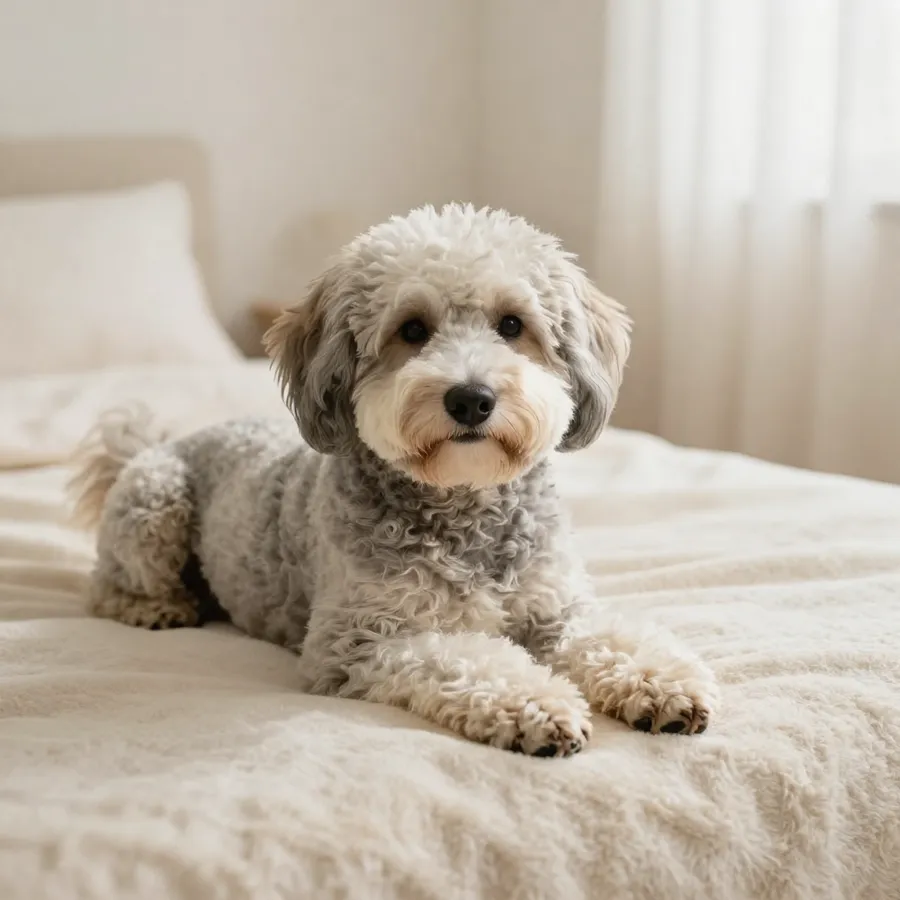
Lagotto Romagnolo scorecard
Overview
The Lagotto Romagnolo is an ancient Italian water dog now best known as the world's specialist truffle-hunting breed. Unlike most of the crosses sharing this catalogue, it is a fully recognised pedigree breed: it is accepted by the Fédération Cynologique Internationale and by The Kennel Club in the United Kingdom, where it sits in the Gundog Group. It is a medium-sized, sturdy dog of roughly 41 to 48 cm at the shoulder and around 11 to 16 kg, instantly recognisable by its dense, woolly, curly coat that covers the whole body, including a characteristic beard and tufted eyebrows. The name comes from "Càn Lagòt", dialect for water dog, and Romagna, the area of north-eastern Italy where the breed was developed.
The Lagotto's appeal in the UK rests on a combination of qualities: it is intelligent, affectionate and notably low-shedding, with a curly coat that, like the Poodle's, tends to hold rather than drop hair. It is often described as one of the better family-suited working breeds — keen, trainable and good with children — while remaining an active dog that needs proper exercise and mental work. It is worth remembering that the breed is still genuinely a worker at heart, bred to use its exceptional nose, so the curly teddy-bear looks come with the brain and energy of a working gundog rather than those of a simple lapdog.
Good to know — a Lagotto Romagnolo is best with a garden and manageable for committed beginners. Every dog is an individual, so meet a few and chat to a good breeder or rescue before deciding.
Save the Lagotto Romagnolo guide
Thinking about a Lagotto Romagnolo? Pop your email in and we’ll send this guide so you can come back to it any time — handy while you compare breeds.
Popular searches for the Lagotto Romagnolo
History & origins
The Lagotto Romagnolo has a long history in the lowlands and marshes of Romagna, where for centuries it worked as a water retriever in the lagoons and wetlands, fetching shot wildfowl for hunters. As those marshlands were progressively drained for agriculture from the nineteenth century onwards, the breed's traditional retrieving role declined, and the Lagotto was increasingly turned to a different task that suited its extraordinary sense of smell: searching out truffles, the prized underground fungi of the Italian countryside. Today it is regarded as the only breed specifically recognised for truffle hunting, a niche that has shaped its temperament toward focused, methodical scent work rather than the broad hunting drive of many gundogs.
The breed nearly disappeared in the twentieth century, but a dedicated recovery effort by Italian enthusiasts from the 1970s onwards re-established it, leading to an official Italian breed standard and recognition by the FCI in the 1990s. The Lagotto was recognised by The Kennel Club in the UK and has since gained a following both as a working truffle and scent dog and as a companion. Because demand for curly, low-shedding breeds has risen sharply, prospective UK owners should buy from health-testing Kennel Club Assured Breeders where possible, see the relevant DNA and health certificates, and follow The Kennel Club and RSPCA guidance to avoid poorly bred or puppy-farmed dogs.
Temperament & family fit
The Lagotto is typically affectionate, loyal and closely bonded to its family, combined with the calm focus you would expect of a specialist scent-working breed. It is generally good with children and with other dogs when well socialised, and many owners value it as a relatively level-headed working dog that settles well in the home compared with some higher-octane gundogs. Crucially, because the breed was refined for truffle hunting rather than for flushing and chasing live game, the typical Lagotto has a less overwhelming prey drive than many sporting breeds, which can make it more manageable around wildlife — though it remains a dog with a powerful nose and a love of using it.
That nose and intelligence define daily life with a Lagotto. These are thinking dogs that need their minds engaged; left bored and under-stimulated, an intelligent working breed of this type can develop digging, barking or other outlets for its frustration. Many Lagotti retain a strong urge to dig, a legacy of unearthing truffles, and benefit from being given acceptable places and games for it. Some can be reserved with strangers, so early, positive socialisation to a wide variety of people and situations is important for a confident, friendly adult. Overall the breed is a devoted, biddable companion for owners who appreciate that the affectionate teddy-bear exterior houses a genuine working brain.
- Families with children of all ages
- Owners ready for consistent training
- Homes with a secure garden
Training & intelligence
Few breeds reward training as readily as the Lagotto Romagnolo: it is highly intelligent, eager to work with its handler and strongly motivated by scent, food and praise, all of which make it very trainable in the right hands. Reward-based methods are the approach recommended by The Kennel Club, the RSPCA and professional trainers, and they suit a sensitive, clever working dog perfectly. Lagotti excel at scent-based activities and dog sports, and many UK owners channel their abilities into scent work or even truffle and mushroom searching, which provides exactly the kind of mental challenge the breed craves. Early training and puppy classes help set good manners and confident social behaviour from the start.
The main thing a Lagotto owner must commit to is mental stimulation alongside physical exercise. A clever scent breed that is only walked and never asked to think is liable to find its own entertainment, often in the form of digging or barking. Building structured scent games, puzzle feeders, trick training and impulse-control work into the daily routine keeps the breed satisfied and well behaved. Recall and a settled "off switch" are worth teaching from puppyhood. Because the breed can be sensitive and occasionally reserved, consistency, patience and positive experiences are far more effective than any heavy-handed methods.
- Start socialisation & handling early
- Reward-based methods only — no harsh corrections
- Channel energy into training games & enrichment
Exercise needs
A healthy adult Lagotto Romagnolo typically needs 90 minutes to 2 hours a day (roughly 90–120 minutes), split across walks, play and a little training. Higher-energy dogs also need their brains tired — sniffy walks, training games and puzzle feeding go a long way. Puppies, seniors and dogs with health conditions need adjusted amounts — check with your vet.
Grooming & coat
The Lagotto's dense, woolly, curly coat is its trademark and its main grooming commitment. It is genuinely low-shedding, holding loose hair within the curls rather than dropping it around the home, but for that very reason it needs regular care to prevent matting: the coat should be checked and combed through often, and many owners find the breed needs clipping down a few times a year rather than the constant brushing some curly coats demand. The coat is meant to be functional and woolly rather than fluffy and styled, and over-bathing or over-brushing can spoil its texture. As with any dog, the ears should be checked and kept clean, nails trimmed, and teeth brushed regularly; the curly coat around the ears and feet in particular benefits from routine attention.
- Brush several times a week
- Bathe every few weeks or as needed
- Check ears, nails and teeth weekly
Feeding a Lagotto Romagnolo
A Lagotto should be fed a complete, good-quality food appropriate to its life stage and adjusted to its activity level, following the manufacturer's guidelines and veterinary advice on portion size. As a medium, active dog it has moderate energy needs, and keeping it lean is important for its long-term joint health and overall wellbeing; the breed's notably long potential lifespan is best supported by avoiding the excess weight that UK veterinary organisations flag as a leading preventable health problem. Treats used in the breed's plentiful training and scent work should be counted within the daily allowance. Fresh water should always be available, meals are commonly split across the day, and any marked change in appetite, thirst or weight is worth raising with a vet.
A medium breed
An adult Lagotto Romagnolo typically weighs 11–16 kg, so a healthy Lagotto Romagnolo eats a moderate amount compared with other breeds. Every feeding guide on a bag is written per kilo of body weight, not per breed — start there, then adjust to the dog in front of you.
Life stage
A medium breed is usually done growing at ~12 months, which is roughly when a puppy food has finished its job. With a typical lifespan of 15–17 years, there is a long adult stretch in the middle; switch to a senior food when your vet thinks it is worth it rather than on a birthday.
A high-energy dog eats like one
Lagotto Romagnolos sit at the top end for energy, and a dog working through an hour and a half of real exercise a day burns through the feeding guide faster than a dog on a short stroll. Feed to the dog's condition, not to the middle of the range on the bag.
Mealtimes can do some of the work
A breed that struggles to settle on its own gets more out of a meal that takes effort — a lick mat, a snuffle mat or a puzzle feeder using part of the daily ration rather than extra food on top of it.
How much should a Lagotto Romagnolo weigh?
Adult 11–16 kgfully grown at ~12 months
| Age | Stage | Typical weight | Of adult size |
|---|---|---|---|
| 8 weeks | Just home | 1.7–2.5 kg | 15% |
| 3 months | Young puppy | 2.8–4 kg | 25% |
| 6 months | Growing fast | 5.5–8 kg | 50% |
| ~12 months | Fully grown | 11–16 kg | 100% |
A guide, from the same rule of thumb our puppy growth predictor uses — each age is that share of the way to maturity for a medium breed. Puppies grow fastest early, so a real puppy usually sits a little above the middle rows. Weigh yours and ask your vet if the number worries you.
Complete dog foods that suit a Lagotto Romagnolo
Complete foods from our range, matched to a Lagotto Romagnolo's size band and what the breed typically needs. Stock levels and delivery dates are live on each product.

Simpsons Dog Sensitive Lamb Potato
A grain-free lamb and potato dry food for dogs with sensitive skin or digestion
From£17.05

Arden Grange Adult Dog Calming Turkey Sweet Potato
A grain-free complete turkey food with added L-tryptophan and chamomile
From£16.99

Forthglade Cold Pressed Natural Turkey
Cold-pressed turkey kibble for dogs from 2 months, soft enough to mix with water for young pups
£45.99

Forthglade Cold Pressed Grain Free Salmon
Cold-pressed grain-free dry food for dogs, built on fresh and dried salmon
From£16.99

Forthglade Cold Pressed Grain Free Duck
Cold-pressed grain-free duck food with fruit and botanicals, in two bag sizes
From£16.99

Forthglade Cold Pressed Grain Free Chicken
Cold-pressed grain-free chicken food with fruit and botanicals, in three bag sizes
From£16.99

Forthglade Complete Meal Lightly Baked Turkey
A lightly baked complete dry food, 50% turkey, for adult dogs of any breed
From£12.49

Forthglade Cold Pressed Grain Free Turkey
Grain-free cold-pressed turkey kibble for dogs, gentle on sensitive stomachs
£69.69

Forthglade British Classics Chicken Family Lunch
Complete Forthglade wet dog food with 75% chicken in a 395G tray
£2.45

Harringtons Puppy Turkey & Rice
Complete turkey puppy food with 30% protein and feeding bands by adult weight
£6.49

Harringtons Just 6 Dry Dog Food Lamb
Grain-free lamb dry dog food in 2KG and 12KG sizes, with size-specific formulas
From£13.99

Burns Puppy Original Lamb & Rice
Complete Burns lamb and rice puppy food in a 2KG bag for up to 12 months
£14.99
Lagotto Romagnolo health & costs
Before bringing a Lagotto Romagnolo home it pays to budget for the whole picture — food, insurance, grooming and routine vet care all add up. The figures below are typical UK estimates for a healthy adult; your real costs vary with where you live, your dog's health and the cover you choose.
Food
£400–600 / year
Complete food sized to weight & life stage
Insurance
£25–45 / month
Lifetime cover — varies by age, breed & area
Grooming
£400–700 / year
Regular professional grooming
Routine vet care
£200–450 / year
Vaccines, flea/worm, annual check
As a recognised breed with an active breed club and DNA testing available, the Lagotto Romagnolo is generally regarded as a fairly healthy dog, and it is notable for a long potential lifespan — frequently cited in the region of fifteen to seventeen years, which is high for a medium-sized breed. Nonetheless it does have some recognised inherited conditions, and responsible breeders use the available DNA tests to manage them. The most important is benign familial juvenile epilepsy, a form of seizure disorder seen in young Lagotto puppies for which a DNA test exists, alongside tests for an inherited storage disease and for certain eye and hip problems. Anyone buying a UK puppy should ask to see the parents' DNA and health-screening results.
Beyond the inherited conditions, the Lagotto benefits from the same routine preventive care as any dog: vaccination, parasite control, dental hygiene, weight management and regular veterinary checks. Its woolly coat and love of water make ear care and coat checks worthwhile habits, and its long lifespan means owners should plan for many years of companionship and the running costs that come with it. Choosing a health-tested, well-bred puppy from a Kennel Club Assured Breeder, and keeping the dog fit, occupied and at a healthy weight, gives a Lagotto the best chance of a long and active life. Pet insurance is sensible to help cover the cost of any conditions that do arise.
Common health conditions to be aware of
- Benign familial juvenile epilepsy - an inherited seizure disorder affecting young Lagotto puppies, usually outgrown but distressing; a DNA test allows breeders to avoid producing affected litters.
- Lagotto storage disease (a neurodegenerative condition) - an inherited disease for which a DNA test is available; both parents should be tested to avoid affected pups.
- Hip dysplasia - a malformation of the hip joint that can cause arthritis; ask whether the parents have been hip scored.
- Inherited eye conditions - including forms of retinal disease seen in the breed; eye testing and DNA screening of breeding stock are advisable.
- Ear problems - the dense curly coat and love of water can predispose the breed to ear issues, so regular cleaning and checking help.
- Obesity-related joint strain - excess weight shortens active life and worsens joint problems in this long-lived breed; lifelong weight control matters.
These reflect typical, size- and coat-related risks for dogs like the Lagotto Romagnolo; individual breeds carry their own predispositions. Always buy from health-tested parents and speak to your vet — this isn't a diagnosis.
Protect against surprise bills
A single emergency can run into thousands. Lifetime insurance spreads the risk.
Estimate insurance →How pet insurance works →Puppy & senior care
Bringing home a Lagotto Romagnolo puppy
Puppies need controlled exercise (a rough guide is five minutes per month of age, twice a day) to protect growing joints, little-and-often meals of a complete puppy food, early socialisation, and a calm routine for toilet training and sleep. Book first vaccinations, microchipping and a vet check early.
New puppy checklist →Caring for a senior Lagotto Romagnolo
As they age, watch weight, joints and teeth, switch to a senior diet if your vet advises, keep exercise gentle but regular, and consider orthopaedic bedding and ramps. Twice-yearly vet checks help catch issues early.
Orthopaedic beds & mobility →Pros & cons
The good bits
- Intelligent, affectionate and very low-shedding
- Keen, trainable and good with families
Things to consider
- Curly coat needs regular grooming
- An active working dog that needs exercise and a job
Compare the Lagotto Romagnolo
See how the Lagotto Romagnolo measures up against similar breeds before you decide:
More breeds like the Lagotto Romagnolo
Same breed group
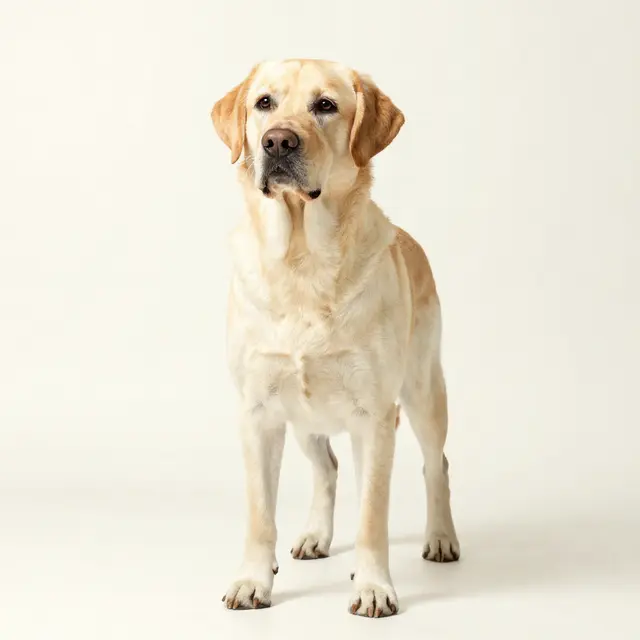
Labrador Retriever
The UK’s most popular family dog — friendly, biddable and brilliant with children, but needs proper exercise.
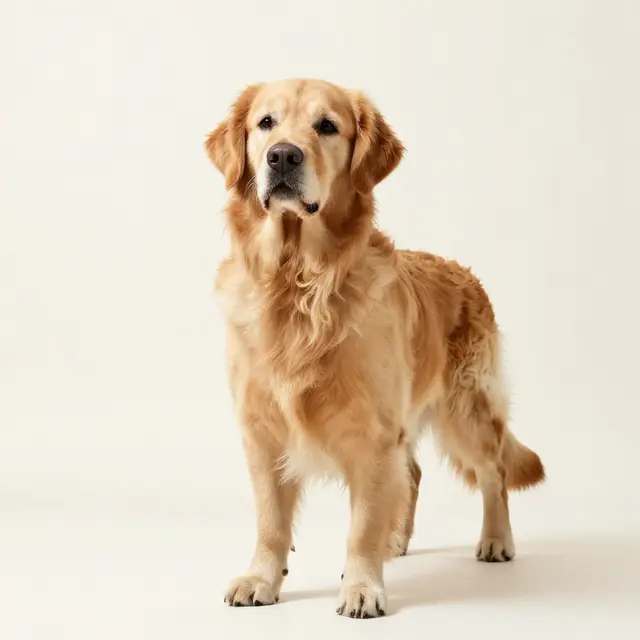
Golden Retriever
Gentle, eager-to-please and devoted — a classic family companion that thrives on company and exercise.
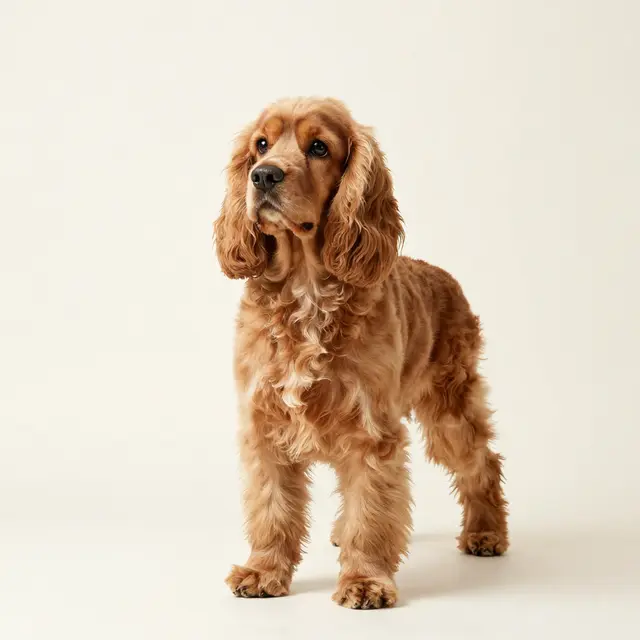
Cocker Spaniel
A merry, affectionate gundog that loves people and activity — happiest with a job and regular grooming.
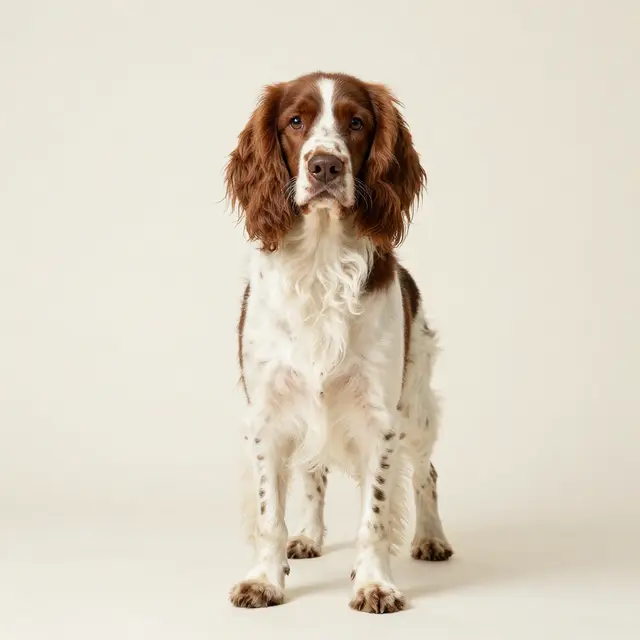
English Springer Spaniel
A tireless, enthusiastic working gundog that needs serious daily exercise and mental stimulation.
Similar temperament
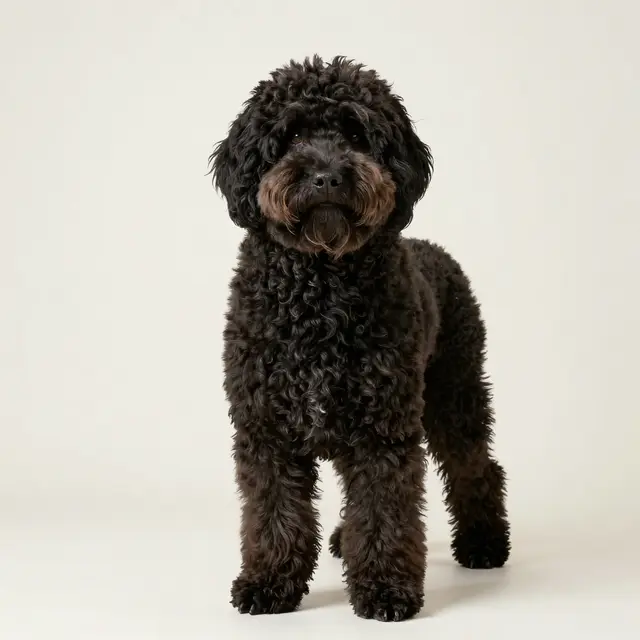
Portuguese Water Dog
A curly-coated, athletic working dog — highly intelligent, water-loving and very low-shedding.
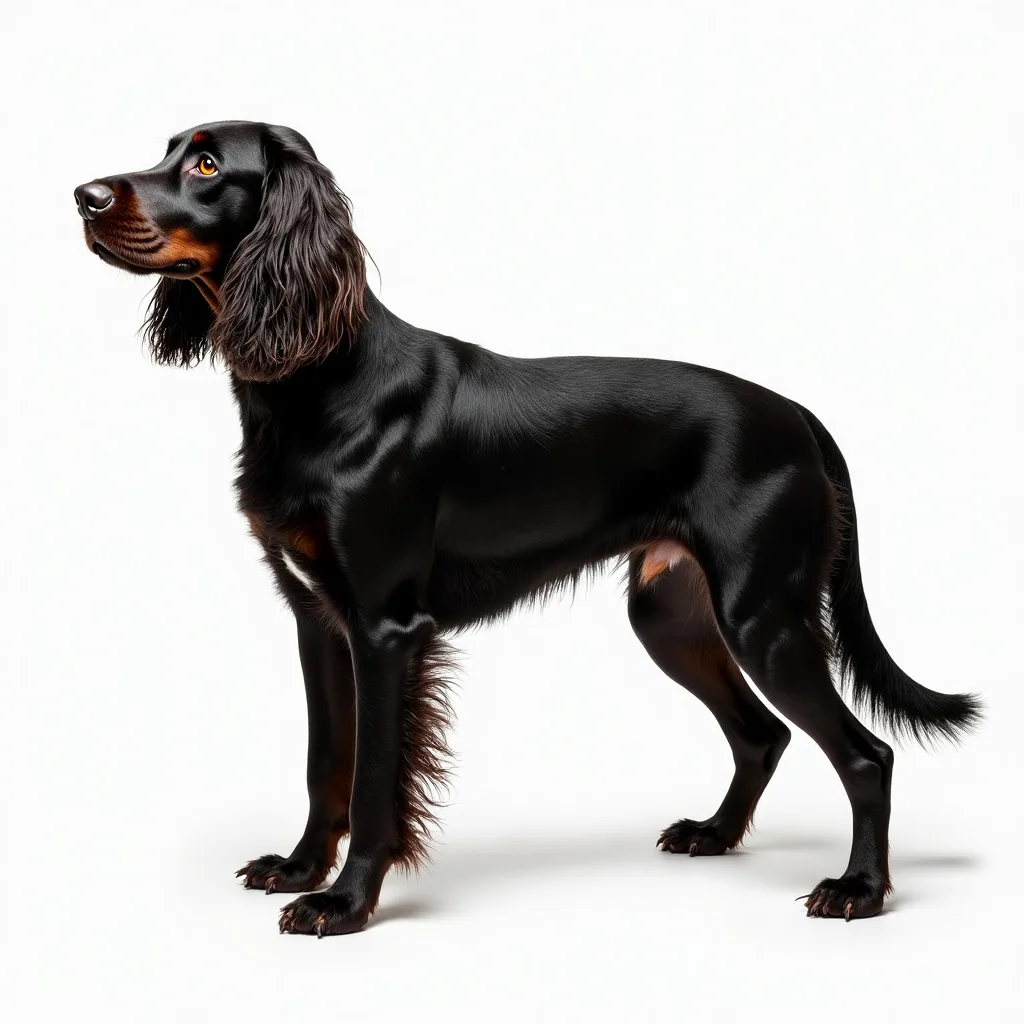
Gordon Setter
The heaviest of the setters, a black-and-tan Scottish gundog. Loyal, affectionate and dignified, deeply bonded to family but needing lots of exercise and grooming.
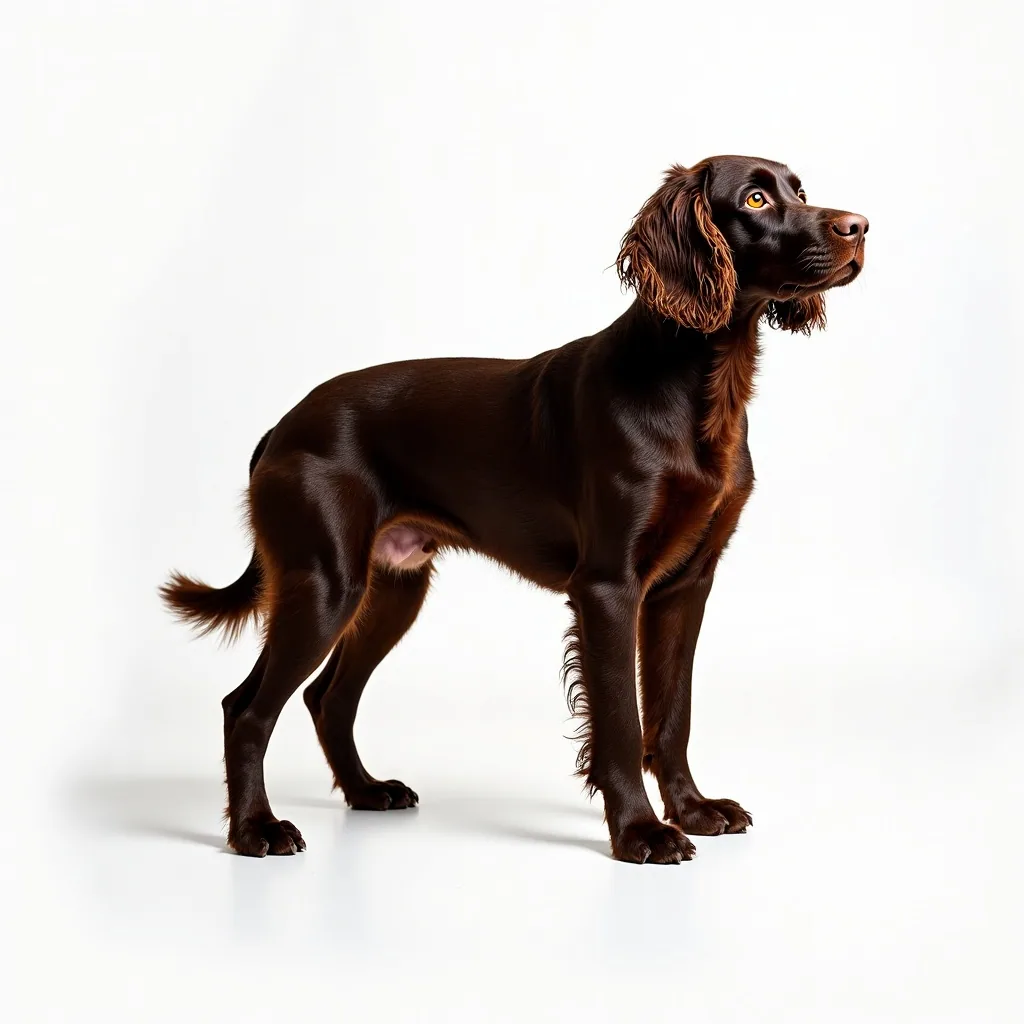
Irish Water Spaniel
The tallest of the spaniels, a curly-coated water retriever with a distinctive rat-like tail. Intelligent, eager and affectionate, with a low-shedding coat that needs regular care.
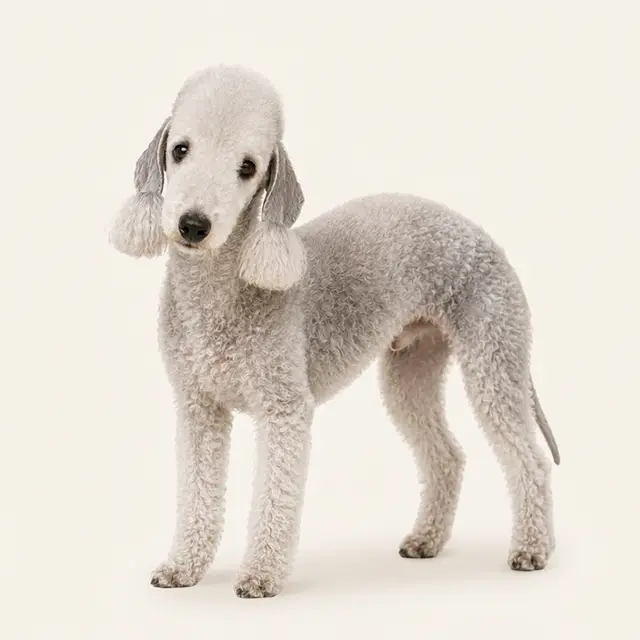
Bedlington Terrier
The lamb-like terrier — distinctive, friendly and very low-shedding, though the coat needs regular clipping.
Similar size, different type
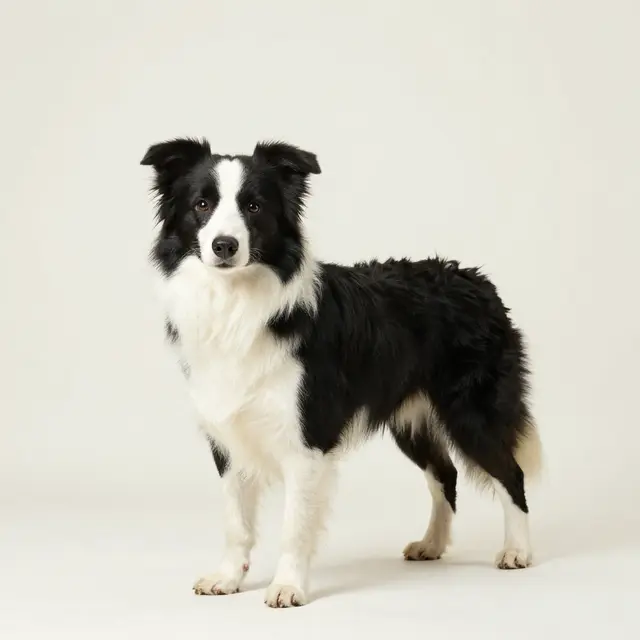
Border Collie
The ultimate working brain — astonishingly clever and trainable, but needs hours of exercise and a job to do.
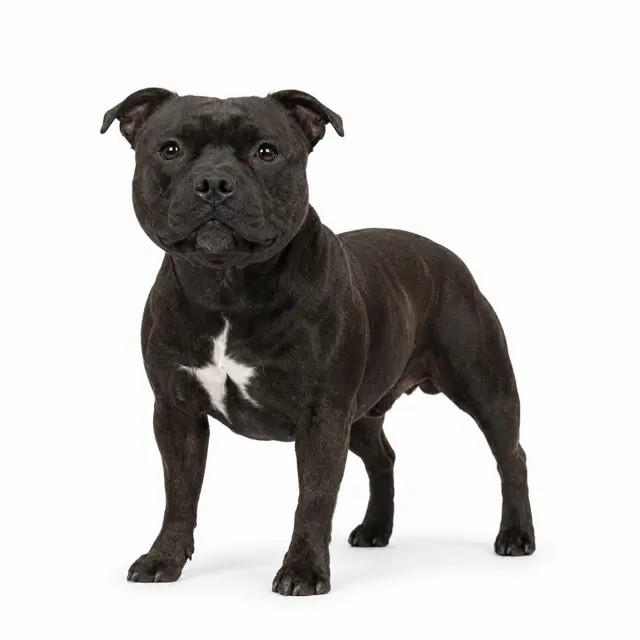
Staffordshire Bull Terrier
Affectionately known as the "nanny dog" — devoted, people-loving and famously gentle with children.
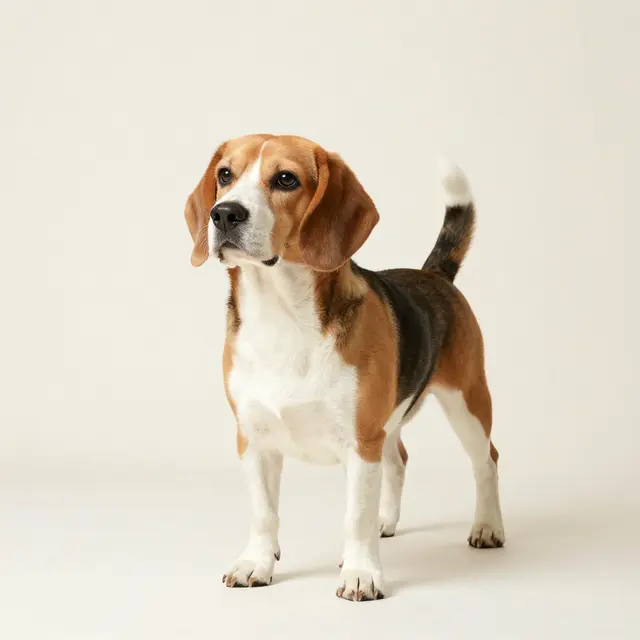
Beagle
A merry, pack-loving scent hound — sociable and great with kids, but ruled by its nose.
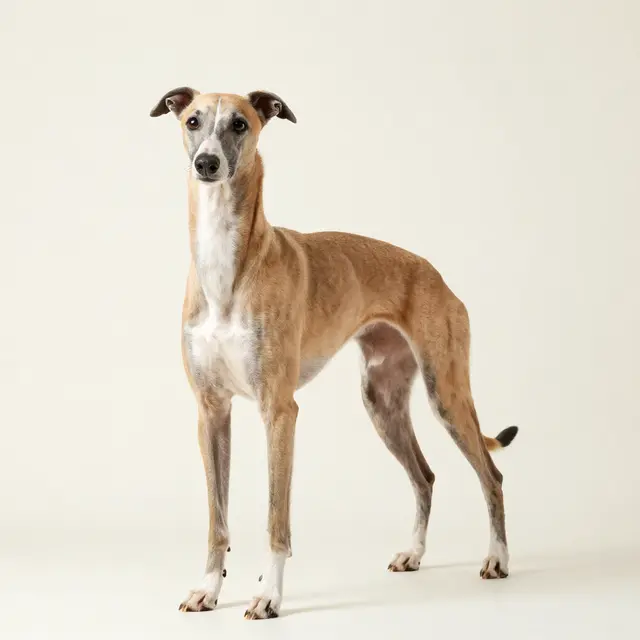
Whippet
A gentle, quiet "sofa sprinter" — happy to lounge at home between short bursts of explosive running.
Is the Lagotto Romagnolo your breed?
Create your pet profile and get personalised food, toy, insurance and health recommendations — tailored to your dog.
Frequently asked questions
What is a Lagotto Romagnolo known for?
The Lagotto Romagnolo is an ancient Italian water dog now best known as the world's specialist truffle-hunting breed. Unlike many crosses, it is a fully recognised pedigree, accepted by the FCI and by The Kennel Club in the UK, where it sits in the Gundog Group. Its name comes from "Càn Lagòt", dialect for water dog, and the Romagna region of Italy.
How big is a full-grown Lagotto Romagnolo?
The Lagotto is a medium-sized, sturdy dog, standing roughly 41 to 48 cm at the shoulder and weighing around 11 to 16 kg. It is instantly recognisable by its dense, woolly, curly coat covering the whole body, including a characteristic beard and tufted eyebrows.
Is the Lagotto Romagnolo hypoallergenic?
No dog is truly hypoallergenic, but the Lagotto's curly coat is genuinely low-shedding, holding loose hair within the curls like a Poodle rather than dropping it around the home. This makes it appealing to households that dislike loose hair, though that same coat brings a real grooming commitment of regular combing and a few clips a year.
What is the temperament of a Lagotto Romagnolo?
Lagotti are typically affectionate, loyal and closely bonded to their families, with the calm focus of a specialist scent breed. They are generally good with children and other dogs when socialised, and tend to have a less overwhelming prey drive than many gundogs. They are intelligent thinkers that need their minds engaged, and many retain a strong urge to dig.
How much grooming does a Lagotto Romagnolo need?
The dense, woolly coat is the main commitment. It should be combed through regularly to prevent matting, and many owners clip it down a few times a year rather than brushing it constantly. The coat is meant to be functional and woolly rather than fluffy and styled, so over-bathing or over-brushing can spoil its texture.
How long do Lagotto Romagnolos live?
The Lagotto is notable for a long potential lifespan, frequently cited in the region of 15 to 17 years, which is high for a medium-sized breed. Choosing a health-tested puppy and keeping the dog fit, occupied and at a healthy weight gives it the best chance of a long, active life.
Are Lagotto Romagnolos healthy dogs?
The Lagotto is generally regarded as fairly healthy, but it does have some recognised inherited conditions managed through DNA testing. The most important is benign familial juvenile epilepsy, a seizure disorder seen in young puppies, alongside tests for an inherited storage disease and certain eye and hip problems. Ask to see the parents' DNA and health-screening results.
Do Lagotto Romagnolos need a lot of mental stimulation?
Yes. The Lagotto is a clever scent breed that needs mental work as much as physical exercise, generally an hour or more of activity a day. Scent games, puzzle feeders, trick training and even truffle or mushroom searching satisfy it well. A Lagotto that is only walked and never asked to think is liable to find its own entertainment through digging or barking.
Are Lagotto Romagnolos good with children?
Good with children. As a general guide, Lagotto Romagnolos tend to be patient and tolerant. Whatever the breed, always supervise dogs and young children and teach kids to interact gently.
How much exercise does a Lagotto Romagnolo need?
As a healthy adult, a typical Lagotto Romagnolo needs 90 minutes to 2 hours of exercise a day (90–120 minutes), split across walks plus play. Higher-energy dogs also need mental stimulation — sniffing, training games and puzzle feeders — to stay settled. Puppies, seniors and dogs with health conditions need less — ask your vet.
Do Lagotto Romagnolos shed a lot?
Minimal shedding. Coat upkeep is high upkeep — plan on frequent brushing and regular trips to a groomer.
Are Lagotto Romagnolos easy to train and good for first-time owners?
Manageable for committed beginners. Lagotto Romagnolos are best for owners ready to commit to consistent training and plenty of activity. Reward-based training and early socialisation help any dog.
Do Lagotto Romagnolos bark a lot?
Quiet. They are usually fairly easy-going about barking, though any dog will bark if bored or under-exercised.
Are Lagotto Romagnolos good with other dogs?
Sociable with other dogs. Early, positive socialisation with other dogs from a young age makes a big difference.
Do Lagotto Romagnolos suit flats or smaller homes?
Best with a garden. A Lagotto Romagnolo is happiest with access to a secure garden and regular outdoor exercise.
Sources
- The Kennel Club (UK) - Lagotto Romagnolo breed information, breed standard and DNA/health schemes: https://www.thekennelclub.org.uk/breed-information-centre/lagotto-romagnolo/
- Fédération Cynologique Internationale (FCI) - Lagotto Romagnolo breed standard and classification: https://www.fci.be/en/nomenclature/
- British Veterinary Association (BVA) - Canine Health Schemes (hip and eye testing): https://www.bva.co.uk/canine-health-schemes/
- PDSA - dog health, weight and general care advice: https://www.pdsa.org.uk/pet-help-and-advice/looking-after-your-pet/dogs
- RSPCA - dog care and responsible breeder guidance: https://www.rspca.org.uk/adviceandwelfare/pets/dogs
Recommended for your Lagotto Romagnolo
Matched to a Lagotto Romagnolo's size and their typical need for regular coat care, enrichment & mental stimulation, calming support.

Electric Pet Grooming Clipper
A quiet, rechargeable electric clipper for trimming dogs, cats, rabbits and other pets at home. Low-noise and low-vibration with an adjustable blade for tidy, stress-free grooming around the body and paws.
From£11.99

MPS Topshirt 4-in-1 Post-Surgery Recovery Vest for Dogs
A vet-recommended cotton body suit that protects wounds after surgery, discourages over-grooming, and provides calming gentle pressure — machine washable.
£32.99

Pet Remedy De-Stress Calming Pre-Wash 300ml
A 300ml calming pre-wash for anxious pets, combining fast-acting Pet Remedy ingredients with coconut-derived cleansers to ease bath time.
£14.99

Soft Mesh Recovery Cone Collar
A soft, breathable mesh recovery cone that stops licking and biting of wounds after surgery. Lightweight and adjustable, it's a comfy alternative to a hard E-collar for dogs and cats.
From£11.99

Rechargeable Electric Pet Nail Grinder
A cordless rechargeable nail grinder with a low-noise motor for smooth, painless claw trimming.
£9.99

Round Snuffle Foraging Mat for Dogs & Cats
A round fleece snuffle mat with dense colourful fabric strips and a drawstring edge. Hide treats among the folds to encourage natural foraging, ease boredom and slow down fast eaters.
£16.99

Calming Pheromone Dog Collars (4 Pack)
A four-pack of adjustable pheromone collars to help dogs settle in stressful moments.
£8.99

Calming Stress Relief Gel for Dogs & Cats
A soothing stress-relief gel for nervous dogs and cats, supplied in an easy-dose syringe applicator. Helps ease everyday anxiety from travel, fireworks or vet visits. 18ml.
£7.99
Suggestions based on breed traits — always check sizing and suitability for your individual dog.
Got a Lagotto Romagnolo? Save them to a pet profile for tailored picks across the whole site.
Happier, healthier pets — in your inbox.
Breed care tips, seasonal advice and first access to new arrivals. No spam, unsubscribe anytime.
Every dog is an individual — temperament and needs vary. Please research thoroughly, meet dogs in person, and consider adopting from a rescue. This is general guidance, not a substitute for advice from your vet or a qualified trainer.