
Cavapoo
One of the UK's most popular crossbreeds, the Cavapoo blends the Cavalier King Charles Spaniel's gentle affection with the Poodle's brains and low-shedding coat. Friendly, adaptable and great with families. It suits homes — flats included — happy to commit to regular grooming, good company and exercise, and to choose a careful, health-testing breeder.

Cavapoo scorecard
Overview
The Cavapoo (also called the Cavoodle) is a small, affectionate crossbreed produced by mating a Cavalier King Charles Spaniel with a Poodle, usually a Miniature or Toy Poodle. It has become one of the most popular companion dogs in the UK, prized for its teddy-bear looks, friendly nature and a coat that is often — though not always — low-shedding. Typical adults stand around 25–35 cm at the shoulder and weigh roughly 5–11 kg, with size varying according to the Poodle parent used. Because it is a cross rather than a pedigree breed, the Cavapoo is not recognised by the Kennel Club and has no fixed breed standard, so appearance, coat and temperament can vary noticeably from dog to dog.
Cavapoos are generally gentle, sociable and adaptable, which makes them popular with families, first-time owners and people in smaller homes. They tend to combine the sweet, people-loving temperament of the Cavalier with the intelligence and lower-shedding coat associated with the Poodle. However, the same cross also brings together the health concerns of both parent breeds, so choosing a breeder who health-tests both parents is especially important. Typical life expectancy is around 12–15 years.
Good to know — a Cavapoo is flat-friendly and good for first-time owners. Every dog is an individual, so meet a few and chat to a good breeder or rescue before deciding.
Save the Cavapoo guide
Thinking about a Cavapoo? Pop your email in and we’ll send this guide so you can come back to it any time — handy while you compare breeds.
Popular searches for the Cavapoo
History & origins
The Cavapoo is a modern 'designer' crossbreed rather than an established breed with a long pedigree history. Deliberate crossing of Cavalier King Charles Spaniels with Poodles gained momentum from around the late twentieth century, part of a wider trend — begun by crosses such as the Labradoodle — towards mixing Poodles with other breeds in the hope of producing affectionate companion dogs with coats that shed less. The aim was to pair the gentle, family-friendly Cavalier temperament with the Poodle's intelligence and coat qualities.
Because Cavapoos are crossbreeds, there is no single registry, breed standard or breed club governing them in the way the Kennel Club governs pedigree breeds. Many are first crosses (one Cavalier and one Poodle parent), but multi-generation Cavapoos also exist. This lack of standardisation means buyers should focus less on labels and more on the health testing, rearing and welfare practices of the individual breeder.
Temperament & family fit
Cavapoos are typically affectionate, gentle and outgoing, enjoying close contact with their people and tending to get on well with children, visitors and other dogs. They usually inherit a strong desire for companionship, which makes them loving and rewarding pets but also means they can be prone to separation-related distress if left alone for long periods. They are generally adaptable little dogs that settle well into family life, including in flats or smaller homes, provided their need for company and activity is met.
As with any cross, individual temperament varies depending on which traits a dog inherits from each parent and, crucially, on early socialisation and upbringing. Most Cavapoos are friendly and people-focused rather than guarding or aloof, and they tend to be playful and sensitive. Early, positive exposure to a range of people, dogs, sounds and situations helps produce a confident, well-rounded adult, and gentle, consistent handling suits their sensitive nature.
- Families with children of all ages
- Committed first-time owners
- Flats or houses with daily exercise
Training & intelligence
Cavapoos are usually intelligent and keen to please, traits drawn from both the Poodle and the Cavalier, which makes them generally responsive and enjoyable to train. They do best with positive, reward-based methods using treats, praise and play, and they respond poorly to harsh corrections. Short, fun and consistent sessions suit their attentive but sometimes sensitive nature, and basic obedience, house-training and good manners are usually well within their capability.
Because the breed is so people-oriented and prone to disliking isolation, teaching a puppy to cope calmly with being left alone for gradually increasing periods is one of the most valuable things an owner can do, helping to prevent separation problems later. Early socialisation should be a priority, exposing the puppy positively to everyday life. Many Cavapoos also enjoy mental challenges such as training games, puzzle feeders and simple tricks, which help keep these clever little dogs happily occupied.
- Start socialisation & handling early
- Reward-based methods only — no harsh corrections
- Keep sessions short, calm and consistent
Exercise needs
A healthy adult Cavapoo typically needs around an hour a day (roughly 60–80 minutes), split across walks, play and a little training. A good sniffy walk, some play and a little training usually keeps them content. Puppies, seniors and dogs with health conditions need adjusted amounts — check with your vet.
Grooming & coat
Cavapoo coats vary from looser, wavy types to tighter, more Poodle-like curls, but many are low-shedding and continue to grow rather than moult out, which means regular grooming is essential rather than optional. Most Cavapoos need brushing several times a week — and often daily in long or curly coats — to prevent the fine hair from matting, particularly behind the ears, under the legs and around the collar area. In addition, the majority need professional clipping or trimming every few months to keep the coat manageable. Routine care should also include checking and gently cleaning the ears (the floppy, hairy ears can be prone to problems), nail trimming and regular tooth brushing.
- Brush several times a week
- Bathe every few weeks or as needed
- Check ears, nails and teeth weekly
Feeding a Cavapoo
A Cavapoo should be fed a complete, good-quality diet appropriate to its size, age and activity level, with the daily amount measured to maintain a healthy, lean body condition. Small dogs can gain weight surprisingly easily, and obesity worsens joint, heart and other health problems, so treats should be accounted for within the daily allowance and portions kept in check. Most adults do well on two measured meals a day; puppies need more frequent feeding following the breeder's and vet's guidance. Fresh water should always be available, and any change of food made gradually to avoid digestive upset. A vet can recommend the most suitable diet for an individual dog.
A small breed
An adult Cavapoo typically weighs 5–11kg, so a healthy Cavapoo eats a modest amount compared with other breeds. Every feeding guide on a bag is written per kilo of body weight, not per breed — start there, then adjust to the dog in front of you.
Life stage
A small breed is usually done growing at 10–12 months, which is roughly when a puppy food has finished its job. With a typical lifespan of 12–15 years, there is a long adult stretch in the middle; switch to a senior food when your vet thinks it is worth it rather than on a birthday.
Small mouths, crowded teeth
Smaller breeds get dental disease more often than big ones, largely because the same number of teeth are packed into a shorter jaw. Kibble size is worth checking, and a dental chew counts towards the daily 10% of calories from treats.
Mealtimes can do some of the work
A breed that struggles to settle on its own gets more out of a meal that takes effort — a lick mat, a snuffle mat or a puzzle feeder using part of the daily ration rather than extra food on top of it.
How much should a Cavapoo weigh?
Adult 5–11kgfully grown at 10–12 months
| Age | Stage | Typical weight | Of adult size |
|---|---|---|---|
| 8 weeks | Just home | 0.8–1.8 kg | 17% |
| 3 months | Young puppy | 1.4–3 kg | 27% |
| 6 months | Growing fast | 2.7–6 kg | 54% |
| 10–12 months | Fully grown | 5–11 kg | 100% |
A guide, from the same rule of thumb our puppy growth predictor uses — each age is that share of the way to maturity for a small breed. Puppies grow fastest early, so a real puppy usually sits a little above the middle rows. Weigh yours and ask your vet if the number worries you.
Complete dog foods that suit a Cavapoo
Complete foods from our range, matched to a Cavapoo's size band and what the breed typically needs. Stock levels and delivery dates are live on each product.


Pedigree Can in Jelly Puppy 6 Pack
Complete Pedigree puppy food in jelly with chicken, lamb and poultry recipes
£10.15

Arden Grange Adult Dog Calming Turkey Sweet Potato
A grain-free complete turkey food with added L-tryptophan and chamomile
From£16.99

Forthglade Cold Pressed Natural Turkey
Cold-pressed turkey kibble for dogs from 2 months, soft enough to mix with water for young pups
£45.99

Forthglade Cold Pressed Grain Free Salmon
Cold-pressed grain-free dry food for dogs, built on fresh and dried salmon
From£16.99

Forthglade Cold Pressed Grain Free Duck
Cold-pressed grain-free duck food with fruit and botanicals, in two bag sizes
From£16.99

Forthglade Cold Pressed Grain Free Chicken
Cold-pressed grain-free chicken food with fruit and botanicals, in three bag sizes
From£16.99

Forthglade Complete Meal Lightly Baked Turkey
A lightly baked complete dry food, 50% turkey, for adult dogs of any breed
From£12.49

Forthglade Cold Pressed Grain Free Turkey
Grain-free cold-pressed turkey kibble for dogs, gentle on sensitive stomachs
£69.69

Forthglade British Classics Chicken Family Lunch
Complete Forthglade wet dog food with 75% chicken in a 395G tray
£2.45

Harringtons Puppy Turkey & Rice
Complete turkey puppy food with 30% protein and feeding bands by adult weight
£6.49

Harringtons Just 6 Dry Dog Food Lamb
Grain-free lamb dry dog food in 2KG and 12KG sizes, with size-specific formulas
From£13.99
Cavapoo health & costs
Before bringing a Cavapoo home it pays to budget for the whole picture — food, insurance, grooming and routine vet care all add up. The figures below are typical UK estimates for a healthy adult; your real costs vary with where you live, your dog's health and the cover you choose.
Food
£250–400 / year
Complete food sized to weight & life stage
Insurance
£15–32 / month
Lifetime cover — varies by age, breed & area
Grooming
£400–700 / year
Regular professional grooming
Routine vet care
£200–450 / year
Vaccines, flea/worm, annual check
Because the Cavapoo combines two parent breeds, it can inherit health conditions associated with either the Cavalier King Charles Spaniel or the Poodle, so responsible breeding and health testing of both parents are vital. The Cavalier side raises particular concern around mitral valve disease (a serious heart condition common in the breed) and syringomyelia/Chiari-like malformation (a painful neurological condition), while both parent breeds can carry eye conditions and patellar (kneecap) problems. Reputable breeders use the relevant health schemes and DNA tests on the parent dogs and are happy to discuss the results.
Prospective owners should ask specifically about heart testing and eye testing of the parents, and be wary of breeders who cannot provide evidence of appropriate screening. Hybrid vigour is sometimes claimed for crossbreeds, but it does not guarantee a healthy dog, so careful sourcing matters as much here as for any pedigree. With good breeding and routine preventive care — vaccination, parasite control, dental care, ear care and weight management — many Cavapoos enjoy long, healthy lives.
Common health conditions to be aware of
- Mitral valve disease — a progressive heart valve condition common in the Cavalier line that can be inherited by Cavapoos; heart testing of parents is important.
- Syringomyelia / Chiari-like malformation — a painful neurological condition associated with the Cavalier parent, caused by a mismatch between skull and brain size.
- Patellar luxation — slipping of the kneecap seen in small breeds, which can cause intermittent lameness and sometimes needs surgery.
- Progressive retinal atrophy (PRA) — an inherited eye condition leading to gradual blindness; DNA testing of the parents can reduce the risk.
- Ear infections — the floppy, hairy ears can trap moisture and wax, so regular checking and cleaning help prevent recurrent problems.
- Hip dysplasia — a malformation of the hip joint that can affect either parent breed and lead to pain and arthritis.
These reflect typical, size- and coat-related risks for dogs like the Cavapoo; individual breeds carry their own predispositions. Always buy from health-tested parents and speak to your vet — this isn't a diagnosis.
Protect against surprise bills
A single emergency can run into thousands. Lifetime insurance spreads the risk.
Estimate insurance →How pet insurance works →Puppy & senior care
Bringing home a Cavapoo puppy
Puppies need controlled exercise (a rough guide is five minutes per month of age, twice a day) to protect growing joints, little-and-often meals of a complete puppy food, early socialisation, and a calm routine for toilet training and sleep. Book first vaccinations, microchipping and a vet check early.
New puppy checklist →Caring for a senior Cavapoo
As they age, watch weight, joints and teeth, switch to a senior diet if your vet advises, keep exercise gentle but regular, and consider orthopaedic bedding and ramps. Twice-yearly vet checks help catch issues early.
Orthopaedic beds & mobility →Pros & cons
The good bits
- Affectionate, friendly and great with families
- Usually low-shedding and adaptable to flats
Things to consider
- Coat needs regular grooming to avoid matting
- A cross, so traits and health vary — use a health-testing breeder
Cavapoo health & care guides
In-depth, vet-sensible guides written for Cavapoo owners:
Compare the Cavapoo
See how the Cavapoo measures up against similar breeds before you decide:
More breeds like the Cavapoo
Same breed group
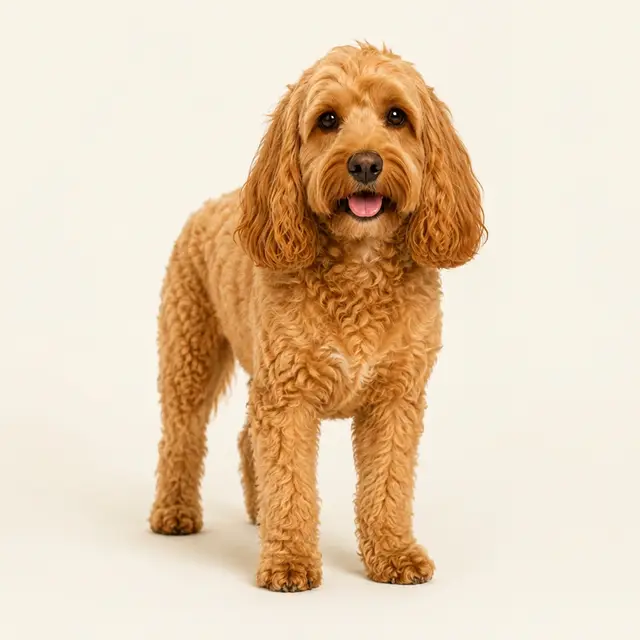
Cockapoo
A hugely popular Cocker × Poodle crossbreed — friendly, lower-shedding and great with families.
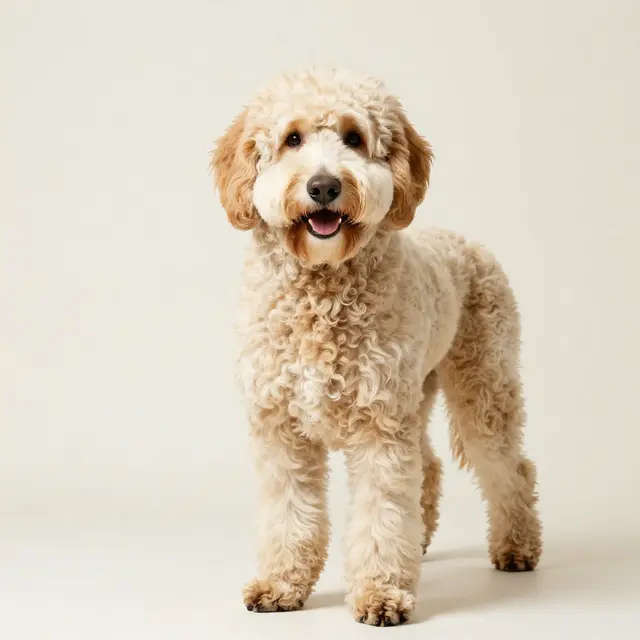
Labradoodle
A friendly Labrador × Poodle crossbreed — sociable, often lower-shedding, and a popular family choice.
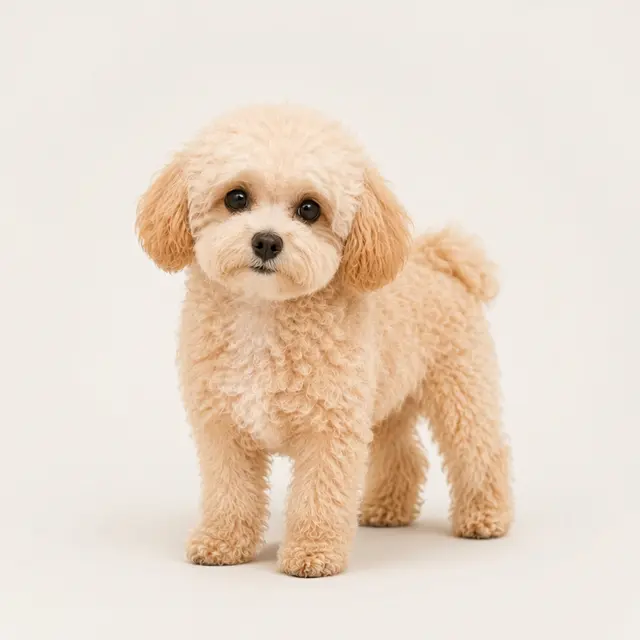
Cavapoochon
A small triple-cross (Cavalier × Bichon × Poodle) — friendly, low-shedding and well suited to family and flat life.
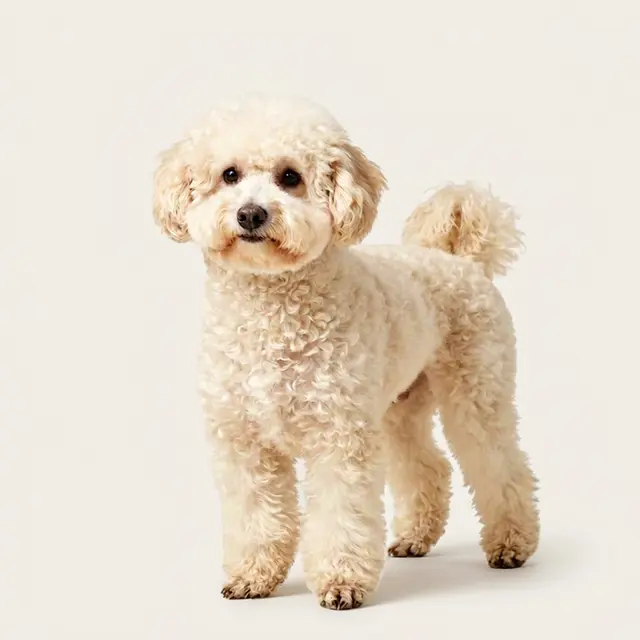
Maltipoo
A Maltese × Poodle cross — affectionate, playful and usually low-shedding, a popular lap-sized companion.
Similar temperament
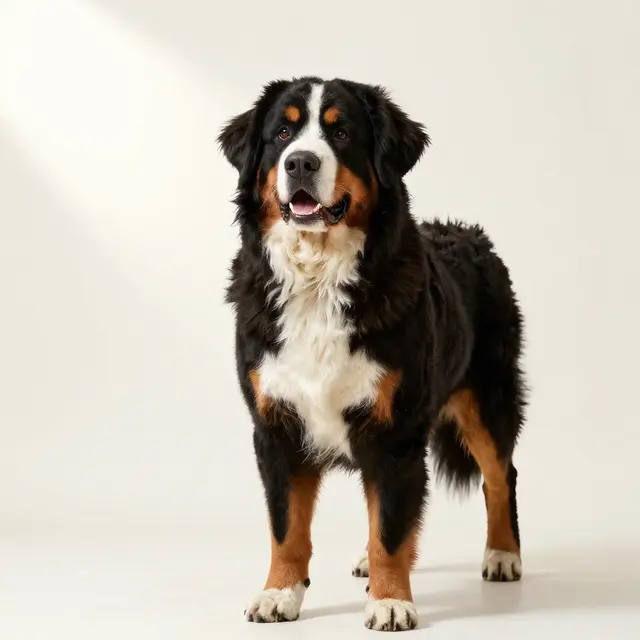
Bernese Mountain Dog
A gentle giant — calm, affectionate and wonderful with families, if you have the space and a big heart.
Cavapoochon
A small triple-cross (Cavalier × Bichon × Poodle) — friendly, low-shedding and well suited to family and flat life.
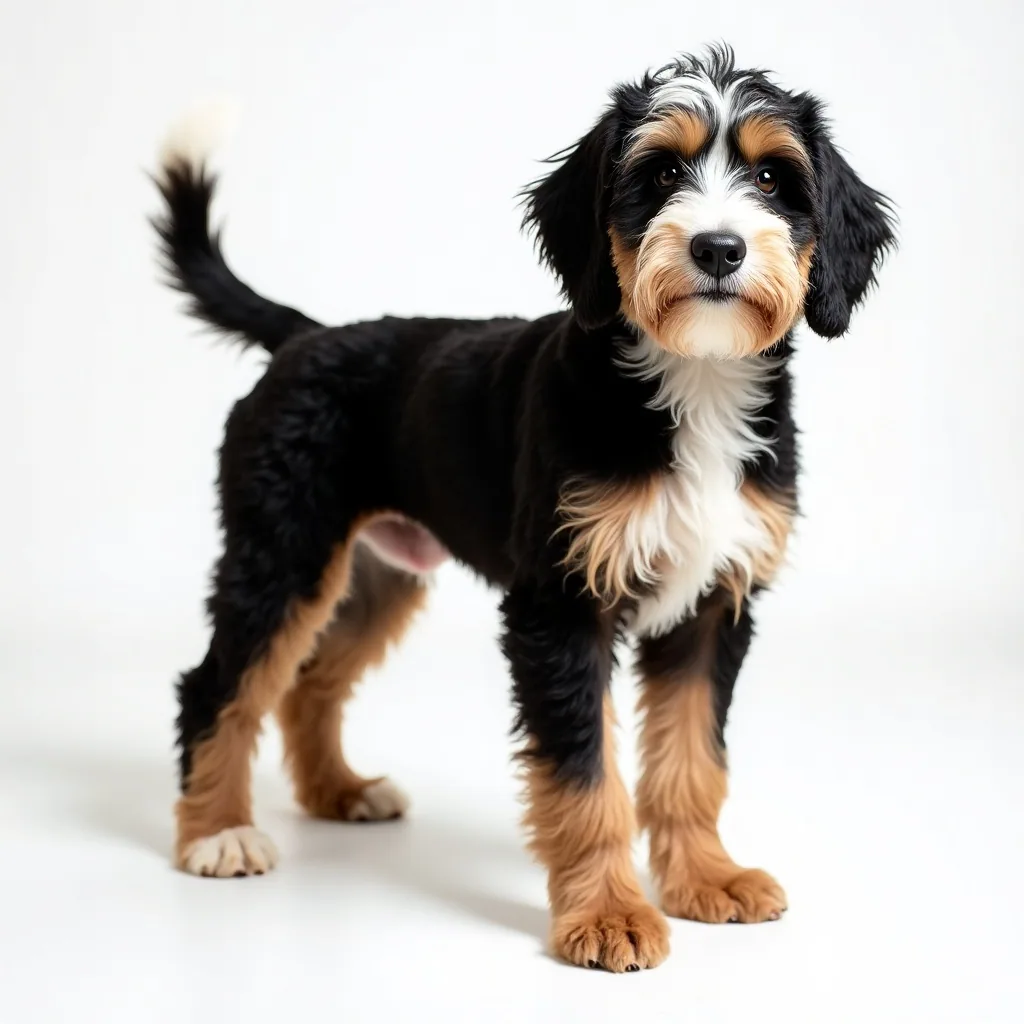
Bernedoodle
A gentle, affectionate Bernese Mountain Dog–Poodle cross that makes a calm, loyal family dog. Often low-shedding with a coat that needs regular grooming. Size ranges from mini to standard and temperament varies depending on which parent they take after.
Labradoodle
A friendly Labrador × Poodle crossbreed — sociable, often lower-shedding, and a popular family choice.
Similar size, different type
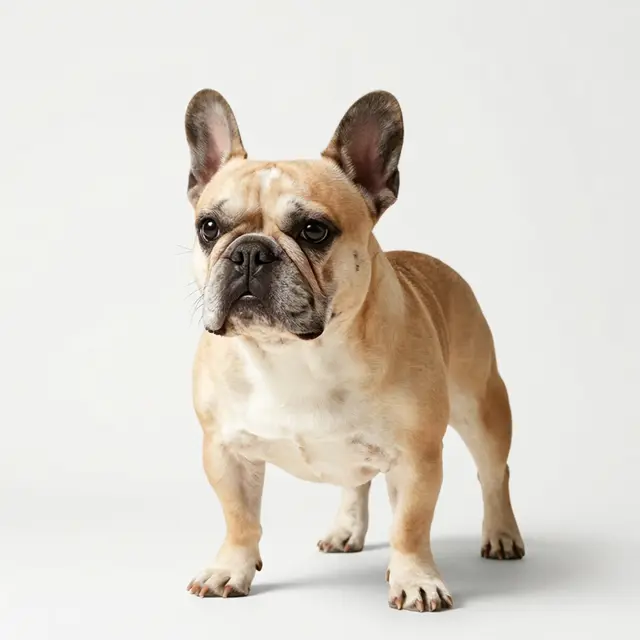
French Bulldog
A compact, easy-going companion that suits flats and modest exercise — but with serious health considerations.
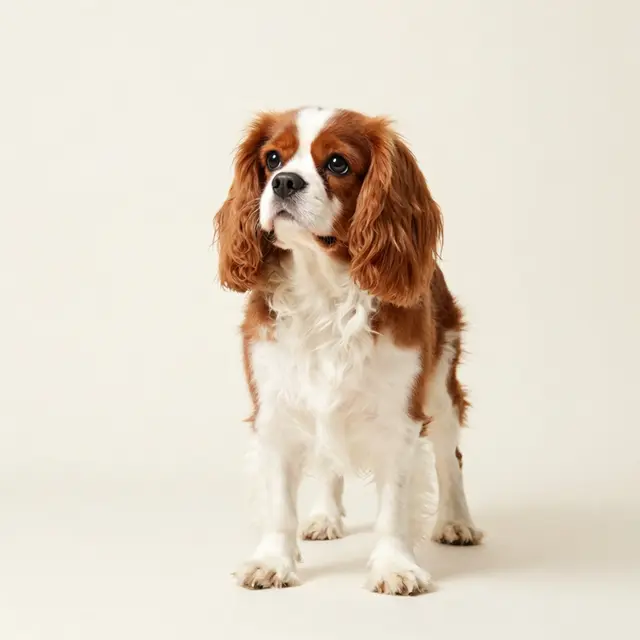
Cavalier King Charles Spaniel
A gentle, affectionate lap dog that’s wonderful with children and adapts happily to flat or house living.
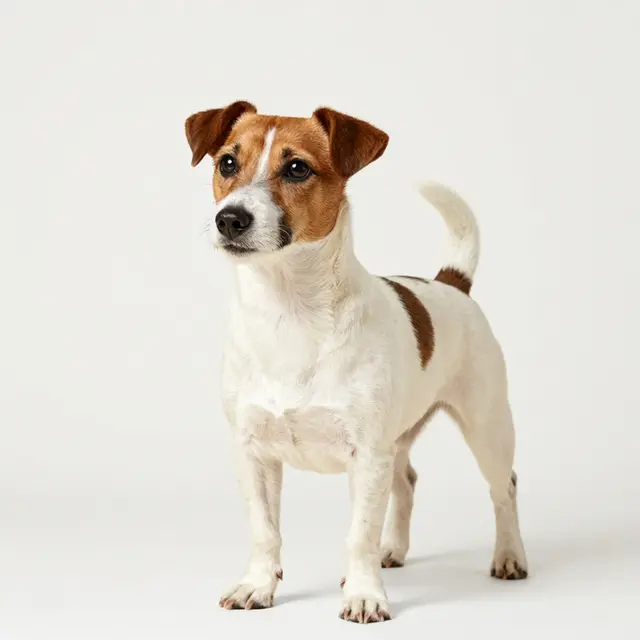
Jack Russell Terrier
A small dog with a huge personality — bold, clever and bursting with energy and prey drive.
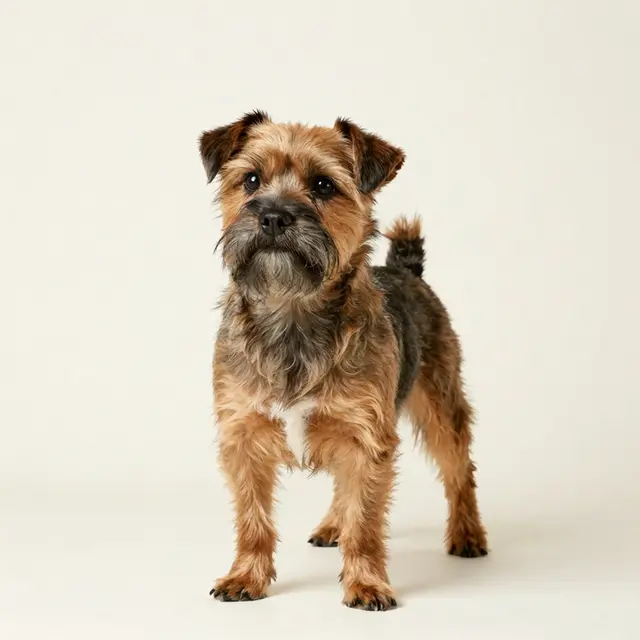
Border Terrier
A hardy, good-natured working terrier that’s friendlier with people and dogs than many of its terrier cousins.
Is the Cavapoo your breed?
Create your pet profile and get personalised food, toy, insurance and health recommendations — tailored to your dog.
Frequently asked questions
How long do Cavapoos live?
Cavapoos typically live to around 12–15 years. As a small crossbreed they tend to be fairly long-lived, helped by the genetic diversity of a first-cross. But they can inherit conditions from either parent breed, so lifespan depends heavily on the health of the Cavalier and Poodle they come from — choosing a health-tested puppy, keeping your dog lean, and regular vet care all help yours reach the upper end.
What health problems are Cavapoos prone to?
Because it's a Cavalier × Poodle cross, a Cavapoo can inherit conditions from both: heart disease (mitral valve disease) and syringomyelia from the Cavalier, eye conditions such as PRA from either, plus patellar luxation, hip issues and ear infections. Hybrid vigour helps, but it's no guarantee — choosing a breeder who health-tests both parents (heart, eyes, ideally MRI) is the best safeguard.
Are Cavapoos good family dogs?
Yes — Cavapoos are among the most popular family companions for good reason: affectionate, gentle, playful and usually great with children and other pets, in a small, adaptable package that suits flats and houses alike. They do need company (they dislike being left alone for long), regular grooming and daily exercise. For an involved household, a Cavapoo is a wonderfully friendly companion.
Do Cavapoos shed?
Cavapoos are usually low-shedding, inheriting much of the Poodle's coat, which is part of their appeal — but 'low-shedding' isn't 'non-shedding', and the amount varies from dog to dog depending on which parent's coat they take after. None are truly hypoallergenic. Whatever the coat, it needs regular grooming every few weeks plus brushing in between to prevent matting.
Are Cavapoos hypoallergenic?
No breed or cross is truly hypoallergenic, including the Cavapoo — though many shed very little and some allergy sufferers tolerate them better than heavier-shedding breeds. It varies by individual dog and how much of the Poodle's coat they inherit. If allergies are a concern, spend time around the specific dog (or its parents) before committing rather than relying on the label.
How big do Cavapoos get?
Cavapoos are a small breed, though size varies with the Poodle parent. Crossed with a Toy or Miniature Poodle, adults typically weigh around 5–11kg and stand roughly 23–35cm at the shoulder. Because size can vary in any cross, ask the breeder about both parents if final size matters to you — but most Cavapoos are a convenient, lap-friendly small dog.
How much exercise does a Cavapoo need?
Cavapoos have moderate energy and usually need around 30–60 minutes of exercise a day, split across walks plus play and some mental stimulation. They enjoy activity but are equally happy curling up at home. Keeping them active enough to stay lean matters, as the breed loves its food — but they're adaptable and don't need the hours that a working breed does.
Do Cavapoos need a lot of grooming?
Yes, regular grooming is part of Cavapoo ownership. The low-shedding coat needs brushing several times a week to prevent matting — especially around the ears, legs and bottom — plus a professional trim every six to eight weeks or so. Add weekly ear checks (the floppy ears are prone to infections) and routine nail and dental care. It's manageable, but it needs doing consistently.
How can I help my Cavapoo live longer?
Start by choosing a puppy from health-tested parents — with a cross, that's the biggest factor. Then keep your dog lean, stay on top of the ears and teeth, groom regularly, and have yearly heart checks given the Cavalier heritage, moving to twice-yearly vet visits as they age. Acting early on any cough, scratching or eye or ear trouble all support a long, healthy life.
Are Cavapoos good with children?
Excellent with children of all ages. As a general guide, Cavapoos tend to be patient and tolerant. Whatever the breed, always supervise dogs and young children and teach kids to interact gently.
How much exercise does a Cavapoo need?
As a healthy adult, a typical Cavapoo needs around an hour of exercise a day (60–80 minutes), split across walks plus play. A good sniffy walk plus some play and training usually keeps them happy. Puppies, seniors and dogs with health conditions need less — ask your vet.
Do Cavapoos shed a lot?
Low shedding. Coat upkeep is high upkeep — plan on frequent brushing and regular trips to a groomer.
Are Cavapoos easy to train and good for first-time owners?
Good for first-time owners. Cavapoos are generally a forgiving choice for first-time owners who put in early training and socialisation. Reward-based training and early socialisation help any dog.
Do Cavapoos bark a lot?
Quiet. They are usually fairly easy-going about barking, though any dog will bark if bored or under-exercised.
Are Cavapoos good with other dogs?
Sociable with other dogs. Early, positive socialisation with other dogs from a young age makes a big difference.
Do Cavapoos suit flats or smaller homes?
Flat-friendly. A Cavapoo can adapt to flat living as long as it gets its daily exercise and company.
Sources
- The Kennel Club (UK) — guidance on crossbreeds and on the parent breeds (Cavalier King Charles Spaniel and Poodle): https://www.thekennelclub.org.uk/breed-standards/
- PDSA — Cavapoo and small-dog care, feeding and health advice: https://www.pdsa.org.uk/pet-help-and-advice/looking-after-your-pet/dogs
- Blue Cross — advice on choosing a dog, crossbreeds and responsible buying: https://www.bluecross.org.uk/advice/dog
- RSPCA — guidance on buying a puppy and breeder health testing: https://www.rspca.org.uk/adviceandwelfare/pets/dogs
- Royal Veterinary College (RVC) — research on Cavalier King Charles Spaniel health, including mitral valve disease and syringomyelia: https://www.rvc.ac.uk/vetcompass
Recommended for your Cavapoo
Matched to a Cavapoo's size and their typical need for regular coat care, dental care, calming support.

Electric Pet Grooming Clipper
A quiet, rechargeable electric clipper for trimming dogs, cats, rabbits and other pets at home. Low-noise and low-vibration with an adjustable blade for tidy, stress-free grooming around the body and paws.
From£11.99

MPS Topshirt 4-in-1 Post-Surgery Recovery Vest for Dogs
A vet-recommended cotton body suit that protects wounds after surgery, discourages over-grooming, and provides calming gentle pressure — machine washable.
£32.99

Pet Remedy De-Stress Calming Pre-Wash 300ml
A 300ml calming pre-wash for anxious pets, combining fast-acting Pet Remedy ingredients with coconut-derived cleansers to ease bath time.
£14.99

Wooden Pet Deshedding Grooming Brush
An ergonomic wooden grooming brush with a fine-toothed edge that loosens and lifts away dead and shedding fur. The smooth contoured handle sits comfortably in the hand for quick, gentle daily de-shedding.
£14.99

Soft Mesh Recovery Cone Collar
A soft, breathable mesh recovery cone that stops licking and biting of wounds after surgery. Lightweight and adjustable, it's a comfy alternative to a hard E-collar for dogs and cats.
From£11.99

Pet Oral Spray for Dogs & Cats
A 100ml pet oral spray for dogs and cats that helps promote fresh breath and cleaner teeth. Simply spray onto teeth and gums - no brushing needed for daily oral care.
£8.99

Rechargeable Electric Pet Nail Grinder
A cordless rechargeable nail grinder with a low-noise motor for smooth, painless claw trimming.
£9.99

Pooch & Mutt Calming Fish Hide Chews
Hand-rolled cod skin dog chews with chamomile and lavender, 70.8% protein, grain free
£4.99
Suggestions based on breed traits — always check sizing and suitability for your individual dog.
Got a Cavapoo? Save them to a pet profile for tailored picks across the whole site.
Happier, healthier pets — in your inbox.
Breed care tips, seasonal advice and first access to new arrivals. No spam, unsubscribe anytime.
Every dog is an individual — temperament and needs vary. Please research thoroughly, meet dogs in person, and consider adopting from a rescue. This is general guidance, not a substitute for advice from your vet or a qualified trainer.