


Are Cavapoos Hypoallergenic? Do They Shed?
The honest answer on Cavapoos and allergies: no dog is truly hypoallergenic, but many allergy sufferers do better with a Cavapoo. Here's why it varies so much, and how to test before you commit.
The quick answer
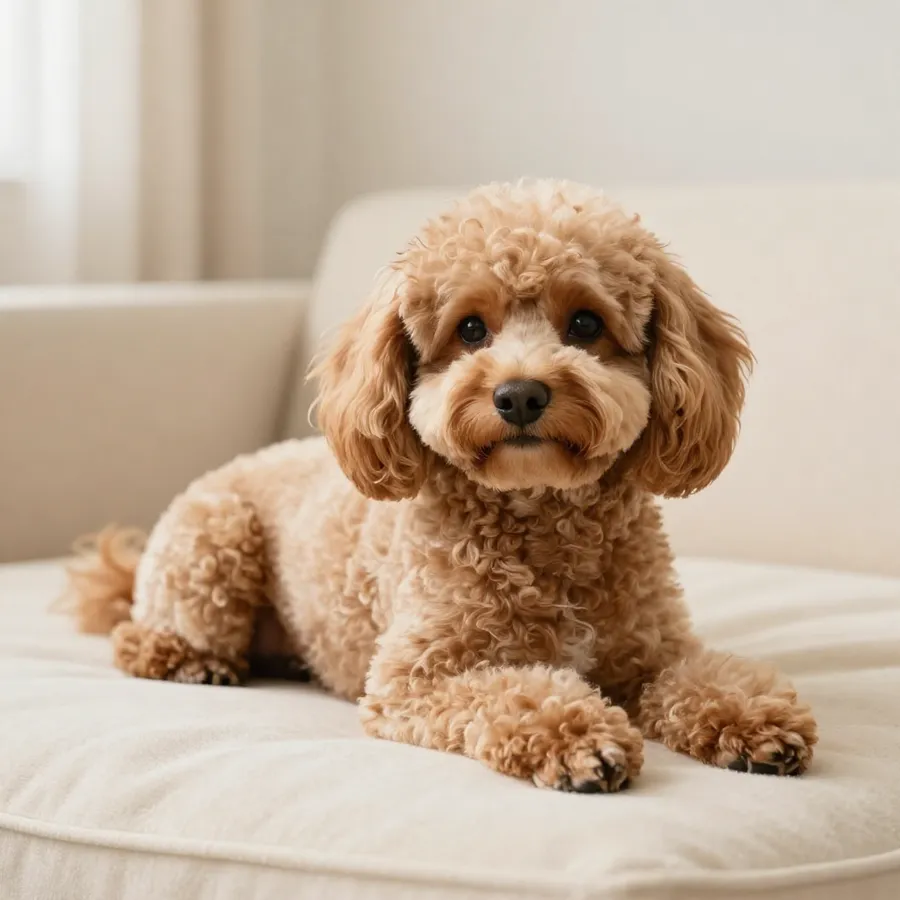
No dog is truly hypoallergenic, including Cavapoos. Allergens come from a dog's dander, saliva and urine rather than hair alone, so every dog produces them. That said, Cavapoos are low-to-moderate shedders and often suit allergy sufferers better than heavy-shedding breeds, though it varies by individual dog.
If you've landed here, you've probably read a breeder advert calling Cavapoos "hypoallergenic" and want to know whether you can trust it. The warm, honest answer is: not entirely. No dog is truly hypoallergenic. But Cavapoos can be a sensible choice for many allergy sufferers, as long as you go in with your eyes open. Here's the full picture.
No dog is genuinely hypoallergenic
This is the bit the adverts skip. The thing most people react to isn't dog hair at all. It's a protein (Can f 1) found in a dog's saliva, dander (dead skin flakes) and urine, which spreads onto the coat and then around your home. Because every dog produces dander and saliva, every dog produces allergens. The Kennel Club and allergy specialists are clear that there's no breed or crossbreed that's guaranteed allergen-free. One often-quoted study even found similar allergen levels in homes whether the dog was a so-called hypoallergenic breed or not. So "hypoallergenic" is really shorthand for "may produce fewer airborne allergens", not a promise.
Do Cavapoos shed? Low to moderate, and it varies
Cavapoos are low-to-moderate shedders. They lose far less loose hair than a Cavalier King Charles Spaniel, which sheds steadily, but typically a little more than a pure Poodle. The reason matters for allergies: a low-shed coat traps dead hair and dander rather than dropping it around your home, which can mean fewer allergens floating in the air. It doesn't make the allergens disappear, but it can make a real difference to how much you're exposed to day to day.
Coat type and generation change everything
Here's why two Cavapoos can affect an allergy sufferer completely differently. Cavapoos come in roughly three coat types: straight (more Cavalier-like, sheds a bit more), wavy (the common middle ground, sheds lightly), and curly (more Poodle-like, sheds least). Generation is the biggest clue to which you'll get:
- F1 is a first cross, 50% Cavalier and 50% Poodle. Coats are often wavy and can shed lightly. Fine for many people with mild sensitivity, less predictable for stronger reactions.
- F1b is an F1 Cavapoo bred back to a Poodle, so around 75% Poodle. These tend to have curlier, lower-shedding coats and are usually the better bet for allergy sufferers.
The honest caveat: this is genetics, not a guarantee. Even within one litter, puppies can inherit more of the Cavalier coat. Plenty of Poodle crosses are bought specifically for an allergic family member and then rehomed when the dog turns out to shed more than hoped. Treat generation as a useful guide, not a cast-iron promise.
Test before you commit
Because individual dogs vary so much, the single most useful thing you can do is spend real time around the specific dog before deciding. Visit the breeder more than once. Sit on their sofa, handle the puppy, let it lick your hand, and stay long enough for any reaction to show, ideally an hour or more. If you can, spend time with the parents too, since they hint at the coat your puppy may grow into. A chat with your GP or an allergy clinic about your own triggers is sensible before taking on any dog. What you're looking for is your honest response to that individual animal, not the breed label.
Grooming keeps allergens down
If you do bring a Cavapoo home, grooming becomes part of managing allergens, not just keeping them tidy. That low-shed coat grows continuously and mats quickly, so most Cavapoos need professional grooming every six to eight weeks plus brushing two or three times a week at home, paying attention to friction spots behind the ears and under the legs. Regular brushing lifts away loose dead hair and dander before it spreads. Studies suggest regular bathing can meaningfully cut the dander on a dog's coat, though over-bathing dries the skin and can make dander worse, so a gentle routine beats an aggressive one. Add easy home habits: wash hands after cuddles, keep the dog off the bed, vacuum often, and have a dog-free zone such as the bedroom.
The honest bottom line
A Cavapoo is not hypoallergenic, because no dog is. But a low-shedding, curlier-coated Cavapoo, especially an F1b, combined with consistent grooming and sensible home habits, suits many allergy sufferers better than a heavy-shedding breed would. The smart move isn't to trust the label. It's to meet the actual dog, test your own reaction honestly, and commit to the grooming. Get those right and you'll know far more than any advert can tell you.
Sources
- VCA Animal Hospitals — Hypoallergenic Dog Breeds: Is There Such a Thing? https://vcahospitals.com/know-your-pet/hypoallergenic-dog-breeds-is-there-such-a-thing
- American Kennel Club — Can I Have a Dog If I Have Allergies? https://www.akc.org/expert-advice/home-living/can-i-have-a-dog-if-i-have-allergies/
- Purina UK — Cross Breeding Dogs: 7 Popular Myths Debunked https://www.purina.co.uk/find-a-pet/articles/dog-types/breed-guides/crossbreed-dogs
Common questions
Are Cavapoos hypoallergenic?
No dog is truly hypoallergenic, including Cavapoos. Allergens come from a dog's dander, saliva and urine rather than hair alone, so every dog produces them. That said, Cavapoos are low-to-moderate shedders and often suit allergy sufferers better than heavy-shedding breeds, though it varies by individual dog.
Do Cavapoos shed a lot?
Cavapoos are generally low-to-moderate shedders. They lose far less loose hair than a Cavalier King Charles Spaniel but usually slightly more than a pure Poodle. Curlier-coated Cavapoos tend to shed the least, while straighter, more Cavalier-like coats shed a bit more.
Is an F1 or F1b Cavapoo better for allergies?
F1b Cavapoos, which are around 75% Poodle, usually have curlier, lower-shedding coats and are often the better choice for allergy sufferers. F1 Cavapoos (a 50/50 first cross) are more variable. Neither is guaranteed, as coat type can differ even within a single litter.
How can I tell if I'll react to a particular Cavapoo?
Spend real time with the specific dog before committing. Visit more than once, handle the puppy, let it lick your hand, and stay long enough (ideally an hour or more) for any reaction to appear. Meeting the parents helps too. Speaking to your GP or an allergy clinic about your triggers first is also wise.
Does grooming reduce Cavapoo allergens?
Yes, regular grooming helps. Brushing two to three times a week lifts away loose dead hair and dander before it spreads, and regular gentle bathing can reduce dander on the coat. Avoid over-bathing, which dries the skin and can increase dander. Most Cavapoos also need professional grooming every six to eight weeks.
About the author
Matt Garnett — founder, Giddy Pets
Matt started Giddy Pets to make getting pets the good stuff simpler and fairer. Everything in these guides comes from real life with pets and a lot of trial and error — it's practical guidance, not veterinary advice. If a guide gets something wrong, tell him directly.
Advice & planning
Free tools & more guides
Practical calculators and trusted guides relevant to this product.
Read next
How Long Do Cavapoos Live? Lifespan & Health
Cavapoos live around 12–15 years. What this Cavalier × Poodle cross can inherit from each parent breed, why health-tested parents matter, and how to keep yours well.
Cavapoo Grooming Guide: Coat Care & Clipping
A Cavapoo's soft, mat-prone coat is a real commitment. Here's a practical UK guide to brushing right to the skin, the tools that work, the trouble spots that knot, and the every-6-to-8-week groomer routine that keeps it kind.
Are Cavapoos Good Family Dogs?
Cavapoos are one of the UK's most popular family crossbreeds, prized for the Cavalier's affectionate softness and the Poodle's clever, sociable nature. Here's an honest look at their temperament with children and pets, their exercise and grooming needs, and the realities — separation issues, crossbr
How Big Do Cavapoos Get? Cavapoo Size Guide
Most UK Cavapoos settle between 4 and 10 kg and stand around 23 to 33 cm at the shoulder, but the real answer depends almost entirely on whether the Poodle parent was a Toy or a Miniature. Here's an honest look at adult size, growth timelines, and how to estimate where your pup will land.