
Pug
An ancient Chinese companion breed prized by emperors, the Pug was bred for one job — to be a charming lapdog. Even-tempered, sociable and comical, it's content in flats and devoted to its people. It suits owners who'll keep it lean, avoid the heat, and go in aware of the breed's flat-faced breathing and eye health needs.
Pug scorecard
Overview
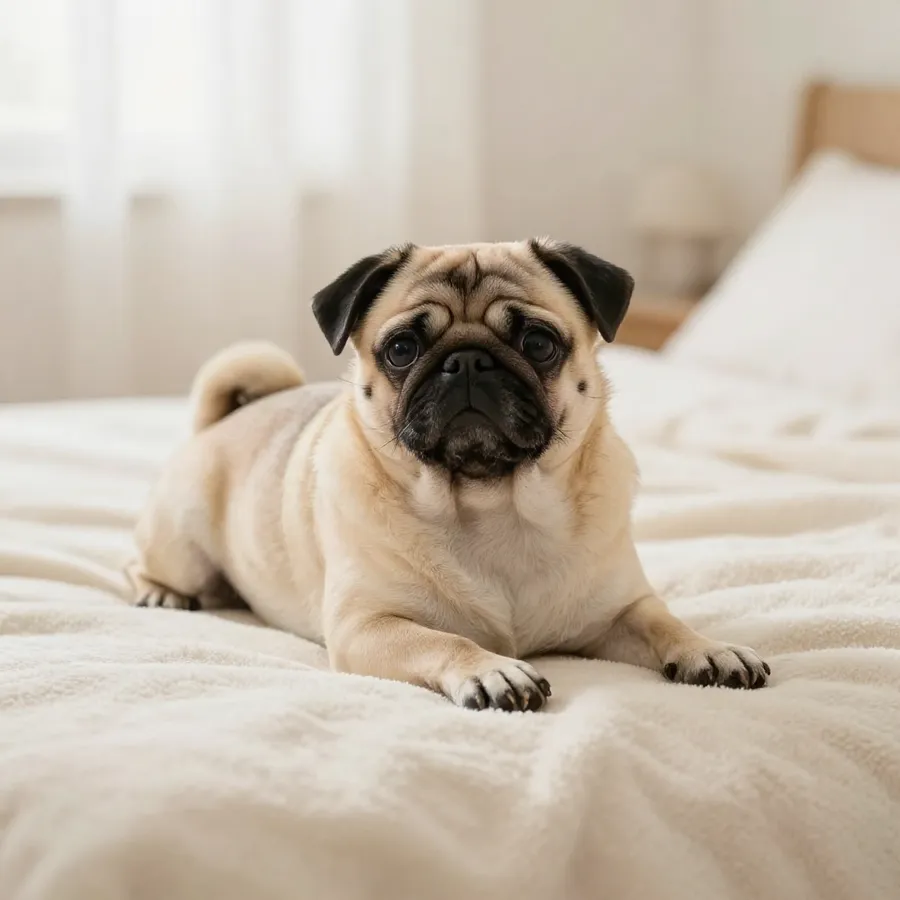
With its wrinkled face, dark soulful eyes and curled tail, the Pug is one of the most recognisable toy breeds in the world and a long-standing favourite in British homes. Compact, sturdy and famously affectionate, the Pug was bred for one purpose above all others — to be a companion — and it excels at it, attaching itself devotedly to its family and delighting in their company. Pugs typically stand around 25–33 cm tall and weigh roughly 6 to 8 kg, packing a remarkable amount of personality and charm into a small, square little body.
Pugs are comical, sociable and content in a flat, with modest exercise needs and a gentle, people-loving nature that makes them popular with families and first-time owners alike. But the same flat face that gives the Pug its distinctive expression also brings serious health considerations that no responsible owner can ignore. The breed is brachycephalic, meaning its shortened skull can cause breathing difficulties, eye problems and a real sensitivity to heat. Choosing a Pug means committing to careful, health-conscious ownership — and ideally seeking out breeders who prioritise dogs with more open nostrils and longer muzzles.
Good to know — a Pug is flat-friendly and good for first-time owners. Every dog is an individual, so meet a few and chat to a good breeder or rescue before deciding.
Save the Pug guide
Thinking about a Pug? Pop your email in and we’ll send this guide so you can come back to it any time — handy while you compare breeds.
Popular searches for the Pug
History & origins
The Pug is an ancient breed with roots in China, where flat-faced companion dogs were prized by emperors and kept in luxury within the imperial court. Dogs of this type were highly valued and sometimes given as gifts to rulers and dignitaries, and they travelled along trade routes to other parts of Asia and eventually to Europe. By the 16th and 17th centuries Pugs had become established as fashionable companions among European nobility, famously associated with the House of Orange in the Netherlands.
The breed grew enormously popular in Britain during the Victorian era, when it became a fixture of the royal court and a favourite of Queen Victoria, whose enthusiasm for Pugs helped cement their status as a beloved companion dog. The Kennel Club recognises the Pug within the Toy group. Throughout its long history the Pug has been bred almost exclusively for companionship rather than work, which is reflected in its enduringly affectionate, attention-seeking and people-oriented temperament.
Temperament & family fit
Pugs are famously even-tempered, affectionate and sociable. They live for human company, thrive on being involved in family life and are generally friendly towards strangers, children and other animals, which makes them excellent companions for a wide range of households. Often described as clowns, they have a playful, mischievous streak and a knack for entertaining their owners, yet they are equally happy curled up on a lap. This is a dog that genuinely wants to be with its people, and it can become unhappy or develop separation-related behaviour if regularly left alone for long periods.
That deep attachment is the Pug's great charm and its main demand. They are not aloof or independent dogs; they crave closeness and respond warmly to attention and gentle handling. Pugs are typically tolerant and good-natured with children, though as with any dog, interactions with very young children should always be supervised. Their easy-going nature and lack of aggression mean they tend to suit novice owners well, provided those owners take the breed's significant health needs seriously.
- Families with children of all ages
- Committed first-time owners
- Flats or houses with daily exercise
Training & intelligence
Pugs are intelligent and eager to please, but they also have a stubborn, food-loving streak that can make training a test of patience. They respond best to short, positive, reward-based sessions kept fun and varied, and they can lose interest quickly if asked to repeat the same thing too often. Because they are so motivated by food, treats are a powerful training tool — but portions must be carefully controlled, as Pugs gain weight extremely easily and obesity worsens their breathing and joint problems. Using part of the daily food ration as training rewards is a sensible approach.
House-training a Pug can take a little longer than with some breeds and benefits from a consistent routine and plenty of praise. Early socialisation is valuable to build confidence and good manners around other dogs and new situations. Owners should also be mindful of the Pug's physical limits during training — avoiding strenuous exercise, particularly in warm weather, and never pushing a dog that is breathing hard or struggling to cool down.
- Start socialisation & handling early
- Reward-based methods only — no harsh corrections
- Keep sessions short, calm and consistent
Exercise needs
A healthy adult Pug typically needs around 30 minutes (gentle, broken into shorter walks) a day (roughly 30–45 minutes), split across walks, play and a little training. A good sniffy walk, some play and a little training usually keeps them content. Puppies, seniors and dogs with health conditions need adjusted amounts — check with your vet.
Grooming & coat
Despite their short coat, Pugs are surprisingly heavy shedders and benefit from regular brushing — at least once or twice a week — to remove loose hair and keep the coat healthy. The most distinctive part of Pug grooming, however, is care of the facial wrinkles. The deep skin folds on a Pug's face can trap moisture, dirt and debris, creating the perfect environment for irritation and infection, so they need to be cleaned and dried regularly. Equally important is routine eye care, as the Pug's large, prominent eyes are exposed and prone to injury and dryness. Beyond that, the standard small-breed checklist applies: keep nails trimmed, clean the ears and check them regularly, and maintain good dental hygiene with regular tooth-brushing.
- Brush occasionally to remove loose hair
- Bathe every few weeks or as needed
- Check ears, nails and teeth weekly
Feeding a Pug
Feeding a Pug well is largely an exercise in portion control. The breed has a hearty appetite and a remarkable talent for begging, and Pugs put on weight very easily — a serious problem, because excess weight places extra strain on the breathing, the heart and the joints, all of which are already under pressure in a brachycephalic dog. Choose a complete, good-quality food appropriate to age and weight, measure meals carefully, and account for any treats within the total daily allowance rather than adding them on top. Dividing food into two meals, avoiding fatty scraps and using slow-feeders or puzzle toys can all help. Keeping a Pug lean is one of the single most valuable things an owner can do for its long-term health and comfort, so regular weight checks and body condition scoring with your vet are worthwhile.
A small breed
An adult Pug typically weighs 6.3–8.1 kg, so a healthy Pug eats a modest amount compared with other breeds. Every feeding guide on a bag is written per kilo of body weight, not per breed — start there, then adjust to the dog in front of you.
Life stage
A small breed is usually done growing at 10–12 months, which is roughly when a puppy food has finished its job. With a typical lifespan of 12–15 years, there is a long adult stretch in the middle; switch to a senior food when your vet thinks it is worth it rather than on a birthday.
This breed tends to bolt its food
A food-motivated dog will empty a bowl in under a minute given the chance. A slow feeder or a puzzle bowl turns a meal back into something that takes time, and splitting the daily ration across two or three meals helps as well.
Small mouths, crowded teeth
Smaller breeds get dental disease more often than big ones, largely because the same number of teeth are packed into a shorter jaw. Kibble size is worth checking, and a dental chew counts towards the daily 10% of calories from treats.
A shallow, wide bowl suits a flat face
A flat-faced dog cannot reach into a deep bowl without pressing its nose into the sides, which is uncomfortable and makes it gulp air. A shallow bowl, and food that does not have to be chased around it, is the easier arrangement.
How much should a Pug weigh?
Adult 6.3–8.1 kgfully grown at 10–12 months
| Age | Stage | Typical weight | Of adult size |
|---|---|---|---|
| 8 weeks | Just home | 1–1.3 kg | 17% |
| 3 months | Young puppy | 1.7–2.2 kg | 27% |
| 6 months | Growing fast | 3.4–4.4 kg | 54% |
| 10–12 months | Fully grown | 6.3–8.1 kg | 100% |
A guide, from the same rule of thumb our puppy growth predictor uses — each age is that share of the way to maturity for a small breed. Puppies grow fastest early, so a real puppy usually sits a little above the middle rows. Weigh yours and ask your vet if the number worries you.
Complete dog foods that suit a Pug
Complete foods from our range, matched to a Pug's size band and what the breed typically needs. Stock levels and delivery dates are live on each product.

Burns Adult/Senior Weight Control Chicken and Oats
A low-fat weight control dry food for adult and senior dogs, oat-based
£35.99


Pedigree Can in Jelly Puppy 6 Pack
Complete Pedigree puppy food in jelly with chicken, lamb and poultry recipes
£10.15

Forthglade Cold Pressed Natural Turkey
Cold-pressed turkey kibble for dogs from 2 months, soft enough to mix with water for young pups
£45.99

Forthglade Cold Pressed Grain Free Salmon
Cold-pressed grain-free dry food for dogs, built on fresh and dried salmon
From£16.99

Forthglade Cold Pressed Grain Free Duck
Cold-pressed grain-free duck food with fruit and botanicals, in two bag sizes
From£16.99

Forthglade Cold Pressed Grain Free Chicken
Cold-pressed grain-free chicken food with fruit and botanicals, in three bag sizes
From£16.99

Forthglade Complete Meal Lightly Baked Turkey
A lightly baked complete dry food, 50% turkey, for adult dogs of any breed
From£12.49

Forthglade Cold Pressed Grain Free Turkey
Grain-free cold-pressed turkey kibble for dogs, gentle on sensitive stomachs
£69.69

Forthglade British Classics Chicken Family Lunch
Complete Forthglade wet dog food with 75% chicken in a 395G tray
£2.45

Harringtons Puppy Turkey & Rice
Complete turkey puppy food with 30% protein and feeding bands by adult weight
£6.49

Harringtons Just 6 Dry Dog Food Lamb
Grain-free lamb dry dog food in 2KG and 12KG sizes, with size-specific formulas
From£13.99
Pug health & costs
Before bringing a Pug home it pays to budget for the whole picture — food, insurance, grooming and routine vet care all add up. The figures below are typical UK estimates for a healthy adult; your real costs vary with where you live, your dog's health and the cover you choose.
Food
£250–400 / year
Complete food sized to weight & life stage
Insurance
£15–32 / month
Lifetime cover — varies by age, breed & area
Grooming
£0–60 / year
Mostly DIY at home
Routine vet care
£200–450 / year
Vaccines, flea/worm, annual check
The Pug is an affectionate and rewarding companion, but it is also a breed with significant, well-documented health challenges that prospective owners must weigh carefully. Most of these stem from its brachycephalic (flat-faced) conformation. Brachycephalic obstructive airway syndrome (BOAS) affects many Pugs to varying degrees, causing noisy breathing, snoring, exercise intolerance and difficulty cooling down; in more severe cases it requires surgery. The same flat-faced anatomy and prominent eyes make Pugs prone to a range of eye conditions, including corneal ulcers and injuries, and to skin-fold infections.
Research from the Royal Veterinary College's VetCompass programme has highlighted that Pugs differ markedly from other dogs in their health profile, with notably higher risks of several conformation-related disorders. Pugs can also be affected by hip and joint problems, by a serious inflammatory neurological condition known as Pug Dog Encephalitis, and by obesity-related issues. The encouraging news is that buying from breeders who prioritise healthier conformation — more open nostrils, a relatively longer muzzle and well-tested parents — and keeping the dog slim, cool and well cared for can make a real difference. Pet insurance is strongly advisable given the breed's potential for chronic and surgical conditions.
Common health conditions to be aware of
- Brachycephalic obstructive airway syndrome (BOAS) — breathing difficulty caused by the flat-faced skull; ranges from noisy breathing to severe distress and may require surgery.
- Heat sensitivity and heatstroke — Pugs cannot cool themselves efficiently and are at high risk of overheating, especially during exercise or in warm weather.
- Eye conditions — large, prominent eyes are prone to corneal ulcers, injuries, dryness and other problems requiring prompt veterinary care.
- Skin-fold dermatitis — the deep facial wrinkles can trap moisture and debris, leading to irritation and infection without regular cleaning.
- Obesity — Pugs gain weight very easily, which worsens breathing, heart and joint problems and shortens healthy lifespan.
- Pug Dog Encephalitis (necrotising meningoencephalitis) — a serious inherited inflammatory brain condition seen in the breed, typically affecting younger dogs.
These reflect typical, size- and coat-related risks for dogs like the Pug; individual breeds carry their own predispositions. Always buy from health-tested parents and speak to your vet — this isn't a diagnosis.
Protect against surprise bills
A single emergency can run into thousands. Lifetime insurance spreads the risk.
Estimate insurance →How pet insurance works →Puppy & senior care
Bringing home a Pug puppy
Puppies need controlled exercise (a rough guide is five minutes per month of age, twice a day) to protect growing joints, little-and-often meals of a complete puppy food, early socialisation, and a calm routine for toilet training and sleep. Book first vaccinations, microchipping and a vet check early.
New puppy checklist →Caring for a senior Pug
As they age, watch weight, joints and teeth, switch to a senior diet if your vet advises, keep exercise gentle but regular, and consider orthopaedic bedding and ramps. Twice-yearly vet checks help catch issues early.
Orthopaedic beds & mobility →Pros & cons
The good bits
- Affectionate, sociable and low exercise needs
- Happy in flats and great with families
Things to consider
- Brachycephalic: breathing difficulties, eye problems and heat sensitivity
- Sheds surprisingly heavily and gains weight easily
Pug health & care guides
In-depth, vet-sensible guides written for Pug owners:
Compare the Pug
See how the Pug measures up against similar breeds before you decide:
More breeds like the Pug
Same breed group
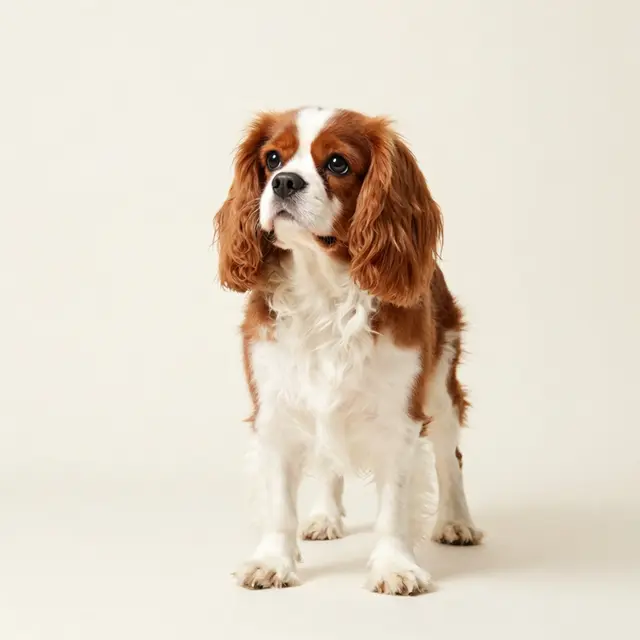
Cavalier King Charles Spaniel
A gentle, affectionate lap dog that’s wonderful with children and adapts happily to flat or house living.
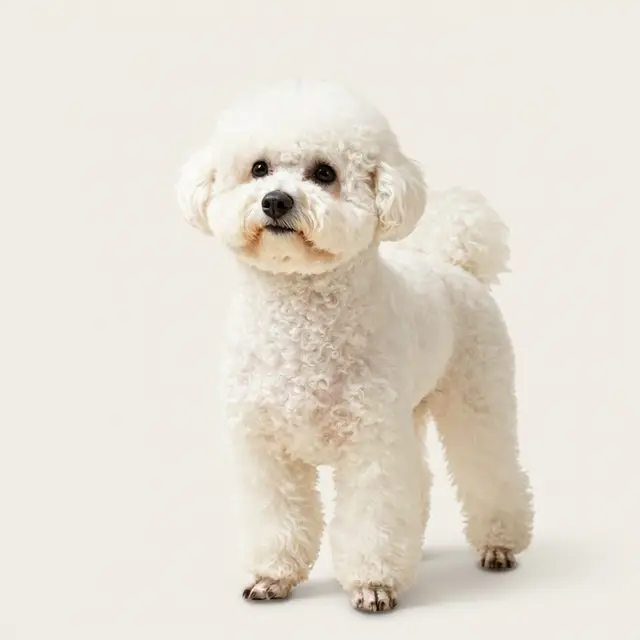
Bichon Frise
A cheerful, low-shedding companion that’s a popular choice for allergy-conscious, flat-dwelling owners.
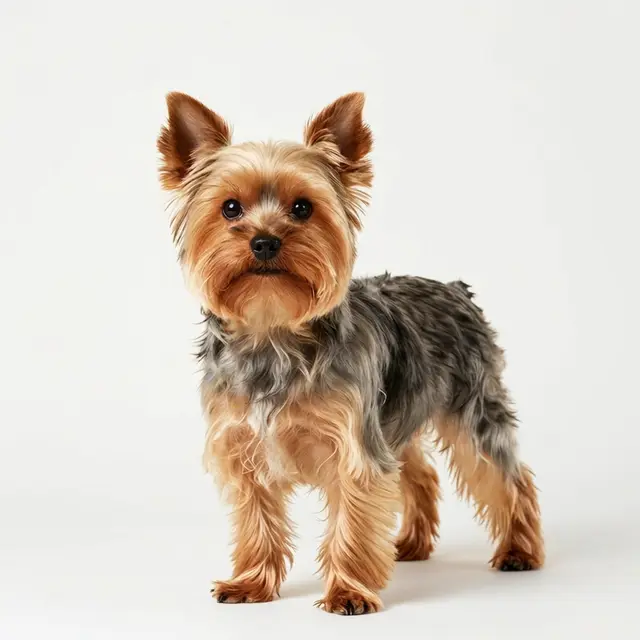
Yorkshire Terrier
A tiny, feisty toy terrier with a big personality — ideal for flats but delicate around small children.
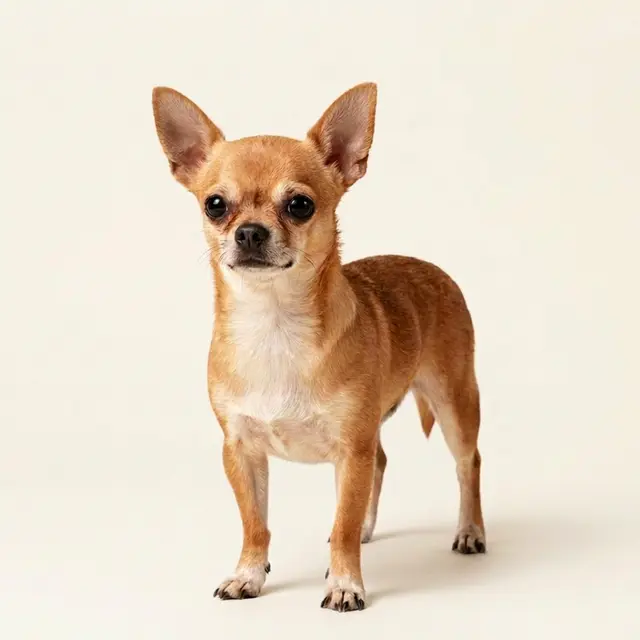
Chihuahua
The world’s smallest breed — devoted, sassy and perfect for flats, but not the easiest with young children.
Similar temperament
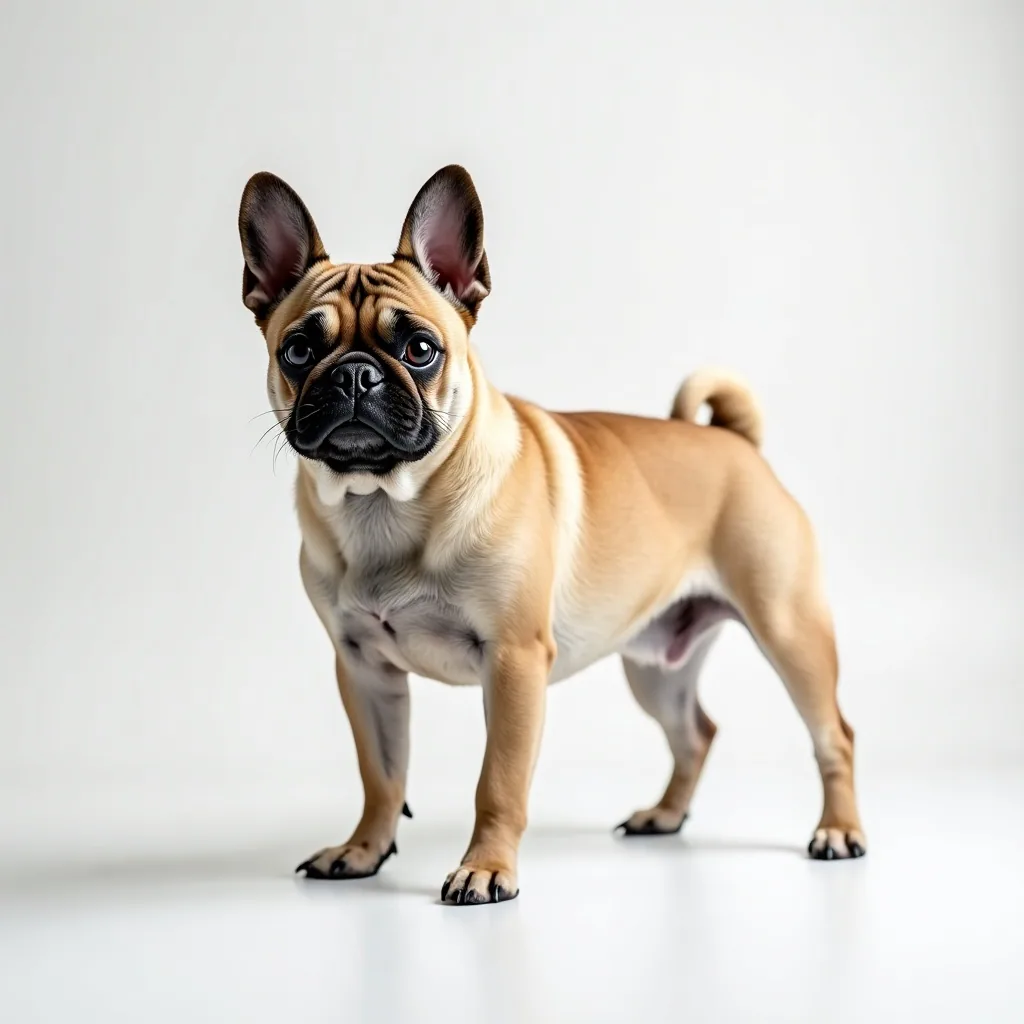
Frenchie Pug
A small, sociable French Bulldog and Pug cross (also called Frug). Affectionate and apartment-friendly, but combining two flat-faced breeds means a high risk of inherited breathing, eye and heat-tolerance problems.
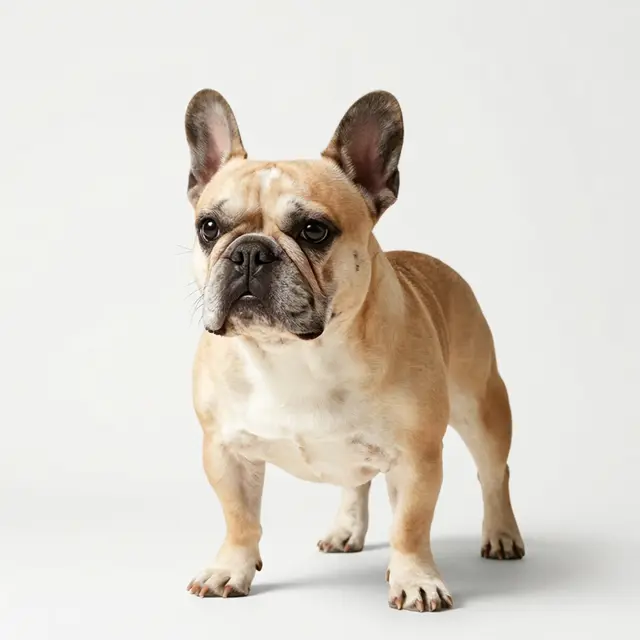
French Bulldog
A compact, easy-going companion that suits flats and modest exercise — but with serious health considerations.
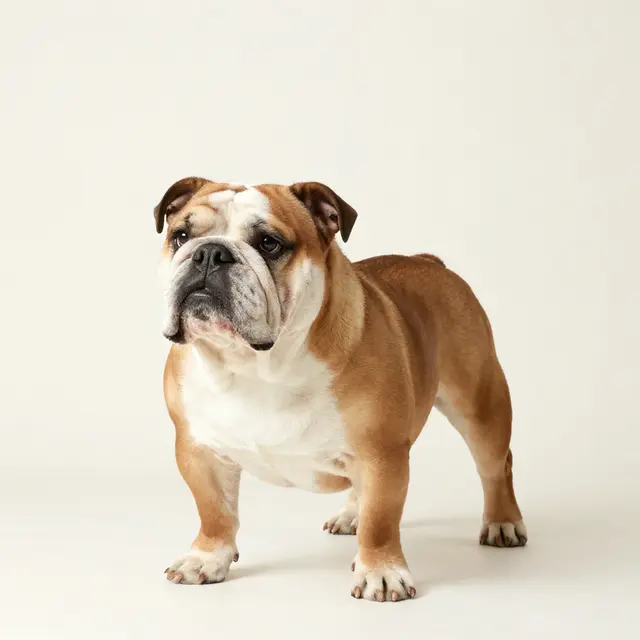
Bulldog
A placid, affectionate companion that’s happy with gentle walks — but burdened by serious health issues.
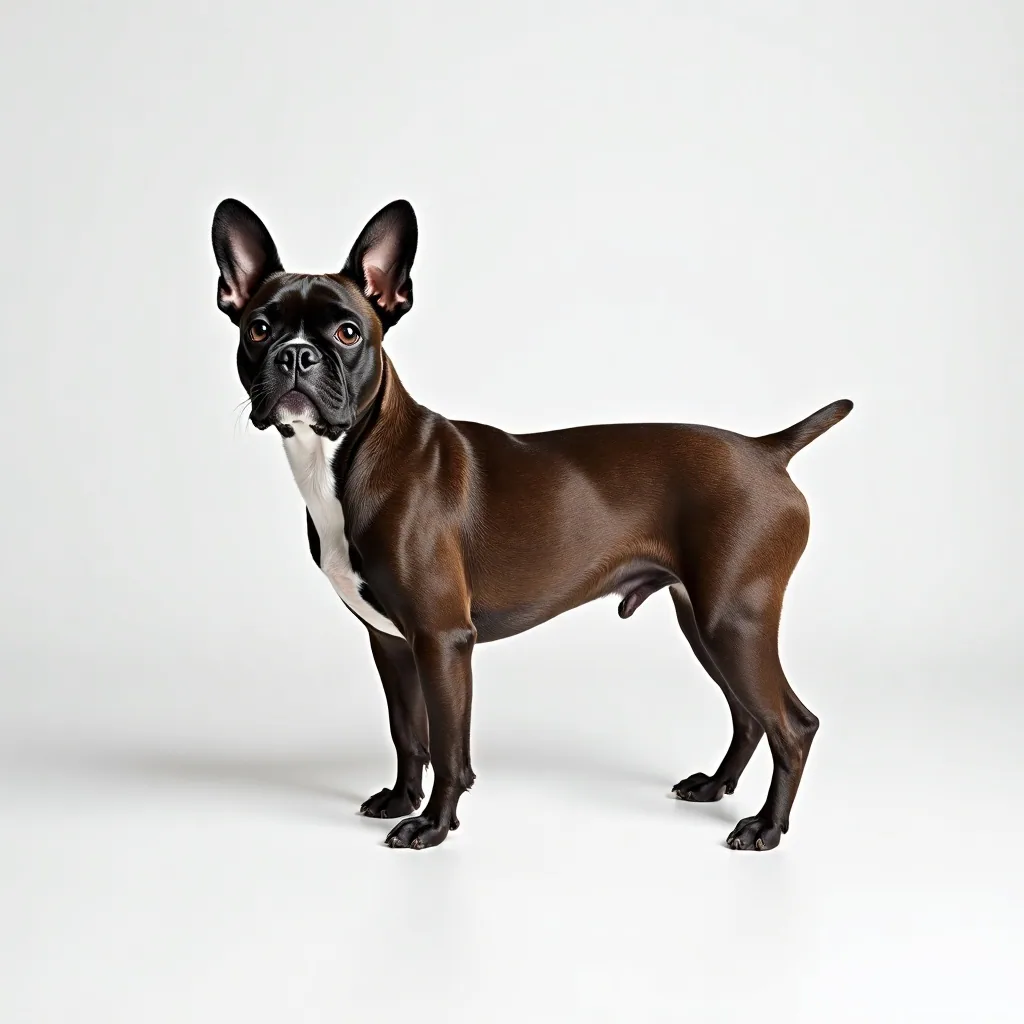
Frenchton
An affectionate, easygoing French Bulldog–Boston Terrier cross popular as a companion. Often a little longer-nosed than a Frenchie, but both parents are flat-faced, so breathing risk varies depending on which parent they take after.
Similar size, different type
French Bulldog
A compact, easy-going companion that suits flats and modest exercise — but with serious health considerations.
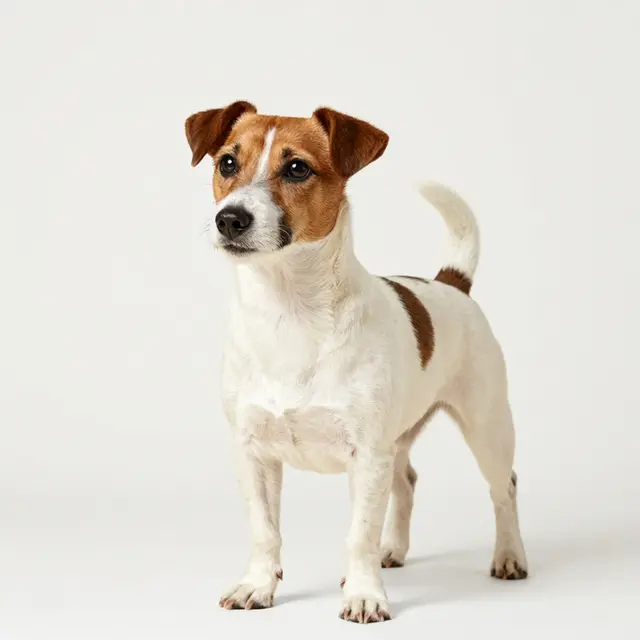
Jack Russell Terrier
A small dog with a huge personality — bold, clever and bursting with energy and prey drive.
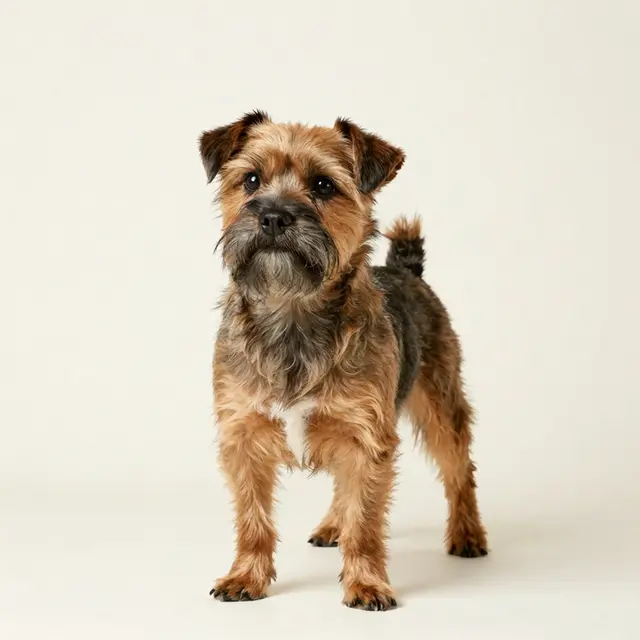
Border Terrier
A hardy, good-natured working terrier that’s friendlier with people and dogs than many of its terrier cousins.
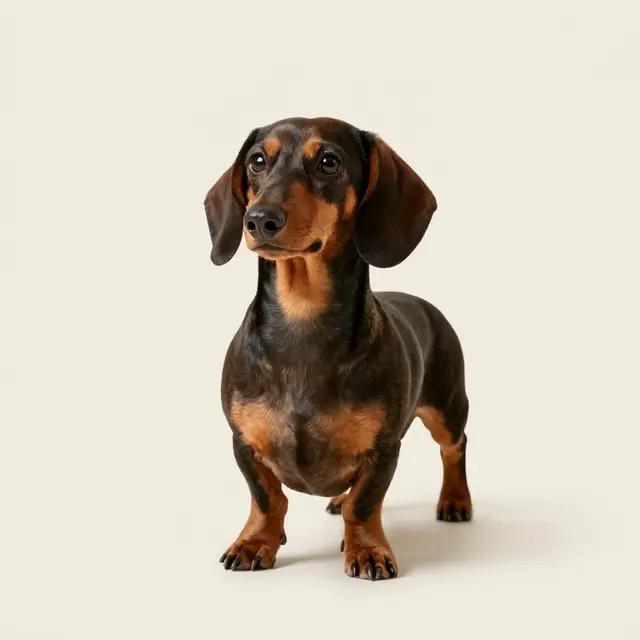
Dachshund
A bold, characterful "sausage dog" that suits smaller homes but needs careful handling of its long back.
Is the Pug your breed?
Create your pet profile and get personalised food, toy, insurance and health recommendations — tailored to your dog.
Frequently asked questions
How long do Pugs live?
Pugs typically live to around 11–13 years, with many reaching their early teens. UK VetCompass research at the Royal Veterinary College found an average lifespan of roughly 11 years. As a brachycephalic (flat-faced) breed, Pugs are prone to several health problems that can affect both their quality of life and their lifespan, so where you buy from, keeping them lean, and good preventive veterinary care all matter a great deal. Choosing a kitten — sorry, a puppy — from a breeder who screens for breathing, eye and spinal problems helps yours land at the healthier end of the range.
Do Pugs have breathing problems?
Yes, and this is the breed's most serious welfare issue. Because Pugs have a very short, flat skull, many are affected by Brachycephalic Obstructive Airway Syndrome (BOAS), a condition where narrowed nostrils, an overlong soft palate and other airway abnormalities make breathing difficult. RVC VetCompass research found Pugs are far more likely than other dogs to suffer BOAS and several related conditions. Signs include noisy or laboured breathing, snorting, snoring, struggling in heat or after exercise, and disturbed sleep. It is not normal or 'just the breed' — it is a health problem that can need surgery, and it is the single biggest reason to buy only from breeders who screen for it.
Are Pugs good family dogs?
Pugs are affectionate, sociable, people-focused little dogs and are generally very good with children and other pets, which is a big part of their popularity. They are playful, even-tempered and love being part of family life. However, an honest answer has to include their health: many Pugs struggle with breathing, eye and skin problems, can overheat dangerously and may face significant vet bills. They suit families who can afford good insurance and veterinary care, will keep them lean and cool, and who buy from a responsible breeder that health-tests. They are companion dogs that want to be with you, so they do not suit homes where they would be left alone all day.
How much does a Pug cost?
A well-bred Pug puppy from a Kennel Club Assured Breeder in the UK typically costs several hundred to over a thousand pounds, depending on the breeder and lines. The far bigger figure is the lifetime cost. Because Pugs are prone to breathing, eye, skin and spinal problems, veterinary bills and insurance premiums tend to be higher than for many breeds, and some Pugs need costly surgery such as BOAS airway correction. Across an 11–13 year life, food, insurance, preventive care and potential treatment add up to a substantial commitment, so budget realistically and insure early.
Do Pugs need a lot of grooming?
Pugs are short-coated and do not need clipping, but they are not low-maintenance. They shed heavily for their size and benefit from brushing once or twice a week. The bigger job is their face: the deep skin folds (wrinkles), especially the nose roll, must be cleaned and dried regularly to prevent painful skin-fold infections. Their large, prominent eyes need watching for discharge, redness or injury, their ears checked, nails trimmed and teeth brushed. So while the coat is easy, the wrinkles, eyes and skin make day-to-day care more involved than people expect.
Why do Pugs snore and snort so much?
The snoring, snorting and noisy breathing many people find endearing in Pugs is usually a sign of obstructed airways rather than a harmless quirk. Their flat-faced shape means the airway is compressed into a much shorter space, which is the basis of Brachycephalic Obstructive Airway Syndrome (BOAS). Some noise can occur in healthy individuals, but persistent loud breathing, snorting, snoring, gagging or struggling for breath should be assessed by a vet, as it can indicate a condition that affects welfare and may benefit from treatment or surgery. It should never be dismissed as 'just what Pugs do'.
What health problems are Pugs prone to?
Pugs are one of the breeds most affected by conformation-related disease. RVC VetCompass research has found they are at much higher risk than other dogs of Brachycephalic Obstructive Airway Syndrome (BOAS), eye problems such as corneal ulcers and other ocular conditions, and skin-fold dermatitis. They are also prone to overheating, obesity, dental disease, and spinal problems including hemivertebrae linked to their curled tail. Their large eyes are vulnerable to injury and a condition called pigmentary keratitis. Buying from a breeder who screens, keeping your Pug slim and cool, and prompt veterinary care reduce the risks but cannot remove them entirely.
Can Pugs overheat?
Yes, very easily, and it can be fatal. Because their compromised airways make panting — a dog's main way of cooling down — far less effective, Pugs are at high risk of heatstroke in warm weather, during exercise or in a hot car or room. RVC research has shown brachycephalic breeds are significantly more likely to suffer heat-related illness. Never leave a Pug in a warm car even briefly, avoid exercise in the heat, walk in the cool of the morning or evening, always provide shade and water, and learn the signs of heatstroke, which is an emergency. Cooling mats and careful management help a great deal in summer.
Should I buy a Pug, given the health problems?
This is a genuinely important question and welfare organisations including the RSPCA, PDSA and the British Veterinary Association have raised serious concerns about flat-faced breeds. Pugs can make loving companions, but many suffer from breathing, eye and skin problems caused by how they are bred. If you do choose a Pug, you can reduce the risks by buying only from a responsible breeder who health-tests and breeds for more moderate features — for example using the Kennel Club and University of Cambridge Respiratory Function Grading Scheme for BOAS — meeting the parents, and avoiding the most extreme flat-faced appearance. Consider a rescue Pug too. Going in with open eyes, good insurance and a commitment to veterinary care is essential.
Are Pugs easy to train?
Pugs are intelligent and eager to please but also have an independent, sometimes stubborn streak, and they are strongly food-motivated, which can be a help and a hindrance. Short, positive, reward-based sessions work far better than repetition or harsh methods, and early socialisation makes for a confident, well-mannered adult. House-training can take patience. Because they tire and overheat easily, keep training sessions brief and avoid working them hard in warm conditions. With kindness and consistency, most Pugs learn happily, and their love of food and people makes them willing little students.
Are Pugs good with children?
Good with children. As a general guide, Pugs tend to be patient and tolerant. Whatever the breed, always supervise dogs and young children and teach kids to interact gently.
How much exercise does a Pug need?
As a healthy adult, a typical Pug needs around 30 minutes (gentle, broken into shorter walks) of exercise a day (30–45 minutes), split across walks plus play. A good sniffy walk plus some play and training usually keeps them happy. Puppies, seniors and dogs with health conditions need less — ask your vet.
Do Pugs shed a lot?
High shedding. Coat upkeep is easy-care — a quick brush now and then is usually enough.
Are Pugs easy to train and good for first-time owners?
Good for first-time owners. Pugs are generally a forgiving choice for first-time owners who put in early training and socialisation. Reward-based training and early socialisation help any dog.
Do Pugs bark a lot?
Quiet. They are usually fairly easy-going about barking, though any dog will bark if bored or under-exercised.
Are Pugs good with other dogs?
Sociable with other dogs. Early, positive socialisation with other dogs from a young age makes a big difference.
Do Pugs suit flats or smaller homes?
Flat-friendly. A Pug can adapt to flat living as long as it gets its daily exercise and company.
Sources
- The Kennel Club — Pug breed information: https://www.thekennelclub.org.uk/breed-standards/toy/pug/
- PDSA — Pug breed guide: https://www.pdsa.org.uk/pet-help-and-advice/looking-after-your-pet/puppies-dogs
- Royal Veterinary College (RVC) VetCompass — Pug health research: https://www.rvc.ac.uk/vetcompass
- Blue Cross — flat-faced (brachycephalic) dogs advice: https://www.bluecross.org.uk/advice/dog
- British Veterinary Association — brachycephalic dogs and BOAS guidance: https://www.bva.co.uk/take-action/our-policies/brachycephalic-dogs/
Recommended for your Pug
Matched to a Pug's size and their typical need for help with shedding, dental care, cooling for hot days.

Wooden Pet Deshedding Grooming Brush
An ergonomic wooden grooming brush with a fine-toothed edge that loosens and lifts away dead and shedding fur. The smooth contoured handle sits comfortably in the hand for quick, gentle daily de-shedding.
£14.99

Bugalugs Double-Sided Dematting Rake for Dogs & Cats
Two tools in one: tackle stubborn mats with the 9-tooth side, then thin and de-shed with the 17-tooth side — ideal for long or double-coated pets.
£11.99

Smart Choice Cooling Ice Cream Dog Toy
A TPR cooling toy that can be filled with water and frozen, for hot-weather chewing
£3.99

8-in-1 Tick Removal & Flea Comb Kit
Complete tick and flea kit with hooked tick levers, fine-tooth flea comb, tweezers and magnifier in a storage case. Lets you remove ticks cleanly and check coats for fleas on dogs and cats.
£13.99

Pet Teeth Cleaning Finger Wipes
Soft disposable finger sleeves for quick, fuss-free daily tooth cleaning. Slip one on, wipe along the teeth and gums to help reduce tartar build-up and freshen breath. 50 pieces.
£10.99

Pressure-Activated Pet Cooling Mat
Press down, feel the cool — this pressure-activated mat absorbs body heat and stays up to 10°C cooler than the room, with no freezing required.
From£34.99

Ice-Silk Cooling Dog Bed with Bolster Edge
A breathable ice-silk cooling bed with a soft bolster edge and a cool-touch centre panel that helps your dog stay comfortable through warm weather. No need to freeze or refrigerate, it cools naturally on contact.
From£12.99

Ice-Silk Cooling Pad for Pets
A breathable, anti-slip ice-silk cooling mat that keeps cats and dogs comfortable on hot days, no freezing required. It rolls up neatly for travel and the cool-touch surface helps reduce overheating at home or in the car.
From£8.99
Suggestions based on breed traits — always check sizing and suitability for your individual dog.
Got a Pug? Save them to a pet profile for tailored picks across the whole site.
Happier, healthier pets — in your inbox.
Breed care tips, seasonal advice and first access to new arrivals. No spam, unsubscribe anytime.
Every dog is an individual — temperament and needs vary. Please research thoroughly, meet dogs in person, and consider adopting from a rescue. This is general guidance, not a substitute for advice from your vet or a qualified trainer.