
Pug Grooming & Care (Coat, Wrinkles & Eyes)
How to groom and care for a Pug — managing the shedding coat, cleaning the wrinkles, caring for those big eyes, plus nails, teeth, ears and weight.
The quick answer
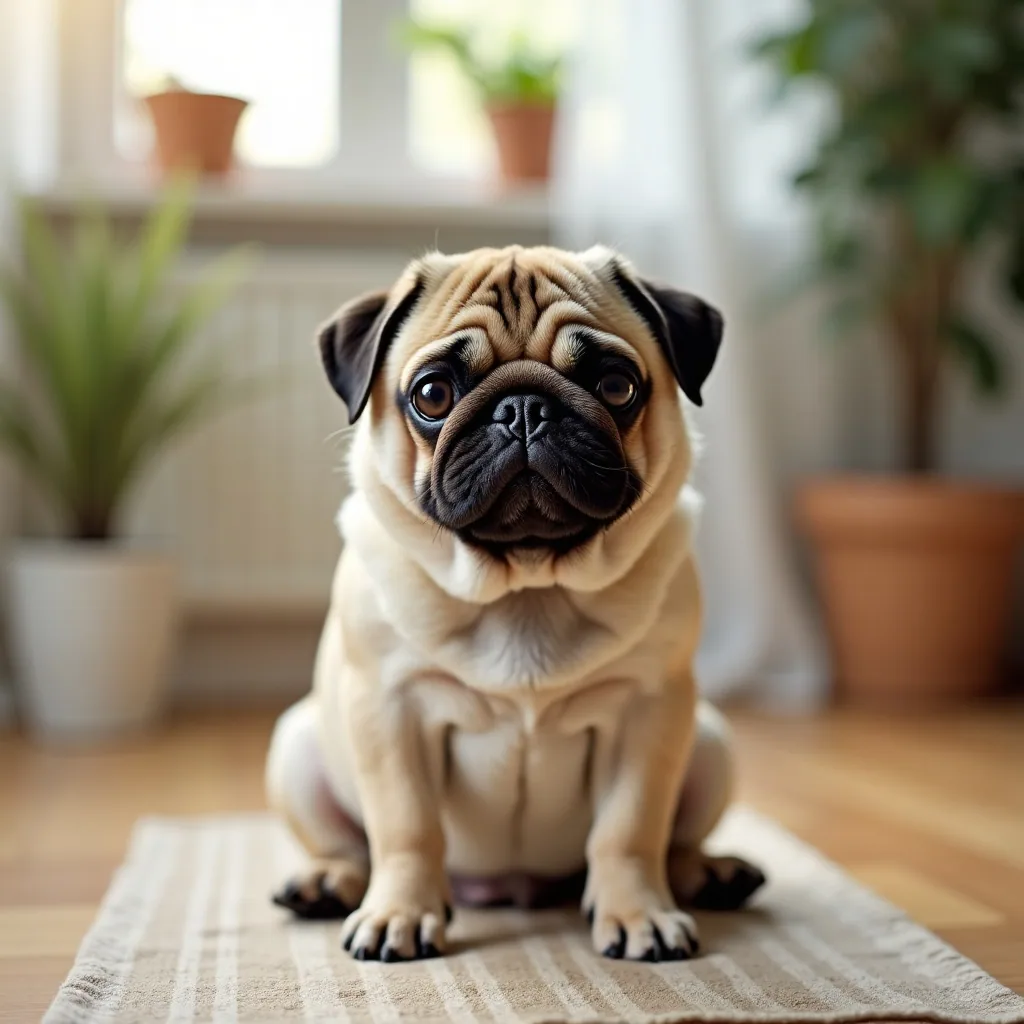
Pugs are short-coated and do not need clipping, but they are not low-maintenance. They shed heavily for their size and benefit from brushing once or twice a week. The bigger job is their face: the deep skin folds (wrinkles), especially the nose roll, must be cleaned and dried regularly to prevent painful skin-fold infections.
People often assume a short-coated Pug is low-maintenance, but the breed actually needs more day-to-day care than its smooth coat suggests. The coat itself is easy, but the wrinkles, eyes and skin need real attention, and getting that care right is central to keeping a Pug comfortable and healthy. Here is how to groom and care for a Pug properly.
The Pug coat and shedding
Pugs have a short, smooth, double coat that does not need clipping — but it does shed, and more than you might expect for such a small dog. Fawn Pugs in particular have a double coat that moults heavily, often with seasonal peaks in spring and autumn, while black Pugs typically have a single coat that sheds a little less. Brush once or twice a week with a soft brush or grooming mitt to remove loose hair, spread the coat's natural oils, keep the skin healthy and cut down on the fur around your home — see our grooming brushes. Regular brushing is also a good chance to run your hands over your dog and check for lumps, parasites or sore spots. A bath every now and then, with a gentle dog shampoo, keeps the coat clean; there is no need to over-bath, which can dry the skin and strip those protective oils.
Caring for the wrinkles
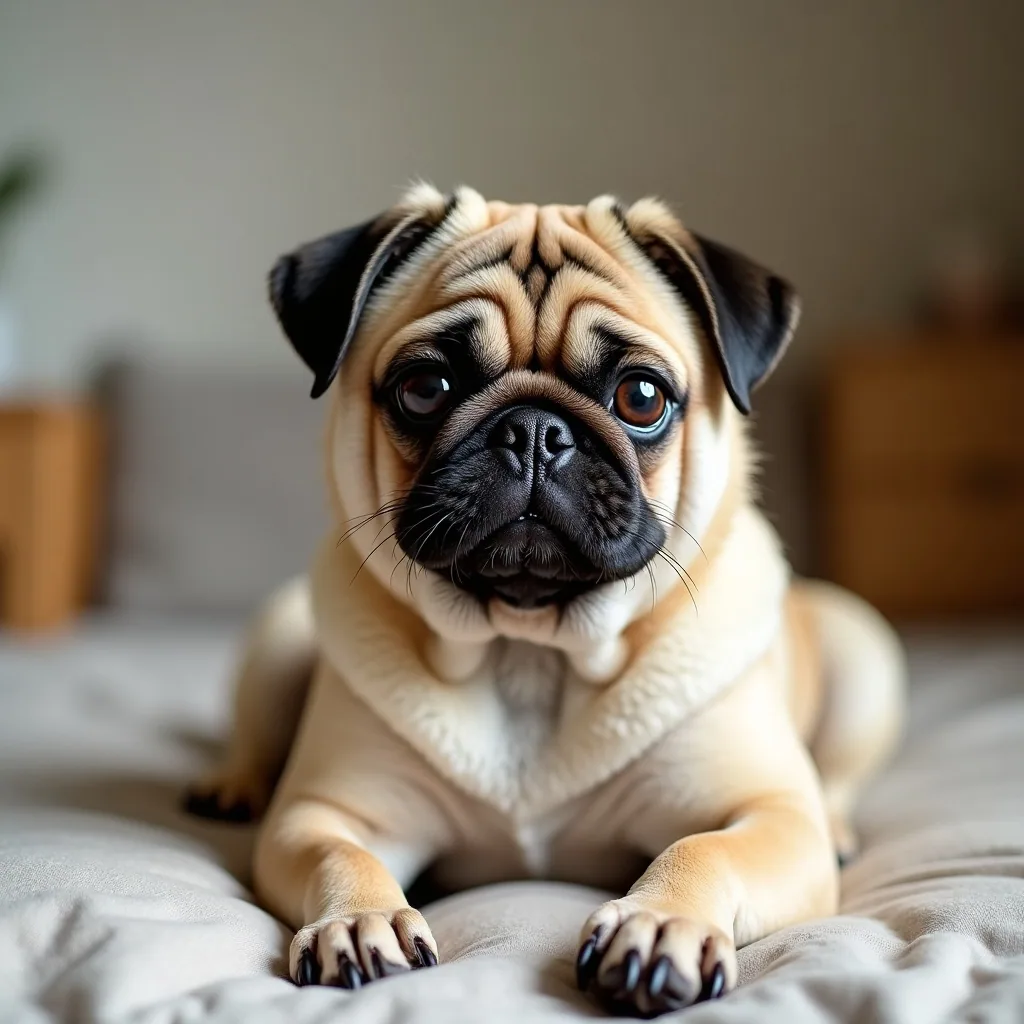
This is the part many new owners underestimate. A Pug's deep facial folds, especially the nose roll above the muzzle, trap moisture, dirt and food debris, creating the perfect environment for sore, smelly skin-fold dermatitis and infection. To prevent this:
- Clean the folds regularly — often daily — with a damp cloth or a vet-approved wipe.
- Dry them thoroughly afterwards, as trapped moisture is the main cause of problems.
- Check for redness, odour or soreness, and see your vet if the skin looks irritated.
A few minutes a day on the wrinkles prevents a great deal of discomfort and avoids painful, recurring infections.
Caring for those big eyes
Pugs' large, prominent eyes are appealing but vulnerable to injury and disease, including corneal ulcers and pigmentary keratitis. Day to day:
- Wipe away any normal discharge gently from the corners with a clean, damp cloth.
- Keep the nose-roll hair from rubbing the eyes.
- Watch closely for squinting, redness, cloudiness, excessive tearing or pawing — these need prompt veterinary attention, as eye problems can worsen within hours.
Never ignore an eye that looks sore or different; with this breed, quick action protects sight.
Nails, teeth and ears
Grooming is about more than the coat, wrinkles and eyes:
- Nails. Trim every few weeks if they are not worn down naturally, taking only the clear tip and avoiding the pink quick. See our nail care range.
- Teeth. Small breeds like Pugs are prone to dental disease, so brush the teeth with dog toothpaste regularly and keep up vet dental checks — browse dental care.
- Ears. Check occasionally for wax, redness or odour, and wipe only the visible part with a vet-approved cleaner if needed. Never push anything into the ear canal.
Weight, diet and keeping cool
Pugs love their food and gain weight very easily, and obesity makes their breathing, joints and overall health markedly worse. Feed a good-quality, complete diet in measured portions rather than free-feeding, judge condition by body shape — you should be able to feel the ribs and see a slight waist — and resist those pleading eyes at the table. Our pet calorie calculator helps you get portions right, and a slow feeder helps an enthusiastic eater pace themselves. Because Pugs overheat easily, keep them cool in warm weather with shade, water and a cooling mat, and walk only in the cool parts of the day.
Harness, not collar
For a flat-faced breed, a well-fitted harness is kinder than a collar, because it avoids putting pressure on an already-compromised airway and windpipe. Browse our dog harnesses for a comfortable fit, and keep walks gentle and unhurried.
Building a routine
Grooming and care are also bonding time. Start young, keep sessions short, calm and rewarding, and your Pug will learn to accept wrinkle cleaning, eye checks, nail trims and handling happily. A consistent daily routine — wrinkles, eyes, a quick once-over — combined with weekly brushing and good weight and temperature management, keeps this characterful little breed comfortable and healthy. For more on the breed, see our guides on family life and lifespan and health.
*This is general guidance. If you find sore skin, an eye that looks wrong, stubborn ear problems or anything you cannot easily manage, see your vet promptly.*
Sources
- The Kennel Club — Pug grooming and breed care (thekennelclub.org.uk).
- PDSA — grooming, dental, eye and weight care for dogs (pdsa.org.uk).
- Blue Cross — grooming and caring for your dog (bluecross.org.uk).
- RVC VetCompass — Pug skin and eye health research (rvc.ac.uk/vetcompass).
Common questions
Do Pugs need a lot of grooming?
Pugs are short-coated and do not need clipping, but they are not low-maintenance. They shed heavily for their size and benefit from brushing once or twice a week. The bigger job is their face: the deep skin folds (wrinkles), especially the nose roll, must be cleaned and dried regularly to prevent painful skin-fold infections. Their large, prominent eyes need watching for discharge, redness or injury, their ears checked, nails trimmed and teeth brushed. So while the coat is easy, the wrinkles, eyes and skin make day-to-day care more involved than people expect.
How do I clean a Pug's wrinkles?
Clean the facial folds regularly — often daily — using a damp cloth or a vet-approved wipe, paying special attention to the nose roll above the muzzle. The most important step is to dry the folds thoroughly afterwards, because trapped moisture is the main cause of sore, smelly skin-fold dermatitis and infection. Check the skin inside the folds for redness, odour or soreness as you go, and see your vet if the skin looks irritated or infected. A few minutes a day prevents a great deal of discomfort and avoids recurring problems.
Do Pugs shed a lot?
Yes, Pugs shed more than people expect for such a small, short-coated dog. Fawn Pugs in particular have a double coat that moults heavily, while black Pugs often have a single coat that sheds a little less. Brushing once or twice a week with a soft brush or grooming mitt removes loose hair before it ends up around your home and keeps the coat healthy. They are not hypoallergenic, so shedding will still spread allergens. A consistent grooming routine keeps shedding to a manageable level.
About the author
Matt Garnett — founder, Giddy Pets
Matt started Giddy Pets to make getting pets the good stuff simpler and fairer. Everything in these guides comes from real life with pets and a lot of trial and error — it's practical guidance, not veterinary advice. If a guide gets something wrong, tell him directly.
Free tools & more guides
Read next
Are Pugs Good Family Dogs?
What Pugs are really like to live with — their affectionate temperament, how they are with children and pets, and the health realities every family should weigh up.
How Long Do Pugs Live? Lifespan & Health
How long Pugs live, the health conditions that can shorten the breed's life, and the practical steps that help yours reach a healthy old age.
Pug Breathing Problems & Health: An Honest Guide
An honest, factual look at Pug breathing problems and the breed's wider health issues — BOAS, eyes, skin, overheating and spine — and how to reduce the risks.
How Much Does a Pug Cost? Buying & Lifetime Costs
What a Pug really costs — the purchase price of a health-screened puppy, the lifetime running costs, and why insurance matters so much for this breed.