
Are Pugs Good Family Dogs?
What Pugs are really like to live with — their affectionate temperament, how they are with children and pets, and the health realities every family should weigh up.
The quick answer
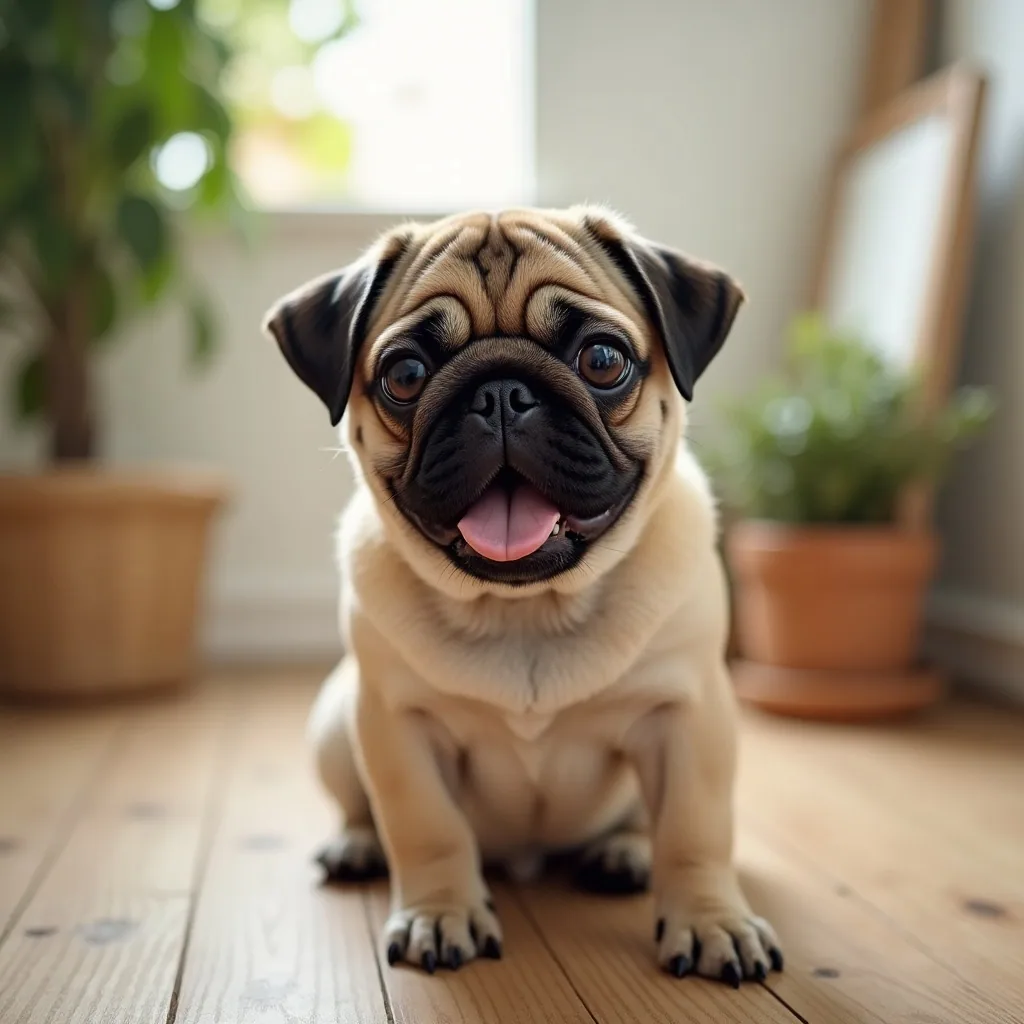
Pugs are affectionate, sociable, people-focused little dogs and are generally very good with children and other pets, which is a big part of their popularity. They are playful, even-tempered and love being part of family life.
Few dogs have a fan club quite like the Pug's. Small, comical and devoted, they are one of the UK's favourite companion breeds and have a reputation for being brilliant with families. But are Pugs actually good family dogs, and would one suit your home? Here is an honest look at the breed's temperament, the quirks that come with it, and — crucially — the health realities every family should weigh up before deciding.
The Pug temperament
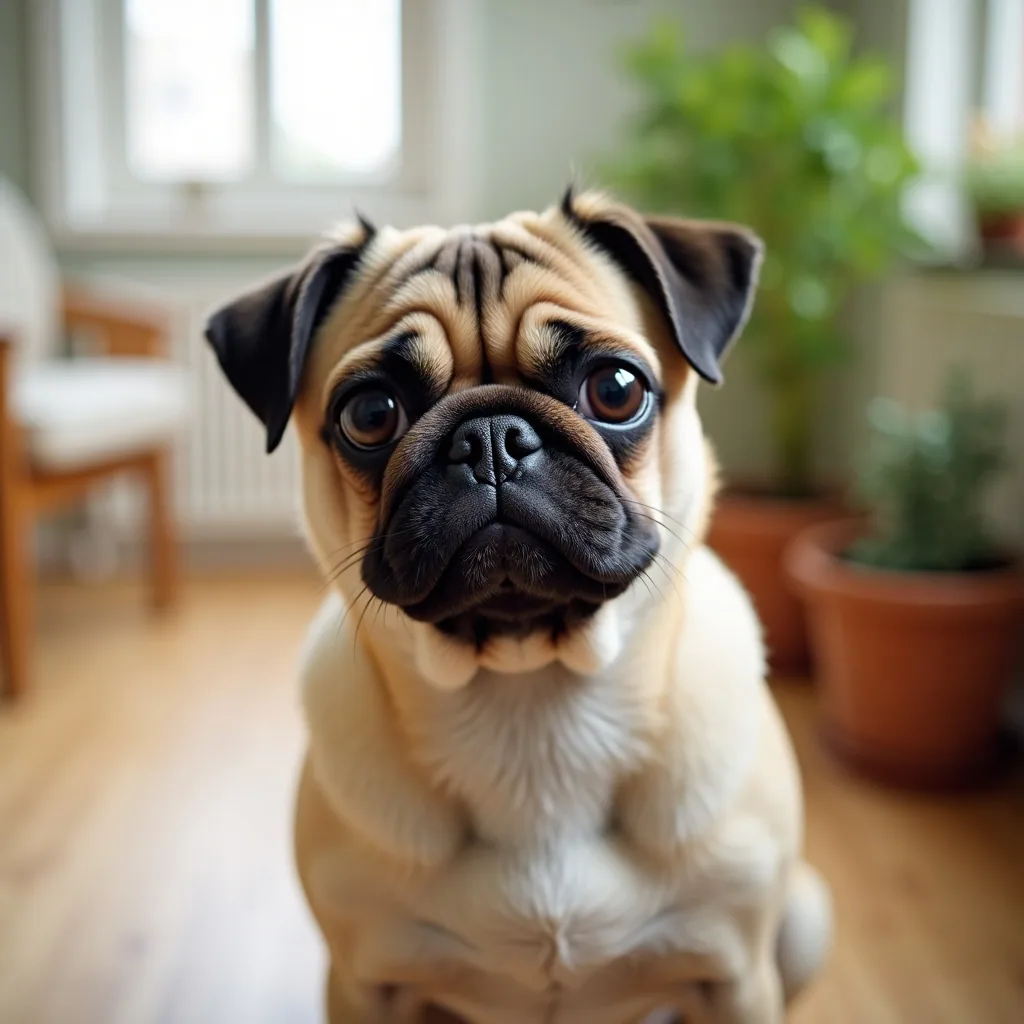
Pugs are best known for being affectionate, sociable and people-focused. They are even-tempered, playful little dogs who thrive on company and love nothing more than being part of whatever their family is doing. The breed's traditional motto, *multum in parvo* — 'a lot in a little' — captures it well: a big, charming personality in a compact body. They are generally not yappy or highly strung, and their comical expressions and habits make them wonderful, entertaining companions.
Good with children and other pets
Pugs are typically very good with children and with other dogs and pets. Their gentle, tolerant and friendly nature means they often cope well with the bustle of family life and rarely show aggression. As with any dog, young children should be taught to handle them gently and to respect the dog's need for rest, and interactions between dogs and small children should always be supervised. Because Pugs are sturdy but small, care should be taken that they are not accidentally dropped or squashed. Done well, a Pug can be a delightful, easy-going family companion.
They want to be with you
The flip side of being so sociable is that Pugs are companion dogs that do not like being left alone for long. They form strong bonds and can become distressed or develop unwanted behaviours if left for hours on end. They suit households where someone is around much of the day, or who can arrange company and stimulation. A cosy dog bed in the heart of the home suits this people-loving breed perfectly.
Exercise and energy
Pugs are playful but not high-energy or sporty, and importantly their exercise must be managed carefully because of their breathing. Short, gentle walks and play suit them far better than long or vigorous exercise, and activity should always be in the cool parts of the day to avoid overheating. They are well suited to family or town life and do not need a big garden, but they do need their walks kept sensible. Our dog walking calculator can help you plan appropriate activity.
The health reality families must weigh up
An honest answer to 'are Pugs good family dogs?' has to include their health. Pugs are a brachycephalic (flat-faced) breed, and many suffer from breathing difficulties (BOAS), eye problems, skin-fold infections and a high risk of overheating, as well as obesity and spinal issues. RVC VetCompass research has shown the breed is far more prone to these conditions than dogs in general. For a family, this means:
- Potentially significant vet bills and the importance of good insurance.
- A dog that may struggle in heat and on energetic days out.
- Daily care of wrinkles and eyes (see our grooming and care guide).
- Emotional preparation for a breed with real health challenges.
This does not mean a Pug cannot be a wonderful family pet — millions are much-loved — but families should go in with eyes open. Reading our honest breathing and health guide before deciding is strongly recommended, and choosing a health-screened puppy or a rescue Pug makes a real difference.
Who do Pugs suit?
- Families wanting an affectionate, gentle, low-exercise companion.
- Households where someone is usually home, as Pugs hate being left alone.
- Owners who can afford good insurance and veterinary care.
- People happy to keep a dog lean and cool and to clean wrinkles daily.
- Town and flat dwellers, as they do not need lots of space.
They suit less well anyone out all day, anyone wanting a sporty hiking or running companion, or anyone who cannot budget for the breed's potential health costs.
The honest verdict
For the right, well-prepared home, Pugs make loving, comical and easy-going family dogs. They ask for company, gentle care and a real commitment to their health in return. Weigh up the health realities honestly, buy responsibly, and a Pug can be a treasured member of the family. For more, see our guides on lifespan and health and costs.
*This is general guidance. Every dog is an individual, so meet the parents and puppies before choosing, and speak to your vet about your situation.*
Sources
- The Kennel Club — Pug breed temperament and information (thekennelclub.org.uk).
- RVC VetCompass — Pug health research (rvc.ac.uk/vetcompass).
- Blue Cross — choosing a dog and dog behaviour (bluecross.org.uk).
- PDSA — dog care and flat-faced breed health (pdsa.org.uk).
- RSPCA — choosing a healthy dog (rspca.org.uk).
Common questions
Are Pugs good family dogs?
Pugs are affectionate, sociable, people-focused little dogs and are generally very good with children and other pets, which is a big part of their popularity. They are playful, even-tempered and love being part of family life. However, an honest answer has to include their health: many Pugs struggle with breathing, eye and skin problems, can overheat dangerously and may face significant vet bills. They suit families who can afford good insurance and veterinary care, will keep them lean and cool, and who buy from a responsible breeder that health-tests. They are companion dogs that want to be with you, so they do not suit homes where they would be left alone all day.
Are Pugs easy to train?
Pugs are intelligent and eager to please but also have an independent, sometimes stubborn streak, and they are strongly food-motivated, which can be a help and a hindrance. Short, positive, reward-based sessions work far better than repetition or harsh methods, and early socialisation makes for a confident, well-mannered adult. House-training can take patience. Because they tire and overheat easily, keep training sessions brief and avoid working them hard in warm conditions. With kindness and consistency, most Pugs learn happily, and their love of food and people makes them willing little students.
Can Pugs overheat?
Yes, very easily, and it can be fatal. Because their compromised airways make panting — a dog's main way of cooling down — far less effective, Pugs are at high risk of heatstroke in warm weather, during exercise or in a hot car or room. RVC research has shown brachycephalic breeds are significantly more likely to suffer heat-related illness. Never leave a Pug in a warm car even briefly, avoid exercise in the heat, walk in the cool of the morning or evening, always provide shade and water, and learn the signs of heatstroke, which is an emergency. Cooling mats and careful management help a great deal in summer.
About the author
Matt Garnett — founder, Giddy Pets
Matt started Giddy Pets to make getting pets the good stuff simpler and fairer. Everything in these guides comes from real life with pets and a lot of trial and error — it's practical guidance, not veterinary advice. If a guide gets something wrong, tell him directly.
Free tools & more guides
Read next
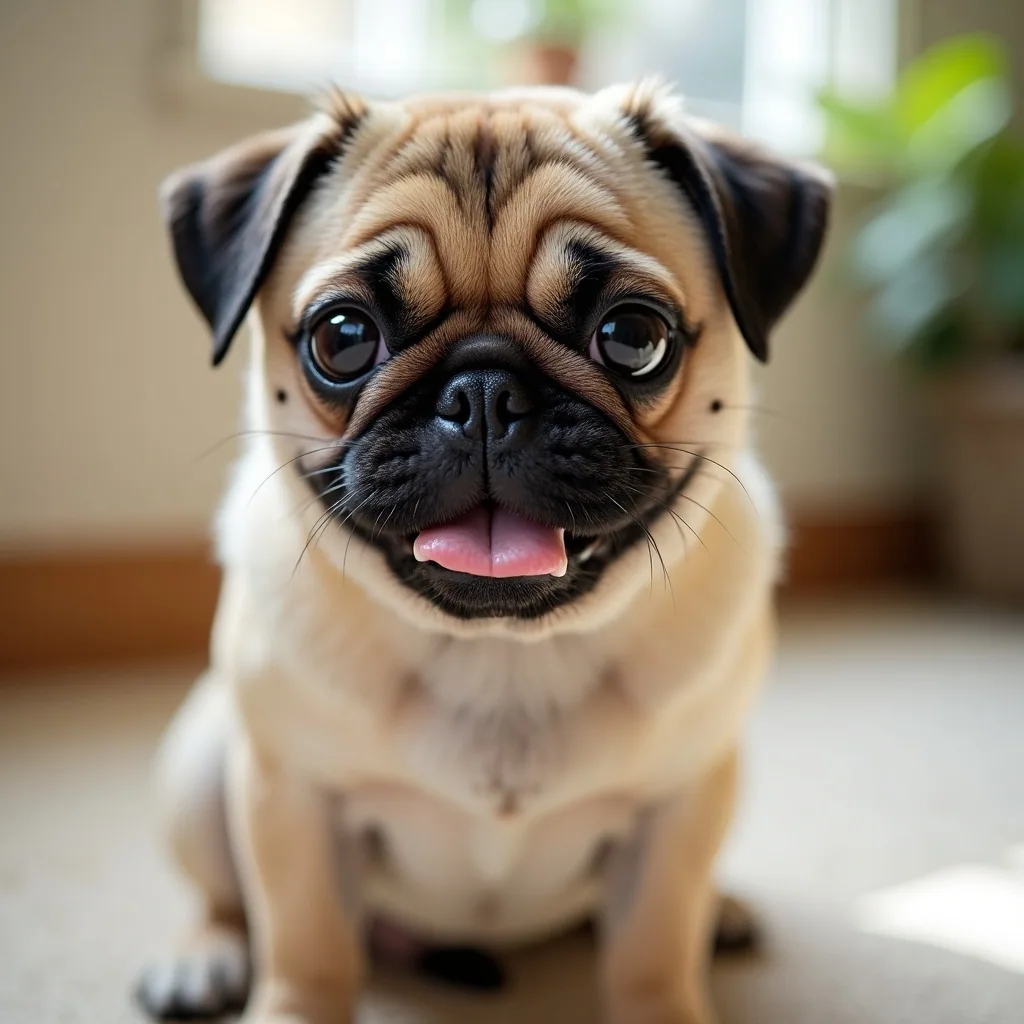
Pug Breathing Problems & Health: An Honest Guide
An honest, factual look at Pug breathing problems and the breed's wider health issues — BOAS, eyes, skin, overheating and spine — and how to reduce the risks.
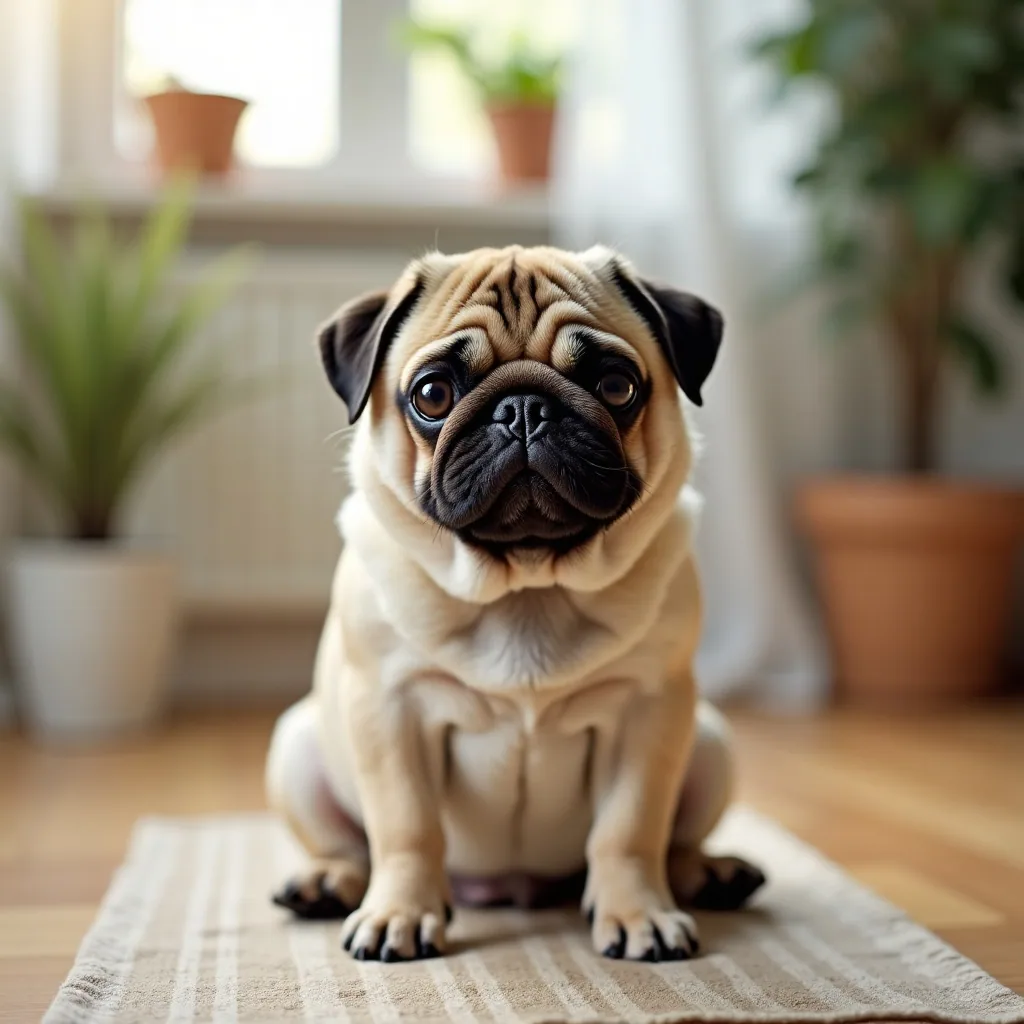
Pug Grooming & Care (Coat, Wrinkles & Eyes)
How to groom and care for a Pug — managing the shedding coat, cleaning the wrinkles, caring for those big eyes, plus nails, teeth, ears and weight.
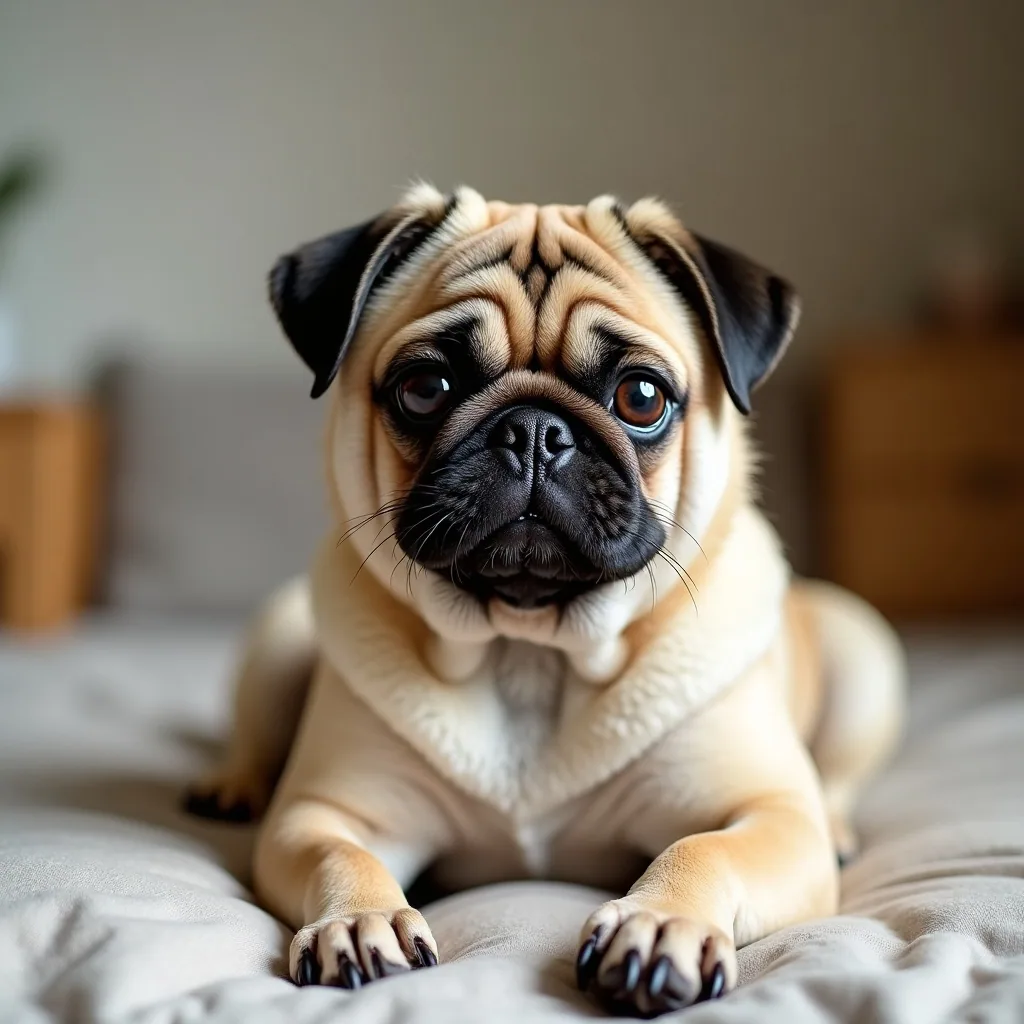
How Much Does a Pug Cost? Buying & Lifetime Costs
What a Pug really costs — the purchase price of a health-screened puppy, the lifetime running costs, and why insurance matters so much for this breed.
How Long Do Pugs Live? Lifespan & Health
How long Pugs live, the health conditions that can shorten the breed's life, and the practical steps that help yours reach a healthy old age.