

Bulldog
The English Bulldog descends from old bull-baiting dogs, bred down into a gentle, dependable companion after that cruel sport was banned. Calm, affectionate and famously stubborn, it's a low-energy, devoted family dog. It suits owners who'll keep it cool and lean and go in fully aware of the breed's significant flat-faced health needs.

Bulldog scorecard
Overview
The Bulldog — often called the English Bulldog to distinguish it from related breeds — is one of Britain's most recognisable dogs, a thickset, low-slung, muscular companion with a broad head, pushed-in face, loose skin and an unmistakable rolling gait. Standing only around 31–40 cm at the shoulder but weighing roughly 23–25 kg, the Bulldog packs a great deal of mass into a compact, sturdy frame. The Kennel Club places it in the Utility Group. Calm, affectionate and famously good-natured, the modern Bulldog is a gentle family companion that has shed the aggression of its bull-baiting ancestry entirely.
The Bulldog is, however, a breed that comes with serious and well-documented health responsibilities. Its extreme conformation — a very short muzzle, heavy build and characteristic skin folds — is associated with significant breathing, skin, joint and reproductive problems, and these concerns have prompted ongoing welfare debate and revisions to breed standards in the UK. Anyone considering a Bulldog should go into ownership fully informed, choose carefully from health-tested lines, and be prepared for the care and veterinary attention the breed commonly requires.
Good to know — a Bulldog is flat-friendly and good for first-time owners. Every dog is an individual, so meet a few and chat to a good breeder or rescue before deciding.
Save the Bulldog guide
Thinking about a Bulldog? Pop your email in and we’ll send this guide so you can come back to it any time — handy while you compare breeds.
Popular searches for the Bulldog
History & origins
The Bulldog's origins lie in England, where the breed takes its name from the cruel sport of bull-baiting, in which dogs were set upon tethered bulls. Bulldogs of that era were bred for tenacity, a powerful grip and a robust, athletic build. When bull-baiting and similar blood sports were outlawed in Britain by the Cruelty to Animals Act of 1835, the breed lost its original purpose and might have disappeared altogether.
Instead, devotees reshaped the Bulldog into a companion animal over the following decades, selecting for a calmer temperament and the distinctive appearance prized in the show ring. By the late nineteenth century the Bulldog had become a settled breed with its own clubs and standards, and it grew into an enduring national symbol of British tenacity. Over the twentieth century, selection for ever more exaggerated features gradually produced the heavier, more brachycephalic dog of today — a change that has brought the breed both popularity and the health controversies that now surround it.
Temperament & family fit
Bulldogs are placid, affectionate and dependable dogs with a reputation for being wonderful family companions. They are typically gentle, patient and tolerant, getting on well with children and generally enjoying a quiet, sociable home life. Despite a somewhat stubborn, dignified streak, most Bulldogs are eager for human company and affection, and they tend to form strong, loyal bonds with their households. The fierce, combative nature of the breed's distant ancestors has been bred out, and the modern Bulldog is far more interested in a comfortable spot on the sofa than in any kind of confrontation.
That said, the Bulldog can be determined and is not always the most biddable dog when it has decided it would rather not do something. Bulldogs are usually friendly with people and reasonably sociable with other dogs when well socialised, though some can be assertive with unfamiliar dogs. They are not generally noisy or excitable, tending towards a laid-back, low-energy disposition. Early socialisation helps ensure a confident, well-mannered adult, and their easy-going temperament makes them suitable for many first-time owners — provided those owners understand the breed's substantial health needs.
- Families with children of all ages
- Committed first-time owners
- Flats or houses with daily exercise
Training & intelligence
Bulldogs are intelligent in their own way but can be notably stubborn, so training calls for patience, consistency and plenty of motivation. They respond best to short, positive, reward-based sessions and lose interest quickly if drilled or handled harshly. Food can be a strong motivator, but treats must be used carefully because the breed gains weight easily and excess weight is especially harmful given its breathing and joint vulnerabilities.
Early socialisation and basic obedience are well worth the effort, helping the Bulldog grow into a calm, well-mannered adult. House-training can take a little persistence. Owners should keep training sessions cool and unhurried, particularly in warm weather, because the Bulldog's restricted breathing means it overheats and tires far more quickly than other breeds. Realistic expectations help: the Bulldog is a steady companion rather than an obedience-competition athlete, and gentle, encouraging methods suit it far better than pressure.
- Start socialisation & handling early
- Reward-based methods only — no harsh corrections
- Keep sessions short, calm and consistent
Exercise needs
A healthy adult Bulldog typically needs around 30 minutes (gentle, broken into shorter walks) a day (roughly 30–45 minutes), split across walks, play and a little training. A good sniffy walk, some play and a little training usually keeps them content. Puppies, seniors and dogs with health conditions need adjusted amounts — check with your vet.
Grooming & coat
The Bulldog's short, smooth coat is easy to groom, needing only a weekly brush to remove loose hair, and the breed sheds moderately. The real grooming priority is the skin folds. The wrinkles around the face and the tail pocket can trap moisture, dirt and debris, leading to sore, infected skin if neglected, so these folds should be checked, cleaned and dried regularly. Routine care of the nails, ears and teeth is also important, and owners should keep an eye out for the skin and eye problems the breed is prone to. Keeping the Bulldog clean, dry in the folds and at a healthy weight is central to its day-to-day welfare.
- Brush occasionally to remove loose hair
- Bathe every few weeks or as needed
- Check ears, nails and teeth weekly
Feeding a Bulldog
Bulldogs should be fed a complete, balanced diet appropriate to their age and size, with portions carefully measured because the breed is highly prone to weight gain. Obesity is particularly dangerous for a Bulldog: extra weight worsens breathing difficulties, strains already vulnerable joints and increases the risks of overheating, so maintaining a lean body condition is one of the most valuable things an owner can do for the dog's health. Food is usually divided into two meals a day, and treats should be modest and counted within the daily ration. Some Bulldogs eat quickly and can be prone to wind and digestive upset, and fresh water should always be available, especially given their susceptibility to overheating.
A medium breed
An adult Bulldog typically weighs 23–25 kg, so a healthy Bulldog eats a moderate amount compared with other breeds. Every feeding guide on a bag is written per kilo of body weight, not per breed — start there, then adjust to the dog in front of you.
Life stage
A medium breed is usually done growing at ~12 months, which is roughly when a puppy food has finished its job. With a typical lifespan of 10–12 years, there is a long adult stretch in the middle; switch to a senior food when your vet thinks it is worth it rather than on a birthday.
This breed tends to bolt its food
A food-motivated dog will empty a bowl in under a minute given the chance. A slow feeder or a puzzle bowl turns a meal back into something that takes time, and splitting the daily ration across two or three meals helps as well.
A shallow, wide bowl suits a flat face
A flat-faced dog cannot reach into a deep bowl without pressing its nose into the sides, which is uncomfortable and makes it gulp air. A shallow bowl, and food that does not have to be chased around it, is the easier arrangement.
How much should a Bulldog weigh?
Adult 23–25 kgfully grown at ~12 months
| Age | Stage | Typical weight | Of adult size |
|---|---|---|---|
| 8 weeks | Just home | 3.5–3.8 kg | 15% |
| 3 months | Young puppy | 5.8–6.3 kg | 25% |
| 6 months | Growing fast | 11.5–12.5 kg | 50% |
| ~12 months | Fully grown | 23–25 kg | 100% |
A guide, from the same rule of thumb our puppy growth predictor uses — each age is that share of the way to maturity for a medium breed. Puppies grow fastest early, so a real puppy usually sits a little above the middle rows. Weigh yours and ask your vet if the number worries you.
Complete dog foods that suit a Bulldog
Complete foods from our range, matched to a Bulldog's size band and what the breed typically needs. Stock levels and delivery dates are live on each product.

Forthglade Cold Pressed Natural Turkey
Cold-pressed turkey kibble for dogs from 2 months, soft enough to mix with water for young pups
£45.99

Forthglade Cold Pressed Grain Free Salmon
Cold-pressed grain-free dry food for dogs, built on fresh and dried salmon
From£16.99

Forthglade Cold Pressed Grain Free Duck
Cold-pressed grain-free duck food with fruit and botanicals, in two bag sizes
From£16.99

Forthglade Cold Pressed Grain Free Chicken
Cold-pressed grain-free chicken food with fruit and botanicals, in three bag sizes
From£16.99

Forthglade Complete Meal Lightly Baked Turkey
A lightly baked complete dry food, 50% turkey, for adult dogs of any breed
From£12.49

Forthglade Complete Meal Lightly Baked Chicken
A grain-free complete dry food for adult dogs, lightly baked and built on 50% chicken
From£12.49

Forthglade Cold Pressed Grain Free Turkey
Grain-free cold-pressed turkey kibble for dogs, gentle on sensitive stomachs
£69.69

Forthglade British Classics Chicken Family Lunch
Complete Forthglade wet dog food with 75% chicken in a 395G tray
£2.45

Harringtons Puppy Turkey & Rice
Complete turkey puppy food with 30% protein and feeding bands by adult weight
£6.49

Harringtons Just 6 Dry Dog Food Lamb
Grain-free lamb dry dog food in 2KG and 12KG sizes, with size-specific formulas
From£13.99

Burns Puppy Original Lamb & Rice
Complete Burns lamb and rice puppy food in a 2KG bag for up to 12 months
£14.99

Burns Puppy Junior Original Chicken Rice
A complete puppy and junior food with dried chicken 31% and controlled fat at 15%
From£14.99
Bulldog health & costs
Before bringing a Bulldog home it pays to budget for the whole picture — food, insurance, grooming and routine vet care all add up. The figures below are typical UK estimates for a healthy adult; your real costs vary with where you live, your dog's health and the cover you choose.
Food
£400–600 / year
Complete food sized to weight & life stage
Insurance
£25–45 / month
Lifetime cover — varies by age, breed & area
Grooming
£0–60 / year
Mostly DIY at home
Routine vet care
£200–450 / year
Vaccines, flea/worm, annual check
The Bulldog is, candidly, one of the breeds most affected by conformation-related health problems, and this is the single most important thing to understand before taking one on. The typical lifespan is around 10–12 years, but many Bulldogs experience chronic health issues throughout their lives. UK welfare bodies, the Kennel Club and the veterinary profession have all raised concerns about the breed's exaggerated features, and research from programmes such as the RVC's VetCompass has documented the Bulldog's markedly higher risk of a range of disorders compared with dogs in general.
The most serious issue is brachycephalic obstructive airway syndrome (BOAS), caused by the very short muzzle, which can severely impair breathing and heat tolerance. The breed is also prone to skin-fold infections, various eye conditions, joint problems including hip and elbow dysplasia, and significant reproductive difficulties — many Bulldog litters are delivered by caesarean section because of the puppies' large heads. Prospective owners should buy only from breeders who use available health schemes (including respiratory function grading), avoid the most extreme conformation, and be prepared for the realistic likelihood of ongoing veterinary care.
Common health conditions to be aware of
- Brachycephalic obstructive airway syndrome (BOAS) — the very short muzzle commonly causes breathing difficulty, snoring, exercise intolerance and poor heat regulation.
- Heatstroke — the breed cannot cool itself efficiently and is at high risk of dangerous overheating in warm weather or with over-exertion.
- Skin-fold dermatitis — the facial wrinkles and tail pocket trap moisture and bacteria, causing sore, infected skin if not cleaned regularly.
- Hip and elbow dysplasia — joint malformations are common in the breed and can lead to pain and arthritis.
- Eye conditions (cherry eye, entropion, dry eye) — the breed is prone to several eyelid and tear-related disorders.
- Whelping difficulties (dystocia) — large-headed puppies and a narrow pelvis mean many litters require caesarean delivery.
These reflect typical, size- and coat-related risks for dogs like the Bulldog; individual breeds carry their own predispositions. Always buy from health-tested parents and speak to your vet — this isn't a diagnosis.
Protect against surprise bills
A single emergency can run into thousands. Lifetime insurance spreads the risk.
Estimate insurance →How pet insurance works →Puppy & senior care
Bringing home a Bulldog puppy
Puppies need controlled exercise (a rough guide is five minutes per month of age, twice a day) to protect growing joints, little-and-often meals of a complete puppy food, early socialisation, and a calm routine for toilet training and sleep. Book first vaccinations, microchipping and a vet check early.
New puppy checklist →Caring for a senior Bulldog
As they age, watch weight, joints and teeth, switch to a senior diet if your vet advises, keep exercise gentle but regular, and consider orthopaedic bedding and ramps. Twice-yearly vet checks help catch issues early.
Orthopaedic beds & mobility →Pros & cons
The good bits
- Calm, friendly and low exercise needs
- Good-natured and content in a flat
Things to consider
- Brachycephalic: significant breathing, skin-fold and heat problems
- Prone to joint and breeding-related health conditions
Bulldog health & care guides
In-depth, vet-sensible guides written for Bulldog owners:
Compare the Bulldog
See how the Bulldog measures up against similar breeds before you decide:
More breeds like the Bulldog
Same breed group
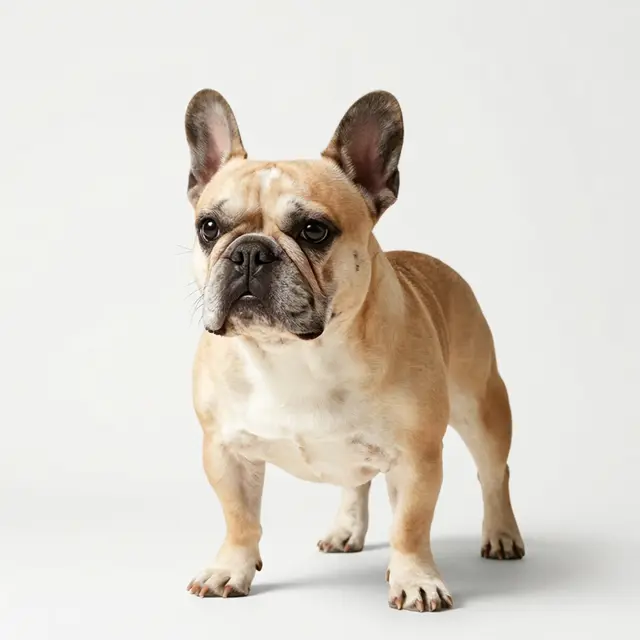
French Bulldog
A compact, easy-going companion that suits flats and modest exercise — but with serious health considerations.
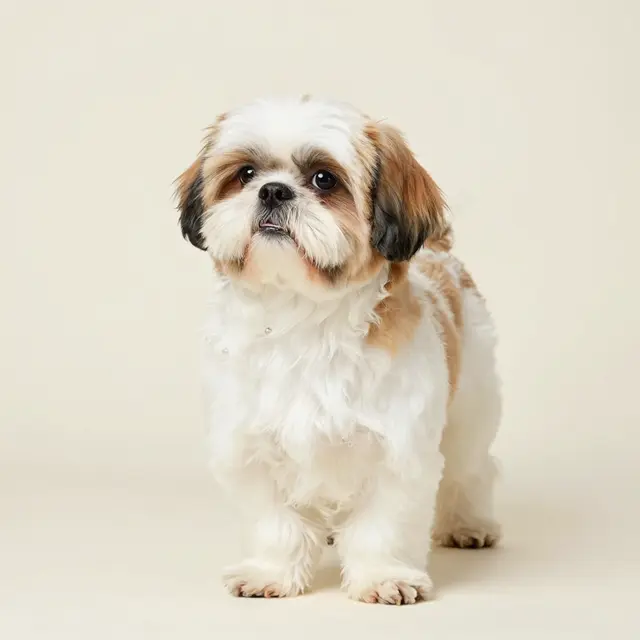
Shih Tzu
A friendly, low-energy companion bred purely for company — perfect for flats if you keep up the grooming.
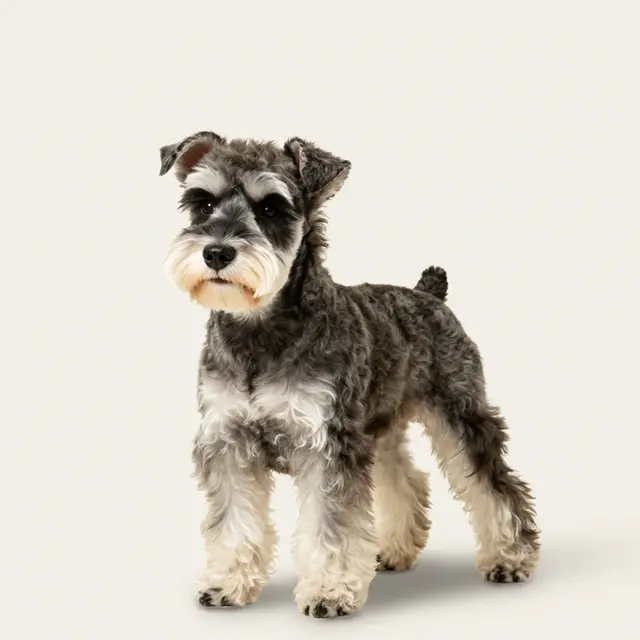
Miniature Schnauzer
A smart, spirited and low-shedding companion that adapts well to flats but likes to have its say.
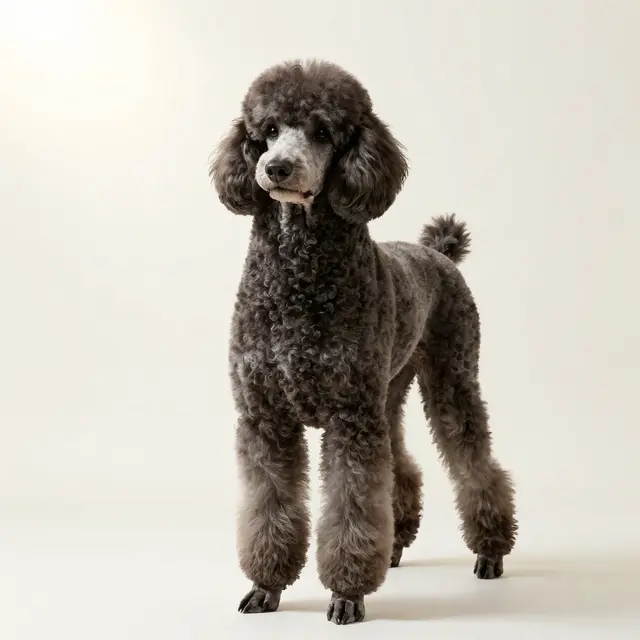
Standard Poodle
One of the most intelligent breeds — elegant, low-shedding and eager to learn, with high grooming demands.
Similar temperament
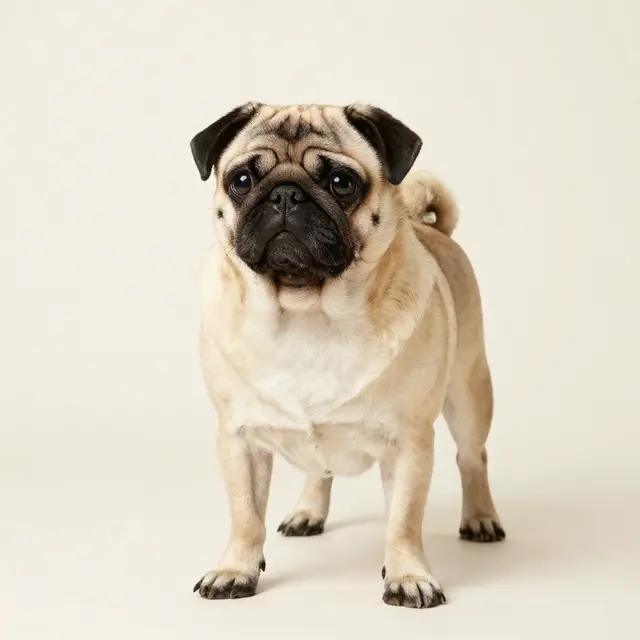
Pug
A charming, comical lap dog that’s content in a flat — but a flat face brings real health considerations.
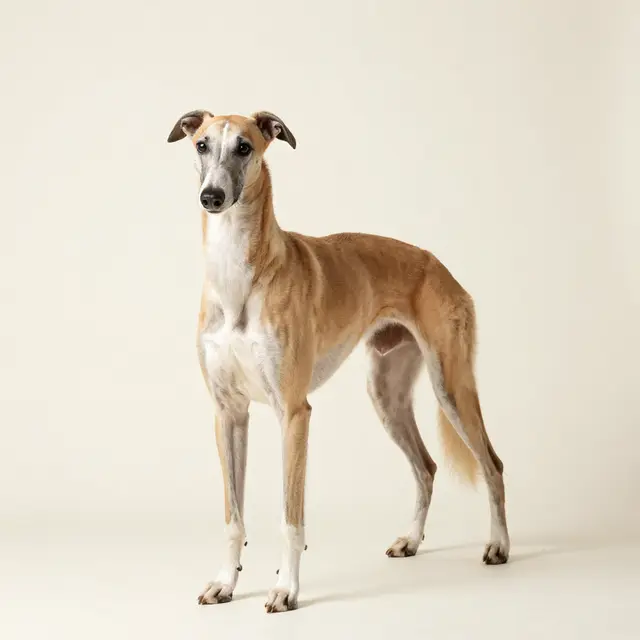
Greyhound
The ultimate couch potato — despite their racing reputation, retired greyhounds need surprisingly little exercise.
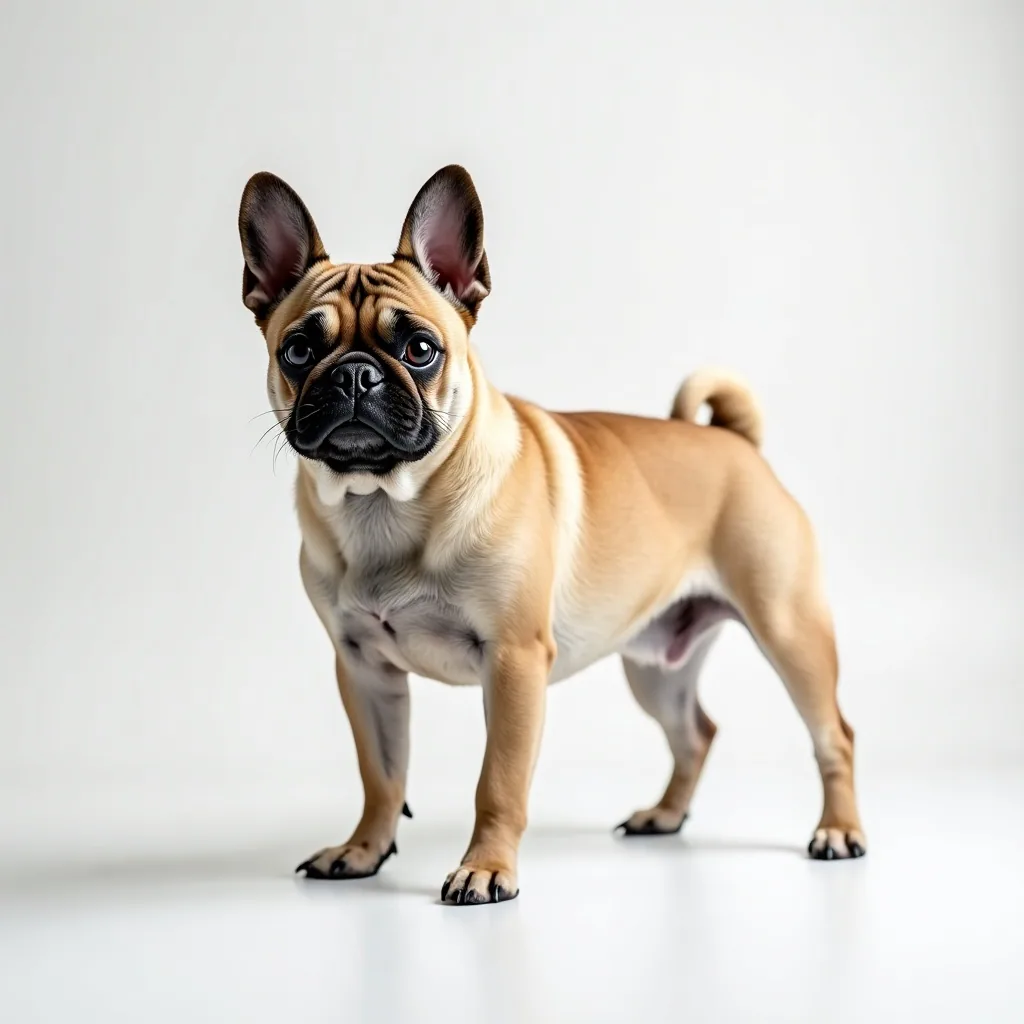
Frenchie Pug
A small, sociable French Bulldog and Pug cross (also called Frug). Affectionate and apartment-friendly, but combining two flat-faced breeds means a high risk of inherited breathing, eye and heat-tolerance problems.
French Bulldog
A compact, easy-going companion that suits flats and modest exercise — but with serious health considerations.
Similar size, different type
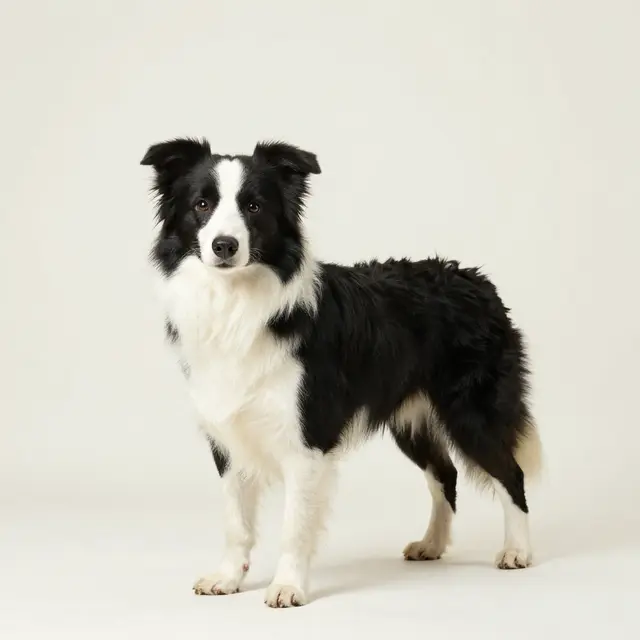
Border Collie
The ultimate working brain — astonishingly clever and trainable, but needs hours of exercise and a job to do.
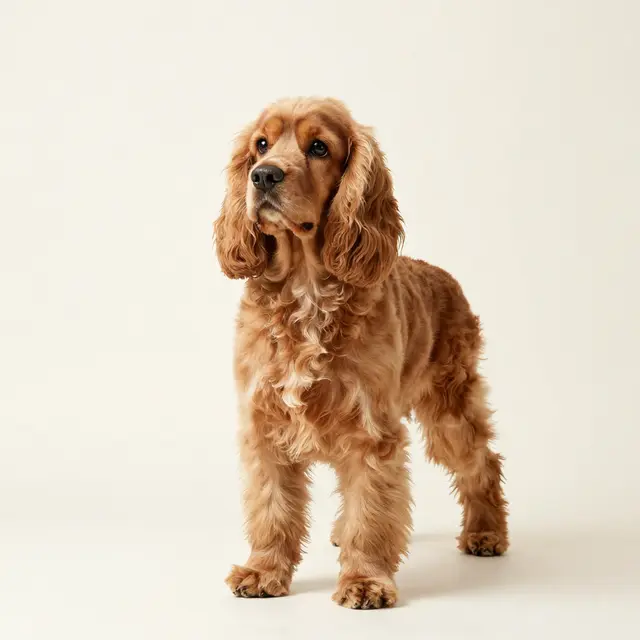
Cocker Spaniel
A merry, affectionate gundog that loves people and activity — happiest with a job and regular grooming.
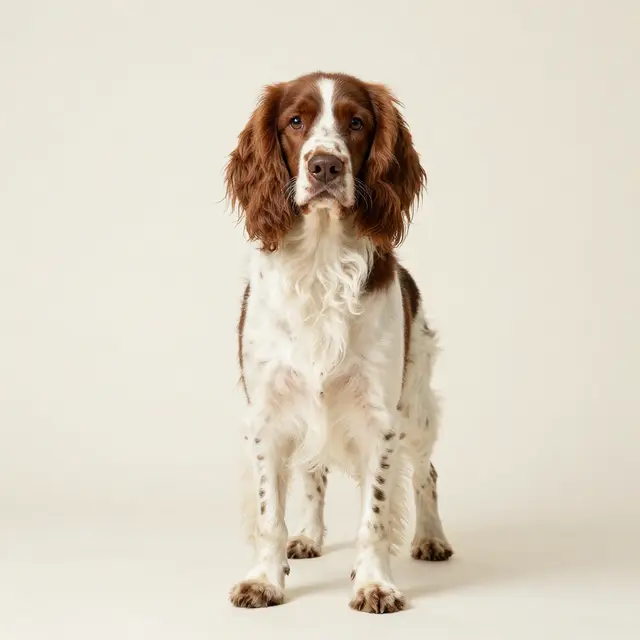
English Springer Spaniel
A tireless, enthusiastic working gundog that needs serious daily exercise and mental stimulation.
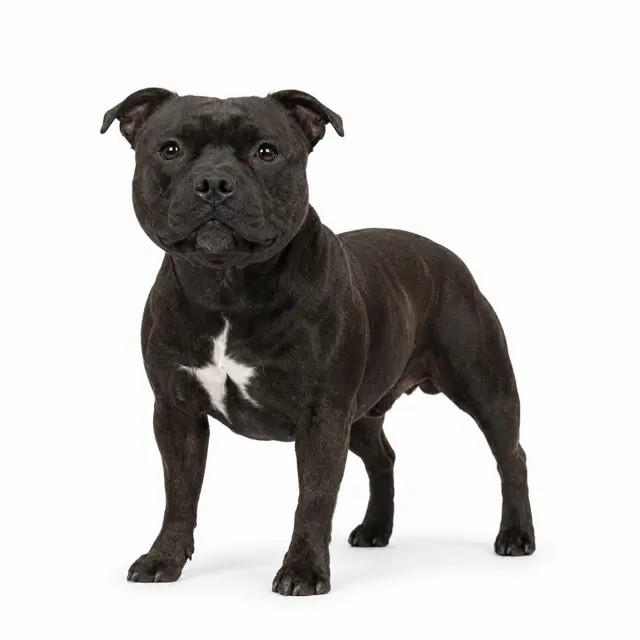
Staffordshire Bull Terrier
Affectionately known as the "nanny dog" — devoted, people-loving and famously gentle with children.
Is the Bulldog your breed?
Create your pet profile and get personalised food, toy, insurance and health recommendations — tailored to your dog.
Frequently asked questions
How long do Bulldogs live?
Bulldogs are one of the shorter-lived dog breeds, typically living to around 7–10 years. Large UK studies, including the Royal Veterinary College's VetCompass programme, have found the breed's average lifespan to be notably lower than for dogs overall, largely because of the serious health conditions linked to its extreme body shape. Choosing a kitten from a breeder who follows the Kennel Club and University of Cambridge Respiratory Function Grading scheme, keeping your dog lean and protecting it from heat all help, but prospective owners should go in with realistic expectations.
Why do Bulldogs have so many health problems?
The English Bulldog is an extreme brachycephalic (flat-faced) breed, and most of its health problems stem from a body shape that has been bred to an extreme. The shortened skull crowds the airway and causes Brachycephalic Obstructive Airway Syndrome (BOAS), the wrinkled skin traps moisture and leads to fold dermatitis, the prominent eyes are prone to problems, and the broad build contributes to joint and birthing difficulties. These are well-documented in UK veterinary research, which is why responsible breeding and health screening are so important.
Can Bulldogs breathe properly?
Many Bulldogs struggle to breathe normally because of Brachycephalic Obstructive Airway Syndrome (BOAS), caused by the breed's flattened face and crowded airway. Signs include noisy or laboured breathing, snorting, snoring, struggling in warm weather and tiring quickly on walks. Severity varies — some dogs are mildly affected and some need surgery — which is exactly why the Kennel Club and University of Cambridge Respiratory Function Grading scheme exists to assess breathing and guide breeding. Loud breathing in a Bulldog is not normal or cute; it is a sign the dog is working hard to get air.
Are Bulldogs good family dogs?
Bulldogs are known for being affectionate, gentle and good-natured, and many make loving, easy-going family companions that are tolerant of children. Their calm, low-energy temperament suits home life. However, prospective owners must weigh this against the breed's serious health challenges and the time, cost and heat precautions involved in caring for one responsibly. A Bulldog can be a wonderful family dog, but only for a household that fully understands and is prepared for its needs.
How much does a Bulldog cost?
Bulldogs are expensive to buy and expensive to keep. A well-bred puppy from a health-screened Kennel Club Assured Breeder in the UK commonly costs well over a thousand pounds, and the lifetime costs are higher than average because of the breed's many potential health issues — insurance premiums for Bulldogs are among the highest of any breed, and treatments such as BOAS surgery, eye procedures and caesarean births are costly. Budget realistically for both the purchase and a lifetime of veterinary care.
Do Bulldogs cope well with hot weather?
No. Bulldogs are highly intolerant of heat and are at serious risk of heatstroke, which can be fatal. Their shortened airway makes it very hard to cool down by panting, the normal way dogs lose heat. UK veterinary research has shown flat-faced breeds are far more prone to heat-related illness. Walk them in the cool of the morning or evening, never leave them in cars or warm rooms, provide shade, water and cooling kit, and watch closely for any sign of overheating in warm weather.
Do Bulldogs need a lot of grooming?
Bulldogs have a short, easy coat, but their skin needs real attention. The facial wrinkles and any tail-pocket folds trap moisture, dirt and bacteria and must be cleaned and dried regularly to prevent painful skin-fold dermatitis. Add routine nail trimming, dental care, ear checks and keeping the dog lean, and grooming a Bulldog is more about skin and fold care than coat care. A consistent daily fold-cleaning routine is one of the most important things a Bulldog owner can do.
Do Bulldogs need a caesarean to give birth?
Very often, yes. Bulldogs have a high rate of caesarean (C-section) births because puppies have large heads and the mother has a narrow pelvis, making natural birth difficult or dangerous. UK studies have found the breed among those most likely to need an assisted delivery. This is one of the welfare concerns the veterinary profession highlights about the breed, and it is a significant cost and risk for anyone considering breeding, which most pet owners should not attempt.
Are Bulldogs lazy or do they need exercise?
Bulldogs are a low-energy breed and do not need long or strenuous walks; short, gentle daily exercise suits them well. In fact, hard exercise is dangerous because their breathing and cooling are already compromised. The flip side is that they gain weight easily, and excess weight worsens breathing, joints and heart strain. The aim is regular, moderate, cool-weather activity to keep them fit and lean without overheating or overexerting them.
Do Bulldogs have eye problems?
Bulldogs are prone to several eye conditions, including cherry eye (prolapse of the third-eyelid gland), entropion and ectropion (eyelids that roll inward or sag outward), dry eye and ulcers, partly because of their facial shape and prominent eyes. Some of these need veterinary or surgical treatment. Regular checks of the eyes, keeping the area clean, and prompt veterinary attention for redness, discharge or squinting all help protect your Bulldog's sight and comfort.
Are Bulldogs good with children?
Good with children. As a general guide, Bulldogs tend to be patient and tolerant. Whatever the breed, always supervise dogs and young children and teach kids to interact gently.
How much exercise does a Bulldog need?
As a healthy adult, a typical Bulldog needs around 30 minutes (gentle, broken into shorter walks) of exercise a day (30–45 minutes), split across walks plus play. A good sniffy walk plus some play and training usually keeps them happy. Puppies, seniors and dogs with health conditions need less — ask your vet.
Do Bulldogs shed a lot?
Moderate shedding. Coat upkeep is easy-care — a quick brush now and then is usually enough.
Are Bulldogs easy to train and good for first-time owners?
Good for first-time owners. Bulldogs are generally a forgiving choice for first-time owners who put in early training and socialisation. Reward-based training and early socialisation help any dog.
Do Bulldogs bark a lot?
Very quiet. They are usually fairly easy-going about barking, though any dog will bark if bored or under-exercised.
Are Bulldogs good with other dogs?
Generally fine with other dogs. Early, positive socialisation with other dogs from a young age makes a big difference.
Do Bulldogs suit flats or smaller homes?
Flat-friendly. A Bulldog can adapt to flat living as long as it gets its daily exercise and company.
Sources
- The Kennel Club — Bulldog breed information: https://www.thekennelclub.org.uk/breed-standards/utility/bulldog/
- RVC VetCompass — Bulldog health study, Royal Veterinary College: https://www.rvc.ac.uk/vetcompass
- PDSA — Bulldog dog breed information: https://www.pdsa.org.uk/pet-help-and-advice/looking-after-your-pet/dogs
- Blue Cross — flat-faced (brachycephalic) dog advice: https://www.bluecross.org.uk/advice/dog
- British Veterinary Association — brachycephalic dog welfare: https://www.bva.co.uk/take-action/brachycephalic-dogs/
Recommended for your Bulldog
Matched to a Bulldog's size and their typical need for cooling for hot days, a slow feeder.

Pressure-Activated Pet Cooling Mat
Press down, feel the cool — this pressure-activated mat absorbs body heat and stays up to 10°C cooler than the room, with no freezing required.
From£34.99

Ice-Silk Cooling Dog Bed with Bolster Edge
A breathable ice-silk cooling bed with a soft bolster edge and a cool-touch centre panel that helps your dog stay comfortable through warm weather. No need to freeze or refrigerate, it cools naturally on contact.
From£12.99

Ice-Silk Cooling Pad for Pets
A breathable, anti-slip ice-silk cooling mat that keeps cats and dogs comfortable on hot days, no freezing required. It rolls up neatly for travel and the cool-touch surface helps reduce overheating at home or in the car.
From£8.99

Ice-Silk Sofa Cover Pet Protector
A cool, smooth ice-silk sofa cover with a frilled, scalloped trim that shields your couch from pet hair, scratches and spills. Breathable for summer, it keeps furniture looking fresh while giving pets a soft spot to lounge.
From£11.99

Reflective Dog Cooling Vest
A lightweight cooling vest that helps keep your dog comfortable on hot-weather walks. Soak it, wring it out and fit it over the back; the breathable fabric and reflective trim aid temperature control and visibility.
From£17.99

Breathable Pet Cooling Mat
A breathable cooling mat that draws heat away to keep dogs and cats comfortable on hot days.
From£11.99

Plush Snuffle Foraging Mat
A roll-up plush snuffle mat with cute animal designs. Hide treats in the folds and let your pet sniff and forage to find them - a rewarding enrichment game that beats boredom and slows feeding.
£13.99

Evaporative Cooling Vest for Dogs
A mesh evaporative cooling vest that helps keep your dog comfortable in hot weather. Soak, wring and fit it for breathable, lasting cool, with an adjustable buckle strap and a top D-ring for lead attachment.
From£11.99
Suggestions based on breed traits — always check sizing and suitability for your individual dog.
Got a Bulldog? Save them to a pet profile for tailored picks across the whole site.
Happier, healthier pets — in your inbox.
Breed care tips, seasonal advice and first access to new arrivals. No spam, unsubscribe anytime.
Every dog is an individual — temperament and needs vary. Please research thoroughly, meet dogs in person, and consider adopting from a rescue. This is general guidance, not a substitute for advice from your vet or a qualified trainer.