
Chow Chow
One of the oldest breeds, the Chow Chow originated in China as a guardian and all-purpose working dog. Dignified, aloof and famously cat-like, it's loyal to its family but reserved with strangers and other dogs. It suits experienced, calm owners who'll socialise it early, keep on top of that thick double coat, and respect its independent nature.
Chow Chow scorecard
Overview
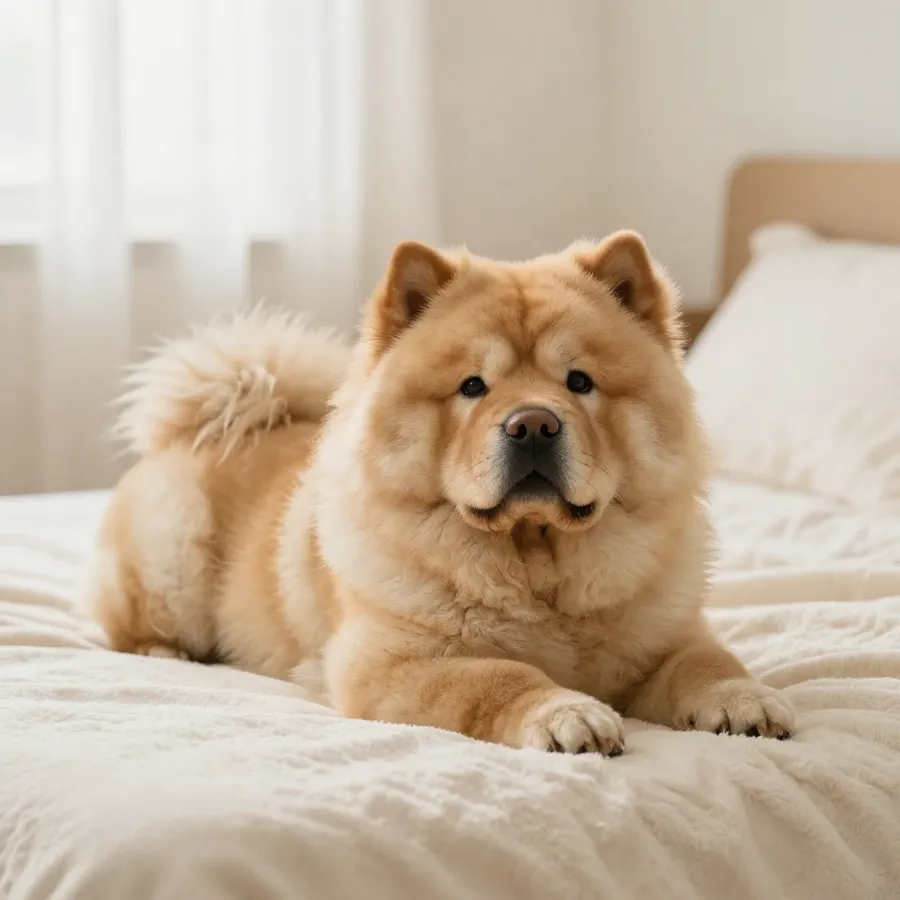
The Chow Chow is one of the most distinctive and ancient of all dog breeds — a dignified, lion-like dog with a profuse mane, a famously aloof, almost cat-like character, and the unique blue-black tongue and gums that set it apart from virtually every other breed. Medium-sized but powerfully built, the Chow carries itself with an unmistakable air of reserved nobility. It is deeply loyal to its own family but is independent, undemonstrative and often indifferent to strangers, making it a breed that rewards an owner who appreciates a self-possessed, dignified companion rather than an eager-to-please extrovert.
Recognised by The Kennel Club in the Utility group, the Chow Chow comes in both a rough (heavily coated) and a smooth variety, in colours such as red, black, blue, cinnamon and cream. Its scowling, frowning expression and the heavy folds around the head give the breed its characteristic dignified look. Prospective owners should understand that the Chow's independence, reserve and strong-willed nature mean it is not the easiest breed for novices, and that its dense coat, deep-set eyes and head structure carry specific care and health considerations. For the right, experienced owner, however, the Chow is a clean, loyal and fascinatingly individual dog.
Good to know — a Chow Chow is best with a garden and best for experienced owners. Every dog is an individual, so meet a few and chat to a good breeder or rescue before deciding.
Save the Chow Chow guide
Thinking about a Chow Chow? Pop your email in and we’ll send this guide so you can come back to it any time — handy while you compare breeds.
Popular searches for the Chow Chow
History & origins
The Chow Chow is genuinely ancient, originating in China where dogs of its type have existed for many centuries, possibly over two thousand years. Historical evidence points to the breed's long presence in northern China and Mongolia, where it served as an all-purpose working dog — used variously for guarding, hunting, hauling and herding, and, in parts of its history, raised for its meat and fur, reflecting the harsh practicalities of the regions in which it developed. The distinctive blue-black tongue has been associated with the breed throughout its recorded history.
The Chow Chow reached Britain in the late 18th and 19th centuries, brought back by traders, and its very name is thought to derive from a pidgin-English term used for miscellaneous goods shipped from the Far East. The breed gained a fashionable following in Victorian Britain — Queen Victoria herself is recorded as having kept a Chow — and it was duly recognised by The Kennel Club. From these origins the Chow Chow became established as a striking and individual companion breed in the UK.
Temperament & family fit
The Chow Chow's temperament is its most famous and most misunderstood feature. This is a dog of great dignity and independence, often described as cat-like: self-contained, aloof and not given to fawning affection or constant attention-seeking. A Chow is typically devoted and loyal to its own family, often bonding particularly closely with one person, but it tends to be reserved, detached or downright indifferent towards strangers, and it is not a breed that craves the approval of everyone it meets.
This reserve, combined with a strong guarding instinct, means early and thorough socialisation is essential to produce a Chow that is calm and discerning rather than suspicious or intolerant. Chows can be territorial and may not welcome unfamiliar dogs or people without proper introduction, and they are best supervised around young children and other pets. They are generally not noisy or hyperactive — they tend to be quiet and relatively low-energy — but their independent, strong-willed nature means they think for themselves. Owners should respect the breed for what it is: a loyal, dignified individual, not a biddable people-pleaser.
- Families with older, respectful children
- Owners ready for consistent training
- Homes with a secure garden
Training & intelligence
Training a Chow Chow calls for patience, consistency and realistic expectations. The breed is intelligent but famously independent and strong-willed, and it does not have the eager-to-please biddability of a working gundog or herder; a Chow will often weigh up whether it actually wants to comply. This makes early training and socialisation, started in puppyhood and maintained throughout life, particularly important, and it is one reason the breed is not generally recommended for first-time owners.
The most effective approach is calm, firm, consistent and reward-based, building a relationship of mutual respect rather than attempting to force compliance — harsh or heavy-handed methods tend to make a Chow more stubborn and resentful. Keeping sessions short, positive and motivating helps, as does establishing good manners and handling tolerance early, since a strong-willed adult that has never learned to accept grooming, examination or restraint is much harder to manage. Thorough socialisation to people, dogs and everyday situations is at least as important as obedience for this guarding, reserved breed.
- Start socialisation & handling early
- Reward-based methods only — no harsh corrections
- Keep sessions short, calm and consistent
Exercise needs
A healthy adult Chow Chow typically needs around 30 minutes (gentle, broken into shorter walks) a day (roughly 30–45 minutes), split across walks, play and a little training. A good sniffy walk, some play and a little training usually keeps them content. Puppies, seniors and dogs with health conditions need adjusted amounts — check with your vet.
Grooming & coat
The Chow Chow's magnificent coat is a major grooming commitment, especially in the rough-coated variety. The dense double coat, with its profuse mane and thick undercoat, needs frequent and thorough brushing — several times a week as a minimum — to prevent the undercoat matting, with extra attention during the heavy seasonal moults when the breed sheds a great deal. The smooth variety needs less work but still requires regular brushing. Owners must also pay attention to the deep facial folds and the area around the eyes, keeping them clean and dry, and maintain routine nail, ear and dental care. Starting grooming young and making it a positive routine is essential, given the breed's independent nature.
- Brush several times a week
- Bathe every few weeks or as needed
- Check ears, nails and teeth weekly
Feeding a Chow Chow
Chow Chows should be fed a good-quality complete diet appropriate to their age and size, with portions measured to maintain a lean, healthy body condition. Because the breed is fairly low-energy and its heavy coat can disguise weight gain, it is easy for a Chow to become overweight, which places extra strain on the joints and worsens any tendency to overheat — keeping the dog lean is important. As with any breed, fresh water should always be available, treats should be accounted for within the daily ration, and any specific dietary requirements are best discussed with your vet.
A medium breed
An adult Chow Chow typically weighs 20–32 kg, so a healthy Chow Chow eats a moderate amount compared with other breeds. Every feeding guide on a bag is written per kilo of body weight, not per breed — start there, then adjust to the dog in front of you.
Life stage
A medium breed is usually done growing at ~12 months, which is roughly when a puppy food has finished its job. With a typical lifespan of 11–13 years, there is a long adult stretch in the middle; switch to a senior food when your vet thinks it is worth it rather than on a birthday.
A shallow, wide bowl suits a flat face
A flat-faced dog cannot reach into a deep bowl without pressing its nose into the sides, which is uncomfortable and makes it gulp air. A shallow bowl, and food that does not have to be chased around it, is the easier arrangement.
How much should a Chow Chow weigh?
Adult 20–32 kgfully grown at ~12 months
| Age | Stage | Typical weight | Of adult size |
|---|---|---|---|
| 8 weeks | Just home | 3.1–4.9 kg | 15% |
| 3 months | Young puppy | 5–8 kg | 25% |
| 6 months | Growing fast | 10–16 kg | 50% |
| ~12 months | Fully grown | 20–32 kg | 100% |
A guide, from the same rule of thumb our puppy growth predictor uses — each age is that share of the way to maturity for a medium breed. Puppies grow fastest early, so a real puppy usually sits a little above the middle rows. Weigh yours and ask your vet if the number worries you.
Complete dog foods that suit a Chow Chow
Complete foods from our range, matched to a Chow Chow's size band and what the breed typically needs. Stock levels and delivery dates are live on each product.

Burns Adult/Senior Weight Control Chicken and Oats
A low-fat weight control dry food for adult and senior dogs, oat-based
£35.99

Forthglade Cold Pressed Natural Turkey
Cold-pressed turkey kibble for dogs from 2 months, soft enough to mix with water for young pups
£45.99

Forthglade Cold Pressed Grain Free Salmon
Cold-pressed grain-free dry food for dogs, built on fresh and dried salmon
From£16.99

Forthglade Cold Pressed Grain Free Duck
Cold-pressed grain-free duck food with fruit and botanicals, in two bag sizes
From£16.99

Forthglade Cold Pressed Grain Free Chicken
Cold-pressed grain-free chicken food with fruit and botanicals, in three bag sizes
From£16.99

Forthglade Complete Meal Lightly Baked Turkey
A lightly baked complete dry food, 50% turkey, for adult dogs of any breed
From£12.49

Forthglade Cold Pressed Grain Free Turkey
Grain-free cold-pressed turkey kibble for dogs, gentle on sensitive stomachs
£69.69

Forthglade British Classics Chicken Family Lunch
Complete Forthglade wet dog food with 75% chicken in a 395G tray
£2.45

Harringtons Puppy Turkey & Rice
Complete turkey puppy food with 30% protein and feeding bands by adult weight
£6.49

Harringtons Just 6 Dry Dog Food Lamb
Grain-free lamb dry dog food in 2KG and 12KG sizes, with size-specific formulas
From£13.99

Burns Puppy Original Lamb & Rice
Complete Burns lamb and rice puppy food in a 2KG bag for up to 12 months
£14.99

Burns Puppy Junior Original Chicken Rice
A complete puppy and junior food with dried chicken 31% and controlled fat at 15%
From£14.99
Chow Chow health & costs
Before bringing a Chow Chow home it pays to budget for the whole picture — food, insurance, grooming and routine vet care all add up. The figures below are typical UK estimates for a healthy adult; your real costs vary with where you live, your dog's health and the cover you choose.
Food
£400–600 / year
Complete food sized to weight & life stage
Insurance
£25–45 / month
Lifetime cover — varies by age, breed & area
Grooming
£400–700 / year
Regular professional grooming
Routine vet care
£200–450 / year
Vaccines, flea/worm, annual check
The Chow Chow is generally a sturdy breed with a typical lifespan of around 11–13 years, but its distinctive physical features carry some specific health considerations that prospective owners should weigh carefully. Buying from a responsible, health-focused breeder and registering with a knowledgeable vet are the best safeguards.
The breed's most notable health concerns relate to its eyes and its conformation. Chows are prone to eyelid conditions — particularly entropion, in which the eyelids roll inward so the lashes rub on the eye, causing pain and damage and often requiring corrective surgery. The deep-set eyes and heavy head folds contribute to this risk. The breed is also predisposed to orthopaedic conditions, including hip and elbow dysplasia and luxating patella (slipping kneecaps). The thick double coat, heavy build and head structure can make Chows prone to overheating and to skin problems in the folds, and the breed can be affected by other conditions such as certain endocrine and autoimmune disorders. Responsible ownership means screening for the known issues, protecting the dog from heat, and seeking veterinary attention promptly for any eye discomfort.
Common health conditions to be aware of
- Entropion — inward-rolling eyelids that cause the lashes to rub on the eye; a common breed concern that is painful and often needs corrective surgery.
- Hip and elbow dysplasia — developmental joint disorders the breed is predisposed to; reputable breeders should screen their stock.
- Luxating patella — slipping kneecaps that can cause lameness and may require surgical correction.
- Heat intolerance and overheating — the dense double coat and heavy build make Chows prone to overheating in warm weather.
- Skin-fold dermatitis and other skin problems — irritation and infection can develop in the deep facial folds if not kept clean and dry.
- Glaucoma and other eye conditions — raised pressure within the eye and related disorders that can affect the breed and threaten vision.
These reflect typical, size- and coat-related risks for dogs like the Chow Chow; individual breeds carry their own predispositions. Always buy from health-tested parents and speak to your vet — this isn't a diagnosis.
Protect against surprise bills
A single emergency can run into thousands. Lifetime insurance spreads the risk.
Estimate insurance →How pet insurance works →Puppy & senior care
Bringing home a Chow Chow puppy
Puppies need controlled exercise (a rough guide is five minutes per month of age, twice a day) to protect growing joints, little-and-often meals of a complete puppy food, early socialisation, and a calm routine for toilet training and sleep. Book first vaccinations, microchipping and a vet check early.
New puppy checklist →Caring for a senior Chow Chow
As they age, watch weight, joints and teeth, switch to a senior diet if your vet advises, keep exercise gentle but regular, and consider orthopaedic bedding and ramps. Twice-yearly vet checks help catch issues early.
Orthopaedic beds & mobility →Pros & cons
The good bits
- Clean, quiet and loyal to its people
- Striking, dignified and low-fuss indoors
Things to consider
- Aloof and stubborn — needs early socialisation and experienced handling
- Heavy coat needs frequent grooming and they tolerate heat poorly
Chow Chow health & care guides
In-depth, vet-sensible guides written for Chow Chow owners:
Compare the Chow Chow
See how the Chow Chow measures up against similar breeds before you decide:
More breeds like the Chow Chow
Same breed group
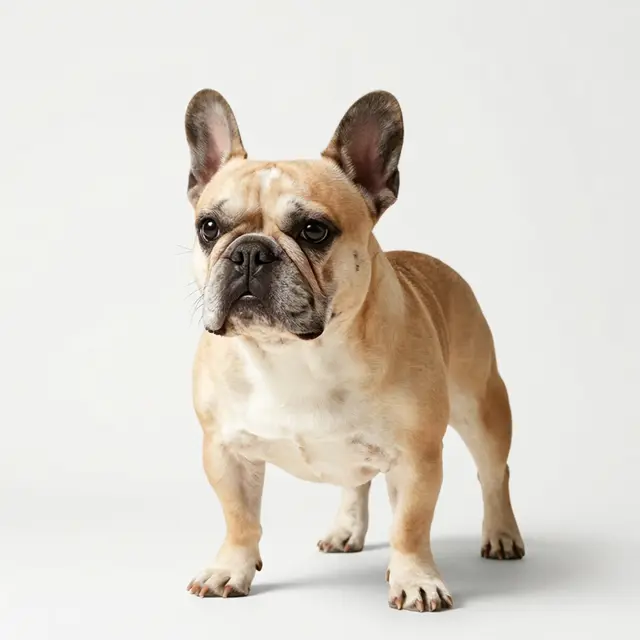
French Bulldog
A compact, easy-going companion that suits flats and modest exercise — but with serious health considerations.
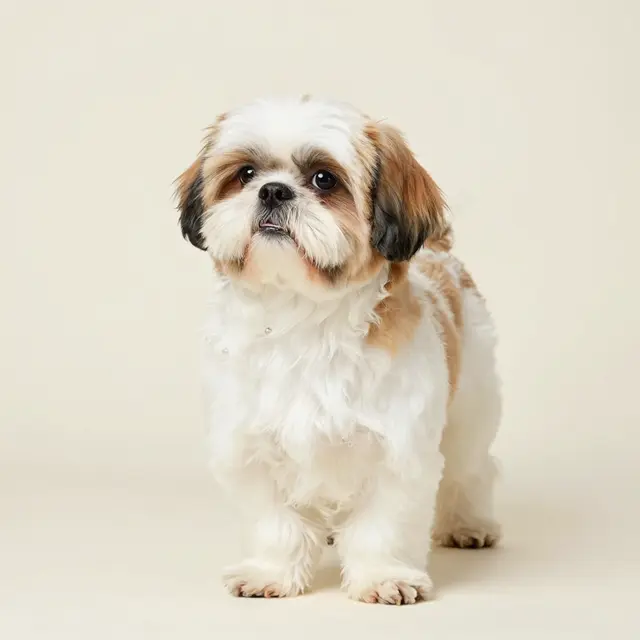
Shih Tzu
A friendly, low-energy companion bred purely for company — perfect for flats if you keep up the grooming.
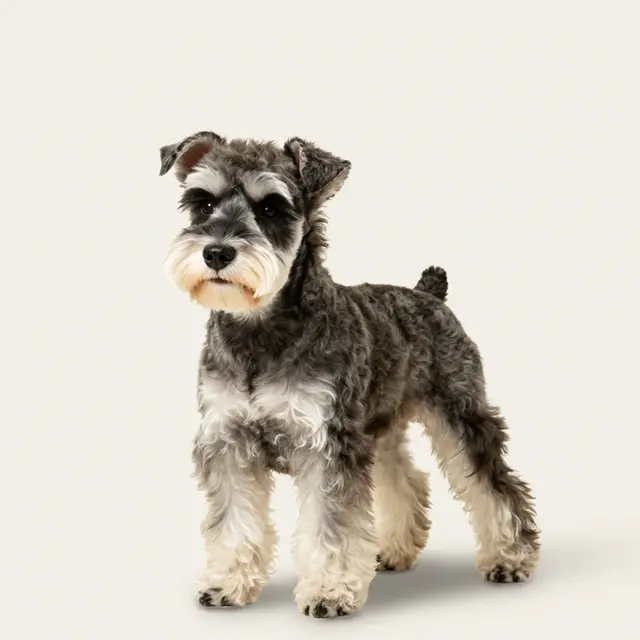
Miniature Schnauzer
A smart, spirited and low-shedding companion that adapts well to flats but likes to have its say.
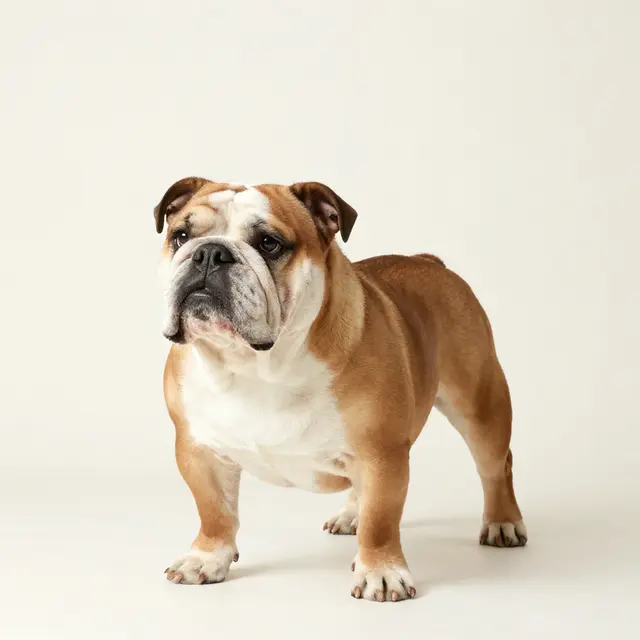
Bulldog
A placid, affectionate companion that’s happy with gentle walks — but burdened by serious health issues.
Similar temperament
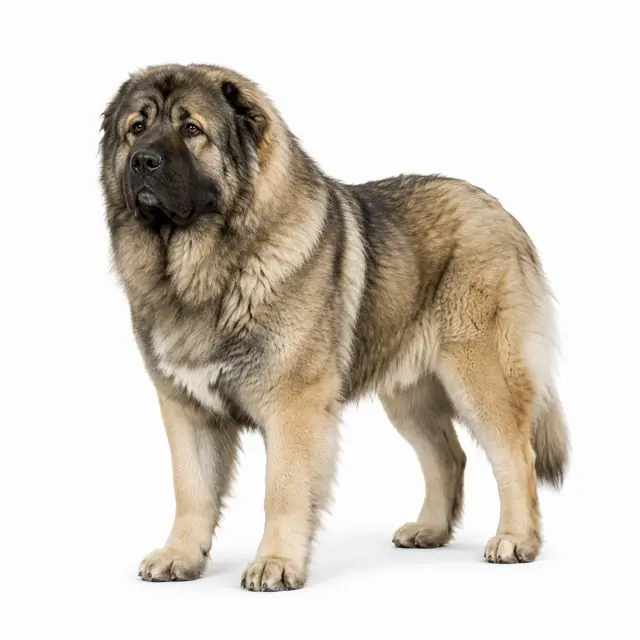
Caucasian Shepherd
An enormous livestock-guardian breed — fiercely protective and devoted, but strictly for very experienced owners.
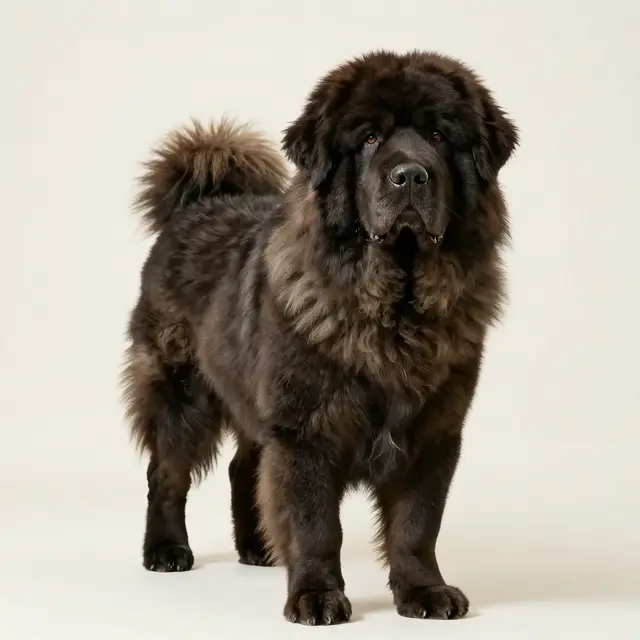
Tibetan Mastiff
An ancient, independent guardian breed — watchful and devoted to its family, but powerful, aloof and territorial.
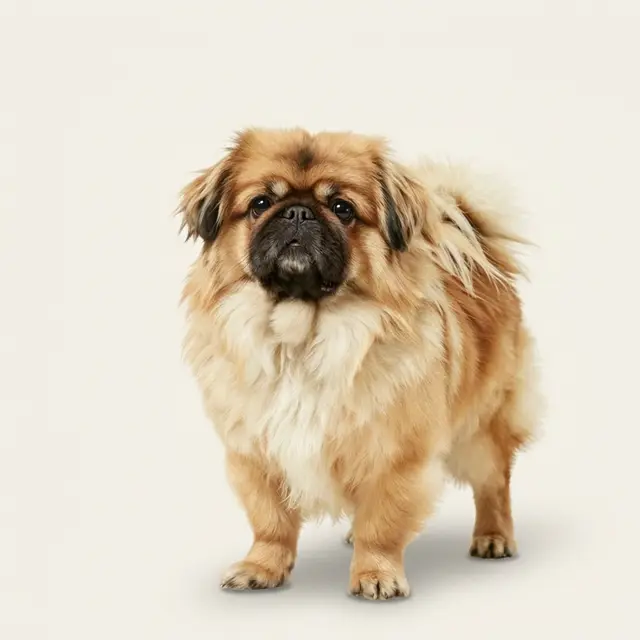
Pekingese
A flat-faced imperial lapdog — dignified and affectionate, content in flats, but with brachycephalic health needs.
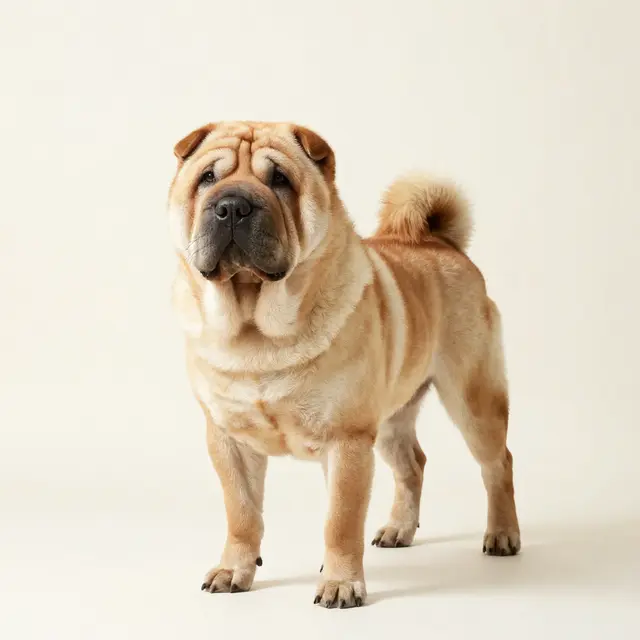
Shar Pei
The famously wrinkled Chinese breed — calm, clean and devoted, but aloof and needing careful health and skin management.
Similar size, different type
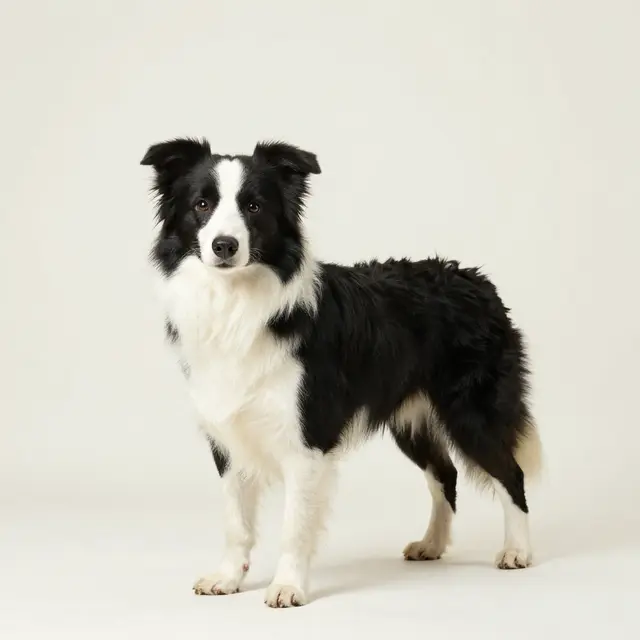
Border Collie
The ultimate working brain — astonishingly clever and trainable, but needs hours of exercise and a job to do.
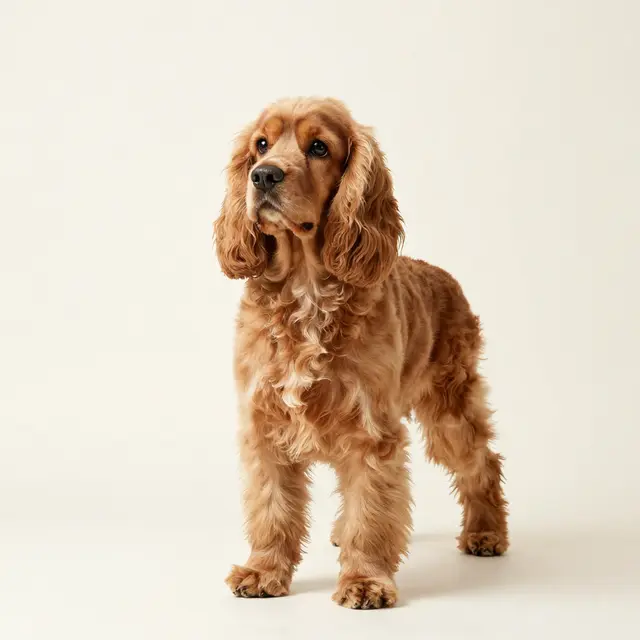
Cocker Spaniel
A merry, affectionate gundog that loves people and activity — happiest with a job and regular grooming.
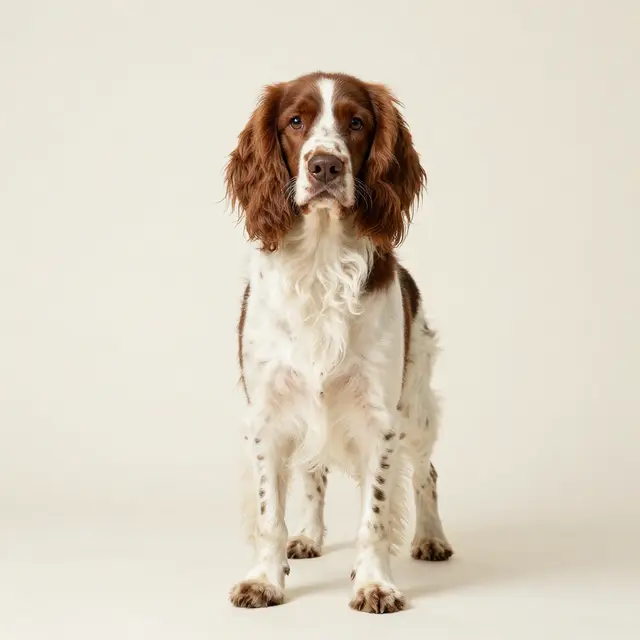
English Springer Spaniel
A tireless, enthusiastic working gundog that needs serious daily exercise and mental stimulation.
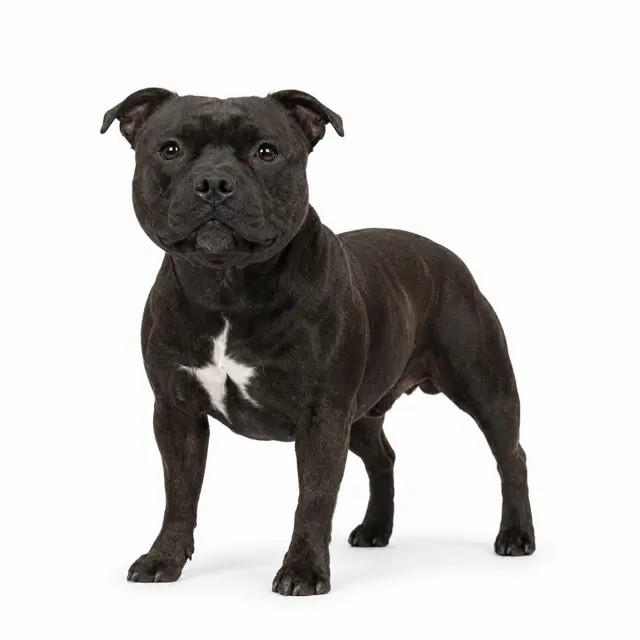
Staffordshire Bull Terrier
Affectionately known as the "nanny dog" — devoted, people-loving and famously gentle with children.
Is the Chow Chow your breed?
Create your pet profile and get personalised food, toy, insurance and health recommendations — tailored to your dog.
Frequently asked questions
How long do Chow Chows live?
Chow Chows typically live to around 9–12 years. Genetics set the range, but careful management of the breed's known issues — especially the eyes, joints, skin and heat sensitivity — together with keeping your dog lean and up to date with vet care, all influence where yours lands. A well-bred, well-cared-for Chow is a long-term family companion.
What health problems are Chow Chows prone to?
The most notable is entropion, an eyelid condition the breed is strongly predisposed to that needs surgical correction. Chows are also prone to hip and elbow dysplasia, patellar luxation, skin problems linked to the dense coat, hypothyroidism, and heat sensitivity (the thick coat plus short muzzle). Buying from a health-testing breeder and managing weight, grooming and heat reduces much of the risk.
Are Chow Chows good family dogs?
Chows can be devoted, loyal family dogs, but they're aloof, dignified and famously independent — more cat-like than cuddly, and often reserved with strangers and other dogs. They suit calm, experienced owners who'll socialise them early and respect their nature. With young children they need supervision and realistic expectations: a Chow tolerates rather than craves rough-and-tumble.
Do Chow Chows shed a lot?
Yes — Chows have a thick double coat and shed heavily, with two big seasonal moults a year on top of year-round shedding. They need brushing several times a week (daily during a moult), working right down to the skin to prevent matting and skin problems. Never shave the double coat — it protects against both heat and cold.
Do Chow Chows cope with hot weather?
Not well, and this matters. The thick double coat combined with a relatively short muzzle means Chows overheat easily and are at real risk of heatstroke. Never exercise them in the heat of the day, always provide shade and fresh water, use cooling mats in summer, and learn the early signs of heatstroke. Their coat is insulation, so shaving it doesn't help and can harm.
Are Chow Chows aggressive?
Aggression isn't an inherent trait, but Chows are aloof, territorial and protective, and can be wary of strangers and intolerant of other dogs without good early socialisation. They're an independent, dignified breed rather than a naturally outgoing one. Early, positive socialisation and experienced, calm handling are key to a confident, well-mannered adult — which is why they suit experienced owners.
How much exercise does a Chow Chow need?
Chows have fairly low-to-moderate exercise needs — around an hour a day of steady walking suits most, plus some enrichment. They're not a high-energy breed and tire in the heat, so gentle, cool-time exercise is best. Keeping them active enough to stay lean is important for their joints and overall health, but they're happy to be dignified couch companions the rest of the time.
Why do Chow Chows have a blue tongue?
The blue-black tongue is one of the breed's defining features, present from a few weeks of age, and is a normal, healthy trait of the Chow Chow (shared with only a couch of other breeds). It's simply pigmentation. Worth knowing the difference, though: a tongue that turns blue suddenly in any dog can signal a lack of oxygen and is an emergency — the Chow's is a permanent, natural colour from birth.
At what age is a Chow Chow a senior?
Chow Chows are generally considered senior from around seven to eight years old. It's a good age to move to twice-yearly vet checks, keep a close eye on the eyes, joints and weight, and adapt exercise and bedding to support ageing joints. Catching the breed's common issues early keeps an older Chow comfortable for longer.
How can I help my Chow Chow live longer?
Keep them lean, groom the coat and skin regularly, protect them from heat, and stay on top of the eyes, teeth and thyroid through regular vet checks. Choosing a puppy from health-tested parents — especially for eyes and hips — gives the best start. Consistent, calm care of this breed's specific needs is what supports a long, comfortable life.
Are Chow Chows good with children?
Best with older, calm children. As a general guide, Chow Chows tend to be better suited to homes with older children or no young children. Whatever the breed, always supervise dogs and young children and teach kids to interact gently.
How much exercise does a Chow Chow need?
As a healthy adult, a typical Chow Chow needs around 30 minutes (gentle, broken into shorter walks) of exercise a day (30–45 minutes), split across walks plus play. A good sniffy walk plus some play and training usually keeps them happy. Puppies, seniors and dogs with health conditions need less — ask your vet.
Do Chow Chows shed a lot?
High shedding. Coat upkeep is high upkeep — plan on frequent brushing and regular trips to a groomer.
Are Chow Chows easy to train and good for first-time owners?
Best for experienced owners. Chow Chows are best for owners ready to commit to consistent training and plenty of activity. Reward-based training and early socialisation help any dog.
Do Chow Chows bark a lot?
Quiet. They are usually fairly easy-going about barking, though any dog will bark if bored or under-exercised.
Are Chow Chows good with other dogs?
Can be selective with other dogs. Early, positive socialisation with other dogs from a young age makes a big difference.
Do Chow Chows suit flats or smaller homes?
Best with a garden. A Chow Chow is happiest with access to a secure garden and regular outdoor exercise.
Sources
- The Kennel Club — Chow Chow breed information: https://www.thekennelclub.org.uk/breeds/chow-chow/
- PDSA — caring for your dog (weight, grooming and general health advice): https://www.pdsa.org.uk/pet-help-and-advice/looking-after-your-pet/puppies-dogs
- Royal Veterinary College (RVC) VetCompass — breed health and lifespan research: https://www.rvc.ac.uk/vetcompass
- Blue Cross — dog breeds and eye, skin and heat-related health advice: https://www.bluecross.org.uk/advice/dog
- Fédération Cynologique Internationale (FCI) — Chow Chow breed standard: https://www.fci.be/en/nomenclature/CHOW-CHOW-205.html
Recommended for your Chow Chow
Matched to a Chow Chow's size and their typical need for help with shedding, regular coat care, cooling for hot days.

Large Self-Cleaning Slicker Brush for Mats and Tangles
A self-cleaning slicker brush with fine, bead-tipped wire pins that gently lift loose undercoat, mats and tangles from short or long-haired pets. A one-click button releases the collected fur for fuss-free cleaning. Cat-ear shaped design.
£18.99

Round-Tipped Deshedding Rake Comb
A double-sided undercoat rake with rounded stainless-steel blades that gently cut through mats and remove loose hair. The non-slip ergonomic handle makes deshedding dogs and cats quick and comfortable.
From£8.99

Groom Professional Curved Soft Slicker Brush
A professional-grade curved slicker brush with soft pins, designed to groom delicate and soft-coated pets without discomfort.
From£8.99

Bugalugs Double-Sided Dematting Rake for Dogs & Cats
Two tools in one: tackle stubborn mats with the 9-tooth side, then thin and de-shed with the 17-tooth side — ideal for long or double-coated pets.
£11.99

Microfibre Grooming & Tick-Removal Mitt
A soft microfibre mitt that wipes ticks, loose hair and dirt from your pet's coat as you stroke. Chemical-free and machine-washable in the included mesh bag, it doubles as a gentle grooming and clean-up glove.
£7.99

Omega-3 Fish Oil Coat Capsules for Dogs
Omega-3 deep-sea fish oil softgel capsules formulated for dogs, to support a healthy, glossy coat and skin and help reduce excess shedding. Each pack contains 60 x 1200mg capsules.
£10.99

3-in-1 Pet Grooming Brush with Interchangeable Heads
Grooming brush with swappable heads, pairing a soft silicone massage bristle with a fine de-shedding comb. Detangles, de-sheds and soothes the coat for both cats and dogs.
£7.99

Double-Sided Dematting Comb & Undercoat Rake
A two-sided grooming rake with rounded blades that gently cut through tough mats and tangles, then thin and deshed the coat. Ideal for long or thick-coated dogs and cats, with a comfortable non-slip handle.
£7.99
Suggestions based on breed traits — always check sizing and suitability for your individual dog.
Got a Chow Chow? Save them to a pet profile for tailored picks across the whole site.
Happier, healthier pets — in your inbox.
Breed care tips, seasonal advice and first access to new arrivals. No spam, unsubscribe anytime.
Every dog is an individual — temperament and needs vary. Please research thoroughly, meet dogs in person, and consider adopting from a rescue. This is general guidance, not a substitute for advice from your vet or a qualified trainer.