
Bulldog Breathing & Health Problems: An Honest Guide
A scrupulously honest guide to Bulldog health — BOAS and breathing, heat intolerance, skin folds, eye problems, joints and the high caesarean rate — and what responsible ownership looks like.
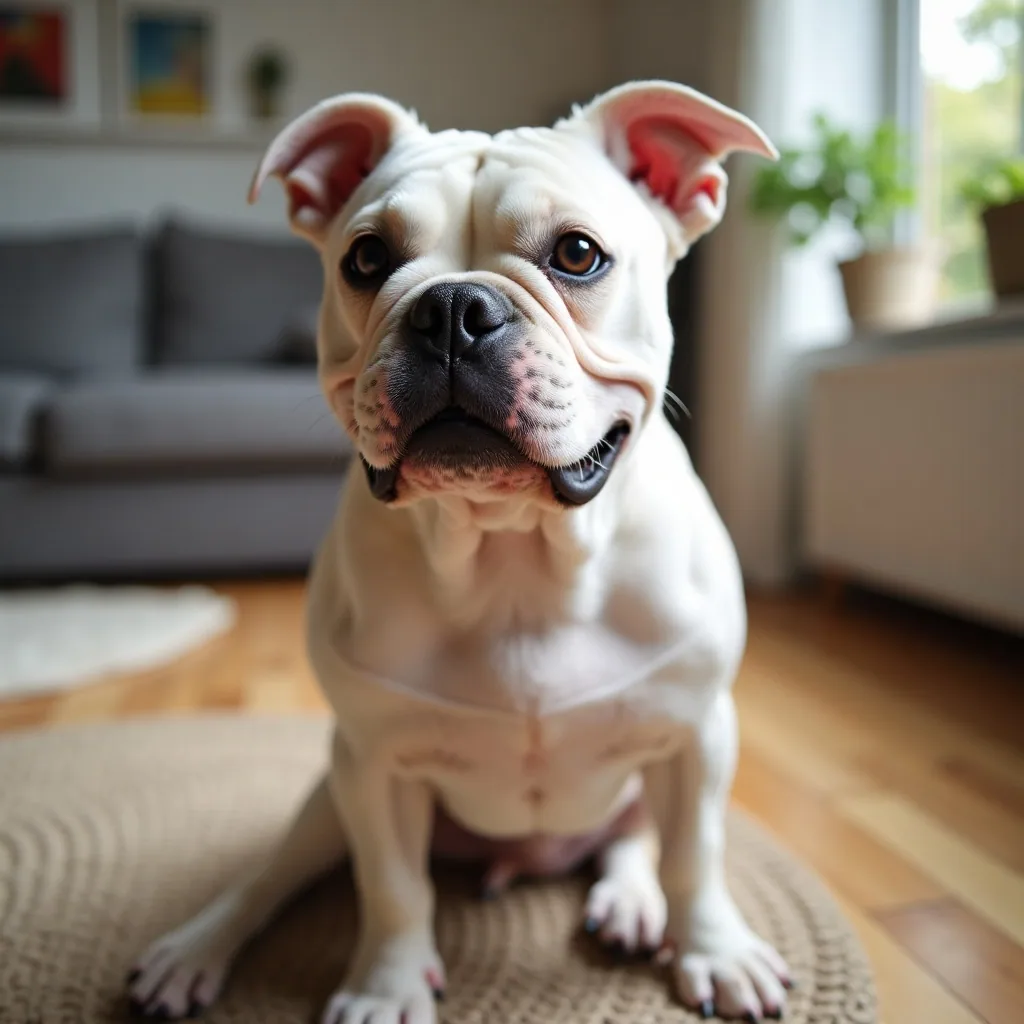
The quick answer
Many Bulldogs struggle to breathe normally because of Brachycephalic Obstructive Airway Syndrome (BOAS), caused by the breed's flattened face and crowded airway. Signs include noisy or laboured breathing, snorting, snoring, struggling in warm weather and tiring quickly on walks.
The English Bulldog is adored for its character and gentle nature, but it is also one of the breeds that the veterinary profession and animal-welfare organisations worry about most. That is because the Bulldog is an extreme brachycephalic (flat-faced) breed, and many of its health problems stem directly from a body shape that has been bred to an extreme. This guide is deliberately honest: if you love the breed or are thinking of getting one, you deserve the full picture so you can care for a Bulldog responsibly — or decide whether the breed is right for you at all.
BOAS: the breathing problem at the heart of the breed
The single biggest welfare issue is Brachycephalic Obstructive Airway Syndrome (BOAS). The Bulldog's skull has been shortened so much that the soft tissues of the nose and throat are crowded into a smaller space, obstructing airflow. Signs include noisy or laboured breathing, snorting, heavy snoring, struggling in warm weather, tiring quickly, and in severe cases difficulty sleeping or even collapse. Importantly, loud breathing in a Bulldog is not normal or endearing — it is a sign the dog is working hard to get enough air. Severity ranges from mild to life-limiting, and some dogs need corrective surgery to widen the airway. Research at the University of Cambridge has helped quantify and grade BOAS, which underpins the breeding-assessment scheme described below.
The Respiratory Function Grading scheme
Because breathing is so central, the Kennel Club and the University of Cambridge run the Respiratory Function Grading (RFG) scheme. Trained assessors examine a dog before and after exercise and assign a grade, with advice on whether it is suitable to breed from. Buying a puppy whose parents have been RFG-graded — with good grades — is one of the most powerful ways to reduce the risk of a severely affected dog. It also sends a signal to breeders that buyers value health over extreme looks.
Heat intolerance and heatstroke
Dogs cool themselves mainly by panting, but a Bulldog's obstructed airway makes panting far less effective. As a result, Bulldogs are highly prone to heatstroke, which can be fatal. UK veterinary research has shown flat-faced breeds are at substantially higher risk of heat-related illness than other dogs. Walk them in the cool of the morning or evening, never leave them in cars or warm rooms, always provide shade and water, and use cooling kit in summer. Learn the early signs of overheating — excessive panting, drooling, distress, wobbliness — and treat any suspected heatstroke as an emergency.
Skin and fold dermatitis
The Bulldog's famous wrinkles come at a cost. The facial folds, and any tail-pocket fold, trap moisture, dirt and bacteria, leading to skin-fold dermatitis — sore, inflamed, sometimes infected skin. This needs regular cleaning and drying to prevent, and veterinary treatment when it flares. Our grooming and care guide covers a practical fold-cleaning routine in detail.
Eye problems
The breed's facial shape and prominent eyes make several eye conditions more common, including cherry eye (prolapse of the third-eyelid gland), entropion and ectropion (eyelids rolling inward or sagging outward), dry eye and corneal ulcers. Some require surgery. Check the eyes regularly and seek prompt veterinary advice for redness, discharge, cloudiness or squinting.
Joints and mobility
The Bulldog's heavy, broad build puts strain on the joints, and conditions such as hip and elbow problems and spinal issues can occur. Keeping your dog lean is one of the most effective ways to protect the joints, alongside gentle, regular exercise rather than high-impact activity. A supportive dog bed helps an older or stiff Bulldog rest comfortably.
The high caesarean rate
Breeding Bulldogs is itself fraught. Puppies have large heads and the mother a narrow pelvis, so natural birth is often difficult or dangerous and a very high proportion of litters are delivered by caesarean section. UK studies have placed the breed among those most likely to need assisted delivery. This is a major welfare, cost and risk consideration, and it is one reason pet owners should not attempt to breed Bulldogs.
Walking on the collar vs a harness
Because breathing is already compromised, pressure on the neck from a collar and lead can make things worse. Many owners and vets prefer a well-fitted harness that spreads pressure across the chest — browse our dog harnesses. A collar with an ID tag is still a legal requirement in public, and microchipping is mandatory for dogs in the UK, but a harness is kinder for walking a flat-faced breed.
Responsible ownership — the honest bottom line
The Bulldog can be a loving, gentle companion, but it carries a serious burden of health problems rooted in its shape. Responsible ownership means buying only from breeders using the RFG scheme and full health screening (or rehoming a Bulldog in need), keeping the dog lean and cool, caring diligently for skin and eyes, walking on a harness, and seeking veterinary help early. For the wider picture, see our guides on lifespan and the cost of ownership.
*This is general guidance, not a substitute for advice from your vet, who can assess your individual dog.*
Sources
- University of Cambridge — Brachycephalic Obstructive Airway Syndrome (BOAS) research.
- The Kennel Club — Respiratory Function Grading scheme and Bulldog breed health.
- RVC VetCompass — flat-faced breed health and caesarean research.
- PDSA — flat-faced dogs and breathing problems.
- RSPCA — brachycephalic dog welfare.
- Blue Cross — flat-faced breeds and their health.
Common questions
Can Bulldogs breathe properly?
Many Bulldogs struggle to breathe normally because of Brachycephalic Obstructive Airway Syndrome (BOAS), caused by the breed's flattened face and crowded airway. Signs include noisy or laboured breathing, snorting, snoring, struggling in warm weather and tiring quickly on walks. Severity varies — some dogs are mildly affected and some need surgery — which is why the Kennel Club and University of Cambridge Respiratory Function Grading scheme exists to assess breathing and guide breeding. Loud breathing in a Bulldog is not normal or cute; it is a sign the dog is working hard to get air.
Why are Bulldogs so sensitive to heat?
Dogs cool themselves mainly by panting, but a Bulldog's obstructed airway makes panting far less effective, so they overheat easily and are at high risk of heatstroke, which can be fatal. UK veterinary research has found flat-faced breeds are much more prone to heat-related illness than other dogs. Walk them in the cool of the day, never leave them in cars or warm rooms, provide shade, water and cooling kit, and treat any signs of overheating — heavy panting, drooling, distress, wobbliness — as an emergency.
Do Bulldogs really need caesareans to give birth?
Very often, yes. Bulldog puppies have large heads and the mother has a narrow pelvis, so natural birth is frequently difficult or dangerous, and a high proportion of litters are delivered by caesarean section. UK studies place the breed among those most likely to need assisted delivery. This is a significant welfare risk and cost, and is one of the main reasons pet owners should not attempt to breed Bulldogs themselves.
About the author
Matt Garnett — founder, Giddy Pets
Matt started Giddy Pets to make getting pets the good stuff simpler and fairer. Everything in these guides comes from real life with pets and a lot of trial and error — it's practical guidance, not veterinary advice. If a guide gets something wrong, tell him directly.
Free tools & more guides
Read next

How Long Do Bulldogs Live? Lifespan & Health
An honest look at Bulldog lifespan — one of the shorter-lived breeds at around 7–10 years — the health conditions behind it, and how to give yours the best chance.
Bulldog Grooming & Care (Skin Folds, Wrinkles & Skin)
How to groom and care for a Bulldog — cleaning the skin folds and wrinkles, preventing fold dermatitis, skin care, nails, teeth, keeping cool, and managing weight.
How Much Does a Bulldog Cost? Buying & Lifetime Costs
What a Bulldog really costs — a high purchase price for a health-screened puppy, some of the highest insurance premiums of any breed, and significant lifetime vet costs.
Are Bulldogs Good Family Dogs?
What Bulldogs are really like to live with — their affectionate, gentle temperament, low exercise needs, and the health and lifestyle realities every family should weigh first.