
Löwchen
The 'little lion dog', a small bichon-type companion traditionally clipped in a lion trim. Affectionate, lively and friendly, making a happy, adaptable, low-shedding family pet.
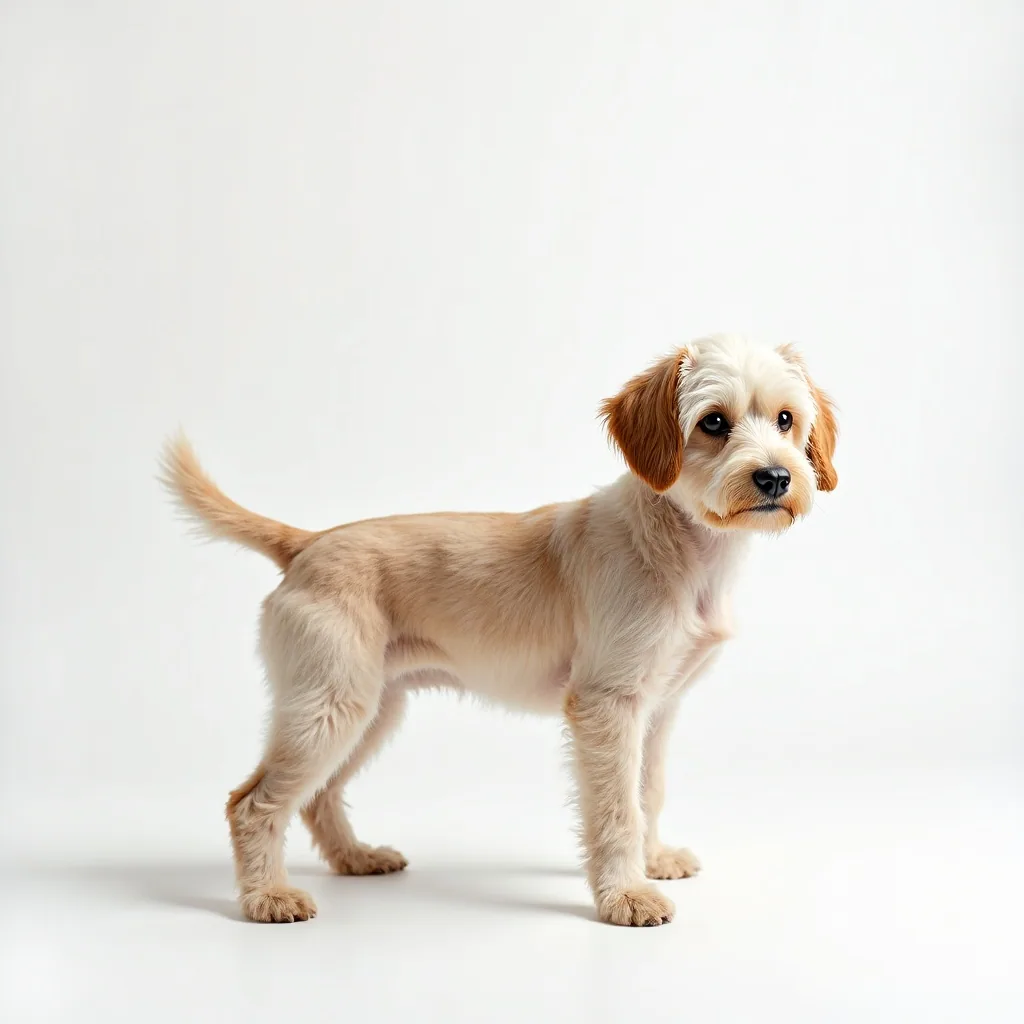
Löwchen scorecard
Overview
The Löwchen, whose name means "little lion dog" in German, is a small bichon-type companion breed traditionally clipped to resemble a tiny lion, with a flowing mane and a clipped hindquarters. Standing around 25–33 cm at the shoulder and weighing roughly 4–8 kg, it is a happy, affectionate and adaptable little dog. It is recognised by the FCI and The Kennel Club, which places it in the Toy group, and it has at times been considered one of the rarer breeds.
Lively, friendly and devoted, the Löwchen makes a charming family pet and a sociable companion. It is low-shedding, which many owners find appealing, but its coat needs regular grooming and the traditional lion clip requires upkeep. Affectionate and people-loving, it is well suited to those who can give it plenty of company, and it adapts happily to flats and smaller homes provided it gets its share of attention and gentle exercise.
Good to know — a Löwchen is flat-friendly and good for first-time owners. Every dog is an individual, so meet a few and chat to a good breeder or rescue before deciding.
Save the Löwchen guide
Thinking about a Löwchen? Pop your email in and we’ll send this guide so you can come back to it any time — handy while you compare breeds.
Popular searches for the Löwchen
History & origins
The Löwchen is an old companion breed of bichon type, with its distinctive lion clip depicted in European art for several centuries — appearing in paintings and tapestries from the Renaissance onwards, which testifies to its long history as a lapdog of the well-to-do. Its precise origins are debated, with both German and Mediterranean roots proposed, but it has long been associated with continental Europe.
The breed's numbers fell dramatically by the mid-20th century, and it was at one point cited as one of the rarest dog breeds in the world. Dedicated breeders worked to revive it, and it is now recognised internationally and kept as a companion, though it remains relatively uncommon. The traditional lion trim, which gives the breed its name, has been a defining feature throughout its documented history.
Temperament & family fit
Löwchen are affectionate, lively and friendly little dogs that thrive on human company and form close bonds with their families. They are typically cheerful, playful and adaptable, getting on well with children and generally sociable with other dogs and pets. Confident and outgoing for their size, they enjoy being involved in family life and make engaging, characterful companions.
Like many small companion breeds they can be prone to barking, particularly if bored or seeking attention, and they do not enjoy being left alone for long periods. They are sensitive, people-oriented dogs that respond to gentle handling and plenty of interaction. Well-socialised Löwchen are confident and friendly rather than timid, and their happy, adaptable nature is much of their appeal.
- Families with children of all ages
- Committed first-time owners
- Flats or houses with daily exercise
Training & intelligence
Intelligent and keen to please, the Löwchen generally responds well to positive, reward-based training and enjoys the attention and engagement it brings. They learn quickly and can do well at obedience and trick training, which suits their lively minds. As with many small breeds, consistency is important to prevent the development of "small-dog" habits such as excessive barking or being over-indulged.
Early socialisation helps them grow into confident, well-rounded adults comfortable with a variety of people, dogs and situations. House-training small breeds sometimes takes patience and consistency. Gentle, motivating methods work best for this sensitive companion, and because they love attention, training is also a pleasant way to spend time together and to keep the dog mentally stimulated.
- Start socialisation & handling early
- Reward-based methods only — no harsh corrections
- Keep sessions short, calm and consistent
Exercise needs
A healthy adult Löwchen typically needs around an hour a day (roughly 60–80 minutes), split across walks, play and a little training. A good sniffy walk, some play and a little training usually keeps them content. Puppies, seniors and dogs with health conditions need adjusted amounts — check with your vet.
Grooming & coat
Although the Löwchen is low-shedding, its long, soft coat needs regular grooming — ideally brushing several times a week — to prevent matting and tangles. The traditional lion clip, which leaves a mane at the front and clipped hindquarters, requires regular trimming, so many owners use a professional groomer. Routine nail trimming, ear checks and dental care are also important, particularly as small breeds can be prone to dental issues. Owners who prefer a simpler coat may keep the dog in a shorter, all-over trim.
- Brush several times a week
- Bathe every few weeks or as needed
- Check ears, nails and teeth weekly
Feeding a Löwchen
Feed a complete, good-quality food suited to a small breed, following feeding guidelines and adjusting portions to maintain a healthy, lean weight. As small dogs, Löwchen need only modest quantities, and treats should be accounted for to avoid excess weight. Good dental-friendly feeding practices and regular dental care help protect the small mouth. Fresh water should always be available.
A small breed
An adult Löwchen typically weighs 4–8 kg, so a healthy Löwchen eats a modest amount compared with other breeds. Every feeding guide on a bag is written per kilo of body weight, not per breed — start there, then adjust to the dog in front of you.
Life stage
A small breed is usually done growing at 10–12 months, which is roughly when a puppy food has finished its job. With a typical lifespan of 13–15 years, there is a long adult stretch in the middle; switch to a senior food when your vet thinks it is worth it rather than on a birthday.
Small mouths, crowded teeth
Smaller breeds get dental disease more often than big ones, largely because the same number of teeth are packed into a shorter jaw. Kibble size is worth checking, and a dental chew counts towards the daily 10% of calories from treats.
How much should a Löwchen weigh?
Adult 4–8 kgfully grown at 10–12 months
| Age | Stage | Typical weight | Of adult size |
|---|---|---|---|
| 8 weeks | Just home | 0.7–1.3 kg | 17% |
| 3 months | Young puppy | 1.1–2.2 kg | 27% |
| 6 months | Growing fast | 2.2–4.3 kg | 54% |
| 10–12 months | Fully grown | 4–8 kg | 100% |
A guide, from the same rule of thumb our puppy growth predictor uses — each age is that share of the way to maturity for a small breed. Puppies grow fastest early, so a real puppy usually sits a little above the middle rows. Weigh yours and ask your vet if the number worries you.
Complete dog foods that suit a Löwchen
Complete foods from our range, matched to a Löwchen's size band and what the breed typically needs. Stock levels and delivery dates are live on each product.


Pedigree Can in Jelly Puppy 6 Pack
Complete Pedigree puppy food in jelly with chicken, lamb and poultry recipes
£10.15

Forthglade Cold Pressed Natural Turkey
Cold-pressed turkey kibble for dogs from 2 months, soft enough to mix with water for young pups
£45.99

Forthglade Cold Pressed Grain Free Salmon
Cold-pressed grain-free dry food for dogs, built on fresh and dried salmon
From£16.99

Forthglade Cold Pressed Grain Free Duck
Cold-pressed grain-free duck food with fruit and botanicals, in two bag sizes
From£16.99

Forthglade Cold Pressed Grain Free Chicken
Cold-pressed grain-free chicken food with fruit and botanicals, in three bag sizes
From£16.99

Forthglade Complete Meal Lightly Baked Turkey
A lightly baked complete dry food, 50% turkey, for adult dogs of any breed
From£12.49

Forthglade Complete Meal Lightly Baked Chicken
A grain-free complete dry food for adult dogs, lightly baked and built on 50% chicken
From£12.49

Forthglade Cold Pressed Grain Free Turkey
Grain-free cold-pressed turkey kibble for dogs, gentle on sensitive stomachs
£69.69

Forthglade British Classics Chicken Family Lunch
Complete Forthglade wet dog food with 75% chicken in a 395G tray
£2.45

Harringtons Puppy Turkey & Rice
Complete turkey puppy food with 30% protein and feeding bands by adult weight
£6.49

Harringtons Just 6 Dry Dog Food Lamb
Grain-free lamb dry dog food in 2KG and 12KG sizes, with size-specific formulas
From£13.99
Löwchen health & costs
Before bringing a Löwchen home it pays to budget for the whole picture — food, insurance, grooming and routine vet care all add up. The figures below are typical UK estimates for a healthy adult; your real costs vary with where you live, your dog's health and the cover you choose.
Food
£250–400 / year
Complete food sized to weight & life stage
Insurance
£15–32 / month
Lifetime cover — varies by age, breed & area
Grooming
£400–700 / year
Regular professional grooming
Routine vet care
£200–450 / year
Vaccines, flea/worm, annual check
The Löwchen is generally a healthy, long-lived little breed, with a typical lifespan of around 13–15 years. Because it has at times existed in small numbers, maintaining genetic diversity and responsible breeding is important, and reputable breeders health-test for the conditions known to occur in small companion breeds.
The main concerns reported in the breed include kneecap and eye problems, and prospective owners should ask breeders about relevant screening. As with many toy breeds, dental care is an ongoing health consideration. Because the breed is uncommon, detailed breed-specific health data is more limited than for popular breeds, so buyers should follow Kennel Club and breed-club health guidance.
Common health conditions to be aware of
- Patellar luxation — slipping kneecaps common in small breeds, which can cause intermittent lameness and may need surgery.
- Progressive retinal atrophy (PRA) — an inherited eye condition causing gradual loss of vision; eye testing is advised.
- Cataracts — clouding of the lens that can impair vision; eye examination of breeding stock helps.
- Dental disease — small breeds are prone to tartar build-up and gum disease, so routine dental care is important.
- Hip dysplasia — occasionally reported; sensible breeding and weight control help reduce risk.
- Note: as a relatively rare breed, breed-specific health data is limited; follow Kennel Club and breed-club guidance.
These reflect typical, size- and coat-related risks for dogs like the Löwchen; individual breeds carry their own predispositions. Always buy from health-tested parents and speak to your vet — this isn't a diagnosis.
Protect against surprise bills
A single emergency can run into thousands. Lifetime insurance spreads the risk.
Estimate insurance →How pet insurance works →Puppy & senior care
Bringing home a Löwchen puppy
Puppies need controlled exercise (a rough guide is five minutes per month of age, twice a day) to protect growing joints, little-and-often meals of a complete puppy food, early socialisation, and a calm routine for toilet training and sleep. Book first vaccinations, microchipping and a vet check early.
New puppy checklist →Caring for a senior Löwchen
As they age, watch weight, joints and teeth, switch to a senior diet if your vet advises, keep exercise gentle but regular, and consider orthopaedic bedding and ramps. Twice-yearly vet checks help catch issues early.
Orthopaedic beds & mobility →Pros & cons
The good bits
- Low-shedding, affectionate companion
- Friendly, adaptable and apartment-suitable
Things to consider
- Coat needs regular grooming and clipping
- Can be a barky, attention-loving lapdog
Compare the Löwchen
See how the Löwchen measures up against similar breeds before you decide:
More breeds like the Löwchen
Same breed group
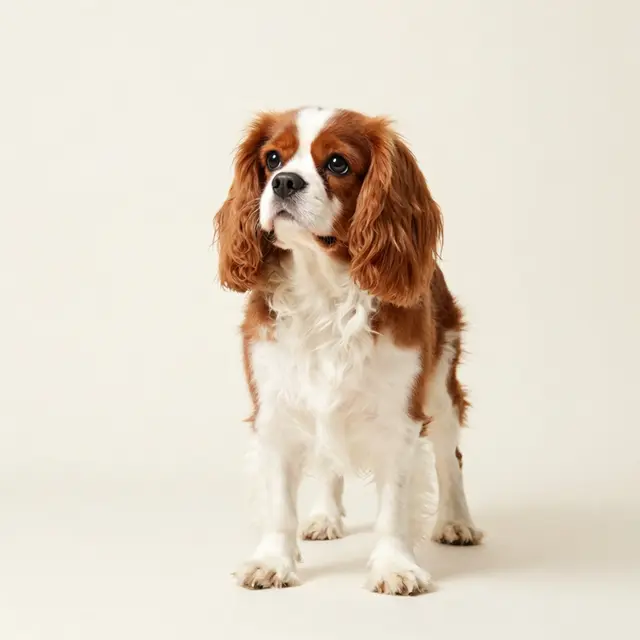
Cavalier King Charles Spaniel
A gentle, affectionate lap dog that’s wonderful with children and adapts happily to flat or house living.
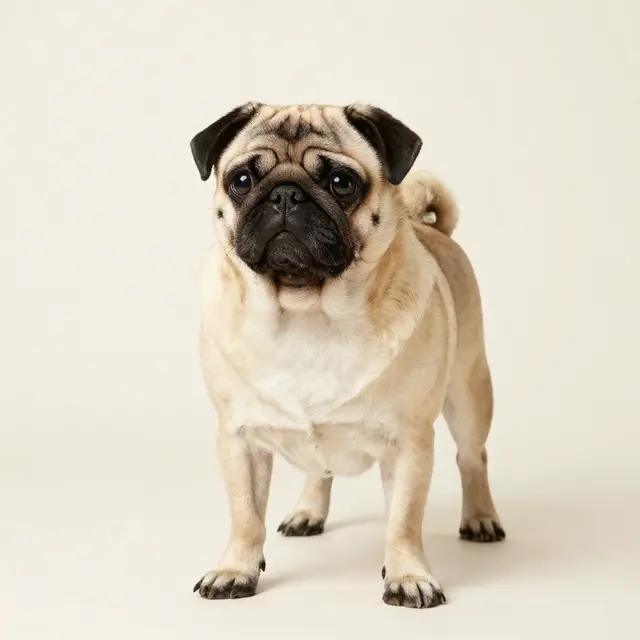
Pug
A charming, comical lap dog that’s content in a flat — but a flat face brings real health considerations.
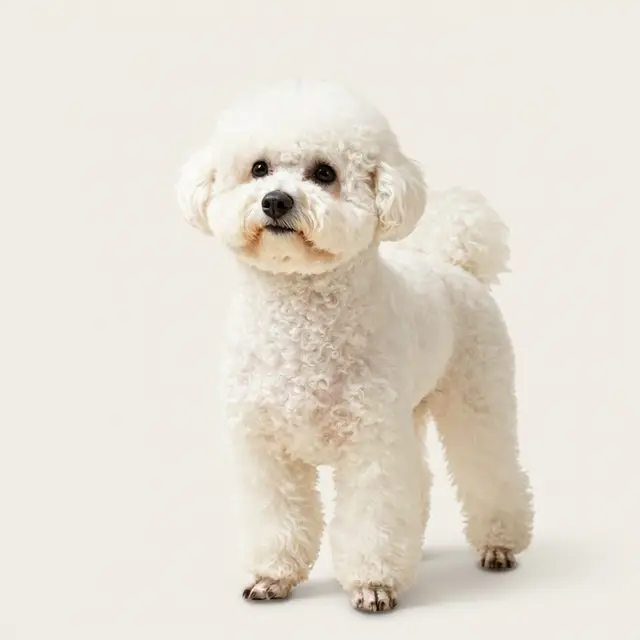
Bichon Frise
A cheerful, low-shedding companion that’s a popular choice for allergy-conscious, flat-dwelling owners.
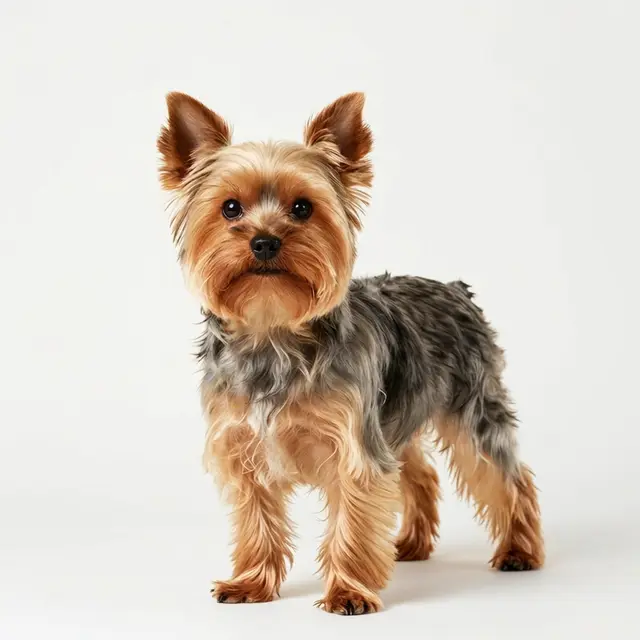
Yorkshire Terrier
A tiny, feisty toy terrier with a big personality — ideal for flats but delicate around small children.
Similar temperament
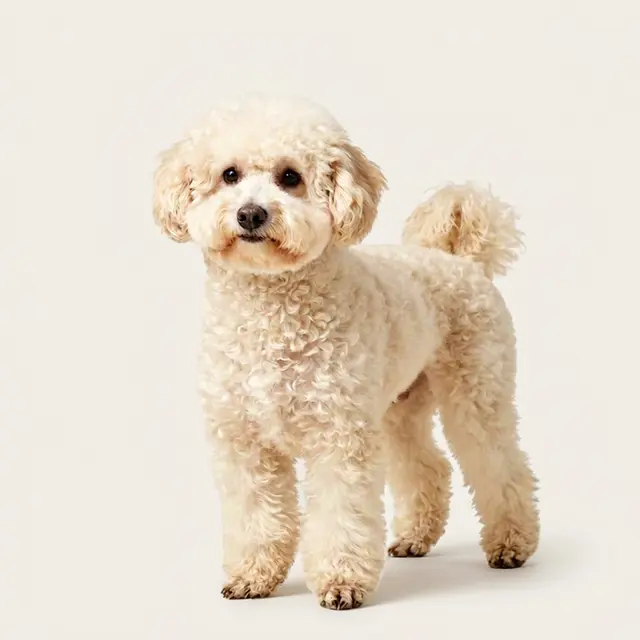
Maltipoo
A Maltese × Poodle cross — affectionate, playful and usually low-shedding, a popular lap-sized companion.
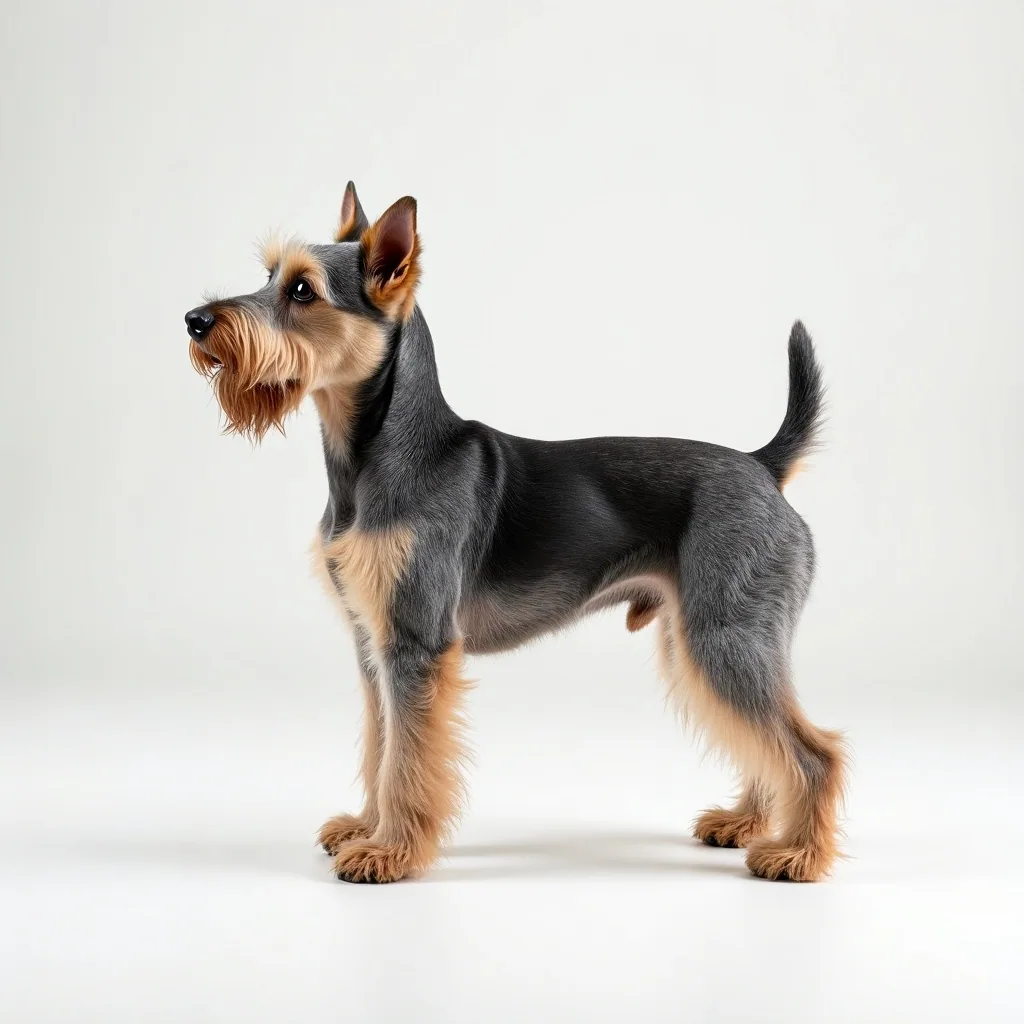
Cesky Terrier
A short-legged Czech terrier bred to be calmer and more biddable than other terriers. Friendly and adaptable, it makes a sociable companion with a coat that needs clipping.
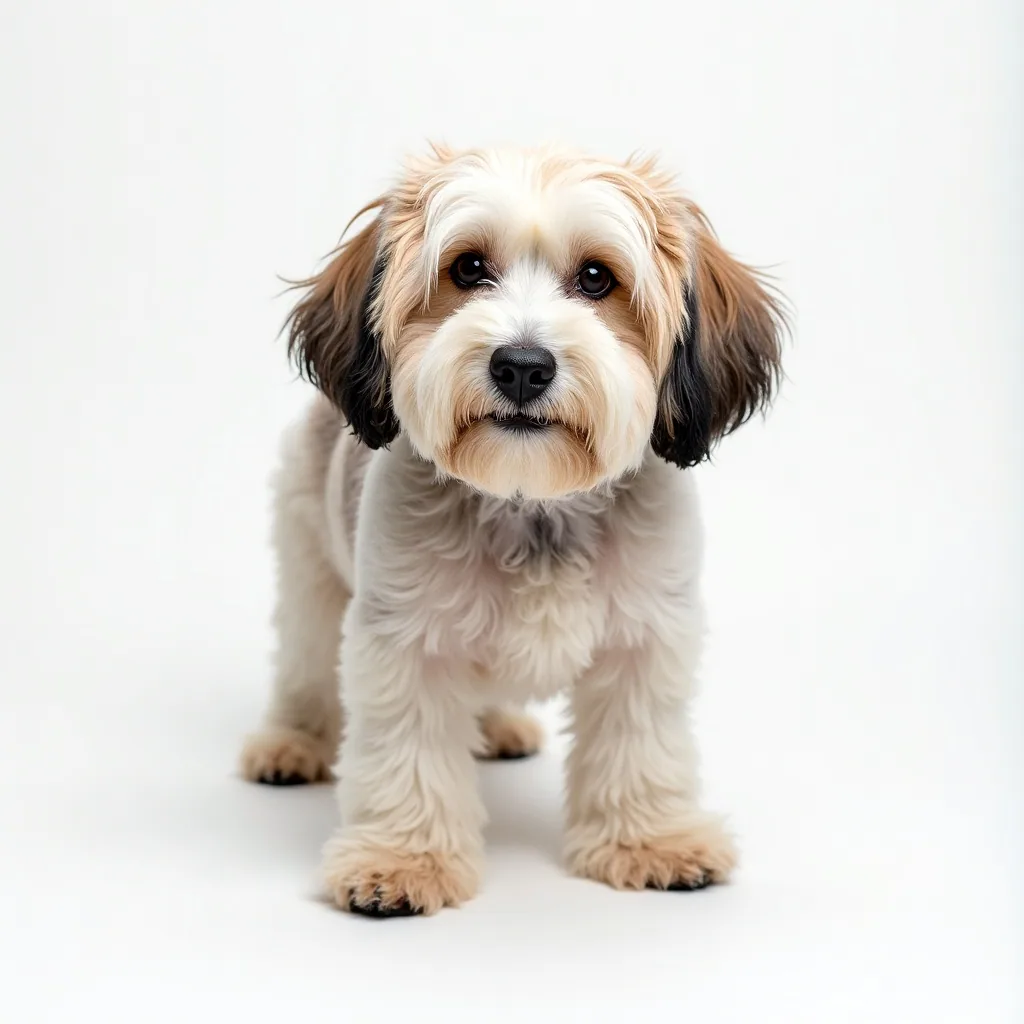
Tibetan Terrier
A medium-sized companion dog from Tibet with a long, profuse coat (not a true terrier). Affectionate, lively and loyal, but the coat needs committed grooming.
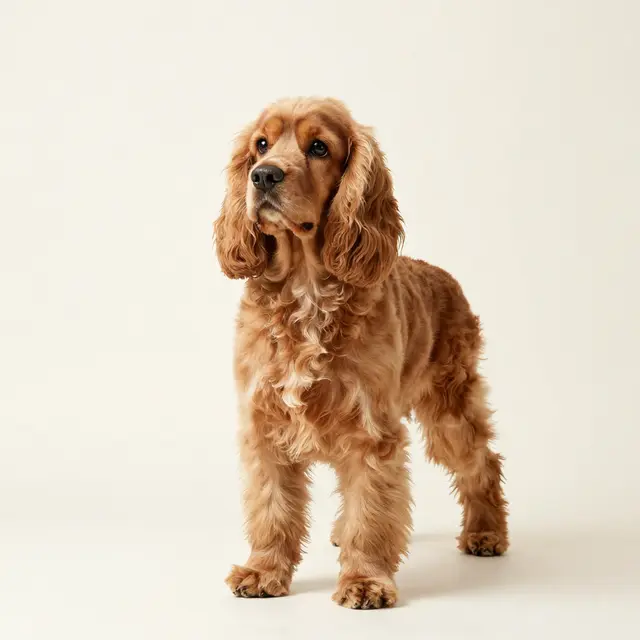
Cocker Spaniel
A merry, affectionate gundog that loves people and activity — happiest with a job and regular grooming.
Similar size, different type
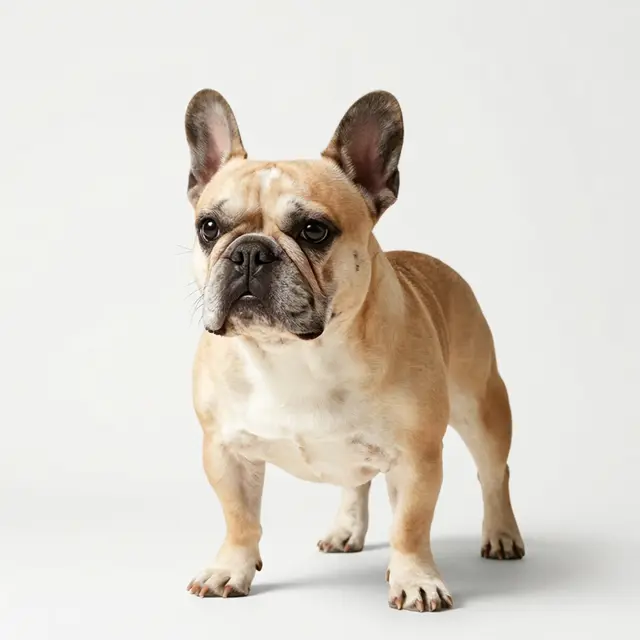
French Bulldog
A compact, easy-going companion that suits flats and modest exercise — but with serious health considerations.
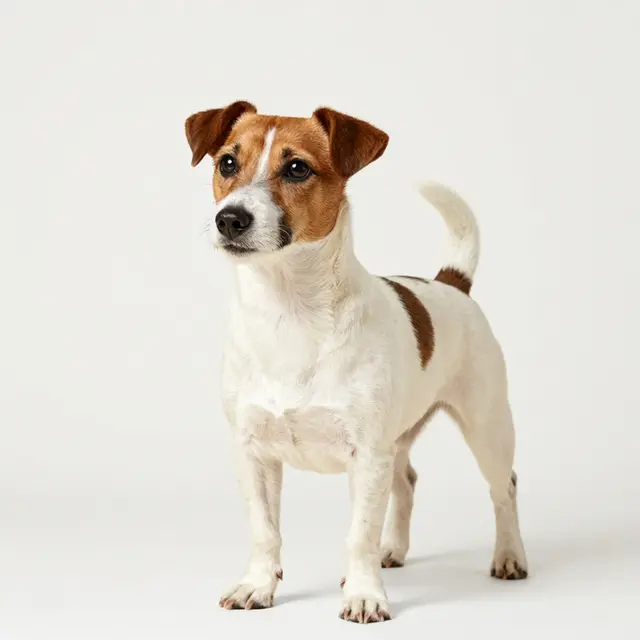
Jack Russell Terrier
A small dog with a huge personality — bold, clever and bursting with energy and prey drive.
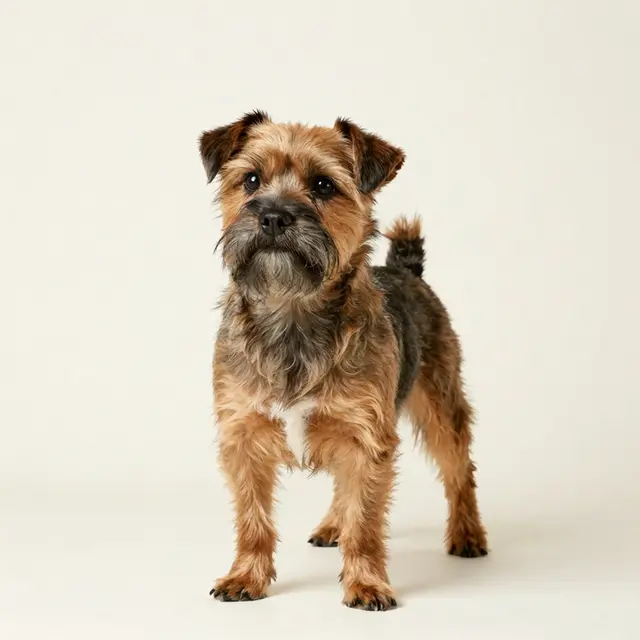
Border Terrier
A hardy, good-natured working terrier that’s friendlier with people and dogs than many of its terrier cousins.
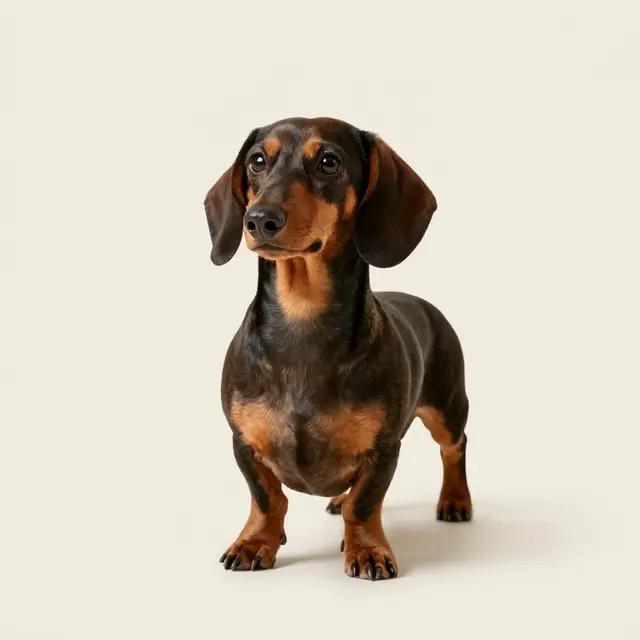
Dachshund
A bold, characterful "sausage dog" that suits smaller homes but needs careful handling of its long back.
Is the Löwchen your breed?
Create your pet profile and get personalised food, toy, insurance and health recommendations — tailored to your dog.
Frequently asked questions
What is a Löwchen?
The Löwchen, meaning "little lion dog" in German, is a small bichon-type companion breed traditionally clipped to resemble a tiny lion, with a flowing mane and clipped hindquarters. Standing around 25–33 cm and weighing roughly 4–8 kg, it is a happy, affectionate and adaptable little dog, recognised by the FCI and The Kennel Club's Toy group.
Is the Löwchen a good family pet?
Yes. Löwchen are affectionate, lively and friendly dogs that thrive on human company and form close bonds with their families. They are cheerful, playful and adaptable, generally getting on well with children and sociable with other dogs and pets. Confident and outgoing for their size, they make engaging, characterful companions.
Do Löwchen shed, and how much grooming do they need?
The Löwchen is low-shedding, which many owners value, but its long, soft coat needs regular grooming — ideally brushing several times a week — to prevent matting. The traditional lion clip requires regular trimming, so many owners use a professional groomer or keep the dog in a shorter all-over trim. Dental care is also important.
How much exercise does a Löwchen need?
The Löwchen has modest exercise needs and is happy with a couple of short-to-moderate daily walks plus some play and indoor activity — around half an hour to an hour a day suits most. They enjoy games and gentle training that engage their minds, and their small, adaptable nature suits flats and smaller homes.
How long do Löwchen live?
The Löwchen is generally a healthy, long-lived little breed, with a typical lifespan of around 13–15 years. Maintaining genetic diversity and responsible breeding matters, as the breed has at times existed in small numbers. Good dental care and keeping the dog at a healthy weight help support a long, comfortable life.
What health problems can affect the Löwchen?
The main concerns reported in the breed include kneecap (patella) and eye problems, so prospective owners should ask breeders about relevant screening. As with many toy breeds, dental care is an ongoing health consideration. Because the breed is uncommon, follow Kennel Club and breed-club health guidance when choosing a puppy.
Do Löwchen bark a lot or suffer when left alone?
Like many small companion breeds, Löwchen can be prone to barking, particularly if bored or seeking attention, and they do not enjoy being left alone for long periods. They are best suited to households where someone is usually around, and early socialisation plus consistent training help prevent attention-seeking habits.
Is the Löwchen suitable for flats and first-time owners?
Yes. The Löwchen suits a wide range of homes, from flats to family houses, provided it gets plenty of company, gentle exercise and regular grooming. Affectionate, adaptable and good with children and other pets, it is a versatile companion for individuals, families and older owners alike, including many first-time owners.
Are Löwchens good with children?
Good with children. As a general guide, Löwchens tend to be patient and tolerant. Whatever the breed, always supervise dogs and young children and teach kids to interact gently.
How much exercise does a Löwchen need?
As a healthy adult, a typical Löwchen needs around an hour of exercise a day (60–80 minutes), split across walks plus play. A good sniffy walk plus some play and training usually keeps them happy. Puppies, seniors and dogs with health conditions need less — ask your vet.
Do Löwchens shed a lot?
Minimal shedding. Coat upkeep is high upkeep — plan on frequent brushing and regular trips to a groomer.
Are Löwchens easy to train and good for first-time owners?
Good for first-time owners. Löwchens are generally a forgiving choice for first-time owners who put in early training and socialisation. Reward-based training and early socialisation help any dog.
Do Löwchens bark a lot?
Moderate barker. They are usually fairly easy-going about barking, though any dog will bark if bored or under-exercised.
Are Löwchens good with other dogs?
Sociable with other dogs. Early, positive socialisation with other dogs from a young age makes a big difference.
Do Löwchens suit flats or smaller homes?
Flat-friendly. A Löwchen can adapt to flat living as long as it gets its daily exercise and company.
Sources
- The Kennel Club (UK) — Löwchen (Little Lion Dog) breed information: https://www.thekennelclub.org.uk/breed-standards/toy/lowchen-little-lion-dog/
- Fédération Cynologique Internationale (FCI) — Löwchen (Petit chien lion) standard No. 233: https://www.fci.be/en/nomenclature/LITTLE-LION-DOG-233.html
- PDSA — Looking after your dog: https://www.pdsa.org.uk/taking-care-of-your-pet
- RSPCA — Dog care advice: https://www.rspca.org.uk/adviceandwelfare/pets/dogs
Recommended for your Löwchen
Matched to a Löwchen's size and their typical need for regular coat care, dental care.

Wooden Pet Deshedding Grooming Brush
An ergonomic wooden grooming brush with a fine-toothed edge that loosens and lifts away dead and shedding fur. The smooth contoured handle sits comfortably in the hand for quick, gentle daily de-shedding.
£14.99

Pet Oral Spray for Dogs & Cats
A 100ml pet oral spray for dogs and cats that helps promote fresh breath and cleaner teeth. Simply spray onto teeth and gums - no brushing needed for daily oral care.
£8.99

Bugalugs Double-Sided Dematting Rake for Dogs & Cats
Two tools in one: tackle stubborn mats with the 9-tooth side, then thin and de-shed with the 17-tooth side — ideal for long or double-coated pets.
£11.99

Whimzees Stix Daily Dental Dog Chew Value Bag
Gluten-free Stix dental chews for dogs, value bag — not for dogs under 5lb or 9 months
£10.99

Kenchii Scorpion 8-Inch 24-Tooth Chunker & Blender Scissors
Performance chunker and blending scissors from Kenchii's Scorpion range — Japanese alloy stainless steel with specially designed blades for daily professional use.
£104.49

Warm Stretch Snood for Dogs, Ear and Neck Cover, S, M and L
A stretch snood that gathers long ears back against the head and out of food bowls, puddles and brambles, knitted in a soft cationic-spandex blend in purple or blue.
£10.99

Electric Pet Grooming Clipper
A quiet, rechargeable electric clipper for trimming dogs, cats, rabbits and other pets at home. Low-noise and low-vibration with an adjustable blade for tidy, stress-free grooming around the body and paws.
From£11.99

Turkey Tail Mushroom & Probiotic Powder
A bacon-flavoured turkey tail mushroom and probiotic powder you sprinkle over food. Made to support immunity, energy and gut health, with scoop guidance for every weight from small to large pets.
£13.99
Suggestions based on breed traits — always check sizing and suitability for your individual dog.
Got a Löwchen? Save them to a pet profile for tailored picks across the whole site.
Happier, healthier pets — in your inbox.
Breed care tips, seasonal advice and first access to new arrivals. No spam, unsubscribe anytime.
Every dog is an individual — temperament and needs vary. Please research thoroughly, meet dogs in person, and consider adopting from a rescue. This is general guidance, not a substitute for advice from your vet or a qualified trainer.