


Australian Shepherd
Despite the name, the 'Aussie' was developed in the American West to herd livestock — and it's all working drive and brains. Energetic, intensely trainable and devoted, it shines at dog sports. It suits very active owners who can provide hours of exercise plus genuine mental work; an under-stimulated Aussie quickly becomes a frustrated, destructive handful.
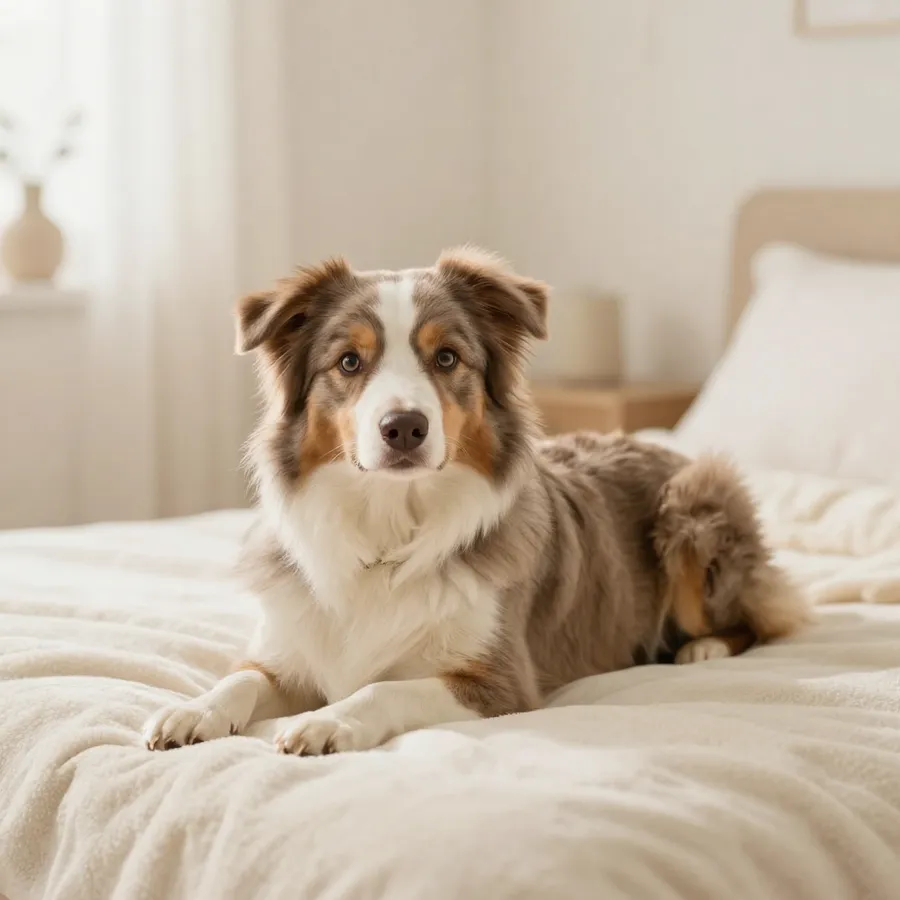
Australian Shepherd scorecard
Overview
The Australian Shepherd is a medium-sized, highly intelligent herding dog renowned for its athleticism, trainability and tireless work ethic. Typically standing around 46–58 cm at the shoulder and weighing roughly 18–29 kg, the "Aussie" is a well-balanced, agile dog with a medium-length weather-resistant coat that comes in striking patterns — including blue merle, red merle, black and red, often with white and tan markings. The Kennel Club places the breed in the Pastoral group, reflecting its origins as a working stock dog.
The Australian Shepherd is a wonderful companion for the right home, but it is emphatically a working breed that needs a busy, committed owner. Bred to spend long days herding livestock, it has very high exercise requirements and an even greater need for mental stimulation. A well-exercised, well-trained Aussie is devoted, biddable and a joy to live with; an under-stimulated one can become anxious, noisy or destructive, and may direct its herding instinct towards children, other pets or passing cyclists. This is not a breed for flats, novices or sedentary households.
Good to know — a Australian Shepherd needs plenty of space and better with some experience. Every dog is an individual, so meet a few and chat to a good breeder or rescue before deciding.
Save the Australian Shepherd guide
Thinking about a Australian Shepherd? Pop your email in and we’ll send this guide so you can come back to it any time — handy while you compare breeds.
Popular searches for the Australian Shepherd
History & origins
Despite its name, the Australian Shepherd was developed in the western United States, not Australia. The breed took shape among ranchers and shepherds in the American West during the nineteenth and twentieth centuries, refined into the dog we know today particularly through the mid-twentieth century. Its ancestry is thought to include various European herding dogs brought to North America, and the "Australian" label is generally attributed to the breed's association with sheep and shepherds who had passed through Australia before reaching the United States.
The Aussie earned its reputation as a versatile ranch and stock dog, prized for intelligence, agility and an intense desire to work. It rose to wider public attention through the American rodeo and Western horse-riding scene, and through performing dogs. The breed is now recognised by major kennel clubs, including The Kennel Club in the UK and the FCI, and has become hugely popular in dog sports such as agility, flyball, obedience and herding trials, where its speed and trainability shine.
Temperament & family fit
The Australian Shepherd is intelligent, energetic and intensely devoted to its family. It typically forms strong bonds with its people and thrives on being involved in everything they do, making it an affectionate and loyal companion. Well-socialised Aussies are usually good with children and can get on well with other dogs, and many are friendly and outgoing — though some are naturally reserved with strangers, a trait that suits their watchful herding heritage.
The defining feature of the breed's temperament is its drive. The Australian Shepherd was bred to think and work independently while staying responsive to its handler, and it carries that busy, problem-solving mind into family life. Without an outlet, that intelligence and energy can turn into nuisance behaviours, anxiety or compulsive habits. The breed's strong herding instinct can also show up as chasing or nipping at moving things — including running children, cyclists and cars — so early training and management are important. In the right active home, the Aussie is biddable, eager and endlessly engaged.
- Families with children of all ages
- Owners ready for consistent training
- Active homes with plenty of space
Training & intelligence
Few breeds are as rewarding to train as the Australian Shepherd. Highly intelligent and eager to please, it learns quickly and excels in obedience, agility, herding, scent work and trick training. Positive, reward-based methods work best, and the breed flourishes when training is varied, fast-paced and mentally challenging. Channelling that keen mind into structured activities is not just enjoyable — it is essential to keep an Aussie balanced and content.
Early and ongoing socialisation is important, particularly to manage the breed's tendency to be reserved with strangers and to chase moving objects. Owners should teach a reliable recall and impulse control from puppyhood, and provide consistent, fair leadership. Because Aussies are so quick to learn, they will readily pick up bad habits too, so consistency matters. Puppy classes and continued training with a reward-based trainer help set this clever breed up for success.
- Start socialisation & handling early
- Reward-based methods only — no harsh corrections
- Channel energy into training games & enrichment
Exercise needs
A healthy adult Australian Shepherd typically needs 2 hours or more, plus a job to do a day (roughly 120–180 minutes), split across walks, play and a little training. Higher-energy dogs also need their brains tired — sniffy walks, training games and puzzle feeding go a long way. Puppies, seniors and dogs with health conditions need adjusted amounts — check with your vet.
Grooming & coat
The Australian Shepherd has a medium-length double coat that needs regular brushing — around once or twice a week — to prevent matting and manage loose hair, with more frequent attention during the heavier seasonal sheds in spring and autumn. The coat is weather-resistant and generally low-fuss to maintain beyond regular brushing and the occasional bath. Pay attention to feathering on the legs and behind the ears, where tangles form. As always, routine nail trimming, dental care and ear checks complete the grooming routine. Note that merle-coated Aussies should never be bred merle-to-merle because of associated health risks.
- Brush several times a week
- Bathe every few weeks or as needed
- Check ears, nails and teeth weekly
Feeding a Australian Shepherd
Feed an Australian Shepherd a complete, good-quality diet matched to its life stage and high activity level, following the manufacturer's guidance and adjusting to keep the dog lean and well-muscled. Active working or sporting Aussies will need more energy than a pet living a quieter life, so feed to the individual and monitor body condition regularly. Split the daily ration into measured meals, keep treats modest (especially when using food in training), ensure constant access to fresh water, and consult your vet for tailored advice, particularly during growth.
A medium breed
An adult Australian Shepherd typically weighs 18–29 kg, so a healthy Australian Shepherd eats a moderate amount compared with other breeds. Every feeding guide on a bag is written per kilo of body weight, not per breed — start there, then adjust to the dog in front of you.
Life stage
A medium breed is usually done growing at ~12 months, which is roughly when a puppy food has finished its job. With a typical lifespan of 12–15 years, there is a long adult stretch in the middle; switch to a senior food when your vet thinks it is worth it rather than on a birthday.
A high-energy dog eats like one
Australian Shepherds sit at the top end for energy, and a dog working through a couple of hours of real exercise a day burns through the feeding guide faster than a dog on a short stroll. Feed to the dog's condition, not to the middle of the range on the bag.
Mealtimes can do some of the work
A breed that struggles to settle on its own gets more out of a meal that takes effort — a lick mat, a snuffle mat or a puzzle feeder using part of the daily ration rather than extra food on top of it.
How much should a Australian Shepherd weigh?
Adult 18–29 kgfully grown at ~12 months
| Age | Stage | Typical weight | Of adult size |
|---|---|---|---|
| 8 weeks | Just home | 2.8–4.5 kg | 15% |
| 3 months | Young puppy | 4.5–7.3 kg | 25% |
| 6 months | Growing fast | 9–14.5 kg | 50% |
| ~12 months | Fully grown | 18–29 kg | 100% |
A guide, from the same rule of thumb our puppy growth predictor uses — each age is that share of the way to maturity for a medium breed. Puppies grow fastest early, so a real puppy usually sits a little above the middle rows. Weigh yours and ask your vet if the number worries you.
Complete dog foods that suit a Australian Shepherd
Complete foods from our range, matched to a Australian Shepherd's size band and what the breed typically needs. Stock levels and delivery dates are live on each product.

Burns Adult/Senior Weight Control Chicken and Oats
A low-fat weight control dry food for adult and senior dogs, oat-based
£35.99

Simpsons Dog Sensitive Lamb Potato
A grain-free lamb and potato dry food for dogs with sensitive skin or digestion
From£17.05

Arden Grange Adult Dog Calming Turkey Sweet Potato
A grain-free complete turkey food with added L-tryptophan and chamomile
From£16.99

Forthglade Cold Pressed Natural Turkey
Cold-pressed turkey kibble for dogs from 2 months, soft enough to mix with water for young pups
£45.99

Forthglade Cold Pressed Grain Free Salmon
Cold-pressed grain-free dry food for dogs, built on fresh and dried salmon
From£16.99

Forthglade Cold Pressed Grain Free Duck
Cold-pressed grain-free duck food with fruit and botanicals, in two bag sizes
From£16.99

Forthglade Cold Pressed Grain Free Chicken
Cold-pressed grain-free chicken food with fruit and botanicals, in three bag sizes
From£16.99

Forthglade Cold Pressed Grain Free Turkey
Grain-free cold-pressed turkey kibble for dogs, gentle on sensitive stomachs
£69.69

Forthglade British Classics Chicken Family Lunch
Complete Forthglade wet dog food with 75% chicken in a 395G tray
£2.45

Harringtons Puppy Turkey & Rice
Complete turkey puppy food with 30% protein and feeding bands by adult weight
£6.49

Harringtons Just 6 Dry Dog Food Lamb
Grain-free lamb dry dog food in 2KG and 12KG sizes, with size-specific formulas
From£13.99

Burns Puppy Original Lamb & Rice
Complete Burns lamb and rice puppy food in a 2KG bag for up to 12 months
£14.99
Australian Shepherd health & costs
Before bringing a Australian Shepherd home it pays to budget for the whole picture — food, insurance, grooming and routine vet care all add up. The figures below are typical UK estimates for a healthy adult; your real costs vary with where you live, your dog's health and the cover you choose.
Food
£400–600 / year
Complete food sized to weight & life stage
Insurance
£25–45 / month
Lifetime cover — varies by age, breed & area
Grooming
£120–300 / year
Occasional pro + home brushing
Routine vet care
£200–450 / year
Vaccines, flea/worm, annual check
The Australian Shepherd is generally a hardy, athletic breed with a typical lifespan of around 12–15 years, but it does carry some breed-associated health concerns that responsible breeders screen for. Eye conditions are a particular focus, and eye testing of breeding stock is recommended. The breed is also notable for a genetic sensitivity to certain drugs linked to the MDR1 (multidrug resistance) gene mutation, for which a DNA test is available; owners should inform their vet, as affected dogs can react adversely to some common medications.
Other conditions seen in the breed include hip dysplasia, hereditary eye disorders such as progressive retinal atrophy and collie eye anomaly, and epilepsy. Health problems associated with the merle coat pattern — including deafness and eye defects — are why merle-to-merle breeding is avoided. Buying from a breeder who DNA-tests for MDR1 and screens hips and eyes, keeping vaccinations and parasite control up to date, maintaining a healthy weight and registering with a vet all help an Aussie live a long, active life.
Common health conditions to be aware of
- MDR1 (multidrug resistance) gene mutation — causes sensitivity to certain common drugs; a DNA test is available and the vet should be informed of a dog's status.
- Hip dysplasia — abnormal hip-joint development that can lead to pain and arthritis; responsible breeders hip-score their dogs.
- Progressive retinal atrophy (PRA) — an inherited degeneration of the retina causing gradual sight loss; breeding dogs should be eye-tested.
- Collie eye anomaly — an inherited eye condition affecting the back of the eye, sometimes mild but occasionally sight-threatening.
- Epilepsy — a recognised cause of recurrent seizures in the breed, often managed long-term with medication.
- Merle-related defects (deafness and eye abnormalities) — associated with the merle coat, which is why merle-to-merle matings are avoided.
These reflect typical, size- and coat-related risks for dogs like the Australian Shepherd; individual breeds carry their own predispositions. Always buy from health-tested parents and speak to your vet — this isn't a diagnosis.
Protect against surprise bills
A single emergency can run into thousands. Lifetime insurance spreads the risk.
Estimate insurance →How pet insurance works →Puppy & senior care
Bringing home a Australian Shepherd puppy
Puppies need controlled exercise (a rough guide is five minutes per month of age, twice a day) to protect growing joints, little-and-often meals of a complete puppy food, early socialisation, and a calm routine for toilet training and sleep. Book first vaccinations, microchipping and a vet check early.
New puppy checklist →Caring for a senior Australian Shepherd
As they age, watch weight, joints and teeth, switch to a senior diet if your vet advises, keep exercise gentle but regular, and consider orthopaedic bedding and ramps. Twice-yearly vet checks help catch issues early.
Orthopaedic beds & mobility →Pros & cons
The good bits
- Highly intelligent, athletic and trainable
- Devoted and good with active families
Things to consider
- Needs intense daily exercise plus mental work — not for flats or novices
- Herding instinct can mean nipping; sheds heavily
Australian Shepherd health & care guides
In-depth, vet-sensible guides written for Australian Shepherd owners:
Compare the Australian Shepherd
See how the Australian Shepherd measures up against similar breeds before you decide:
More breeds like the Australian Shepherd
Same breed group
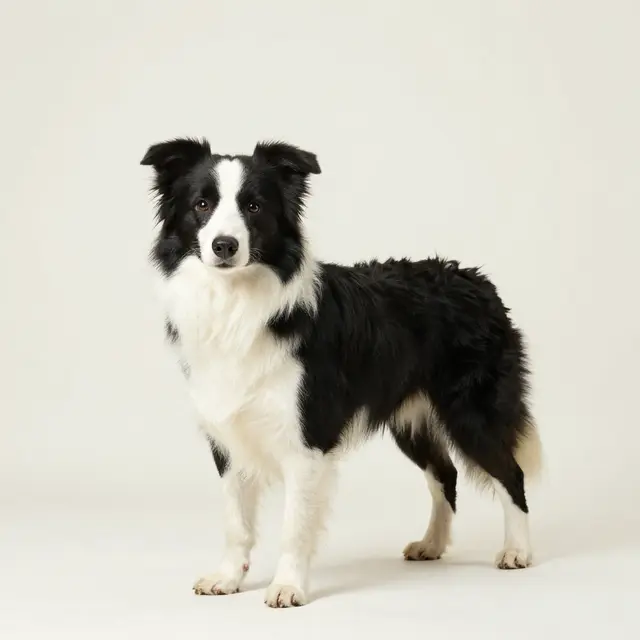
Border Collie
The ultimate working brain — astonishingly clever and trainable, but needs hours of exercise and a job to do.
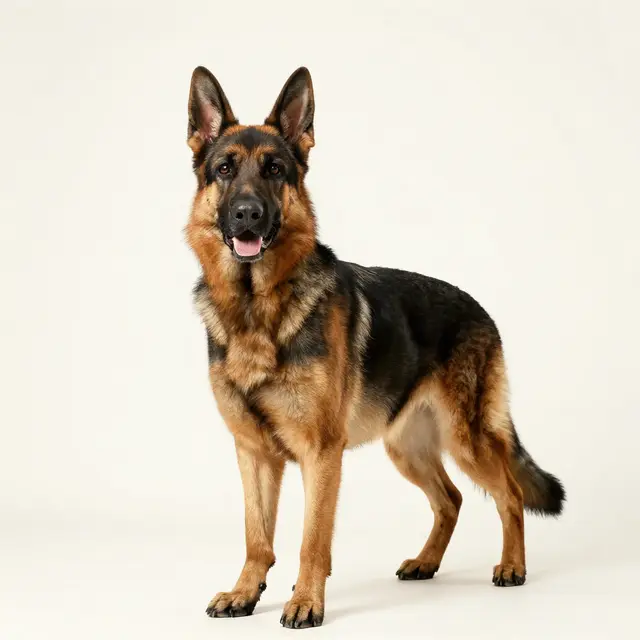
German Shepherd
A loyal, courageous and highly trainable working dog that needs experienced handling and plenty to do.
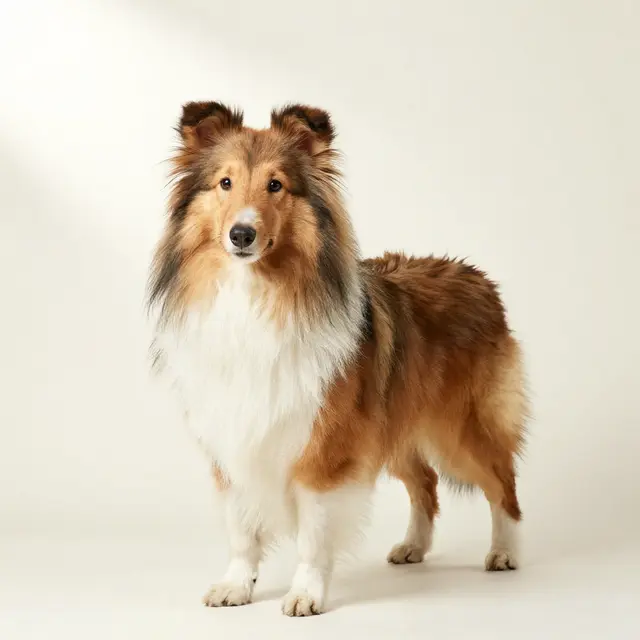
Shetland Sheepdog
A small, brainy herding dog — the "Sheltie" is devoted, highly trainable and excels at agility and obedience.
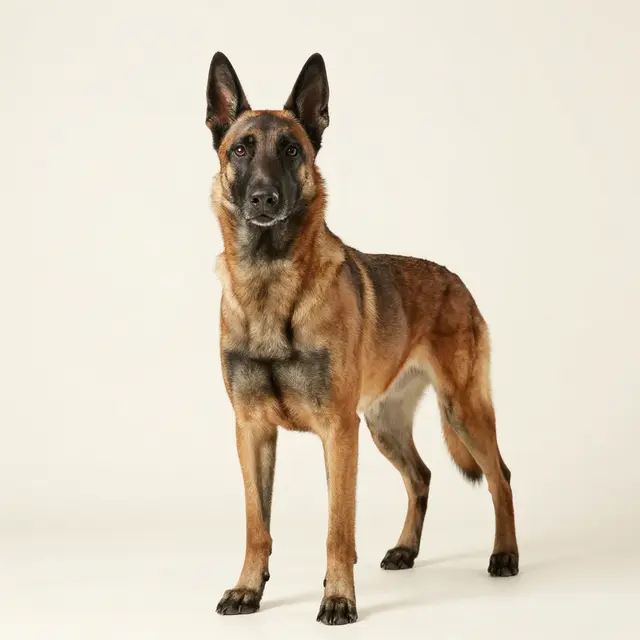
Belgian Malinois
A high-drive working dog used by police and military worldwide — astonishingly athletic and trainable, but far too much dog for most homes.
Similar temperament
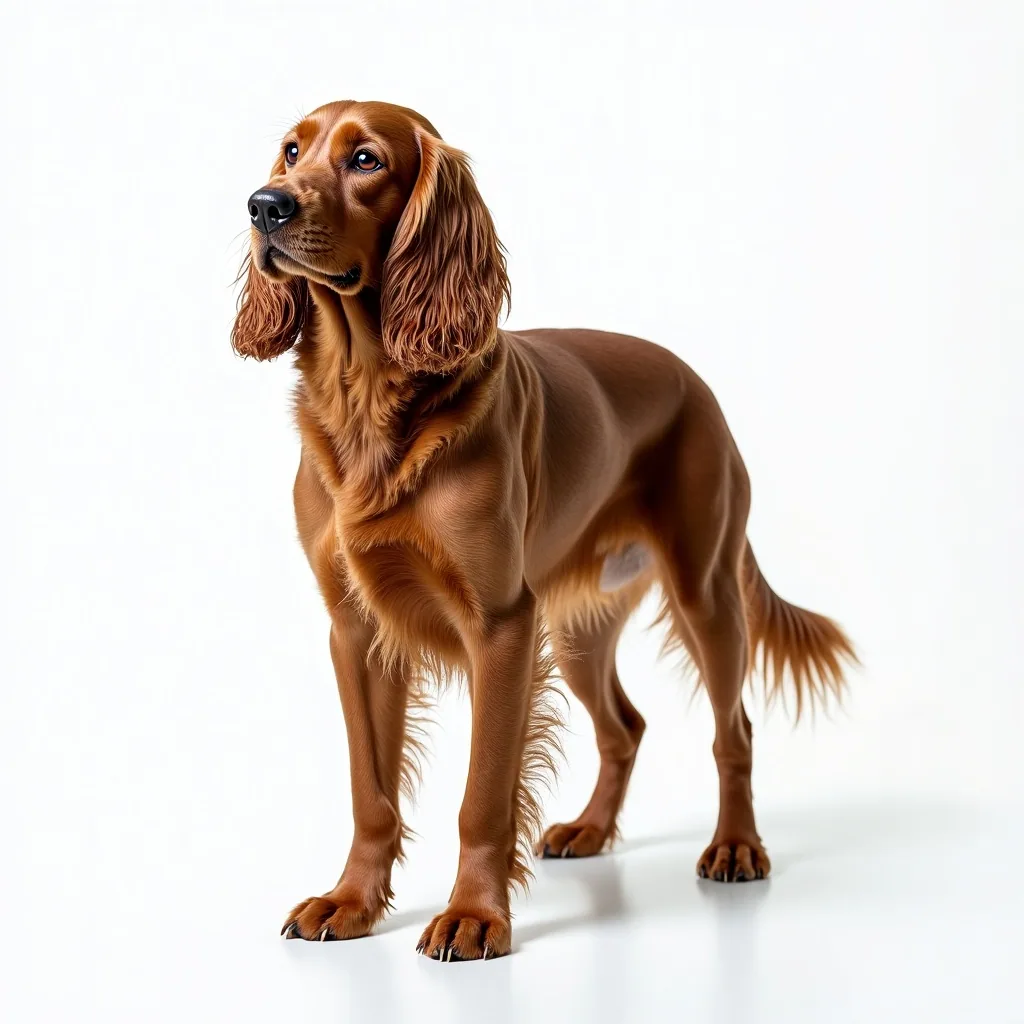
German Spaniel
The Deutscher Wachtelhund, a robust German flushing and tracking gundog. Eager, hardy and affectionate, but bred as a serious worker needing intense exercise and a job.
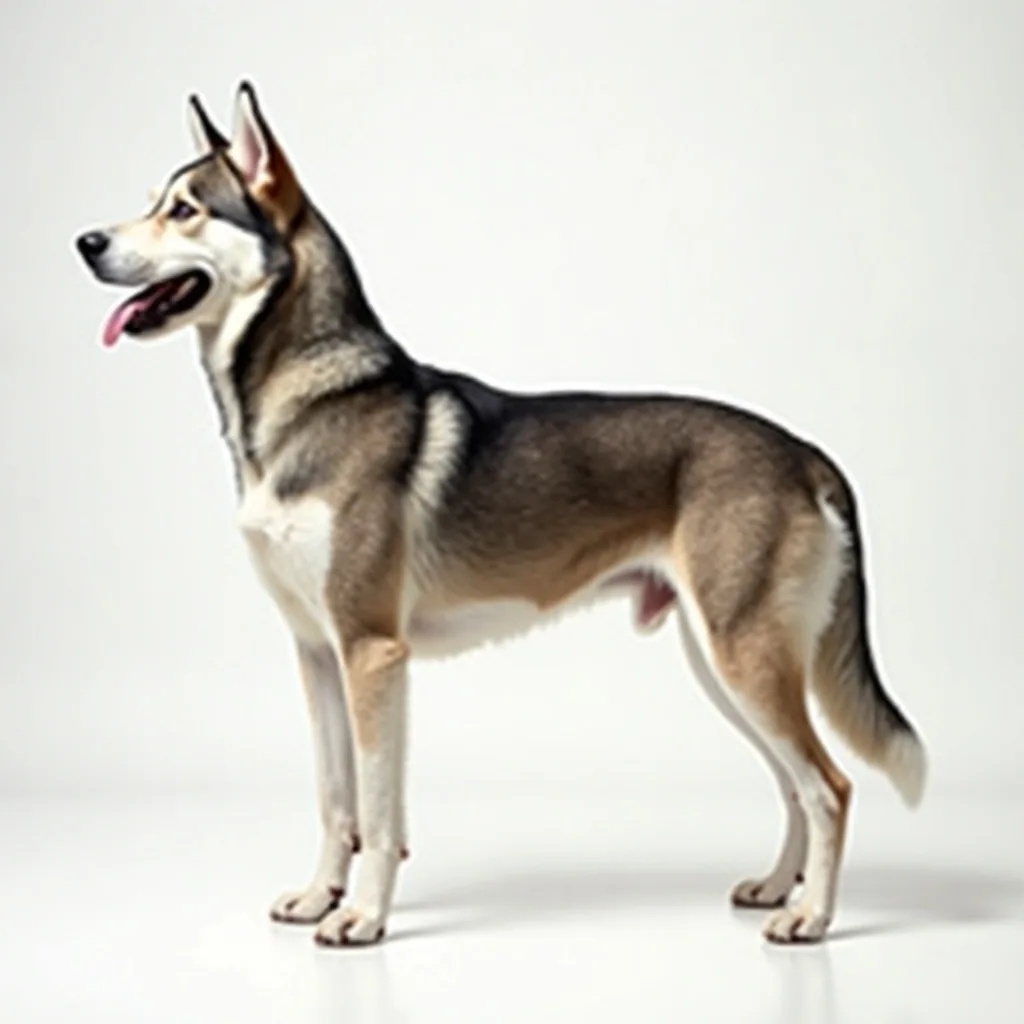
Huskador
A high-energy, friendly cross of the Husky and the Labrador. Sociable and clever, but athletic, prone to roaming and heavy shedding, needing committed exercise and training.
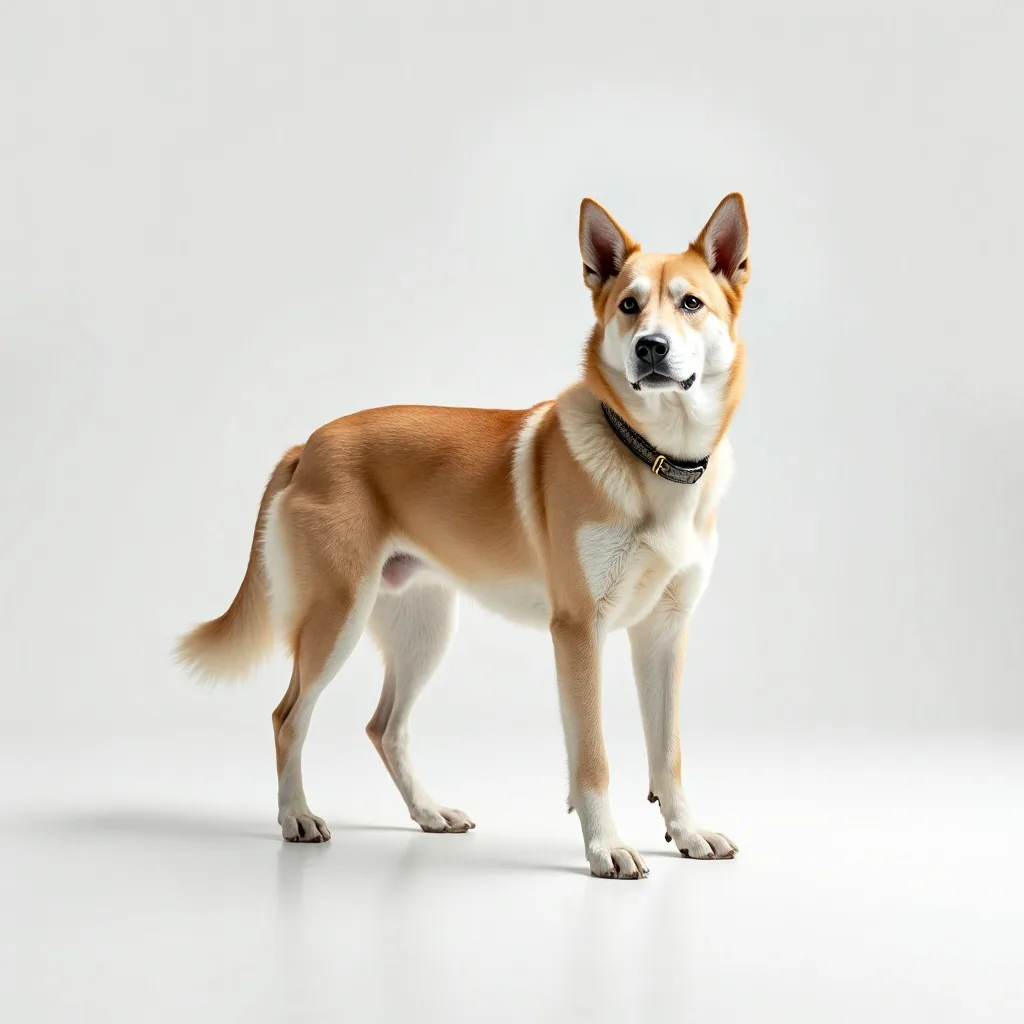
Labsky
Another name for the Labrador–Husky cross: an athletic, sociable dog with plenty of drive. Friendly and intelligent, but needs serious exercise and can inherit the Husky's independence and wanderlust.
Border Collie
The ultimate working brain — astonishingly clever and trainable, but needs hours of exercise and a job to do.
Similar size, different type
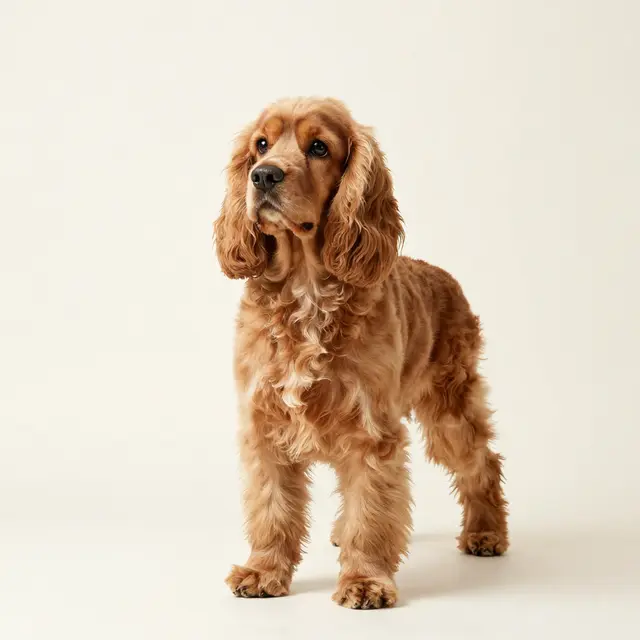
Cocker Spaniel
A merry, affectionate gundog that loves people and activity — happiest with a job and regular grooming.
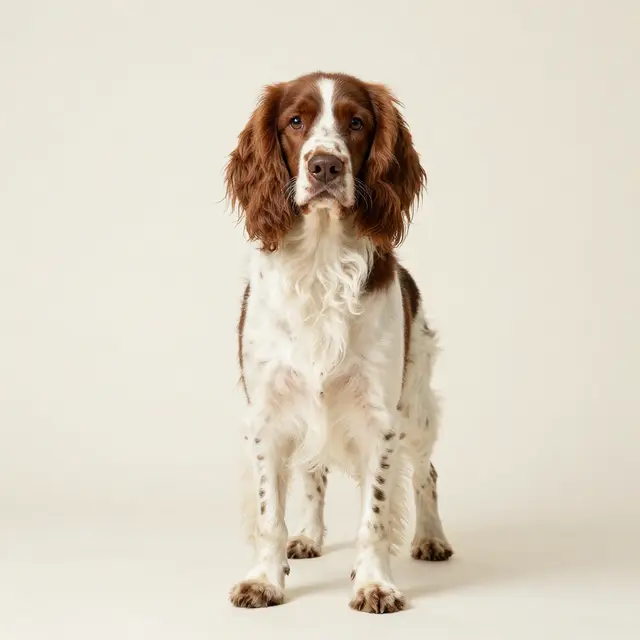
English Springer Spaniel
A tireless, enthusiastic working gundog that needs serious daily exercise and mental stimulation.
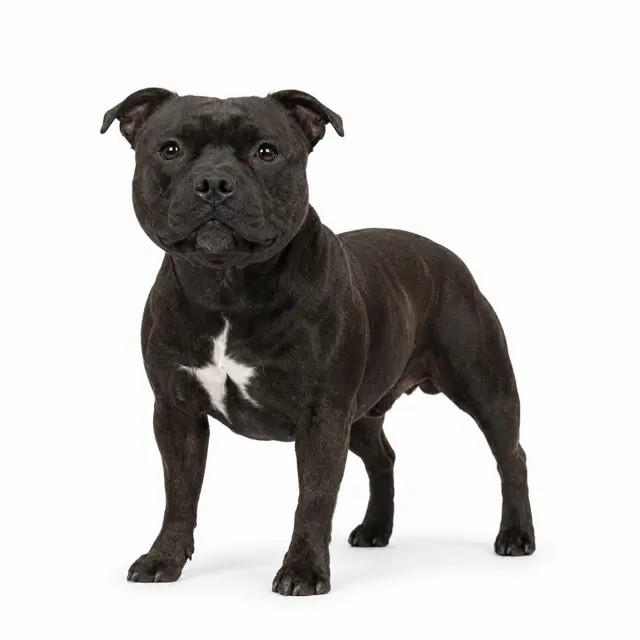
Staffordshire Bull Terrier
Affectionately known as the "nanny dog" — devoted, people-loving and famously gentle with children.
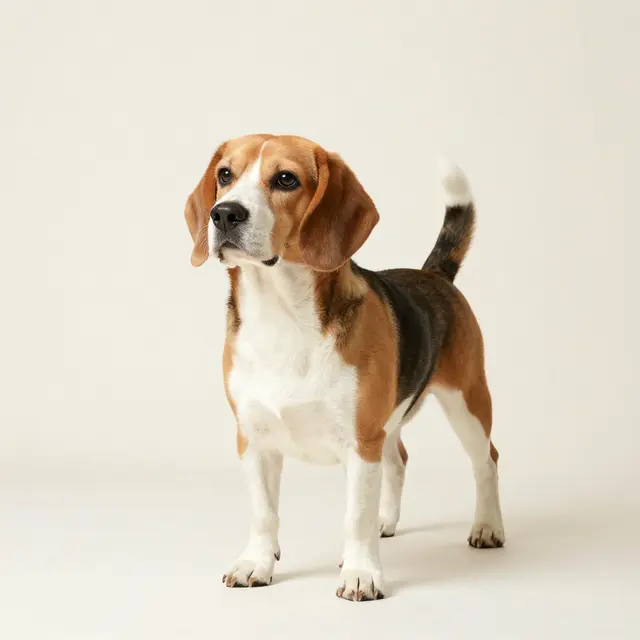
Beagle
A merry, pack-loving scent hound — sociable and great with kids, but ruled by its nose.
Is the Australian Shepherd your breed?
Create your pet profile and get personalised food, toy, insurance and health recommendations — tailored to your dog.
Frequently asked questions
How long do Australian Shepherds live?
Australian Shepherds typically live to around 12–15 years. They're a robust, athletic breed, but buying from health-tested parents, keeping your dog lean, meeting their high exercise and mental needs, and staying on top of preventive vet care all help yours reach the upper end of that range and stay well throughout.
What health problems are Australian Shepherds prone to?
Aussies are prone to hip and elbow dysplasia, hereditary eye conditions (collie eye anomaly, cataracts and PRA) and epilepsy. Crucially, many carry the MDR1 gene mutation, which causes sensitivity to several common medications. They can be DNA-tested for MDR1 — always tell your vet your dog is, or may be, affected before any medication is given.
What is the MDR1 gene in Australian Shepherds?
MDR1 is a genetic mutation, common in Aussies, that affects how the body handles certain drugs — including some worming, sedative and anti-diarrhoea medications. Affected dogs can suffer serious reactions at normal doses. A simple DNA test reveals your dog's status, and telling your vet means they can choose safe medicines and doses.
Are Australian Shepherds good family dogs?
In the right home, yes — Aussies are affectionate, loyal and devoted to their families, and usually good with children they're raised with. But they're a very high-energy working breed that needs far more exercise and mental stimulation than the average dog. They suit active, experienced households, not quiet or low-time homes.
Do Australian Shepherds need a lot of exercise?
Yes — a great deal. Aussies are working herding dogs bred for stamina, and they need at least two hours of varied activity a day plus real mental work like training, scentwork or dog sports. Without enough to do they become frustrated, vocal and destructive. They're genuinely not suited to inactive or time-poor homes.
Do Australian Shepherds shed a lot?
Yes. Aussies have a medium-length double coat that sheds year-round and 'blows' heavily twice a year. Expect to brush a few times a week, daily during a seasonal moult, to manage loose hair and prevent matting behind the ears and on the legs. Regular grooming keeps the coat and skin healthy.
Are Australian Shepherds easy to train?
They're one of the most trainable breeds — highly intelligent, eager to please and quick to learn. That cleverness cuts both ways: a bored Aussie will invent their own jobs, often unwanted ones. They thrive on reward-based training, structure and a sense of purpose, which makes activities like agility and obedience a natural fit.
What does merle-to-merle breeding mean for Aussies?
The merle coat pattern is striking but carries a welfare risk. Breeding two merle dogs together (a 'double merle' litter) can produce puppies that are deaf, blind or both. Responsible breeders never pair two merles. If you're buying a merle puppy, ask about the parents' colours and health testing.
At what age is an Australian Shepherd a senior?
Aussies are generally considered senior from around eight to ten years old. It's a sensible point to move to twice-yearly vet checks, keep a close eye on the joints and eyes, watch weight as activity naturally eases, and adapt exercise and bedding to support an ageing but often still lively dog.
How can I help my Australian Shepherd live longer?
Keep them lean, meet their high exercise and mental needs, and DNA-test for MDR1 so your vet can medicate safely. Stay alert to eye changes and any seizure activity given the breed's predispositions, groom the double coat regularly, and choose a puppy from health-tested, never merle-to-merle, parents for the best start.
Are Australian Shepherds good with children?
Good with children. As a general guide, Australian Shepherds tend to be patient and tolerant. Whatever the breed, always supervise dogs and young children and teach kids to interact gently.
How much exercise does an Australian Shepherd need?
As a healthy adult, a typical Australian Shepherd needs 2 hours or more, plus a job to do of exercise a day (120–180 minutes), split across walks plus play. Higher-energy dogs also need mental stimulation — sniffing, training games and puzzle feeders — to stay settled. Puppies, seniors and dogs with health conditions need less — ask your vet.
Do Australian Shepherds shed a lot?
High shedding. Coat upkeep is regular brushing — brush regularly to keep the coat in good condition.
Are Australian Shepherds easy to train and good for first-time owners?
Better with some experience. Australian Shepherds are best for owners ready to commit to consistent training and plenty of activity. Reward-based training and early socialisation help any dog.
Do Australian Shepherds bark a lot?
Moderate barker. They are usually fairly easy-going about barking, though any dog will bark if bored or under-exercised.
Are Australian Shepherds good with other dogs?
Sociable with other dogs. Early, positive socialisation with other dogs from a young age makes a big difference.
Do Australian Shepherds suit flats or smaller homes?
Needs plenty of space. A Australian Shepherd really needs plenty of space and a lot of daily activity — not ideal for a small flat.
Sources
- The Kennel Club — Australian Shepherd breed information: https://www.thekennelclub.org.uk/breeds/australian-shepherd/
- RVC VetCompass Programme — companion dog health research, Royal Veterinary College: https://www.rvc.ac.uk/vetcompass
- PDSA — dog breeds and health advice: https://www.pdsa.org.uk/pet-help-and-advice/looking-after-your-pet/puppies-dogs
- Blue Cross — dog care and breed advice: https://www.bluecross.org.uk/advice/dog
- Fédération Cynologique Internationale (FCI) — Australian Shepherd breed standard (Standard No. 342): https://www.fci.be/en/nomenclature/AUSTRALIAN-SHEPHERD-342.html
Recommended for your Australian Shepherd
Matched to a Australian Shepherd's size and their typical need for help with shedding, enrichment & mental stimulation, calming support.

Round Snuffle Foraging Mat for Dogs & Cats
A round fleece snuffle mat with dense colourful fabric strips and a drawstring edge. Hide treats among the folds to encourage natural foraging, ease boredom and slow down fast eaters.
£16.99

Calming Pheromone Dog Collars (4 Pack)
A four-pack of adjustable pheromone collars to help dogs settle in stressful moments.
£8.99

Boredom Buster Bundle: Snuffle Mat, LickiMat and Enrichment Ball
Three ways to make a meal take twenty minutes instead of two: a snuffle mat for dry food, a LickiMat for wet, and a rolling ball that dispenses kibble.
£39.99

Lickimat Buddy Lavnd Amz Sgl
Criss-cross lick mat for spreadable food, 20 x 20cm, slows fast eaters
£6.99

Silicone Pet Grooming Glove
A double-sided silicone grooming glove that lifts loose fur while giving a calming hands-on stroke.
£7.99

Round Silicone Slow Feeder Lick Mat
A food-grade silicone lick mat with a honeycomb and pyramid texture that spreads out treats, wet food or yoghurt to slow fast eaters and keep anxious dogs and cats calmly occupied. Easy to rinse clean.
£13.99

Dog Snuffle Foraging Mat
A bone-shaped snuffle mat with varied flaps, pockets and textures that hide treats for your dog to forage out. It slows feeding, engages the nose and turns mealtimes into calm, enriching play.
£11.99

Self-Moving Chew-Resistant Dog Ball
A USB-C rechargeable ball that moves on its own to keep dogs busy and active. Tough E-TPU construction stands up to chewing during supervised play, and the splash-resistant build suits indoor or outdoor use.
£15.99
Suggestions based on breed traits — always check sizing and suitability for your individual dog.
Got a Australian Shepherd? Save them to a pet profile for tailored picks across the whole site.
Happier, healthier pets — in your inbox.
Breed care tips, seasonal advice and first access to new arrivals. No spam, unsubscribe anytime.
Every dog is an individual — temperament and needs vary. Please research thoroughly, meet dogs in person, and consider adopting from a rescue. This is general guidance, not a substitute for advice from your vet or a qualified trainer.