
Australian Shepherd Grooming: Double Coat, Shedding & Merle
Australian Shepherds have a medium double coat that sheds year-round. How to brush, deshed and care for your Aussie's coat, plus an honest note on merle.
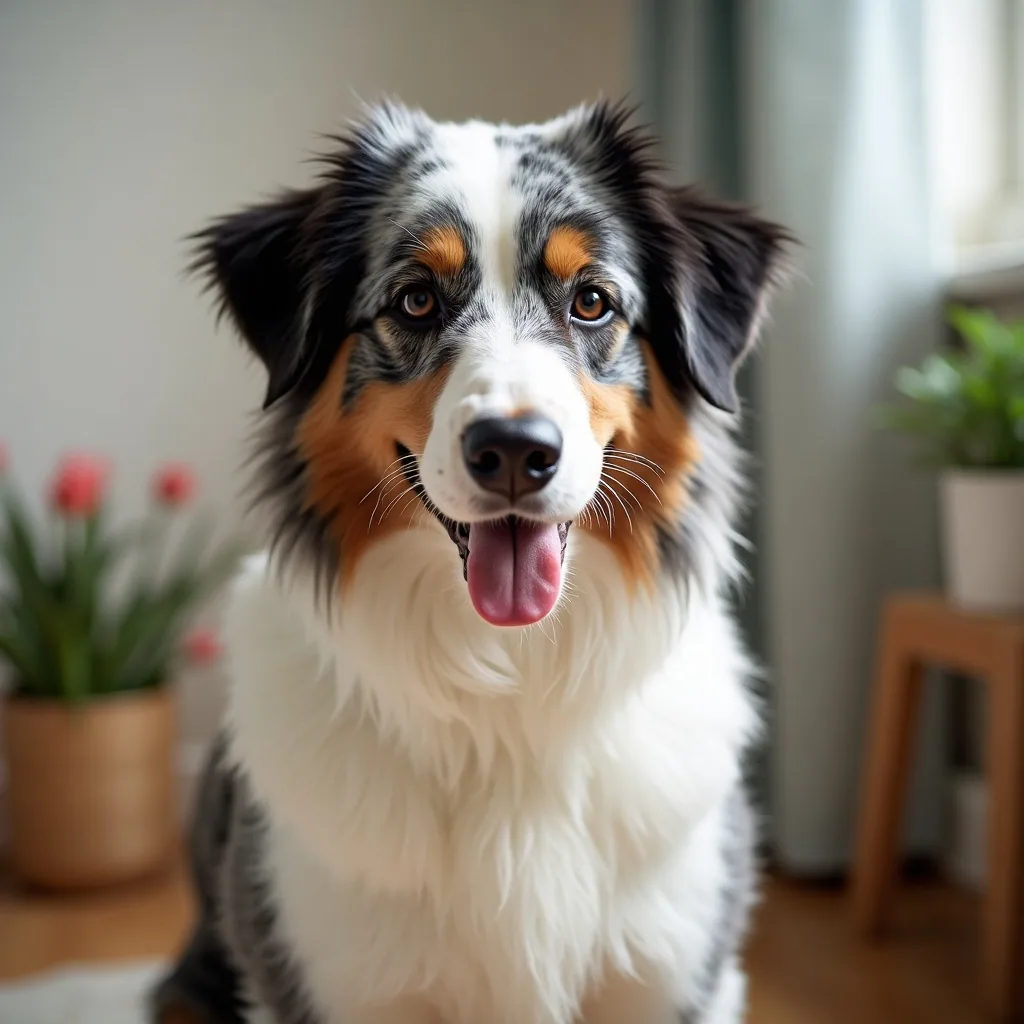
The quick answer
Yes. Aussies have a medium-length double coat that sheds year-round and 'blows' heavily twice a year. Expect to brush a few times a week, daily during a seasonal moult, to manage loose hair and prevent matting behind the ears and on the legs.
The Australian Shepherd's coat is one of its glories — a weather-resistant double coat in striking colours, often including merle. It's not high-maintenance by the standards of some breeds, but it does shed, and it needs regular care to stay healthy and comfortable. Here's how to groom an Aussie, manage the shedding, and understand the merle pattern.
Understanding the double coat
Aussies have a medium-length double coat: a soft, insulating undercoat beneath a longer, water-resistant topcoat. This coat keeps them warm in cold weather and, surprisingly, cool in summer, which is exactly why you should never shave an Aussie — clipping the coat off removes its natural insulation and can damage how it regrows. The coat is naturally fuller around the neck and on the back of the legs, with feathering that needs a little extra attention.
How much do Australian Shepherds shed?
Quite a lot. Aussies shed steadily year-round, and twice a year — typically spring and autumn — they 'blow' their undercoat in a heavy seasonal moult. During these periods the amount of loose hair can be dramatic, and consistent grooming is the only thing that keeps it under control.
A practical grooming routine
- Brush a few times a week as standard, and daily during a seasonal moult.
- Use a slicker brush for the topcoat and feathering, and an undercoat rake or deshedding tool to reach the dense undercoat where loose hair collects.
- Pay special attention to the feathering behind the ears, on the legs and around the tail, where mats form most easily.
- Bath occasionally — every few months, or when genuinely dirty — using a dog shampoo. Over-bathing strips the coat's natural oils.
- Dry and brush thoroughly after baths and muddy walks to prevent matting.
A good slicker brush and an undercoat rake are the two tools that make the biggest difference with this breed.
Tackling mats and the seasonal moult
Mats tend to form in the soft feathering, behind the ears and where a harness sits. Work through them gently with your fingers and a comb before they tighten; never cut a mat out with scissors close to the skin. During the big seasonal moults, daily deshedding sessions outside save your home from a blizzard of hair and keep the new coat coming through cleanly. A few minutes most days is far easier than an occasional marathon.
The rest of the grooming picture
- Nails — trim regularly; active Aussies often wear them down, but check anyway.
- Ears — check weekly for redness, odour or wax, especially as the feathering can trap moisture.
- Teeth — brush regularly with dog toothpaste to support dental health.
- Eyes — given the breed's eye predispositions, take any cloudiness or discharge to your vet.
A note on merle colouring
The merle pattern — mottled patches of diluted colour, often with blue eyes — is beautiful and very popular in Aussies, but it carries an important welfare point. The merle gene affects pigment, and breeding two merle dogs together can produce 'double-merle' puppies that are deaf, blind or both. This is a breeding issue, not a grooming one, but it's worth understanding: a single-merle Aussie from a responsible breeder is no harder to care for than any other, while double-merle dogs may need extra support for sight or hearing loss. If you're choosing a merle puppy, ask the breeder about the parents' colours and health testing — a responsible breeder will never have paired two merles.
Making grooming a positive experience
Because an Aussie's coat needs lifelong attention, it pays to make grooming something your dog enjoys rather than endures. Start young, keep early sessions short and rewarding, and handle the paws, ears and tail regularly so nothing comes as a surprise. A calm, well-handled dog is far easier to groom — and the regular hands-on contact lets you spot lumps, ticks, grass seeds or sore spots early, before they become a problem.
Keeping the coat and skin healthy
A healthy coat starts from the inside: a good-quality diet, fresh water and regular parasite prevention all show in the coat. Sudden changes — excessive shedding, bald patches, flaky or itchy skin — aren't just grooming issues and are worth a vet check, as they can signal allergies, parasites or other health problems. Grass seeds in summer are a particular nuisance in a feathered coat, working into the skin between the toes and around the ears, so check thoroughly after walks in long grass.
*This is general guidance, not a substitute for advice from your vet, who can assess your individual dog.*
Sources
- RVC VetCompass — UK dog health research (rvc.ac.uk/vetcompass).
- UK Kennel Club & BVA — breed coat and grooming guidance (thekennelclub.org.uk).
- PDSA — dog grooming and skin care (pdsa.org.uk).
- Blue Cross — dog grooming and care (bluecross.org.uk).
Common questions
Do Australian Shepherds shed a lot?
Yes. Aussies have a medium-length double coat that sheds year-round and 'blows' heavily twice a year. Expect to brush a few times a week, daily during a seasonal moult, to manage loose hair and prevent matting behind the ears and on the legs. Regular grooming keeps the coat and skin healthy.
Should you shave an Australian Shepherd?
No. The double coat insulates an Aussie in both cold and heat, so shaving it off removes natural protection and can damage how the coat regrows. Manage heat and shedding with regular brushing and deshedding instead, and never clip the coat down to the skin unless your vet advises it for a medical reason.
What does merle-to-merle breeding mean for Aussies?
The merle coat pattern is striking but carries a welfare risk. Breeding two merle dogs together (a 'double merle' litter) can produce puppies that are deaf, blind or both. Responsible breeders never pair two merles. If you're buying a merle puppy, ask about the parents' colours and health testing.
About the author
Matt Garnett — founder, Giddy Pets
Matt started Giddy Pets to make getting pets the good stuff simpler and fairer. Everything in these guides comes from real life with pets and a lot of trial and error — it's practical guidance, not veterinary advice. If a guide gets something wrong, tell him directly.
Free tools & more guides
Read next
Cost of Owning an Australian Shepherd in the UK
What does an Australian Shepherd really cost in the UK? Purchase price, food, insurance, grooming and lifetime costs for this active, intelligent herding breed.
How Long Do Australian Shepherds Live? Lifespan & Health
Australian Shepherds live around 12–15 years. The MDR1 drug sensitivity, joint, eye and seizure conditions the breed faces, and how to help yours stay well.
Are Australian Shepherds Good Family Dogs? Temperament & Exercise
Australian Shepherds are loyal and brilliant, but a very high-drive working breed. An honest look at their temperament, exercise needs and who they suit.
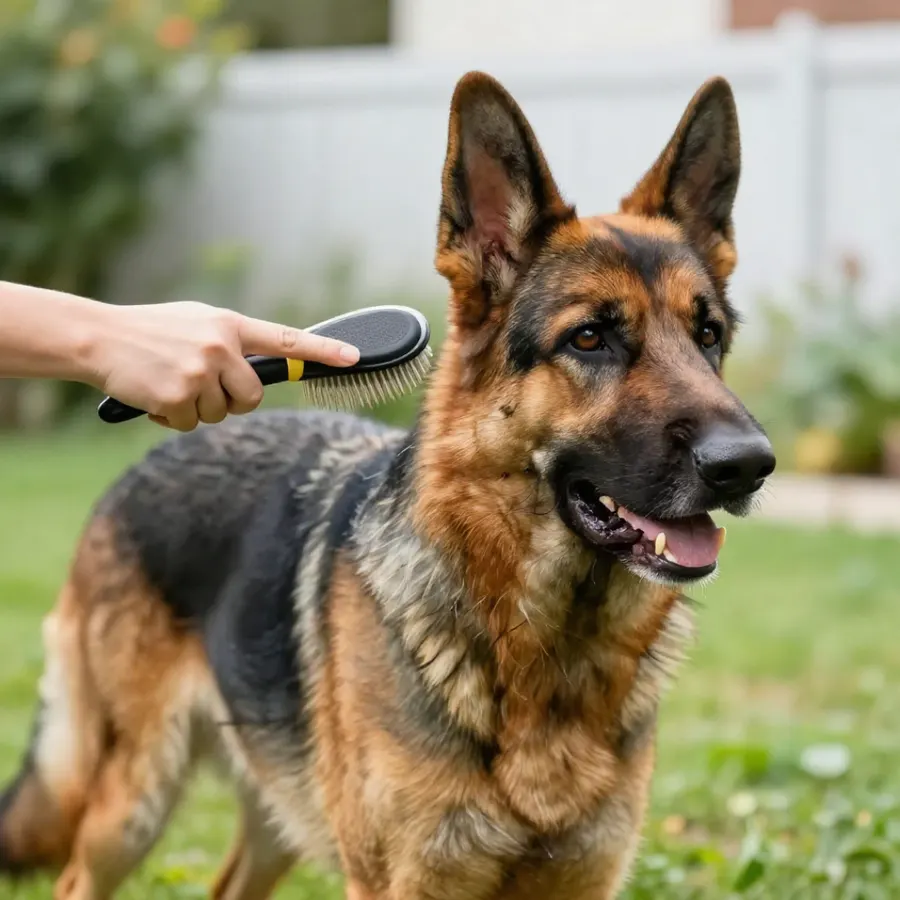
German Shepherd Shedding & Grooming
German Shepherds are famous 'German shedders' with a heavy double coat. Here's how to manage year-round shedding and seasonal moults, the tools to use, and why you should never shave the coat.