


Shetland Sheepdog
A small herding breed from Scotland's Shetland Isles, the 'Sheltie' looks like a miniature Rough Collie and has the brains to match. Intelligent, sensitive and devoted, it excels at obedience and agility. It suits families who'll groom the long coat regularly, handle it gently, and give this clever, sometimes-vocal herder enough activity and training.
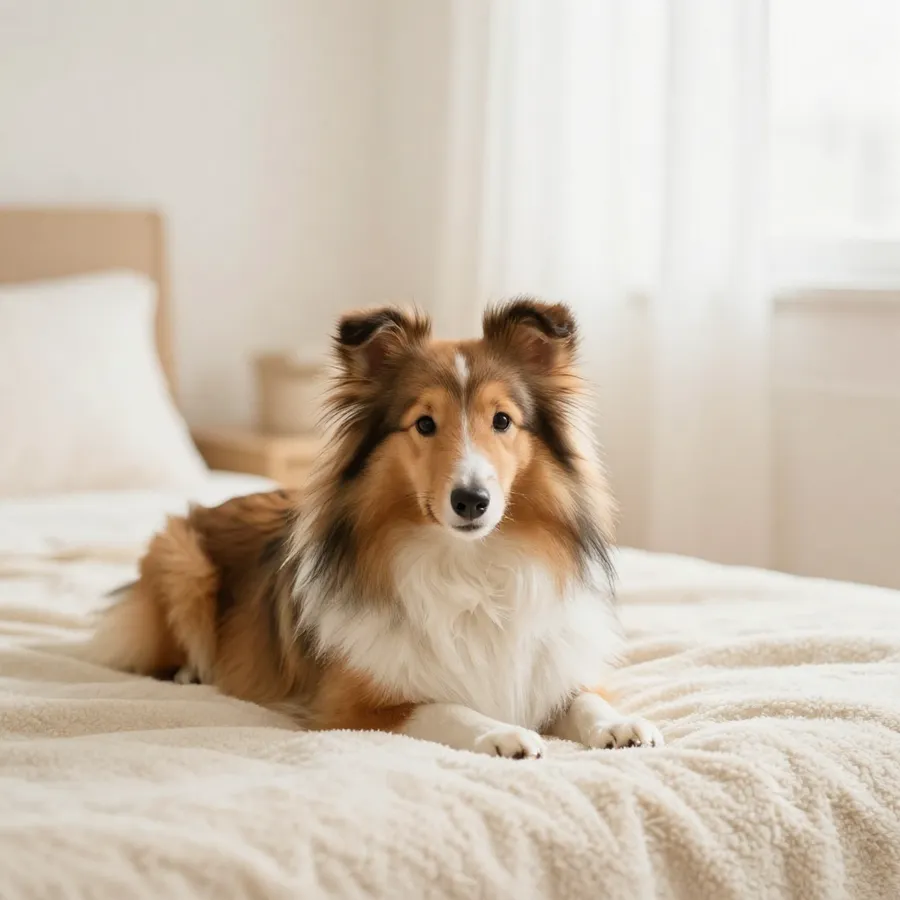
Shetland Sheepdog scorecard
Overview
The Shetland Sheepdog, affectionately known as the "Sheltie", is a small, beautiful and exceptionally bright herding dog that looks like a miniature Rough Collie but is very much a breed in its own right. Standing only around 35–37 cm at the shoulder, the Sheltie packs a remarkable amount of brain, agility and devotion into a compact frame. It is one of the most trainable of all breeds and a perennial star of the obedience and agility worlds, yet at home it is first and foremost a loving, sensitive family companion that bonds closely with its people.
Recognised by The Kennel Club in the Pastoral group, the Sheltie carries a long, profuse double coat — typically in sable, tricolour or blue merle, usually with white markings — and an alert, gentle expression. This is a dog that thrives on company, mental stimulation and a job to do. Prospective owners should know that the breed's intelligence and herding heritage come with a tendency to be vocal, watchful and reactive to movement, so early training and socialisation matter. For an active, engaged household, however, the Sheltie is a joyful, biddable and devoted little dog.
Good to know — a Shetland Sheepdog is best with a garden and good for first-time owners. Every dog is an individual, so meet a few and chat to a good breeder or rescue before deciding.
Save the Shetland Sheepdog guide
Thinking about a Shetland Sheepdog? Pop your email in and we’ll send this guide so you can come back to it any time — handy while you compare breeds.
Popular searches for the Shetland Sheepdog
History & origins
The Shetland Sheepdog originates from the remote, windswept Shetland Isles off the north coast of Scotland. On these harsh islands, where resources were scarce and livestock small and hardy, crofters needed a small, agile, hard-working dog to herd and guard sheep, ponies and poultry. The breed developed from a mix of local working dogs and Collie-type herders, producing a diminutive but tough and clever sheepdog suited to the terrain.
In the early 20th century the breed was refined and standardised, and it was during this period that the name was settled — early efforts to call it the "Shetland Collie" met objection from Collie breeders, and "Shetland Sheepdog" was adopted instead. The Kennel Club recognised the breed, and from its working origins the Sheltie went on to become a popular companion and a dominant force in canine sports such as obedience and agility, where its trainability and athleticism shine.
Temperament & family fit
Shelties are affectionate, sensitive and intensely loyal to their families. They tend to be devoted to their owners and form strong bonds, often shadowing their favourite person around the house. With those they know they are gentle, playful and good-natured, and well-socialised Shelties are typically good with children and other dogs. With strangers, however, many Shelties are naturally reserved or cautious rather than instantly outgoing — a reflection of their watchdog heritage — so broad, positive socialisation in puppyhood is important to prevent shyness tipping into nervousness.
Two traits define the working Sheltie and shape daily life with one: a strong herding instinct and a tendency to bark. Shelties are alert and vocal, quick to announce visitors, passing cars or anything that seems out of place, and many have an instinct to chase and circle moving things — children, bikes, joggers. Neither trait is a flaw, but both need to be managed and channelled through training so they don't become a nuisance. A bored, under-stimulated Sheltie is far more likely to bark and fuss.
- Families with children of all ages
- Committed first-time owners
- Homes with a secure garden
Training & intelligence
If there is one thing the Shetland Sheepdog excels at, it is learning. The breed is consistently ranked among the most intelligent and trainable of all dogs, and Shelties take genuine pleasure in working with their owners. They learn quickly, retain commands well and thrive on the structure and engagement that training provides — which is precisely why they dominate obedience and agility competitions. For the average owner this means a Sheltie is a delight to teach, picking up household manners, tricks and recall with enthusiasm.
Because they are sensitive, Shelties respond best to positive, reward-based methods and gentle handling; harsh corrections can make this soft-natured breed anxious. Constructive training also serves a practical purpose: teaching a reliable "quiet" cue and redirecting the herding/chasing instinct into appropriate outlets helps keep the breed's natural barking and chasing in check. Mental challenges — trick training, puzzle toys, scent games — are as valuable as physical exercise for keeping this clever dog satisfied.
- Start socialisation & handling early
- Reward-based methods only — no harsh corrections
- Channel energy into training games & enrichment
Exercise needs
A healthy adult Shetland Sheepdog typically needs 90 minutes to 2 hours a day (roughly 90–120 minutes), split across walks, play and a little training. Higher-energy dogs also need their brains tired — sniffy walks, training games and puzzle feeding go a long way. Puppies, seniors and dogs with health conditions need adjusted amounts — check with your vet.
Grooming & coat
The Sheltie's glamorous double coat requires regular commitment. The dense undercoat and long, harsh outer coat should be brushed thoroughly at least a couple of times a week to prevent mats and tangles, paying particular attention to the softer fur behind the ears, under the legs and around the "trousers". The breed sheds steadily and goes through heavier seasonal moults, typically in spring and autumn, when daily brushing and more frequent grooming are needed to manage the volume of hair. Routine care also includes nail trimming, dental care and keeping the coat around the rear clean and tidy.
- Brush several times a week
- Bathe every few weeks or as needed
- Check ears, nails and teeth weekly
Feeding a Shetland Sheepdog
Shelties should be fed a good-quality, complete diet appropriate to their age, size and activity level, with portions measured to maintain a lean, healthy body condition. Although they are an active breed, their small size means calorie needs are modest, and it is easy to overfeed a dog that gives you those appealing eyes — obesity puts unnecessary strain on the joints and overall health. Treats used in training (and Shelties earn plenty) should be accounted for within the daily ration. As always, fresh water should be available at all times, and any specific dietary needs are best discussed with your vet.
A small breed
An adult Shetland Sheepdog typically weighs 6–12 kg, so a healthy Shetland Sheepdog eats a modest amount compared with other breeds. Every feeding guide on a bag is written per kilo of body weight, not per breed — start there, then adjust to the dog in front of you.
Life stage
A small breed is usually done growing at 10–12 months, which is roughly when a puppy food has finished its job. With a typical lifespan of 12–14 years, there is a long adult stretch in the middle; switch to a senior food when your vet thinks it is worth it rather than on a birthday.
A high-energy dog eats like one
Shetland Sheepdogs sit at the top end for energy, and a dog working through an hour and a half of real exercise a day burns through the feeding guide faster than a dog on a short stroll. Feed to the dog's condition, not to the middle of the range on the bag.
Small mouths, crowded teeth
Smaller breeds get dental disease more often than big ones, largely because the same number of teeth are packed into a shorter jaw. Kibble size is worth checking, and a dental chew counts towards the daily 10% of calories from treats.
How much should a Shetland Sheepdog weigh?
Adult 6–12 kgfully grown at 10–12 months
| Age | Stage | Typical weight | Of adult size |
|---|---|---|---|
| 8 weeks | Just home | 1–2 kg | 17% |
| 3 months | Young puppy | 1.6–3.3 kg | 27% |
| 6 months | Growing fast | 3.3–6.5 kg | 54% |
| 10–12 months | Fully grown | 6–12 kg | 100% |
A guide, from the same rule of thumb our puppy growth predictor uses — each age is that share of the way to maturity for a small breed. Puppies grow fastest early, so a real puppy usually sits a little above the middle rows. Weigh yours and ask your vet if the number worries you.
Complete dog foods that suit a Shetland Sheepdog
Complete foods from our range, matched to a Shetland Sheepdog's size band and what the breed typically needs. Stock levels and delivery dates are live on each product.

Burns Adult/Senior Weight Control Chicken and Oats
A low-fat weight control dry food for adult and senior dogs, oat-based
£35.99


Pedigree Can in Jelly Puppy 6 Pack
Complete Pedigree puppy food in jelly with chicken, lamb and poultry recipes
£10.15

Forthglade Cold Pressed Natural Turkey
Cold-pressed turkey kibble for dogs from 2 months, soft enough to mix with water for young pups
£45.99

Forthglade Cold Pressed Grain Free Salmon
Cold-pressed grain-free dry food for dogs, built on fresh and dried salmon
From£16.99

Forthglade Cold Pressed Grain Free Duck
Cold-pressed grain-free duck food with fruit and botanicals, in two bag sizes
From£16.99

Forthglade Cold Pressed Grain Free Chicken
Cold-pressed grain-free chicken food with fruit and botanicals, in three bag sizes
From£16.99

Forthglade Complete Meal Lightly Baked Turkey
A lightly baked complete dry food, 50% turkey, for adult dogs of any breed
From£12.49

Forthglade Cold Pressed Grain Free Turkey
Grain-free cold-pressed turkey kibble for dogs, gentle on sensitive stomachs
£69.69

Forthglade British Classics Chicken Family Lunch
Complete Forthglade wet dog food with 75% chicken in a 395G tray
£2.45

Harringtons Puppy Turkey & Rice
Complete turkey puppy food with 30% protein and feeding bands by adult weight
£6.49

Harringtons Just 6 Dry Dog Food Lamb
Grain-free lamb dry dog food in 2KG and 12KG sizes, with size-specific formulas
From£13.99
Shetland Sheepdog health & costs
Before bringing a Shetland Sheepdog home it pays to budget for the whole picture — food, insurance, grooming and routine vet care all add up. The figures below are typical UK estimates for a healthy adult; your real costs vary with where you live, your dog's health and the cover you choose.
Food
£250–400 / year
Complete food sized to weight & life stage
Insurance
£15–32 / month
Lifetime cover — varies by age, breed & area
Grooming
£400–700 / year
Regular professional grooming
Routine vet care
£200–450 / year
Vaccines, flea/worm, annual check
The Shetland Sheepdog is generally a robust, long-lived breed, with a typical lifespan of around 12–14 years. Nonetheless, like all pedigree breeds it has some inherited conditions that responsible breeders screen for, and prospective owners should always buy from health-tested parents.
The most notable breed-associated condition is Collie Eye Anomaly (CEA), an inherited eye disorder shared with the Rough and Smooth Collie, for which DNA testing is available. The breed is also among those that can carry the MDR1 gene mutation, which causes sensitivity to certain common veterinary drugs (including some worming and anaesthetic agents); a simple DNA test identifies affected dogs, and knowing a Sheltie's status allows vets to avoid problem medications. Other recognised concerns include hip dysplasia, certain other inherited eye conditions, and some skin and thyroid issues. Choosing a breeder who carries out the relevant eye testing and DNA screening greatly reduces the risk.
Common health conditions to be aware of
- Collie Eye Anomaly (CEA) — an inherited developmental eye disorder of the Collie family; DNA testing of breeding stock is available and recommended.
- MDR1 (multi-drug resistance) gene mutation — causes sensitivity to certain common veterinary drugs; a DNA test identifies carriers so vets can avoid problem medications.
- Hip dysplasia — a developmental joint condition; reputable breeders hip-score their dogs.
- Progressive retinal atrophy and other inherited eye conditions — degenerative or developmental eye disorders for which screening is advised.
- Hypothyroidism — an underactive thyroid gland that can affect coat, weight and energy, and is usually manageable with medication.
- Dermatomyositis — an inherited inflammatory condition of the skin and muscle recognised in Collie-type breeds.
These reflect typical, size- and coat-related risks for dogs like the Shetland Sheepdog; individual breeds carry their own predispositions. Always buy from health-tested parents and speak to your vet — this isn't a diagnosis.
Protect against surprise bills
A single emergency can run into thousands. Lifetime insurance spreads the risk.
Estimate insurance →How pet insurance works →Puppy & senior care
Bringing home a Shetland Sheepdog puppy
Puppies need controlled exercise (a rough guide is five minutes per month of age, twice a day) to protect growing joints, little-and-often meals of a complete puppy food, early socialisation, and a calm routine for toilet training and sleep. Book first vaccinations, microchipping and a vet check early.
New puppy checklist →Caring for a senior Shetland Sheepdog
As they age, watch weight, joints and teeth, switch to a senior diet if your vet advises, keep exercise gentle but regular, and consider orthopaedic bedding and ramps. Twice-yearly vet checks help catch issues early.
Orthopaedic beds & mobility →Pros & cons
The good bits
- Very intelligent, gentle and easy to train
- Loyal and great with considerate families
Things to consider
- Thick double coat sheds and needs regular grooming
- Tends to bark and can be sensitive/reserved with strangers
Shetland Sheepdog health & care guides
In-depth, vet-sensible guides written for Shetland Sheepdog owners:
Compare the Shetland Sheepdog
See how the Shetland Sheepdog measures up against similar breeds before you decide:
More breeds like the Shetland Sheepdog
Same breed group
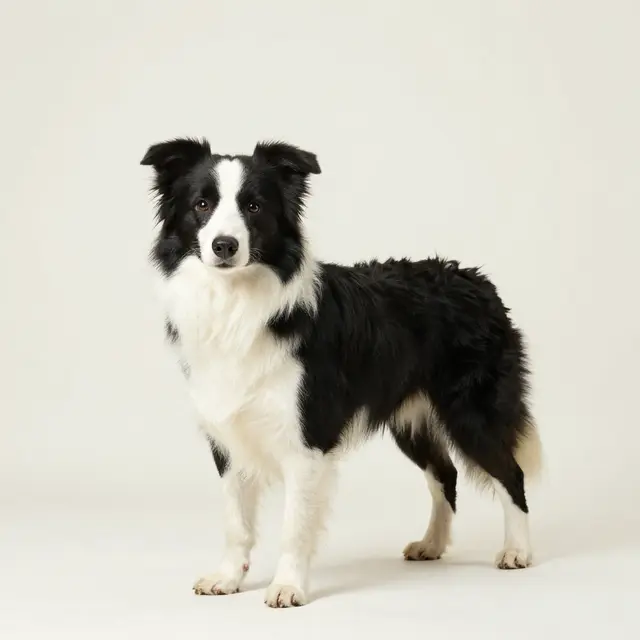
Border Collie
The ultimate working brain — astonishingly clever and trainable, but needs hours of exercise and a job to do.
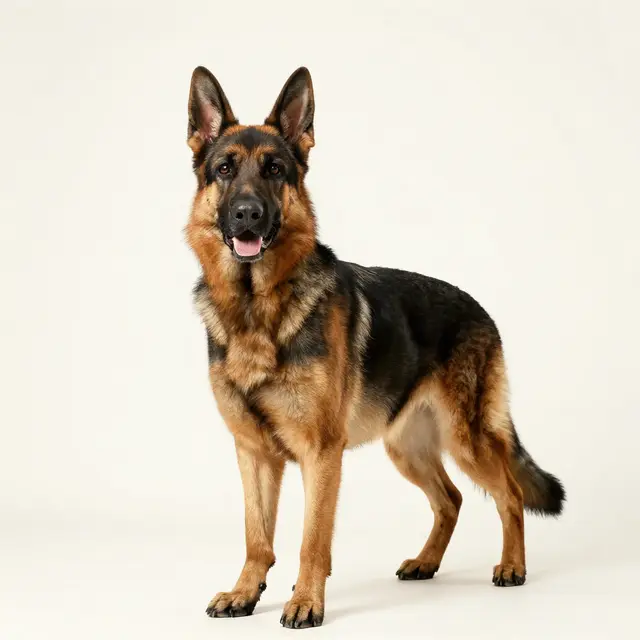
German Shepherd
A loyal, courageous and highly trainable working dog that needs experienced handling and plenty to do.
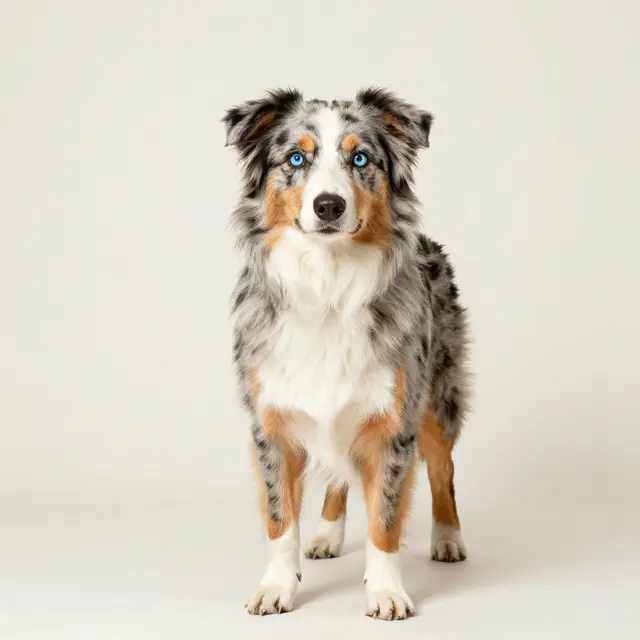
Australian Shepherd
A brilliant, energetic herding dog that excels at sport and work — but needs a busy, committed owner.
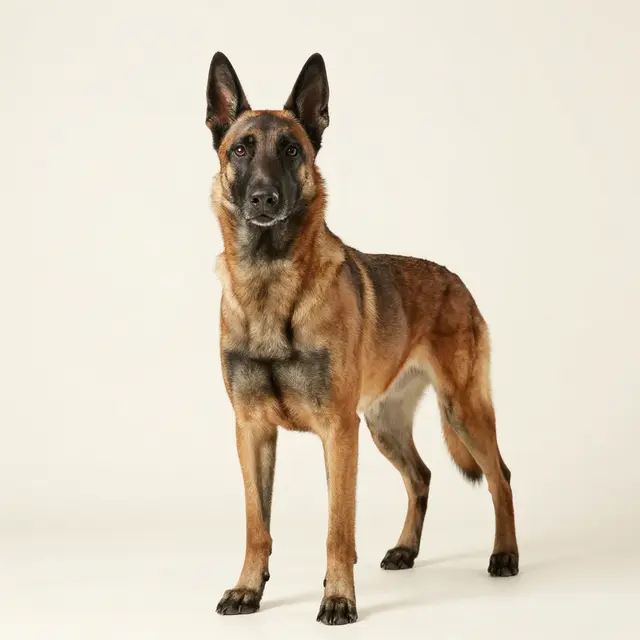
Belgian Malinois
A high-drive working dog used by police and military worldwide — astonishingly athletic and trainable, but far too much dog for most homes.
Similar temperament
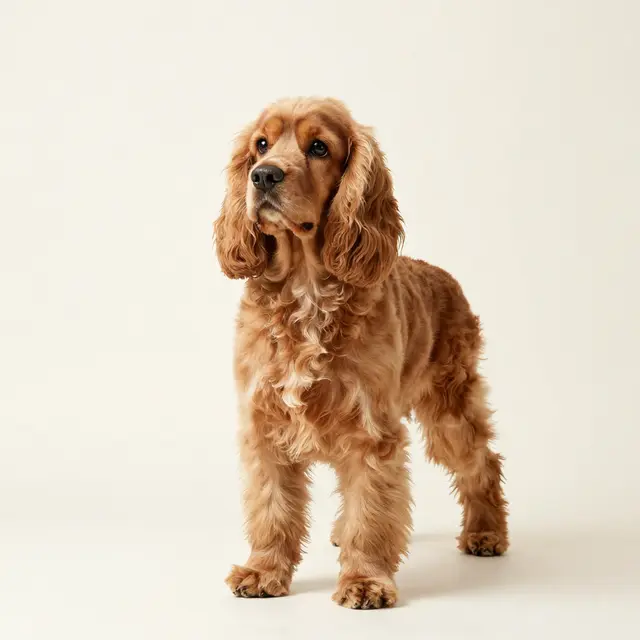
Cocker Spaniel
A merry, affectionate gundog that loves people and activity — happiest with a job and regular grooming.
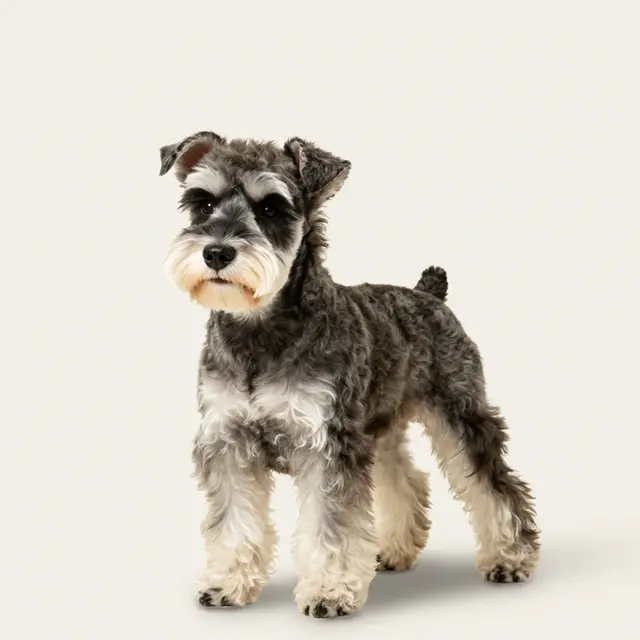
Miniature Schnauzer
A smart, spirited and low-shedding companion that adapts well to flats but likes to have its say.
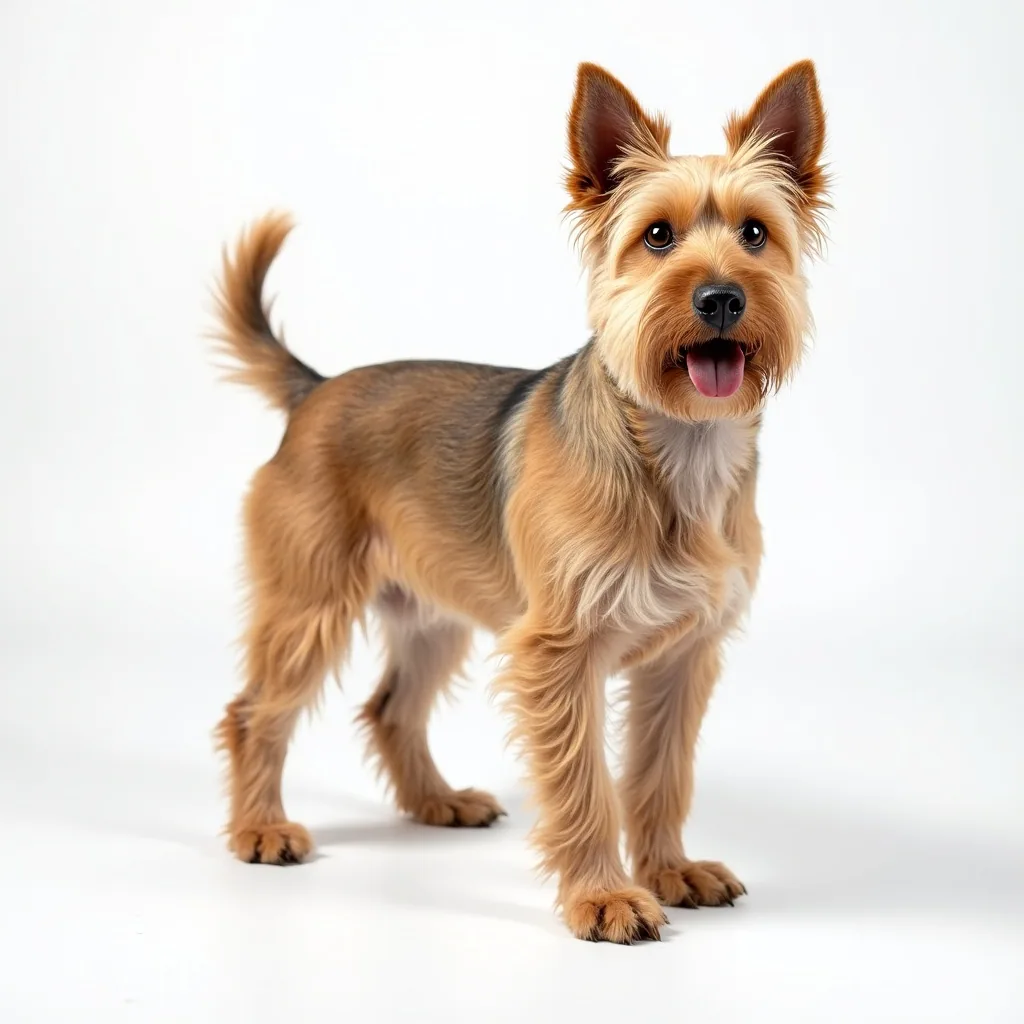
Norwich Terrier
One of the smallest working terriers, with prick ears and a hardy wiry coat. Bold, affectionate and sociable, making a sturdy companion, but with terrier drive and a love of barking.
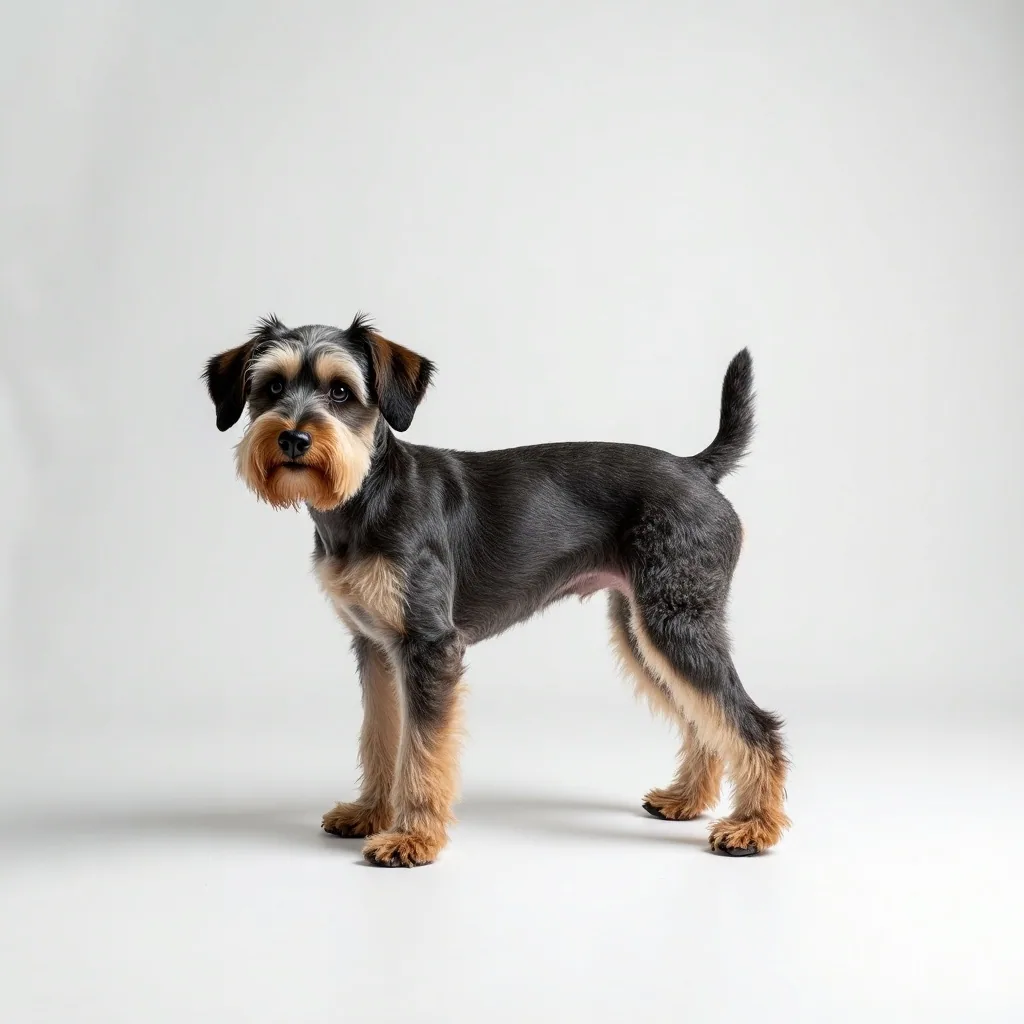
Schnoodle
A clever, affectionate Schnauzer–Poodle cross ranging from toy to standard depending on the parents. Usually low-shedding but needs regular grooming. Size, coat and energy vary depending on which parent the dog takes after.
Similar size, different type
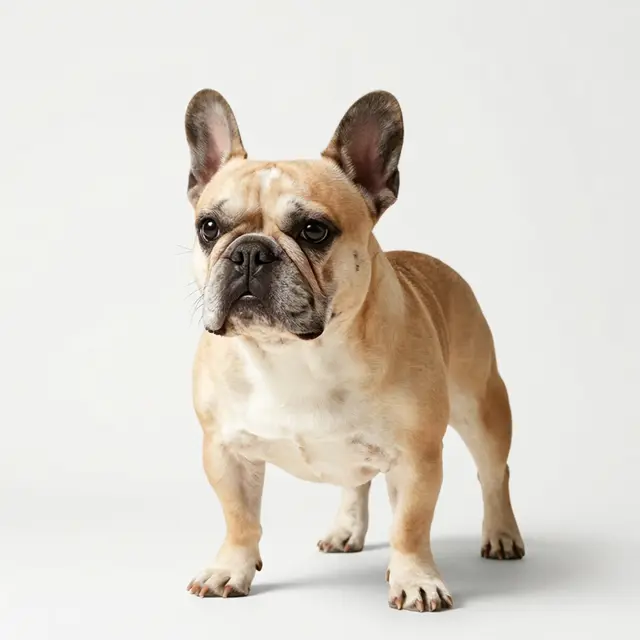
French Bulldog
A compact, easy-going companion that suits flats and modest exercise — but with serious health considerations.
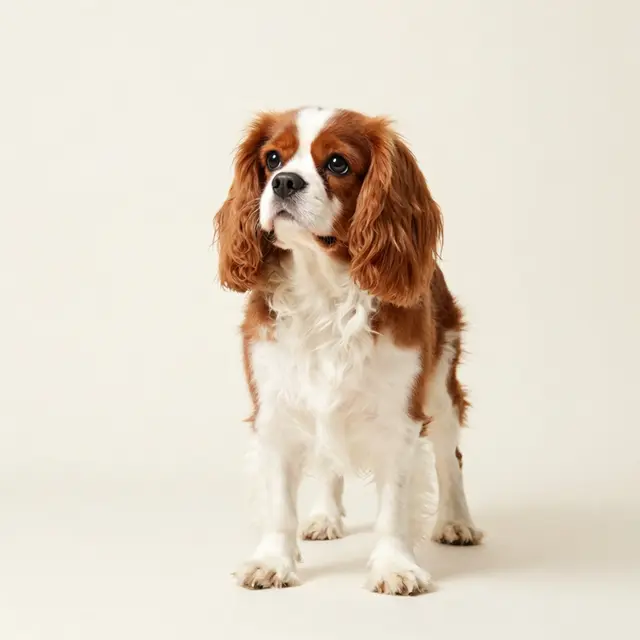
Cavalier King Charles Spaniel
A gentle, affectionate lap dog that’s wonderful with children and adapts happily to flat or house living.
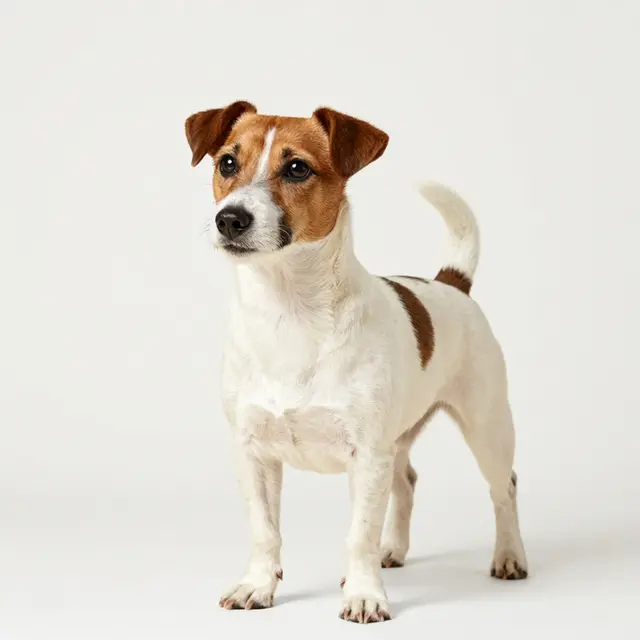
Jack Russell Terrier
A small dog with a huge personality — bold, clever and bursting with energy and prey drive.
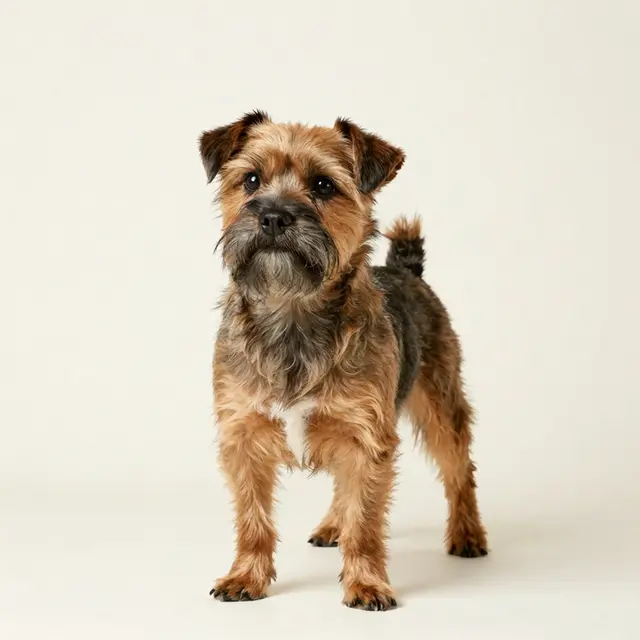
Border Terrier
A hardy, good-natured working terrier that’s friendlier with people and dogs than many of its terrier cousins.
Is the Shetland Sheepdog your breed?
Create your pet profile and get personalised food, toy, insurance and health recommendations — tailored to your dog.
Frequently asked questions
How long do Shetland Sheepdogs live?
Shetland Sheepdogs typically live to around 12–14 years, a good lifespan for the breed. Buying from health-tested parents, keeping your Sheltie lean, staying alert to the breed's eye, thyroid and joint issues, and keeping up routine preventive vet care all help yours reach the upper end of that range and stay well in later life.
What health problems are Shetland Sheepdogs prone to?
Shelties are prone to inherited eye conditions (collie eye anomaly and progressive retinal atrophy), hip dysplasia, hypothyroidism, von Willebrand's disease (a bleeding disorder) and dermatomyositis (a skin and muscle condition). Many also carry the MDR1 gene mutation, which causes sensitivity to certain common medicines. Buying from a health- and DNA-testing breeder reduces the risk of these issues.
What is MDR1 in Shelties?
MDR1 is a gene mutation, common in collie-type breeds including Shelties, that causes a sensitivity to several everyday medicines — some worming, anti-diarrhoeal and anaesthetic drugs. Affected dogs can have severe, even fatal, reactions to normal doses. It's DNA-testable, so ask your breeder about the parents' status and tell your vet your Sheltie may carry it before any treatment.
Are Shetland Sheepdogs good family dogs?
Yes — Shelties are devoted, gentle and affectionate family dogs that bond closely and are usually excellent with children they're raised with. They're sensitive souls who dislike harsh handling and can be reserved or shy with strangers. With kind, consistent training and good early socialisation they make loving, biddable companions for active, attentive families.
Are Shelties easy to train?
Very — Shetland Sheepdogs are among the most trainable breeds, bright, eager to please and quick to learn, which is why they excel at obedience and agility. They respond best to kind, reward-based methods, as they're sensitive and wilt under harsh corrections. Their cleverness means they need mental stimulation; a bored Sheltie can become anxious or noisy.
Do Shetland Sheepdogs bark a lot?
Often, yes. Shelties are a vocal, alert breed with a herding heritage, so they tend to announce visitors, noises and movement enthusiastically. It's manageable with early training, mental stimulation and not accidentally rewarding the barking, but prospective owners should go in expecting a talkative dog — they're not the right choice if you need a quiet household.
Do Shelties shed a lot?
Yes. Shetland Sheepdogs have a profuse double coat that sheds year-round and 'blows' heavily twice a year, especially the soft undercoat. Expect to brush thoroughly two or three times a week, and daily during a moult, to prevent matting and manage loose hair. Despite the volume of coat, regular grooming keeps it manageable and the skin healthy.
Should I shave my Sheltie in summer?
No. A Sheltie's double coat insulates against both cold and heat and protects the skin from sun, so shaving it off can actually leave your dog more vulnerable and the coat may grow back patchy or altered in texture. Instead, brush regularly to remove the dense undercoat, and keep your Sheltie cool with shade, water and avoiding midday heat.
Are Shetland Sheepdogs good for first-time owners?
They can be, for an active, attentive first-time owner. Shelties are gentle and highly trainable, which helps, but they're sensitive, need plenty of mental stimulation, shed heavily and tend to be vocal. If you're prepared for regular grooming, kind consistent training, early socialisation and some barking, a Sheltie can be a rewarding first dog.
How can I help my Sheltie live longer?
Keep them lean, feed measured meals, and stay alert to eye, energy and skin changes given the breed's eye, thyroid and skin predispositions — early vet attention matters. Make sure your vet knows your Sheltie may carry MDR1 before any medication, groom regularly, provide daily exercise and mental work, and keep up routine check-ups. Choose a puppy from health-tested parents.
Are Shetland Sheepdogs good with children?
Good with children. As a general guide, Shetland Sheepdogs tend to be patient and tolerant. Whatever the breed, always supervise dogs and young children and teach kids to interact gently.
How much exercise does a Shetland Sheepdog need?
As a healthy adult, a typical Shetland Sheepdog needs 90 minutes to 2 hours of exercise a day (90–120 minutes), split across walks plus play. Higher-energy dogs also need mental stimulation — sniffing, training games and puzzle feeders — to stay settled. Puppies, seniors and dogs with health conditions need less — ask your vet.
Do Shetland Sheepdogs shed a lot?
High shedding. Coat upkeep is high upkeep — plan on frequent brushing and regular trips to a groomer.
Are Shetland Sheepdogs easy to train and good for first-time owners?
Good for first-time owners. Shetland Sheepdogs are generally a forgiving choice for first-time owners who put in early training and socialisation. Reward-based training and early socialisation help any dog.
Do Shetland Sheepdogs bark a lot?
Vocal / alert barker. They can be quite vocal, so early training and enough exercise and stimulation help keep barking in check.
Are Shetland Sheepdogs good with other dogs?
Sociable with other dogs. Early, positive socialisation with other dogs from a young age makes a big difference.
Do Shetland Sheepdogs suit flats or smaller homes?
Best with a garden. A Shetland Sheepdog is happiest with access to a secure garden and regular outdoor exercise.
Sources
- The Kennel Club — Shetland Sheepdog breed information: https://www.thekennelclub.org.uk/breeds/shetland-sheepdog/
- PDSA — caring for your dog (general health, weight and grooming advice): https://www.pdsa.org.uk/pet-help-and-advice/looking-after-your-pet/puppies-dogs
- Royal Veterinary College (RVC) VetCompass — breed health and lifespan research: https://www.rvc.ac.uk/vetcompass
- Blue Cross — dog breeds and care advice: https://www.bluecross.org.uk/advice/dog
- Fédération Cynologique Internationale (FCI) — Shetland Sheepdog breed standard: https://www.fci.be/en/nomenclature/SHETLAND-SHEEPDOG-88.html
Recommended for your Shetland Sheepdog
Matched to a Shetland Sheepdog's size and their typical need for help with shedding, regular coat care, enrichment & mental stimulation.

Wooden Pet Deshedding Grooming Brush
An ergonomic wooden grooming brush with a fine-toothed edge that loosens and lifts away dead and shedding fur. The smooth contoured handle sits comfortably in the hand for quick, gentle daily de-shedding.
£14.99

Bugalugs Double-Sided Dematting Rake for Dogs & Cats
Two tools in one: tackle stubborn mats with the 9-tooth side, then thin and de-shed with the 17-tooth side — ideal for long or double-coated pets.
£11.99

8-in-1 Tick Removal & Flea Comb Kit
Complete tick and flea kit with hooked tick levers, fine-tooth flea comb, tweezers and magnifier in a storage case. Lets you remove ticks cleanly and check coats for fleas on dogs and cats.
£13.99

Rechargeable Pet Grooming Clipper Kit
A cordless rechargeable pet clipper with an LED battery display, supplied with six guide combs, a styling comb, oil and a cleaning brush. Quiet and easy to handle for trimming and tidying your pet's coat at home.
£26.99

Groom Professional Curved Soft Slicker Brush
A professional-grade curved slicker brush with soft pins, designed to groom delicate and soft-coated pets without discomfort.
From£8.99

Microfibre Grooming & Tick-Removal Mitt
A soft microfibre mitt that wipes ticks, loose hair and dirt from your pet's coat as you stroke. Chemical-free and machine-washable in the included mesh bag, it doubles as a gentle grooming and clean-up glove.
£7.99

Omega-3 Fish Oil Coat Capsules for Dogs
Omega-3 deep-sea fish oil softgel capsules formulated for dogs, to support a healthy, glossy coat and skin and help reduce excess shedding. Each pack contains 60 x 1200mg capsules.
£10.99

3-in-1 Pet Grooming Brush with Interchangeable Heads
Grooming brush with swappable heads, pairing a soft silicone massage bristle with a fine de-shedding comb. Detangles, de-sheds and soothes the coat for both cats and dogs.
£7.99
Suggestions based on breed traits — always check sizing and suitability for your individual dog.
Got a Shetland Sheepdog? Save them to a pet profile for tailored picks across the whole site.
Happier, healthier pets — in your inbox.
Breed care tips, seasonal advice and first access to new arrivals. No spam, unsubscribe anytime.
Every dog is an individual — temperament and needs vary. Please research thoroughly, meet dogs in person, and consider adopting from a rescue. This is general guidance, not a substitute for advice from your vet or a qualified trainer.