
How Long Do Shetland Sheepdogs Live? Lifespan & Health
Shelties live around 12–14 years. The eye, joint, thyroid and bleeding conditions this clever herding breed is prone to — plus the all-important MDR1 gene.
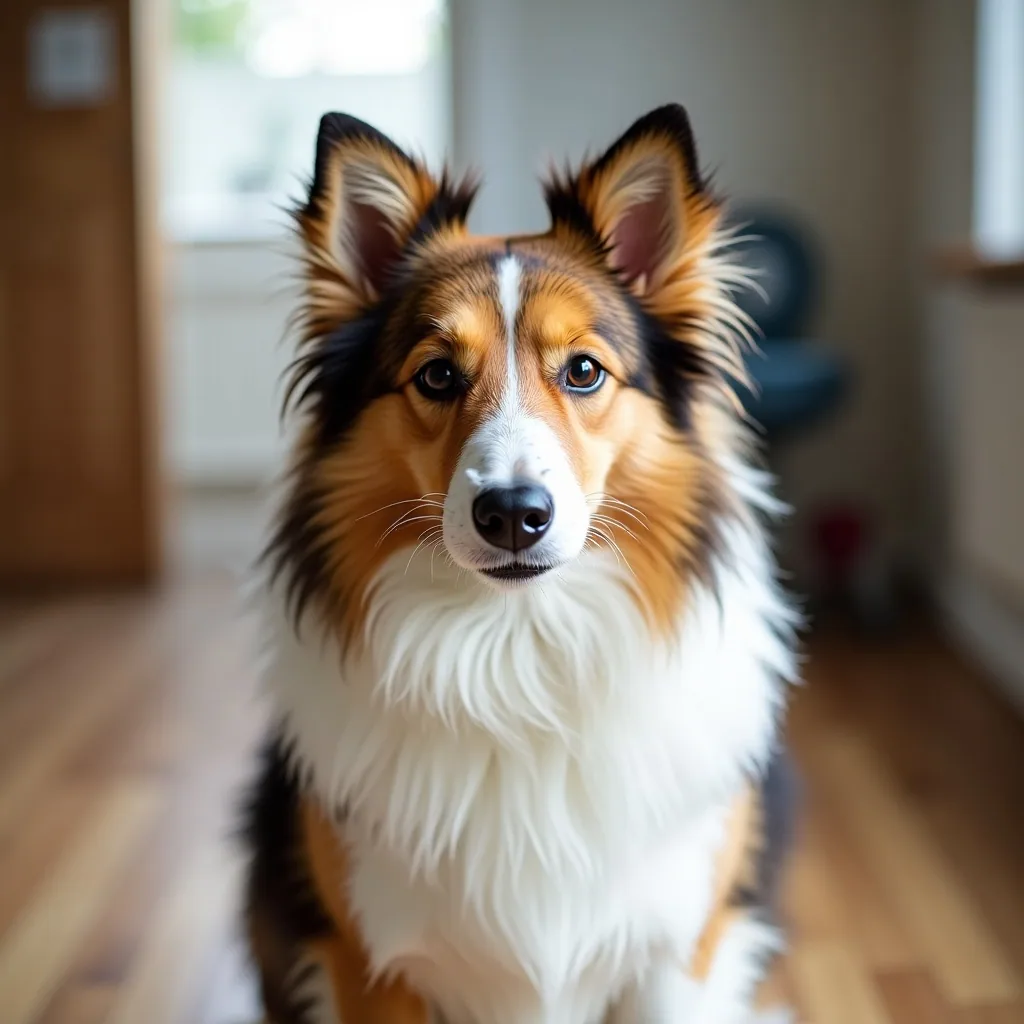
The quick answer
Shetland Sheepdogs typically live to around 12–14 years, a good lifespan for the breed. Buying from health-tested parents, keeping your Sheltie lean, staying alert to the breed's eye, thyroid and joint issues, and keeping up routine preventive vet care all help yours reach the upper end of that range and stay well in later life.
The Shetland Sheepdog — the 'Sheltie' — is a small, bright, sensitive herding breed that looks like a miniature Rough Collie but is very much its own dog. Beneath that beautiful coat are some specific health predispositions every owner should know about, including a gene mutation that affects how your Sheltie tolerates certain common medicines. Here's how long Shelties live, what to watch for, and how to help yours stay well.
How long do Shetland Sheepdogs live?
Shelties typically live to around 12–14 years, a good lifespan for the breed. As with any dog, careful breeding, weight management, mental and physical exercise, and prompt attention to the breed's known issues all influence both how long and how well your Sheltie lives. A healthy, well-cared-for Sheltie is a long-term family companion.
MDR1 — the medicine-sensitivity gene
This is the single most important thing to understand about Sheltie health. Many Shelties, like other collie-family breeds, carry the MDR1 gene mutation (also called the multi-drug sensitivity mutation). It can cause severe, occasionally fatal, reactions to normal doses of several everyday medicines — including some worming treatments, anti-diarrhoeal drugs and anaesthetic agents. The crucial point: it's DNA-testable. Ask your breeder whether the parents have been tested, consider testing your own dog, and — vitally — tell your vet your Sheltie may carry MDR1 before any medication or procedure, so they can choose safe alternatives.
Eyes
Shelties are predisposed to inherited eye conditions, most notably collie eye anomaly (CEA) and progressive retinal atrophy (PRA). Responsible breeders screen for these, and puppies can be eye-tested young. Any cloudiness, redness or change in your dog's vision should be checked promptly by your vet.
Joints, thyroid and bleeding
Like many breeds, Shelties can be affected by hip dysplasia, so buying from hip-scored parents helps, as does keeping your dog lean and providing a supportive bed and sensible exercise. Hypothyroidism (an underactive thyroid) is also seen and can cause weight gain, lethargy and coat changes — it's readily diagnosed and treatable. The breed can also carry von Willebrand's disease, an inherited bleeding disorder, which is worth knowing before any surgery.
Skin
Shelties are among the breeds predisposed to dermatomyositis, an inherited condition affecting the skin and muscles that usually appears in young dogs as skin lesions around the face, ears and limbs. It varies greatly in severity. Any unexplained, recurring skin sores in a young Sheltie are worth a vet's assessment.
A breeding welfare note: merle to merle
The attractive blue-merle coat carries a genetic caution. Breeding two merle dogs together can produce 'double merle' puppies with a high risk of deafness and blindness. Responsible breeders never pair merle with merle. If you're buying a merle puppy, ask carefully about the parents' colours and the breeder's practices.
What Shelties are like to live with
Shelties are clever, affectionate and intensely loyal — devoted to their family, gentle with children they're raised with, but often reserved or shy with strangers. They're sensitive dogs who thrive on kind handling and plenty of mental stimulation, and they're famously trainable, excelling at obedience and agility. They do tend to be vocal, with a herding dog's instinct to alert and chase, so early training and enough to occupy their busy minds matter.
Helping your Sheltie live well
- Tell your vet about MDR1 — before any medication or anaesthetic.
- Keep them lean — easier on the joints and better for overall health.
- Stay alert to eye, skin and energy changes — given the eye, thyroid and skin predispositions, early veterinary attention matters.
- Groom regularly — the profuse double coat needs frequent brushing to prevent matting.
- Exercise body and mind — a bored Sheltie can become anxious or noisy.
- See your vet regularly, moving to twice-yearly checks as your dog ages.
When to see your vet
Book a check if you notice changes in vision or cloudy eyes, unexplained or recurring skin sores, weight gain or lethargy, stiffness, or any unusual bleeding or bruising. Always flag possible MDR1 status before treatment. Shelties are sensitive and willing, so taking subtle changes seriously helps you catch the breed's inherited issues early.
*This is general guidance, not a substitute for advice from your vet, who can assess your individual dog.*
Sources
- RVC VetCompass — UK dog health and longevity research (rvc.ac.uk/vetcompass).
- UK Kennel Club & BVA — breed health and hip/eye/DNA screening schemes (thekennelclub.org.uk).
- PDSA — dog health and breed care (pdsa.org.uk).
- Blue Cross — dog health (bluecross.org.uk).
Common questions
How long do Shetland Sheepdogs live?
Shetland Sheepdogs typically live to around 12–14 years, a good lifespan for the breed. Buying from health-tested parents, keeping your Sheltie lean, staying alert to the breed's eye, thyroid and joint issues, and keeping up routine preventive vet care all help yours reach the upper end of that range and stay well in later life.
What is MDR1 in Shelties?
MDR1 is a gene mutation, common in collie-type breeds including Shelties, that causes a sensitivity to several everyday medicines — some worming, anti-diarrhoeal and anaesthetic drugs. Affected dogs can have severe, even fatal, reactions to normal doses. It's DNA-testable, so ask your breeder about the parents' status and tell your vet your Sheltie may carry it before any treatment.
What health problems are Shetland Sheepdogs prone to?
Shelties are prone to inherited eye conditions (collie eye anomaly and progressive retinal atrophy), hip dysplasia, hypothyroidism, von Willebrand's disease and dermatomyositis. Many also carry the MDR1 gene mutation, which causes sensitivity to certain common medicines. Buying from a health- and DNA-testing breeder reduces the risk of these issues.
About the author
Matt Garnett — founder, Giddy Pets
Matt started Giddy Pets to make getting pets the good stuff simpler and fairer. Everything in these guides comes from real life with pets and a lot of trial and error — it's practical guidance, not veterinary advice. If a guide gets something wrong, tell him directly.
Free tools & more guides
Read next

Are Shetland Sheepdogs Good Family Dogs? Temperament & Fit
Shelties are gentle, devoted and brilliantly trainable family dogs — but they're sensitive, vocal and need busy minds. An honest look at living with a Sheltie.

Shetland Sheepdog Grooming: Coat, Shedding & Why Not to Shave
A Sheltie's profuse double coat sheds heavily and needs regular brushing. How to groom it, manage the moult, and why you should never shave a Shetland Sheepdog.
How Much Does a Shetland Sheepdog Cost to Keep in the UK?
The real cost of owning a Shetland Sheepdog in the UK — purchase price, food, insurance, grooming, vet care and lifetime spend, with honest budgeting figures.

How Long Do Lhasa Apsos Live? Lifespan & Health
Lhasa Apsos live around 12–15 years. The eye, kidney, knee and skin conditions this hardy little Tibetan breed is prone to, and how to help yours stay well.