
Shetland Sheepdog Grooming: Coat, Shedding & No Shaving
A Sheltie's profuse double coat sheds heavily and needs regular brushing. How to groom it, manage the moult, and why you should never shave a Shetland Sheepdog.
The quick answer
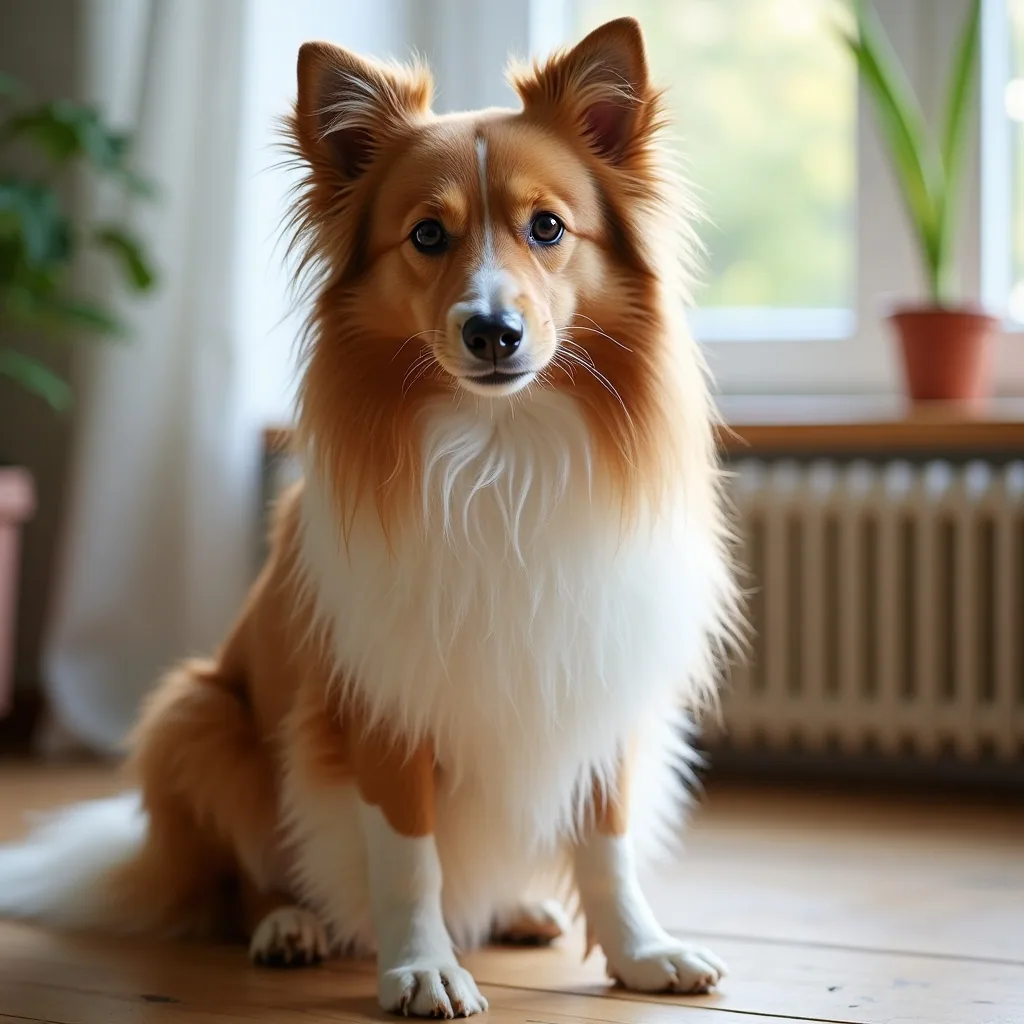
Yes. Shetland Sheepdogs have a profuse double coat that sheds year-round and 'blows' heavily twice a year, especially the soft undercoat. Expect to brush thoroughly two or three times a week, and daily during a moult, to prevent matting and manage loose hair.
That glorious, flowing coat is one of the Shetland Sheepdog's defining features — and one of its biggest care commitments. Get the grooming right and your Sheltie stays comfortable, healthy and looking magnificent. Here's how to manage the coat, cope with the heavy shedding, and why shaving is a mistake.
Understanding the Sheltie coat
Shelties have a profuse double coat: a long, straight, harsh outer coat of guard hairs over a short, dense, soft undercoat. The undercoat insulates and the outer coat repels dirt and water — together they protect your dog from cold, heat and the elements. It's a working dog's coat built for the Shetland Islands, and it needs regular attention to stay healthy and matt-free.
How much do Shelties shed?
A lot. Shelties shed year-round and 'blow' their coat dramatically twice a year, usually spring and autumn, when the soft undercoat comes out in great quantities. During these moults you'll find hair everywhere, and the volume can surprise first-time owners. Regular grooming is the only way to stay on top of it — and it's far better to brush the loose hair out than to let it shed all over your home and, worse, matt against the skin.
How often to brush
Aim to brush your Sheltie thoroughly two or three times a week, and daily during a heavy moult. The goal is to work right down to the skin and remove the dead undercoat, not just smooth the surface. Pay particular attention to the areas that matt most easily: behind the ears, under the legs ('armpits'), around the collar, the trousers (back legs) and the dense ruff around the neck.
The tools you'll need
- A slicker brush for working through the coat and lifting loose hair.
- An undercoat rake or de-shedding tool for pulling out the dense undercoat, especially during the moult.
- A wide-toothed comb for finishing and checking for matts behind the ears and on the legs.
A good kit of grooming brushes makes the job far quicker and keeps the coat in beautiful condition.
Tackling matts
Matts form where the coat rubs and moves — behind the ears, under the legs and around the rear. Work on them gently with your fingers and a comb, or a de-matting tool, teasing them apart rather than dragging. Never bath a matted coat, as water tightens matts. If a coat has become badly matted, a professional groomer can help — and prevention through regular brushing is always kinder than cutting matts out.
Why you should never shave a Sheltie
It's tempting to think shaving would reduce shedding or keep your dog cooler in summer — but you should never shave a Shetland Sheepdog. The double coat:
- Insulates against heat as well as cold — it keeps your dog cooler in summer, not hotter.
- Protects the skin from sun — shaved skin is exposed to sunburn.
- May grow back patchy or altered — the texture and colour can change permanently, and the undercoat can grow back faster than the guard hairs, leaving the coat unable to function properly.
Instead of shaving, brush out the undercoat to thin the coat naturally, and keep your Sheltie cool in hot weather with shade, fresh water and avoiding exercise in the midday heat.
Bathing, nails, ears and eyes
Shelties don't need frequent bathing — every couple of months, or when genuinely dirty, is plenty, always brushing out any matts first. Check and trim nails regularly, keep ears clean and dry, and gently wipe around the eyes. Given the breed's inherited eye conditions, any redness, cloudiness or discharge should be checked by your vet rather than just wiped away.
A weekly routine
- 2–3 times a week (daily in moult): thorough brush to the skin, focusing on matt-prone areas.
- Weekly: check nails, ears and eyes; comb through the ruff and trousers.
- Every 6–8 weeks or as needed: bath, after brushing out matts.
- Spring and autumn: step up brushing to manage the big seasonal coat blow.
Keep grooming sessions calm and positive — Shelties are sensitive, and a gentle, regular routine makes coat care something your dog accepts happily for life.
*This is general guidance, not a substitute for advice from your vet or a professional groomer, who can assess your individual dog.*
Sources
- RVC VetCompass — UK dog health and skin/coat research (rvc.ac.uk/vetcompass).
- UK Kennel Club & BVA — breed grooming and care guidance (thekennelclub.org.uk).
- PDSA — dog grooming and coat care (pdsa.org.uk).
- Blue Cross — dog grooming and care (bluecross.org.uk).
Common questions
Do Shelties shed a lot?
Yes. Shetland Sheepdogs have a profuse double coat that sheds year-round and 'blows' heavily twice a year, especially the soft undercoat. Expect to brush thoroughly two or three times a week, and daily during a moult, to prevent matting and manage loose hair. Despite the volume of coat, regular grooming keeps it manageable and the skin healthy.
Should I shave my Sheltie in summer?
No. A Sheltie's double coat insulates against both cold and heat and protects the skin from sun, so shaving it off can actually leave your dog more vulnerable and the coat may grow back patchy or altered in texture. Instead, brush regularly to remove the dense undercoat, and keep your Sheltie cool with shade, water and avoiding midday heat.
How often should I brush a Shetland Sheepdog?
Aim to brush thoroughly two or three times a week, working right down to the skin to remove the dead undercoat, and daily during the heavy spring and autumn moults. Focus on matt-prone areas like behind the ears, under the legs, the ruff and the trousers. Regular brushing prevents painful matting and keeps the coat and skin healthy.
About the author
Matt Garnett — founder, Giddy Pets
Matt started Giddy Pets to make getting pets the good stuff simpler and fairer. Everything in these guides comes from real life with pets and a lot of trial and error — it's practical guidance, not veterinary advice. If a guide gets something wrong, tell him directly.
Free tools & more guides
Read next
How Much Does a Shetland Sheepdog Cost to Keep in the UK?
The real cost of owning a Shetland Sheepdog in the UK — purchase price, food, insurance, grooming, vet care and lifetime spend, with honest budgeting figures.
How Long Do Shetland Sheepdogs Live? Lifespan & Health
Shelties live around 12–14 years. The eye, joint, thyroid and bleeding conditions this clever herding breed is prone to — plus the all-important MDR1 gene.

Are Shetland Sheepdogs Good Family Dogs? Temperament & Fit
Shelties are gentle, devoted and brilliantly trainable family dogs — but they're sensitive, vocal and need busy minds. An honest look at living with a Sheltie.
Samoyed Grooming: Coat, Shedding & Heat Care
Samoyeds have a thick white double coat that sheds heavily and needs frequent brushing. How to groom one, manage moulting, keep them cool and never to shave.