
Are Shetland Sheepdogs Good Family Dogs? Temperament & Fit
Shelties are gentle, devoted and brilliantly trainable family dogs — but they're sensitive, vocal and need busy minds. An honest look at living with a Sheltie.

The quick answer
Yes — Shelties are devoted, gentle and affectionate family dogs that bond closely and are usually excellent with children they're raised with. They're sensitive souls who dislike harsh handling and can be reserved or shy with strangers. With kind, consistent training and good early socialisation they make loving, biddable companions for active, attentive families.
The Shetland Sheepdog is one of Britain's best-loved family companions — small, beautiful, clever and deeply devoted. But the breed comes with some honest caveats worth understanding before you commit. Here's a frank look at the Sheltie temperament and whether one will fit your household.
Are Shetland Sheepdogs good family dogs?
Yes — for the right family. Shelties are gentle, affectionate and intensely loyal, bonding closely with their people and usually wonderful with children they're raised alongside. They're among the most trainable of all breeds, which makes them a joy to teach and live with. But they're also sensitive, vocal and busy-minded, so they suit active, attentive families who'll give them training, exercise and company rather than a hands-off household.
A sensitive, devoted nature
Shelties are emotionally attuned dogs. They read your mood, dislike conflict and tension, and wilt under harsh handling — raised voices and rough corrections do far more harm than good. Treated kindly and consistently, they become wonderfully biddable, affectionate companions who want nothing more than to be with their family. This sensitivity is one of the breed's great charms, but it does mean a Sheltie needs a calm, patient home and isn't well suited to being left alone for long stretches.
Brilliantly trainable
If you want a dog you can really teach, the Sheltie is hard to beat. They're bright, eager to please and quick to learn, which is exactly why they shine in obedience and agility competitions. Reward-based, positive training methods bring out their best. The flip side of that cleverness is a need for mental stimulation: a Sheltie with nothing to occupy its mind can become anxious, restless or noisy. Puzzle feeders, trick training, scent games and a rotation of toys all help keep that clever brain satisfied.
The honest bit: barking
Prospective owners deserve the truth here — Shelties tend to be vocal. With their herding heritage and alert, watchful nature, they're inclined to announce visitors, sudden noises and movement with enthusiasm. It's manageable with early training, plenty of mental work and being careful not to accidentally reward the barking with attention, but you should go in expecting a talkative dog. If you need a quiet household or have very close neighbours, this is a genuine consideration.
Herding instinct
As a working herding breed, Shelties can show a tendency to chase and 'herd' — sometimes circling or nipping at running children, joggers, cyclists or other pets. It's rarely aggressive, but it needs gentle management and redirection, especially around young children at play. Channelling that instinct into structured activities like agility or recall games gives it a healthy outlet.
With children and other pets
Well-socialised Shelties are typically excellent with children, gentle and patient, though as with any dog interactions with young children should always be supervised and the herding/chasing tendency kept in mind. They generally get on well with other dogs and pets, particularly when raised together, but can be reserved or shy with strangers — early, positive socialisation helps them grow into confident, well-rounded adults.
Is a Sheltie right for you?
A Sheltie may be a great fit if you can offer:
- Time and attention — they hate being left alone for long and thrive on company.
- Kind, consistent training — never harsh; reward-based works beautifully.
- Mental stimulation — daily exercise plus puzzles, training and games.
- Tolerance for barking — a talkative dog is part of the package.
- Regular grooming — the profuse coat needs frequent brushing.
They're a less ideal match if you want a quiet, low-maintenance dog, are out of the house for long working days, or prefer a coat you never have to brush.
Settling a new Sheltie in
Give a new Sheltie a calm, predictable routine, a cosy bed of its own, and patient early socialisation to lots of people, sounds and situations. Build training into daily life in short, upbeat sessions, and introduce new people, dogs and experiences gradually and positively so any natural shyness has no chance to harden into fearfulness. A confident, happy Sheltie is made by kindness, consistency and plenty to think about.
*This is general guidance, not a substitute for advice from your vet or a qualified behaviourist, who can assess your individual dog.*
Sources
- RVC VetCompass — UK dog health and behaviour research (rvc.ac.uk/vetcompass).
- UK Kennel Club & BVA — breed temperament and ownership guidance (thekennelclub.org.uk).
- PDSA — dog behaviour and breed care (pdsa.org.uk).
- Blue Cross — dog behaviour and training (bluecross.org.uk).
Common questions
Are Shetland Sheepdogs good family dogs?
Yes — Shelties are devoted, gentle and affectionate family dogs that bond closely and are usually excellent with children they're raised with. They're sensitive souls who dislike harsh handling and can be reserved or shy with strangers. With kind, consistent training and good early socialisation they make loving, biddable companions for active, attentive families.
Do Shetland Sheepdogs bark a lot?
Often, yes. Shelties are a vocal, alert breed with a herding heritage, so they tend to announce visitors, noises and movement enthusiastically. It's manageable with early training, mental stimulation and not accidentally rewarding the barking, but prospective owners should go in expecting a talkative dog — they're not the right choice if you need a quiet household.
Are Shelties easy to train?
Very — Shetland Sheepdogs are among the most trainable breeds, bright, eager to please and quick to learn, which is why they excel at obedience and agility. They respond best to kind, reward-based methods, as they're sensitive and wilt under harsh corrections. Their cleverness means they need mental stimulation; a bored Sheltie can become anxious or noisy.
About the author
Matt Garnett — founder, Giddy Pets
Matt started Giddy Pets to make getting pets the good stuff simpler and fairer. Everything in these guides comes from real life with pets and a lot of trial and error — it's practical guidance, not veterinary advice. If a guide gets something wrong, tell him directly.
Free tools & more guides
Read next
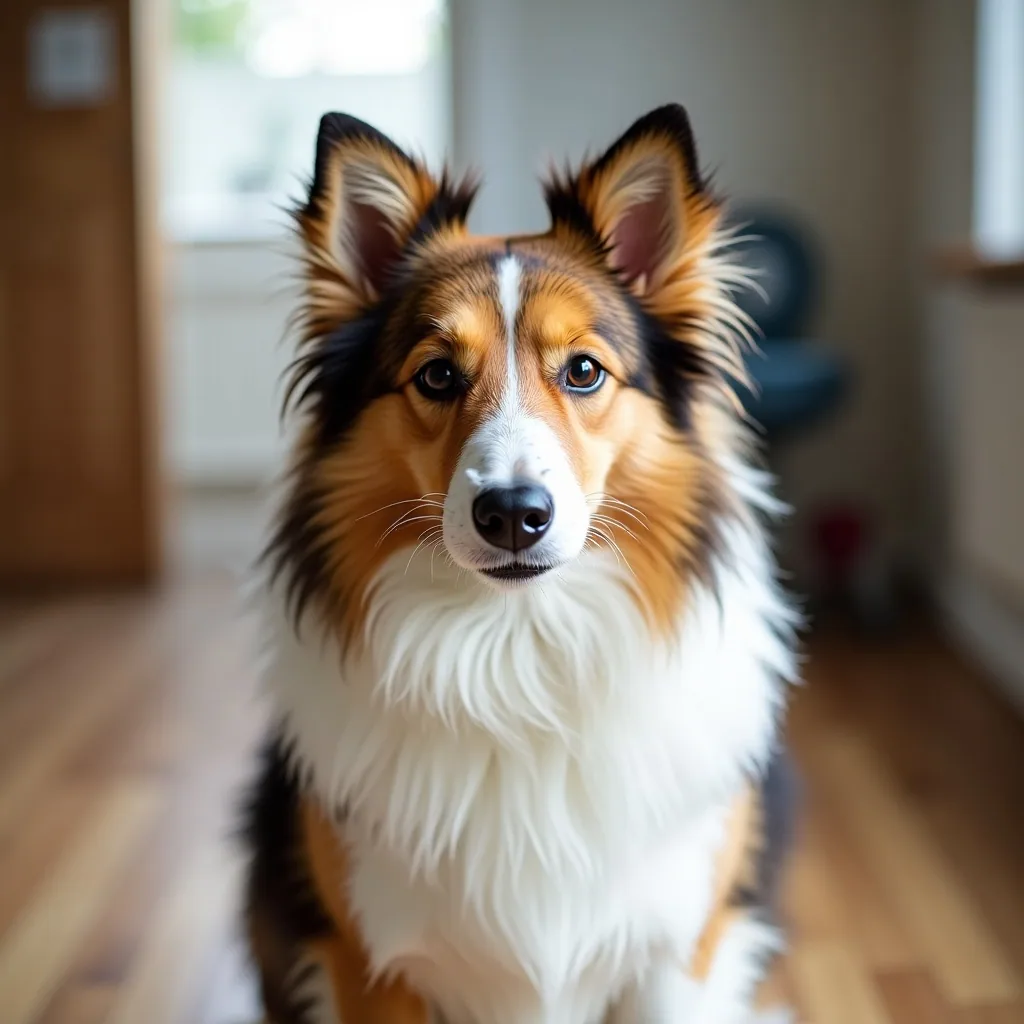
How Long Do Shetland Sheepdogs Live? Lifespan & Health
Shelties live around 12–14 years. The eye, joint, thyroid and bleeding conditions this clever herding breed is prone to — plus the all-important MDR1 gene.
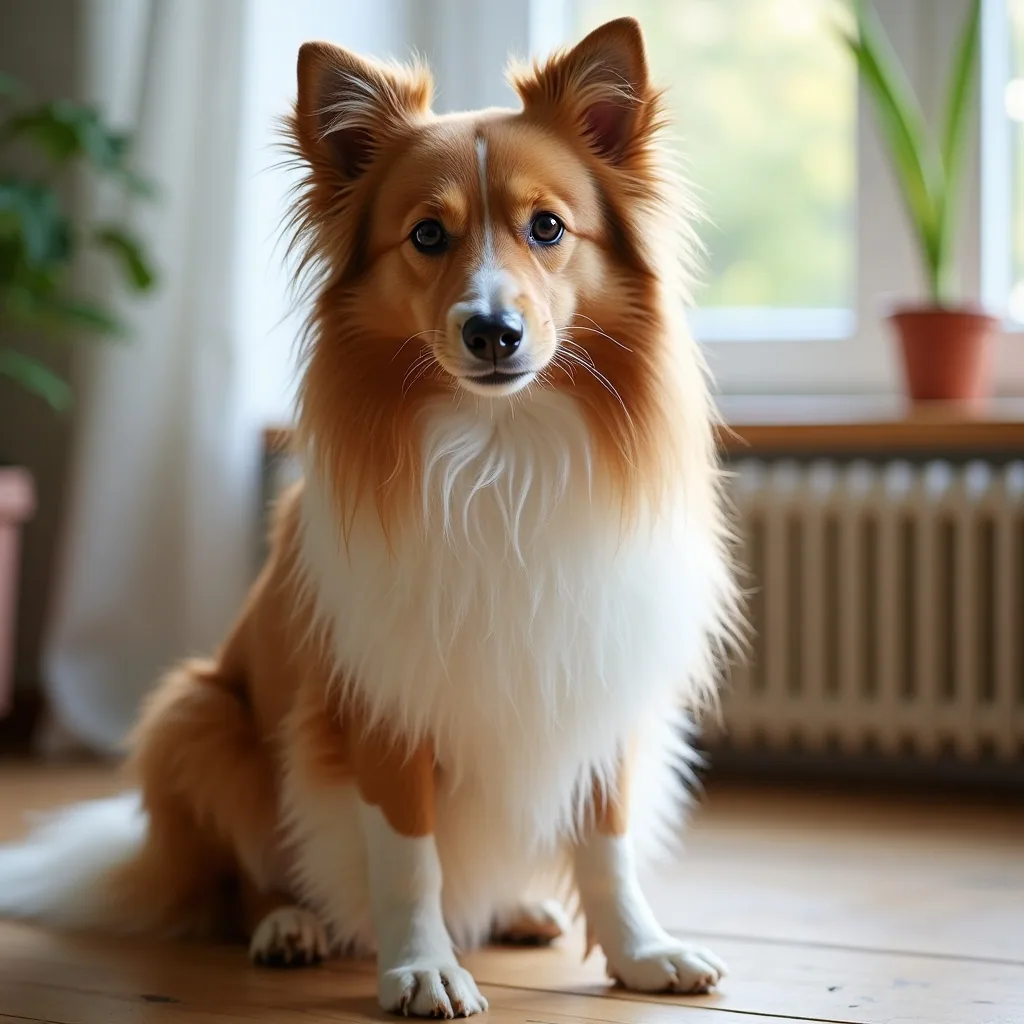
Shetland Sheepdog Grooming: Coat, Shedding & Why Not to Shave
A Sheltie's profuse double coat sheds heavily and needs regular brushing. How to groom it, manage the moult, and why you should never shave a Shetland Sheepdog.
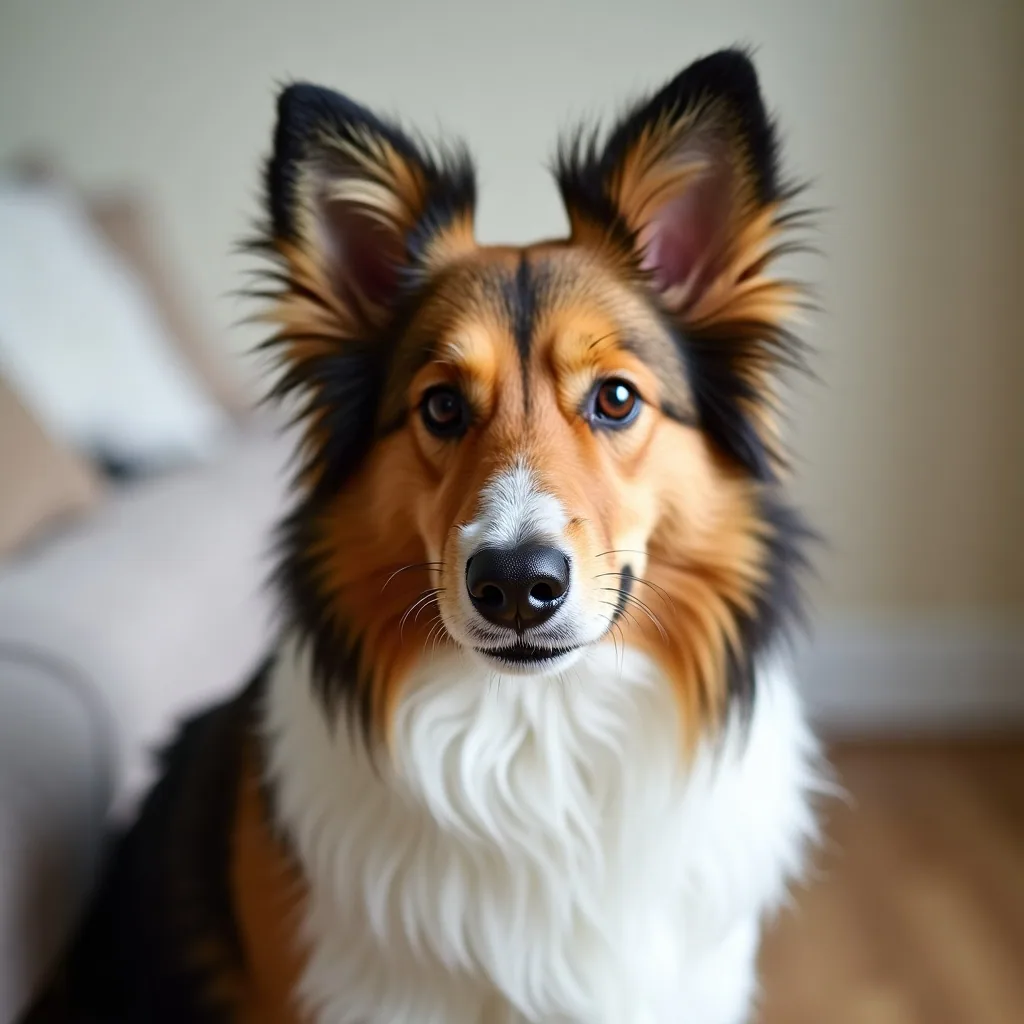
How Much Does a Shetland Sheepdog Cost to Keep in the UK?
The real cost of owning a Shetland Sheepdog in the UK — purchase price, food, insurance, grooming, vet care and lifetime spend, with honest budgeting figures.

Are Lhasa Apsos Good Family Dogs? Temperament & Fit
Lhasa Apsos are alert, loyal little watchdogs — affectionate yet aloof and a touch stubborn. Whether the breed suits your family, and how to help one settle in.