
How to Train a Border Collie
The Border Collie is the most trainable breed there is — but that brain cuts both ways. How to channel the intelligence, handle the herding instinct, and bring out the best in your Collie.
The quick answer
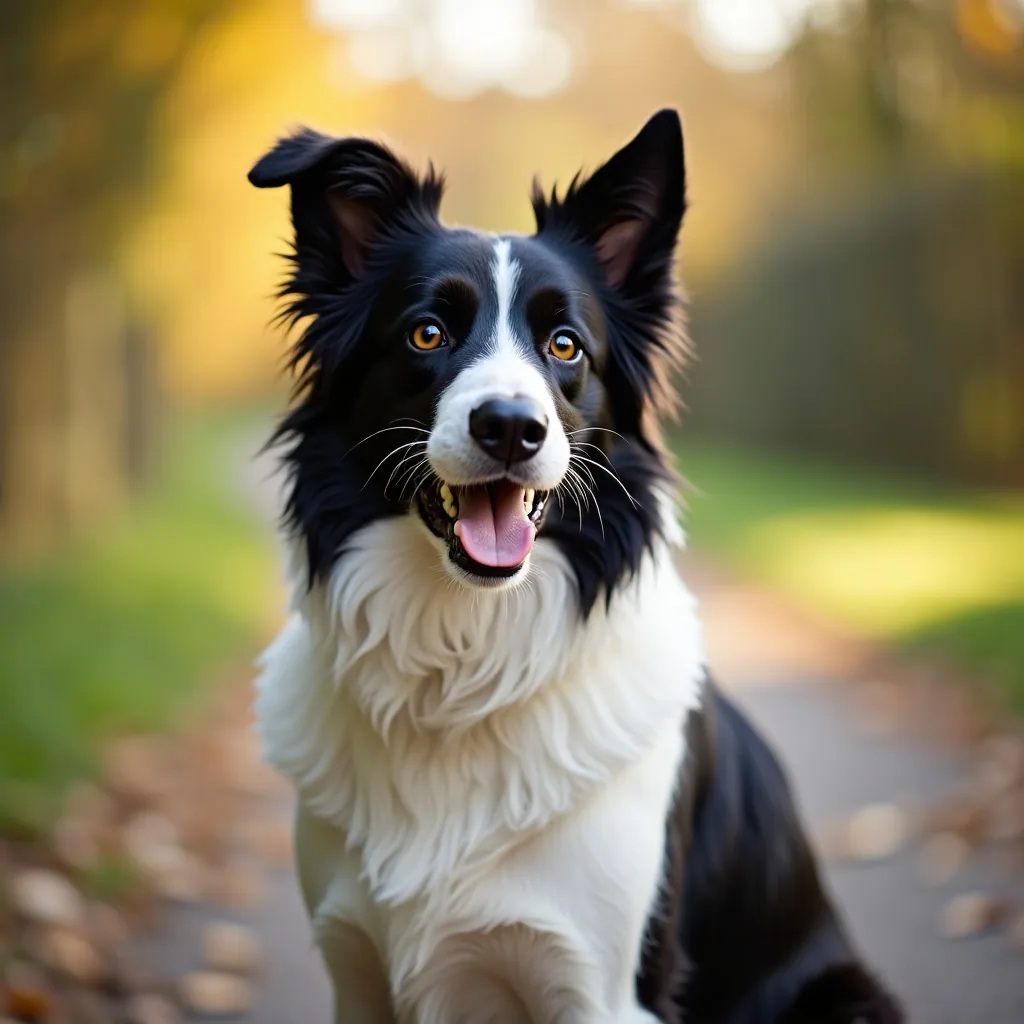
Train them little, often and positively. Border Collies are the most trainable breed, so short, upbeat reward-based sessions work brilliantly — but they learn bad habits just as fast, so consistency matters. Channel their cleverness into useful cues, tricks, scent games and dog sports, and give the herding instinct an outlet rather than suppressing it.
Ask trainers which breed learns fastest and the answer is almost always the same: the Border Collie. Bred over generations to read a shepherd's smallest signal and make split-second decisions out on the hill, the Collie is widely regarded as the most intelligent and trainable dog breed there is. That gift is a joy — and a responsibility. A Collie left without guidance will train *itself*, usually into habits you'd rather it didn't have. Here's how to channel that remarkable mind well.
Start with the right mindset
Training a Border Collie isn't a six-week course you finish; it's a lifelong hobby you both enjoy. This is a dog that genuinely *wants* a job, and the closest thing most pet Collies get to working sheep is the work you give them. Approach training as the main outlet for that energy and you'll find a willing, switched-on partner. Approach it as a chore and you'll have a frustrated, inventive dog on your hands.
Use reward-based, positive methods. Collies are sensitive, biddable and quick, so they don't need heavy-handed correction — they respond best to clear cues, well-timed rewards (food, toys, the chance to work) and consistency from everyone in the household. Keep sessions short and frequent: several five-to-ten-minute bursts a day beat one long, repetitive slog, and they keep the dog keen.
What to teach first
Get the foundations rock-solid before anything fancy:
- Name and attention — a Collie that checks in with you is halfway to trained.
- The core obedience cues — sit, down, stay, and a reliable recall. Our guide to the essential commands walks through these step by step.
- A strong recall and a "leave it" — non-negotiable for a breed that loves to chase.
- Settle / off-switch — teaching a Collie to relax on cue is as valuable as any trick, because their default is *on*.
- Loose-lead walking and impulse control around the moving things that set off the herding instinct.
Because they learn so fast, you can move on to tricks, retrieves, tidying-up games, scent work and complex chains of behaviour surprisingly quickly — and you should, because variety keeps them engaged.
Working with the herding instinct (chasing and nipping)
The single most misunderstood thing about training a Collie is the herding instinct. Many will instinctively try to chase and round up moving things — joggers, cyclists, cars, livestock, other pets and sometimes children, occasionally with a nip to the heels. This is hardwired behaviour, not aggression, and you cannot simply punish it out of a dog.
The answer is to manage and redirect it:
- Give the instinct legal outlets — fetch with rules, flyball, treibball (herding giant balls), or formal herding/instinct classes.
- Teach and heavily reward an interrupt cue (a recall or "leave it") so you can call the dog off mid-chase.
- Manage the environment: lead near roads, livestock and cyclists, and supervise closely around running children until the recall is bombproof.
- Never let chasing become a self-rewarding game, because for a Collie it is intensely satisfying and quickly becomes a habit.
Why mental work is non-negotiable
For this breed, brain-work is not an extra — it's part of training itself, and it's what keeps the dog sane. A Collie that's physically exercised but mentally bored will still invent obsessive behaviours like spinning, shadow-chasing or barking. Weave thinking into daily life with puzzle feeders and enrichment toys, "find it" scent games, and short training games scattered through the day. Pair this with the breed's serious physical needs — see our guide to how much exercise a Border Collie needs — and you have a dog that's tired in the right way.
Dog sports and advanced training
This is where Collies truly shine. Agility, flyball, obedience, heelwork to music, scent work and herding trials were practically made for them, and the breed dominates many of these. Sports give structured, high-level mental and physical challenge in one, and they deepen your bond. You don't need to compete — local club classes are brilliant enrichment in their own right and a great way to channel a young Collie's drive.
Common pitfalls to avoid
- Under-stimulating them. The biggest mistake of all; a bored Collie is a problem Collie.
- Accidentally rewarding the wrong things — they're so quick that they'll latch onto a habit after just a couple of repetitions, good or bad.
- Letting chasing become a game, then trying to undo it later.
- Repetitive, high-impact drilling — endless ball-launcher fetch is hard on joints (see our note on ball launchers and joints) and can feed obsessive behaviour.
- Inconsistency between family members, which confuses a dog this attentive.
- Skipping early socialisation — a confident Collie starts young; our puppy socialisation checklist covers the essentials.
Get the foundations, the outlets and the consistency right, and the Border Collie repays you with one of the most capable, responsive and rewarding partnerships in the dog world.
*This is general guidance, not a substitute for advice from an accredited trainer or behaviourist, who can assess your individual dog.*
Sources
- UK Kennel Club — Border Collie breed information and training/Good Citizen scheme (thekennelclub.org.uk).
- PDSA — Border Collie care, training and behaviour (pdsa.org.uk).
- Blue Cross — dog training and herding behaviour advice (bluecross.org.uk).
Common questions
How do you train a Border Collie?
Train them little, often and positively. Border Collies are the most trainable breed, so short, upbeat reward-based sessions work brilliantly — but they learn bad habits just as fast, so consistency matters. Channel their cleverness into useful cues, tricks, scent games and dog sports, and give the herding instinct an outlet rather than suppressing it. Treat training as an enjoyable lifelong hobby rather than a fixed course.
Why does my Border Collie chase and nip?
It's the herding instinct, not aggression. Border Collies are hardwired to chase and round up moving things — joggers, cyclists, cars, other pets and sometimes children — sometimes with a nip to the heels. You can't punish it away; instead redirect it into legal outlets like fetch with rules or herding classes, teach a strong interrupt cue to call them off, and manage the environment around roads, livestock and running children.
At what age should you start training a Border Collie?
Straight away. Begin gentle reward-based training and socialisation the day your puppy comes home, usually from around eight weeks. Early weeks are the prime window for building confidence, recall and good habits, and Collies learn so fast that bad habits form just as early. Keep puppy sessions very short and fun, focus on socialisation and the basics, and save high-impact exercise until the joints have matured.
About the author
Matt Garnett — founder, Giddy Pets
Matt started Giddy Pets to make getting pets the good stuff simpler and fairer. Everything in these guides comes from real life with pets and a lot of trial and error — it's practical guidance, not veterinary advice. If a guide gets something wrong, tell him directly.
Free tools & more guides
Read next
How Much Exercise Does a Border Collie Need?
Border Collies need far more than a couple of walks — real physical exertion plus mental work every day. Exactly what that looks like, and whether the breed suits you.
Border Collie Shedding & Grooming
Border Collies shed year-round and blow their coat twice a year. The rough and smooth coats explained, a simple brushing routine, the right tools, and why you should never shave one.

Are Border Collies Good Family Dogs?
Border Collies can be wonderful family dogs — for the right family. An honest look at who they suit, the herding instinct around children, and why an active home is essential.
How Long Do Border Collies Live? Lifespan & Health
How long Border Collies live, the inherited conditions to know about, and how to help yours enjoy a long, sound, active old age.