
How Much Exercise Does a Border Collie Need?
Border Collies need far more than a couple of walks — real physical exertion plus mental work every day. Exactly what that looks like, and whether the breed suits you.
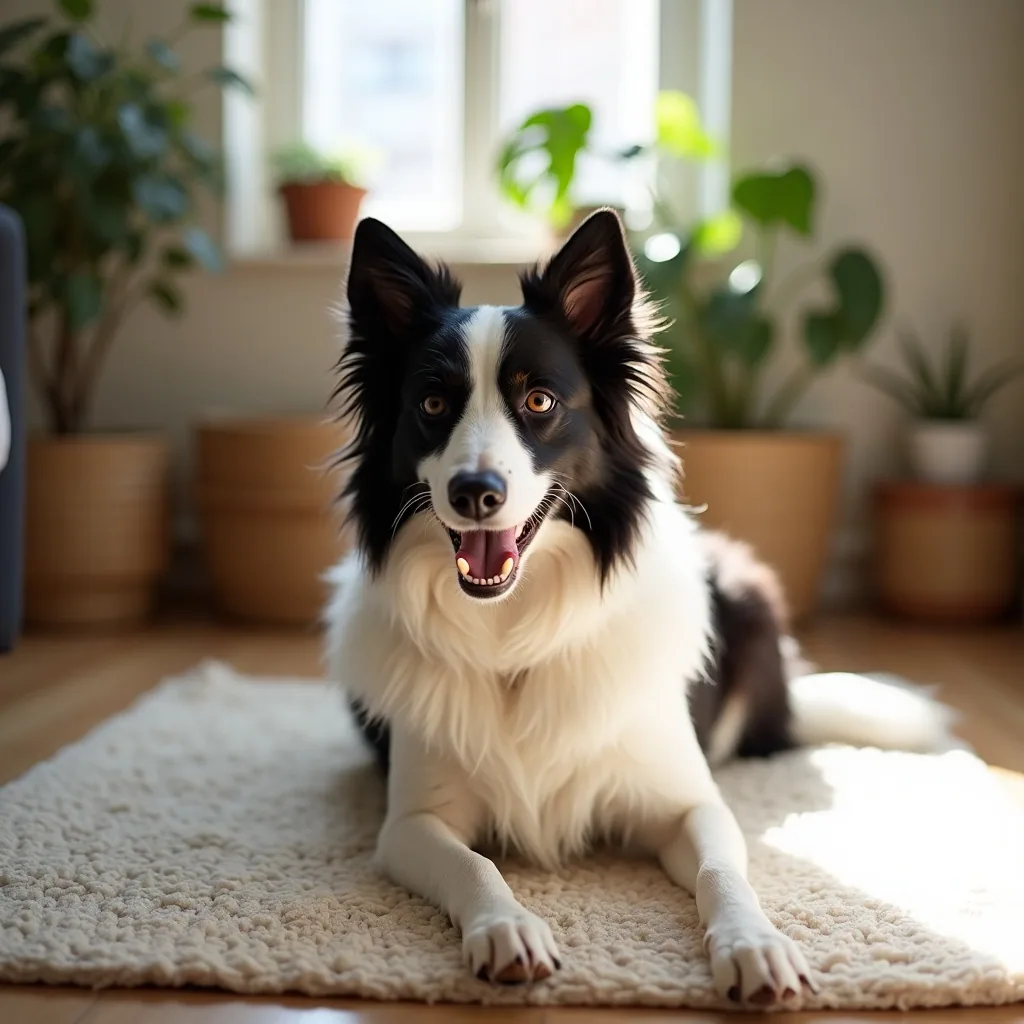
The quick answer
At least around two hours a day for a healthy adult, and often more — but crucially it must combine physical exertion with mental challenge. Long varied walks, off-lead running, hikes and dog sports like agility cover the body; training, puzzle feeders and scent games cover the mind.
If there's one thing to understand before getting a Border Collie, it's this: they need far more than a couple of walks a day. Bred to work sheep across hills from dawn to dusk, the Border Collie is built for stamina, problem-solving and tireless activity — and a Collie that doesn't get enough of both physical and mental work is one of the most common dogs to end up struggling. Here's what they actually need.
How much exercise does a Border Collie need?
A healthy adult Border Collie needs a minimum of around two hours of exercise a day, and many thrive on more. But the hours are only half the story: it has to be the *right kind* of activity, combining real physical exertion with mental challenge. A Collie that's walked for two hours but never asked to think is still an under-stimulated Collie.
Good physical outlets include long, varied walks and off-lead running in safe places, hikes, and dog sports the breed excels at — agility, flyball, obedience and herding-style activities. They're athletes: a Border Collie can hit speeds of around 30 mph.
Why mental stimulation matters just as much
This is the part new owners underestimate. Border Collies are widely considered the most intelligent dog breed, and that brain needs a job. Without mental work they get bored, and a bored Collie invents its own entertainment — usually something you'd rather they didn't.
Build brain-work into every day:
- Training sessions — they learn fast and love it; teach tricks, cues and complex tasks.
- [Puzzle feeders and enrichment toys](/dog-puzzle-toys) that make them work for food.
- Scent games and "find it" tasks around the house and garden.
- Dog sports that combine body and mind, which is where Collies truly shine.
The herding instinct
Border Collies are hardwired to herd, and that instinct shows up in pet life: many will try to chase and "round up" moving things — joggers, cyclists, cars, other pets and sometimes children, occasionally with a nip to the heels. It's not aggression; it's deep instinct. It can be channelled and managed with training, clear boundaries and plenty of appropriate outlets, but it's something to understand and supervise, especially around young children.
What happens when their needs aren't met
An under-exercised, under-stimulated Border Collie is a genuinely unhappy dog, and the signs are clear: destructiveness, incessant barking, pacing, and obsessive behaviours like spinning or chasing shadows and lights. These aren't the dog being "naughty" — they're signs of an intelligent working animal with nothing to do. It's the single most common reason Collies are rehomed, and it's avoidable.
Are Border Collies right for you?
Be honest with yourself before falling for that clever, eager face. A Border Collie suits an active, committed owner or family — people who walk, run, hike or do dog sports, who are home enough to provide company and daily brain-work, and who'll enjoy training as an ongoing hobby rather than a chore. They are not a good match for a sedentary household, someone out at work all day, or a first-time owner who underestimates the commitment. Get the match right, though, and you have one of the most rewarding, capable and devoted dogs there is.
Puppies and seniors
Go easy on growing puppies — their joints are still developing, so avoid forced or repetitive high-impact exercise and long runs until they've matured, and lean on mental stimulation instead. Older Collies still want a job: keep them moving with gentler, regular activity and plenty of brain games to keep that famous mind sharp.
*This is general guidance, not a substitute for advice from your vet, who can advise on your individual dog.*
Sources
- UK Kennel Club — Border Collie breed characteristics and exercise needs (thekennelclub.org.uk).
- PDSA — Border Collie care and behaviour (pdsa.org.uk).
- Blue Cross — exercising your dog and working breeds (bluecross.org.uk).
Common questions
How much exercise does a Border Collie need?
At least around two hours a day for a healthy adult, and often more — but crucially it must combine physical exertion with mental challenge. Long varied walks, off-lead running, hikes and dog sports like agility cover the body; training, puzzle feeders and scent games cover the mind. A Collie exercised in body but not brain is still under-stimulated, so both matter.
Can Border Collies be left alone?
Not for long. Border Collies are intelligent, energetic and people-focused, and being left alone for long stretches — especially without enough exercise and mental stimulation first — often leads to boredom, anxiety and destructive or obsessive behaviour. They're a poor fit for a home that's empty all day. If you must leave one, exercise them well beforehand, leave enrichment, and build up alone-time gradually.
Are Border Collies aggressive?
Aggression isn't typical of the breed — Border Collies are working dogs bred to respond to handlers, not to be aggressive. What's often mistaken for aggression is their strong herding instinct: chasing and nipping at the heels of runners, cyclists, cars or children. It's instinct, not hostility, and can be managed with training and outlets, but it does need understanding and supervision, especially around young children.
About the author
Matt Garnett — founder, Giddy Pets
Matt started Giddy Pets to make getting pets the good stuff simpler and fairer. Everything in these guides comes from real life with pets and a lot of trial and error — it's practical guidance, not veterinary advice. If a guide gets something wrong, tell him directly.
Free tools & more guides
Read next
Border Collie Shedding & Grooming
Border Collies shed year-round and blow their coat twice a year. The rough and smooth coats explained, a simple brushing routine, the right tools, and why you should never shave one.

Are Border Collies Good Family Dogs?
Border Collies can be wonderful family dogs — for the right family. An honest look at who they suit, the herding instinct around children, and why an active home is essential.
How to Train a Border Collie
The Border Collie is the most trainable breed there is — but that brain cuts both ways. How to channel the intelligence, handle the herding instinct, and bring out the best in your Collie.
How Long Do Border Collies Live? Lifespan & Health
How long Border Collies live, the inherited conditions to know about, and how to help yours enjoy a long, sound, active old age.