
Are Basset Hounds Good Family Dogs? Temperament & Fit
Basset Hounds are easy-going, gentle and great with kids — but stubborn and scent-driven. An honest look at the breed's temperament and family fit.
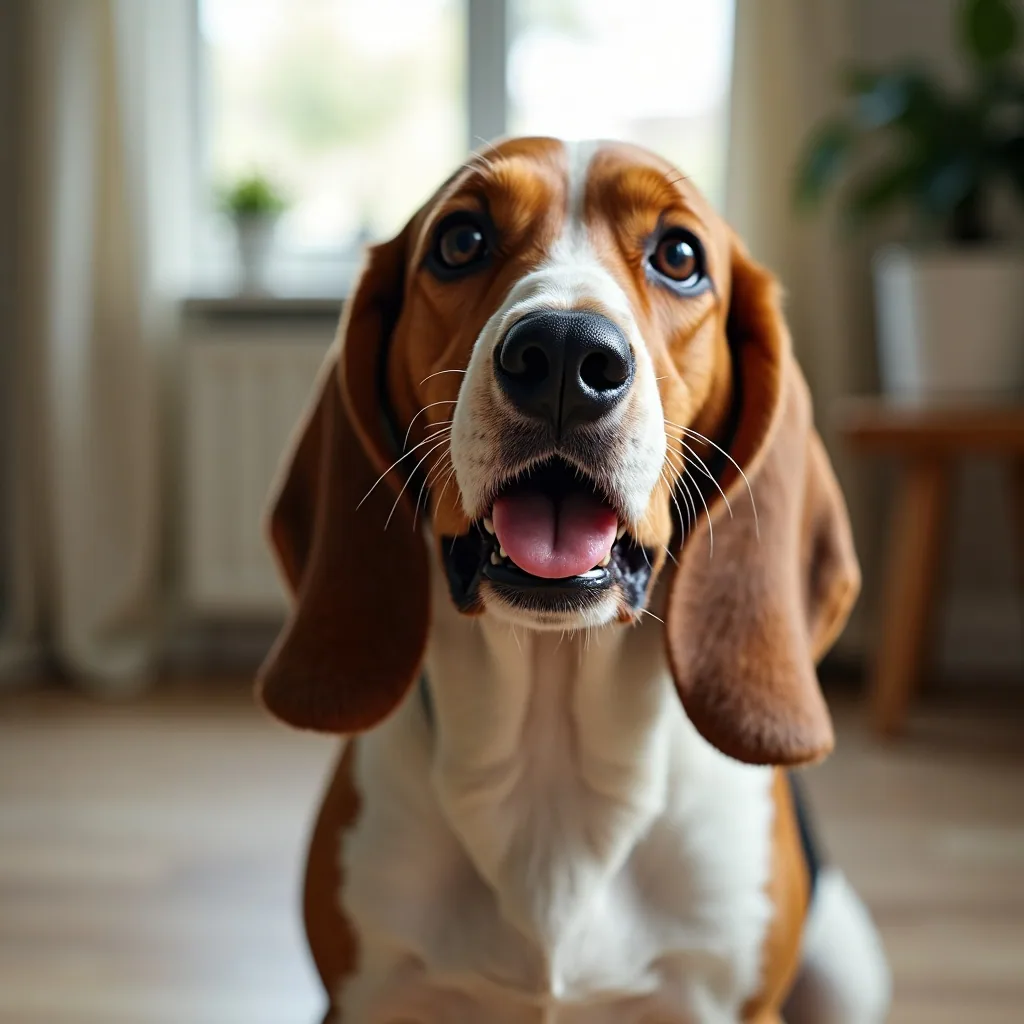
The quick answer
Yes — Basset Hounds are famously easy-going, gentle and friendly, and generally very good with children and other pets. They're laid-back, affectionate companions that suit relaxed households. The honest caveat is their stubbornness and scent-driven nature: recall is unreliable and training takes patience, so they're not the most obedient family dog.
Few dogs look as good-natured as a Basset Hound, and happily the temperament usually matches the face. These are laid-back, affectionate, sociable dogs that fit beautifully into relaxed family life — with a couple of honest caveats around training and recall. Here's a realistic look at whether a Basset Hound is the right family dog for you.
The easy-going temperament
Basset Hounds are famously gentle, friendly and easy-going. Bred to hunt in packs, they're sociable by nature and generally tolerant, patient and even-tempered at home. They're not highly strung or demanding of constant activity; a Basset is just as happy snoozing on the sofa as ambling around the park. For households that want an affectionate, mellow companion rather than a busy, driven working dog, the breed is a lovely fit.
Are Basset Hounds good with children?
Generally, yes — Bassets are usually very good with children. Their gentle, tolerant nature and lack of edginess make them well suited to family homes, and many take cheerful chaos in their stride. As with any dog, supervise interactions with young children, teach kids to be calm and respectful, and never let children climb on or roughly handle the dog. With a Basset there's an extra reason to be careful: their long backs are vulnerable, so discourage children from picking them up incorrectly or encouraging big jumps.
Are Basset Hounds good with other pets?
Usually, yes. As a pack hound, the Basset tends to get on well with other dogs and is often fine with cats and other pets it's raised alongside. Their scent-hound heritage means small furries like rabbits and hamsters may trigger interest, so introductions and supervision still matter, but in general the breed's sociable, non-confrontational nature makes multi-pet households realistic.
The honest caveat: stubborn and scent-driven
Now the part too many breed descriptions gloss over. Basset Hounds are intelligent but independent and stubborn, and they were bred to work a scent trail more or less on their own. The result is a dog that, once its nose is down, may genuinely tune you out. Recall is notoriously unreliable — a Basset following an interesting smell can become remarkably deaf to its name. That has real, practical consequences: you'll need a securely fenced garden, and off-lead freedom in open or unfenced spaces is rarely safe. Training takes patience, consistency and a good supply of tasty rewards; expect a dog that learns what's in it for them rather than one eager to please.
They can also be vocal — that deep Basset bay carries, and many will let you know when the postman arrives — and some are determined counter-surfers and bin-raiders thanks to that ever-questing, food-led nose. None of this makes them difficult dogs; it simply means a Basset rewards an owner who finds the stubbornness endearing rather than frustrating, and who manages the environment so the nose can't get them into trouble.
Exercise and lifestyle fit
Bassets have moderate-to-low exercise needs, content with a couple of steady daily walks, which suits busier or less active households. But this is also exactly why weight control is so important: a low-energy dog that adores food piles on the pounds easily, and excess weight is genuinely harmful for a breed already carrying a long, vulnerable back. So the lifestyle fit is "relaxed but disciplined about food" rather than truly low-effort. Mental enrichment — sniffy games, puzzle toys and food-finding activities — suits their nose and keeps them happy.
Who suits a Basset Hound?
A Basset Hound is a great fit for a family that wants a gentle, affectionate, sociable companion and isn't expecting a highly obedient, off-lead-reliable dog. They suit relaxed homes, owners with patience for training, and people happy to manage a secure garden and a strict feeding routine. They're less ideal if you want a dog that'll heel perfectly and recall on a sixpence, or if you can't commit to keeping a food-loving dog lean.
The bottom line
Basset Hounds make wonderful family dogs — gentle, child-friendly, sociable and calm. Go in with eyes open about the stubborn streak, the unreliable recall and the need for firm weight management, and you'll have an affectionate, characterful companion that fits relaxed family life beautifully.
*This is general guidance, not a substitute for advice from your vet, who can assess your individual dog.*
Sources
- RVC VetCompass — UK dog health and longevity research (rvc.ac.uk/vetcompass).
- UK Kennel Club & BVA — breed temperament and health information (thekennelclub.org.uk).
- PDSA — dog behaviour and breed care (pdsa.org.uk).
- Blue Cross — dog behaviour and care (bluecross.org.uk).
Common questions
Are Basset Hounds good family dogs?
Yes — Basset Hounds are famously easy-going, gentle and friendly, and generally very good with children and other pets. They're laid-back, affectionate companions that suit relaxed households. The honest caveat is their stubbornness and scent-driven nature: recall is unreliable and training takes patience, so they're not the most obedient family dog.
Are Basset Hounds easy to train?
Not especially — Basset Hounds are intelligent but independent and stubborn, and once they pick up a scent they tend to follow their nose and tune you out. Recall in particular is unreliable, so a secure garden and a lead in open spaces are sensible. Short, positive, food-motivated sessions with lots of patience work best.
Do Basset Hounds need a lot of exercise?
No — Basset Hounds have moderate-to-low exercise needs and are happy with a couple of steady daily walks. What matters far more is keeping them lean, because they pile on weight easily and every extra kilo strains their long back and joints. Avoid lots of jumping or stairs, and never let a young or overweight Basset over-exert.
About the author
Matt Garnett — founder, Giddy Pets
Matt started Giddy Pets to make getting pets the good stuff simpler and fairer. Everything in these guides comes from real life with pets and a lot of trial and error — it's practical guidance, not veterinary advice. If a guide gets something wrong, tell him directly.
Free tools & more guides
Read next
How Long Do Basset Hounds Live? Lifespan & Health
Basset Hounds live around 10–12 years. The back, ear, eye and weight problems this long-bodied scent hound is prone to, and how to help yours stay well.
Basset Hound Care & Grooming Guide
Caring for a Basset Hound, from cleaning those long ears and managing weight to looking after the short coat, skin folds and that long, vulnerable back.
Cost of Owning a Basset Hound in the UK
What a Basset Hound really costs in the UK — purchase price, food, insurance, vet care and the breed-specific ear and back costs to budget for.
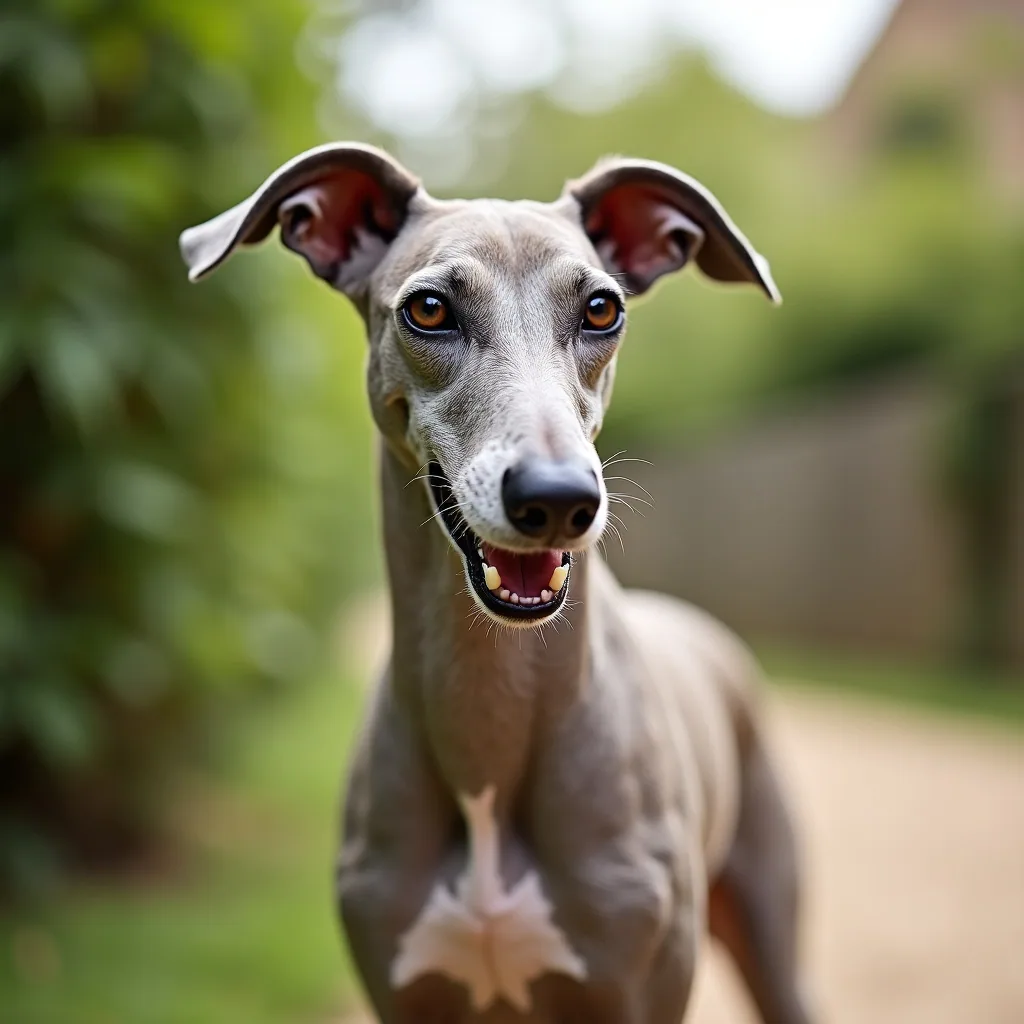
Are Italian Greyhounds Good Family Dogs? Temperament Guide
Italian Greyhounds are affectionate, sensitive companions. How they fit with children, their fragile legs, furniture-jumping and need for warmth.