
Clumber Spaniel
The heaviest of the spaniels, developed in England as a steady, methodical gundog for the gentry, the Clumber is mellow, gentle and more laid-back than its cousins. Affectionate and good-natured. It suits calmer homes that will manage shedding, drooling and a tendency to gain weight, and give it moderate, steady exercise and regular grooming.

Clumber Spaniel scorecard
Overview
The Clumber Spaniel is the largest and heaviest of the British spaniels, an unmistakable gundog with a long, low, substantial body, a massive head and a gentle, almost soulful expression. Bred to flush and retrieve game at a steady walking pace, the Clumber is built for stamina rather than speed, and that deliberate, unhurried character carries over into family life. A predominantly white coat marked with lemon or orange, heavy bone and a famously mellow disposition make this one of the more distinctive entries in the Kennel Club's Gundog Group.
Clumbers are affectionate, dignified and notably calm for a spaniel, traits that win them a devoted following despite their relative rarity. The Kennel Club lists the breed as a Vulnerable Native Breed, meaning fewer than around 300 puppies are registered in the UK each year, so prospective owners often face a wait and should seek out reputable, health-tested breeders. They suit people who want a steady, biddable companion that enjoys moderate country walks rather than a high-octane working dog, but the trade-off is a coat that sheds, a tendency to drool and a real predisposition to put on weight if not carefully managed.
Good to know — a Clumber Spaniel is best with a garden and manageable for committed beginners. Every dog is an individual, so meet a few and chat to a good breeder or rescue before deciding.
Save the Clumber Spaniel guide
Thinking about a Clumber Spaniel? Pop your email in and we’ll send this guide so you can come back to it any time — handy while you compare breeds.
Popular searches for the Clumber Spaniel
History & origins
The Clumber Spaniel takes its name from Clumber Park in Nottinghamshire, the estate of the Dukes of Newcastle, where the breed was developed and refined in the 18th and 19th centuries. Popular legend links its origins to spaniels sent from France during the French Revolution, but firm documentary evidence is thin, and the breed's exact ancestry remains uncertain; what is clear is that it was established as a slow, methodical gundog for the British shooting field, prized for working close to the gun in heavy cover.
The Clumber became a fashionable shooting dog among the British aristocracy and even enjoyed royal patronage, with Prince Albert, King Edward VII and King George V all keeping the breed. It was among the earliest breeds recognised when formal registration began, and the Clumber Spaniel was one of the breeds shown at the very first organised dog shows in Britain in the 1860s. Despite this pedigree, numbers fell sharply over the 20th century, and today the Kennel Club classes it as a vulnerable native breed in need of conservation.
Temperament & family fit
Clumber Spaniels are gentle, loyal and even-tempered, often described as the most laid-back of the spaniels. They form strong attachments to their families and tend to be affectionate without being clingy, content to potter about the house and settle quietly once their daily exercise is done. With people they know they are typically calm and good-natured, and they generally get on well with children and other dogs when properly socialised, making them a sociable presence in a busy household.
This is not, however, a dog without character. Clumbers can be quietly stubborn and independent-minded, a legacy of a breed expected to use its own judgement in the field, and they may be reserved or aloof with strangers. They are not noisy or hyperactive, but they do like company and can become bored or downhearted if left alone for long stretches. Early, positive socialisation helps them grow into the confident, settled companions the breed is known for.
- Families with children of all ages
- Owners ready for consistent training
- Homes with a secure garden
Training & intelligence
A Clumber Spaniel responds best to patient, reward-based training that works with its naturally cooperative nature rather than against its stubborn streak. They are intelligent and food-motivated but can be slow and deliberate learners, so short, upbeat sessions with plenty of praise and tasty rewards produce far better results than repetition or pressure. Because the breed retains a strong retrieving and scenting instinct, channelling that drive through gundog-style games, scent work or simple retrieves keeps training engaging and mentally satisfying.
Early socialisation and consistent house rules are important, partly because an adult Clumber is a large, powerful dog that is hard to manage if it has never learned good manners. Recall can be a particular challenge once a nose locks onto an interesting scent, so reliable lead work and a solid recall built up gradually in safe spaces are worth the effort. Harsh corrections tend to make a Clumber shut down or dig in, so kindness and consistency are the keys to a well-mannered dog.
- Start socialisation & handling early
- Reward-based methods only — no harsh corrections
- Keep sessions short, calm and consistent
Exercise needs
A healthy adult Clumber Spaniel typically needs around 30 minutes (gentle, broken into shorter walks) a day (roughly 30–45 minutes), split across walks, play and a little training. A good sniffy walk, some play and a little training usually keeps them content. Puppies, seniors and dogs with health conditions need adjusted amounts — check with your vet.
Grooming & coat
The Clumber's dense, weather-resistant double coat is straight and soft, with feathering on the legs, chest and ears, and it sheds steadily throughout the year. Brushing two or three times a week, and more often during seasonal moults, keeps the coat free of dead hair and prevents matting behind the ears and under the legs. The breed's deep flews and folded ears mean owners should routinely check and gently clean the ears and wipe the facial folds, as Clumbers are also prone to drooling. Regular nail trimming, dental care and attention to the eyes round out a grooming routine that is involved but manageable for a committed owner.
- Brush several times a week
- Bathe every few weeks or as needed
- Check ears, nails and teeth weekly
Feeding a Clumber Spaniel
Feed a Clumber Spaniel a complete, good-quality diet formulated for its life stage and size, dividing the daily ration into measured meals rather than free-feeding. Weight control is the single most important feeding consideration for this breed, because Clumbers gain weight very easily and excess pounds place real strain on their joints, heart and overall health; treats should be accounted for within the daily allowance and used sparingly during training. As with other deep-chested, heavy breeds, it is sensible to avoid vigorous exercise immediately before and after meals. Always provide fresh water, and ask your vet to assess body condition regularly so the diet can be adjusted as the dog ages.
A large breed
An adult Clumber Spaniel typically weighs 25–39kg, so a healthy Clumber Spaniel eats a fair amount compared with other breeds. Every feeding guide on a bag is written per kilo of body weight, not per breed — start there, then adjust to the dog in front of you.
Life stage
A large breed is usually done growing at 15–18 months, which is roughly when a puppy food has finished its job. With a typical lifespan of 10–12 years, there is a long adult stretch in the middle; switch to a senior food when your vet thinks it is worth it rather than on a birthday.
Joint support is worth looking for
Their size and frame put more load through the joints than a smaller dog carries, so a food with joint support on the label is worth reading for — and keeping them lean does more for their joints than any supplement.
Weight matters more than usual here
A long back or a heavy frame makes every extra kilo count twice. Weigh portions rather than eyeballing a scoop, and reduce the food rather than the walks if the waist starts to disappear.
How much should a Clumber Spaniel weigh?
Adult 25–39kgfully grown at 15–18 months
| Age | Stage | Typical weight | Of adult size |
|---|---|---|---|
| 8 weeks | Just home | 2.9–4.5 kg | 11% |
| 3 months | Young puppy | 4.6–7.2 kg | 19% |
| 6 months | Growing fast | 9.3–14.5 kg | 37% |
| 12 months | Adolescent | 18.6–29 kg | 74% |
| 15–18 months | Fully grown | 25–39 kg | 100% |
A guide, from the same rule of thumb our puppy growth predictor uses — each age is that share of the way to maturity for a large breed. Puppies grow fastest early, so a real puppy usually sits a little above the middle rows. Weigh yours and ask your vet if the number worries you.
Complete dog foods that suit a Clumber Spaniel
Complete foods from our range, matched to a Clumber Spaniel's size band and what the breed typically needs. Stock levels and delivery dates are live on each product.


Field & Trial Skinner S Field Trial Light Senior
A lower-fat dry food for older, overweight or less active dogs, including working breeds
From£9.85

Autarky Complete Grain Free Adult Turkey
Grain-free complete dry food for adult dogs, with turkey and a marine-algae joint care package
£12.79

Autarky Grain Free Tasty White Fish & Potato Complete
Grain-free dry dog food built around white fish meal rather than poultry
£12.99

Lily's Kitchen Lily S Kitchen Dog Lovely Lamb
Complete lamb-led dry dog food offered in two practical bag sizes
From£25.15

Burns Adult/Senior Weight Control Chicken and Oats
A low-fat weight control dry food for adult and senior dogs, oat-based
£35.99


Burns Adult Large/Giant Breed Chicken and Brown Rice
Complete large-breed dry dog food with 23% chicken and brown rice
£59.99

Burgess Greyhound and Lurcher Chicken
Complete adult dry food formulated for the specific build of greyhounds and lurchers
£35.35


Naturo Senior Rice Poultry Variety 6pk
Six 400g trays across three recipes for senior dogs, with glucosamine and chondroitin
£10.29

Naturo Senior Dog Turkey with Rice and Vegetables 7pk
Turkey at 65% in a senior wet tray, with brown rice, vegetables and added joint support
£11.99
Clumber Spaniel health & costs
Before bringing a Clumber Spaniel home it pays to budget for the whole picture — food, insurance, grooming and routine vet care all add up. The figures below are typical UK estimates for a healthy adult; your real costs vary with where you live, your dog's health and the cover you choose.
Food
£600–850 / year
Complete food sized to weight & life stage
Insurance
£35–62 / month
Lifetime cover — varies by age, breed & area
Grooming
£120–300 / year
Occasional pro + home brushing
Routine vet care
£200–450 / year
Vaccines, flea/worm, annual check
The Clumber Spaniel is generally a robust breed but, like many pedigree dogs, it carries a number of inherited and conformation-related health risks that responsible breeders work to screen for. Its heavy, low-slung build predisposes it to joint problems, while the loose facial skin and prominent eyes can lead to eye conditions. The Kennel Club and breed clubs recommend specific health testing, and prospective buyers should always ask to see evidence of hip scoring and relevant DNA or eye testing in both parents.
Typical lifespan is around 10 to 12 years. Because the breed gains weight easily, obesity is a major secondary health concern that worsens joint disease and shortens life, so maintaining a lean body condition is one of the most effective things an owner can do. Registering with a vet, keeping up to date with vaccinations and parasite control, and arranging regular health checks all help an individual Clumber live a long, comfortable life.
Common health conditions to be aware of
- Hip dysplasia - a malformation of the hip joint common in large, heavy breeds that can cause pain and arthritis; choose puppies from hip-scored parents under recognised schemes.
- Elbow dysplasia - abnormal development of the elbow joint that can lead to lameness and osteoarthritis; screening of breeding stock is advised.
- Eye conditions (entropion and ectropion) - inward- or outward-rolling eyelids associated with the breed's loose facial skin, which can irritate the eye and may require corrective surgery.
- Intervertebral disc disease - back problems linked to the long, low body, which can cause pain or mobility issues, particularly in overweight dogs.
- Ear infections - the long, pendulous ears trap moisture and warmth, so regular checking and cleaning is needed to prevent recurrent infections.
- Obesity - the breed gains weight very easily, which aggravates joint disease and other conditions, so careful diet and exercise management is essential.
These reflect typical, size- and coat-related risks for dogs like the Clumber Spaniel; individual breeds carry their own predispositions. Always buy from health-tested parents and speak to your vet — this isn't a diagnosis.
Protect against surprise bills
A single emergency can run into thousands. Lifetime insurance spreads the risk.
Estimate insurance →How pet insurance works →Puppy & senior care
Bringing home a Clumber Spaniel puppy
Puppies need controlled exercise (a rough guide is five minutes per month of age, twice a day) to protect growing joints, little-and-often meals of a complete puppy food, early socialisation, and a calm routine for toilet training and sleep. Book first vaccinations, microchipping and a vet check early.
New puppy checklist →Caring for a senior Clumber Spaniel
As they age, watch weight, joints and teeth, switch to a senior diet if your vet advises, keep exercise gentle but regular, and consider orthopaedic bedding and ramps. Twice-yearly vet checks help catch issues early — larger breeds age sooner, so start senior care from around 6–7 years.
Orthopaedic beds & mobility →Pros & cons
The good bits
- Gentle, mellow and affectionate
- Calmer than most spaniels
Things to consider
- Sheds and drools, and prone to weight gain
- Needs grooming and steady, moderate exercise
Compare the Clumber Spaniel
See how the Clumber Spaniel measures up against similar breeds before you decide:
More breeds like the Clumber Spaniel
Same breed group

Labrador Retriever
The UK’s most popular family dog — friendly, biddable and brilliant with children, but needs proper exercise.

Golden Retriever
Gentle, eager-to-please and devoted — a classic family companion that thrives on company and exercise.
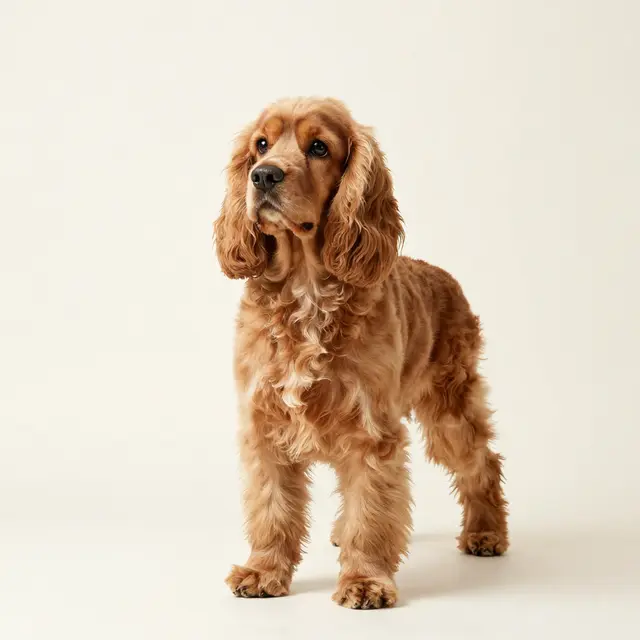
Cocker Spaniel
A merry, affectionate gundog that loves people and activity — happiest with a job and regular grooming.
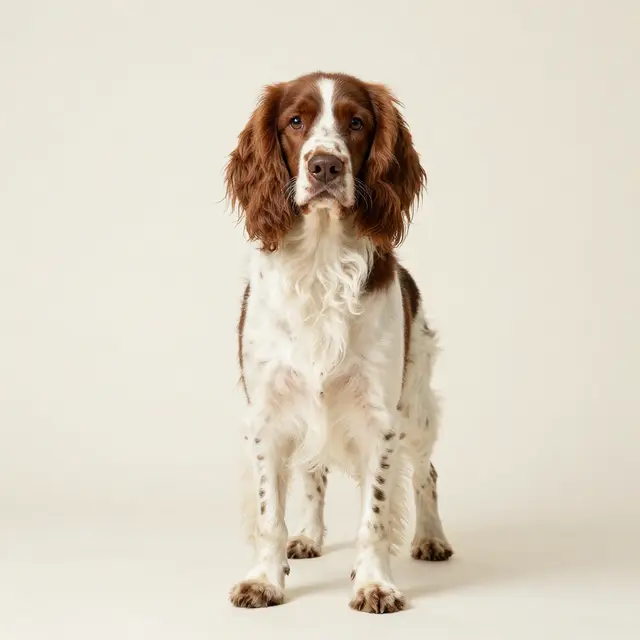
English Springer Spaniel
A tireless, enthusiastic working gundog that needs serious daily exercise and mental stimulation.
Similar temperament
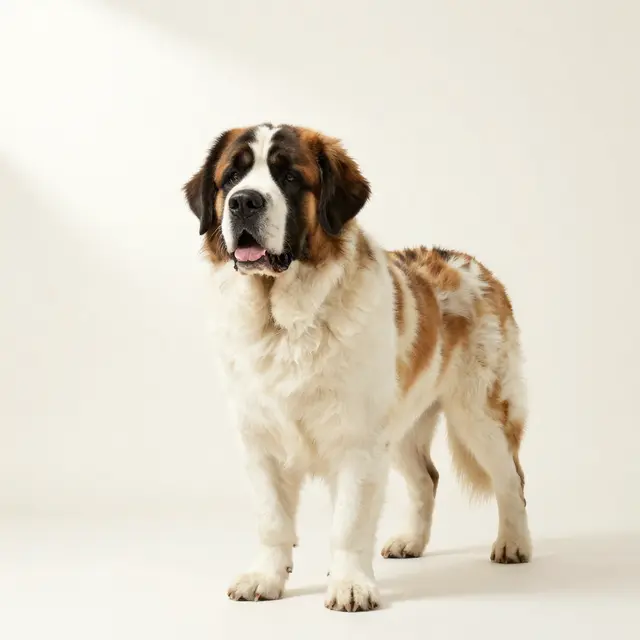
Saint Bernard
The classic gentle giant — calm, patient and wonderful with children, though it drools, sheds and lives a shorter giant-breed life.
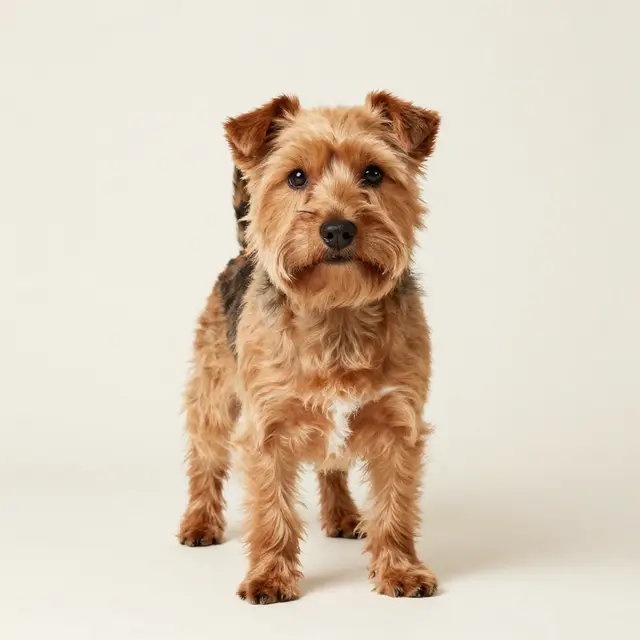
Norfolk Terrier
One of the smallest working terriers — friendly, sociable and good with families and other dogs.

Glen of Imaal Terrier
A short-legged, sturdy Irish working terrier from County Wicklow. Brave and game at work yet notably calm and gentle at home, and quieter than most terriers.
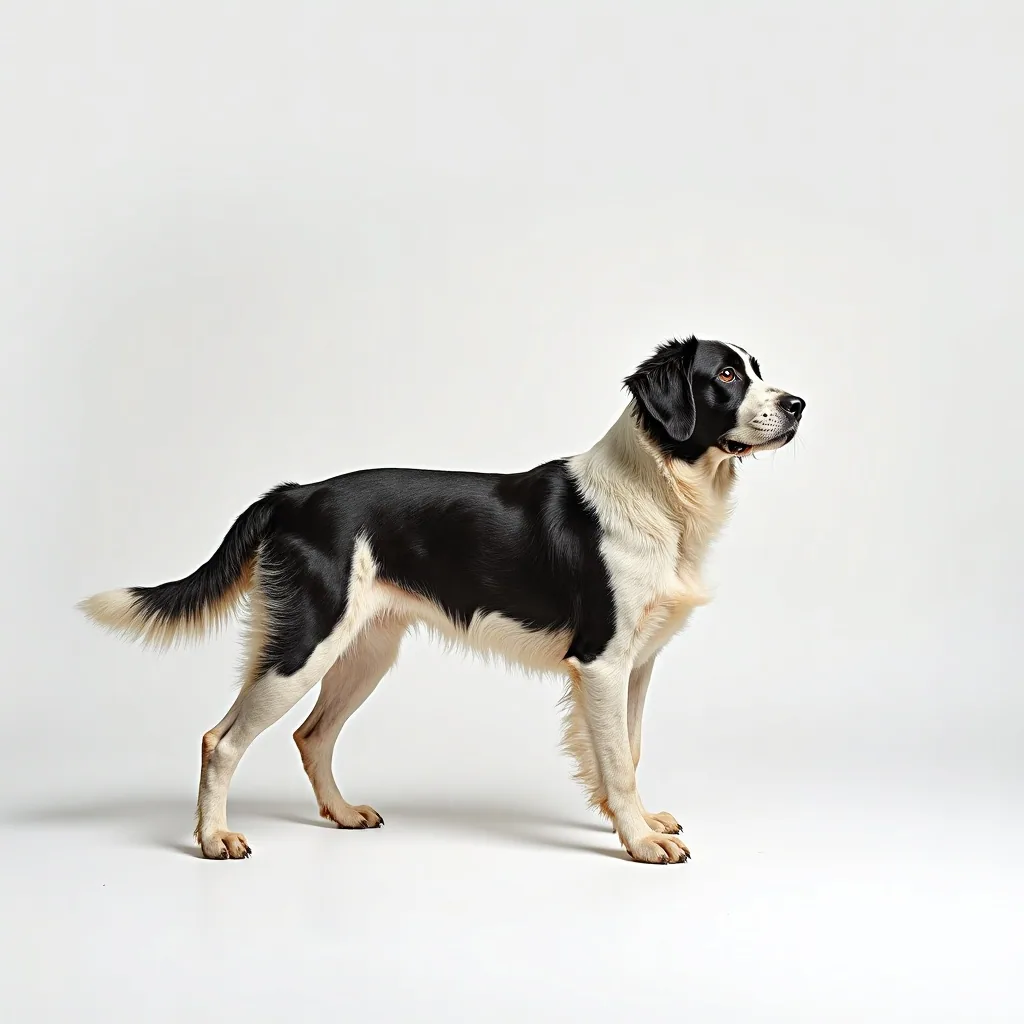
Landseer
A giant black-and-white water-rescue dog, recognised as a breed distinct from the Newfoundland in continental Europe. Gentle, calm and devoted, a superb but very large family companion.
Similar size, different type
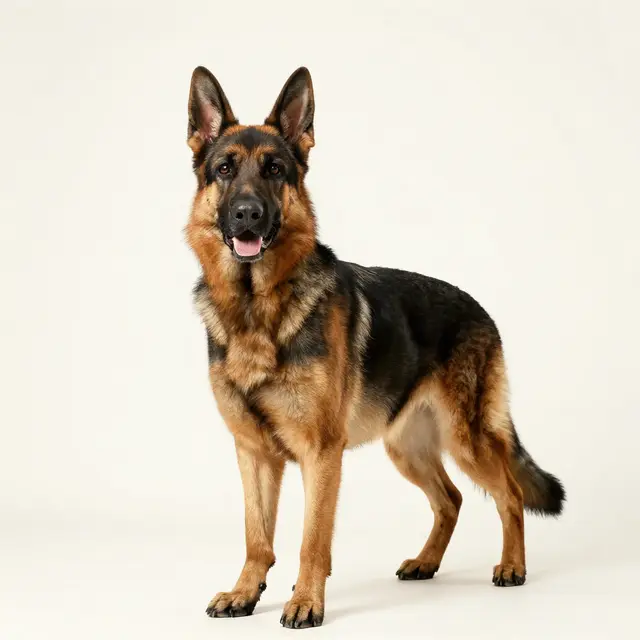
German Shepherd
A loyal, courageous and highly trainable working dog that needs experienced handling and plenty to do.
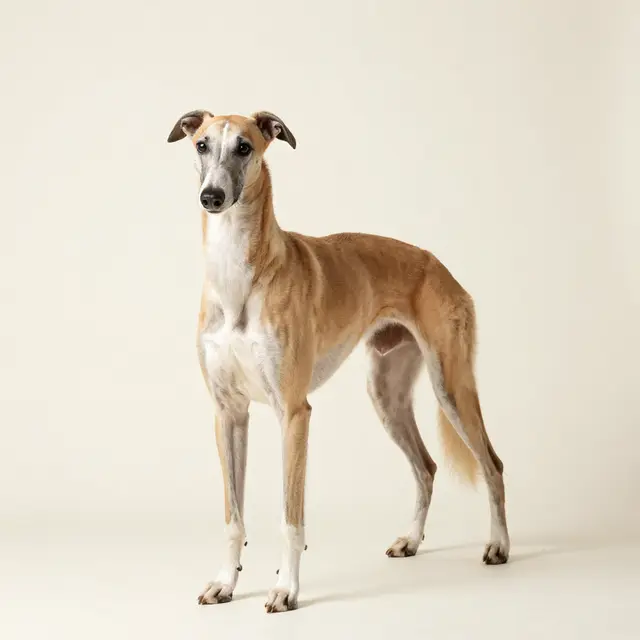
Greyhound
The ultimate couch potato — despite their racing reputation, retired greyhounds need surprisingly little exercise.
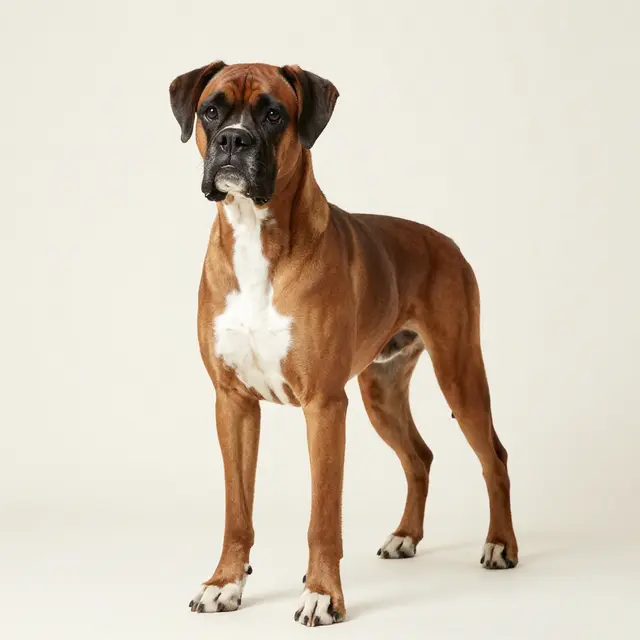
Boxer
A bouncy, playful and devoted family dog that stays puppy-like for years — and needs the exercise to match.
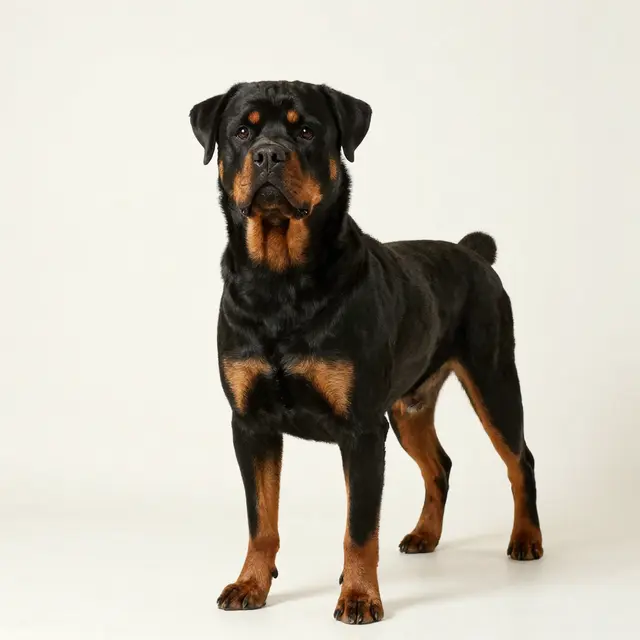
Rottweiler
A powerful, confident guardian that’s calm and devoted in the right hands — but needs an experienced owner.
Is the Clumber Spaniel your breed?
Create your pet profile and get personalised food, toy, insurance and health recommendations — tailored to your dog.
Frequently asked questions
What is a Clumber Spaniel?
The Clumber Spaniel is the largest and heaviest of the British spaniels, an unmistakable gundog with a long, low, substantial body, a massive head and a gentle, soulful expression. Bred to flush and retrieve game at a steady walking pace, it is built for stamina rather than speed, and that unhurried character carries over into a notably calm, mellow family life.
How big do Clumber Spaniels get?
Despite standing only around 43 to 51cm at the shoulder, the Clumber is surprisingly heavy, weighing roughly 25 to 39kg. This is because of its heavy bone and substantial, low-slung build. It is a powerful dog for its height, which is one reason early training and good manners matter so much.
Are Clumber Spaniels rare?
Yes. The Kennel Club lists the Clumber Spaniel as a Vulnerable Native Breed, meaning fewer than around 300 puppies are registered in the UK each year. Prospective owners often face a wait and should seek out reputable, health-tested breeders. Its rarity is part of why it remains a more unusual sight than the working cocker or springer.
What is a Clumber Spaniel's temperament like?
Clumbers are gentle, loyal and even-tempered, often described as the most laid-back of the spaniels. They form strong attachments to their families, are affectionate without being clingy, and generally get on well with children and other dogs when properly socialised. They can be quietly stubborn and may be reserved with strangers, but they are not noisy or hyperactive.
How much exercise does a Clumber Spaniel need?
Clumbers need moderate, steady exercise rather than the relentless activity many spaniels demand, doing well on around an hour of daily walking split into sessions, with chances to sniff and explore. Because the breed gains weight easily and carries heavy bone, keeping it lean and fit is genuinely important for joint and heart health. Take care in hot weather given its heavy build.
Do Clumber Spaniels shed and drool?
Yes to both. The dense, weather-resistant double coat sheds steadily throughout the year, needing brushing two or three times a week and more during moults. The breed's deep flews mean Clumbers are also prone to drooling, so owners should wipe the facial folds and routinely check and clean the folded ears. Hair on the furniture comes with the territory.
Are Clumber Spaniels prone to health problems?
The Clumber's heavy, low-slung build predisposes it to joint problems, while loose facial skin and prominent eyes can lead to eye conditions. Responsible breeders health-test, so ask to see hip scoring and relevant DNA or eye testing in both parents. Because Clumbers gain weight very easily, obesity is a major concern that worsens joint disease, so keeping the dog lean is vital.
How long do Clumber Spaniels live?
Typical lifespan is around 10 to 12 years. Maintaining a lean body condition is one of the most effective things an owner can do for longevity, since excess weight strains the joints and heart. Registering with a vet, keeping up with vaccinations and parasite control, and arranging regular health checks all help an individual Clumber live a long, comfortable life.
Are Clumber Spaniels good with children?
Good with children. As a general guide, Clumber Spaniels tend to be patient and tolerant. Whatever the breed, always supervise dogs and young children and teach kids to interact gently.
How much exercise does a Clumber Spaniel need?
As a healthy adult, a typical Clumber Spaniel needs around 30 minutes (gentle, broken into shorter walks) of exercise a day (30–45 minutes), split across walks plus play. A good sniffy walk plus some play and training usually keeps them happy. Puppies, seniors and dogs with health conditions need less — ask your vet.
Do Clumber Spaniels shed a lot?
High shedding. Coat upkeep is regular brushing — brush regularly to keep the coat in good condition.
Are Clumber Spaniels easy to train and good for first-time owners?
Manageable for committed beginners. Clumber Spaniels are best for owners ready to commit to consistent training and plenty of activity. Reward-based training and early socialisation help any dog.
Do Clumber Spaniels bark a lot?
Quiet. They are usually fairly easy-going about barking, though any dog will bark if bored or under-exercised.
Are Clumber Spaniels good with other dogs?
Sociable with other dogs. Early, positive socialisation with other dogs from a young age makes a big difference.
Do Clumber Spaniels suit flats or smaller homes?
Best with a garden. A Clumber Spaniel is happiest with access to a secure garden and regular outdoor exercise.
Sources
- The Kennel Club (UK) - Clumber Spaniel breed information, Vulnerable Native Breeds list and health resources: https://www.thekennelclub.org.uk/breeds/clumber-spaniel/
- The Kennel Club (UK) - Breed health and conservation, including hip and elbow scoring schemes: https://www.thekennelclub.org.uk/health-and-dog-care/health/
- PDSA - General dog care, weight management and preventive health guidance: https://www.pdsa.org.uk/pet-help-and-advice/looking-after-your-pet/dogs
- Royal Veterinary College (RVC) VetCompass - Research on canine health, obesity and joint disease in dogs: https://www.rvc.ac.uk/vetcompass
Recommended for your Clumber Spaniel
Matched to a Clumber Spaniel's size and their typical need for help with shedding, no-pull walking kit, a cosy bed.

Reflective Two-Tone Dog Harness and Lead Set
A bright two-tone step-in dog harness with a matching lead. Adjustable straps and quick-release buckles give a snug fit, while reflective trim keeps your dog visible on darker walks.
£7.99

L-Shaped Bolster Sofa Dog Bed
A supportive L-shaped sofa bed with a raised bolster back and side for your dog to rest their head. The thick padded base cushions joints, and the soft rose-velvet cover is removable and washable for easy care.
From£44.99

Plush Bee Cat Harness and Lead Set
A soft plush cat harness with a 3D bee charm and a matching lead, adjustable at neck and chest, made for kittens, cats and very small dogs on gentle outings.
£7.99

Corduroy Dog Harness with Bow
A soft corduroy step-in dog harness with breathable mesh lining and gold-tone alloy buckles. The adjustable fit and pretty bow detail make walks comfortable and stylish for small and medium dogs.
From£7.99


Orthopaedic Memory Foam Dog Sofa Bed
An orthopaedic memory-foam dog bed with supportive bolster sides for head and neck resting. The egg-crate foam core cushions joints and distributes weight, ideal for older or larger dogs needing extra support.
From£39.99

Bugalugs Hemp Oil for Dogs & Cats – 50ml
A natural, UK-made hemp seed oil supplement rich in Omega-3, -6, and -9 to support calmness, joint mobility, and a healthy, glossy coat.
£13.99
Suggestions based on breed traits — always check sizing and suitability for your individual dog.
Got a Clumber Spaniel? Save them to a pet profile for tailored picks across the whole site.
Happier, healthier pets — in your inbox.
Breed care tips, seasonal advice and first access to new arrivals. No spam, unsubscribe anytime.
Every dog is an individual — temperament and needs vary. Please research thoroughly, meet dogs in person, and consider adopting from a rescue. This is general guidance, not a substitute for advice from your vet or a qualified trainer.