
How Long Do Basset Hounds Live? Lifespan & Health
Basset Hounds live around 10–12 years. The back, ear, eye and weight problems this long-bodied scent hound is prone to, and how to help yours stay well.

The quick answer
Basset Hounds typically live to around 10–12 years. Keeping your dog lean is the single biggest thing you can do for longevity in this breed, because excess weight worsens the back and joint strain their long bodies already carry. Health-tested parents, prompt vet care and good ear hygiene all help too.
The Basset Hound is one of the most recognisable dogs in the world — those long ears, droopy eyes, short legs and that famously long, low body. Behind the laid-back charm sit some very specific health predispositions, most of them tied to that unusual shape. Here's how long Basset Hounds live, what to watch for, and how to help yours stay healthy.
How long do Basset Hounds live?
Basset Hounds typically live to around 10–12 years. That's a fairly normal span for a medium-to-large dog, but how long — and how well — a Basset lives is hugely influenced by one thing above all: weight. Keeping your dog lean takes pressure off the back and joints their build already strains, and is the single most valuable thing an owner can do for this breed's longevity.
The long back: IVDD and joint strain
The Basset's defining shape comes with a defining risk. Their long back and short legs make them prone to intervertebral disc disease (IVDD), where the cushioning discs between the vertebrae bulge or rupture, pressing on the spinal cord and causing pain, weakness or even paralysis. To protect the back, keep your dog lean, discourage jumping on and off furniture, limit stairs, and consider a ramp. A supportive bed helps too. See your vet urgently for any back pain, wobbliness, dragging legs or sudden reluctance to move — IVDD can be an emergency.
Basset Hounds can also be affected by elbow problems and general joint strain, again made worse by excess weight, so lean body condition does double duty here.
Those long ears
The Basset's long, heavy, low-hanging ears are gorgeous — and a lifelong management job. They trap warmth and moisture and restrict airflow to the ear canal, making ear infections common. Check the ears weekly, clean them with a vet-recommended cleaner as advised, and watch for head-shaking, scratching, odour, redness or discharge, which all warrant a vet visit.
Eyes
The loose, droopy face that gives the Basset its expression also predisposes the breed to eye conditions. These include ectropion (eyelids that roll outward), entropion (eyelids that roll inward), cherry eye (a prolapsed tear gland) and glaucoma. Any redness, cloudiness, discharge, a visible third-eyelid swelling or signs of discomfort should be checked promptly, as some eye conditions can threaten sight.
Bloat and weight
Basset Hounds are very prone to obesity — they adore food, beg well and don't burn much off through their modest exercise. Excess weight is especially dangerous in this breed because it worsens the back and joint problems above. As a deeper-bodied dog the Basset can also be at risk of bloat (GDV), a sudden, life-threatening emergency where the stomach fills with gas and may twist; learn the signs (a swollen hard belly, unproductive retching, restlessness) and treat it as a 999-for-dogs emergency. Measured meals and a slow feeder help with both weight and bloat.
What Basset Hounds are like to live with
Bassets are easy-going, gentle and friendly — wonderful, affectionate companions. They're a scent hound through and through, though: independent, stubborn, and inclined to put their nose down and follow a trail with little regard for your calls. Recall is famously unreliable, so a secure garden and a lead in open spaces matter. Their exercise needs are moderate-to-low, but staying lean is non-negotiable.
Helping your Basset Hound live well
- Keep them lean — the single most important thing for this breed's back, joints and lifespan.
- Protect the back — discourage jumping, limit stairs, use a ramp where you can.
- Clean and check the ears weekly to head off infections.
- Watch the eyes for redness, discharge or discomfort.
- Feed measured meals, ideally slowly, to manage weight and reduce bloat risk.
- See your vet regularly, moving to twice-yearly checks as your dog ages.
When to see your vet
Book a check for any back pain, wobbliness or dragging of the legs (potentially an emergency), a swollen belly or retching (an emergency), persistent ear odour or head-shaking, eye redness or discharge, or steady weight gain. Bassets are stoical and can mask discomfort, so taking subtle changes seriously is well worth it in a breed prone to disc and joint disease.
*This is general guidance, not a substitute for advice from your vet, who can assess your individual dog.*
Sources
- RVC VetCompass — UK dog health and longevity research (rvc.ac.uk/vetcompass).
- UK Kennel Club & BVA — breed health and hip/elbow/eye screening schemes (thekennelclub.org.uk).
- PDSA — dog health and breed care (pdsa.org.uk).
- Blue Cross — dog health (bluecross.org.uk).
Common questions
How long do Basset Hounds live?
Basset Hounds typically live to around 10–12 years. Keeping your dog lean is the single biggest thing you can do for longevity in this breed, because excess weight worsens the back and joint strain their long bodies already carry. Health-tested parents, prompt vet care and good ear hygiene all help too.
What health problems are Basset Hounds prone to?
Basset Hounds are prone to back problems including intervertebral disc disease (IVDD) linked to their long backs, ear infections from those long heavy ears, eye conditions such as ectropion, entropion, cherry eye and glaucoma, plus elbow issues, bloat (GDV) and obesity. Keeping them lean and cleaning their ears regularly reduces much of this risk.
Can Basset Hounds climb stairs and jump on furniture?
It's best to limit it. Their long backs make Basset Hounds prone to intervertebral disc disease (IVDD), and repeated jumping up and down from sofas or beds, or frequent stairs, adds strain. Use ramps or steps where you can, discourage jumping, keep your dog lean, and see your vet promptly if you spot back pain, wobbliness or reluctance to move.
About the author
Matt Garnett — founder, Giddy Pets
Matt started Giddy Pets to make getting pets the good stuff simpler and fairer. Everything in these guides comes from real life with pets and a lot of trial and error — it's practical guidance, not veterinary advice. If a guide gets something wrong, tell him directly.
Free tools & more guides
Read next

Are Basset Hounds Good Family Dogs? Temperament & Fit
Basset Hounds are easy-going, gentle and great with kids — but stubborn and scent-driven. An honest look at the breed's temperament and family fit.
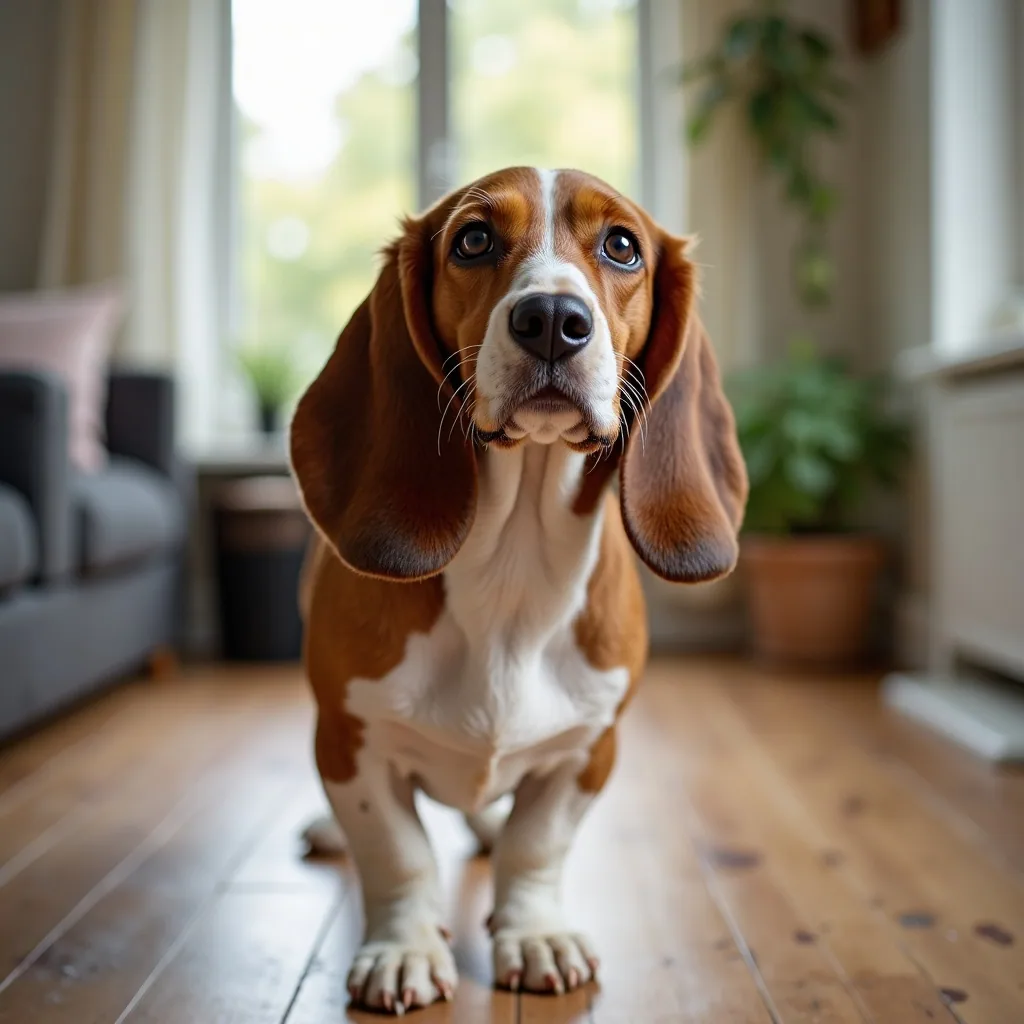
Basset Hound Care & Grooming Guide
Caring for a Basset Hound, from cleaning those long ears and managing weight to looking after the short coat, skin folds and that long, vulnerable back.
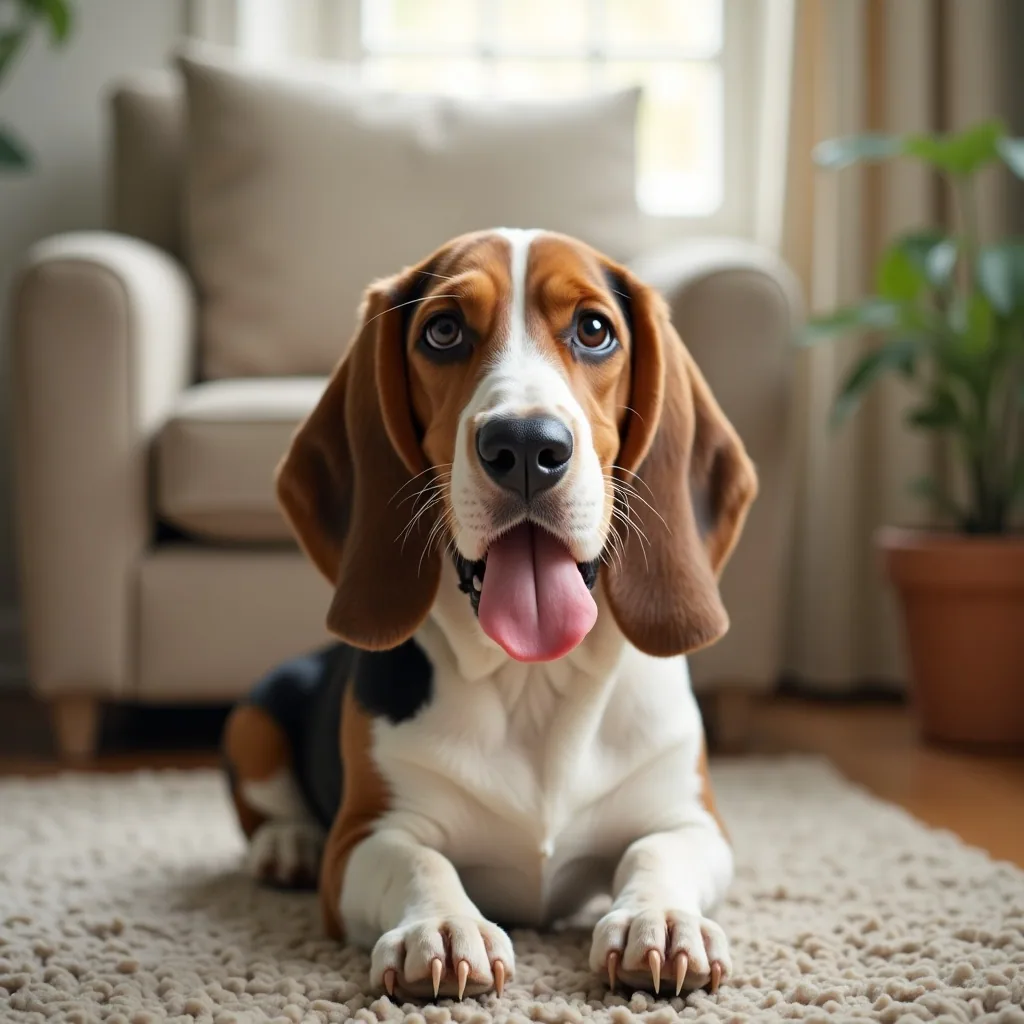
Cost of Owning a Basset Hound in the UK
What a Basset Hound really costs in the UK — purchase price, food, insurance, vet care and the breed-specific ear and back costs to budget for.

How Long Do Italian Greyhounds Live? Lifespan & Health
Italian Greyhounds live around 12–15 years. The fragile legs, dental disease and eye conditions this delicate sighthound is prone to, and how to help yours.