
Basset Hound Care & Grooming Guide
Caring for a Basset Hound, from cleaning those long ears and managing weight to looking after the short coat, skin folds and that long, vulnerable back.
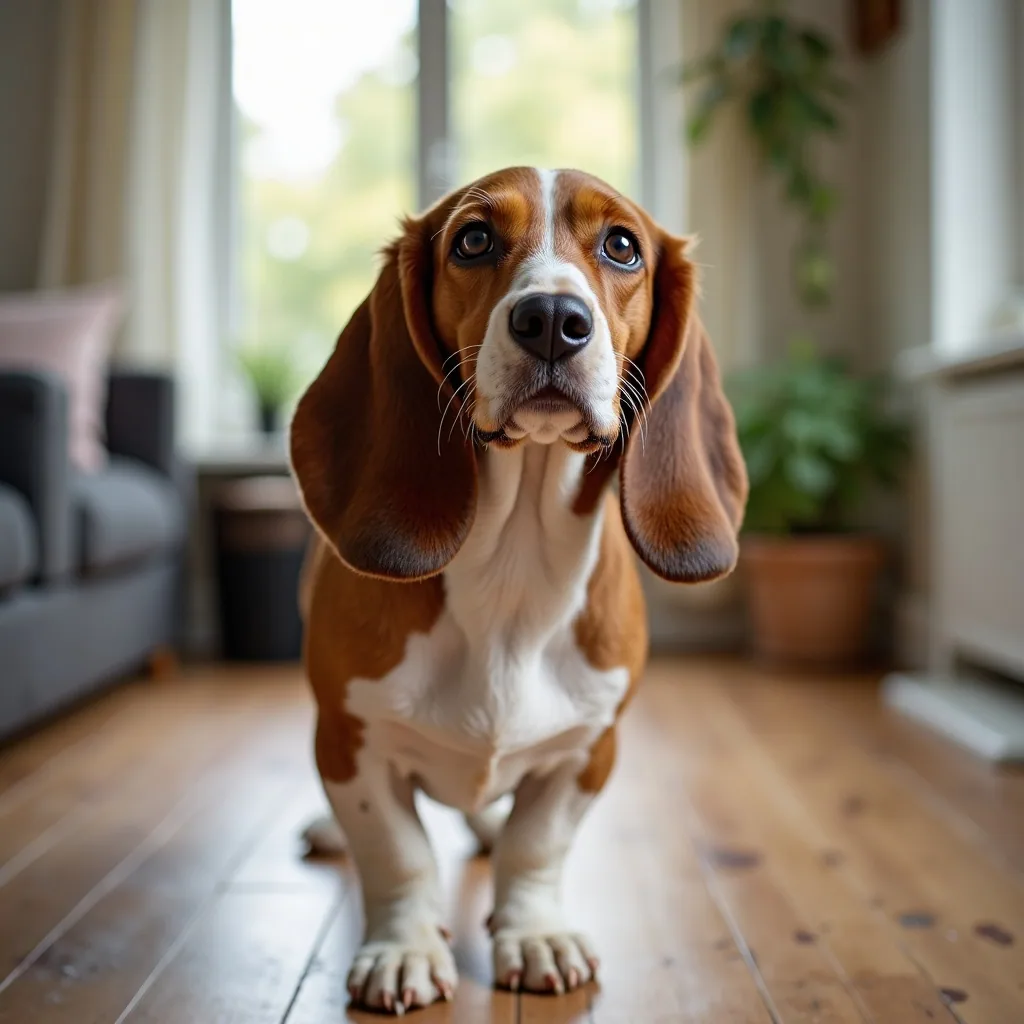
The quick answer
Their long, heavy, low-hanging ears trap warmth and moisture and limit airflow to the ear canal, creating the perfect environment for infection. This is a lifelong management issue rather than a one-off. Check the ears weekly, clean them with a vet-recommended cleaner as advised, and see your vet promptly for head-shaking, odour, redness or discharge.
Basset Hounds are low-maintenance in some ways and surprisingly hands-on in others. The short coat is easy, but the long ears, weight-prone appetite and vulnerable back all need consistent, informed attention. Here's a practical guide to caring for and grooming a Basset Hound.
Ear care: the big one
If you remember one thing about Basset care, make it the ears. Those long, heavy, low-hanging ears restrict airflow and trap warmth and moisture, making ear infections one of the breed's most common problems. This is a lifelong management job, not an occasional chore.
- Check the ears weekly — lift the flap and look and smell inside. Healthy ears look pale pink and clean, with no strong odour.
- Clean them as advised by your vet, using a vet-recommended ear cleaner; over-cleaning or poking cotton buds down the canal can do harm, so get your vet to show you the technique.
- Watch for trouble — head-shaking, scratching at the ears, a yeasty or unpleasant smell, redness, swelling or dark discharge all warrant a vet visit.
- Because the ears trail so low, they can drag in food and water bowls; a narrower or deeper bowl can help keep them cleaner.
Weight management: care that protects the whole dog
For a Basset, weight management is care. They're highly prone to obesity, and excess weight directly worsens the strain on their long back and joints. Treat measured feeding as a core part of looking after the breed.
- Weigh out every meal rather than eyeballing it, and follow feeding guidance for your dog's ideal weight, not their current one.
- Limit treats and account for them in the daily total; this is a breed that will happily out-eat its exercise.
- Use a [slow feeder](/slow-feeder-dog-bowls) to pace fast eaters and add a little mental work.
- Check body condition regularly — you should be able to feel the ribs easily under a light covering, and see a waist from above. If in doubt, ask your vet to assess body condition score.
Coat and skin
The good news: the Basset's short, dense coat is genuinely low-maintenance. A weekly brush with a rubber grooming mitt or soft brush keeps it healthy, removes loose hair (they do shed steadily) and spreads natural oils. Bath only when needed with a dog-suitable shampoo.
The extra job is the loose skin and folds. Bassets have a lot of loose skin, including folds around the face and neck, which can trap moisture and debris and become sore or infected. Wipe and dry the folds, and dry the face after meals and drinks. Check the droopy lower eyelids too, as the loose facial skin predisposes the breed to eye irritation.
Protecting the back
Good daily care for a Basset means protecting that long, disc-prone back. Discourage jumping on and off sofas and beds, limit stairs where you can, and consider a ramp or steps for the car and furniture. A supportive bed gives the spine and joints a comfortable rest. Combined with lean body weight, these habits meaningfully reduce the everyday strain that contributes to back trouble.
Nails, teeth and the rest
- Nails — Bassets aren't big mile-eaters, so nails may not wear down naturally; trim every few weeks, or ask your vet or groomer.
- Teeth — brush regularly with dog toothpaste to support dental health and overall wellbeing.
- Paws and legs — those short legs and low bodies mean bellies and ears pick up mud; a quick wipe-down after wet walks keeps skin healthy.
Exercise: steady, not strenuous
Bassets need moderate-to-low exercise — a couple of steady daily walks suit them well. Avoid forcing fast or prolonged exercise, especially in puppies (whose joints are still developing) or overweight dogs, and skip repetitive high-impact activity that stresses the back. Sniffy, nose-led walks and enrichment toys satisfy their scenting instinct and tire the mind, which matters as much as physical exercise for this breed.
A simple Basset care routine
- Daily: measured meals, dry the ears and face folds after eating/drinking, a steady walk.
- Weekly: check and (as advised) clean the ears, brush the coat, check skin folds and eyes, assess body condition.
- Regularly: trim nails, brush teeth, and keep up routine vet checks.
Get the ears, the weight and the back right, and the rest of Basset care is refreshingly straightforward.
*This is general guidance, not a substitute for advice from your vet, who can assess your individual dog.*
Sources
- RVC VetCompass — UK dog health research (rvc.ac.uk/vetcompass).
- UK Kennel Club & BVA — breed care and grooming guidance (thekennelclub.org.uk).
- PDSA — dog grooming and care (pdsa.org.uk).
- Blue Cross — dog care (bluecross.org.uk).
Common questions
Why do Basset Hounds get ear infections?
Their long, heavy, low-hanging ears trap warmth and moisture and limit airflow to the ear canal, creating the perfect environment for infection. This is a lifelong management issue rather than a one-off. Check the ears weekly, clean them with a vet-recommended cleaner as advised, and see your vet promptly for head-shaking, odour, redness or discharge.
Do Basset Hounds put on weight easily?
Yes — Basset Hounds are very prone to obesity. They love their food, beg persuasively and don't burn off much through their modest exercise needs. Excess weight is especially dangerous in this breed because it worsens the strain on their long back and joints. Measure every meal, limit treats and check your dog's body condition regularly.
How much grooming does a Basset Hound need?
The short coat is low-maintenance — a weekly brush keeps it healthy and manages the steady shedding. The bigger jobs are weekly ear checks and cleaning, drying the loose facial skin folds after meals and drinks, and checking the droopy eyes. Add nail trims, tooth brushing and regular weight checks for a full routine.
About the author
Matt Garnett — founder, Giddy Pets
Matt started Giddy Pets to make getting pets the good stuff simpler and fairer. Everything in these guides comes from real life with pets and a lot of trial and error — it's practical guidance, not veterinary advice. If a guide gets something wrong, tell him directly.
Free tools & more guides
Read next
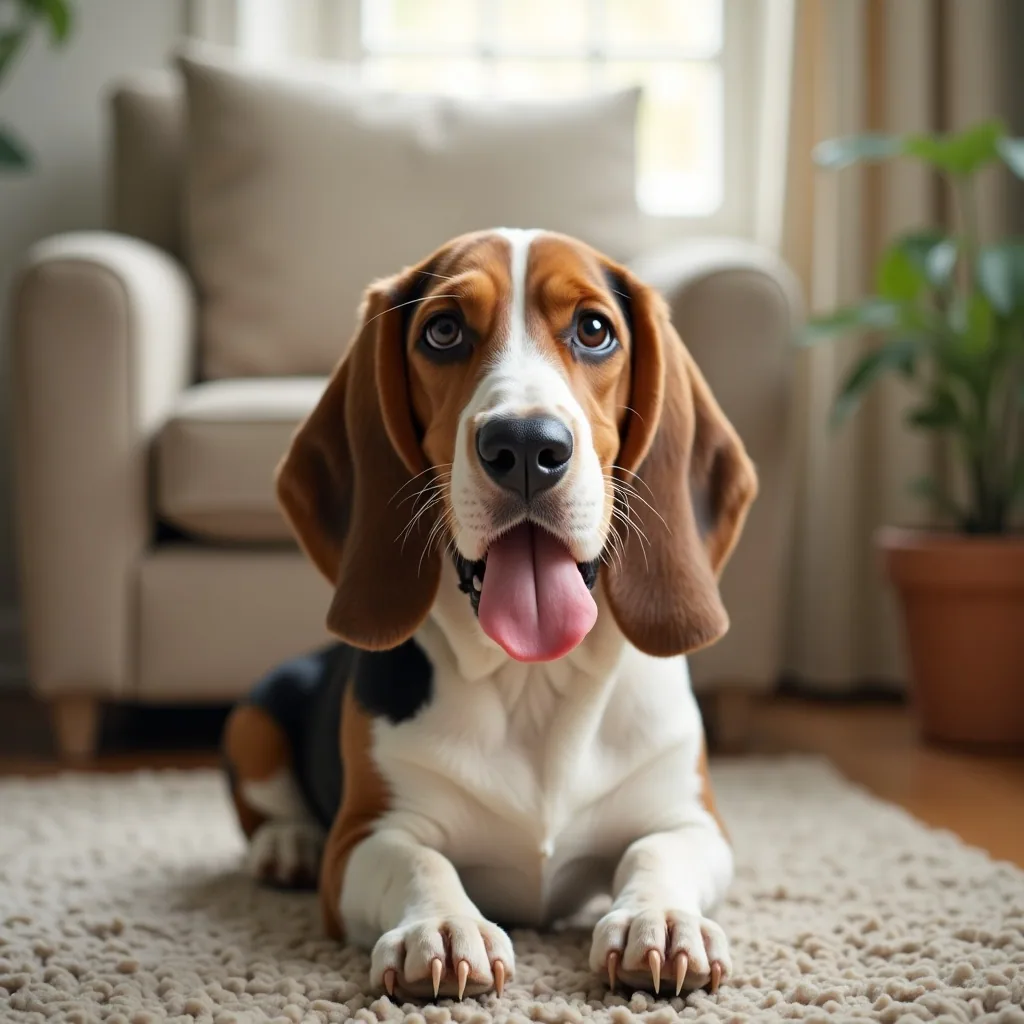
Cost of Owning a Basset Hound in the UK
What a Basset Hound really costs in the UK — purchase price, food, insurance, vet care and the breed-specific ear and back costs to budget for.
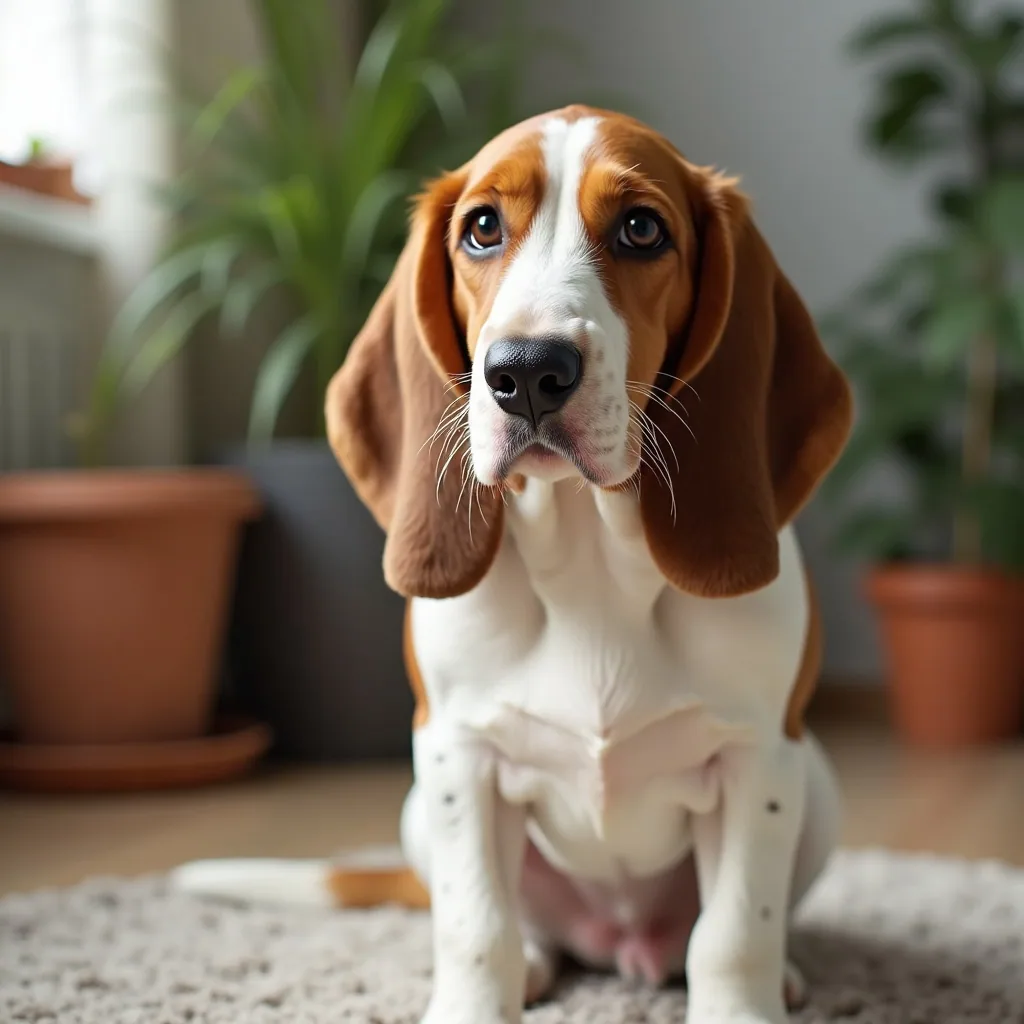
How Long Do Basset Hounds Live? Lifespan & Health
Basset Hounds live around 10–12 years. The back, ear, eye and weight problems this long-bodied scent hound is prone to, and how to help yours stay well.
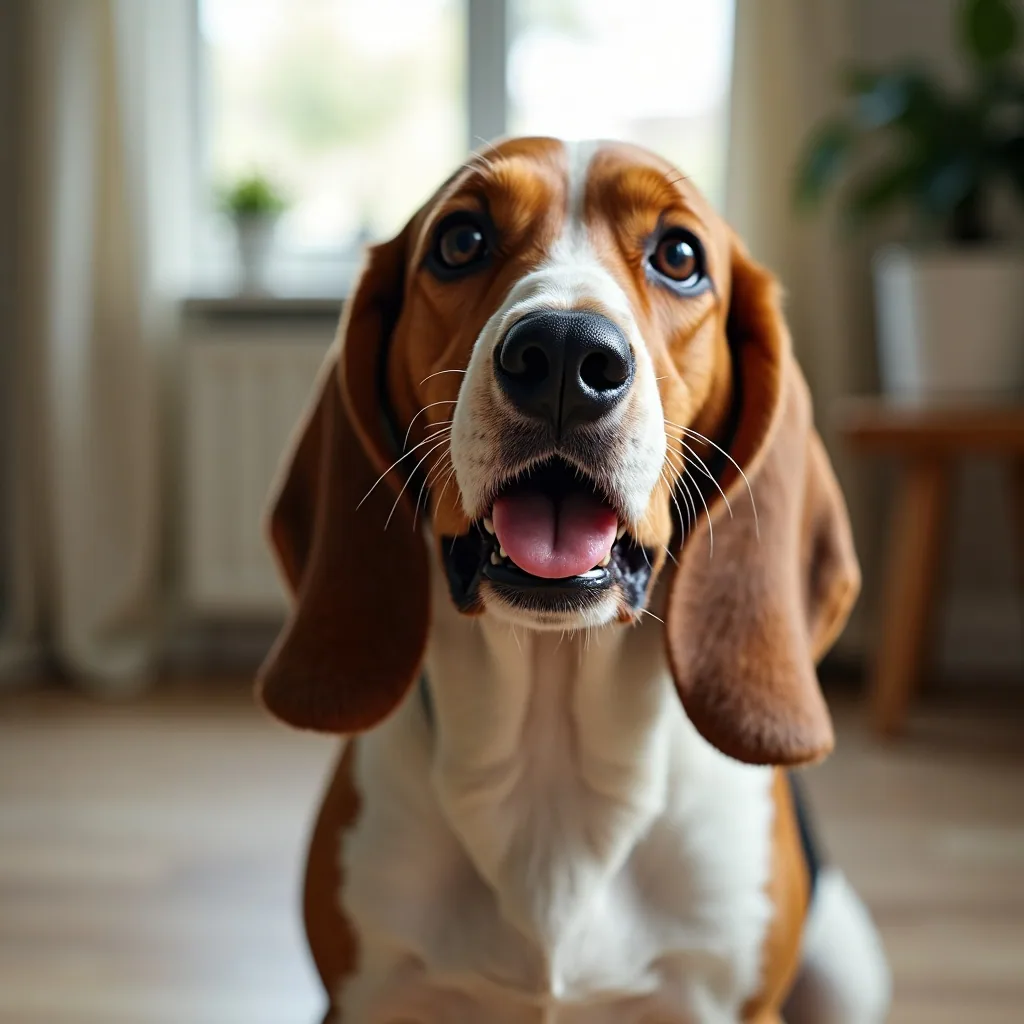
Are Basset Hounds Good Family Dogs? Temperament & Fit
Basset Hounds are easy-going, gentle and great with kids — but stubborn and scent-driven. An honest look at the breed's temperament and family fit.
Cavalier King Charles Spaniel Grooming Guide
A practical UK grooming guide to the Cavalier King Charles Spaniel's silky, feathered coat: how often to brush, why their ears need such careful attention, what to trim and what to leave natural, plus nails, teeth and starting young.