
Bichon Frise Grooming & Haircuts (Coat, Brushing & Trims)
How to groom a Bichon Frise — daily brushing of the curly double coat, preventing mats, the classic rounded haircut, bathing, tear stains, hairy ears, teeth and nails.
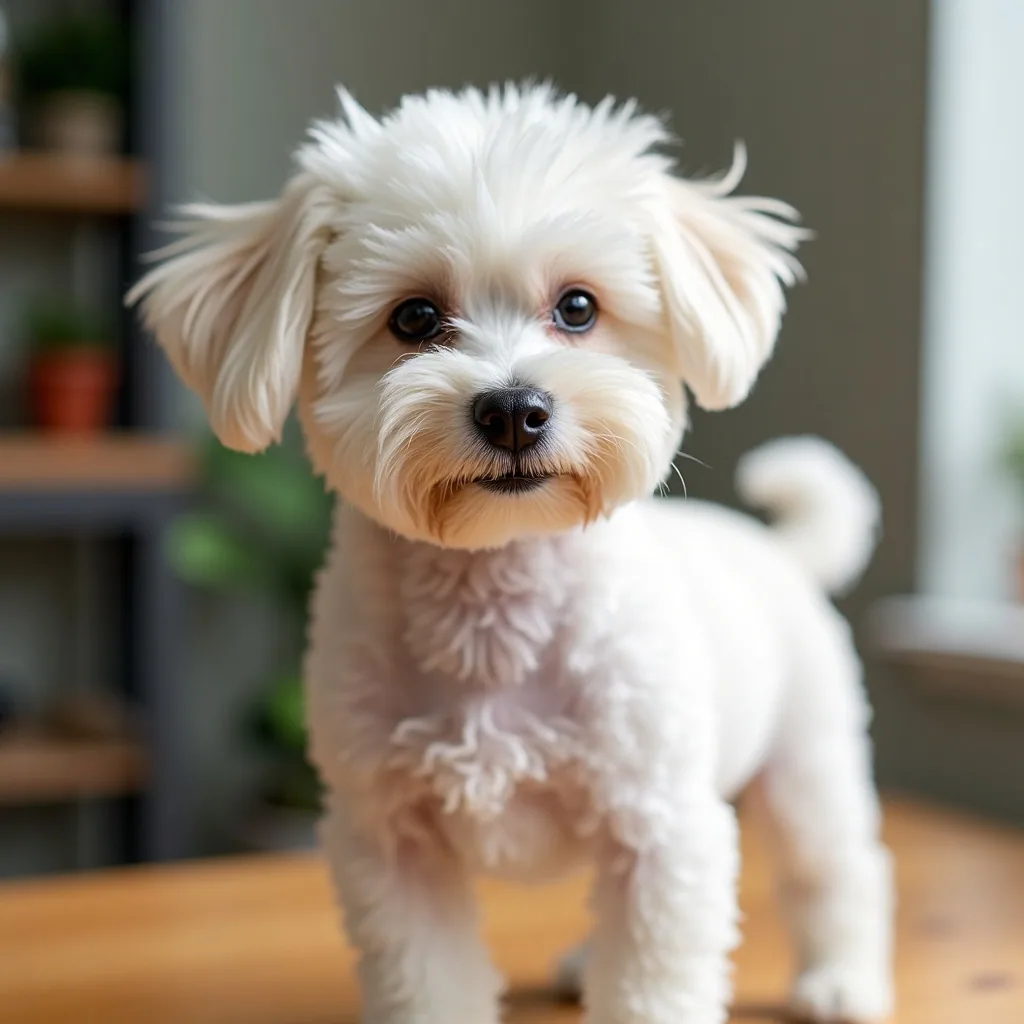
The quick answer
Yes. The Bichon's curly, low-shedding double coat traps loose hair and mats very easily, so it needs brushing and combing right down to the skin several times a week, ideally daily, plus a professional groom roughly every four to eight weeks for bathing, clipping and the breed's rounded trim.
The Bichon Frise's soft, white, powder-puff coat is its signature feature — and the part of ownership that needs the most hands-on care. The Bichon has a double coat: a soft, dense undercoat beneath a coarser, curling outercoat. Because it sheds very little, most loose hair is held within the coat rather than dropped around the home, which keeps mess down but means the coat mats and tangles very easily if it is not groomed regularly. Here is how to keep a Bichon looking and feeling its best.
Understanding the Bichon coat
That bouncy, rounded look is created by the curling outercoat springing back over the soft undercoat. The low shedding is part of why the breed is often suggested for some allergy sufferers, though no dog is truly hypoallergenic. The trade-off for minimal shedding is that loose, dead hair stays in the coat and quickly forms mats — especially behind the ears, under the legs (the armpits), around the collar and on the belly. Mats are not just unsightly; left alone they tighten against the skin, pull painfully and can cause sores and infection underneath, so prevention through regular brushing is essential.
Brushing: little and often
Plan on brushing and combing several times a week, ideally daily, to keep the coat tangle-free. Work in sections, right down to the skin rather than just over the surface, using a slicker brush and then a comb to check that no hidden knots remain near the roots — a coat that looks fluffy on top can be matted underneath. Lightly misting the coat with water or a dog detangling spray first helps the brush glide and prevents the hair snapping. If you find a mat, tease it apart gently from the edges inwards with your fingers and the comb rather than pulling or cutting near the skin. Our grooming brushes range has tools suited to a curly double coat.
The classic Bichon haircut
Most Bichons are kept in a trimmed style rather than a long natural coat. The traditional look is the rounded, powder-puff trim, where the coat is scissored into a soft, even, circular outline that frames the dark eyes and nose. Many pet owners choose a shorter, lower-maintenance "puppy" or teddy-bear clip for everyday life and the warmer months, which is easier to keep mat-free and more comfortable for an active dog. Whichever style you prefer, most owners visit a professional groomer every four to eight weeks for bathing, clipping, scissoring, nail trimming and tidying. Factor this ongoing cost into your budget; our cost guide covers the lifetime picture.
Bathing and keeping white coats white
Bichons benefit from regular bathing — often every few weeks — to keep that white coat clean and bright. Brush out any mats before bathing, because water tightens knots and makes them far harder to remove. Use a gentle dog shampoo, lather and rinse extremely thoroughly to avoid residue that can irritate the skin, then dry carefully, brushing the coat out as it dries to lift it and prevent it drying into tangles. A mild whitening dog shampoo can help maintain the colour, but avoid getting any product in the eyes.
Tear stains
Reddish-brown tear staining under the eyes is common in Bichons and stands out against the white coat. It is caused by pigments in overflowing tears and is usually cosmetic. Manage it by gently wiping the area daily with cooled boiled water or a vet-approved eye wipe, keeping the hair around the eyes trimmed short, and making sure fresh drinking water is always available. Importantly, sudden, heavy, one-sided or uncomfortable tearing, redness or squinting is not normal and should be checked by a vet, as it can indicate a blocked tear duct, infection, irritation or an eye problem.
Hairy ears
Bichons have drop ears with hair growing inside the ear canal, which reduces airflow and can trap moisture and wax, making ear infections more likely — especially in a breed already prone to skin allergies. Check the ears regularly for redness, odour, discharge or head-shaking, and ask your groomer or vet about gently removing excess hair and keeping the ears clean. Never poke anything deep into the ear canal, and see your vet if an infection is brewing.
Teeth, nails and walking kit
Grooming is about more than the coat:
- Teeth. Dental disease is very common in small breeds, so brush daily with dog toothpaste, backed up by dental chews and vet checks — see our dental care range.
- Nails. Trim every few weeks, taking only the clear tip and avoiding the pink quick.
- Walking kit. Use a well-fitted harness rather than a collar to keep pressure off a small dog's neck — browse our dog harnesses. Keep a collar on with up-to-date ID and microchip details, as the law requires, and a dog coat is handy for cold, wet walks.
Start grooming young, keep sessions short, calm and rewarding, and your Bichon will learn to enjoy the routine. For more on the breed, see our guides on whether Bichons make good family pets and lifespan and health.
*This is general guidance. For stubborn mats, persistent tear staining, or any eye, skin, dental or ear problem, see your vet or a professional groomer.*
Sources
- The Kennel Club — Bichon Frise breed information and health (thekennelclub.org.uk).
- PDSA — dog health, weight and preventive care (pdsa.org.uk).
- Blue Cross — caring for your dog (bluecross.org.uk).
- RSPCA — dog health and welfare (rspca.org.uk).
- RVC VetCompass — UK dog health and longevity research (rvc.ac.uk/vetcompass).
Common questions
Do Bichon Frise need a lot of grooming?
Yes. The Bichon's curly, low-shedding double coat traps loose hair and mats very easily, so it needs brushing and combing right down to the skin several times a week, ideally daily, plus a professional groom roughly every four to eight weeks for bathing, clipping and the breed's rounded trim. They also need regular eye cleaning to manage tear staining against the white coat, frequent ear checks because the ear canals are hairy, nail trims and daily tooth brushing. It is a real grooming commitment, so factor in both the time and the ongoing cost of a groomer.
Do Bichon Frise shed, and are they hypoallergenic?
Bichon Frise are very low-shedding. They have a double coat — a soft, dense undercoat and a coarser, curling outercoat — and most loose hair is caught within the coat rather than dropped around the home, which is exactly why it mats so easily and needs regular grooming. Because of the low shedding they are often suggested for some allergy sufferers, but no dog is truly hypoallergenic: allergens come mainly from dander, saliva and urine, not hair. If someone in your home has allergies, spend time with the breed before committing and keep up regular grooming and cleaning.
How long do Bichon Frise live?
The Bichon Frise is a long-lived small companion breed, typically reaching around 12–15 years and sometimes more with good care. As with most breeds, small dogs tend to outlive larger ones, and many Bichons stay bright and active well into their teens. Genetics set the range, but everyday care has a big influence: keeping your dog at a healthy weight, staying on top of dental care, providing daily exercise and mental stimulation, and arranging routine veterinary checks all help yours reach the upper end. Buying from a responsible Kennel Club Assured Breeder also lowers the risk of inherited problems.
About the author
Matt Garnett — founder, Giddy Pets
Matt started Giddy Pets to make getting pets the good stuff simpler and fairer. Everything in these guides comes from real life with pets and a lot of trial and error — it's practical guidance, not veterinary advice. If a guide gets something wrong, tell him directly.
Free tools & more guides
Read next
Are Bichon Frise Good Family Pets?
Are Bichon Frise good family dogs? Their cheerful, affectionate temperament, how they are with children, cats and other dogs, barking, and the homes they suit best.
How Long Do Bichon Frise Live? Lifespan & Health
How long Bichon Frise live, why this cheerful little companion breed is so long-lived, the health issues to watch for, and how to help yours reach a healthy old age.

Bichon Frise Health Problems: An Honest Guide
An honest guide to Bichon Frise health problems — allergic skin disease, ear infections, bladder stones, dental disease, patellar luxation, cataracts and Cushing's.

Bichon Frise vs Maltese: How to Choose
Bichon Frise vs Maltese compared — coat and grooming, size, temperament, shedding and allergies, health and cost — to help you choose the right small white companion.