
Are Bichon Frise Good Family Pets?
Are Bichon Frise good family dogs? Their cheerful, affectionate temperament, how they are with children, cats and other dogs, barking, and the homes they suit best.
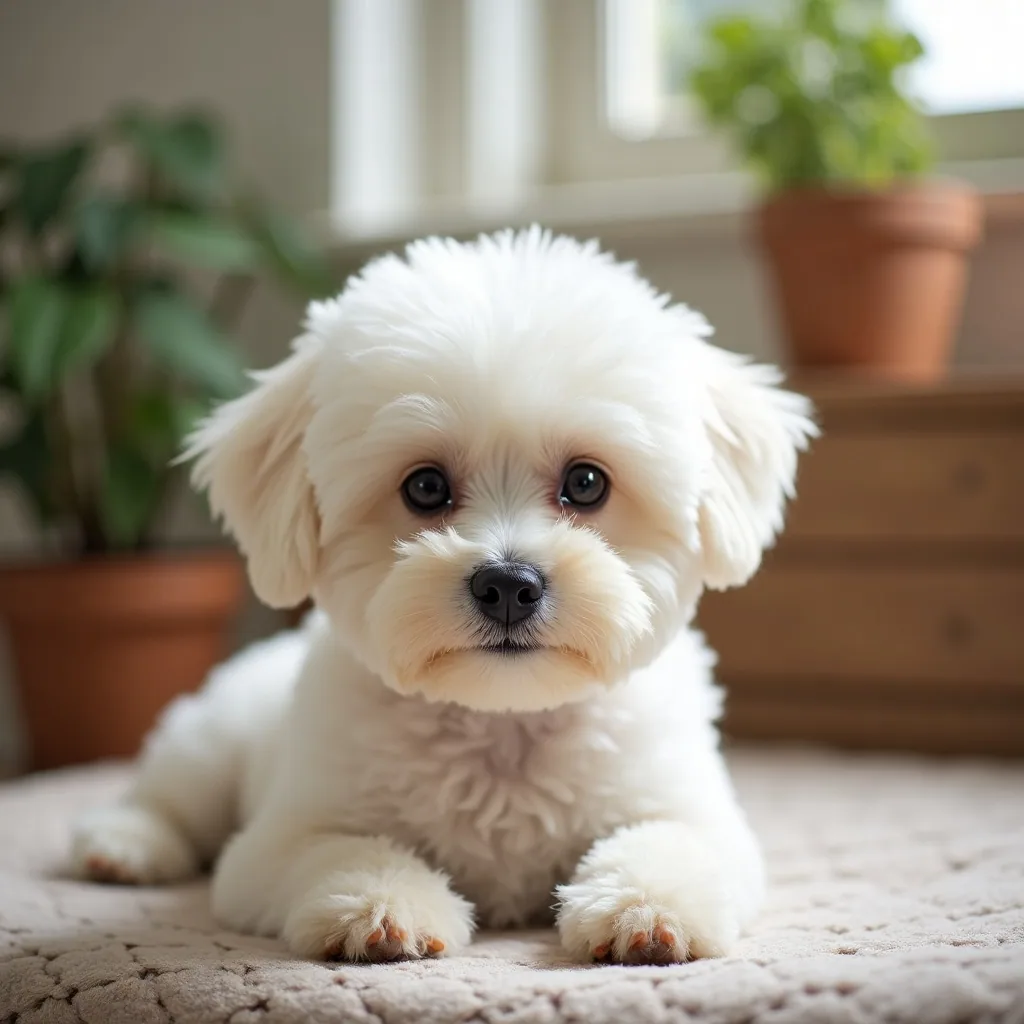
The quick answer
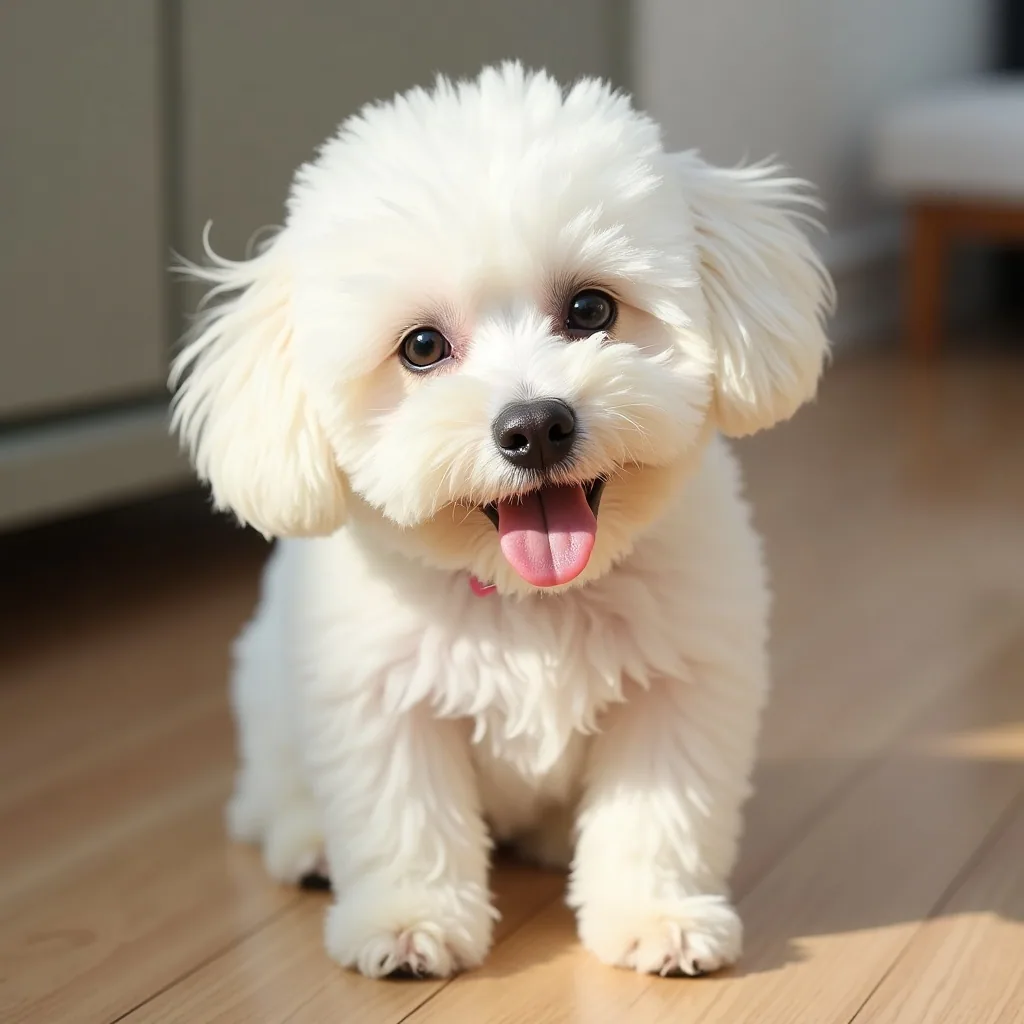
Bichon Frise make excellent family companions for many households. They are cheerful, affectionate, playful and sociable, usually getting on well with children, other dogs and cats when properly socialised.
The Bichon Frise is one of the most charming companion breeds — a small, white, perpetually cheerful dog bred for centuries to be a loving lap-and-family companion. But are Bichon Frise actually good family pets, and would one suit your home? For many households the answer is a resounding yes, with a couple of honest caveats around their size and their need for company. Here is a clear look at the breed's temperament and the families it fits best.
The Bichon temperament
Bichon Frise are affectionate, playful, sociable and merry — "happy" is the word owners reach for most. They were developed purely as companions and, later, as performing dogs, so they are people-focused, biddable and love being the centre of attention. They thrive on company, enjoy games and tricks, and are generally friendly towards strangers and other animals. For someone who wants a small, loving, characterful dog that wants to be involved in everything, the Bichon is hard to beat. They are happy in flats or houses, and their minimal shedding adds to their appeal as an indoor companion.
Are Bichon Frise good with children?
Bichons are generally very good with children and usually enjoy the activity and affection of family life. The key caution is their small, fairly delicate size: a little dog can be hurt by being dropped, sat on, stepped on or handled roughly, and may snap defensively if frightened or cornered. So they suit homes with children who are old enough to be gentle and respectful, or households where toddlers are closely supervised. Teach children to sit calmly when holding the dog, to let it come to them rather than chasing or grabbing, and to leave it alone when it is resting. Give the dog a safe space — a cosy bed or quiet corner — to retreat to. Done well, the bond between a gentle child and a Bichon can be genuinely lovely.
With cats and other dogs
The Bichon's friendly, non-aggressive nature means it usually gets on well with other dogs and with cats, particularly when raised alongside them or introduced slowly and calmly. They have no strong prey drive and tend to be sociable rather than scrappy. As with any small dog, supervise play with larger, boisterous dogs that could injure them accidentally, and make sure your Bichon always has an escape route and a safe place of its own.
They need company
The flip side of the Bichon's sociability is that they do not cope well with being left alone for long periods. Because they bond so closely with their people, they can be prone to separation-related distress, which may show as barking, destructiveness or toileting indoors. They suit households where someone is around for much of the day, or where the dog is gradually and patiently trained to tolerate sensible periods alone from puppyhood. Building up alone-time slowly, leaving safe enrichment toys such as a puzzle feeder, and keeping departures and returns low-key all help a Bichon learn to settle.
Barking and training
Bichons can be vocal, barking to greet people or announce visitors and noises, and barking can become a habit if they are bored, under-exercised or anxious. Early socialisation, consistent reward-based training and plenty of mental stimulation keep it in proportion. The good news is that they are intelligent and eager to please, and respond beautifully to gentle, positive training — they have a long history as trick and circus dogs. The one area owners find trickier is house-training: small breeds have small bladders and can be slower to learn, so a consistent routine and lots of praise for getting it right pay off. Avoid harsh methods, which this sensitive breed does not handle well.
Exercise
Bichons are small but lively and need around 30 minutes or more of exercise a day, split into walks plus play and training. They are adaptable and happy in town or country, but they still need their daily outing and the mental stimulation that comes with sniffing, exploring and learning. Always walk a Bichon on a harness rather than a collar to protect a small dog's neck — see our harnesses.
Who do Bichon Frise suit?
- Families with gentle, sensible children, or with careful supervision of toddlers.
- Adults, couples and older owners wanting an affectionate, cheerful companion.
- People who are around much of the day, or can train their dog to be left for sensible periods.
- Homes with other pets, given the breed's sociable nature.
- Owners happy to groom regularly and budget for professional grooming (see our grooming guide).
They are less ideal for people out at work all day with no provision for the dog, or anyone wanting a low-grooming, low-maintenance breed.
The honest verdict
For the right home, Bichon Frise make outstanding family companions: loving, fun, sociable and adaptable. The keys are honesty about their need for company, gentle handling around small children, and commitment to their grooming. Match the breed to your household and a Bichon will reward you with years of cheerful devotion. For more, see our guides on lifespan and health and costs.
*This is general guidance. Every dog is an individual, so meet the puppy and its mother before choosing, and speak to your vet about your circumstances.*
Sources
- The Kennel Club — Bichon Frise breed information and health (thekennelclub.org.uk).
- PDSA — dog health, weight and preventive care (pdsa.org.uk).
- Blue Cross — caring for your dog (bluecross.org.uk).
- RSPCA — dog health and welfare (rspca.org.uk).
- RVC VetCompass — UK dog health and longevity research (rvc.ac.uk/vetcompass).
Common questions
Are Bichon Frise good family pets?
Bichon Frise make excellent family companions for many households. They are cheerful, affectionate, playful and sociable, usually getting on well with children, other dogs and cats when properly socialised. The main cautions are their small, fairly delicate size, which means young children must be taught to handle them gently, and their strong attachment to people, which can lead to separation-related distress if they are left alone too long. With early socialisation, gentle reward-based training and company for much of the day, they are devoted, good-natured little dogs.
Do Bichon Frise bark a lot?
Bichon Frise can be vocal. They are alert, sociable little dogs that often bark to greet people or announce visitors and noises, and some develop a barking habit if they are bored, under-exercised or anxious about being left alone. It is not an aggressive bark so much as an excitable, attention-seeking one. Early socialisation, consistent reward-based training, plenty of mental stimulation, and teaching them gradually to settle and be left calmly all help keep barking in proportion. Because the breed bonds so closely with its people, preventing separation anxiety is key to avoiding excessive barking.
Can a Bichon Frise be left alone?
Bichon Frise are sociable and bond closely with their people, so they do not cope well with being left alone for long periods and can be prone to separation-related distress, which may show as barking, destructiveness or toileting indoors. They suit households where someone is around for much of the day, or where the dog has been gradually and patiently trained to tolerate sensible periods alone. Building up alone-time slowly from puppyhood, leaving safe enrichment toys, and never making departures or returns a big fuss all help a Bichon learn to settle calmly.
About the author
Matt Garnett — founder, Giddy Pets
Matt started Giddy Pets to make getting pets the good stuff simpler and fairer. Everything in these guides comes from real life with pets and a lot of trial and error — it's practical guidance, not veterinary advice. If a guide gets something wrong, tell him directly.
Free tools & more guides
Read next
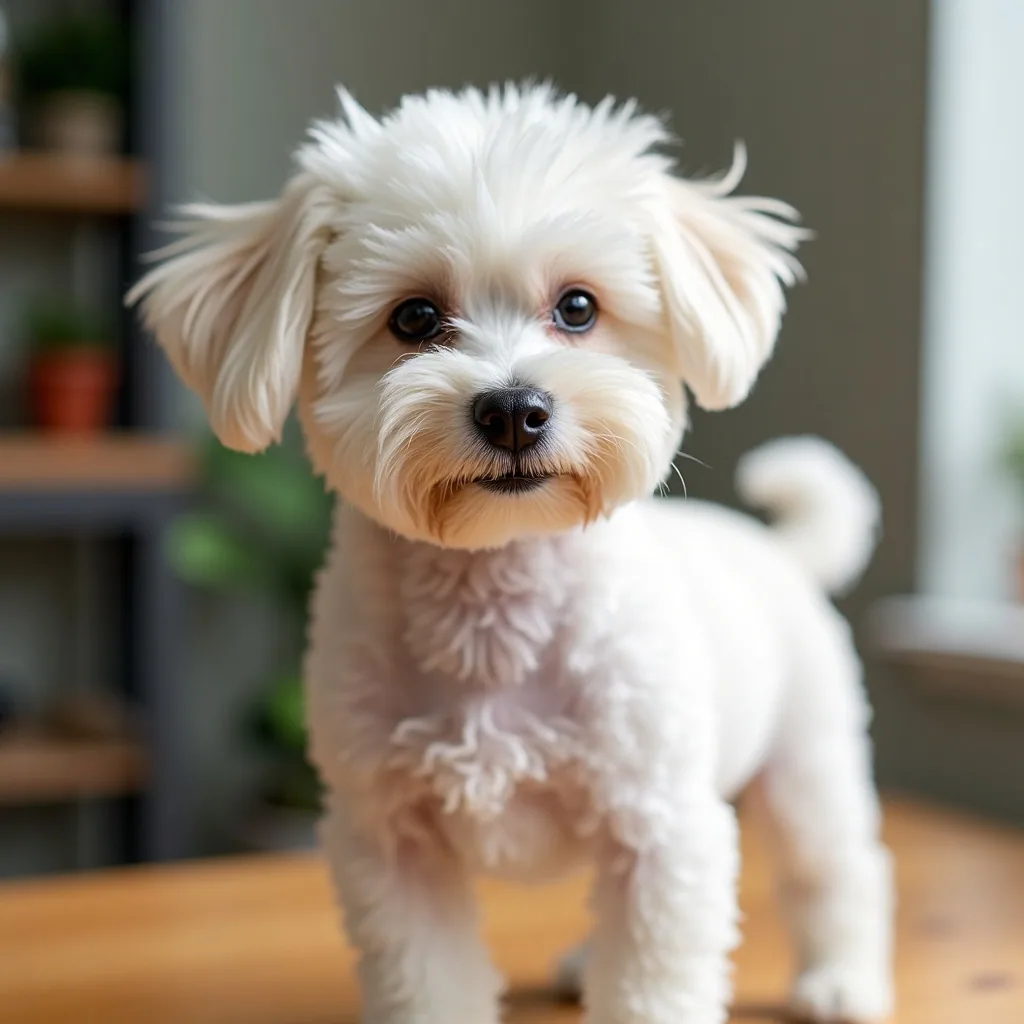
Bichon Frise Grooming & Haircuts (Coat, Brushing & Trims)
How to groom a Bichon Frise — daily brushing of the curly double coat, preventing mats, the classic rounded haircut, bathing, tear stains, hairy ears, teeth and nails.
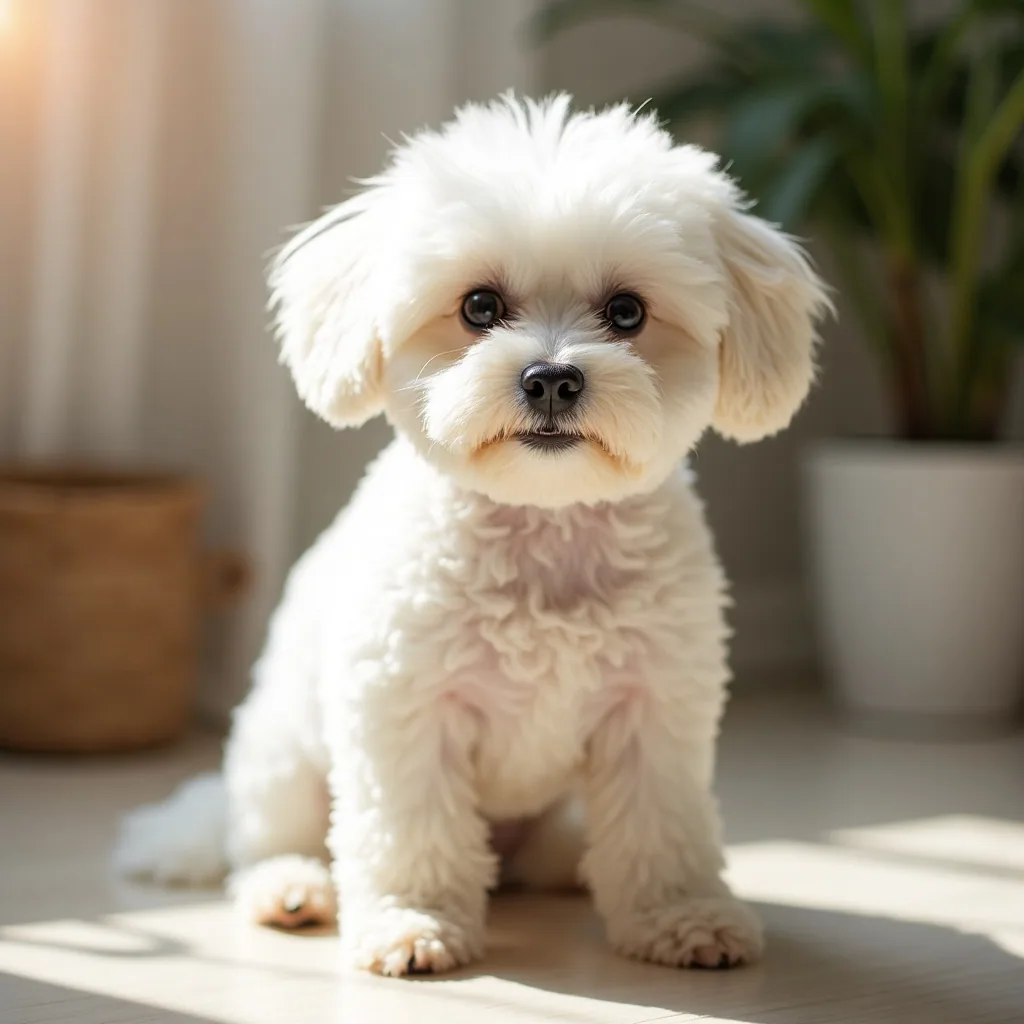
How Much Does a Bichon Frise Cost? Buying & Lifetime Costs
What a Bichon Frise really costs — the price of a well-bred puppy, the lifetime running costs including grooming and dental care, the pros and cons, and why insurance is worth it.
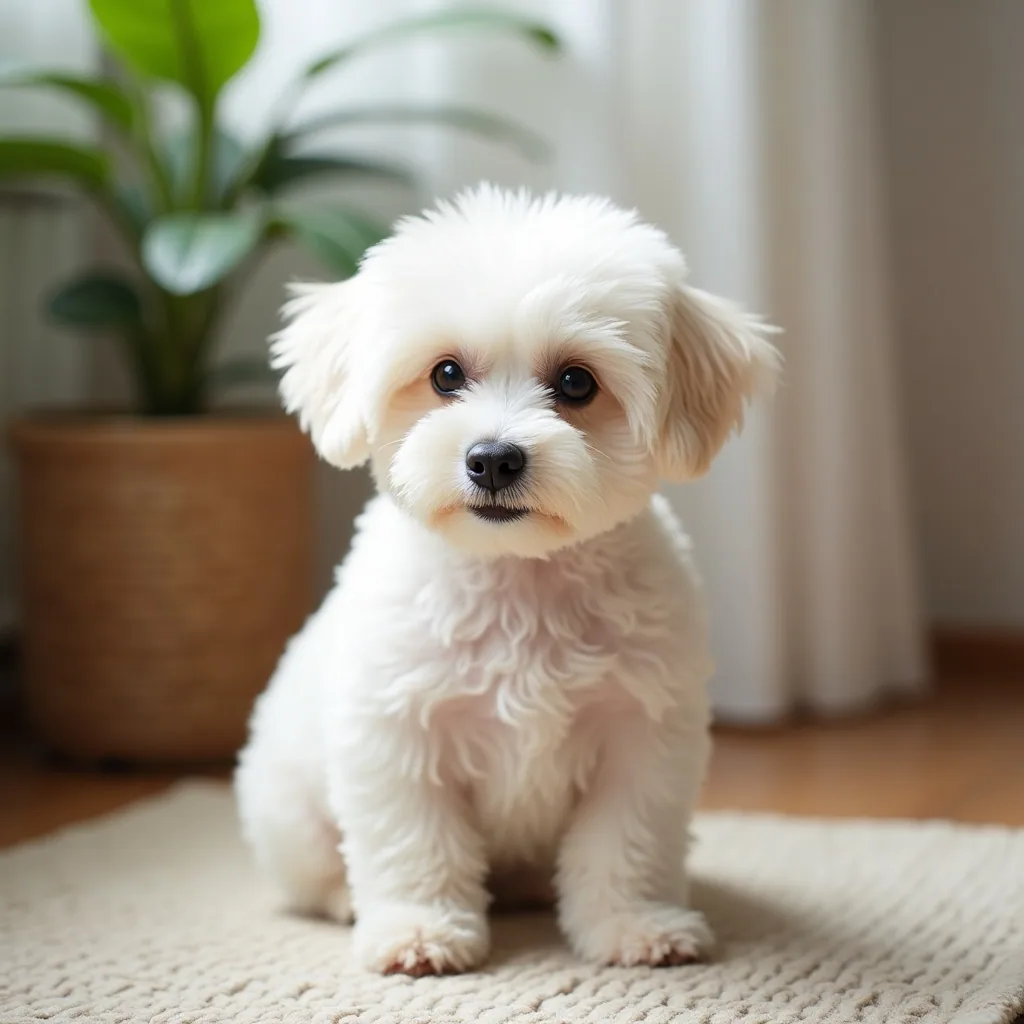
How Long Do Bichon Frise Live? Lifespan & Health
How long Bichon Frise live, why this cheerful little companion breed is so long-lived, the health issues to watch for, and how to help yours reach a healthy old age.
Bichon Frise vs Maltese: How to Choose
Bichon Frise vs Maltese compared — coat and grooming, size, temperament, shedding and allergies, health and cost — to help you choose the right small white companion.