
Bichon Frise vs Maltese: How to Choose
Bichon Frise vs Maltese compared — coat and grooming, size, temperament, shedding and allergies, health and cost — to help you choose the right small white companion.
The quick answer
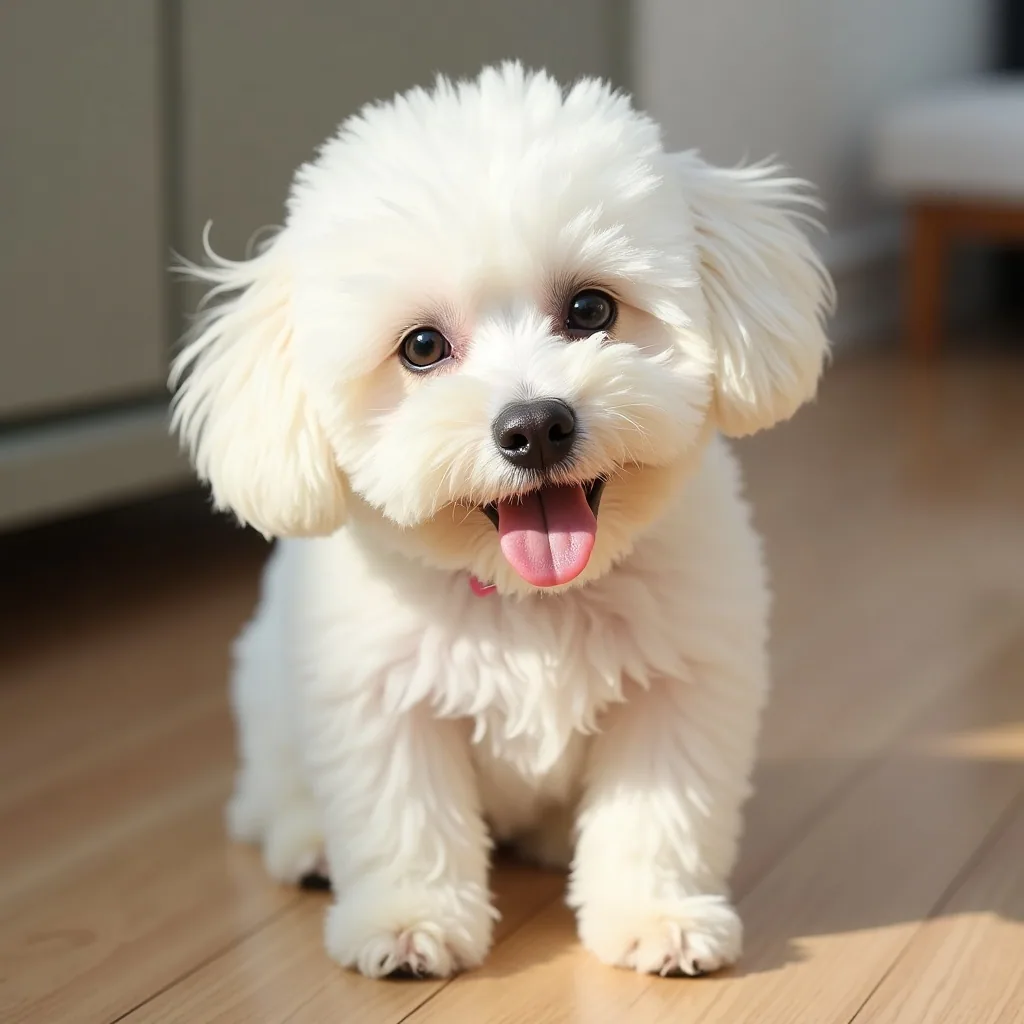
Both are small, white, low-shedding companion breeds, but their coats differ most. The Bichon has a curly double coat — a soft undercoat plus a coarser curling outercoat — usually trimmed into a rounded, powder-puff shape, while the Maltese has a single, straight, silky coat with no undercoat, often grown long with a topknot.
Bichon Frise and Maltese are two of the most beloved small white companion breeds, and it is easy to see why people compare them: both are fluffy, affectionate, low-shedding lapdogs with a long history as cherished companions. But they are distinct breeds with real differences in coat, size and character. If you are torn between the two, this honest comparison covers coat and grooming, size, temperament, shedding and allergies, health and cost, to help you choose the right dog for your home.
Coat: curly double coat vs silky single coat
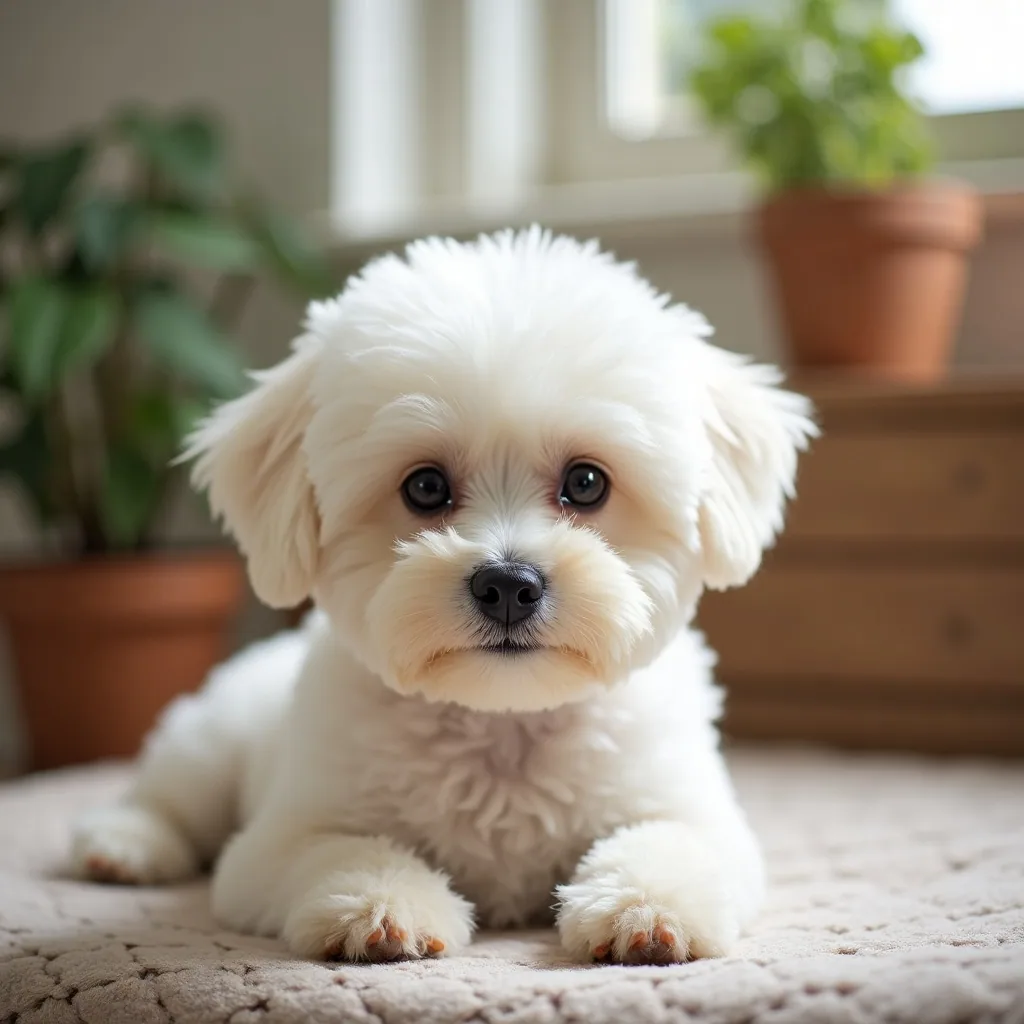
The biggest visible difference is the coat. The Bichon Frise has a double coat — a soft, dense undercoat beneath a coarser, curling outercoat — which is usually scissored into the breed's signature rounded, powder-puff shape. The Maltese has a single coat of fine, straight, silky, hair-like fur with no undercoat, often grown long and flowing with a topknot to keep it out of the eyes, though many pet owners keep it in a shorter clip. In short: Bichon = curly and rounded; Maltese = straight and silky. Both are white, and both stand out for it.
Grooming: both demanding
Neither breed is low-maintenance. The Bichon's curly coat traps loose hair and mats easily, so it needs brushing several times a week plus a professional groom every four to eight weeks for its trim. The Maltese's long single coat also mats and tangles and needs daily brushing, with regular bathing and either a show coat or a pet clip. Both need eye care for tear staining, regular dental care and nail trims. Whichever you choose, budget time and money for grooming — see our Bichon grooming guide for the kind of routine involved.
Size
Both are small, but the Maltese is the tinier and more fragile of the two. A Maltese typically weighs only around 3–4 kg, whereas a Bichon is a little stockier and sturdier, usually around 5–8 kg and roughly 23–28 cm at the shoulder. Neither is a robust, rough-and-tumble dog, but the Bichon's slightly more solid build can make it a touch more forgiving around gentle children, while the very delicate Maltese needs especially careful handling. Note that "teacup" versions of either breed are marketing terms, not real varieties, and breeding for abnormal tininess brings health problems — avoid them.
Temperament
Both breeds are affectionate, people-focused companions that bond closely with their owners and dislike being left alone for long. The Bichon is often described as especially bouncy, playful and outgoing — a merry, sociable dog with a circus-performer heritage — while the Maltese, though also playful, is frequently seen as a slightly more classic, devoted lapdog. Both can be vocal, both are intelligent and trainable with gentle methods, and both can be a little slower to house-train, as small breeds often are. Honestly, in day-to-day life their temperaments are more alike than different: choose on coat, size and the individual puppy rather than expecting a big personality gap.
Shedding and allergies
Both breeds are very low-shedding and are often suggested for some allergy sufferers, but no dog is truly hypoallergenic — allergens come mainly from dander, saliva and urine rather than hair. The Maltese's single, undercoat-free coat means it sheds even less hair, but this does not reliably translate into fewer allergic reactions. If allergies are the deciding factor, spend time with both breeds before committing rather than relying on the "hypoallergenic" label.
Health and lifespan
Both are long-lived, typically reaching around 12–15 years. They share some toy-breed risks — dental disease, patellar luxation and tear staining. Beyond those, their profiles differ a little: the Bichon is particularly associated with allergic skin disease, ear infections and bladder stones, while the Maltese is more associated with collapsing trachea and liver shunts. Our honest health guides for each breed go into detail — see Bichon Frise health problems. With either breed, buying from a responsible breeder and insuring early are the smartest moves.
Cost
Costs are broadly similar. Both command a meaningful purchase price from a responsible UK breeder, and both carry substantial lifetime running costs, driven especially by regular professional grooming and the breed-typical health needs. Our Bichon cost guide breaks down the lifetime picture, most of which applies to the Maltese too.
So which should you choose?
There is no wrong answer — both are wonderful companions for the right home. Lean towards the Bichon Frise if you prefer the curly, rounded powder-puff look and a slightly sturdier, bouncier dog. Lean towards the Maltese if you love the long, silky coat and a tiny, classic lapdog, and you are confident you can handle and protect a very delicate dog. Either way, be sure you can meet the grooming, company and health-care commitments both breeds share, and choose a responsible breeder over a bargain. To dig deeper into the Bichon, see our guides on temperament and lifespan.
*This is general guidance. Every dog is an individual, so meet any puppy and its mother before choosing, and speak to your vet about which breed suits your circumstances.*
Sources
- The Kennel Club — Bichon Frise breed information and health (thekennelclub.org.uk).
- PDSA — dog health, weight and preventive care (pdsa.org.uk).
- Blue Cross — caring for your dog (bluecross.org.uk).
- RSPCA — dog health and welfare (rspca.org.uk).
- RVC VetCompass — UK dog health and longevity research (rvc.ac.uk/vetcompass).
Common questions
What is the difference between a Bichon Frise and a Maltese?
Both are small, white, low-shedding companion breeds, but their coats differ most. The Bichon has a curly double coat — a soft undercoat plus a coarser curling outercoat — usually trimmed into a rounded, powder-puff shape, while the Maltese has a single, straight, silky coat with no undercoat, often grown long with a topknot. Bichons tend to be slightly stockier and are often described as bouncy and outgoing; the Maltese is tinier and more of a classic lapdog. Both are affectionate, both need a lot of grooming, and both can bark and dislike being left alone.
Do Bichon Frise shed, and are they hypoallergenic?
Bichon Frise are very low-shedding. They have a double coat — a soft, dense undercoat and a coarser, curling outercoat — and most loose hair is caught within the coat rather than dropped around the home, which is exactly why it mats so easily and needs regular grooming. Because of the low shedding they are often suggested for some allergy sufferers, but no dog is truly hypoallergenic: allergens come mainly from dander, saliva and urine, not hair. If someone in your home has allergies, spend time with the breed before committing and keep up regular grooming and cleaning.
How big do Bichon Frise get?
The Bichon Frise is a small companion breed. The Kennel Club breed standard gives a height of around 23–28 cm (roughly 9–11 inches) at the shoulder, and most adults weigh somewhere in the region of 5–8 kg, though individuals vary. Their fluffy, rounded coat can make them look bigger than they are — underneath the powder-puff is quite a compact little dog. There is no recognised "teacup" or "miniature" Bichon: those are marketing terms, and deliberately breeding for an abnormally tiny size can bring serious health problems, so they are best avoided.
About the author
Matt Garnett — founder, Giddy Pets
Matt started Giddy Pets to make getting pets the good stuff simpler and fairer. Everything in these guides comes from real life with pets and a lot of trial and error — it's practical guidance, not veterinary advice. If a guide gets something wrong, tell him directly.
Free tools & more guides
Read next
Bichon Frise Grooming & Haircuts (Coat, Brushing & Trims)
How to groom a Bichon Frise — daily brushing of the curly double coat, preventing mats, the classic rounded haircut, bathing, tear stains, hairy ears, teeth and nails.
Bichon Frise Health Problems: An Honest Guide
An honest guide to Bichon Frise health problems — allergic skin disease, ear infections, bladder stones, dental disease, patellar luxation, cataracts and Cushing's.
How Much Does a Bichon Frise Cost? Buying & Lifetime Costs
What a Bichon Frise really costs — the price of a well-bred puppy, the lifetime running costs including grooming and dental care, the pros and cons, and why insurance is worth it.
Are Bichon Frise Good Family Pets?
Are Bichon Frise good family dogs? Their cheerful, affectionate temperament, how they are with children, cats and other dogs, barking, and the homes they suit best.